We assume that modern humans are completely separate from extinct prehistoric species. Most people believe our biology is entirely unique to our modern lineage.
But geneticists have discovered that ancient DNA is actively running inside our cells. These forgotten genes are quietly influencing how your body fights off modern diseases.
The Ancient Encounters

Thousands of years ago, modern humans migrated out of Africa and met other human species. These groups lived side by side and shared their lives. According to evolutionary geneticists, these close encounters left a permanent mark on our genetic code. We are a mix. But researchers did not realize how much this ancient heritage still matters.
Mapping The Hidden Code
Scientists sequencing the human genome found distinct segments of DNA that do not match African lineages. These specific segments are a perfect match for Neanderthal fossils. According to a study in Nature, most non-African people carry up to two percent of this ancient DNA. It is widely shared. But these hidden genes are not just passive passengers.
The Modern Immune Boost
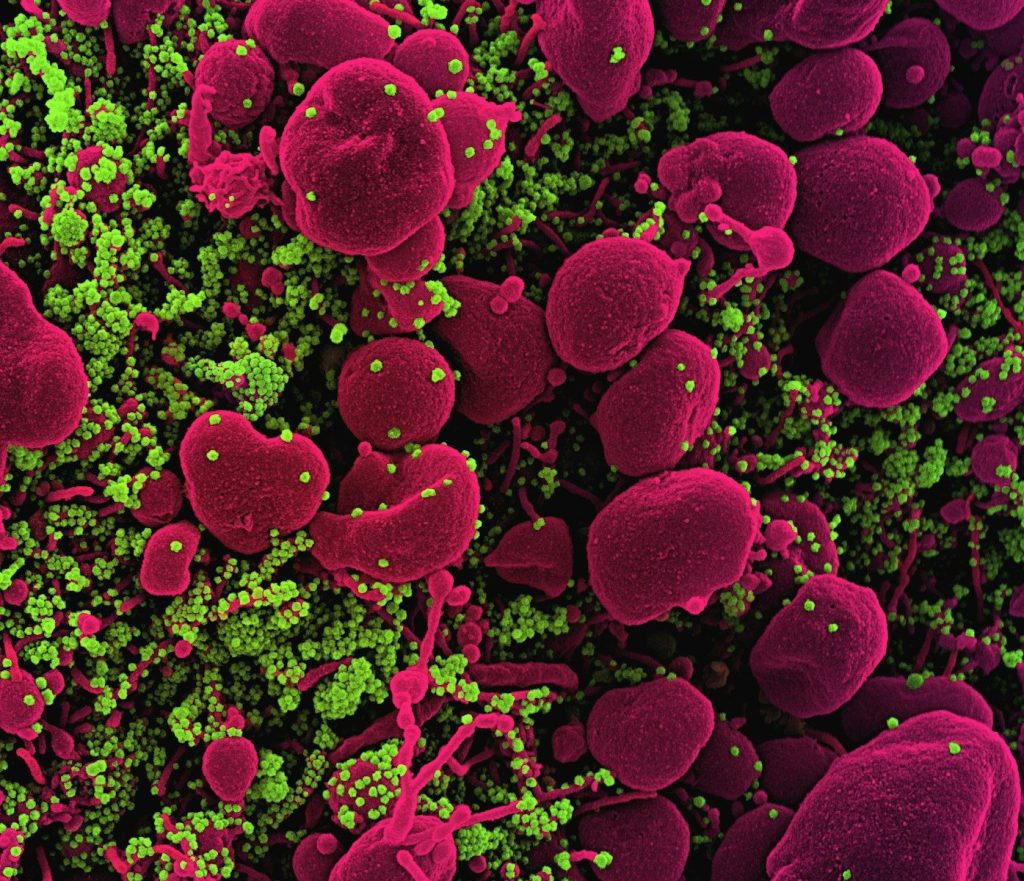
Some of the inherited genes play a critical role in how our immune systems detect harmful invaders. These ancient traits helped early humans survive deadly local pathogens. According to researchers at Stanford University, these genes act like a biological shield against infections. They protect us. Yet, this ancient shield has a highly modern downside.
The Autoimmune Trap

While an overactive immune system helped our ancestors survive, it poses a major threat today. This aggressive response can cause the body to attack its own healthy tissues. According to genetic studies, these Neanderthal variants directly cause modern allergies and autoimmune disorders. It is a trade. But the impact of these genes goes far beyond the immune system.
Controlling Your Daily Rhythm

Scientists have also linked ancient DNA to how our bodies handle sleep and waking cycles. Some prehistoric variants influence whether you are a morning person or a night owl. According to sleep researchers, these traits helped early humans adapt to the extreme seasonal light of northern climates. The clock is set. But these genes also affect how we process pain.
A Unique Pain Tolerance
Some people carry a specific Neanderthal gene that alters how their nerve cells register physical discomfort. These individuals feel certain types of pain much more intensely. According to studies by the Max Planck Institute, this mutation acts like an amplifier for sensory signals. It is highly sensitive. But this ancient biology is also shaping our mental traits.
The Brain Connection

Researchers are studying how ancient genetic segments influence brain structure and cognitive behavior. Some of these variants link directly to highly creative problem-solving abilities. According to neurological reports, these evolutionary inputs helped shape the unique way modern human minds function. Our thoughts are old. But scientists are still trying to map the full extent of this ancient blueprint.
Embracing Our Evolutionary Past
Our ancient genetic heritage proves that we are not as isolated from the past as we think. The genes of extinct species live on inside us, directly shaping our modern lives. According to biologists, understanding these ancient links is crucial for developing personalized medical treatments. This article is for informational purposes only.
Leave a Reply