Most people assume that Neanderthals vanished in total isolation thousands of years ago. We believe that our modern ancestors had nothing to do with their quiet end.
But a newly sequenced genome has shattered this comfortable historical theory. Scientists analyzing this final survivor have found a shocking twist in their genetic line.
The Final Survivor
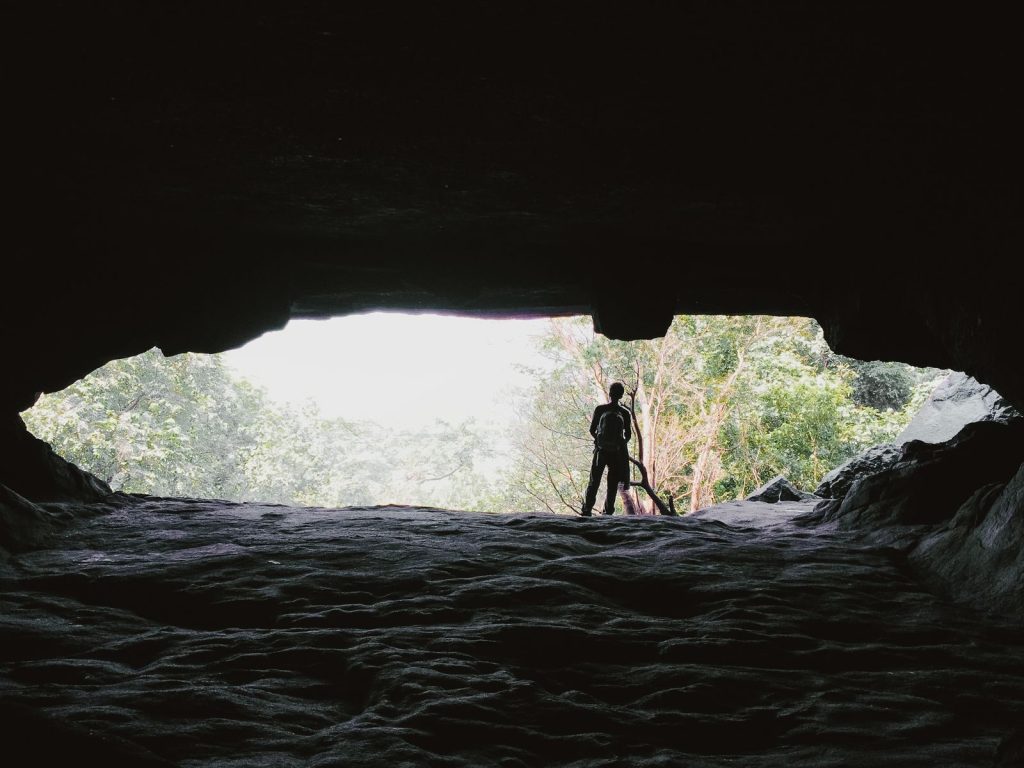
Deep inside a remote French cave, archaeologists discovered the remains of an individual named Thorin. He belonged to one of the final populations of his kind. According to researchers at the University of Copenhagen, Thorin lived over forty thousand years ago. His survival was incredibly difficult. Yet, his ancient bones held a deep secret that changed everything we thought we knew.
Isolated For Millennia
Genetic testing revealed that Thorin lived in absolute genetic isolation from other communities. His people stayed hidden in their small valley for over fifty thousand years. According to a study in Cell, this extreme isolation was highly unusual. They were completely alone. This lack of gene flow points to a major reason why their entire lineage suddenly collapsed.
The Evolutionary Trap
When a population avoids outside breeding, its genetic health declines rapidly. Harmful mutations accumulate over generations and weaken the species. According to evolutionary biologists, this gene pool stagnation was a trap. Nature can be brutal. This genetic decline explains why they could not adapt to a rapidly changing prehistoric world.
Surviving Against Odds
Despite their tiny genetic pool, Thorin and his small group survived much longer than anyone thought possible. They held out in their cave while other human cousins thrived elsewhere. According to carbon dating analysis, this community lived near the very end of the Neanderthal era. They were incredibly stubborn. But scientists were about to find a shocking link to modern humans.
Hidden Genetic Echoes
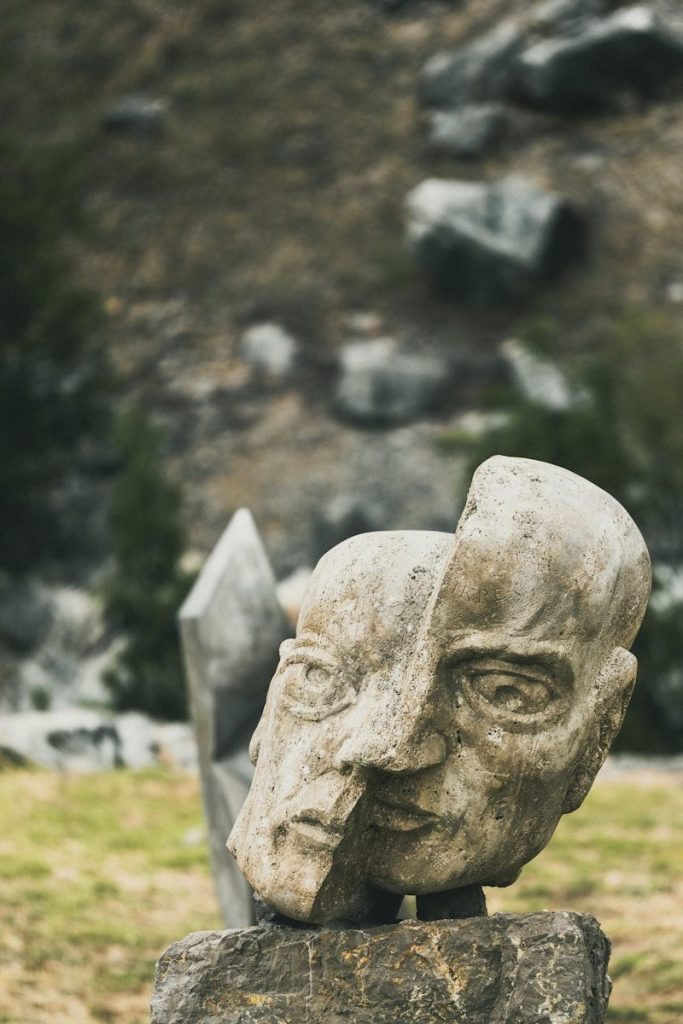
We did not just share the landscape with these ancient relatives. Humans regularly crossed paths and shared genetic lines with Neanderthals. According to genome researchers, modern people still carry several distinct segments of this ancient DNA today. We are a living archive. However, this specific genetic makeup caused some highly unexpected modern health conditions.
Prehistoric Pain Triggers
One inherited genetic mutation influences how your nervous system responds to physical trauma. It changes how you register everyday discomfort. According to studies by the Max Planck Institute, people with this Neanderthal variant experience pain much more intensely. It acts like an amplifier. But this evolutionary gift also shapes how our bodies adapt to sleep.
Unlocking Early Sleep
Prehistoric genes also dictate whether you are a morning person or a night owl. These traits originally helped early humans adjust to long, dark northern nights. According to sleep scientists, these mutations remain deeply active inside us. The clock is ticking. This shows that we are deeply connected to the prehistoric world in ways we cannot easily see.
A Shared Legacy

The DNA of the last Neanderthal proves that our evolutionary past is far more complex than simple extinction. According to evolutionary geneticists, these ancient links will help us develop personalized medicine for future generations. We are still evolving. This article is for informational purposes only.
Leave a Reply