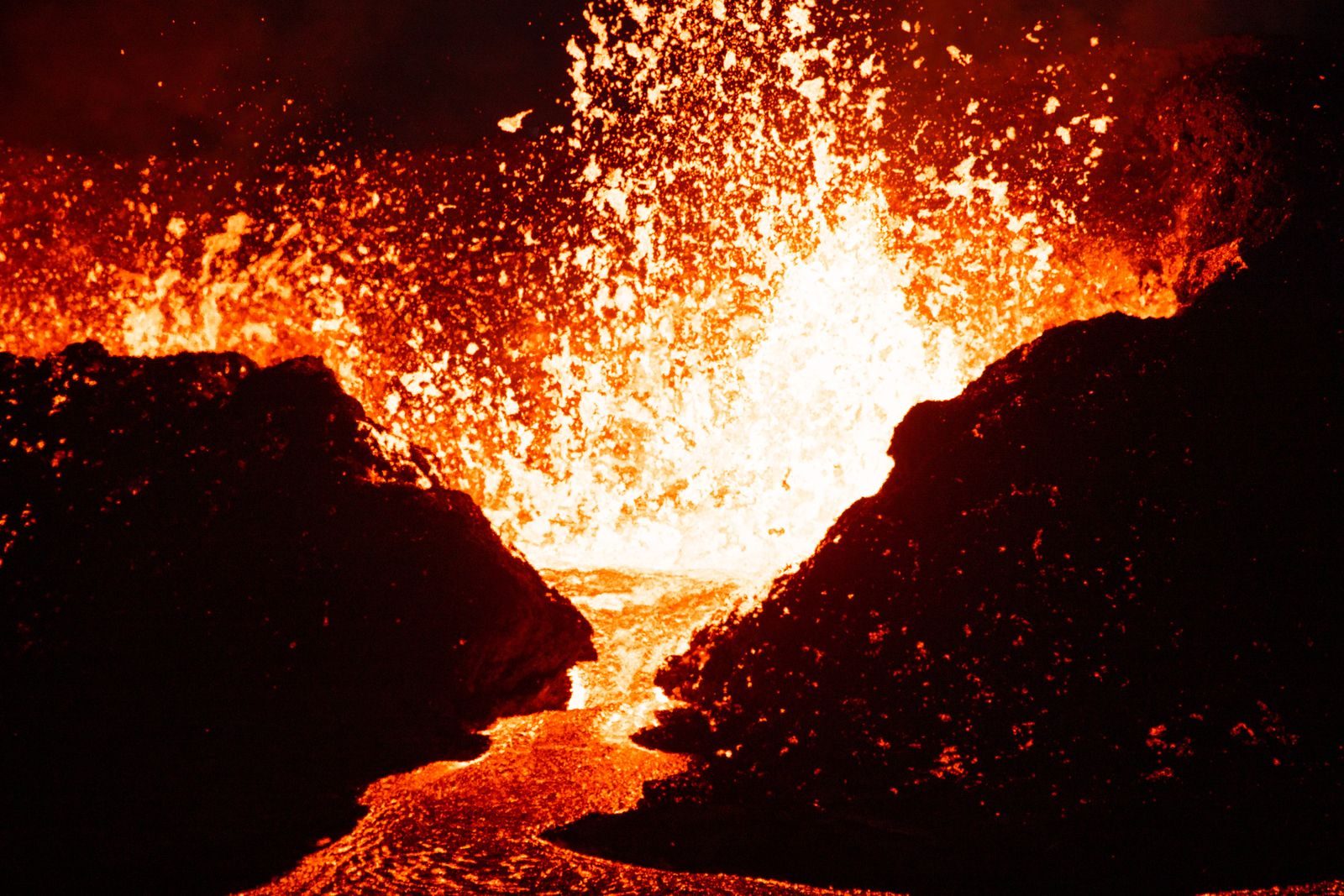
Most people believe that underwater volcanoes are purely destructive forces of nature. We assume that their eruptive heat and toxic chemicals make life impossible.
But scientists have discovered that deep-sea volcanoes are actually biological cradles. These underwater hotspots release essential minerals that nourish some of the oldest organisms on Earth.
Boiling Toxic Vents
Active underwater volcanoes release superheated water laced with toxic sulfur and heavy metals. This chemical soup would instantly kill normal terrestrial and shallow water species. According to ocean research groups, some extremophile microbes consume these chemicals directly. They love the acid. These tiny organisms form the foundation of a highly complex food chain.
The Ghostly Shrimp
Blind shrimp gather in massive swarms around active underwater volcanic vents. They use specialized sensors on their backs to detect thermal heat in pitch darkness. According to the Woods Hole Oceanographic Institution, these shrimp graze on the volcanic bacteria. They are incredibly tough. But these tiny creatures must dodge deadly eruptive blasts to survive.
Searing Water Temperatures
Water shooting from these volcanic vents can reach over four hundred degrees Celsius. The intense ocean pressure prevents the water from turning into steam. According to thermodynamic studies, these extreme temperatures create a highly localized habitat. The balance is delicate. Scientists are discovering how animals navigate these razor-thin survival zones.
Heavy Metal Protection
Volcanic water is saturated with copper, iron, and highly toxic hydrogen sulfide. Animals living here have evolved unique shells and skin barriers to resist heavy metal poisoning. According to evolutionary biologists, some species use these metals to strengthen their outer armor. They are heavily armored. This unique biology is helping researchers develop new high-strength materials.
Cradle Of Evolution
Many geneticists believe that the first living cells on Earth originated near deep-sea volcanoes. The rich chemical environment provided the perfect energy source for early replication. According to genetic studies in Science, our oldest ancestral genes match modern vent microbes. This link is ancient. This historical connection is forcing scientists to look deeper into Earth’s history.
Mapping The Unknown
Most of the volcanic peaks on the ocean floor remain completely unmapped by modern sonar. Scientists estimate that thousands of active underwater vents are still waiting to be found. According to marine geologists, every new expedition discovers previously unknown species. The search is challenging. Yet, these discoveries continue to redefine our basic assumptions about Earth.
Unbreakable Ocean Balance
Deep-sea volcanoes prove that life can flourish in the most hostile environments on our planet. They show that nature always finds a way to survive and adapt. According to oceanographers, protecting these sensitive hydrothermal systems is vital for global marine health. We must respect them. This article is for informational purposes only.
Featured Image: Photo by Tomáš Malík on Pexels
Leave a Reply