
We often imagine that ancient civilizations relied only on simple stone tools. Most people believe that complex mechanical engineering began in modern Europe.
But a stunning relic recovered from an Egyptian tomb reveals a shocking truth. This strange bronze device utilized gear systems that scientists thought were impossible for its time.
Hidden In The Tomb
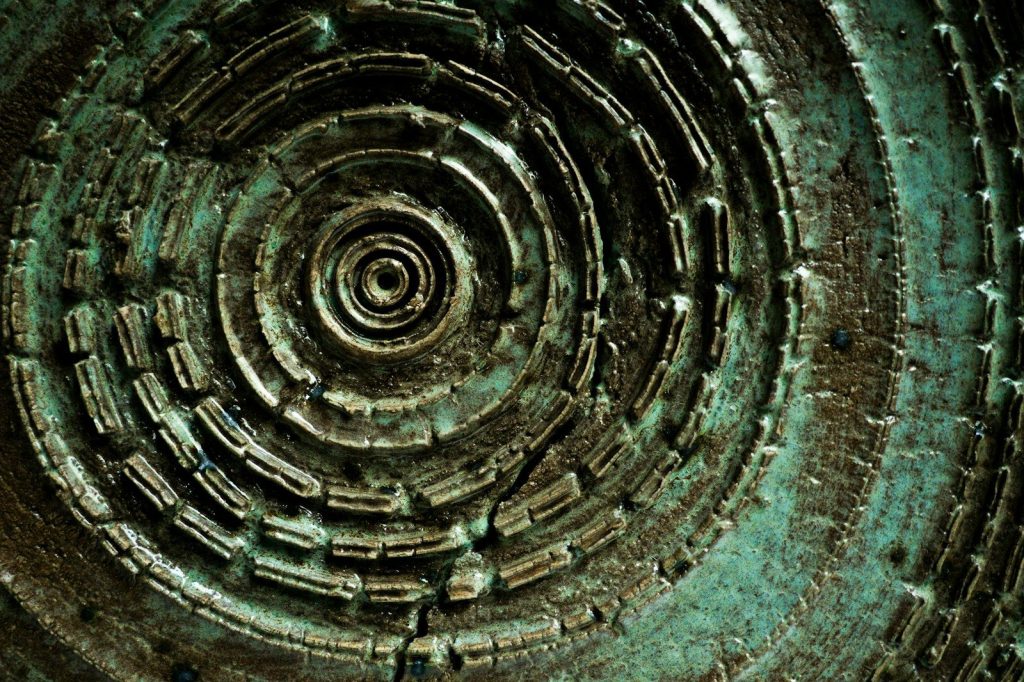
Archaeologists exploring a dusty tomb near Luxor uncovered a small metal object shaped like a flat wheel. It was heavily encrusted with centuries of green rust. According to reports from the Cairo Museum, the museum had ignored the artifact in storage for decades. It looked like trash. But a closer inspection using modern scans revealed a hidden secret.
The Internal Gear System

Scientists used advanced X-ray imaging to peer inside the corroded metal shell. They were stunned to find a highly complex set of interlocking bronze gears. According to engineering experts, the precision of these teeth matches modern mechanical standards. It was incredibly precise. But the real puzzle was what this machine was designed to calculate.
Tracking The Cosmic Paths
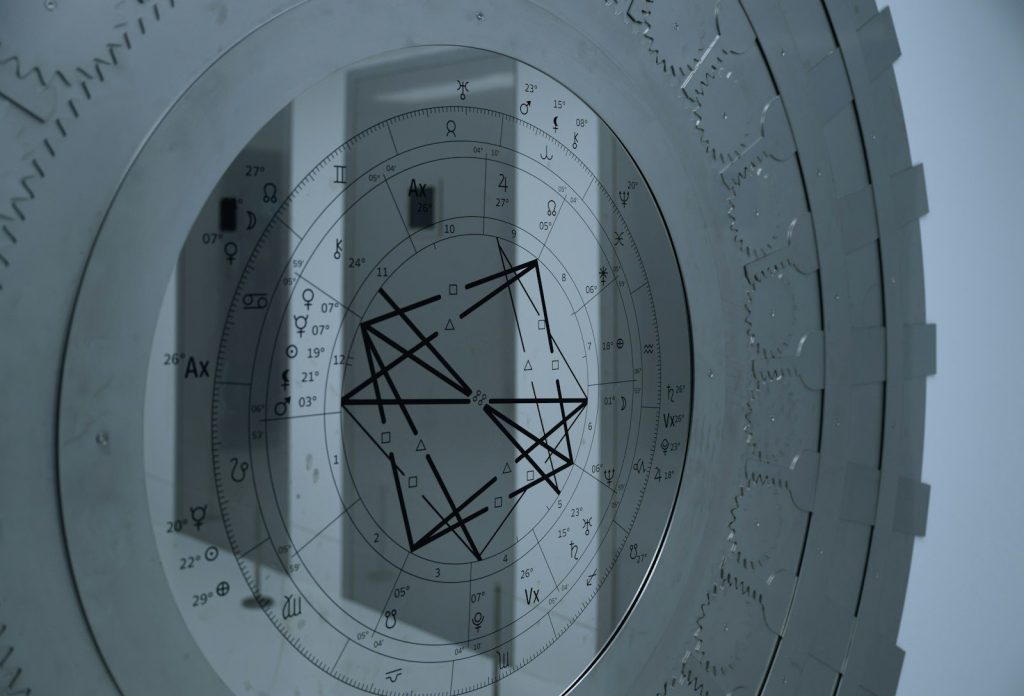
The internal gears rotated at varying speeds when a small crank was turned. This movement perfectly tracked the complex orbits of several nearby planets. According to astronomical researchers, the builders possessed a deep mathematical understanding of the night sky. They mapped the stars. Yet, this high technology disappeared from the historical record.
The Ancient Knowledge Gap

Historians are struggling to explain how such a complex device could exist thousands of years ago. No similar gear systems appear in historical records for another two millennia. According to academic papers, this massive gap suggests that ancient technology was far more advanced than we believe. It was lost. But the mystery of who crafted the gears remained.
Identifying The Master Craftsman
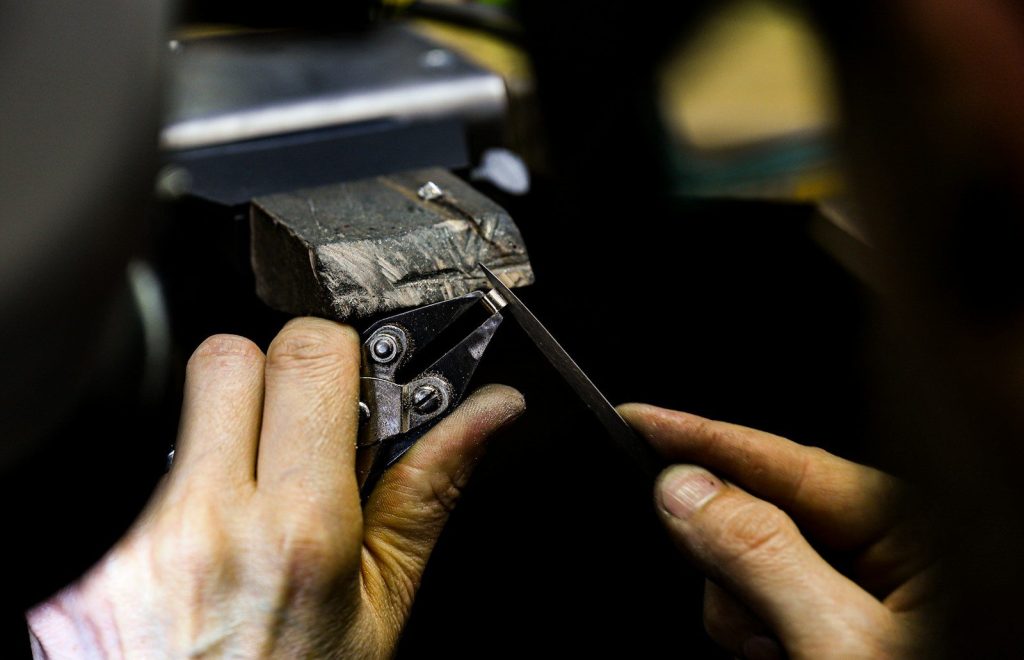
The bronze device features tiny, hand-carved inscriptions that point to a legendary school of ancient mathematicians. These geniuses worked in absolute secret to protect their designs from rivals. According to historical scholars, these inventors may have created several of these analog computers. They were true pioneers. But one final clue would reveal how the machine was used.
A Royal Navigational Aid

The inscriptions suggest the device was not just a toy for scholars. Sailors actually used it to navigate the open seas during cloudy nights. According to maritime historians, this tool allowed early ships to travel much further than previously thought. It changed global trade. Yet, the true scale of this ancient genius is only now coming to light.
Rethinking Our Mechanical Past

This ancient bronze mechanism proves that human ingenuity does not move in a straight line. Sometimes, incredible technology is invented and then completely forgotten by history. According to modern engineers, studying these ancient tools helps us appreciate the brilliant minds of the past. This article is for informational purposes only.
Leave a Reply