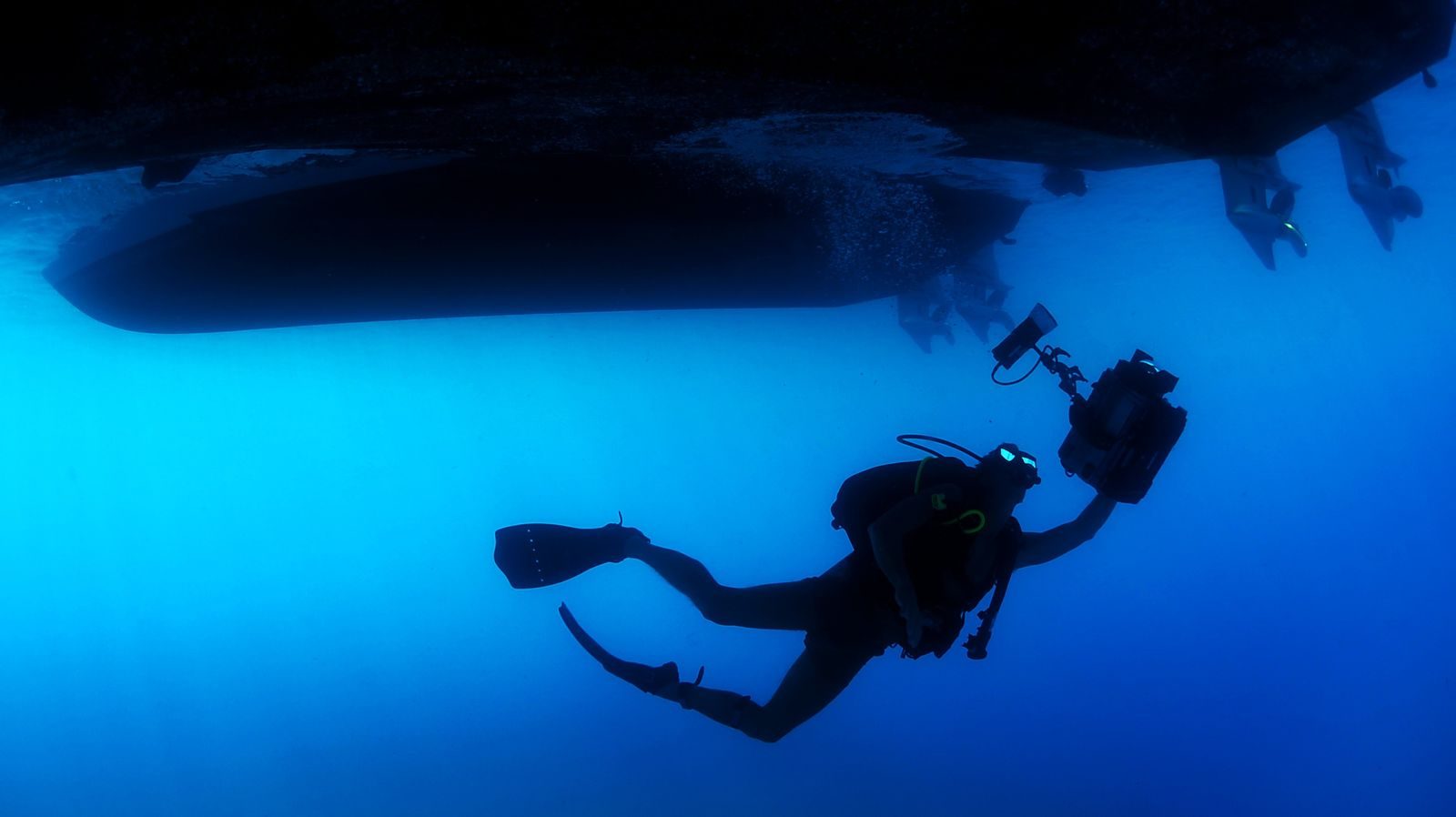
Most people assume that all living things on Earth require sunlight to survive. We believe that solar energy is the fundamental engine behind every ecosystem.
But an incredible underwater discovery proved that life can thrive in total darkness. Deep ocean researchers found a self-sustaining world that defies the laws of biology.
The Dark Ocean Floor
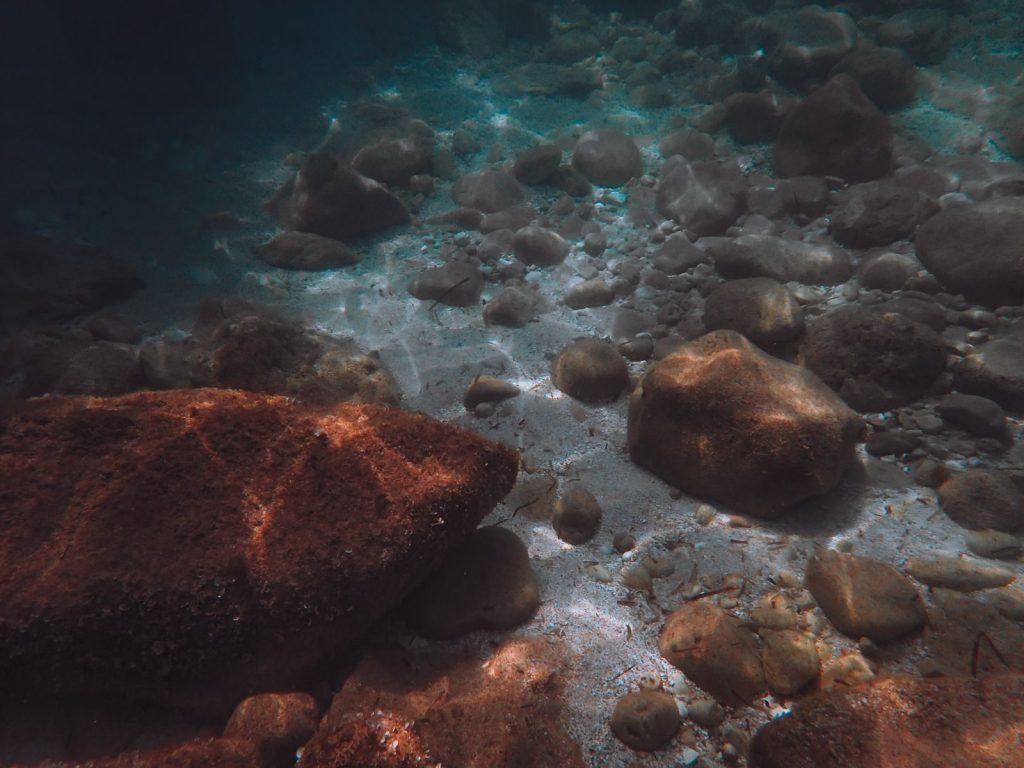
In 1977, a research submarine dived deep into the Pacific Ocean. Scientists expected to find a barren wasteland of freezing water and empty mud. According to NASA reports, the crew instead stumbled upon a highly active ecosystem. Life was everywhere. This shocking underwater oasis would soon challenge the foundation of modern biological science.
Cold Water Anomalies
The temperature near the ocean floor usually hovers just above freezing. Yet, sensors on the submarine recorded warm water currents rising from the darkness. According to geological surveys, these thermal spots were rich in toxic minerals. The heat was intense. Scientists knew they had to find the source of these mysterious hot springs.
Towering Chimneys Emerged
The submarine lights revealed massive black chimneys rising from the seabed. These structures were spewing thick clouds of dark mineral fluid into the water. According to the Smithsonian Institution, these active vents are formed by mineral deposits. They were giant towers. But the strange organisms living around them would shock the scientists even more.
Giant Tube Worms
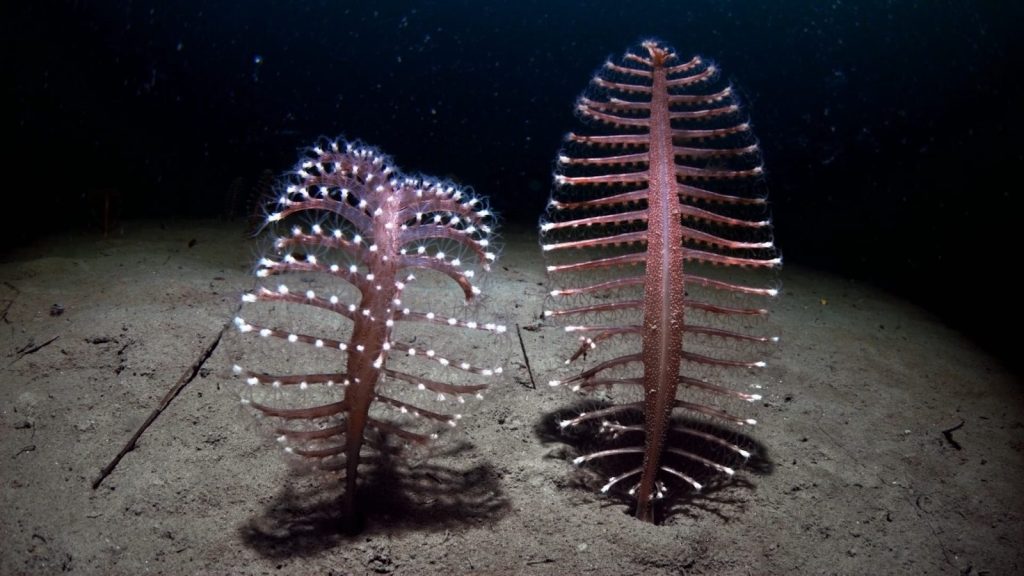
Clinging to the toxic chimneys were massive red and white tube worms. They had no eyes, mouths, or digestive systems to process food. According to marine biologists, these strange creatures grow up to eight feet long. They were totally bizarre. Researchers struggled to understand how these animals could survive without eating.
The Chemosynthesis Secret

Scientists discovered that the worms host billions of unique bacteria inside their tissues. These microbes convert toxic chemicals from the vents into usable energy. According to a study in Nature, this unique chemical process is called chemosynthesis. It replaces solar energy. This discovery meant that ecosystems could thrive without a single ray of sunlight.
Extreme Survival Tactics
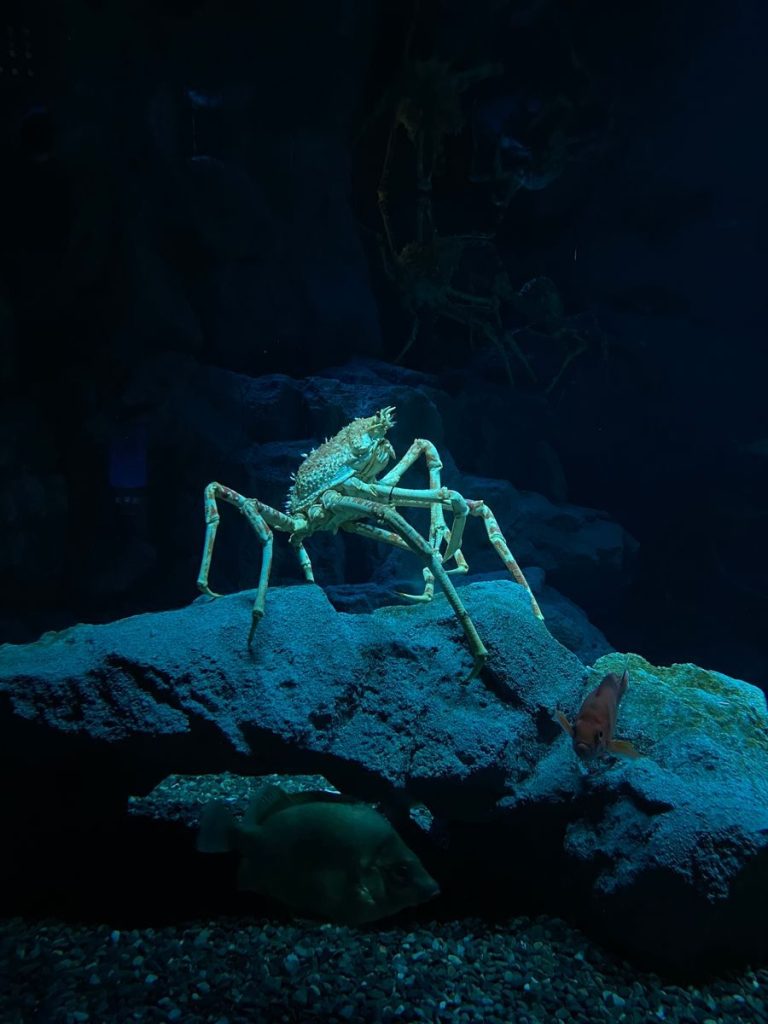
Other bizarre animals like blind shrimp and white crabs crowd around the vents. They relied entirely on the chemical heat and bacterial energy to survive. According to deep-sea researchers, these creatures tolerate pressure that would crush human bone. They are ultimate survivors. Yet, these harsh environments also hold clues about life beyond Earth.
Alien Worlds Nearby

Astrophysicists believe that similar thermal vents exist on frozen moons in our solar system. Oceans hidden under ice sheets could host these chemical ecosystems. According to NASA scientists, Jupiter’s moon Europa likely has active volcanic vents on its seafloor. The potential is massive. This possibility is shifting how we search for extraterrestrial life.
Redefining Our Planet

The discovery of hydrothermal vents changed our understanding of life forever. It proved that biology can adapt to the most extreme conditions imaginable. According to oceanographers, the deep ocean still holds countless mysteries waiting to be solved. We must explore further. This article is for informational purposes only.
Leave a Reply