
Most people assume that daily lifestyle habits completely dictate human longevity. We believe diet and exercise account for almost all variations in lifespan.
But groundbreaking biological research shows our genetic inheritance plays a far larger role than scientists previously recognized. Inherited DNA sets core biological limits.
New Research Raises the Estimated Genetic Role in Lifespan

For decades, scientists estimated that genetics accounted for only twenty percent of human lifespan variation. External factors seemed dominant. According to a landmark study from the Weizmann Institute of Science, inherited DNA actually influences about fifty percent of human longevity. The numbers shocked researchers. Yet understanding how earlier studies missed this genetic signal required a complete analytical redesign.
Researchers Separate Biological Aging From Accidents and Infections
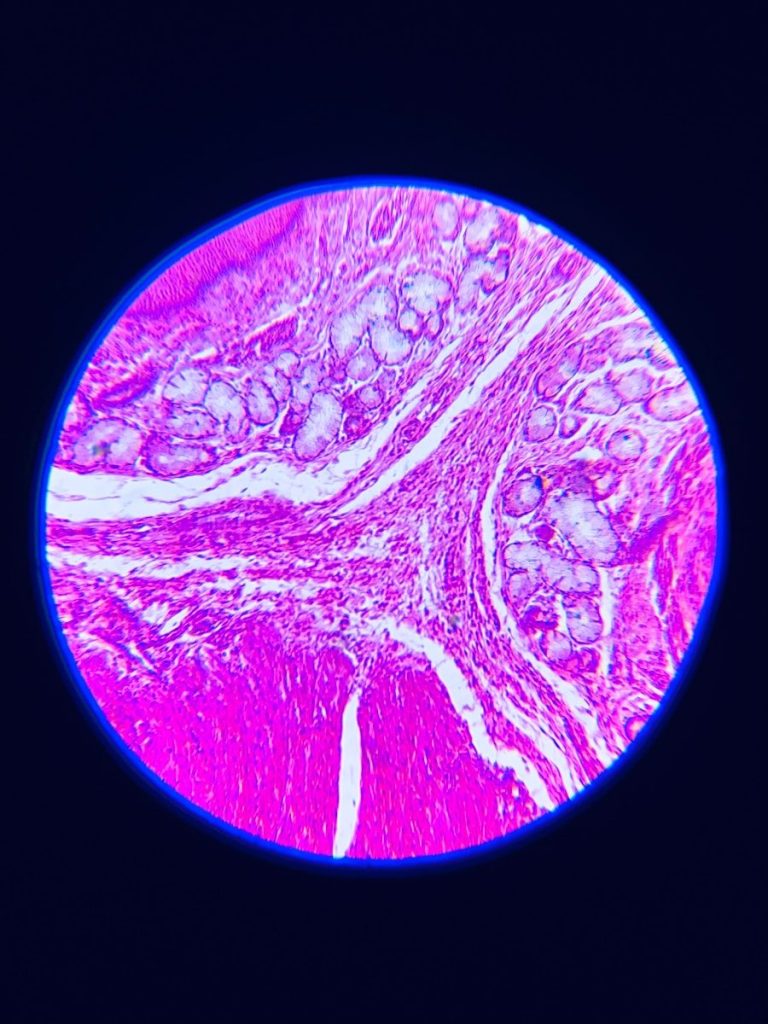
Older biological studies struggled to separate natural biological aging from external causes of death like accidents and infections. External deaths skewed data. According to research published in Science, filtering out non-biological causes uncovered a massive hidden genetic contribution to natural lifespan. The signal was clear. But proving this link required analyzing massive historical records of identical twins.
Twin Studies Reveal Similar Lifespans Despite Different Environments

Researchers examined decades of medical data from Swedish and Danish twin registries. Identical genetics provided clarity. According to data analysis from European health databases, identical twins raised apart showed remarkably similar intrinsic lifespans despite different environments. Nature showed its power. But scientists still had to identify which specific biological mechanisms drive this genetic influence.
Longevity Genes Help Repair DNA and Remove Cellular Waste

Genes regulate how efficiently our cells repair daily DNA damage and clear cellular waste products. Internal maintenance is key. According to cellular biology studies, variations in specific genes like FOXO3 influence metabolic stability and cellular stress resistance over decades. Cells stay resilient longer. Yet cellular maintenance is only part of the broader longevity equation.
Inherited Telomere Genes Influence How Cells Age
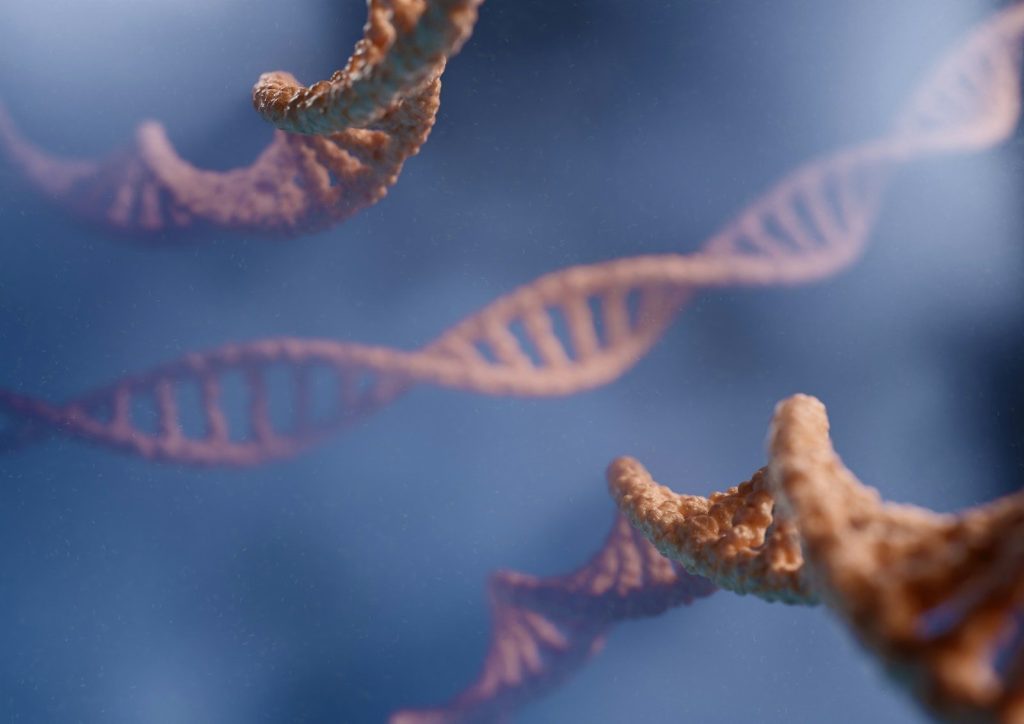
Protective caps on the ends of human chromosomes shorten every time a biological cell divides. Shortened caps trigger aging. According to longevity research from Harvard Medical School, inherited variations in telomere maintenance enzymes directly affect cellular survival rates. Chromosomes maintain structural stability. But cellular repair mechanisms also intersect closely with immune system function.
Genetic Variants Help Control Age-Related Inflammation
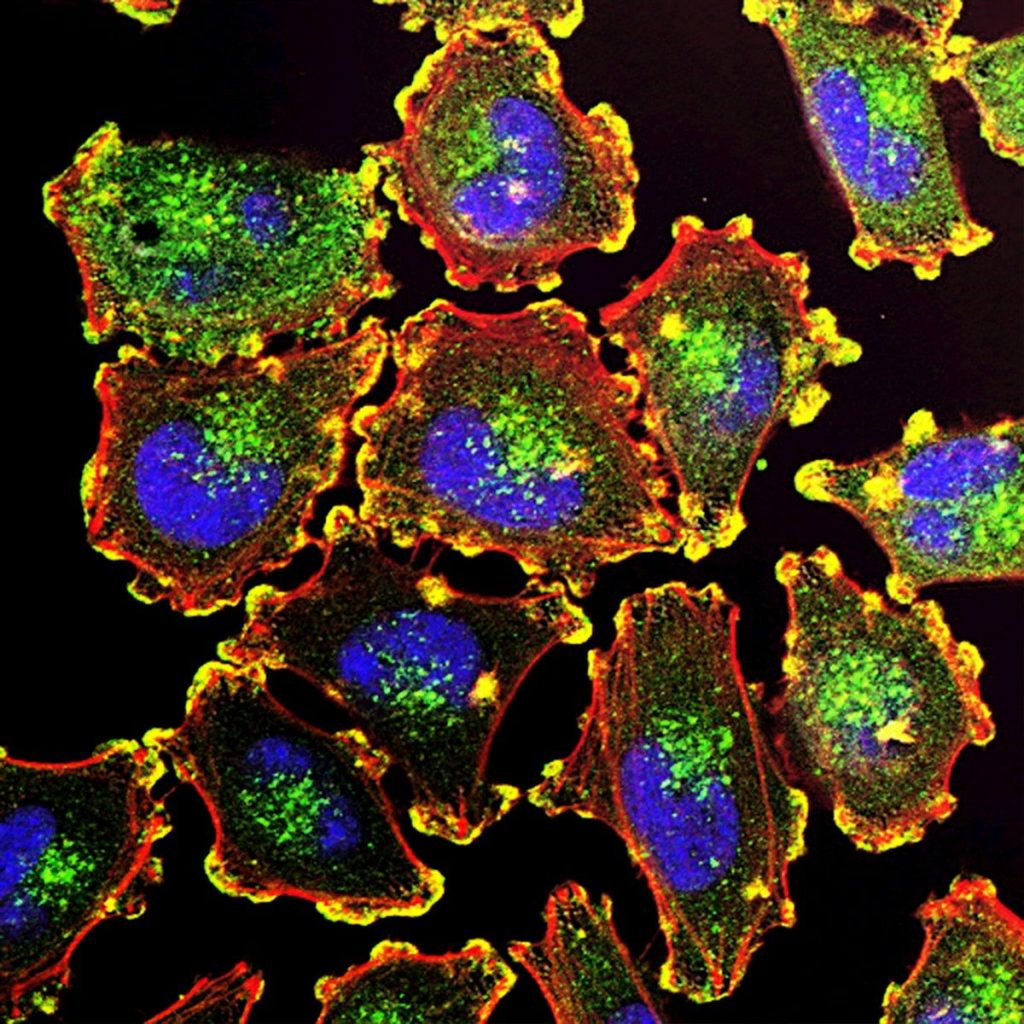
Genetic factors determine how effectively the human body regulates chronic inflammation as tissues age over time. Inflammation drives tissue breakdown. According to findings published in Nature Genetics, genetic variants that suppress systemic inflammation help preserve organ function into late old age. Tissues remain healthy longer. Yet researchers emphasize that genetics does not eliminate the importance of lifestyle choices.
Healthy Habits Still Matter Despite Genetic Advantages

Having protective longevity genes provides a powerful baseline, but healthy living habits remain vital for reaching full biological potential. Lifestyle choices still matter. According to preventive medicine experts, optimal nutrition and regular movement prevent premature health decline regardless of inherited genetic risk. Daily habits support biology. But understanding our genetic baseline opens new frontiers for future longevity science.
Lifespan Research Combines Genetics With Preventive Medicine

Recognizing that inherited genetics accounts for roughly half of intrinsic lifespan variance helps scientists target the specific cellular mechanisms of human aging. While individual DNA sets a baseline, modern medical advances may eventually help optimize cellular repair pathways for everyone. According to clinical longevity researchers, understanding inherited traits offers new avenues for preventative health care. This article is for informational purposes only.
Featured Image: Photo by Sangharsh Lohakare on Unsplash
Leave a Reply