
Most people assume that once a species goes extinct, it disappears from our planet forever. We believe extinction is a permanent boundary that science can never cross.
But bold geneticists are currently using advanced gene editing tools to challenge this biological law. They plan to return vanished prehistoric creatures to their natural habitats soon.
Woolly Mammoth Leads Race

Geneticists are working to insert mammoth DNA sequences into the genomes of modern Asian elephants. The goal is to create a cold-tolerant elephant hybrid that behaves like its extinct cousin. Ambition is high. According to reports from Colossal Biosciences, this project could place live mammoth hybrids back on the tundra by the decade’s end. But rebuilding a vanished genome requires highly precise technology.
CRISPR Edits Ancient Genomes
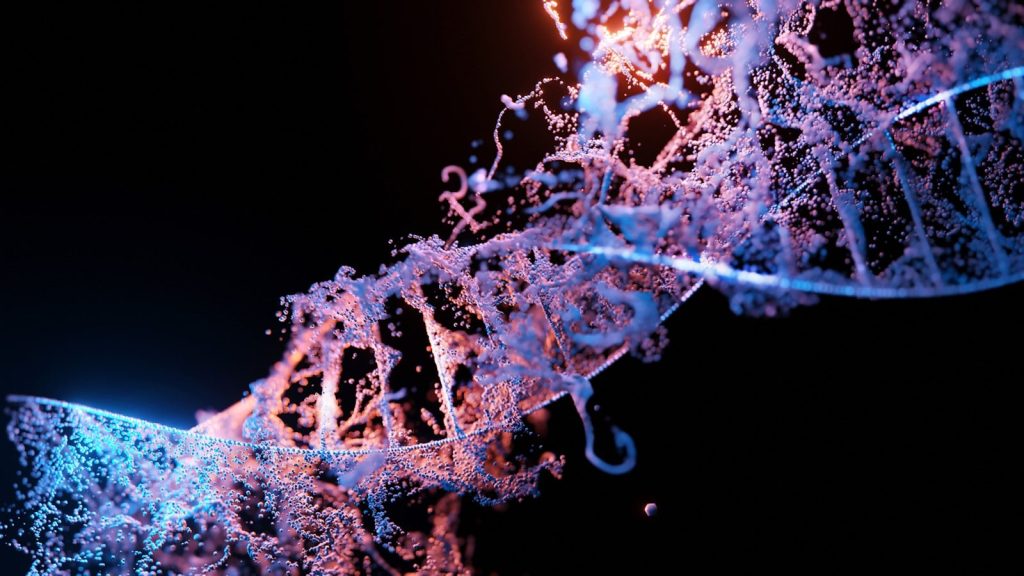
Scientists use advanced gene editing tools to stitch preserved prehistoric sequences into living host cells. This molecular editing allows researchers to replicate unique physical traits like thick shaggy fur. Technology is key. According to research from Harvard University, these genetic tools make modifying living elephant cells highly efficient. But sourcing intact ancient DNA samples remains a massive challenge.
Searching Deep Frozen Caves
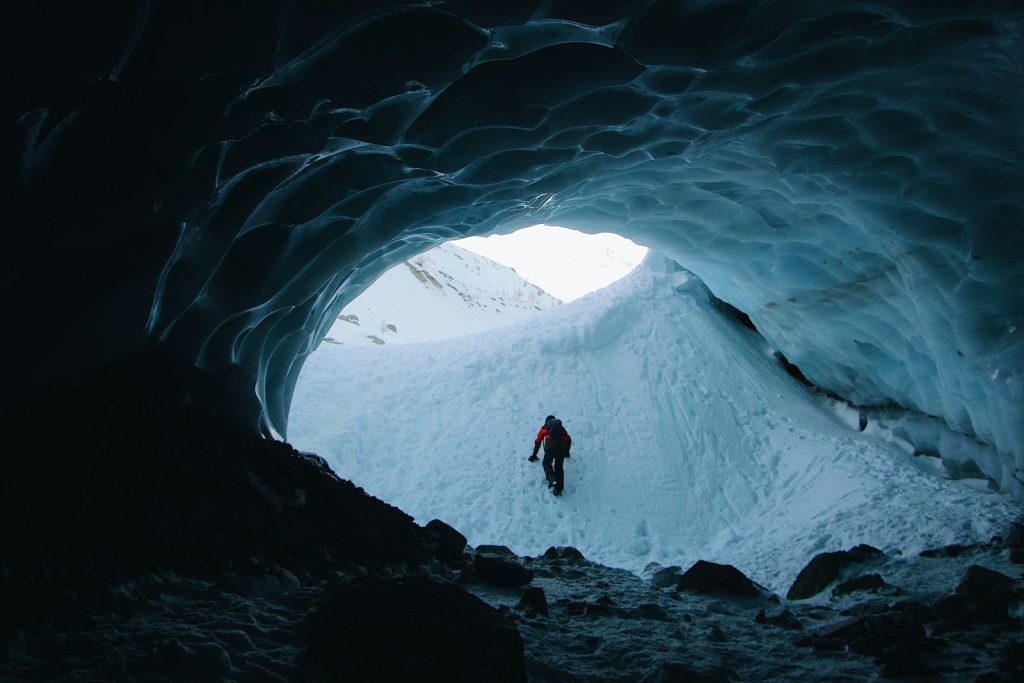
Intact prehistoric bone fragments preserved inside deep Arctic caves provide the genetic blueprints for these projects. Field researchers excavate permafrost zones to find well-preserved soft tissues. Dirt hides secrets. According to paleogenomics studies from Copenhagen University, cold environments keep ancient DNA strands stable for thousands of years. But these fragmented sequences must be meticulously assembled.
Assembling Fragmented Genetic Codes

Computers analyze billions of tiny DNA fragments to reconstruct the complete genetic code of extinct species. Software fills the missing gaps by comparing sequences with close living relatives. Math solves mysteries. According to reports from the Broad Institute, artificial intelligence accelerates this assembly process significantly. But creating a physical embryo from these digital codes presents another biological hurdle.
Developing Artificial Host Wombs

Growing these hybrid embryos requires specialized artificial wombs to ensure safe fetal development without risking living elephant lives. Engineers are building massive synthetic gestators. Science moves fast. According to developmental biology papers, these advanced chambers could sustain large mammal embryos through long gestation periods. But introducing these recreated animals back into the wild raises complex ecological questions.
Restoring Damaged Wild Ecosystems
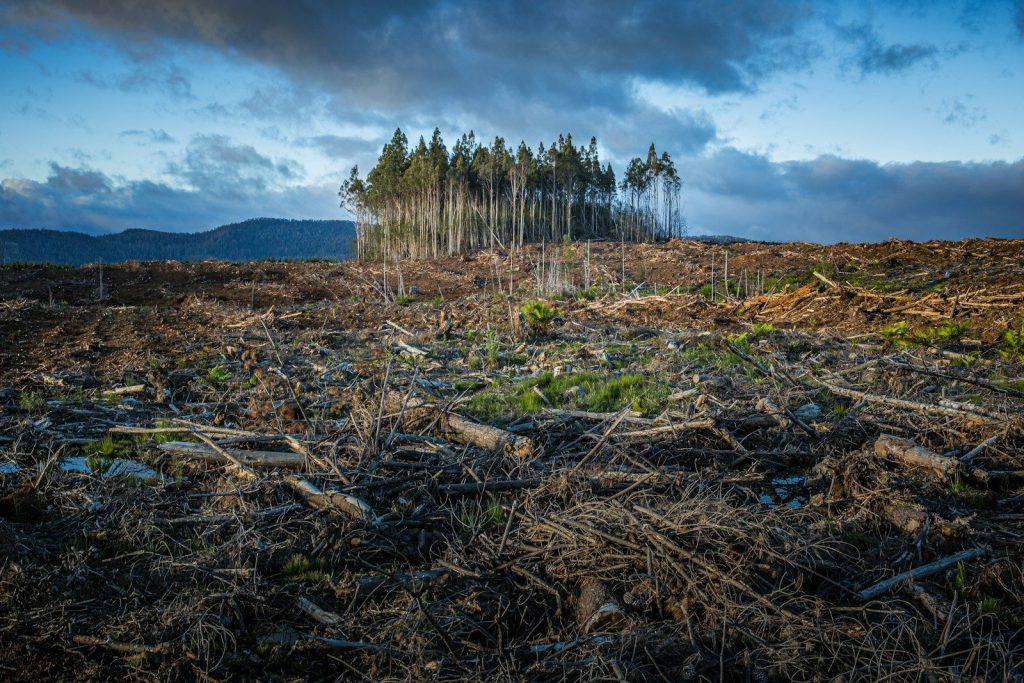
Reintroducing heavy herbivores could help restore dry Arctic grasslands to their fertile prehistoric states. Wandering herds would trample thick snow and stimulate new plant growth. Balance is delicate. According to ecological models from Oxford University, mammoth grazing habits could slow global permafrost melting. But this radical plan is already triggering intense ethical debates among conservationists.
Erasing Planetary Extinction Gaps
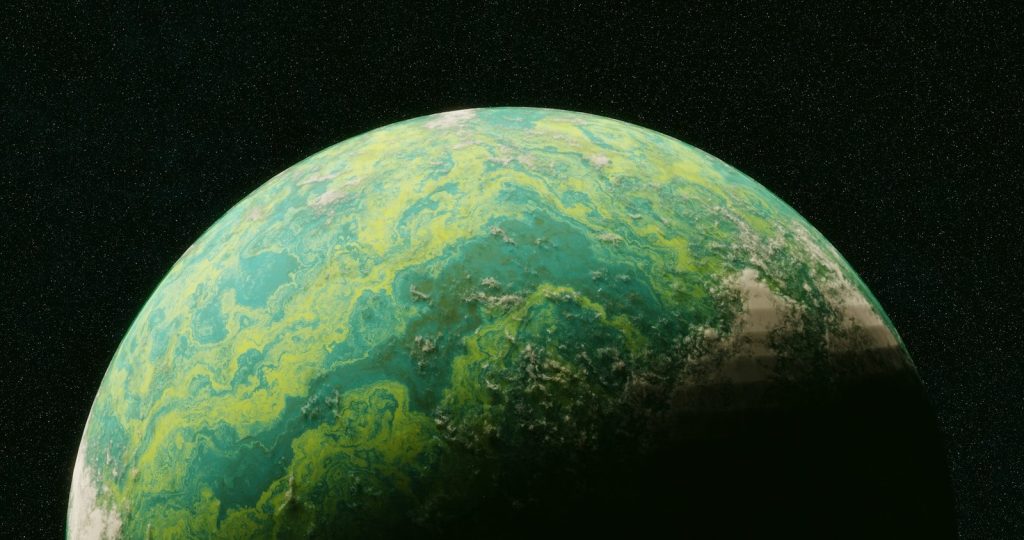
Bridging the gap between the past and present could rewrite the future of global biodiversity. Recreated species might soon reclaim their historic roles in rebuilding damaged wild landscapes. Humanity is learning. According to the molecular biology consensus, these genetic achievements will fundamentally alter our relationship with the natural world. This article is for informational purposes only.
Featured Image: Photo by Mikhail Nilov on Pexels
Leave a Reply