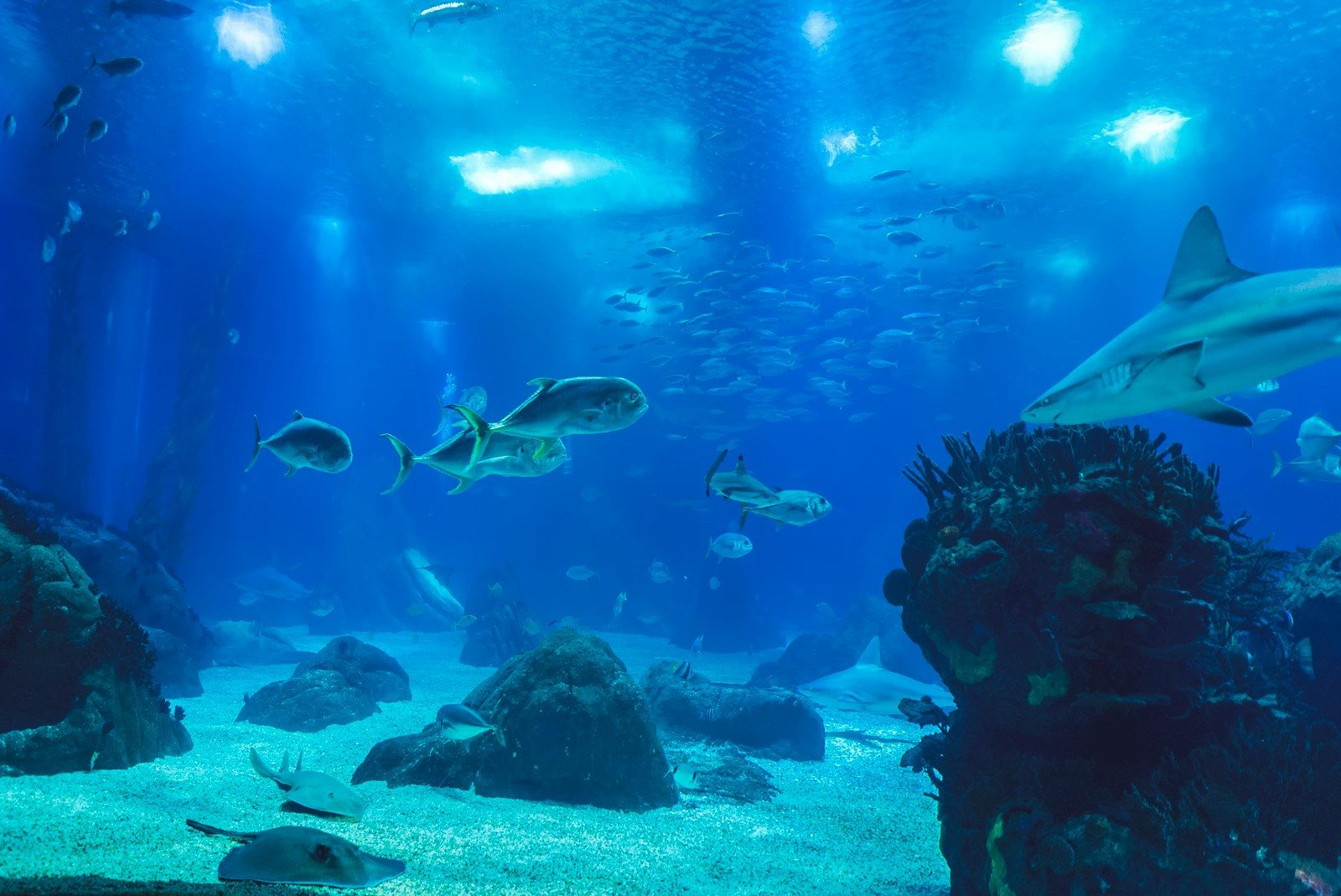
Space agencies have spent decades searching for extraterrestrial life by following the water. We assume that finding liquid water on distant planets is the ultimate gold standard.
But a controversial new planetary theory is turning this cosmic search upside down. Astrobiologists now suggest that looking for ocean worlds is actually a dead end.
Water Worlds Prevent Life
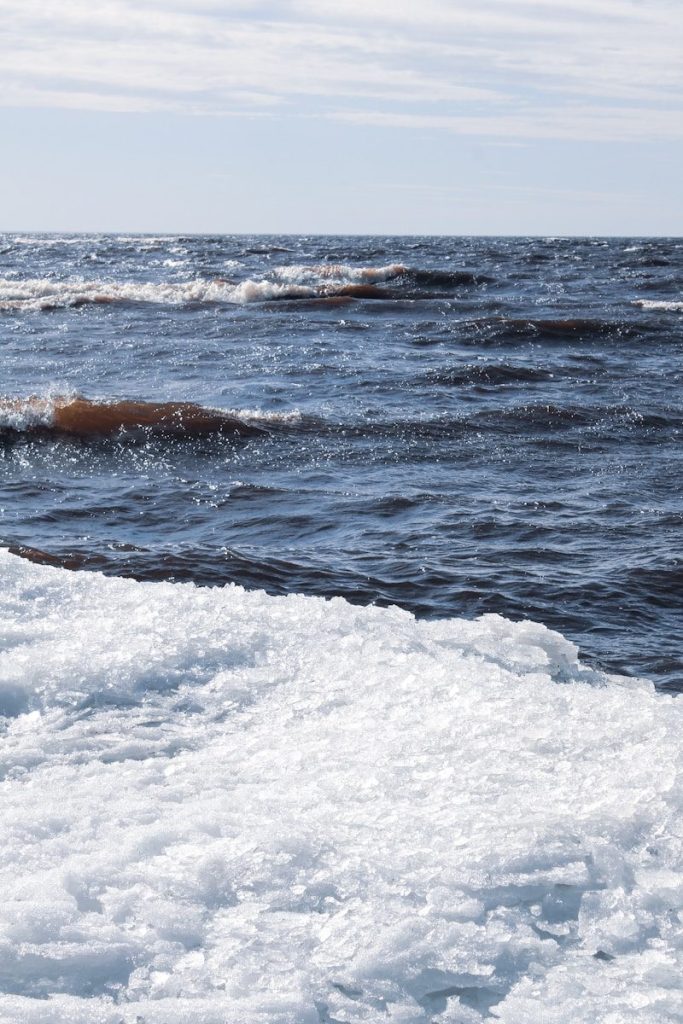
Deep global oceans might actually block the chemical reactions needed to spark early life. Water is heavy. According to planetary chemistry studies from the University of Colorado, extreme ocean depth creates immense pressure at the seabed. This pressure turns liquid water into thick barriers of ice. This ice barrier stops essential minerals from rising into the ocean.
Land Mass Triggers Evolution
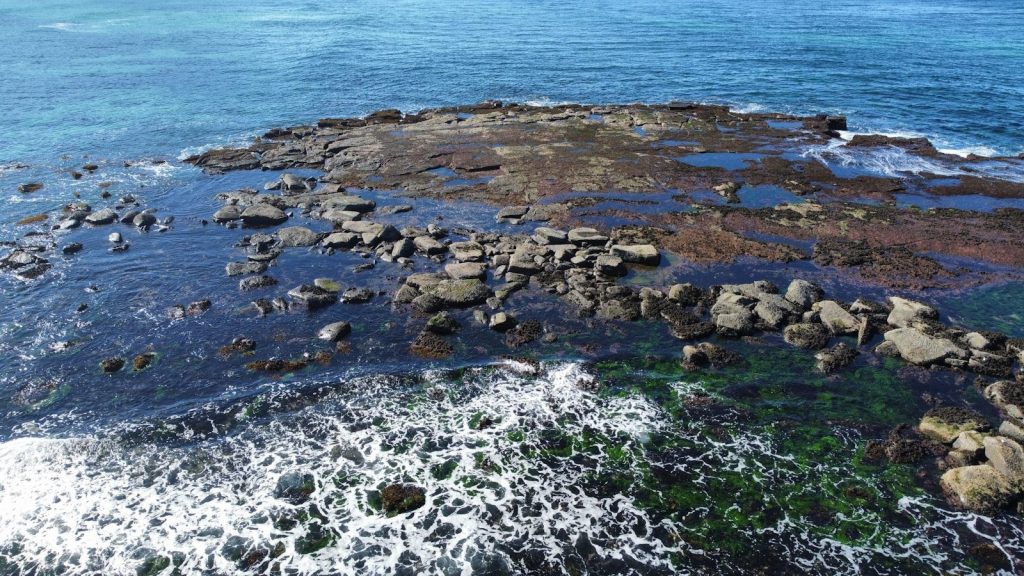
Dry land provides the natural cycle of wetting and drying that bonds early organic molecules together. Land is crucial. According to research from the University of Washington, shallow tide pools on rocky land masses act as evolutionary engines. Deep ocean planets lack these crucial shorelines. That environmental lack means complex biological molecules cannot easily form.
Nutrients Blocked Below Ice
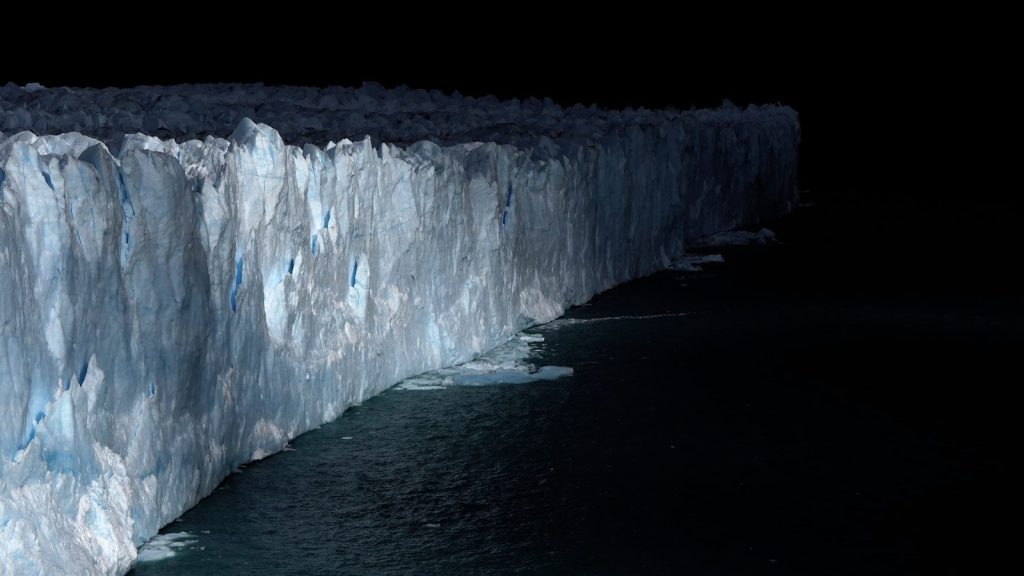
Moons like Europa hold vast subsurface oceans trapped beneath miles of solid ice. It is dark. According to astrophysical models from the University of California, these icy crusts block solar energy completely. Without sunlight, organisms must rely entirely on weak hydrothermal heat. This limited energy source makes the development of intelligent life highly unlikely.
Volcanoes Spark Early Chemistry
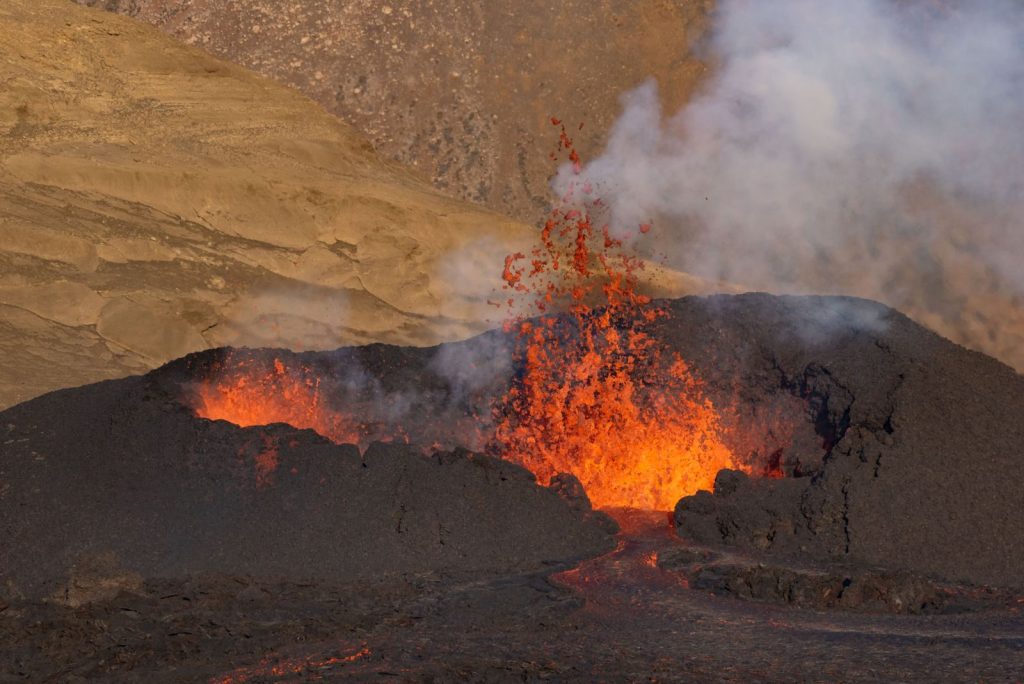
Active dry land volcanoes pump essential metals and phosphorus directly into early pools of water. They are violent. According to geological studies from the University of Leeds, these volcanic elements are vital for building early genetic material. Totally flooded worlds do not have exposed volcanoes to distribute these key nutrients. This biological bottleneck prevents primitive organisms from evolving.
Atmospheric Changes Destabilize Oceans
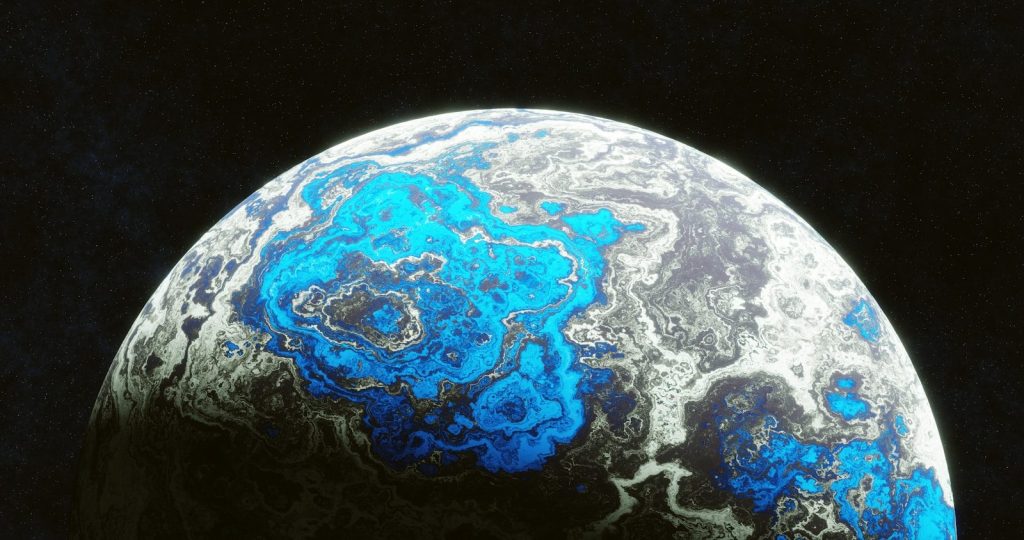
Deep ocean planets lack the carbon cycle that keeps global temperatures stable over millions of years. Climate changes fast. According to atmospheric simulations from the University of Chicago, too much water prevents the chemical weathering of rocks. Without rock weathering, greenhouse gases build up uncontrollably. This atmospheric imbalance eventually boils the oceans away.
Tectonic Activity Grinds to a Halt
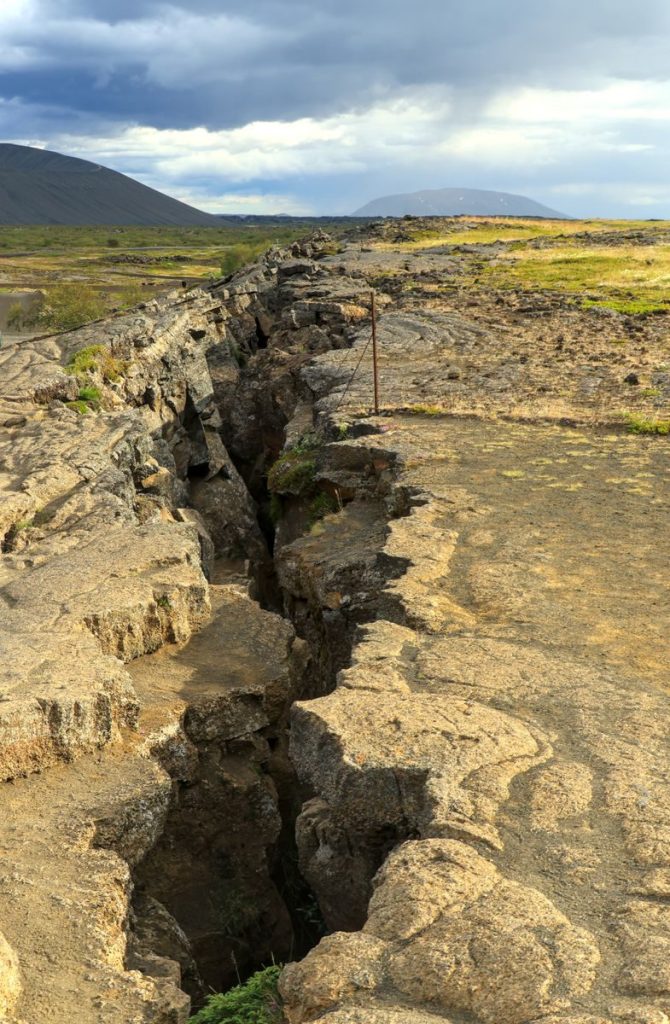
Massive global oceans weigh down on tectonic plates and prevent continental movement. The ground freezes. According to geophysical research from the University of Texas, tectonic plates need dry land margins to slide easily. No land means no plate recycling. This tectonic shutdown stops the planet from releasing heat naturally.
New Cosmic Targets Identified

Astronomers are shifting their telescope targets toward dry rocky worlds with limited water resources. The hunt changes. According to astronomical reports from the European Southern Observatory, searching for planets with moderate desert landscapes is far more promising. These arid zones might actually support stable chemistry. This strategic pivot could bring us closer to our first contact.
Rethinking Astrobiology Search Methods
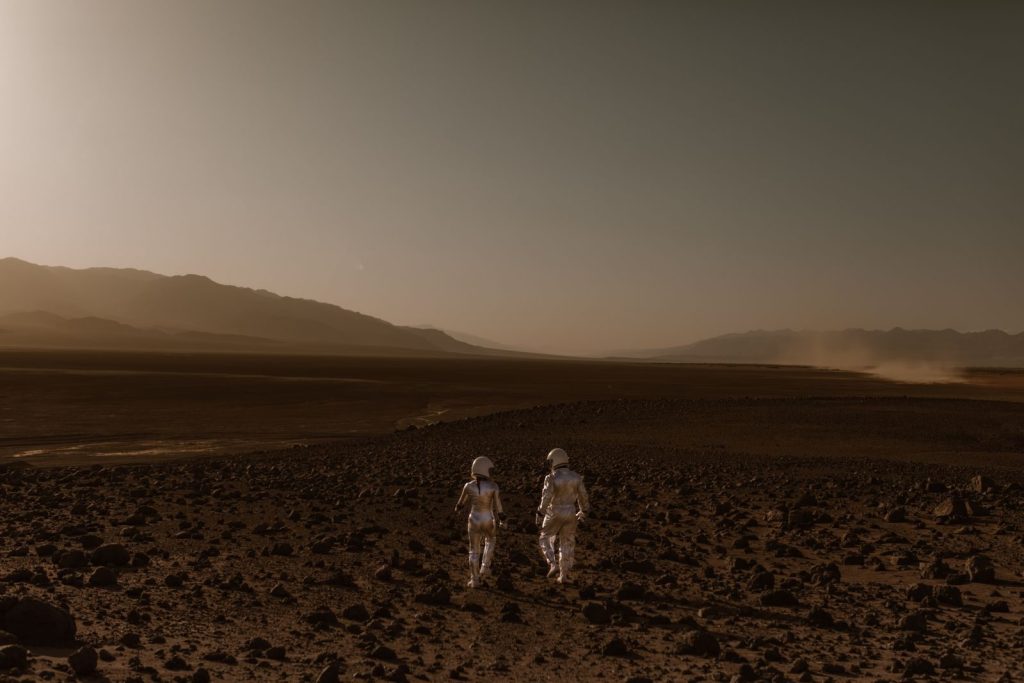
This paradigm shift encourages space agencies to redesign their instruments for discovering dry planetary signatures. Finding life in the cosmos requires us to abandon old ideas. According to space exploration reports from NASA, future missions will focus heavily on planetary mineral compositions rather than just liquid water. This article is for informational purposes only and does not constitute professional scientific advice.
Featured Image: Photo by Jakub Dziubak on Unsplash
Leave a Reply