
Imagine your body suddenly forgot how to perform basic, automatic tasks. This is the daily reality for millions of people living with dysautonomia. This condition is a malfunction of the autonomic nervous system. This system controls your heart rate, blood pressure, digestion, and temperature regulation without your conscious input. When it breaks down, even standing up can become a massive physical struggle. Yet, because the symptoms are internal, patients often look perfectly healthy to outsiders. This mismatch makes the condition incredibly difficult to diagnose and manage. This article is for informational purposes only and does not constitute medical advice.
The hard-working autopilot inside your body

The autonomic nervous system is the ultimate autopilot. It works constantly in the background to keep you alive. It regulates your breathing while you sleep. It adjusts your blood vessel width when you stand up to ensure blood reaches your brain. According to reports from the Mayo Clinic, dysautonomia disrupts these automatic signals. The brain sends the wrong commands to the organs. This can lead to sudden fainting, severe dizziness, and chronic fatigue. But the most common form of this illness targets young people.
Why standing up becomes a daily battle.

The most common subtype of this condition is Postural Orthostatic Tachycardia Syndrome. It is usually called POTS. When a healthy person stands up, gravity pulls blood downward. The body instantly constricts blood vessels to push blood back to the heart. In a POTS patient, this mechanism fails. According to Dysautonomia International, their heart rate spikes rapidly to compensate for the pooling of blood. This spike causes chest pain, shortness of breath, and severe brain fog. It turns a simple walk to the kitchen into a marathon. But this physical struggle is often dismissed as a completely different issue.
A hidden condition that masks itself as anxiety
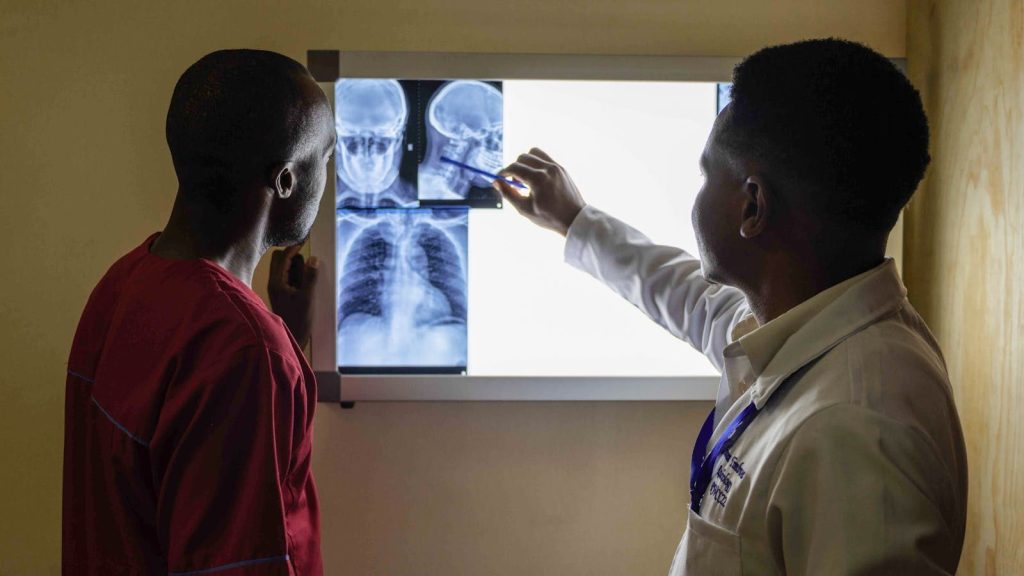
Dysautonomia is notoriously difficult to diagnose. Because symptoms include a racing heart and sweating, doctors often misdiagnose patients with simple panic attacks. This can lead to years of medical gaslighting and frustration. According to clinical surveys, the average patient takes six years to receive an accurate diagnosis. This delay can severely impact their mental health and career. Patients are left struggling to explain why they are too weak to work. But some people develop this condition after a very common event.
The chemical pathways behind autonomic nerve damage

Scientists are studying how the nerves themselves are damaged in these patients. Many individuals with dysautonomia also suffer from small fiber neuropathy. This means the tiny nerve endings that control blood vessels are physically damaged or destroyed. According to research from the Cleveland Clinic, this damage is often triggered by an autoimmune response. The body’s immune system mistakenly attacks its own healthy nerve cells. This discovery is helping doctors develop better targeted treatments. But a massive global event recently brought this hidden condition to light.
The surprising connection to viral infections
Many cases of dysautonomia are triggered by a sudden viral infection. A patient might catch a standard virus, recover from the initial illness, and then find their autonomic system is permanently altered. According to studies published in the journal Nature, there is a massive link between Long COVID and dysautonomia. Millions of new patients have developed POTS symptoms after surviving the virus. This sudden influx of patients has forced the medical community to invest heavily in research. It has brought a hidden illness into the spotlight. But managing these symptoms requires a highly disciplined daily routine.
How patients manage the invisible struggle daily

There is currently no cure for dysautonomia. However, patients can manage their symptoms using several simple lifestyle adjustments. They must consume massive amounts of water and sodium every day to expand their blood volume. This extra volume helps push blood back to the brain. According to medical guidelines, wearing medical-grade compression garments can also prevent blood pooling in the legs. Many patients also use specialized recumbent exercise programs to strengthen their hearts without standing up. These daily habits require immense discipline. Fortunately, the medical community is finally getting better at spotting the warning signs early.
Why early diagnosis is starting to improve
The medical community is finally getting better at spotting this condition early. Doctors are using specialized testing tools like the tilt table test to monitor autonomic reactions in a controlled setting. According to reports from autonomic specialists, identifying the illness early can prevent long-term disability. It allows patients to start physical therapy and medication before their muscles weaken from bed rest. This progress is offering hope to families worldwide. The ultimate lesson of this struggle goes far beyond medicine.
Spreading awareness for a misunderstood system

Dysautonomia is a complex, challenging condition. It teaches us that true wellness is built on systems we rarely think about until they fail. By spreading awareness, we can help patients get diagnosed faster and find the support they need. Education is the best way to fight medical gaslighting. The autonomic nervous system is a beautiful machine, and we must continue to study its secrets.
Featured Image: Photo by merlinlightpainting on Pixabay
Leave a Reply