
Most history lovers picture Helen of Troy based on modern cinema castings. We imagine her as a classic European queen with a specific look.
But ancient DNA and scientific reconstructions are painting a completely different picture of the Bronze Age. Modern discoveries are shattering long-held assumptions about ancient Greece.
A Mythological Figure In Reality

Helen of Troy has captivated human imagination for thousands of years. According to archaeological records, Homer set his stories in the late Bronze Age around twelve hundred BC. This was a legendary era. Researchers have spent centuries trying to separate historical facts from grand mythological storytelling. But finding the physical truth about these ancient people required looking deep inside their bones.
Decoding Ancient DNA

Modern geneticists have recently unlocked the secrets of ancient Mediterranean populations. According to a study published in Nature, researchers extracted DNA from Bronze Age skeletons found in Greece and the Aegean islands. The results were highly surprising. The data revealed a complex genetic tapestry that challenges modern ideas of racial categories. This genetic blueprint showed a deep connection to multiple ancient migrations.
The Mycenaean Genetic Reality

Historians refer to the ancient rulers of Bronze Age Greece as the Mycenaeans. According to genetic analysis, these ancient people descended from a mixture of early European farmers and travelers from the Caucasus. They had complex roots. This genetic signature produced a variety of physical traits across the population rather than a single uniform look. But ancient poets described their heroes in a very specific way.
Poetic License And Golden Hair

Classic literature often used symbolic descriptions for beauty. According to classical scholars, Greek writers like Sappho often described Helen as having golden or fair hair to symbolize her divine parentage. It was a poetic device. These descriptions were meant to signal her status as a daughter of Zeus rather than record her literal physical genetics. This literary tradition created a strong cultural image that endured for millennia.
The True Bronze Age Look
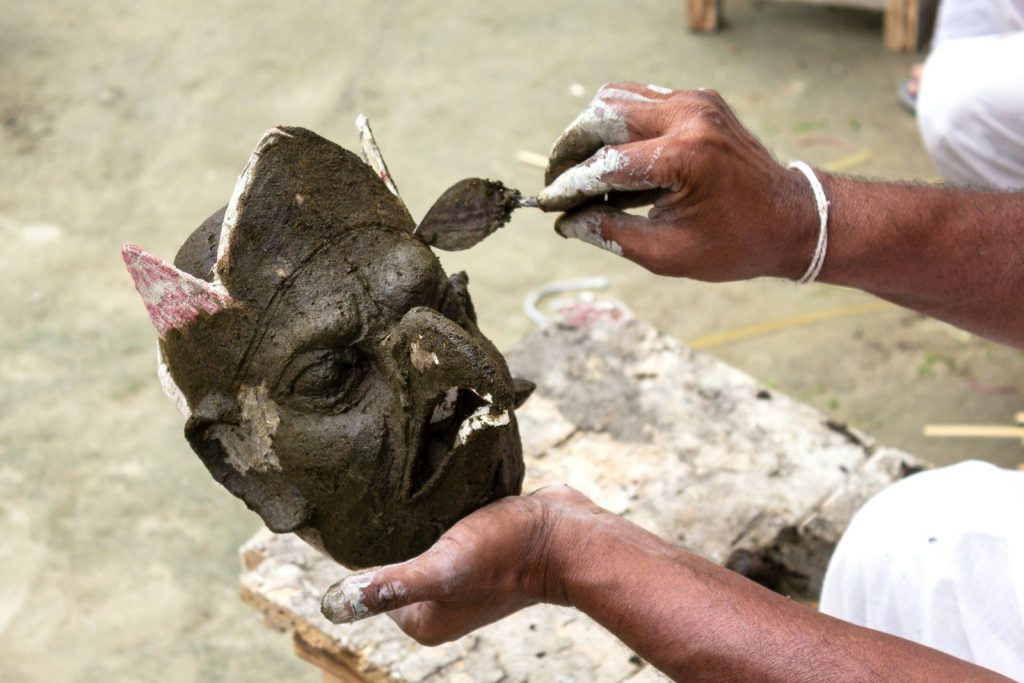
Forensic facial reconstructions offer a realistic look at these ancient elites. According to forensic anthropologists, Bronze Age Mediterranean people typically had dark hair, dark eyes, and olive or sun-bronzed skin. They were striking figures. The idealized blonde-haired depictions of later European art do not match the physical reality of the Mycenaean period. This scientific evidence shows that beauty in the ancient world was highly diverse.
A Crossroads Of Civilizations
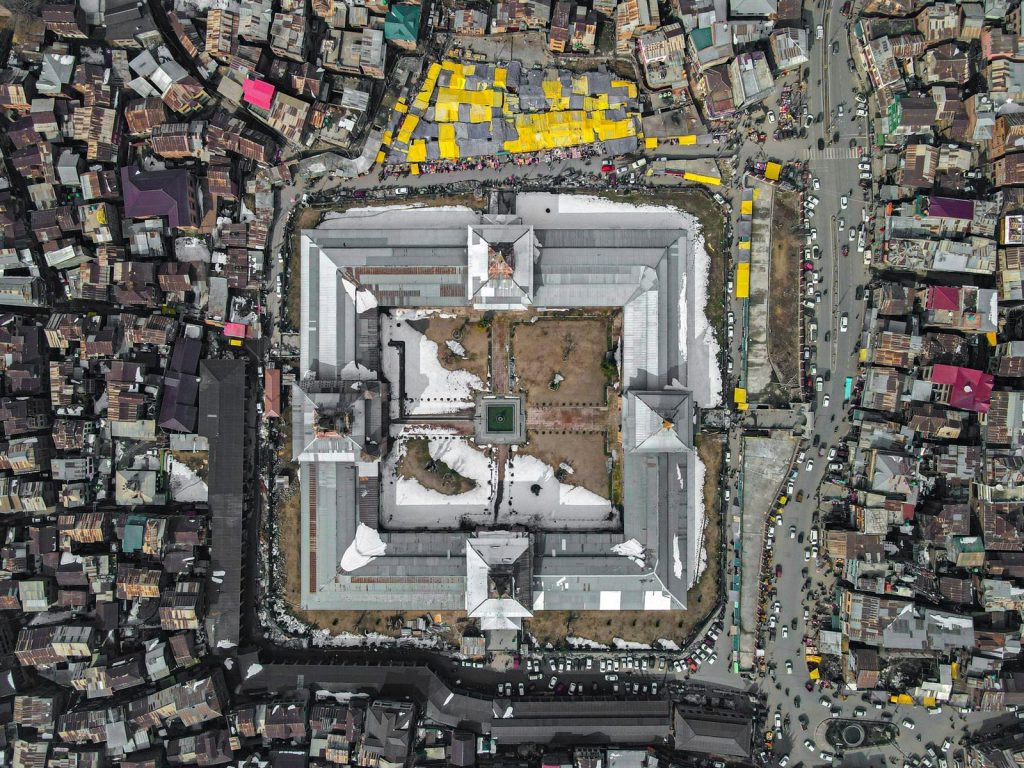
Troy was a thriving center of trade at the edge of Europe and Asia. According to historical research, the city was a multicultural hub where travelers from different continents met and lived together. It was a bustling metropolis. This constant exchange of people and cultures created a diverse community that defies simple modern labels. But modern cultural debates about historical casting often forget this reality.
Embracing The True History
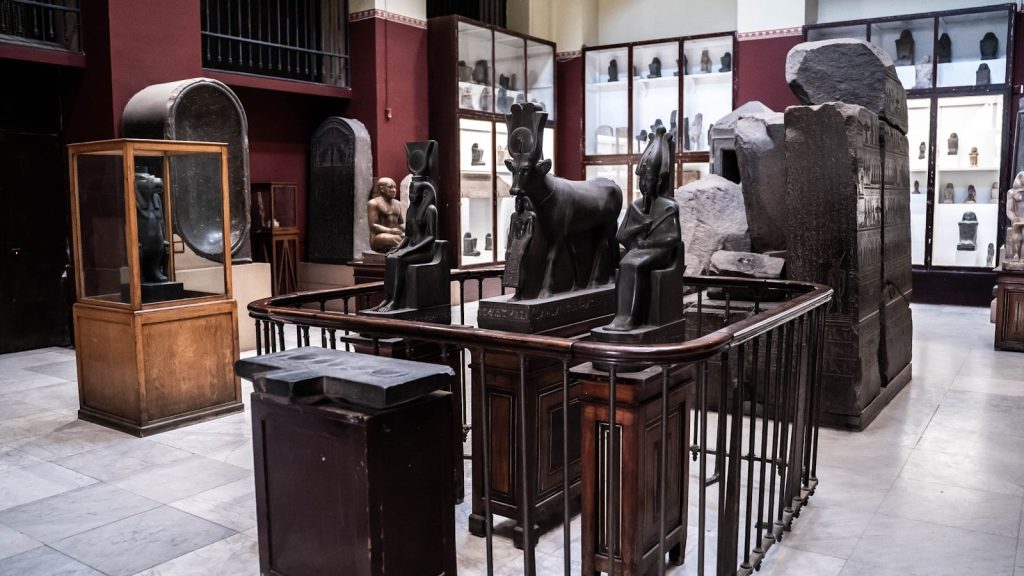
Archaeology is helping us see the ancient world as it truly was. According to modern historians, understanding the diverse and complex roots of the Bronze Age makes these timeless stories even more captivating. History belongs to everyone. True beauty in ancient Troy transcended simple modern racial definitions. This article is for informational purposes only.
Featured Image: Photo by Constantinos Kollias on Unsplash
Leave a Reply