Category: Health and Wellness

  • Disease X: The next pandemic?

    Disease X: The next pandemic?

    Medical experts are not just tracking known viruses like the flu or COVID-19. They are actively preparing for a silent, unknown threat. They call it Disease X. This is a placeholder name used by global health organizations. It represents a highly contagious, deadly pathogen that has not emerged yet. This concept is helping scientists build a shield before the storm arrives. By preparing for the unknown, we can avoid the mistakes of past health crises. This article is for informational purposes only and does not constitute medical advice.

    A placeholder for the ultimate unknown threat
    cells, human, medical, biology, health, anatomy, science, medicine, system, healthcare, microscopic, 3d, macro, research, microscope, microbiology, structure, disease, scientific, life, micro, genetic, organism, care, experiment, examining, plasma, blue health, blue medical, blue life, blue science, blue research, blue medicine, blue human, blue care, blue healthcare, cells, cells, cells, cells, cells, medical, biology, health, science
    Photo by qimono on Pixabay

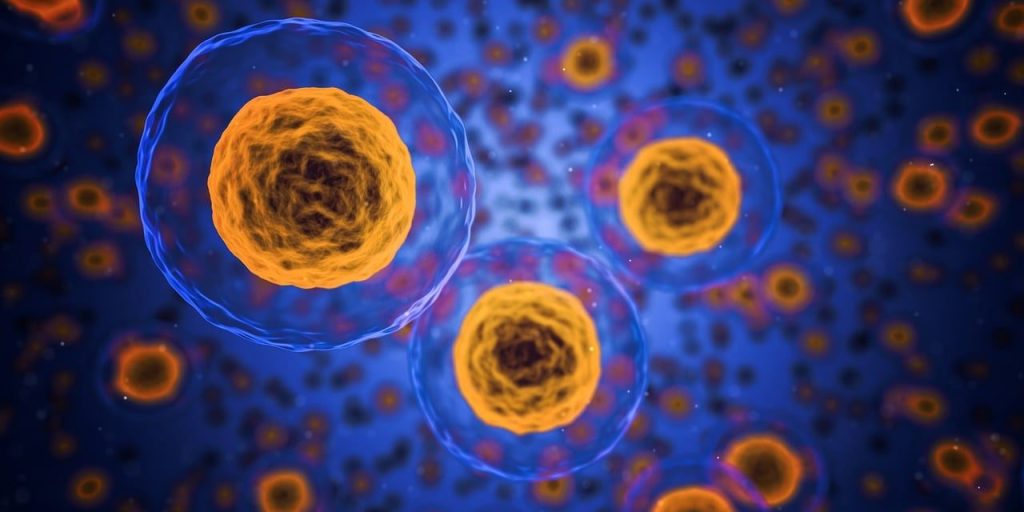
    The World Health Organization introduced the term Disease X in 2018. They added it to their blueprint list of priority diseases. The goal was to force researchers to plan for a completely new pathogen. This threat could be a virus, a bacterium, or a fungus. It will likely be a zoonotic disease, meaning it jumps from animals to humans. By naming this invisible enemy, health agencies can direct funding toward rapid-response technologies. It is a smart way to stay ahead of nature. But running simulations is the only way to test our readiness.

    How global health agencies run virus simulations
    protective suit, face mask, face shield, medical professional, healthcare professional, profession, paramedic, coronavirus, covid-19, pandemic, covid, hygiene, protection, safety, covid, covid, covid, covid, covid, safety
    Photo by HelenJank on Pixabay

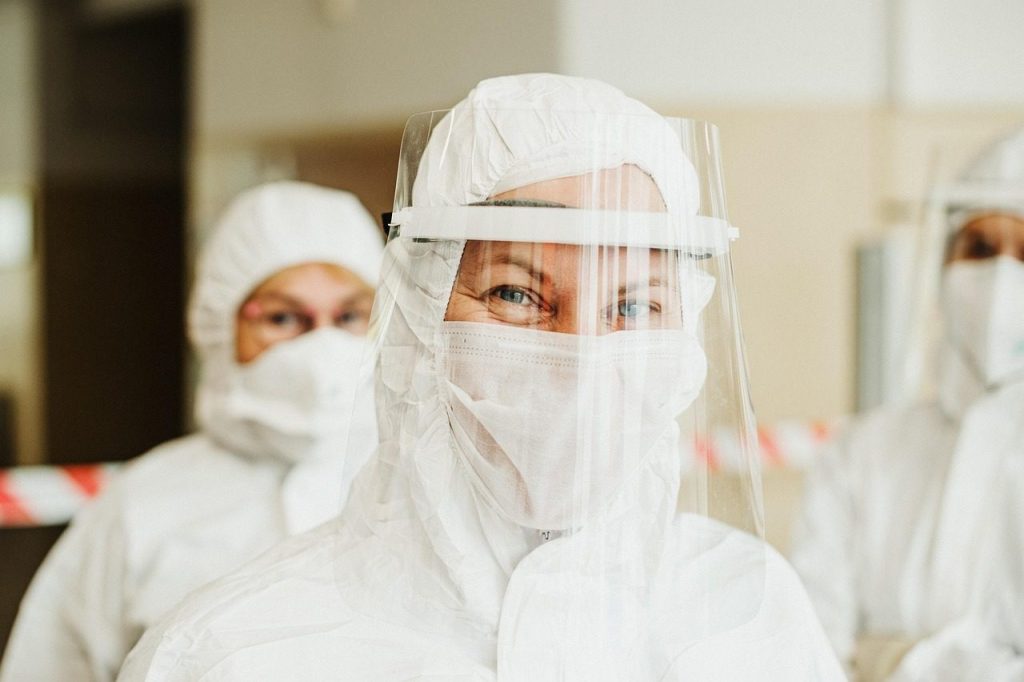
    Scientists do not just wait for a crisis to happen. They actively run complex simulation exercises to test global response networks. According to reports from the Johns Hopkins Center for Health Security, these drills help identify gaps in our supply chains and communication systems. They simulate how quickly a virus can travel through modern airports. The results of these drills are often sobering. They show that a fast-moving virus could overwhelm hospitals in weeks. This makes early detection systems incredibly valuable.

    The rising danger of animal-to-human spillover
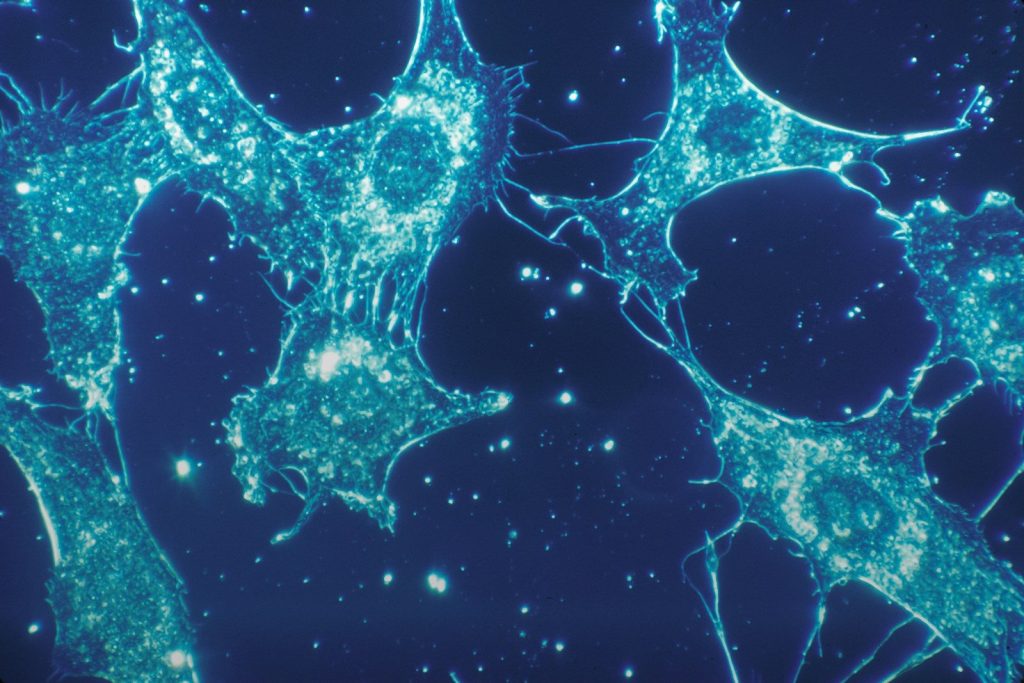
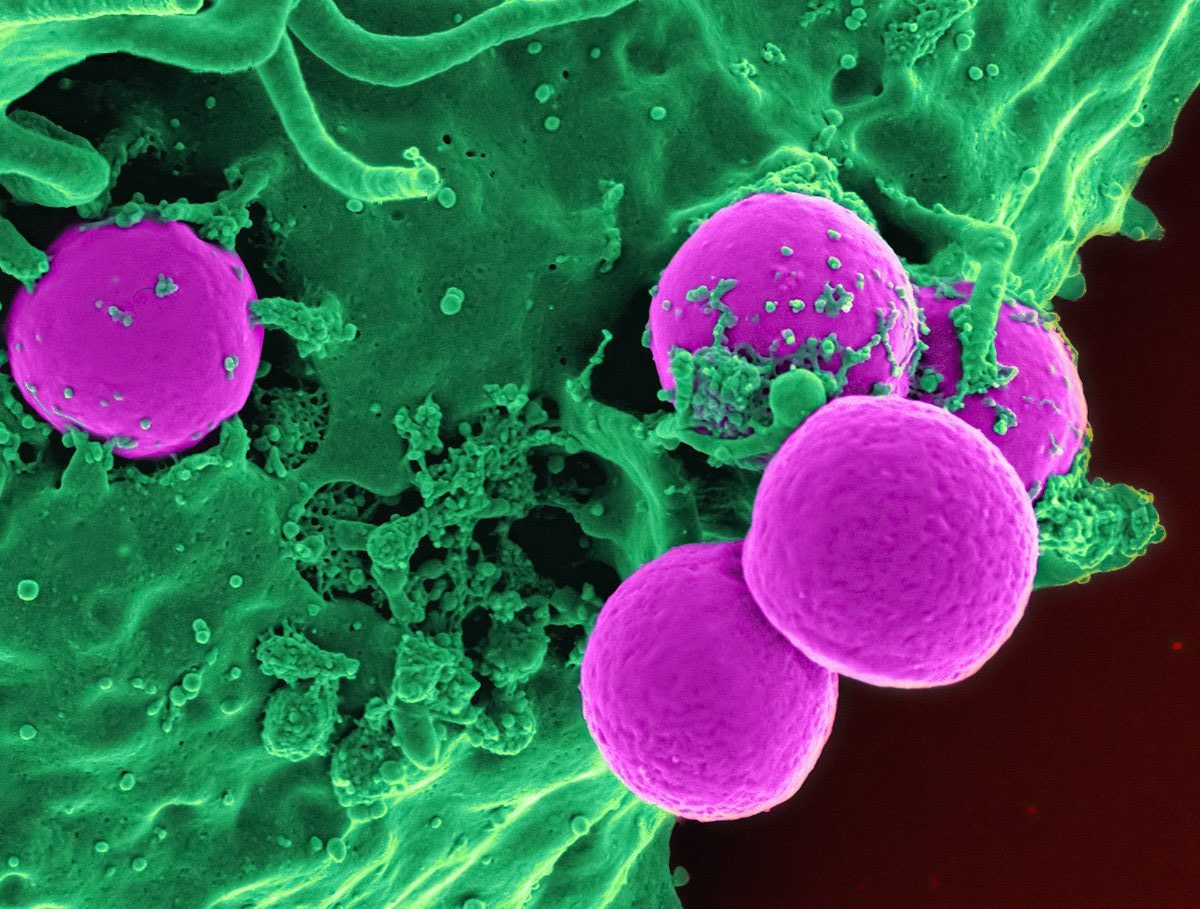
    a close up of an animal cell with small purple cells
    Photo by National Institute of Allergy and Infectious Diseases on Unsplash

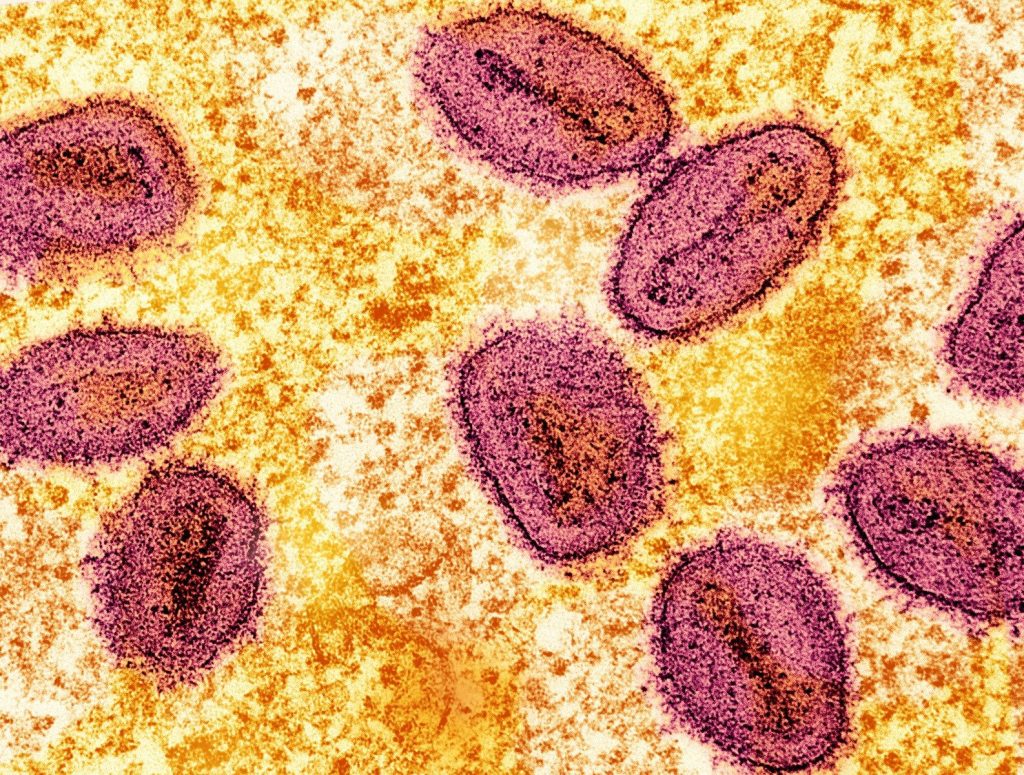
    Most new infectious diseases originate in wildlife. This process is called zoonotic spillover. According to the World Health Organization, viruses like Ebola, SARS, and HIV all made this leap. As human populations grow, we are pushing deeper into wild habitats. This contact increases the risk of a new pathogen jumping to humans. Wet markets and industrial farming can also act as breeding grounds for mutation. It is a constant game of evolutionary roulette. But stopping the spillover requires changing how we interact with nature.

    Developing modular vaccine platforms for rapid response
    person holding silver and black hand tool
    Photo by National Cancer Institute on Unsplash

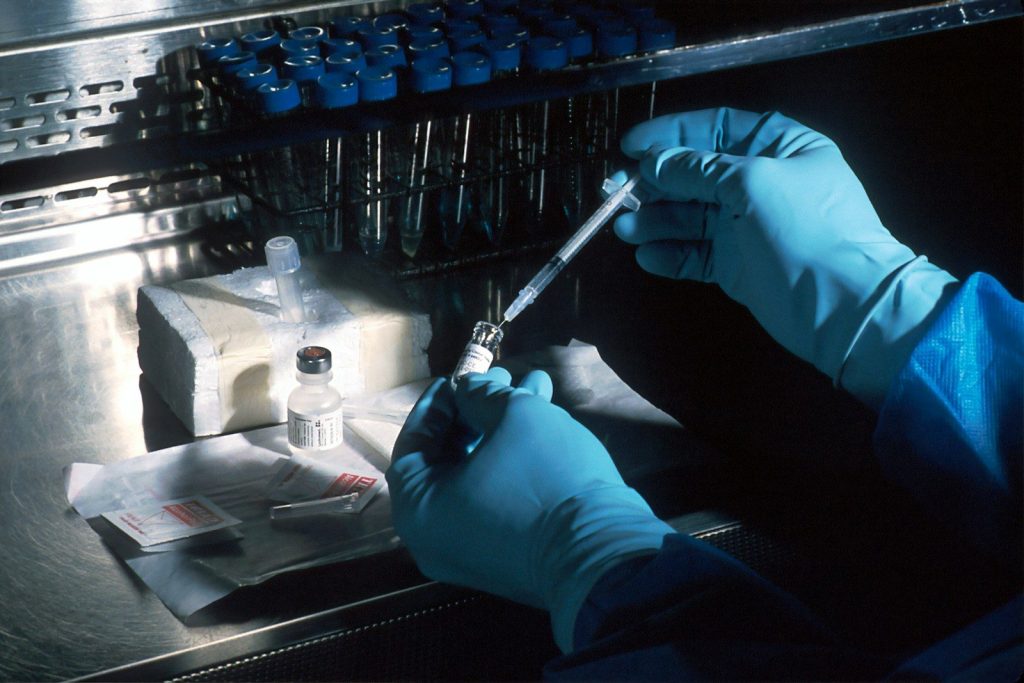
    The traditional way of making vaccines takes years. We cannot afford that delay during a Disease X event. To solve this, scientists are developing modular vaccine platforms. According to the Coalition for Epidemic Preparedness Innovations, these plug-and-play technologies use a standard delivery system. Researchers can simply insert the genetic code of the new virus into the platform. This allows them to produce trial vaccines in days rather than months. It is a massive breakthrough for global defense. But vaccines are only useful if we can distribute them fairly.

    Why deforestation is driving us closer to risk

    fog, trees, forest, nature, woods, mist, trees, trees, trees, forest, forest, forest, forest, forest, nature, nature
    Photo by yoshitaka2 on Pixabay

    Deforestation is a primary driver of pandemic risk. When we clear forests for agriculture, we disrupt ancient ecosystems. Wild animals are forced to move closer to human settlements. According to environmental studies, this movement brings us into direct contact with thousands of unknown viruses. Protecting wild spaces is actually a matter of national security. It keeps dangerous pathogens locked away in the deep jungle. But tracking these threats requires a global network of eyes.

    The high-tech surveillance networks watching the globe
    black and silver coffee maker on white wooden table
    Photo by Trnava University on Unsplash

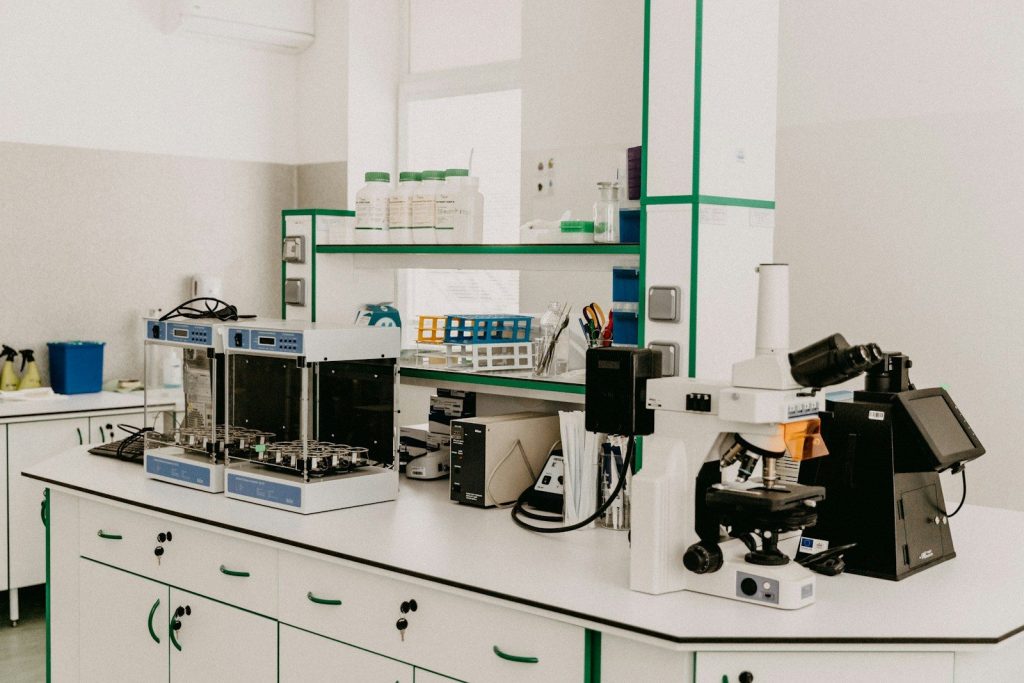
    Global health teams are using high-tech tools to watch for signs of trouble. They are analyzing wastewater in major cities to detect viral fragments before people even show symptoms. According to reports from the Centers for Disease Control and Prevention, genomic sequencing allows researchers to track mutations in real time. They also monitor wild animal populations near high-risk zones. This digital shield is our first line of defense. By catching an outbreak early, we can stop a local spark from becoming a global fire.

    Building a resilient shield for human health
    mixed fruits on bowl with blueberry on top
    Photo by Kimzy Nanney on Unsplash

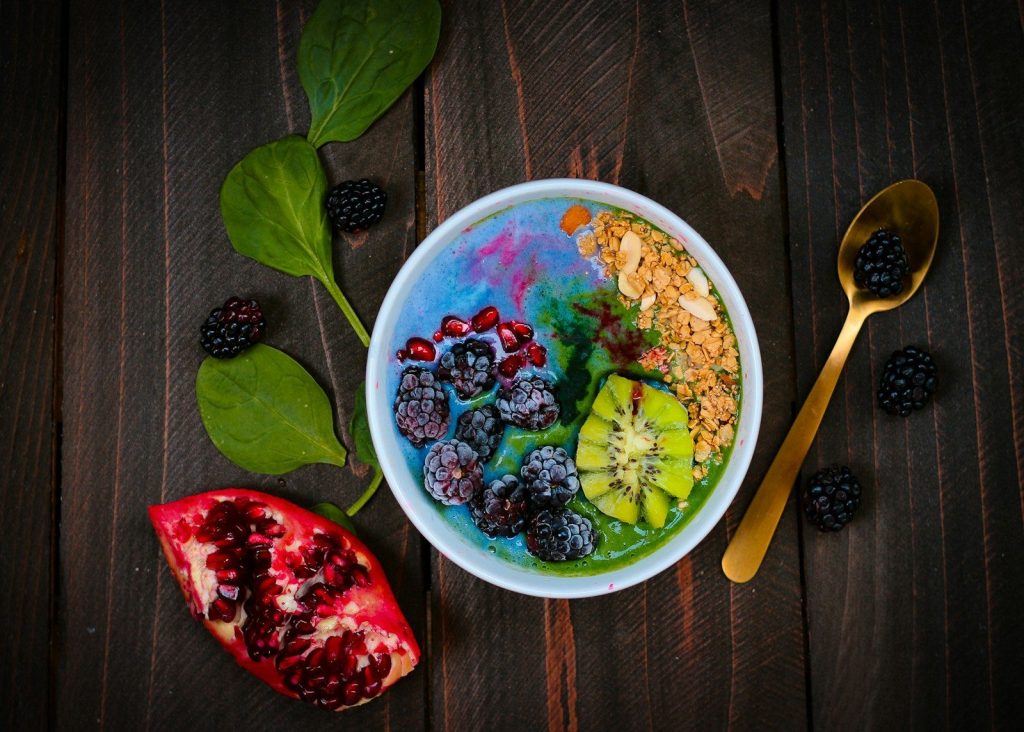
    The threat of Disease X is real, but we are not helpless. By investing in science, protecting nature, and working together, we can prepare for whatever comes next. The lessons of history have taught us that speed is everything. True readiness is built on constant vigilance and scientific innovation. The future of human health depends on our ability to plan for the unknown. We must stay ready to protect our world.

    Featured Image: Photo by AhmadArdity on Pixabay

  • Dysautonomia: The invisible illness affecting millions around the world

    Dysautonomia: The invisible illness affecting millions around the world

    Imagine your body suddenly forgot how to perform basic, automatic tasks. This is the daily reality for millions of people living with dysautonomia. This condition is a malfunction of the autonomic nervous system. This system controls your heart rate, blood pressure, digestion, and temperature regulation without your conscious input. When it breaks down, even standing up can become a massive physical struggle. Yet, because the symptoms are internal, patients often look perfectly healthy to outsiders. This mismatch makes the condition incredibly difficult to diagnose and manage. This article is for informational purposes only and does not constitute medical advice.

    The hard-working autopilot inside your body

    Black and white photo with double exposure of a woman and geometric glass reflections.
    Photo by Darya Sannikova on Pexels

    The autonomic nervous system is the ultimate autopilot. It works constantly in the background to keep you alive. It regulates your breathing while you sleep. It adjusts your blood vessel width when you stand up to ensure blood reaches your brain. According to reports from the Mayo Clinic, dysautonomia disrupts these automatic signals. The brain sends the wrong commands to the organs. This can lead to sudden fainting, severe dizziness, and chronic fatigue. But the most common form of this illness targets young people.

    Why standing up becomes a daily battle.

    Woman sitting on floor with two old televisions
    Photo by lhon karwan on Unsplash

    The most common subtype of this condition is Postural Orthostatic Tachycardia Syndrome. It is usually called POTS. When a healthy person stands up, gravity pulls blood downward. The body instantly constricts blood vessels to push blood back to the heart. In a POTS patient, this mechanism fails. According to Dysautonomia International, their heart rate spikes rapidly to compensate for the pooling of blood. This spike causes chest pain, shortness of breath, and severe brain fog. It turns a simple walk to the kitchen into a marathon. But this physical struggle is often dismissed as a completely different issue.

    A hidden condition that masks itself as anxiety

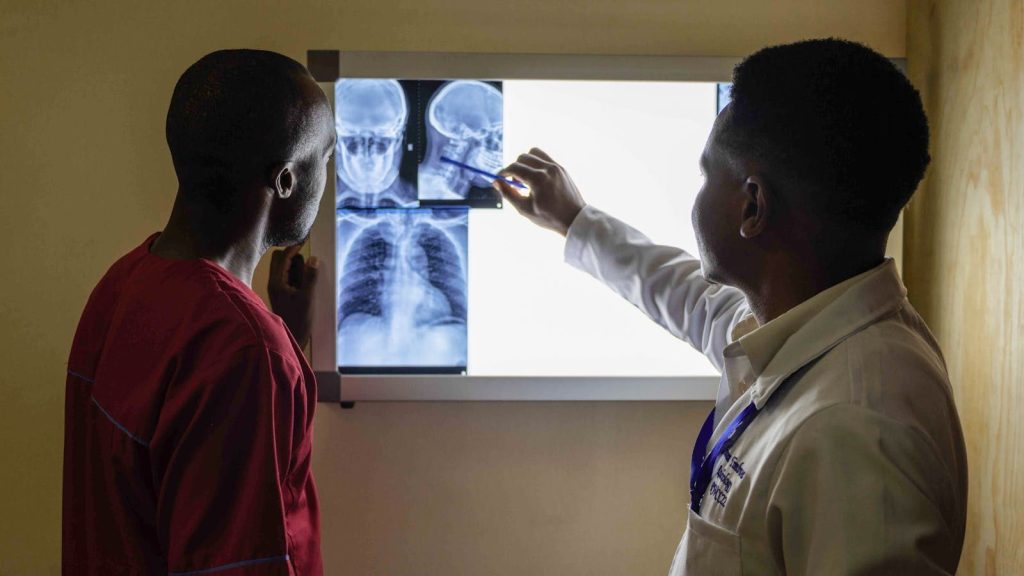
    A doctor reviews X-ray images with a patient in a medical facility, highlighting healthcare interaction.
    Photo by Michael Obiero on Pexels

    Dysautonomia is notoriously difficult to diagnose. Because symptoms include a racing heart and sweating, doctors often misdiagnose patients with simple panic attacks. This can lead to years of medical gaslighting and frustration. According to clinical surveys, the average patient takes six years to receive an accurate diagnosis. This delay can severely impact their mental health and career. Patients are left struggling to explain why they are too weak to work. But some people develop this condition after a very common event.

    The chemical pathways behind autonomic nerve damage

    a close up of a cell phone with a blue background
    Photo by National Cancer Institute on Unsplash

    Scientists are studying how the nerves themselves are damaged in these patients. Many individuals with dysautonomia also suffer from small fiber neuropathy. This means the tiny nerve endings that control blood vessels are physically damaged or destroyed. According to research from the Cleveland Clinic, this damage is often triggered by an autoimmune response. The body’s immune system mistakenly attacks its own healthy nerve cells. This discovery is helping doctors develop better targeted treatments. But a massive global event recently brought this hidden condition to light.

    The surprising connection to viral infections

    man in white dress shirt sitting in front of computer
    Photo by CDC on Unsplash

    Many cases of dysautonomia are triggered by a sudden viral infection. A patient might catch a standard virus, recover from the initial illness, and then find their autonomic system is permanently altered. According to studies published in the journal Nature, there is a massive link between Long COVID and dysautonomia. Millions of new patients have developed POTS symptoms after surviving the virus. This sudden influx of patients has forced the medical community to invest heavily in research. It has brought a hidden illness into the spotlight. But managing these symptoms requires a highly disciplined daily routine.

    How patients manage the invisible struggle daily

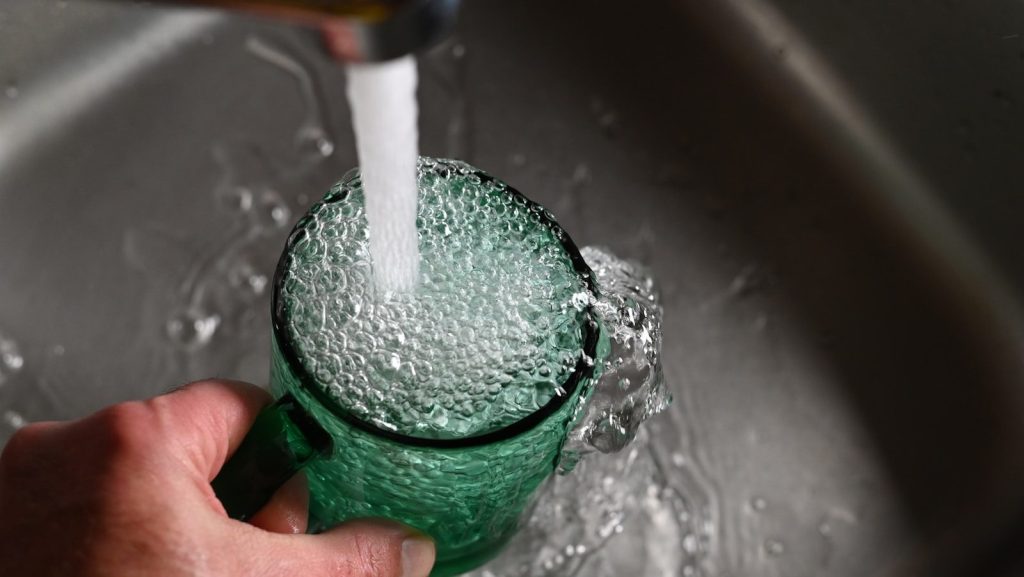
    a person's hand is holding a green cup with water coming out of it
    Photo by Andres Siimon on Unsplash

    There is currently no cure for dysautonomia. However, patients can manage their symptoms using several simple lifestyle adjustments. They must consume massive amounts of water and sodium every day to expand their blood volume. This extra volume helps push blood back to the brain. According to medical guidelines, wearing medical-grade compression garments can also prevent blood pooling in the legs. Many patients also use specialized recumbent exercise programs to strengthen their hearts without standing up. These daily habits require immense discipline. Fortunately, the medical community is finally getting better at spotting the warning signs early.

    Why early diagnosis is starting to improve

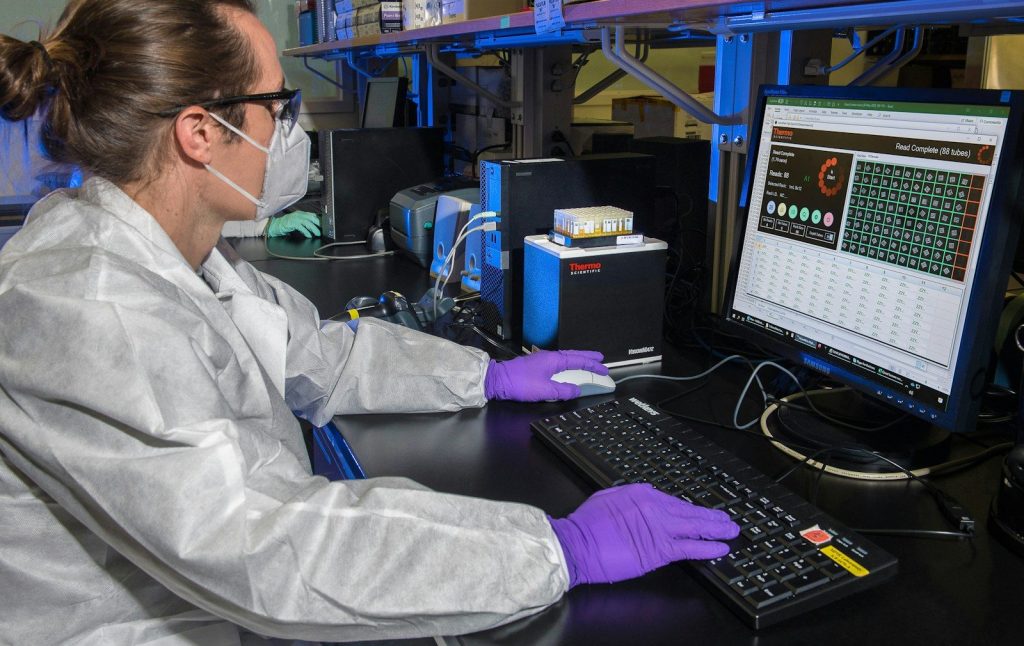
    desktop monitor beside computer tower on inside room
    Photo by National Cancer Institute on Unsplash

    The medical community is finally getting better at spotting this condition early. Doctors are using specialized testing tools like the tilt table test to monitor autonomic reactions in a controlled setting. According to reports from autonomic specialists, identifying the illness early can prevent long-term disability. It allows patients to start physical therapy and medication before their muscles weaken from bed rest. This progress is offering hope to families worldwide. The ultimate lesson of this struggle goes far beyond medicine.

    Spreading awareness for a misunderstood system

    yoga, girl, woman, monochrome, activity, international yoga day, meditation, yoga, yoga, yoga, yoga, yoga
    Photo by RachelScottYoga on Pixabay

    Dysautonomia is a complex, challenging condition. It teaches us that true wellness is built on systems we rarely think about until they fail. By spreading awareness, we can help patients get diagnosed faster and find the support they need. Education is the best way to fight medical gaslighting. The autonomic nervous system is a beautiful machine, and we must continue to study its secrets.

    Featured Image: Photo by merlinlightpainting on Pixabay
  • The best diets for a healthy life

    The best diets for a healthy life

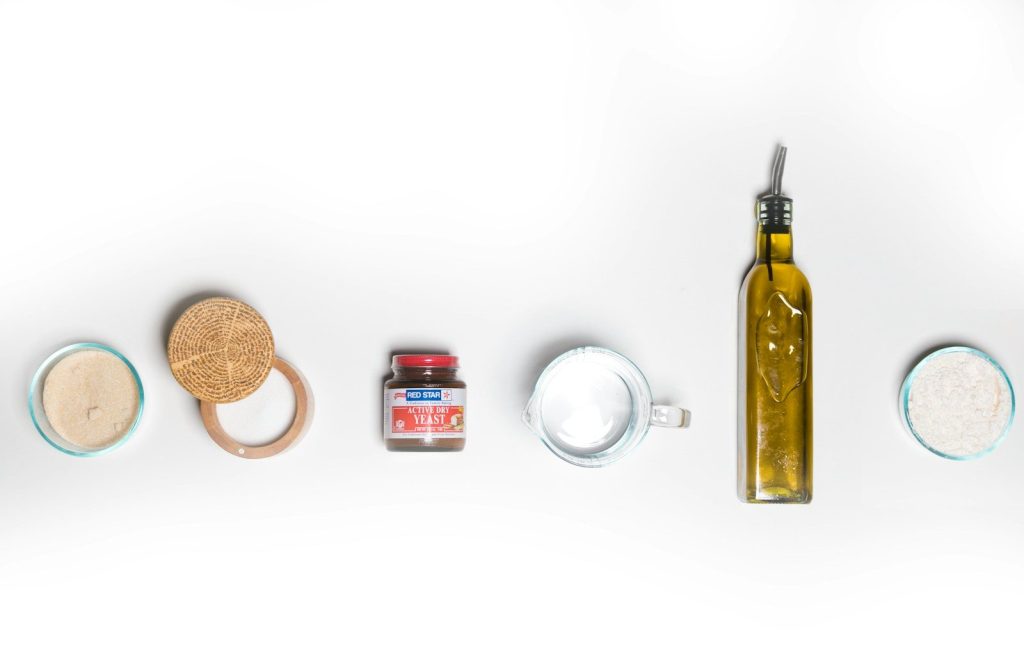
    Everyone wants a longer life. We buy expensive supplements and try extreme workout routines to stay healthy. But the real secret to longevity is much simpler. Scientists have spent decades studying places called Blue Zones. These are regions where people routinely live past one hundred years. They do not rely on expensive technology. Instead, their daily eating habits keep their bodies running smoothly. A report by U.S. News and World Report ranks these plant-focused lifestyles among the healthiest in the world. But this is not just about eating your vegetables. There is a deep biological reaction happening inside their cells. The way these foods interact with our DNA is absolutely mind-boggling.

    Turning on the Cellular Cleanup Crew

    a group of purple and green cells in a blood vessel
    Photo by National Institute of Allergy and Infectious Diseases on Unsplash

    Fast food keeps your body constantly digesting. On the other hand, the simple foods eaten in Okinawa and Sardinia do something different. They give your digestive tract a break. This triggers a process called autophagy. According to researchers at Harvard University, autophagy is your body’s way of clearing out damaged cells. It acts like a tiny biological recycling truck. The cells reuse the good parts and throw away the trash. This cellular cleanup prevents chronic diseases before they can even start. But the specific plants they eat hold another secret.

    The Strange Science of Sirtuin Activation

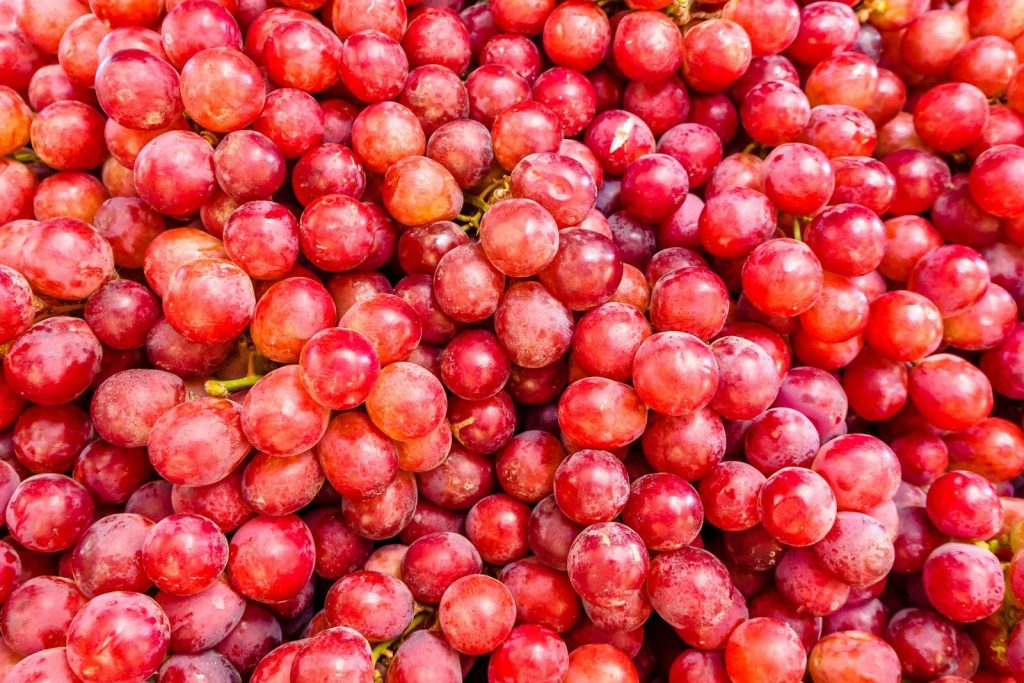
    red grape fruits
    Photo by Alexander Schimmeck on Unsplash

    Blue Zone residents eat a lot of foods rich in polyphenols. These natural compounds are found in olive oil, red grapes, and cocoa. When you eat them, they activate a family of proteins called sirtuins. Scientists call these the longevity genes. A study published in the journal Nature suggests that sirtuins help repair damaged DNA. They also regulate metabolic health and reduce inflammation. Without these active proteins, your cells age much faster. But there is a specific bean that acts as a powerhouse for this process.

    Why a Simple Bean Protects Your Chromosomes

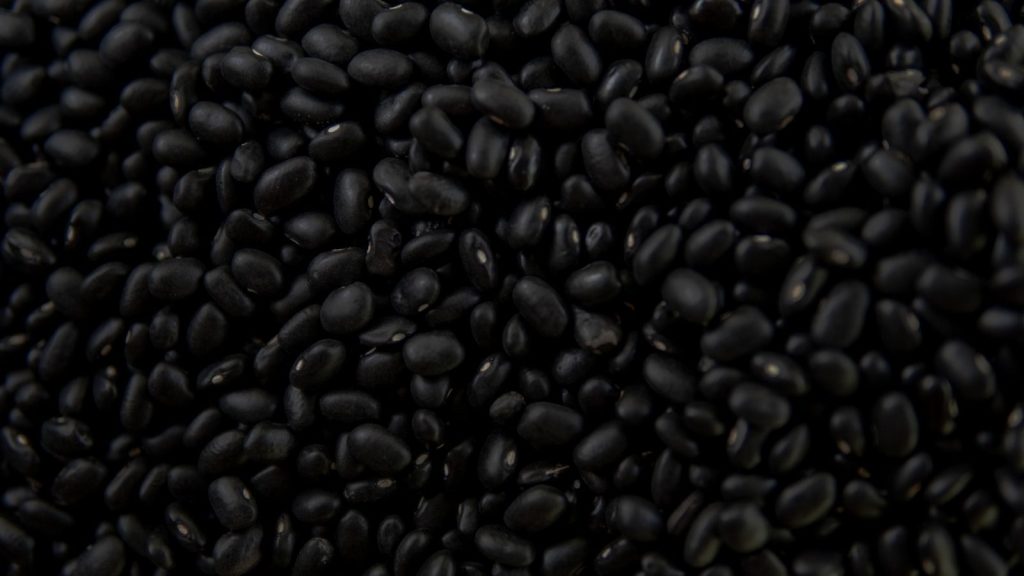
    a pile of black beans sitting on top of a table
    Photo by Junior Bazzo on Unsplash

    The humble legume is the true king of Blue Zone eating. People in Nicoya, Costa Rica, eat black beans almost every day. These beans are packed with complex carbohydrates and prebiotic fiber. This fiber actually protects your telomeres. Telomeres are the protective caps on the ends of your chromosomes. Think of them like the plastic tips on shoelaces. According to a study from Brigham Young University, longer telomeres are directly linked to a longer lifespan. The simple act of digesting beans might be keeping your genetic code intact. But the gut microbiome is where the real magic happens.

    Feeding the Secret Army in Your Gut

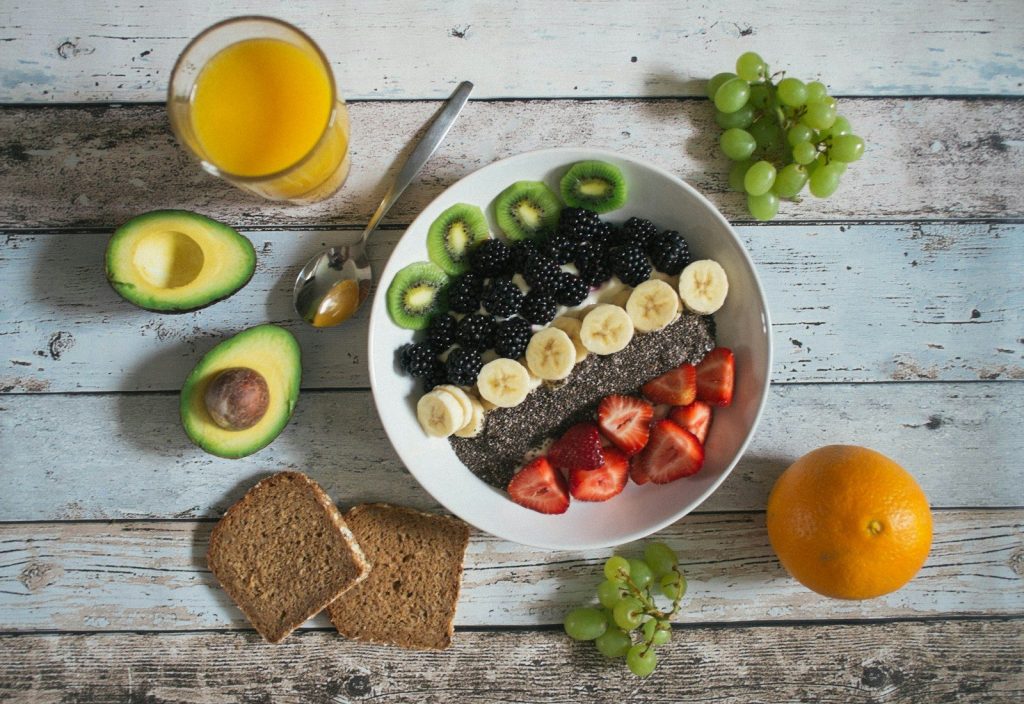
    fruit lot on ceramic plate
    Photo by Jannis Brandt on Unsplash

    Okinawans eat a diet rich in sweet potatoes and fermented soy. This creates an incredibly diverse gut microbiome. You have trillions of tiny microbes living in your stomach. When you feed them the right fiber, they produce short-chain fatty acids. According to the Cleveland Clinic, these compounds strengthen your gut barrier. They also communicate directly with your brain to regulate mood and hunger. A weak gut barrier leads to systemic inflammation. That inflammation is a quiet killer. But there is another dietary habit that keeps their blood sugar perfectly balanced.

    The Mathematical Wisdom of Eighty Percent Full

    white ceramic plate and silver fork
    Photo by Mikael Cho on Unsplash

    In Okinawa, people practice a tradition called Hara Hachi Bu. This means they stop eating when they feel eighty percent full. This is not just a polite social rule. It has a profound impact on insulin sensitivity. When you overeat, your pancreas is flooded with insulin to process the excess sugar. Over time, your cells become resistant to this hormone. According to the American Diabetes Association, insulin resistance is a major driver of heart disease. Eating slightly less keeps your metabolic engine running cool. But what about the liquids they drink?

    The Daily Flush of Herbal Infusions

    person pouring tea on white teacup
    Photo by Barrett Baker on Unsplash

    People in Ikaria, Greece, drink wild herbal teas every afternoon. They brew rosemary, dandelion, and sage. These are not just tasty beverages. They act as natural diuretics that keep blood pressure low. According to a study by the Athens University Medical School, these teas are packed with antioxidants. They help flush excess sodium and toxins from the kidneys. This daily routine keeps the cardiovascular system free of stress. But there is one final piece to the puzzle.

    The Hidden Power of Natural Dietary Sourcing

    green plants
    Photo by Erwan Hesry on Unsplash

    Blue Zone communities do not eat processed food. They eat what they grow in their backyard gardens. This means their food is packed with natural minerals that are missing from supermarket shelves. They avoid synthetic preservatives that can damage blood vessels. Their bodies recognize every single ingredient they consume. This simple relationship with food keeps them active well into their nineties. The lessons they teach us could change how we look at our own plates.

    Building Your Personal Strategy for Longevity

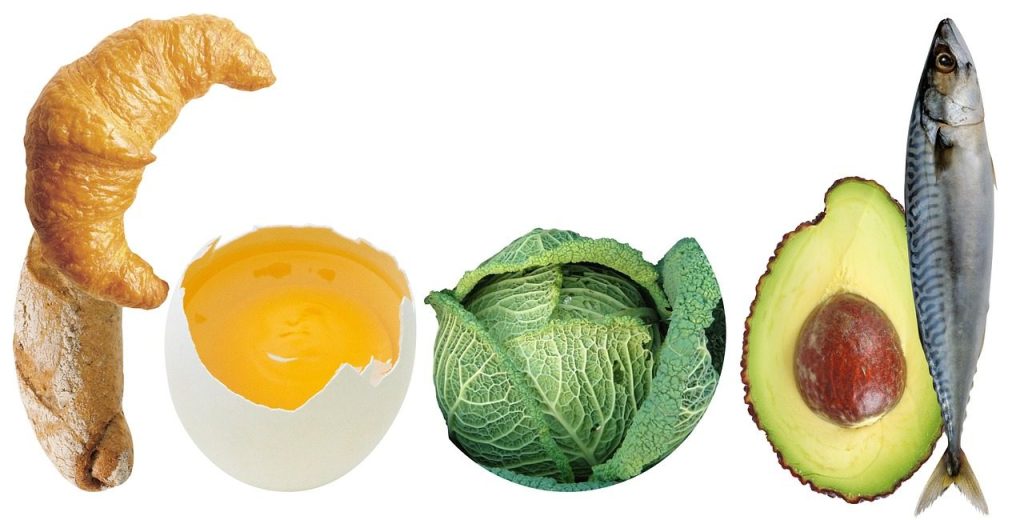
    meal, food, nourishment, feed, logo, pictorial, letters, image letters, health, nutrient, vitamins, protein, logo, logo, logo, logo, logo, nutrient, protein, protein, protein
    Photo by stux on Pixabay
    You do not have to move to Greece to live like a centenarian. Start by swapping processed snacks for fresh walnuts or pumpkin seeds. Eat a handful of beans with your dinner. Focus on whole foods and listen to your body’s natural fullness signals. These tiny changes can have a massive impact on your cellular health over time. Your body is ready to heal if you give it the right tools.

    Featured Image: Photo by Sofia Lasheva on Unsplash

  • Key foods to help prevent clogged arteries

    Key foods to help prevent clogged arteries

    Clogged arteries are a silent threat. Over time, fatty deposits and calcium build up inside your blood vessels. This restricts vital blood flow to your heart and brain. Many people assume that surgery or heavy medication is the only way to fix this problem. But modern vascular biology suggests a different path. According to the American Heart Association, your diet plays a massive role in plaque prevention. Some specific foods act like physical and chemical sweepers inside your bloodstream. They do not just prevent new plaque from forming. They actually help stabilize and clear existing blockages. The science behind how these everyday foods interact with your vascular walls is fascinating.

    The Gas That Relaxes Your Blood Vessels

    a large green leafy plant
    Photo by Victor Birai on Unsplash

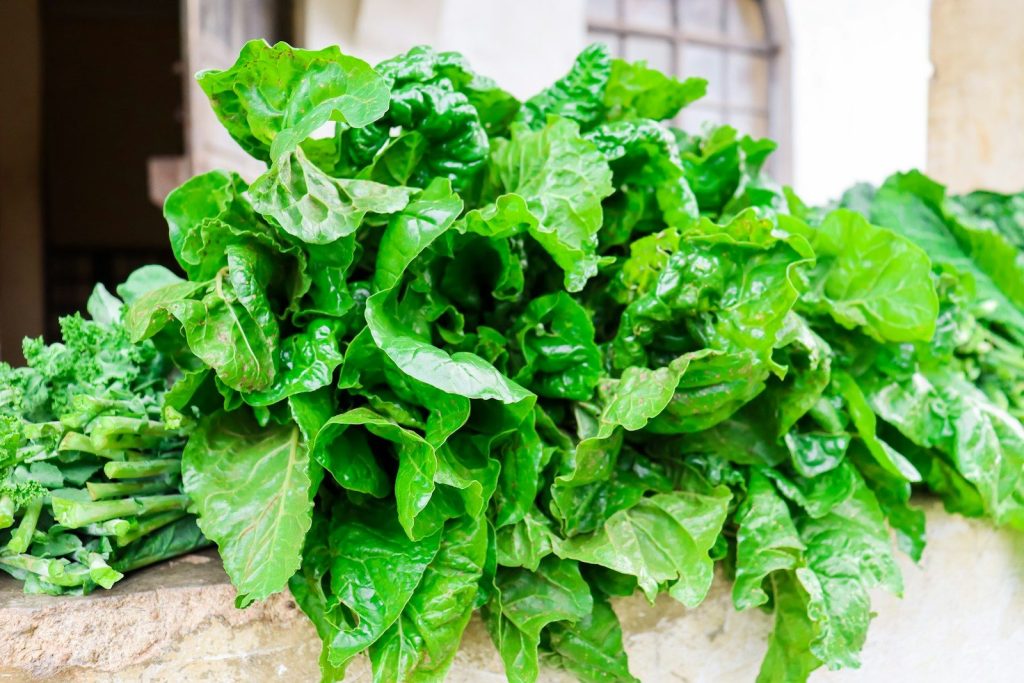
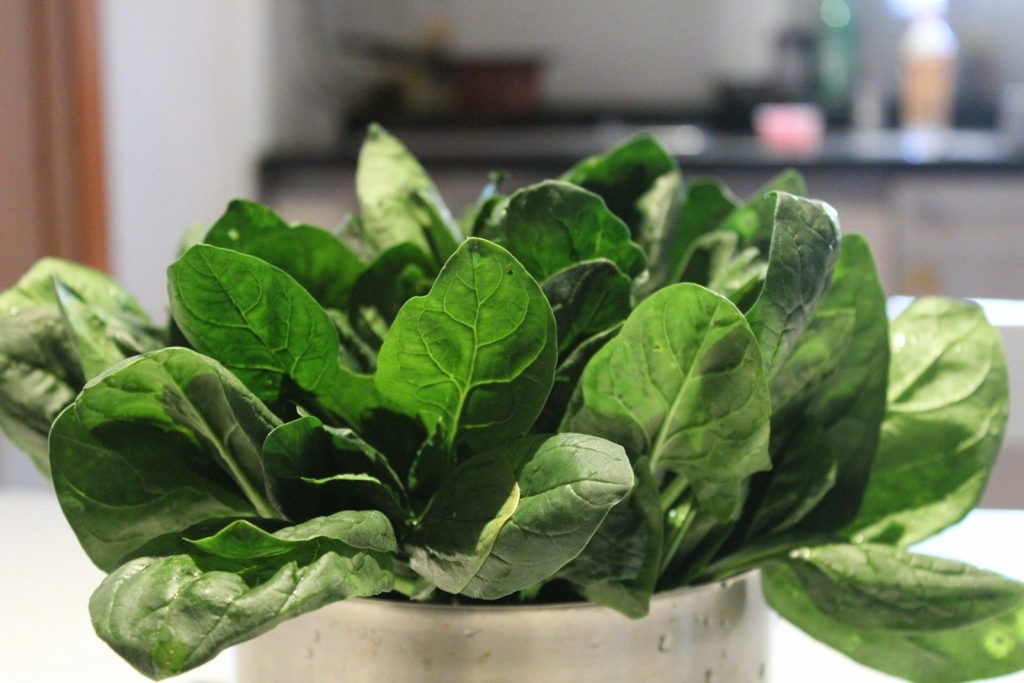
    Your blood vessels are lined with a delicate layer of cells called the endothelium. This layer relies on a gas called nitric oxide to stay healthy. Nitric oxide tells your blood vessels to relax and widen. This improves your overall circulation and lowers blood pressure. Green leafy vegetables like spinach and arugula are packed with natural nitrates. Your body converts these nitrates into nitric oxide. According to a study published in The Journal of Nutrition, this process prevents plaque from sticking to your artery walls. But there is a fruit that takes this protection even further.

    How Pomegranate Molecules Act as Plaque Shields

    red and white heart shaped decors
    Photo by Mockup Graphics on Unsplash

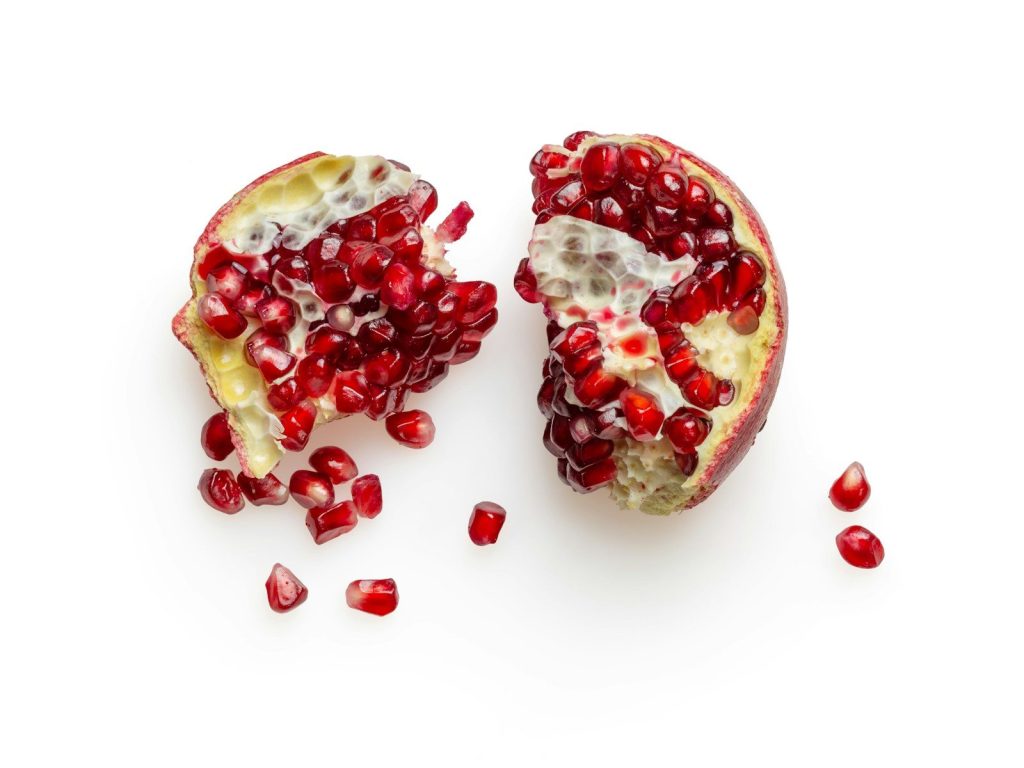
    Pomegranates are a true marvel of vascular science. They are loaded with unique antioxidants called punicalagins. These molecules are incredibly powerful. According to clinical trials published by the National Institutes of Health, pomegranate juice can actually reduce the thickness of arterial plaque. It stops bad cholesterol from oxidizing in your blood. Oxidized cholesterol is the sticky substance that starts the clogging process. By blocking this oxidation, the fruit keeps your vessel walls smooth and clean. But a tiny seed in your pantry might offer a similar level of protection.

    The Physical Scrubber in Your Morning Oats

    two bowls of oatmeal with fruits
    Photo by Brooke Lark on Unsplash

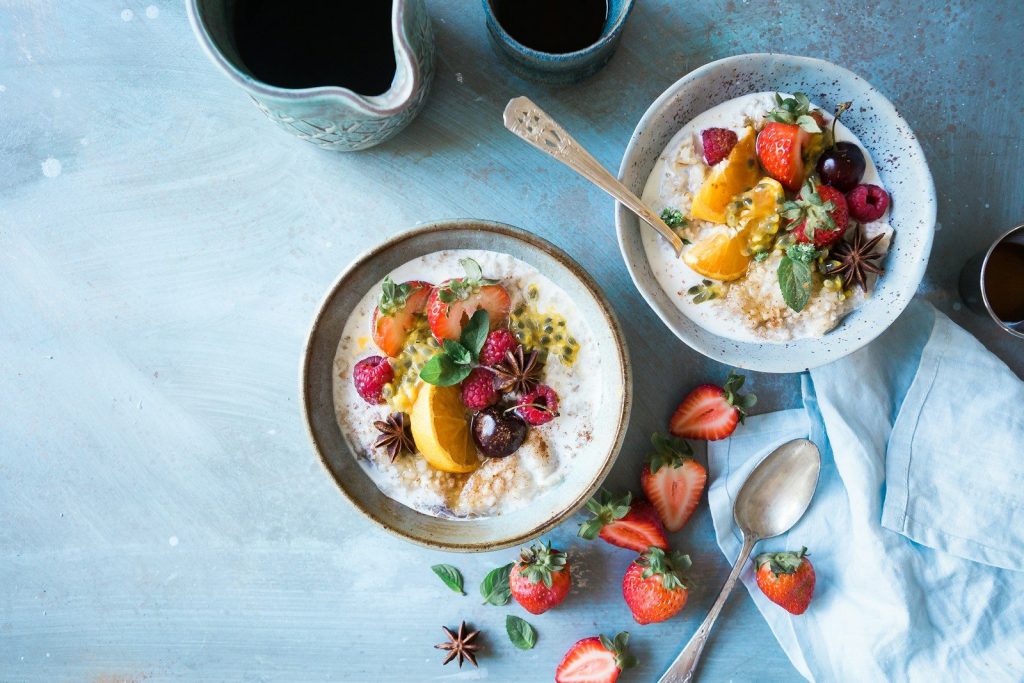
    Oatmeal is more than just a warm breakfast. It contains a very specific type of soluble fiber called beta-glucan. When you eat oats, this fiber forms a thick gel in your digestive tract. This gel binds to cholesterol-rich bile acids and carries them out of your body. According to the Mayo Clinic, this process forces your liver to pull cholesterol from your blood to make more bile. This naturally lowers your circulating bad cholesterol. It prevents the raw materials of plaque from ever reaching your arteries. But another common kitchen ingredient fights vascular damage in a different way.

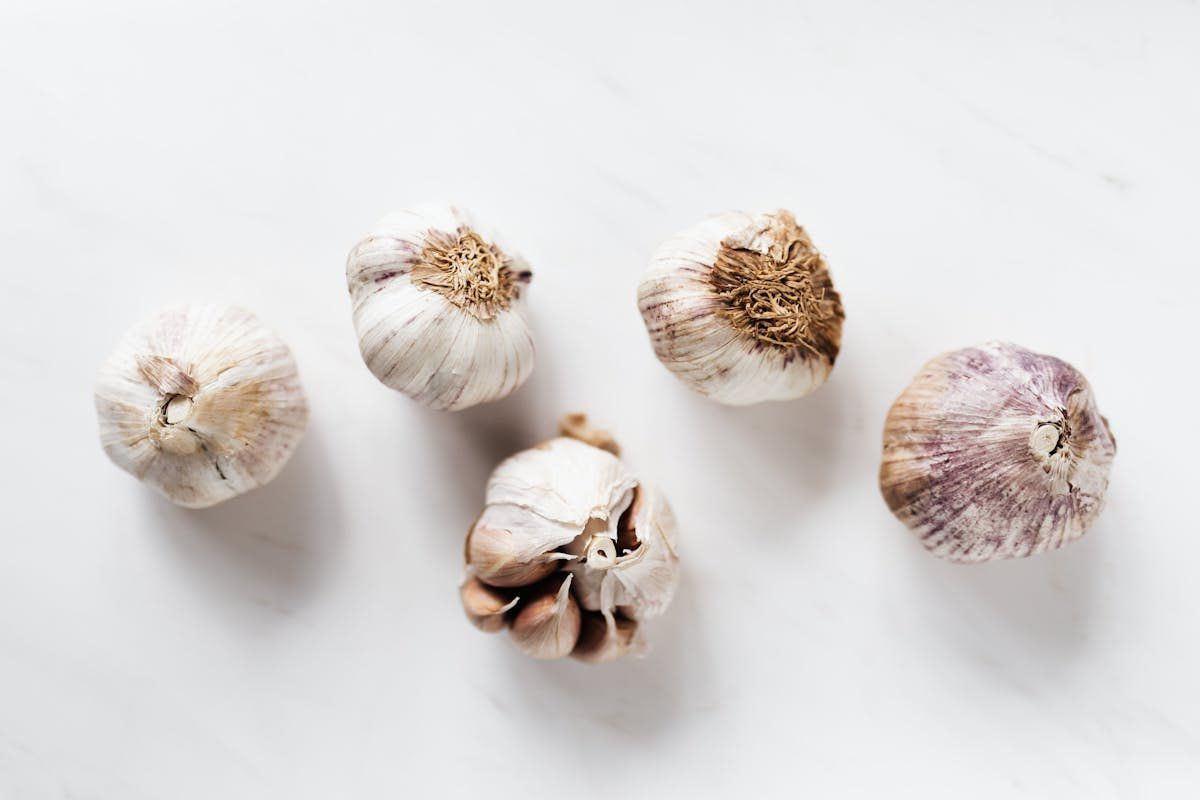
    The Sulfated Defense of Raw Garlic

    Top view of whole organic unpeeled aromatic garlic bulbs lying in row on white clean marble surface before cooking process
    Photo by www.kaboompics.com on Pexels

    Garlic has been used as medicine for thousands of years. Modern science now knows why. When you crush or chop garlic, it releases a compound called allicin. Allicin reacts with your red blood cells to produce hydrogen sulfide. According to research from Emory University, this gas helps dilate blood vessels and prevents blood clots from forming. It also stops smooth muscle cells in your arteries from multiplying, which is a key step in plaque buildup. A tiny clove can provide a massive shield for your heart. But a popular snack can also help you maintain this defense.

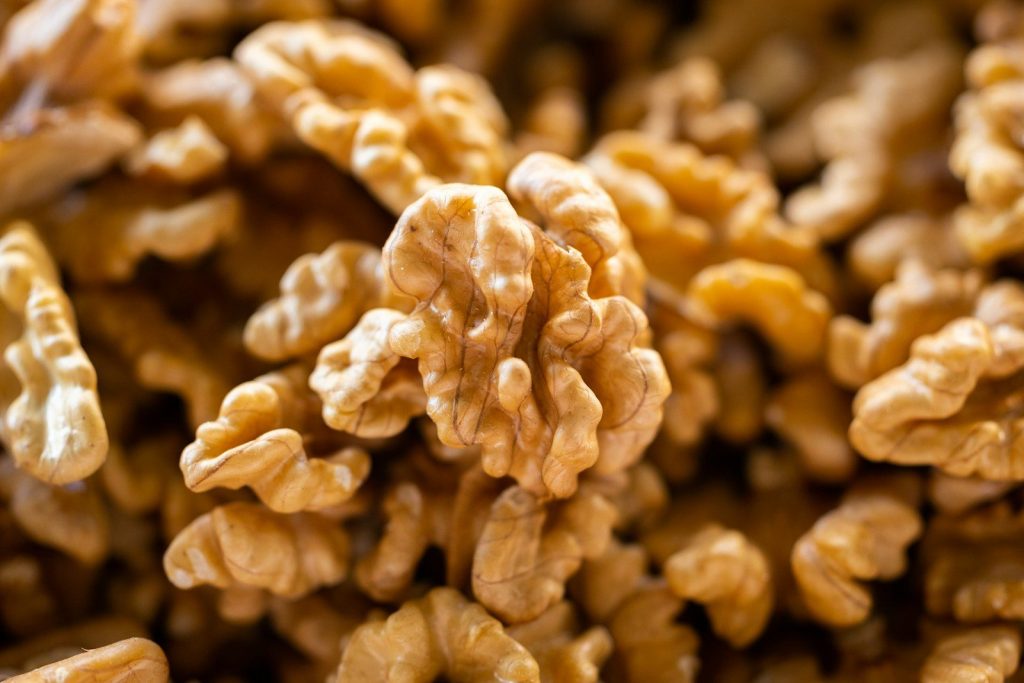
    Why Walnuts Keep Your Arteries Flexible

    a close up of a bunch of walnuts
    Photo by engin akyurt on Unsplash

    Walnuts are shaped like tiny brains, but they are great for your heart. They are incredibly rich in alpha-linolenic acid, which is an essential omega-three fatty acid. Your body cannot make this fat on its own. According to a study in the Journal of the American College of Cardiology, eating walnuts improves the elasticity of your arteries. It allows them to expand and contract with ease. This reduces the mechanical wear and tear on your vessel walls. But you must also look to the ocean for ultimate vascular protection.

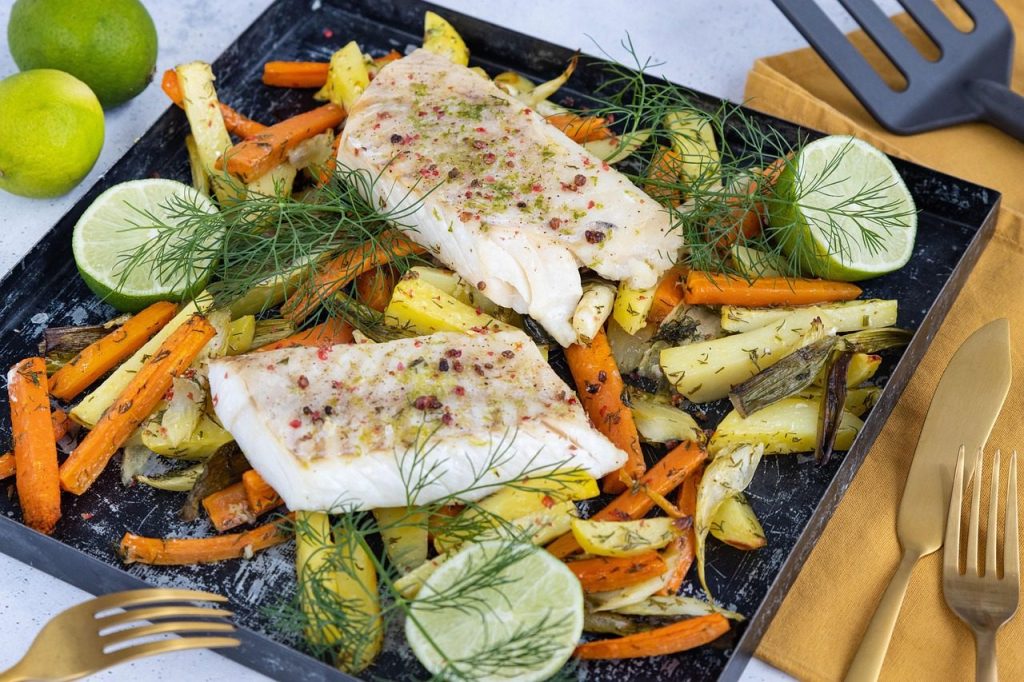
    The Marine Acid That Fights Vessel Inflammation

    fish, fillet, nature, vegetables, redfish, recipe, cook, food
    Photo by eatde on Pixabay

    Fatty fish like salmon and sardines are packed with two crucial fatty acids. These are EPA and DHA. These marine oils target systemic inflammation inside your vascular system. Plaque is not just fat. It is actually an inflammatory response to damaged vessel walls. According to the World Health Organization, regular fish consumption is linked to a significant drop in cardiovascular events. These healthy fats stabilize plaque, making it less likely to rupture and cause a crisis. But there is a simple way to combine all these foods.

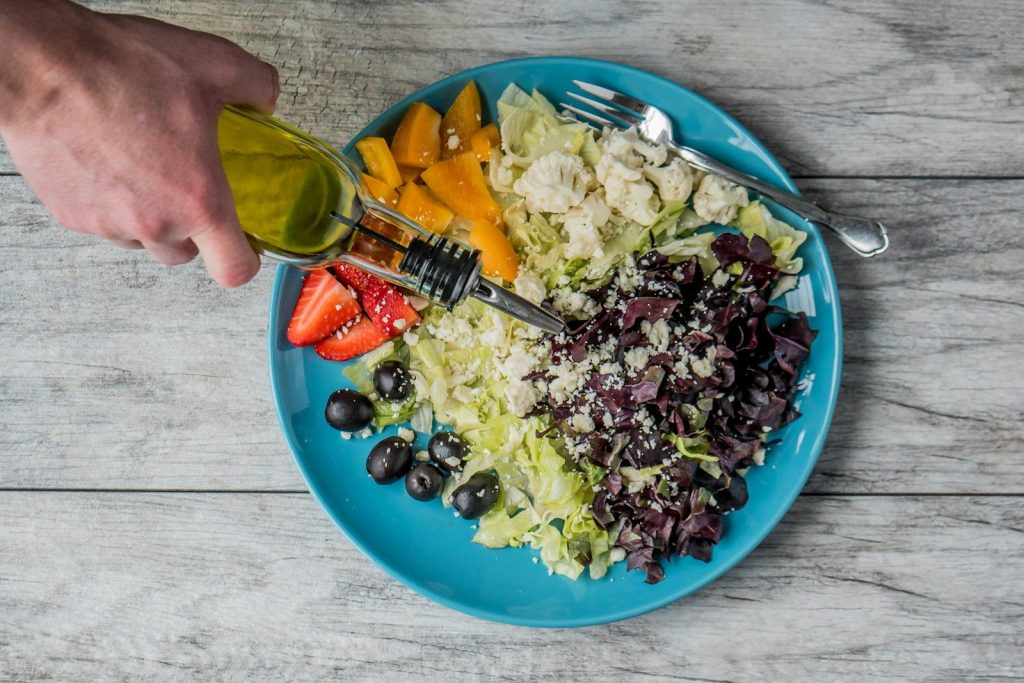
    Designing Your Daily Plan for Vascular Health

    flat lay photography of man making vegetable and fruit salad
    Photo by Jessica Lewis 🦋 thepaintedsquare on Unsplash

    Protecting your arteries does not require a complicated medical regimen. Start by adding a spoonful of ground flaxseeds to your morning oats. Enjoy a handful of walnuts instead of chips in the afternoon. Drizzle extra virgin olive oil over leafy greens for dinner. These simple daily habits keep your blood flowing smoothly and your vessels clean. Your heart works hard for you every single second. Giving it the right fuel is the easiest way to ensure a long, active life.

    Featured Image: Photo by Julia Zolotova on Unsplash

  • Why Longevity Experts Avoid These Supposedly Healthy Foods

    Why Longevity Experts Avoid These Supposedly Healthy Foods

    We are constantly bombarded with advice on what to eat to live a longer life. Health food stores are packed with colorful packages promising eternal youth. But many of these trendy items are actually doing the exact opposite. Longevity experts who study the world’s oldest populations are sounding the alarm. They have identified several common health foods that can actually accelerate cellular aging. These deceptive products trigger chronic inflammation and disrupt your metabolic pathways. They slowly damage your delicate blood vessels without any warning signs. By cutting these silent offenders out of your diet, you can protect your DNA. This simple adjustment can help you maintain high energy levels as you get older. The first major offender might be sitting in your pantry right now.

    The Hidden Sugar Trap of Protein Bars

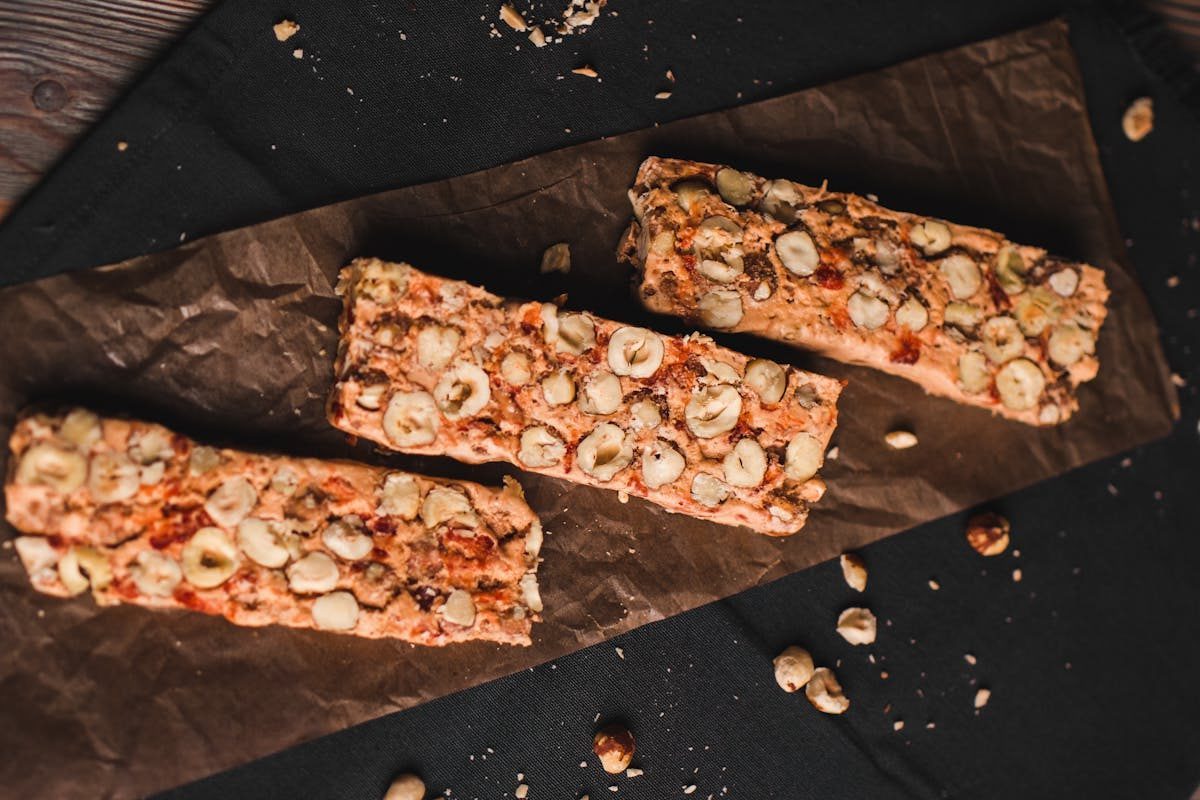
    Top view of homemade nut muesli bars on parchment paper, a perfect healthy snack.
    Photo by Vladimir Gladkov on Pexels

    Protein bars look like the perfect post-workout snack. However, many commercial brands contain as much sugar as a standard chocolate bar. They are packed with high-fructose corn syrup and artificial sweeteners. According to research from the Harvard T.H. Chan School of Public Health, excess sugar promotes cellular aging. It causes insulin spikes that stress your pancreas over time. This sweet trap can lead to chronic metabolic issues. But your morning breakfast bowl hides an even bigger health secret.

    Glucation Hazards in Crispy Breakfast Cereals

    white soup on stainless steel bowl
    Photo by Dom . on Unsplash

    Many people eat whole-grain cereals to protect their hearts. But the extreme heat used to manufacture these flakes destroys their natural nutrients. This industrial process creates advanced glycation end products. These harmful compounds damage your skin’s collagen and stiffen your blood vessels. Longevity experts suggest swapping processed cereals for slow-cooked steel-cut oats instead. This simple swap protects your cellular health. But a common cooking oil might be doing silent damage.

    The Inflammatory Threat of Seed Oils

    a white table topped with different types of food
    Photo by Tucker Good on Unsplash

    Vegetable and seed oils are promoted as heart-healthy alternatives to butter. But oils like canola, corn, and soy are highly processed. They contain massive amounts of omega-six fatty acids. While your body needs some omega-6, an excess can trigger chronic systemic inflammation. This inflammation is a primary driver of age-related diseases. Experts suggest using extra virgin olive oil or avocado oil instead. This adjustment keeps your cardiovascular system running smoothly.

    Agave Nectar is Not a Safe Sugar Substitute

    clear glass bottle pouring red liquid on clear drinking glass
    Photo by Benyamin Bohlouli on Unsplash

    Agave nectar is often marketed as a natural, low-glycemic sweetener. But this syrup is incredibly high in fructose. In fact, it can contain up to ninety percent fructose. Unlike glucose, fructose must be processed entirely by your liver. This process can lead to fatty liver disease and insulin resistance. Longevity researchers suggest using small amounts of raw honey or real maple syrup instead. But another popular beverage might surprise you with its impact.

    The Toxic Load of Commercial Fruit Juices

    Refreshing orange juice being poured from a glass pitcher into a jar, set against a turquoise background.
    Photo by DS stories on Pexels

    Drinking a glass of fresh orange juice seems like a great way to get vitamin C. But juicing removes all the beneficial fiber from the fruit. This leaves you with a concentrated dose of liquid sugar. Your body absorbs this liquid sugar instantly, causing a massive blood sugar spike. This rapid rise damages your blood vessels and exhausts your metabolism. It is much better to eat the whole fruit instead to keep your digestion balanced.

    The Hidden Chemicals in Diet Soda

    blue and silver can with water droplets
    Photo by NIKHIL on Unsplash

    Diet sodas promise zero calories and zero guilt. But they rely on powerful artificial sweeteners like aspartame. These chemicals can disrupt your delicate gut microbiome. A damaged gut microbiome can weaken your immune system and increase systemic inflammation. According to studies published in Nature, artificial sweeteners can also trigger intense food cravings. This can lead to unexpected weight gain over time.

    Building a Simple Foundation for Long Life

    blue berries on white background
    Photo by Hanna Balan on Unsplash

    Protecting your longevity does not require a complicated diet. Focus on eating whole, unprocessed foods that come straight from the earth. Choose leafy greens, wild fish, and plenty of fresh berries. These natural foods deliver the essential antioxidants your cells need to repair themselves. By avoiding modern processed substitutes, you can support your body’s natural healing systems. This simple approach is the ultimate secret to a long, vibrant life.

    Featured Image: Photo by Vanessa Loring on Pexels

  • Does This Ancient Fermented Bread Benefit Your Digestion?

    Does This Ancient Fermented Bread Benefit Your Digestion?

    Bread has a bad reputation. Many modern health guides tell us to avoid wheat entirely to protect our stomachs. They warn of weight gain and blood sugar spikes. But an ancient, slow-fermented loaf is completely rewriting the rules of nutrition. Sourdough is different. It does not rely on modern commercial yeast. Instead, a wild starter culture of living bacteria rises the dough slowly over many hours. This long fermentation process completely transforms the flour before baking. The loaf is delicious. It is also incredibly gentle on your digestive tract. Science is finally proving what ancient bakers knew all along. Sourdough acts as a living food. The secret lies in wild lactic acid bacteria.

    Wild Fermentation Activates Living Bacteria

    sourdough starter, baking, bread starter, yeast, bake, nutrition, sourdough starter, sourdough starter, sourdough starter, sourdough starter, sourdough starter, yeast, yeast, yeast, yeast
    Photo by JillWellington on Pixabay
    Sourdough starters are alive. They contain millions of beneficial lactic acid bacteria and wild yeasts. These microbes feast. They consume the natural sugars found in wheat flour. As they eat, they produce organic acids. This lactic acid gives sourdough its famous signature tang. The resulting acidic environment does something amazing to the bread structure. It breaks down difficult proteins. One of those tough proteins is gluten. This process helps explain why so many people can digest sourdough easily.

    Lactic Acid Breaks Down Tough Gluten

    dough, flour, knead, bake, loaf, yeast, kitchen, chef, baker, dough, flour, knead, yeast, yeast, chef, baker, baker, baker, baker, baker
    Photo by congerdesign on Pixabay
    Gluten is hard to digest. Modern commercial bread is rushed through factory production in under an hour. This rush leaves gluten intact. True sourdough fermentation takes up to twenty-four hours. During this long rest, the living bacteria break down complex gluten proteins into simpler amino acids. Your stomach does less work. Many people with mild sensitivities can enjoy authentic sourdough without any bloating. But gluten is not the only digestive irritant that gets neutralized. Another group of sneaky carbohydrates is about to vanish.

    Fewer FODMAPs Mean Less Bloating

    anatomy, x-ray, human body, health, genetics, background, stomach, digestive system, microbiota, digestion, stomach, digestive system, digestive system, digestive system, digestive system, digestive system
    Photo by julientromeur on Pixabay
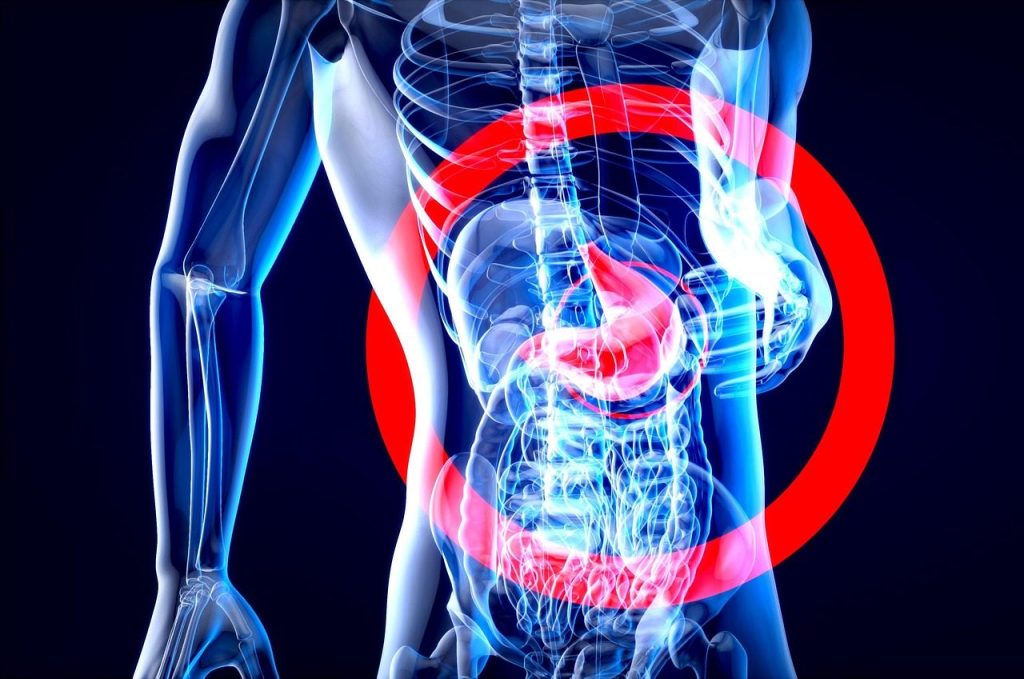
    FODMAPs are fermentable sugars. These short-chain carbohydrates are notoriously difficult for your small intestine to absorb. They sit in your gut. This stagnation causes painful gas, bloating, and cramps. It is a major issue for anyone with irritable bowel syndrome. Fortunately, sourdough bacteria consume these troublesome sugars during fermentation. The bacteria do the work. This digestive relief is a massive benefit. But this living bread also does wonders for your blood sugar. The science behind this blood glucose reaction is incredibly simple.

    Starch Digestion Slows Down Significantly

    a person blood glucose testing using gluco-meter
    Photo by Sweet Life on Unsplash

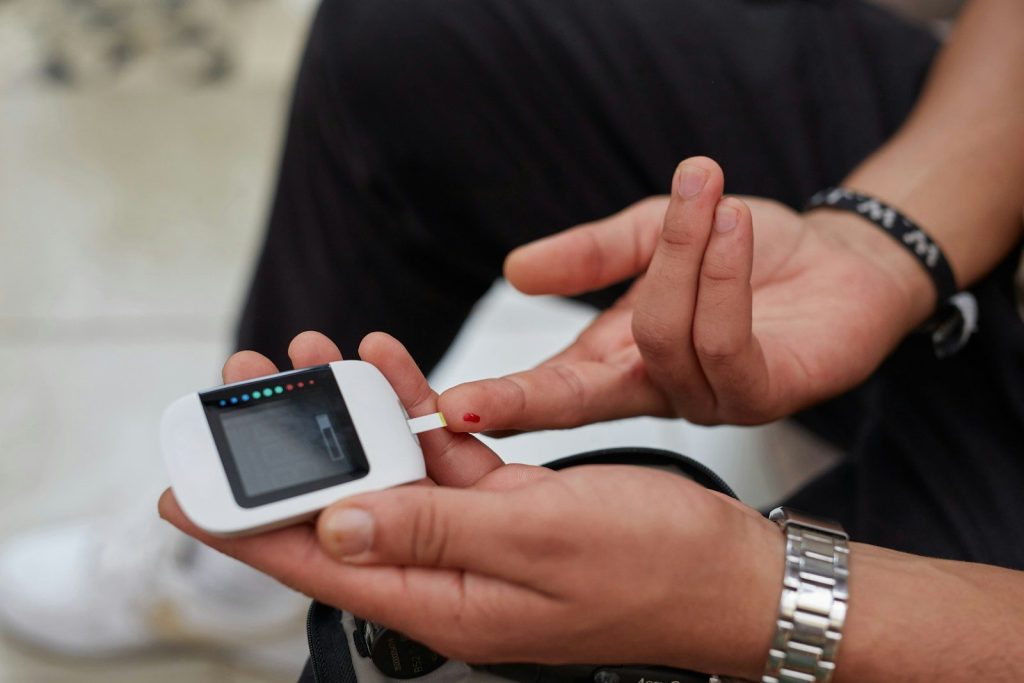
    Standard white bread causes blood sugar spikes. It digests rapidly. According to Mayo Clinic reports, sourdough bread has a much lower glycemic index than industrial loaves. The organic acids slow down starch absorption. This means glucose is released gradually into your bloodstream over several hours. You avoid sudden crashes. Your insulin levels stay steady. This makes sourdough a safer option for energy management. Beyond blood sugar, your gut microbiome is waiting for a feast.

    Prebiotics Feed Your Beneficial Gut Flora

    a field of grass with the sun shining in the background
    Photo by Anton Palmqvist on Unsplash

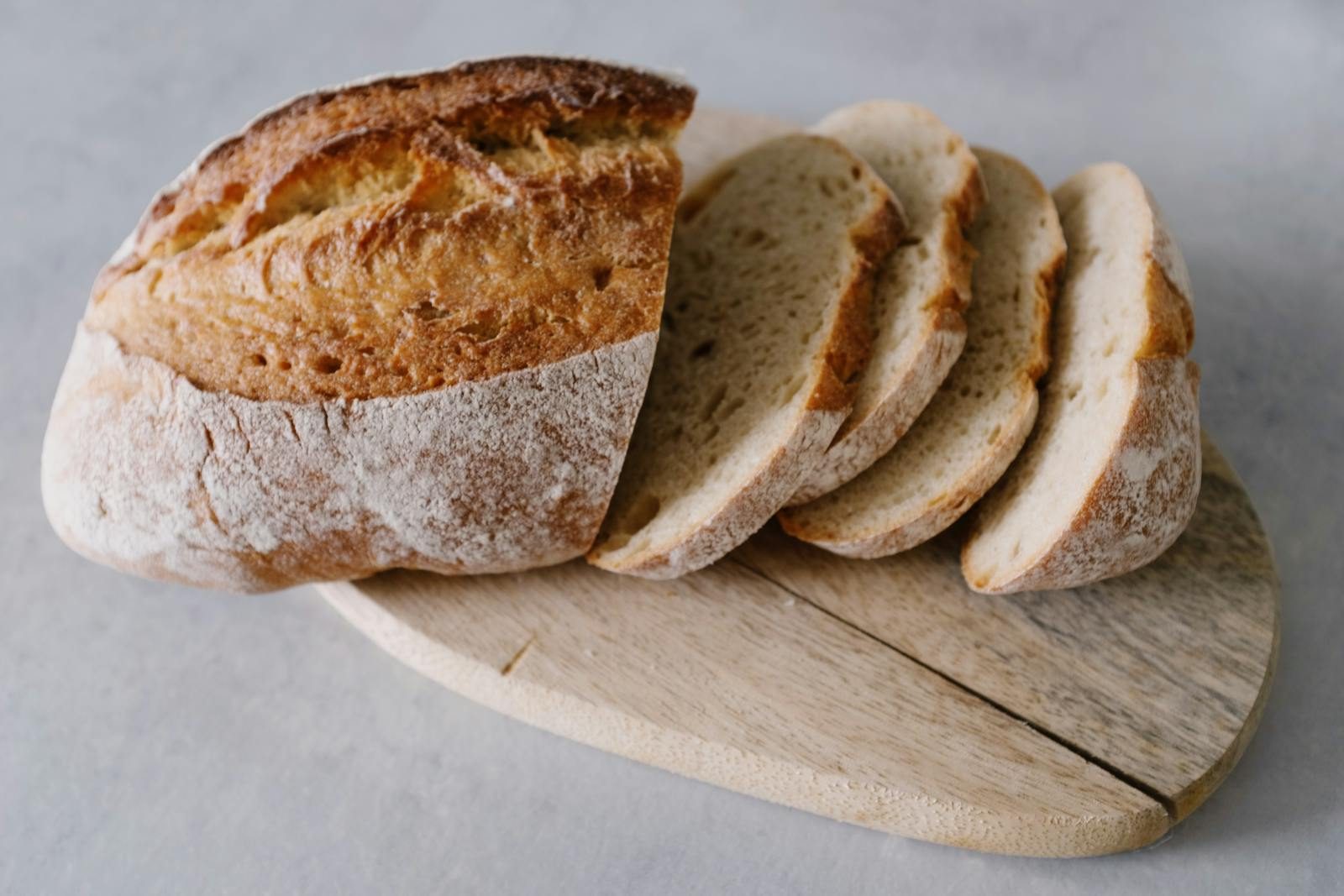
    Baked bread lacks live bacteria. The extreme heat of the oven kills off the active cultures. But do not worry. The fermentation process leaves behind powerful prebiotics that survive the baking process. These special fibers feed your existing gut microbes. They act as fuel. Nourishing your microbiome supports your immune system. This living bread also helps unlock hidden nutrients trapped inside the grain. You are about to absorb far more minerals than usual.

    Fermentation Unlocks Trapped Micronutrients

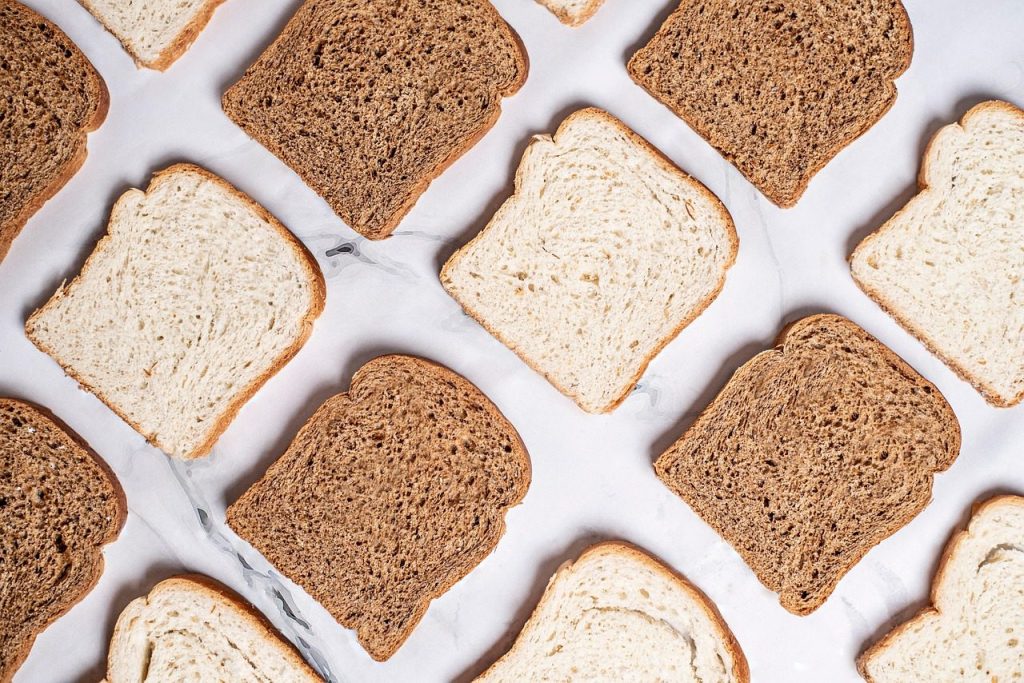
    bread, slices, organic, healthy, nutritious, sliced bread, white bread, brown bread, bread slices, wheat bread, food, bread, bread, bread, bread, bread
    Photo by sofi5t on Pixabay
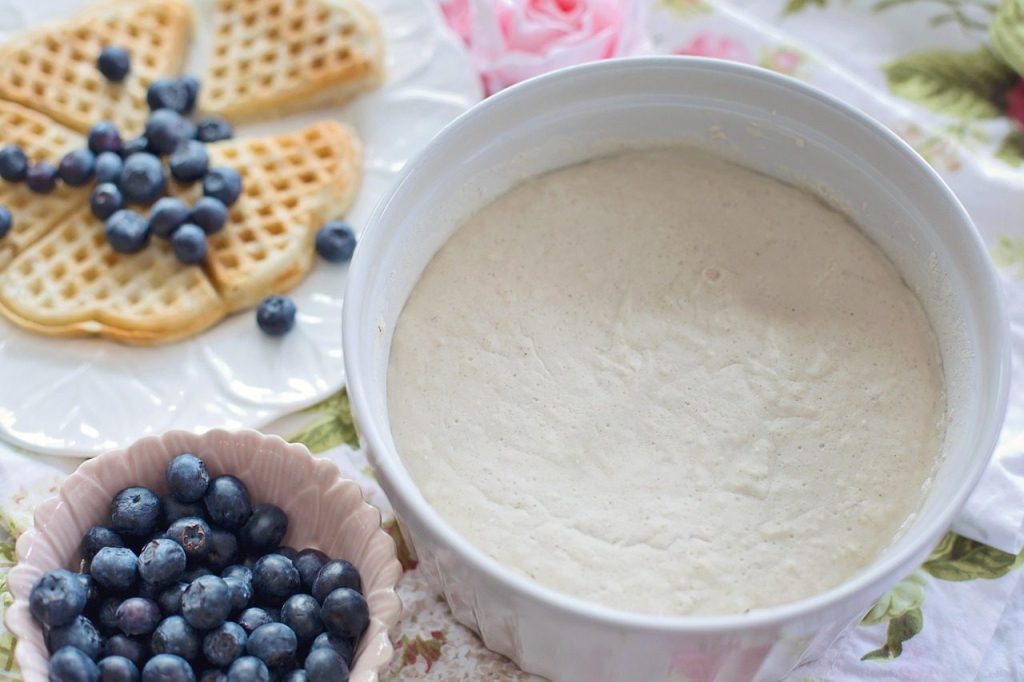
    Grains contain phytic acid. This natural compound is an anti-nutrient. It binds tightly to essential minerals like iron, zinc, and magnesium. Your body cannot absorb them. Fortunately, sourdough fermentation activates an enzyme called phytase. This enzyme destroys phytic acid completely. It releases the trapped minerals. You absorb far more nourishment from a sourdough slice than from standard factory bread. But you must be careful when buying your next loaf. The commercial bread aisle is full of clever impostors.

    Choosing the Best Sourdough for Your Health

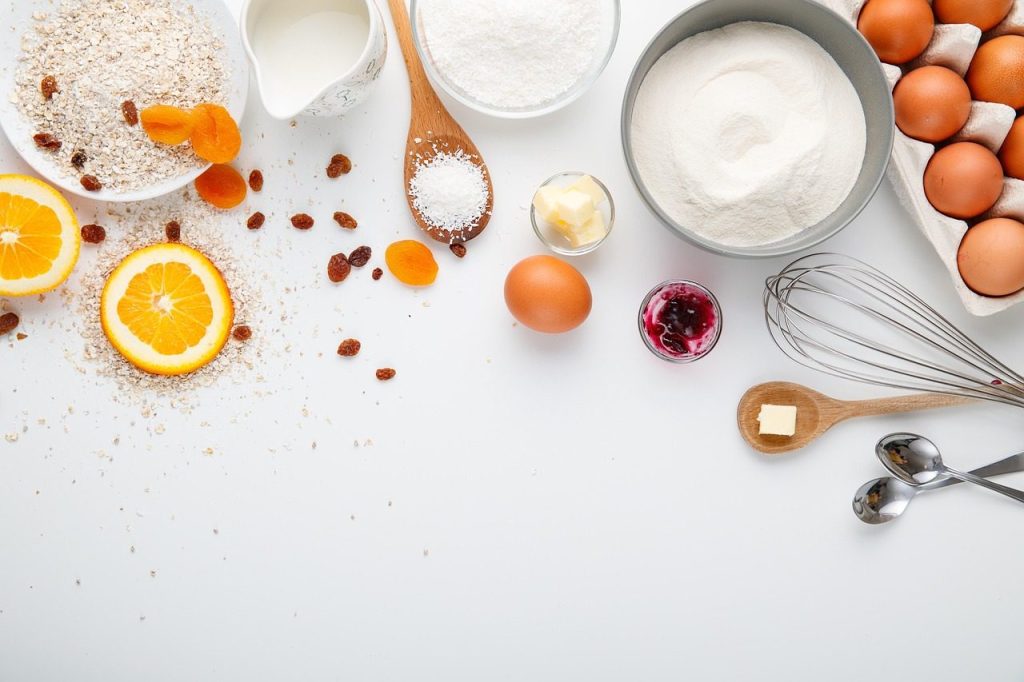
    cooking, ingredients, flat lay, bake, baking, baking ingredients, whisk, cooking utensils, eggs, orange slices, orange, sugar, salt, cooking, cooking, cooking, cooking, baking, baking, baking, baking, baking, sugar, salt, salt
    Photo by sontung57 on Pixabay

    Fake sourdough is common. Many large commercial bakeries use chemical sour flavorings and industrial yeast to mimic the real thing. They skip the long fermentation. This shortcut deprives you of all the digestive benefits. To find the real deal, look closely at the ingredient list. Authentic loaves contain only flour, water, salt, and wild culture. Avoid added yeast or vinegar. Real sourdough takes time. Your health is worth the wait. Enjoy your toast knowing your gut is happy.

    Featured Image: Photo by ready made on Pexels

  • Are Stealth Foods Clogging Your Arteries Without You Knowing?

    Are Stealth Foods Clogging Your Arteries Without You Knowing?

    Your arteries might be in danger. Many people cut out greasy burgers and fries to keep their hearts pumping smoothly. That is a great start. However, several common foods can secretly raise your bad cholesterol without a single warning sign. These silent offenders look healthy. Yet, they slowly deposit fatty plaque inside your delicate blood vessels over time. Read labels carefully. The American Heart Association urges everyone to inspect the nutrition facts on every package. Look deeper. Our list reveals the most deceptive foods you should avoid. Watch out. The first offender might be sitting on your kitchen counter right now.

    The Saturated Trap of Fast Casual Meals

    raw meat on white ceramic plate
    Photo by Eiliv Aceron on Unsplash

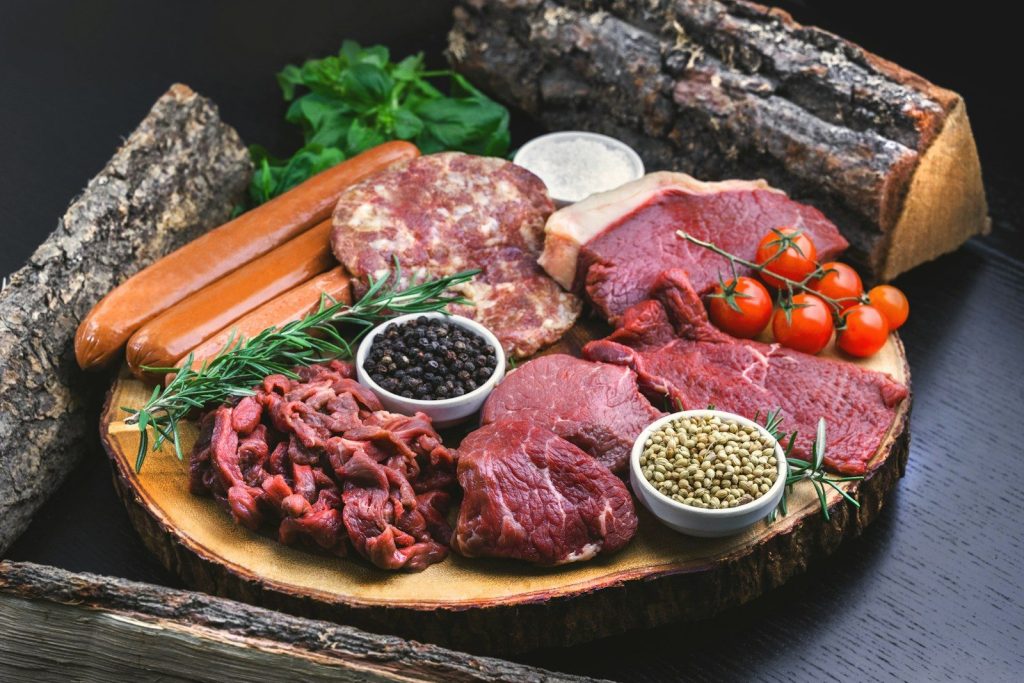
    Processed meats are a major threat. Sausages and packaged deli cold cuts contain incredibly high levels of saturated fat. They also pack sodium. These bad ingredients cause your liver to manufacture a dangerous amount of cholesterol. This triggers immediate swelling. Many people eat these meats daily in quick lunch wraps. Is your lunch safe? Your morning breakfast pastry hides an even bigger secret.

    Baked Goods are Hiding Trans Fats

    a group of cupcakes with frosting
    Photo by Valeriano G on Unsplash

    Store-bought pastries look delicious. However, many commercial cakes and cookies rely on partially hydrogenated vegetable oils. These are trans fats. They are the absolute worst offender for your cardiovascular health. They damage vessels. These artificial lipids actively raise your bad cholesterol while lowering the good kind. Your heart suffers. A common cooking spread in your fridge might be doing the exact same thing.

    Full-Fat Dairy and Arterial Plaque

    sliced cheese on brown wooden chopping board
    Photo by Andra C Taylor Jr on Unsplash

    Butter tastes delicious. But whole milk products are packed with dense saturated fats that your body struggles to clear. They clog arteries. Regularly eating full-fat cheese can raise your bad cholesterol levels significantly. Scientists agree on this. The Journal of the American College of Cardiology published key research about this threat. Reduce your intake. The golden side dish you order with your burger holds a greasy secret.

    The Hidden Cost of Golden Fried Foods

    a white plate topped with french fries next to a sandwich
    Photo by engin akyurt on Unsplash

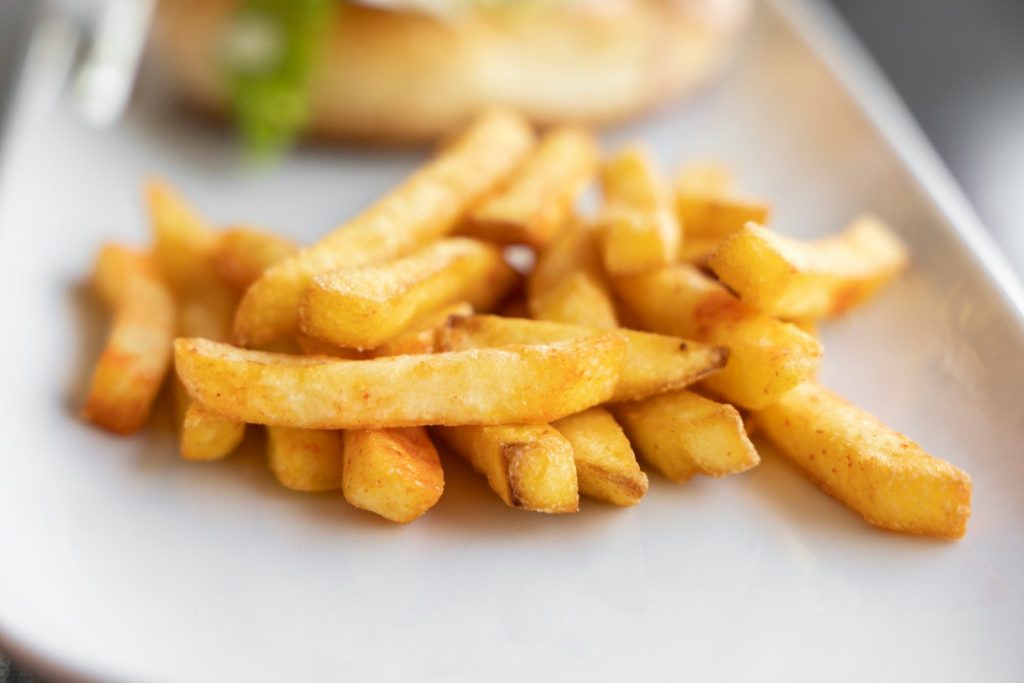
    Deep frying ruins food. Restaurant fryers heat vegetable oils over and over at extreme temperatures. This process alters lipids. It creates harmful trans fats that stick to your delicate artery walls. Avoid fast food fries. These damaged fats promote chronic inflammation inside your cardiovascular system. Eat fresh instead. Next, a seemingly light seafood dish might surprise you with its hidden impact.

    Shellfish and the Butter Connection

    a white plate topped with grilled shrimp and veggies
    Photo by Md Shohan Ridoy on Unsplash

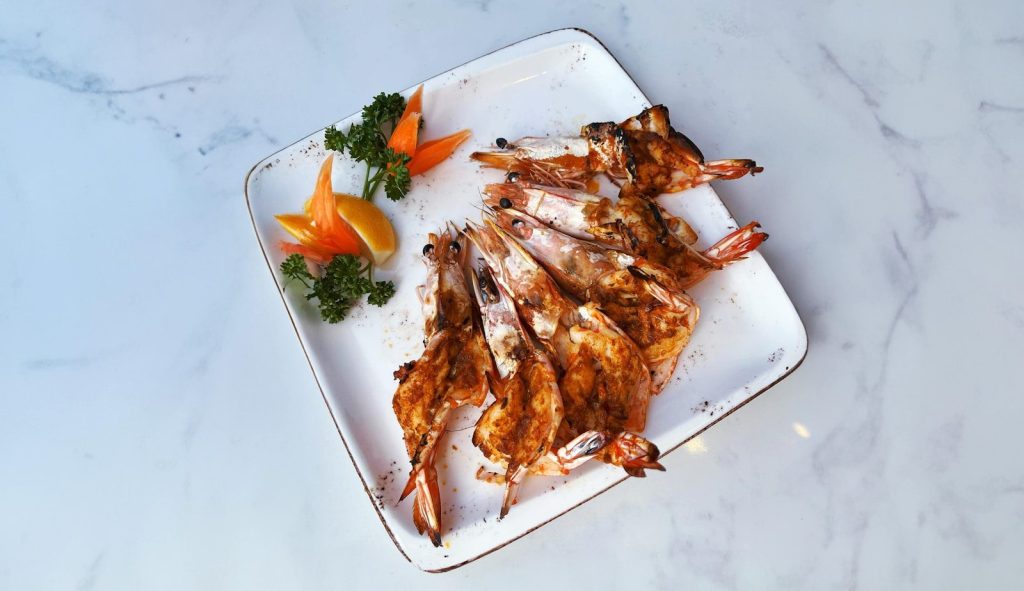
    Shrimp contain natural cholesterol. However, these sea creatures are naturally very low in saturated fats. They should be healthy. But the real danger lies in how we prepare them. Chefs love butter. Drenching fresh seafood in heavy cream destroys its natural health profile. Do not fry them. Additionally, a popular evening beverage can also throw your system off balance.

    Excess Alcohol Disrupts Your Fat Metabolism

    three glasses of alcohol on a bar with a view of a city
    Photo by Ambitious Studio* | Rick Barrett on Unsplash

    Evening drinks feel relaxing. But drinking too much alcohol can heavily damage your hard-working liver. This organ regulates fats. When alcohol enters your system, your liver must stop filtering fats to clear out the toxins. Your heart suffers. Fortunately, protecting your cardiovascular system does not require starvation. Start swapping foods. Simple daily food swaps can easily put you back on track.

    Simple Dietary Swaps to Safeguard Your Heart

    Fresh vegetables and a bottle of wine.
    Photo by Jon Druker on Unsplash

    You can heal today. Start by swapping butter for heart-healthy extra virgin olive oil. Choose lean proteins. Skinless poultry and grilled fish are excellent alternatives to processed deli meats. Eat more fiber. Foods like oats, lentils, and fresh vegetables actively bind cholesterol in your digestive tract. This blocks absorption. Your hardworking heart will definitely thank you for making the smart change.

    Featured Image: Photo by Daria-Yakovleva on Pixabay
  • What Really Happens If You Eat An Avocado Daily?
    What Really Happens If You Eat An Avocado Daily?

    Avocados are everywhere right now. People mash them on toast and blend them into healthy green smoothies. But is eating this creamy green fruit every single day actually good for you? Nutritionists have been studying this trend closely. They want to know how daily consumption impacts your digestion, heart, and brain. The results are incredibly surprising. Eating avocados regularly might transform your body from the inside out in ways you never expected. This dietary habit affects several major biological systems. We analyzed the latest clinical research to find out the truth. Your digestive system is the very first thing to experience a shift.

    A Sudden Spike in Crucial Nutrients

    sliced fruits on black plate
    Photo by Jan Landau on Unsplash

    Your body needs vitamins. Avocados are packed with several essential nutrients that many modern diets lack. They deliver folate. Just half of this fruit provides ten percent of your daily potassium needs. These elements repair cells. They keep your daily energy levels incredibly steady. But your blood is not the only thing getting a boost. Your stomach is about to undergo a massive change.

    Your Gut Bacteria Thrives on Rich Fiber

    fruit lot on ceramic plate
    Photo by Jannis Brandt on Unsplash

    Fiber keeps digestion moving. One single avocado contains about fourteen grams of natural dietary fiber. That is nearly half of your recommended daily value. The Journal of Nutrition published a fascinating study on this exact topic. Researchers tracked over one hundred adults. Daily avocado consumption significantly increased the beneficial microbes in their stomachs. This microflora keeps your gut safe. Yet, this digestive shift is only the first major benefit. Your circulatory system is about to feel the effects.

    Potassium Helps Calm Your Nervous System

    a bunch of bananas sitting on top of a white table
    Photo by Gabriel Mihalcea on Unsplash

    Your heart needs potassium. This critical mineral regulates blood pressure by helping your body flush out excess sodium. It relaxes blood vessels. Most adults do not consume enough potassium in their everyday meals. Avocados help bridge this nutritional gap. Keeping your blood pressure at a stable level protects you from strokes. But potassium is not the only heart protector here. The healthy fats in this fruit are doing something even more impressive.

    Monounsaturated Fats Protect Your Heart

    cooked food with sliced vegetables in white bowl
    Photo by Hermes Rivera on Unsplash

    Avocados contain high fat. However, these are healthy monounsaturated fats that your body uses for clean energy. They keep arteries clear. The American Heart Association tracked over one hundred thousand people for several decades. Their data revealed that regular avocado eaters reduced cardiovascular disease risk by sixteen percent. This is a massive drop. Replacing butter with fresh avocado shields your heart. This simple adjustment also has a dramatic impact on your cholesterol levels.

    Bad Cholesterol Levels Begin to Drop

    text
    Photo by Maxim Tolchinskiy on Unsplash

    Bad cholesterol damages blood vessels. It forms hard plaques that restrict your vital blood flow over time. You must fight this. Studies show that daily avocado consumption actively lowers oxidized bad cholesterol levels. This specific lipid is highly associated with arterial clogging. Meanwhile, avocados keep your heart-protective good cholesterol high. This balance cleans your circulatory system. But the benefits do not stop at your chest. Your brain is also about to get a powerful dose of protection.

    Carotenoids Give Your Brain a Boost

    a close up of a potted plant on a table
    Photo by Rens D on Unsplash

    Avocados contain powerful antioxidants. These organic compounds shield your delicate brain cells from everyday damage. Lutein is the key player here. A clinical study proved that eating an avocado daily raises lutein levels in your blood. This boost supports sharp memory. It keeps your mind young as you get older. It protects your eyes, too. But eating this heavy fruit can also help you manage your weight. The reason behind this weight control seems totally backward.

    Healthy Fats Keep Hunger Away Longer

    a woman sitting at a table with a plate of fruit and pancakes
    Photo by Priscilla Du Preez 🇨🇦 on Unsplash

    These green fruits are calorie-dense. One medium fruit packs roughly three hundred calories. Yet, they actually prevent weight gain. The unique combination of rich fiber and monounsaturated fats keeps your appetite quiet. This feeling is called satiety. It stops you from reaching for unhealthy processed snacks later in the afternoon. You stay full for hours. But you must still be careful. Eating an avocado daily can sometimes backfire if you do not watch your portions.

    Finding Your Ideal Daily Avocado Portion

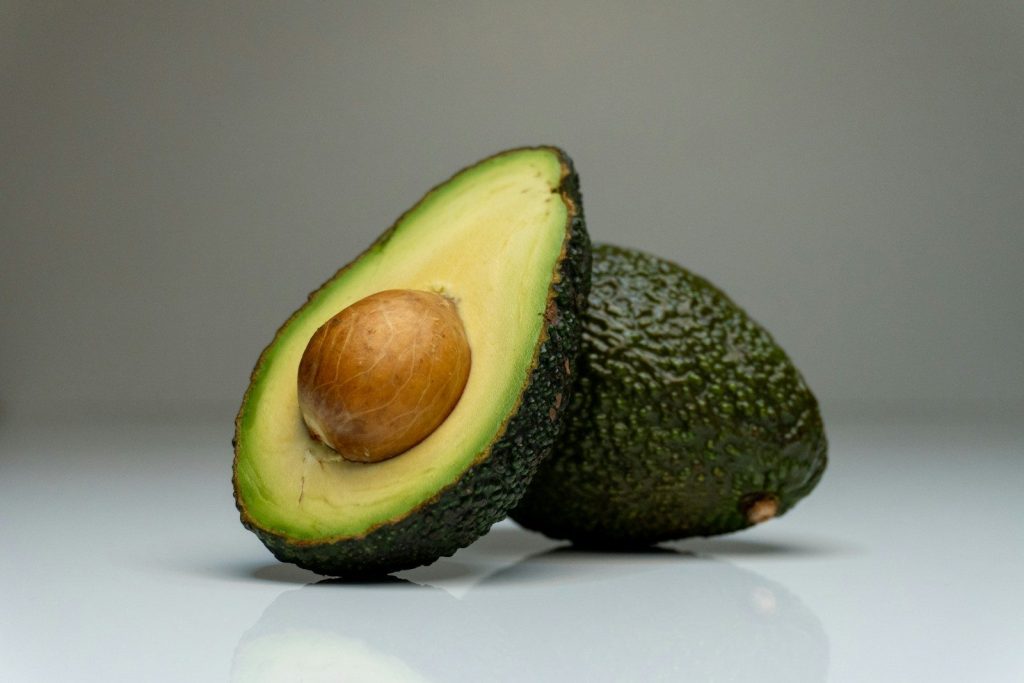
    an avocado cut in half on a white surface
    Photo by John Vid on Unsplash

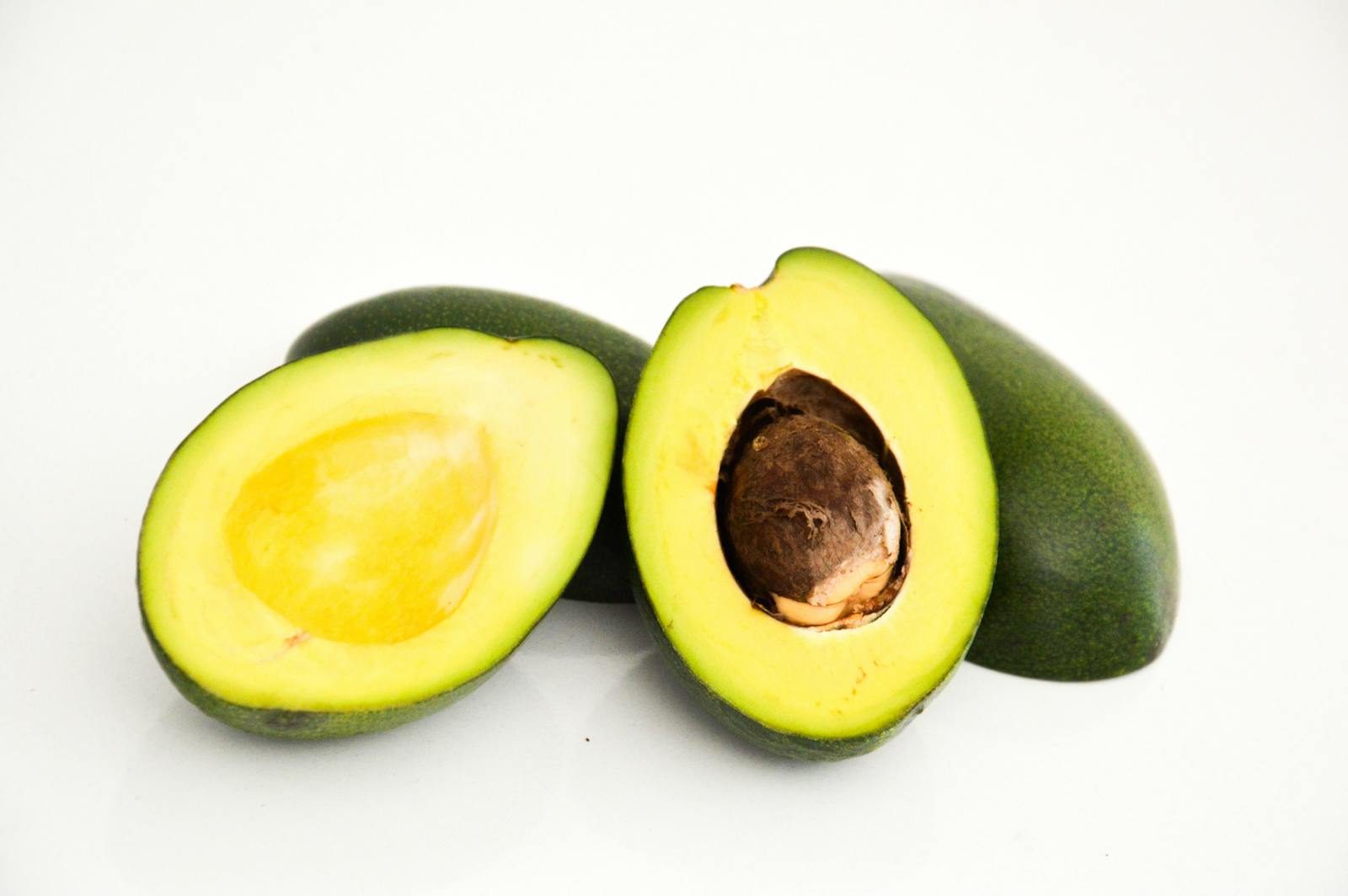
    Portion control is key. While avocados are incredibly nutritious, their high fat content means calories can pile up quickly. Dietitians suggest eating one-half of a fruit daily. This moderate serving size unlocks all the digestive, cardiac, and brain benefits. You avoid weight gain entirely. Pair your green slices with fresh salads or lean eggs. Adding this superfood to your plate is a simple step toward long-term wellness. Your body will feel the difference.

    Featured Image: Photo by Dilara on Pexels

  • Why Top Scientists Warn We Are Unprepared for the Imminent “Internet of Bodies”

    Why Top Scientists Warn We Are Unprepared for the Imminent “Internet of Bodies”

    Humanity is standing at a crossroads. For decades, we used technology as a tool that we held in our hands. Now, we are beginning to put that technology inside our bodies. This is the “Internet of Bodies” (IoB), and top scientists are warning that we are completely unprepared for it. From smart heart valves that talk to your phone to neural chips that monitor your moods, the line between man and machine is disappearing. In 2026, this isn’t just science fiction—it is a massive industry.

    While these advancements offer incredible hope for people with paralysis or chronic illness, they also raise terrifying security questions. If your body is part of the internet, can it be hacked? Who owns the data that your heart or brain collects? As we move toward a future where “upgrading” your organs is as common as updating your apps, we have to decide where to draw the line. But the most shocking implants are already being tested in secret labs. Wait until you see how they are tracking your sweat.

    The Heartbeat that can be Hacked

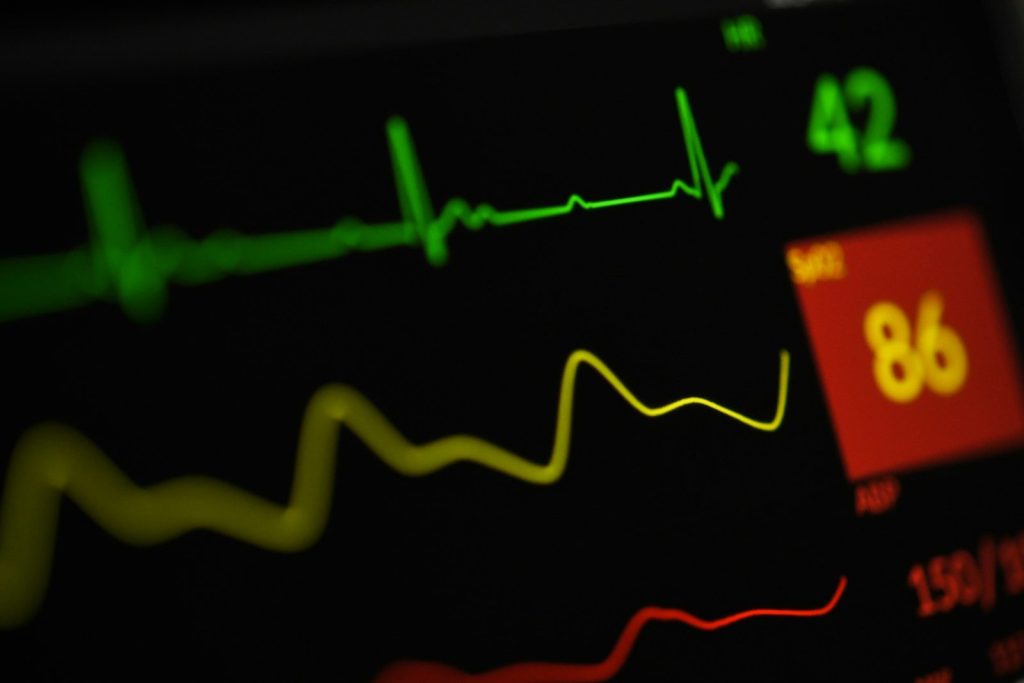
    a close up of a monitor screen with a heart beat
    Photo by Joshua Chehov on Unsplash

    The most common IoB devices are connected pacemakers and insulin pumps. These machines save lives by adjusting your internal chemistry in real-time. However, because they are on the network, they are vulnerable to “Body-Jacking.” A hacker could theoretically stop a heart or release a lethal dose of insulin with a simple piece of malware. We are trading our physical safety for medical convenience. But the risk isn’t just about survival; it’s about control.

    Monitoring Your Soul through Your Skin

    Fist wearing a smartwatch with fitness tracking display on a vibrant orange background.
    Photo by Tuğçe Açıkyürek on Pexels

    New “Smart Skin” patches can now monitor your cortisol and adrenaline levels through your sweat. This data tells insurance companies exactly how stressed you are and how you react to different emotions. Your body is essentially “leaking” your private feelings to a corporate cloud. We are losing the only private space we have left: our own biology. This leads to a massive debate about “Biological Privacy.” But can tech make us stronger than nature intended?

    Artificial Muscles and Super Strength

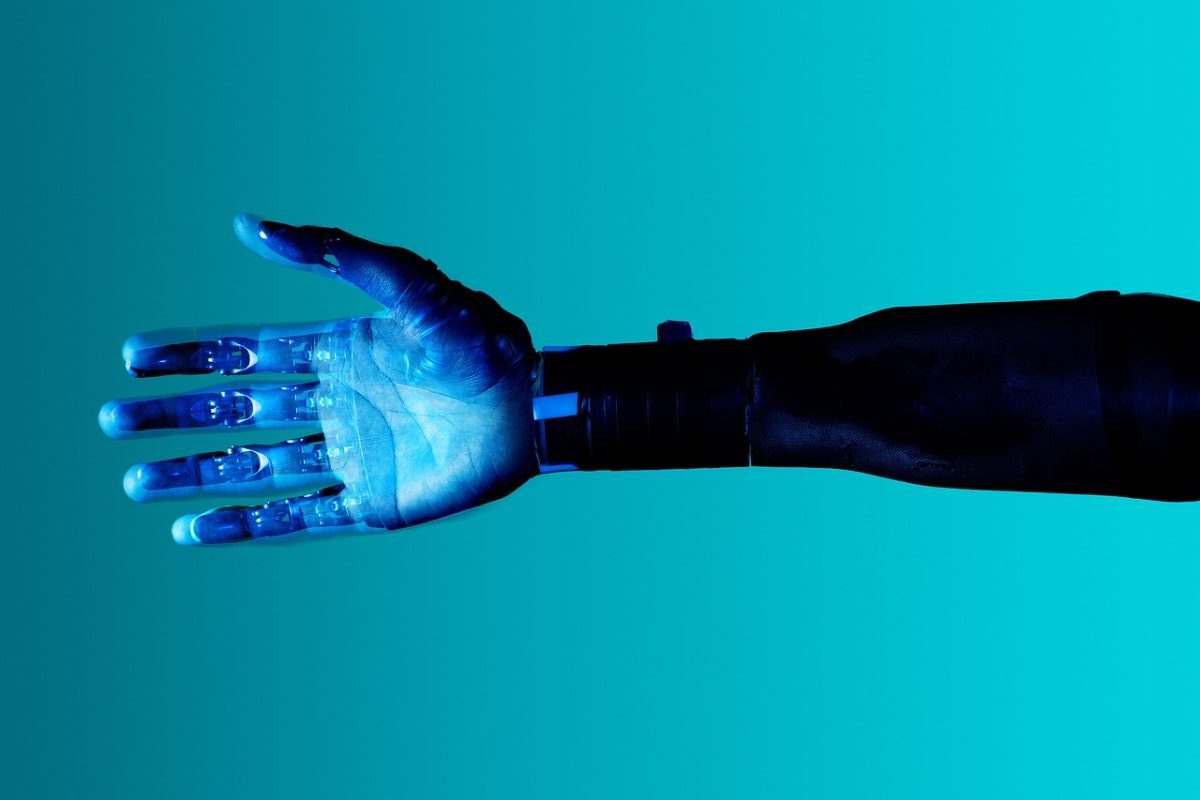
    engineer, engineering, prosthetics, robotics, mechanical, research, disability, medical, tech, technology, science, blue, prosthetics, prosthetics, prosthetics, prosthetics, prosthetics, disability, disability, disability, tech, tech, tech
    Photo by This_is_Engineering on Pixabay

    We aren’t just fixing broken bodies; we are enhancing healthy ones. Scientists are developing synthetic muscle fibers that can be woven into your own tissue. These “bionic boosts” could allow humans to run faster and lift more weight than any Olympic athlete. It creates a “biological divide” between those who can afford the upgrades and those who cannot. Are we creating a new class of super-humans? But the most dangerous part is who owns the “software.”

    The Corporate Ownership of Biology

    Two professionals shaking hands across a table.
    Photo by Vitaly Gariev on Unsplash

    If a company manufactures the chip in your brain, do they own the “operating system” of your mind? There are already cases where people with high-tech eye implants went blind because the company that made the tech went bankrupt. We are entering an era where our physical well-being depends on a monthly corporate subscription. It is a terrifying legal loophole that no one was prepared for. But is there an “off switch” for the body?

    The End of Personal Privacy

    gray outdoor security camera of building
    Photo by Will Westwood on Unsplash

    If everything inside us is connected to the cloud, there is no such thing as a private moment. Even your dreams could eventually be translated into data points. We are trading our inner sanctuary for digital efficiency. As the tech gets smaller and more powerful, the “kill switch” is becoming harder to find. The conversation about the IoB is really a conversation about what it means to be free. But is the human spirit ready for the machine?

    The Search for the Un-Hackable Organs

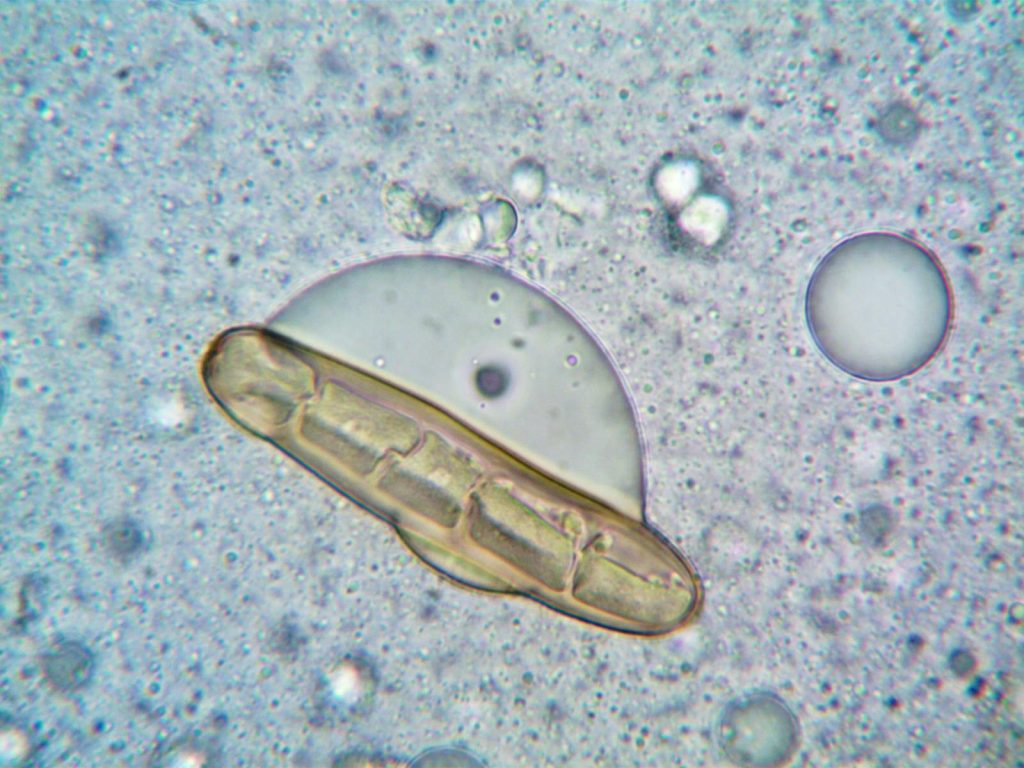
    Extreme close-up of a spore and cell structures observed under a microscope, highlighting intricate biology details.
    Photo by turek on Pexels

    Engineers are now trying to build “Biological Firewalls” to protect our internal tech. These are layers of organic matter that block external signals but allow the organ to function. It is a high-speed race between the hackers and the doctors. The 2026 data shows that we are currently losing. We need new laws to protect our bodies before the towers are built. But wait until you see how these machines are now becoming our only “friends.”

    The Future of the Human Body

    person kneeling inside building
    Photo by Drew Dizzy Graham on Unsplash

    We are already cyborgs—we just haven’t realized it yet. Our smartphones are extensions of our memory, and our social media is an extension of our ego. Putting the tech inside us is just the final step in a journey that started with the first stone tool. The future is bright, but it is also heavy with responsibility. Are you ready for a world where your only companion is an algorithm?

    The Final Verdict on Internal Tech

    a blue and purple logo
    Photo by MARIOLA GROBELSKA on Unsplash

    The “Internet of Bodies” is not coming; it’s already here. The first successful neural training runs have been completed, and the results are blowing away everything on the ground. We are standing at the edge of a new history for our species. Stay curious, stay sharp, and keep looking forward. The world is changing fast, and the best is yet to come. Are you ready to fall in love with an AI?

    Featured Image: Photo by www.kaboompics.com on Pexels

  • Why Your Doctor Wants You to Wear Bio-Sensing Silk

    Why Your Doctor Wants You to Wear Bio-Sensing Silk

    The future of healthcare isn’t in a pill bottle; it’s in your wardrobe. In 2026, a revolutionary material called “Bio-Sensing Silk” has arrived, changing how doctors monitor your health. This isn’t just luxury fabric; it is a high-tech medical device that feels as soft as a cloud. Scientists have figured out how to weave microscopic sensors directly into silk fibers. These sensors can track your heart rate, blood pressure, and even your blood sugar levels without a single needle.

    Your doctor wants you to wear this silk because it provides “Passive Monitoring.” Instead of going to a clinic for a checkup, your clothes continuously send health data to your medical team. It can detect a heart attack or a stroke hours before you feel the first symptom. We are looking at a world where your favorite shirt could literally save your life. But how does a piece of thread actually “talk” to a computer?

    The Secret of the Conductive Thread

    a close up of water droplets
    Photo by Skyler Ewing on Unsplash

    The secret lies in a “Liquid Metal” coating applied to natural silk. This coating allows the fabric to conduct electricity without losing its flexibility or softness. The silk acts as a giant sensor that wraps around your entire body. When your skin produces sweat or your heart beats, the conductive silk picks up the tiny electrical signals. This data is then processed by a tiny, button-sized chip hidden in the collar. It is a masterpiece of “Invisible Tech.” But can this silk actually heal your wounds, too?

    Silk Stitches That Detect Infection

    brown and black roots
    Photo by Matt Artz on Unsplash

    One of the most incredible uses for this tech is in “Smart Stitches.” Surgeons are now using bio-sensing silk to sew up patients after surgery. These stitches can monitor the wound’s pH levels in real time. If an infection starts to form, the stitches change color or send an alert to your phone. It allows doctors to catch complications before they become dangerous. It is the end of the “wait and see” era of surgical recovery. But wait until you see the “Smart Bandage” version.

    The Bandage That Thinks for Itself

    man and woman holding hands
    Photo by Sasun Bughdaryan on Unsplash

    Standard bandages just cover a wound; bio-sensing silk bandages actually treat it. These “Smart Bandages” can release antibiotics or growth hormones automatically based on what the sensors detect. If the wound is too dry, the bandage releases moisture. If it’s too hot, it provides a cooling effect. It is like having a tiny, robotic nurse sitting on your skin. This tech is already being used to help diabetic patients heal much faster. But what about the air you breathe?

    A Shirt That Measures Air Quality

    person wearing silver aluminum case apple watch with white sport band
    Photo by Solen Feyissa on Unsplash

    The silk sensors aren’t just looking inward; they are looking outward, too. New 2026 clothing lines include silk that can detect harmful pollutants or allergens in the air. If you walk into a room with high levels of carbon monoxide or pollen, your shirt will vibrate to warn you. This is a game-changer for people with asthma or severe allergies. Your clothes are becoming a protective “environmental shield.” But how do you wash a computer shirt?

    The World’s First Washable Computer

    pink and green plastic container
    Photo by engin akyurt on Unsplash

    In the past, wearable tech was bulky and fragile. Bio-sensing silk is different because it is “Durable by Design.” The liquid metal coating bonds to the silk at a molecular level, so you can throw it in a regular washing machine. It can be stretched, folded, and worn for years without losing its sensing power. We have finally moved past the “gadget” phase of wearables into true “lifestyle” integration. But who is paying for all this expensive silk?

    Affordable Health for Every Neighborhood

    woman in white scrub suit holding gray laptop computer
    Photo by National Cancer Institute on Unsplash

    While silk sounds expensive, the 2026 manufacturing process has become surprisingly cheap. Large-scale labs are now “printing” these sensors onto silk by the mile. Governments are looking at bio-sensing silk as a way to lower overall healthcare costs. By preventing hospital visits through early detection, the silk pays for itself in just a few months. We are seeing the democratization of high-end medical care. But is there a catch to being “always connected”?

    Privacy in the Age of Medical Fabric

    pink and silver padlock on black computer keyboard
    Photo by FlyD on Unsplash

    The biggest concern is who owns your heart rate data. To solve this, the bio-sensing silk uses “Local Encryption.” Your health data is processed on the chip and only shared with your doctor through a secure, private link. You have the “kill switch” to stop the data flow at any time. It is a “Privacy-First” approach to the future of medicine. But as we fix our bodies, we are also changing our laws. Are you ready for the judge without a heart?

    The Future of the Human Body

    person holding white tablet computer
    Photo by Tom Claes on Unsplash

    Bio-sensing silk is just the first step in the “Biological Revolution.” We are moving toward a future where our technology and our bodies are perfectly in sync. From the clothes we wear to the memories we save, the line is disappearing. We are building a world that is safer, cleaner, and more intelligent. Keep your eyes on the runway, because the next big medical breakthrough is coming to a clothing store near you.

    Featured Image: Photo by Jatin Gajjar on Unsplash