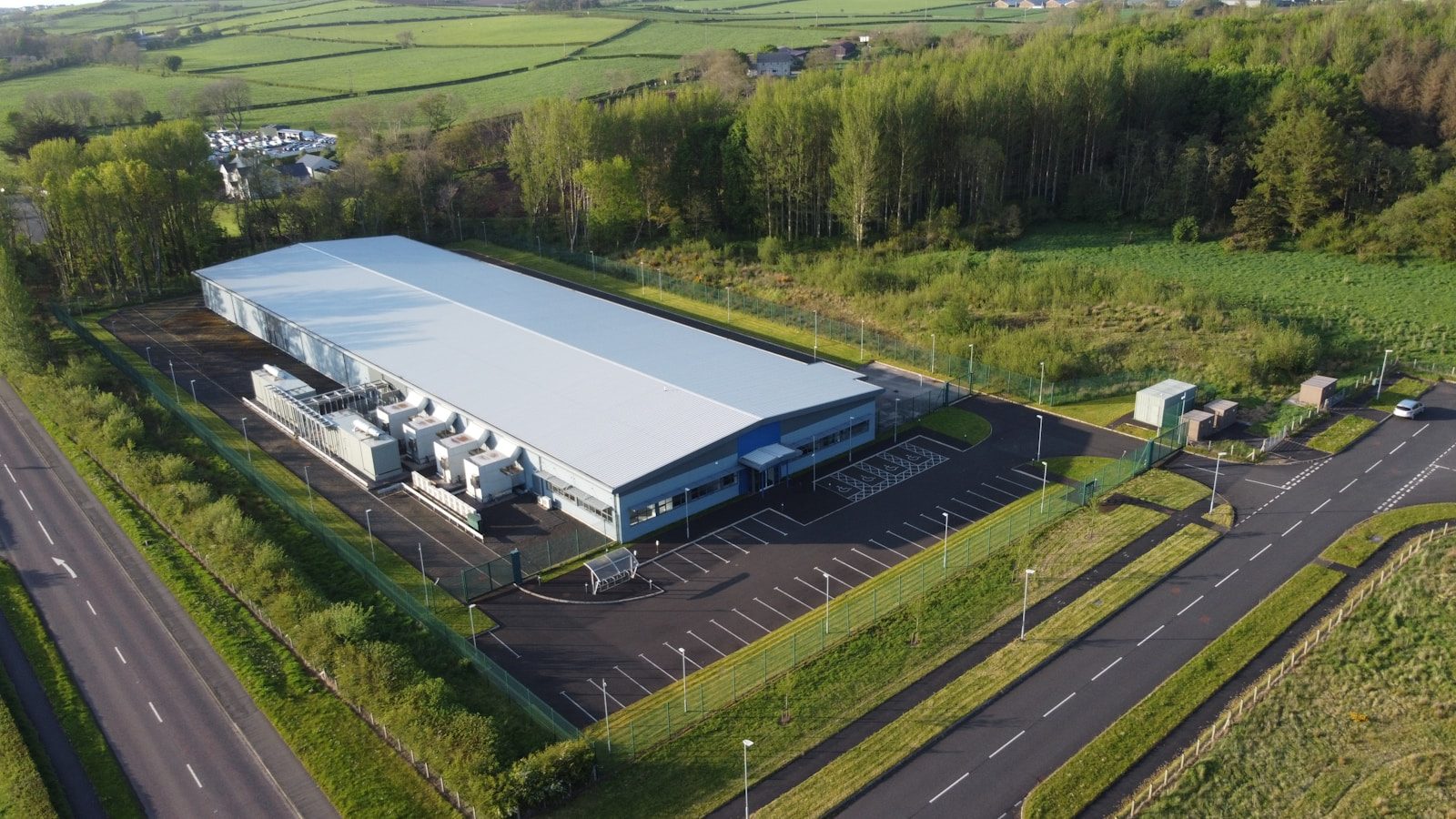
Most internet users think of the digital world as a weightless cloud. We assume our online data exists in a clean and heatless virtual space.
But scientists have just discovered a warming effect on the physical land. Massive computer warehouses are creating dangerous zones of intense heat.
The Illusion Of The Cloud

Every email we send and every video we stream, travels through physical wires. According to tech analysts, these files land in massive server warehouses that run all day and night. These locations require constant electrical power. They are incredibly loud. All that electrical energy eventually turns into pure heat that must escape. But nobody realized where that heat was actually going.
A Shocking Satellite Discovery

A team of researchers decided to look at these locations from space. According to a study by the University of Cambridge, satellite sensors detected a dramatic thermal signature around several major facilities. The ground temperatures were rising fast. It was an invisible hazard. Scientists realized they were looking at a brand new type of environmental threat. What they found next shocked the research team.
The Six Mile Heat Wave
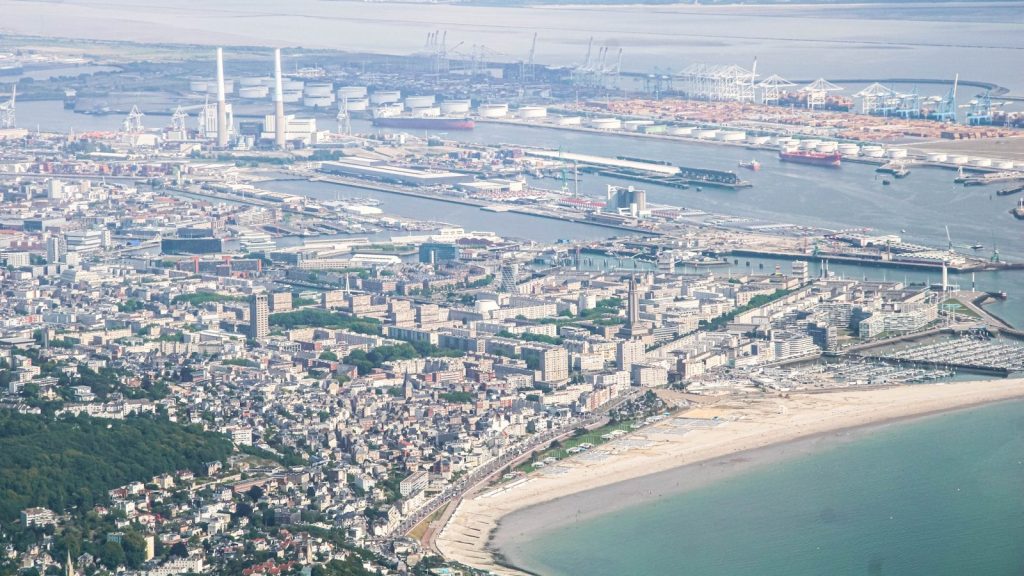
This warmth does not stay trapped inside the building walls. According to satellite data, the intense heat expands outward into local communities for up to six miles. Land surface temperatures jumped by an average of three degrees. This is a massive shift. The hot air rises and spreads across fields and residential streets. This thermal bubble is causing an unexpected crisis for nearby residents.
Extreme Local Microclimates

In the most extreme cases, the temperature spikes are truly alarming. According to research published in the Journal of Engineering, some neighborhoods downwind from these hubs saw land temperatures jump by sixteen degrees. The air became sweltering. These massive thermal zones mimic the classic urban heat island effect found in large cities. And the consequences for local wildlife are growing worse by the day.
Stealing The Natural Cool

Modern warehouses replace green fields with dark asphalt and heavy concrete. According to environmental scientists, removing trees and grass prevents the land from cooling naturally at night. The concrete absorbs heat all day. It holds the warmth. This artificial landscape acts like a giant radiator that never turns off. But the physical servers inside the buildings are making the problem even worse.
Engines That Never Sleep
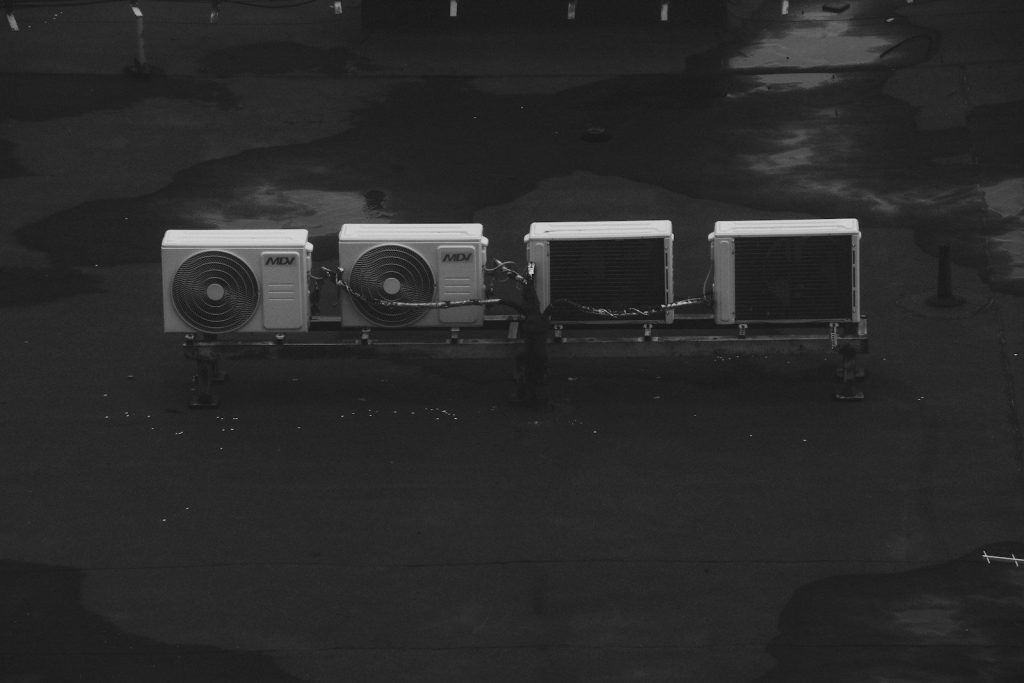
Unlike normal buildings, computer servers operate at maximum capacity around the clock. According to energy industry reports, the constant cooling fans push hot air directly into the atmosphere without any pause. This continuous exhaust creates a permanent dome of heat. It is a relentless cycle. This constant thermal pollution is actively changing the weather patterns of the surrounding areas. Yet the human cost is the most worrying part.
A Threat To Human Health

Prolonged exposure to artificial heat can have serious consequences for local populations. According to public health studies, these artificial heat islands can worsen respiratory issues and increase heat stroke risks. Vulnerable people are suffering. The added warmth strains local energy grids as families run their air conditioners longer to stay cool. This dangerous trend is forcing engineers to search for urgent answers.
Redesigning Our Digital Future

Engineers are now trying to build more sustainable computing infrastructure. According to tech developers, using liquid cooling and planting dense forests around facilities can significantly reduce the local thermal impact. We must adapt quickly. Balancing global data needs with environmental health will define the next decade of technology. This article is for informational purposes only.
Featured Image: Photo by Geoffrey Moffett on Unsplash
Leave a Reply