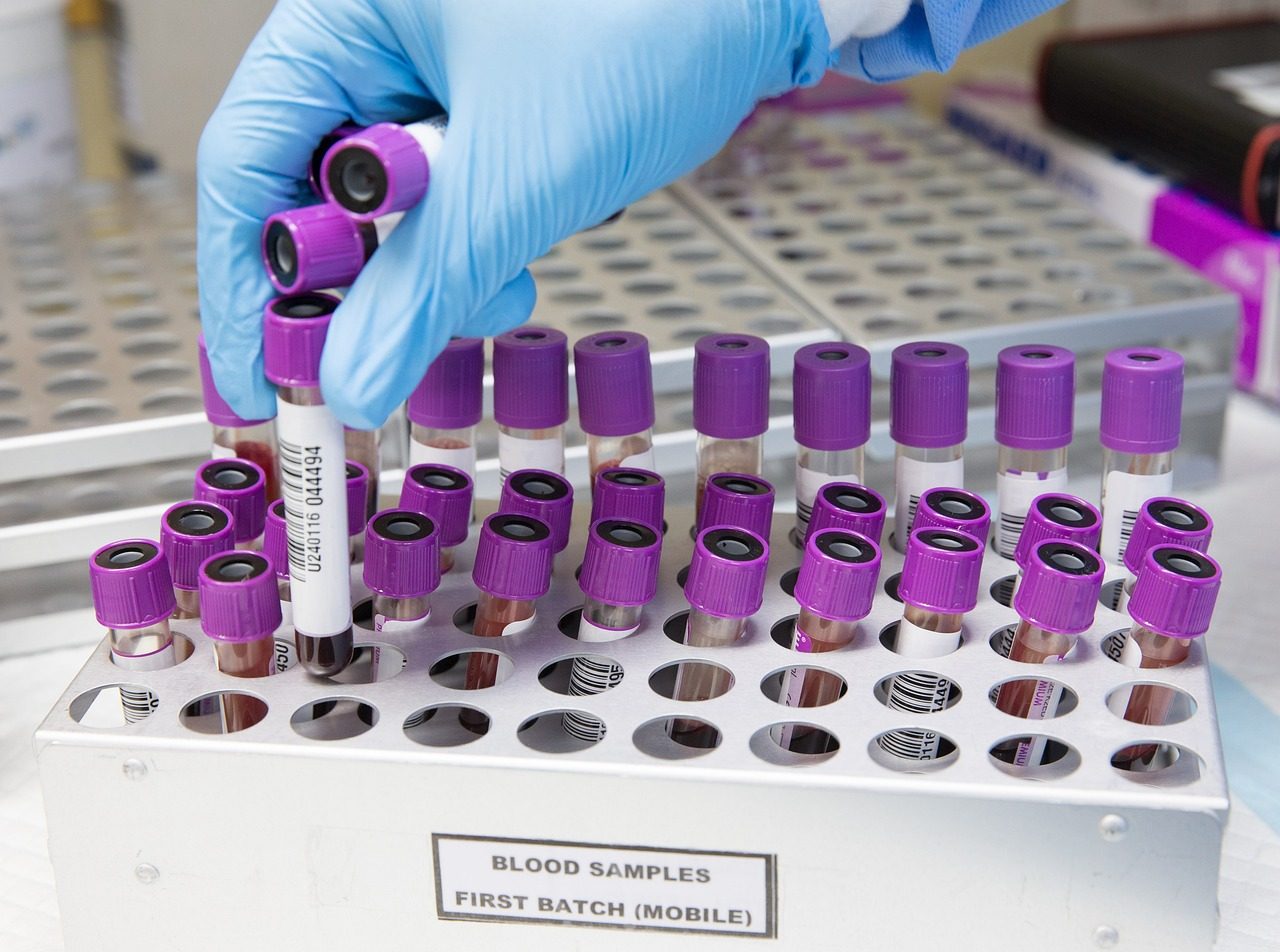
Medical experts are not just tracking known viruses like the flu or COVID-19. They are actively preparing for a silent, unknown threat. They call it Disease X. This is a placeholder name used by global health organizations. It represents a highly contagious, deadly pathogen that has not emerged yet. This concept is helping scientists build a shield before the storm arrives. By preparing for the unknown, we can avoid the mistakes of past health crises. This article is for informational purposes only and does not constitute medical advice.
A placeholder for the ultimate unknown threat
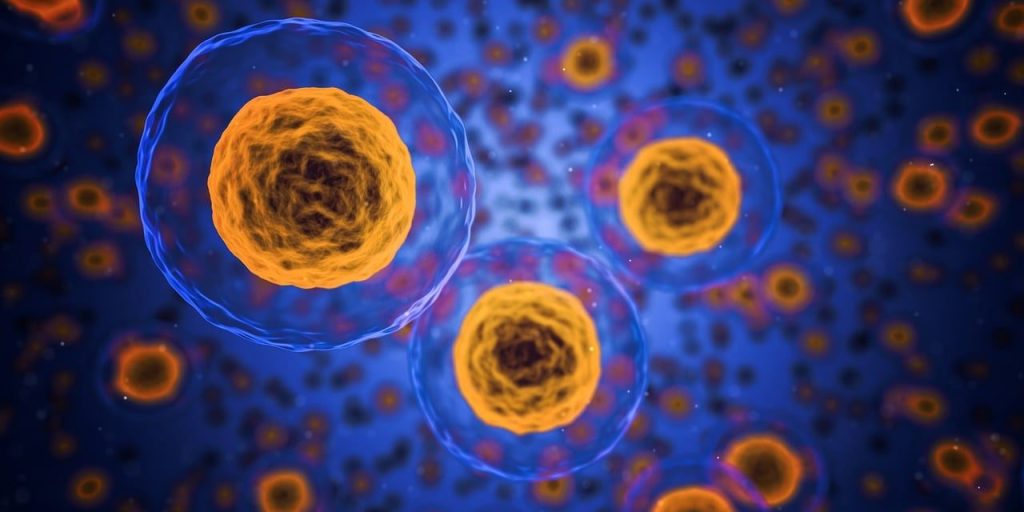
The World Health Organization introduced the term Disease X in 2018. They added it to their blueprint list of priority diseases. The goal was to force researchers to plan for a completely new pathogen. This threat could be a virus, a bacterium, or a fungus. It will likely be a zoonotic disease, meaning it jumps from animals to humans. By naming this invisible enemy, health agencies can direct funding toward rapid-response technologies. It is a smart way to stay ahead of nature. But running simulations is the only way to test our readiness.
How global health agencies run virus simulations
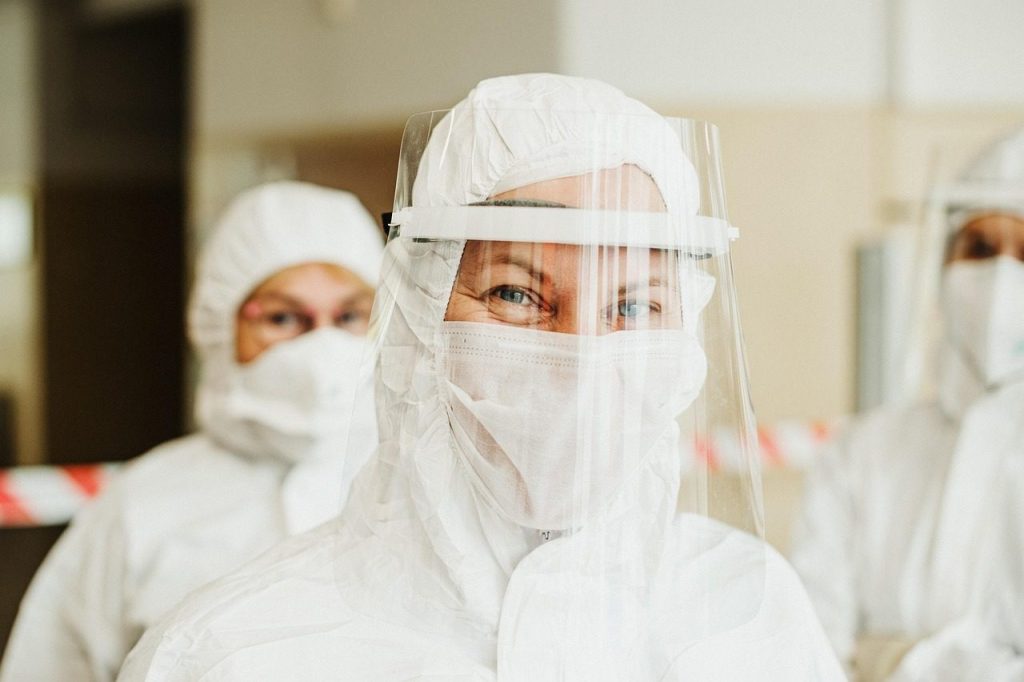
Scientists do not just wait for a crisis to happen. They actively run complex simulation exercises to test global response networks. According to reports from the Johns Hopkins Center for Health Security, these drills help identify gaps in our supply chains and communication systems. They simulate how quickly a virus can travel through modern airports. The results of these drills are often sobering. They show that a fast-moving virus could overwhelm hospitals in weeks. This makes early detection systems incredibly valuable.
The rising danger of animal-to-human spillover
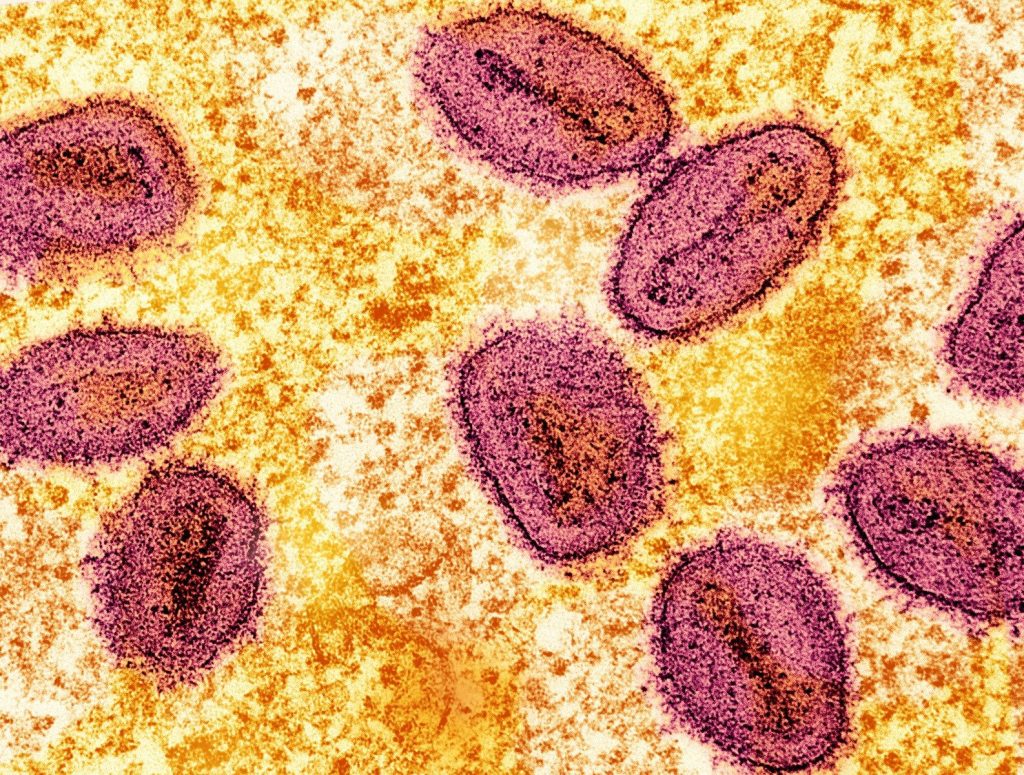
Most new infectious diseases originate in wildlife. This process is called zoonotic spillover. According to the World Health Organization, viruses like Ebola, SARS, and HIV all made this leap. As human populations grow, we are pushing deeper into wild habitats. This contact increases the risk of a new pathogen jumping to humans. Wet markets and industrial farming can also act as breeding grounds for mutation. It is a constant game of evolutionary roulette. But stopping the spillover requires changing how we interact with nature.
Developing modular vaccine platforms for rapid response
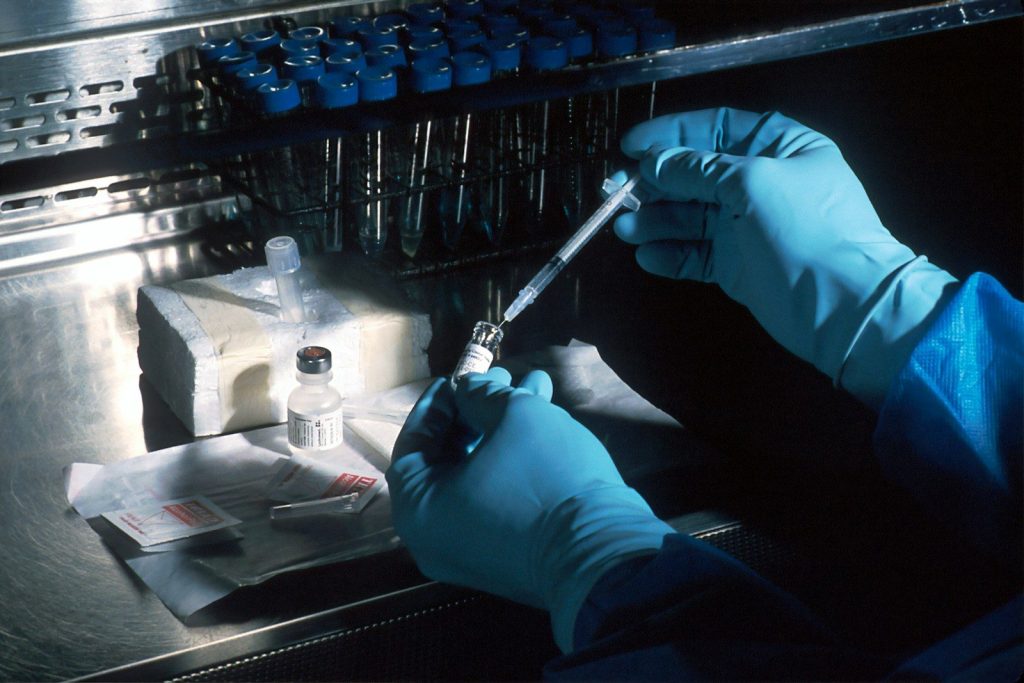
The traditional way of making vaccines takes years. We cannot afford that delay during a Disease X event. To solve this, scientists are developing modular vaccine platforms. According to the Coalition for Epidemic Preparedness Innovations, these plug-and-play technologies use a standard delivery system. Researchers can simply insert the genetic code of the new virus into the platform. This allows them to produce trial vaccines in days rather than months. It is a massive breakthrough for global defense. But vaccines are only useful if we can distribute them fairly.
Why deforestation is driving us closer to risk
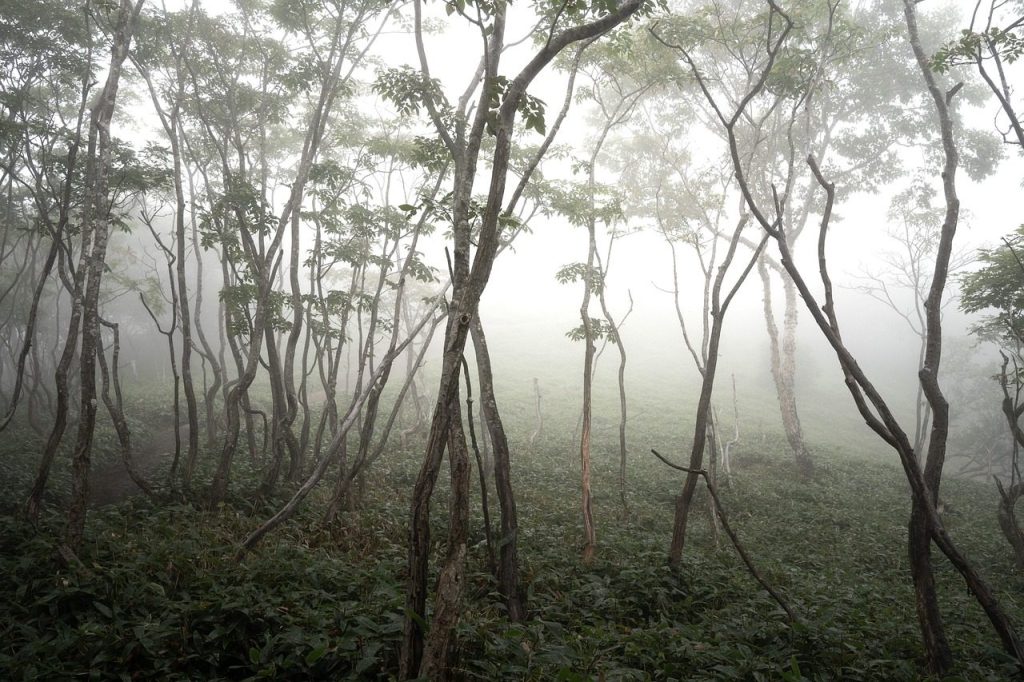
Deforestation is a primary driver of pandemic risk. When we clear forests for agriculture, we disrupt ancient ecosystems. Wild animals are forced to move closer to human settlements. According to environmental studies, this movement brings us into direct contact with thousands of unknown viruses. Protecting wild spaces is actually a matter of national security. It keeps dangerous pathogens locked away in the deep jungle. But tracking these threats requires a global network of eyes.
The high-tech surveillance networks watching the globe
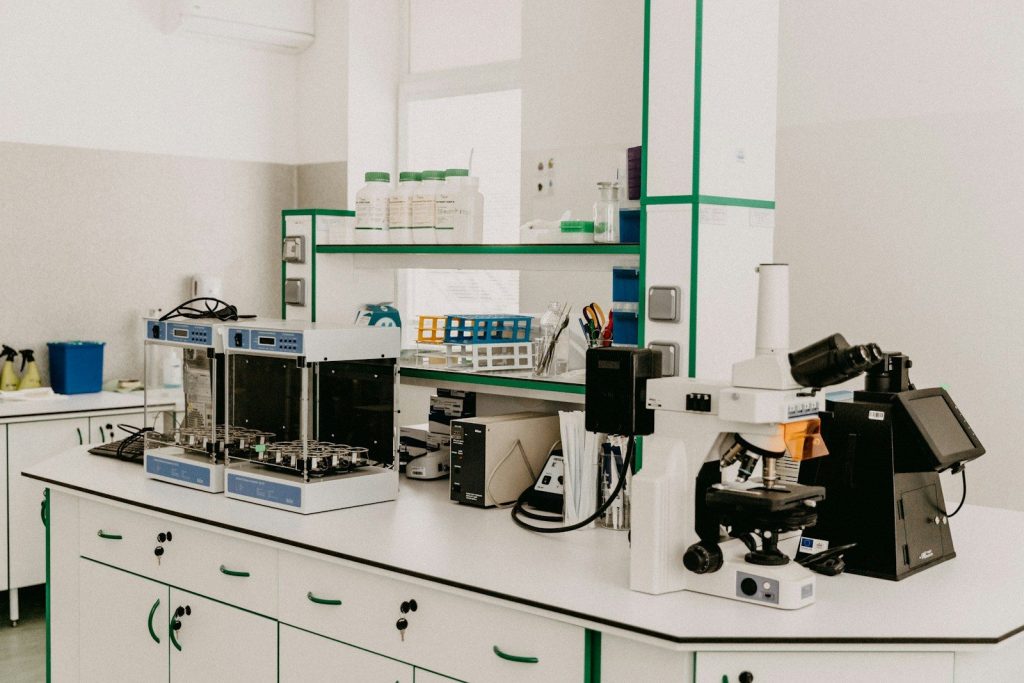
Global health teams are using high-tech tools to watch for signs of trouble. They are analyzing wastewater in major cities to detect viral fragments before people even show symptoms. According to reports from the Centers for Disease Control and Prevention, genomic sequencing allows researchers to track mutations in real time. They also monitor wild animal populations near high-risk zones. This digital shield is our first line of defense. By catching an outbreak early, we can stop a local spark from becoming a global fire.
Building a resilient shield for human health

The threat of Disease X is real, but we are not helpless. By investing in science, protecting nature, and working together, we can prepare for whatever comes next. The lessons of history have taught us that speed is everything. True readiness is built on constant vigilance and scientific innovation. The future of human health depends on our ability to plan for the unknown. We must stay ready to protect our world.
Featured Image: Photo by AhmadArdity on Pixabay
Leave a Reply