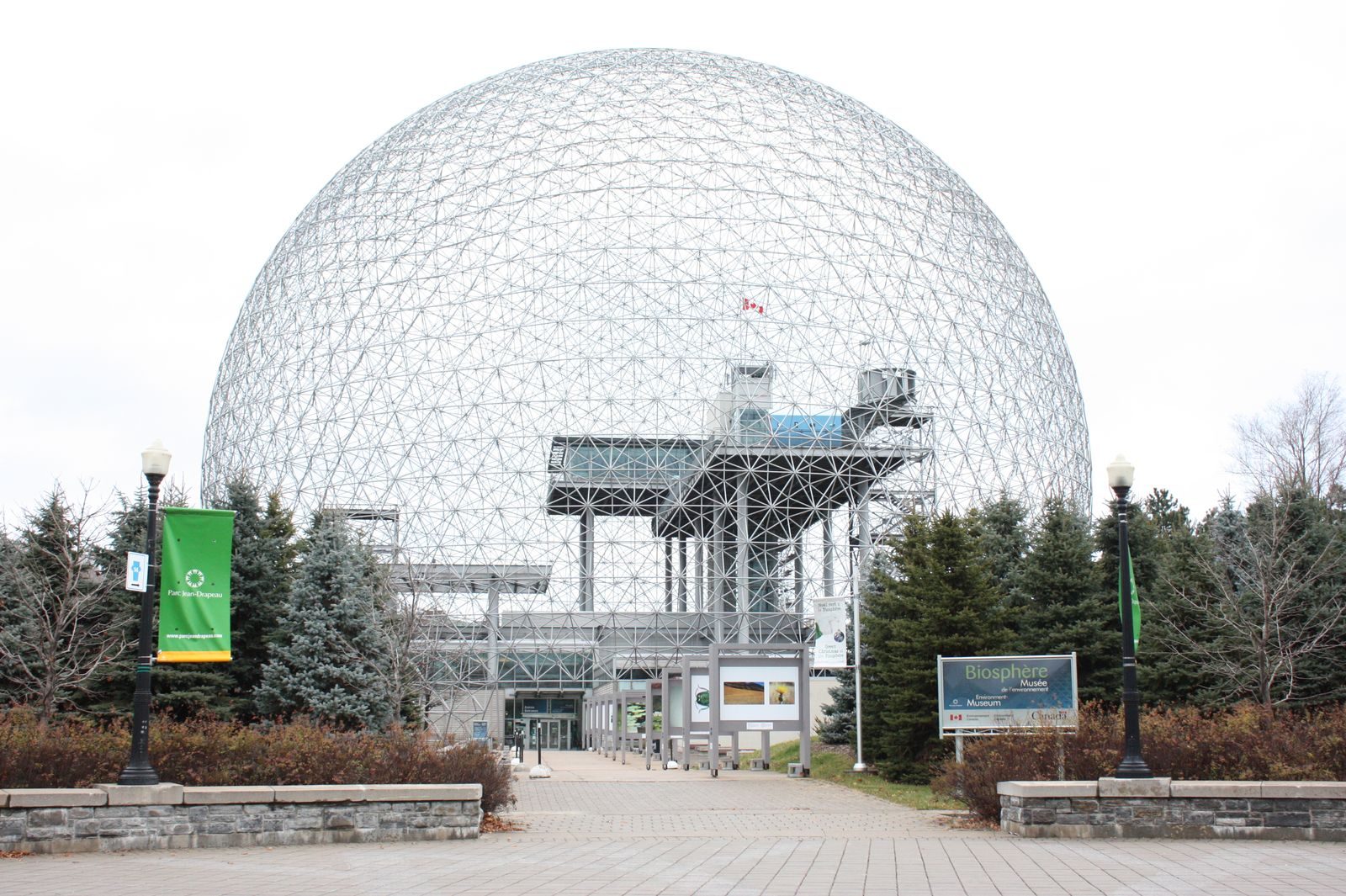
In 1991, eight scientists entered a massive sealed glass dome in Arizona. They wanted to live inside this artificial ecosystem.
What started as a revolutionary experiment quickly descended into a battle for survival. Soon, their miniature Earth began to suffocate them.
Scientists named the project Biosphere 2
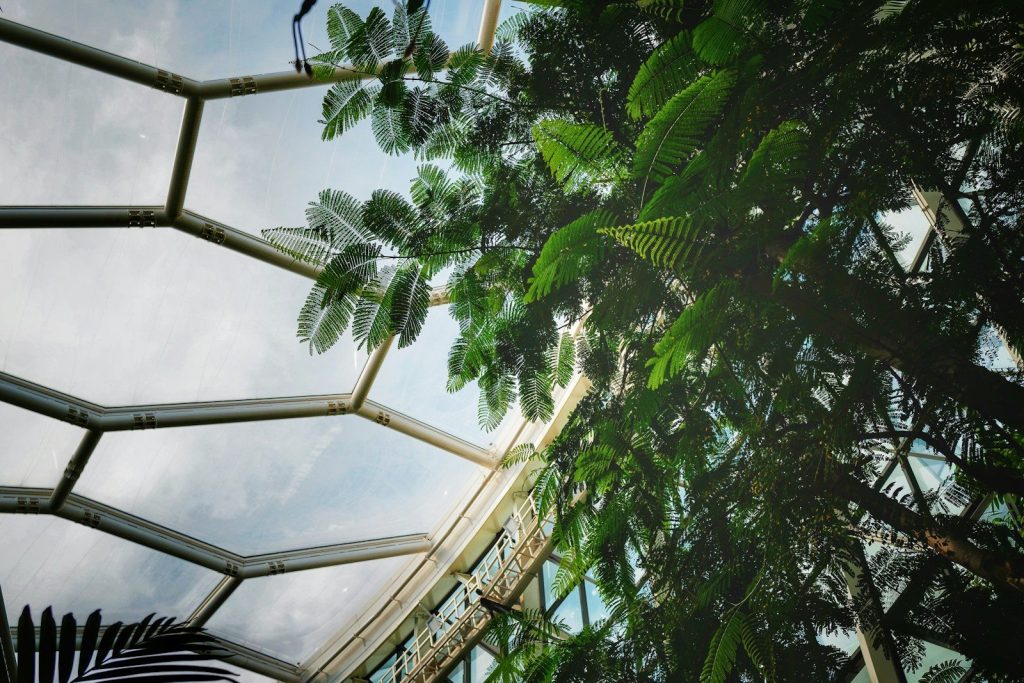
Scientists named the project Biosphere 2. It featured a miniature ocean, a rainforest, and even a small desert. This airtight complex was designed to test human survival on Mars. But they forgot how complex nature actually is. Soon, the delicate balance of their artificial world began to break down. A silent threat started creeping through the air.
The mysterious loss of oxygen

Within months, the scientists felt constantly exhausted. They struggled to breathe. Something invisible was silently eating their oxygen supply. Sensors showed absolutely no leaks. The team was slowly suffocating inside a multi-million-dollar greenhouse. The culprit turned out to be alive.
Unseen microbes in the soil
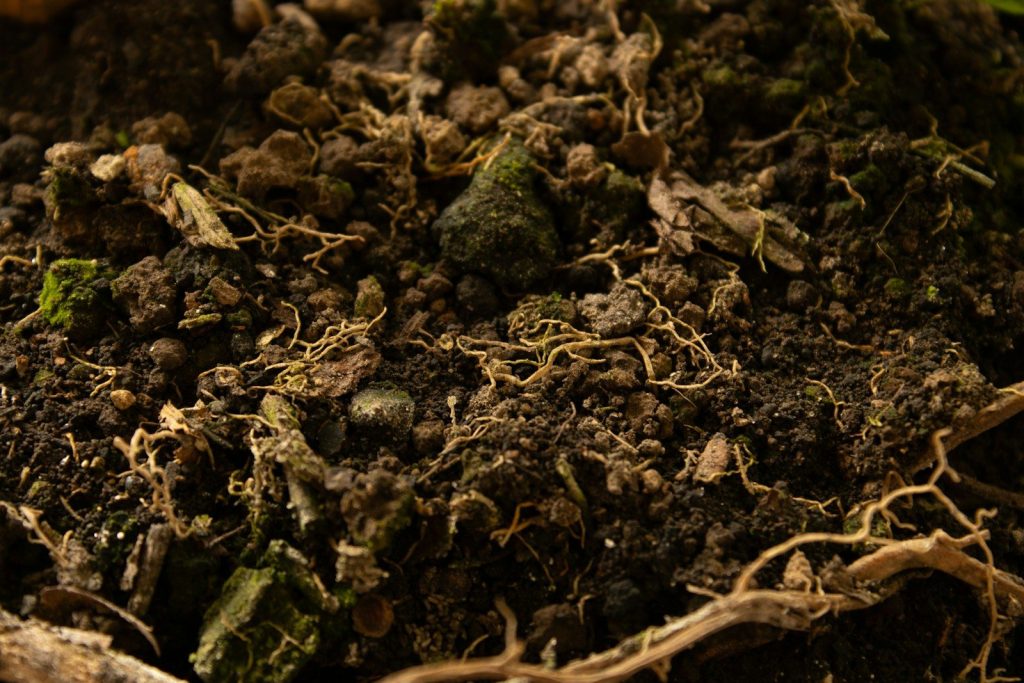
Designers packed the artificial agricultural fields with incredibly rich soil. They wanted the crops to thrive. But this nutrient-heavy dirt was full of active microbes. These tiny organisms multiplied rapidly. They consumed massive amounts of oxygen while releasing torrents of carbon dioxide. Then, the concrete walls made everything worse.
The concrete started eating the air.
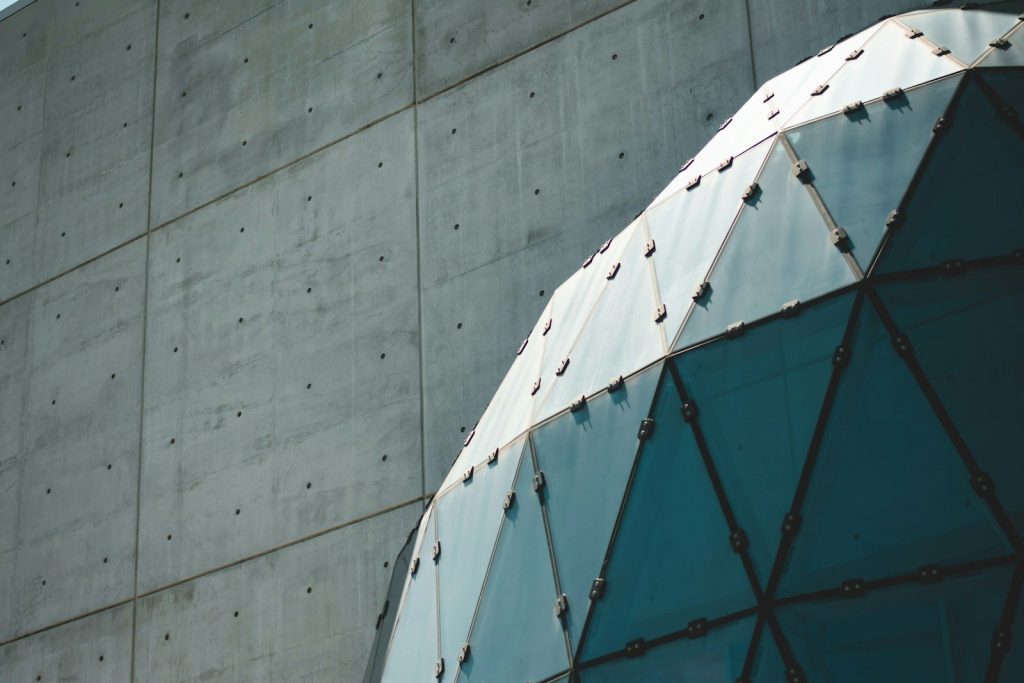
Biosphere 2 required thousands of tons of concrete to seal the structure. But concrete is not chemically inert. The curing concrete absorbed the excess carbon dioxide from the air. This locked the gas away. Because the carbon dioxide was trapped, the dome’s plants could not recycle it back into oxygen. Hunger quickly followed this breathing crisis.
Starving under a glass sky
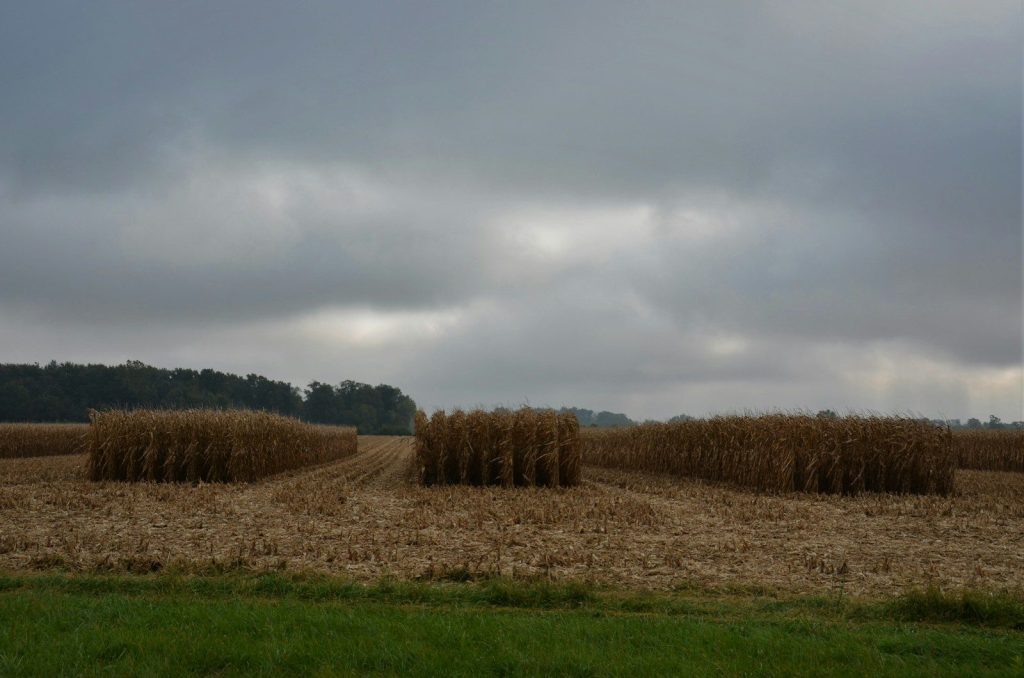
Thick cloud cover blocked the sun during the first winter. This made crop growth plummet. The crew could not grow enough food to sustain themselves. Their bodies lost up to eighteen percent of their total weight. Starving, they ate seeds meant for next year’s crops. Soon, the human dynamics fractured too.
Two factions at war
Oxygen deprivation damages brain function and alters mood. The crew split into two hostile groups. They stopped speaking. Every daily task became a bitter struggle. Despite the psychological war, they refused to leave the dome. But the outside world had to step in.
A secret rescue mission
The atmosphere deteriorated to a level matching an altitude of thirteen thousand feet. Managers realized the crew faced permanent brain damage. They pumped fresh oxygen inside. This injection gave the scientists immediate relief. But it also ruined the scientific integrity of the sealed test. The project ended with a profound lesson for humanity.
The true cost of our biosphere
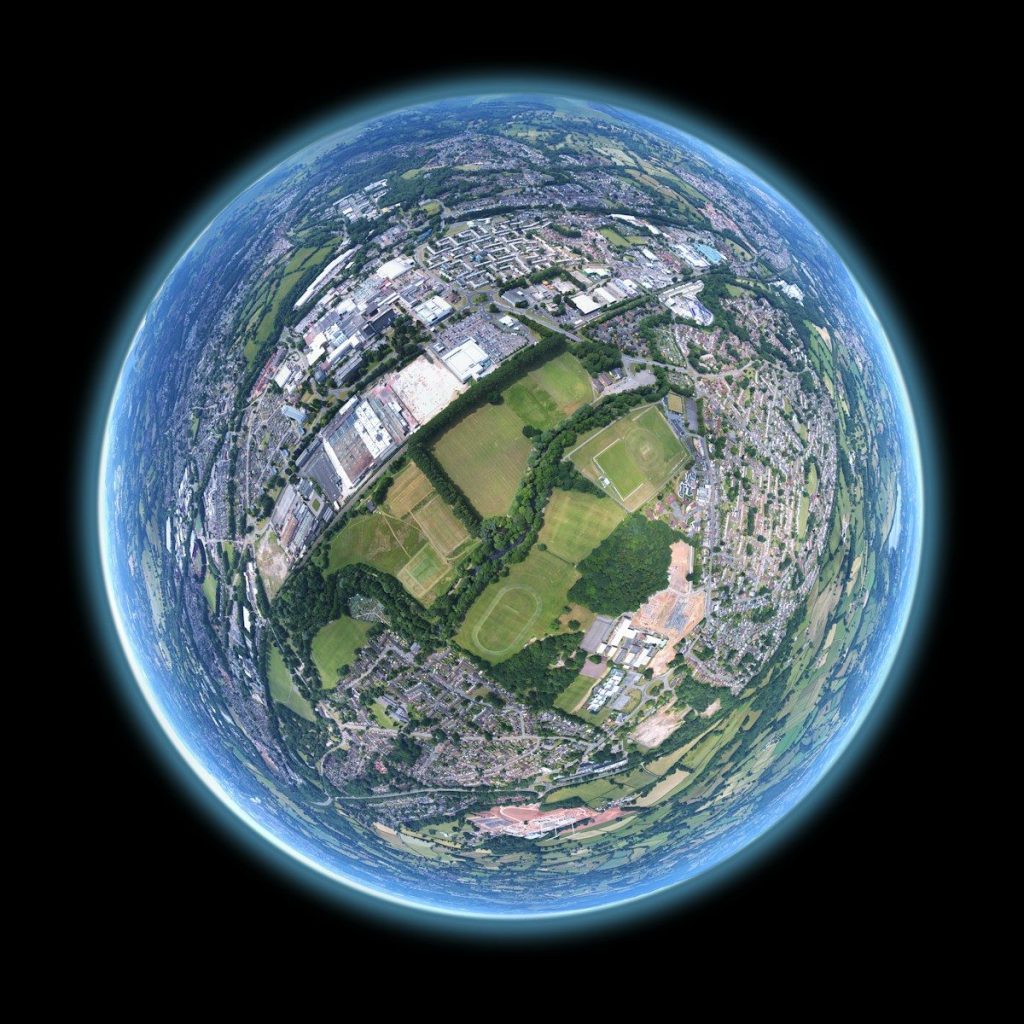
Biosphere 2 proved that replicating Earth is incredibly difficult. We still do not understand the complex connections that keep us alive. Ultimately, the experiment showed that our planet is our only reliable life support system. We must protect this home.
Leave a Reply