
Most people believe our digital files float in a weightless cloud. We assume our online data has absolutely no physical footprint on the earth.
But a major water study has revealed a shocking environmental crisis. Huge computing warehouses are quietly drying up vital rivers to keep their machines running.
The Invisible Water Drain

Every search query and streamed video requires massive computing power to process. These systems generate extreme heat that must be cooled. According to a report by the Pacific Institute, large data centers consume millions of gallons of fresh water daily. This resource is vanishing. The heavy water consumption is placing an immediate strain on local communities. But a major regional conflict was about to erupt over this precious liquid.
Threatening The Desert Basins
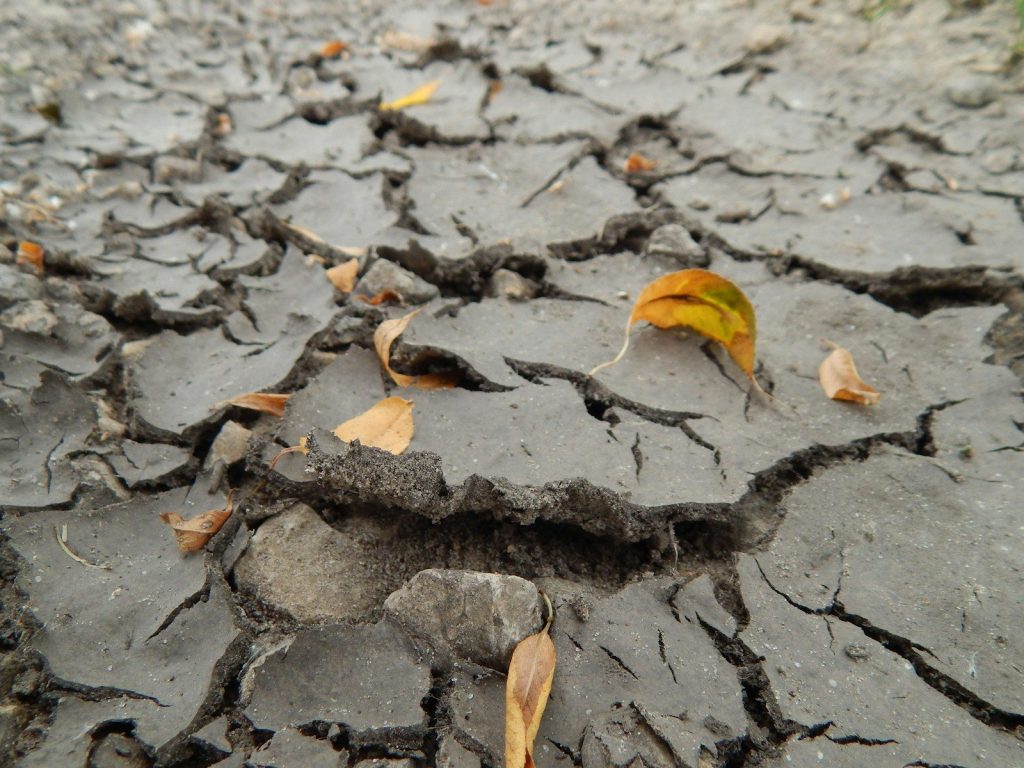
A new proposal in Utah has sparked immense pushback. According to local state records, a planned technology campus wants to tap into fragile desert aquifers. Water is incredibly scarce. Critics warn that pumping this ancient groundwater could permanently damage the surrounding dry landscape. And this local battle is gaining national attention.
The Hidden California Connection

The crisis reaches far beyond the boundaries of Utah. According to a research study from the University of California, water diversions in one state directly impact the entire regional grid. Everything is connected. Groundwater pumping in the desert can trigger a domino effect that dries up distant valleys. But the sheer volume of water being consumed is what truly terrifies experts.
Millions Of Gallons Lost
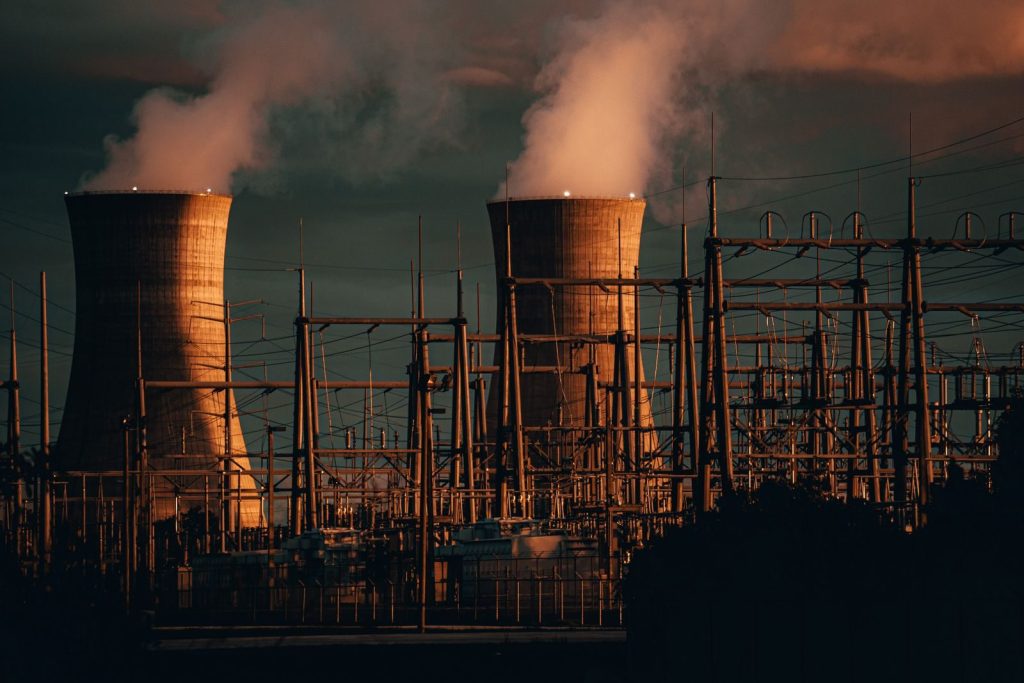
Data centers rely on evaporation systems to keep their massive processors cool. According to a utility audit, a single large facility can use up to half a million gallons every day. The loss is permanent. This water evaporated into the air and is completely lost to the local watershed. But the rapid growth of artificial intelligence is about to multiply these water demands.
The Artificial Intelligence Surge
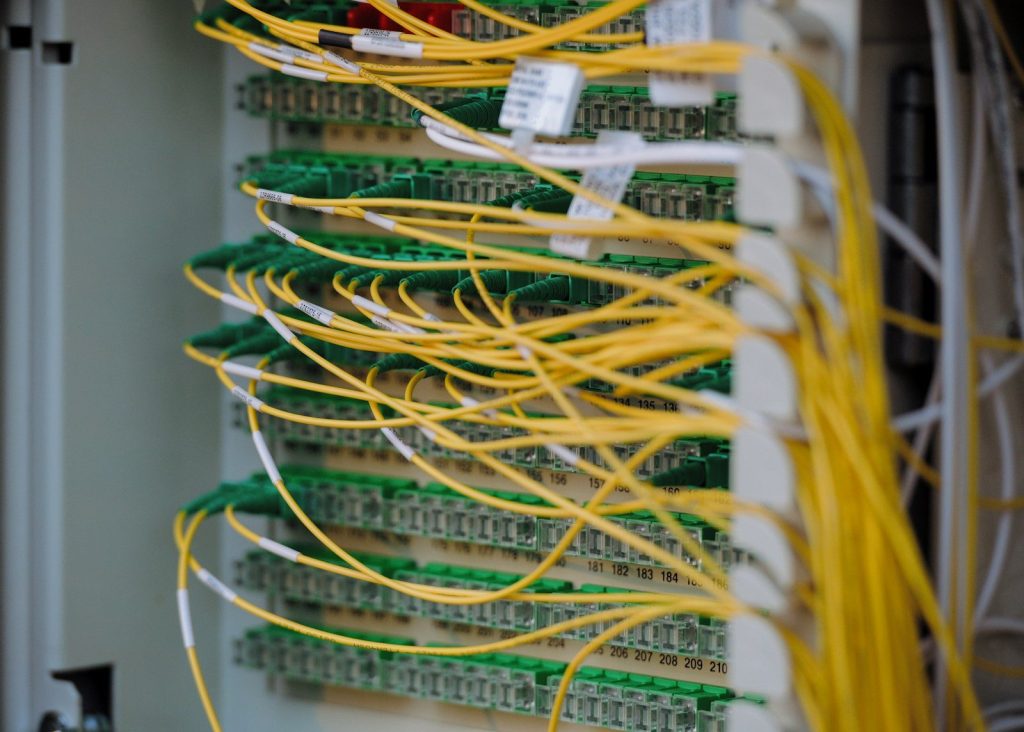
Modern intelligence models require incredible processing power. According to a study by Virginia Tech, training a single model uses massive amounts of cooling liquid. The demand is skyrocketing. This spike in power usage means data hubs must run their cooling systems constantly. But some forward-thinking engineers are desperately searching for a physical solution.
Moving Toward Closed Loops
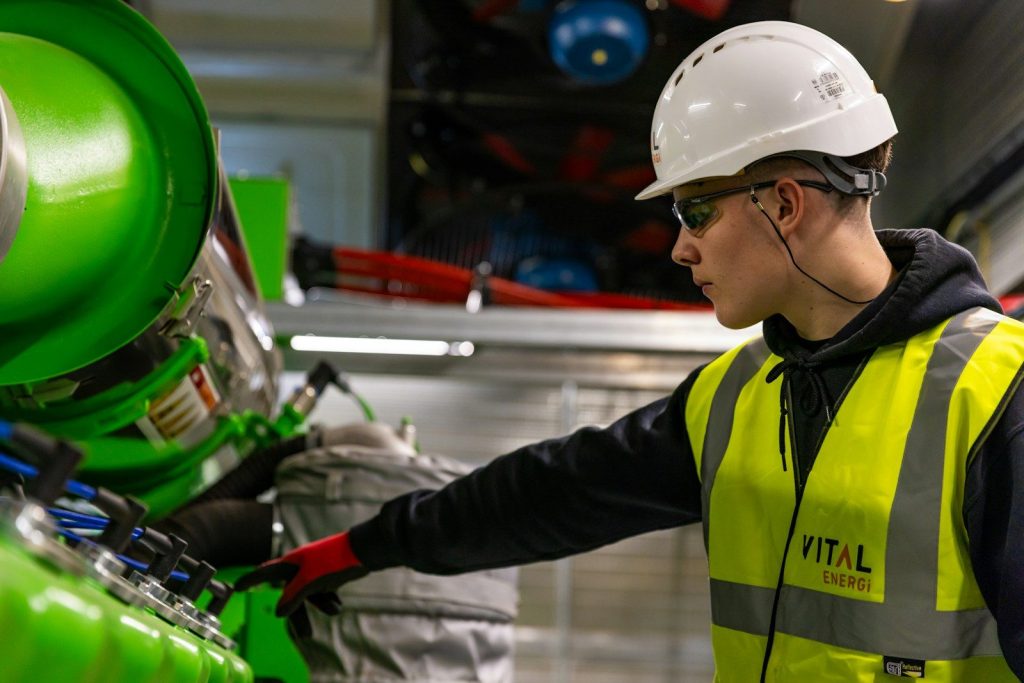
Tech corporations are under intense pressure to redesign their cooling infrastructure. According to a report from the Department of Energy, switching to closed-loop air cooling can eliminate water waste entirely. The technology is expensive. Implementing these systems requires rebuilding older centers from the ground up. But the future of our digital world depends on making a major change right now.
Balancing Technology and Nature
Our digital lifestyle requires a massive amount of physical resources. According to environmental geologists, we must balance technological growth with water conservation. This effort is vital. This article is for informational purposes only.
Leave a Reply