
Training a massive Generative AI model like ChatGPT requires an incredible amount of power and cooling. On Earth, data centers consume as much electricity as small cities and produce massive amounts of heat. But in 2026, the biggest names in tech have found a “cool” new solution. They are moving their AI training hubs into Earth’s orbit. Space provides a natural vacuum and extreme cold that makes running supercomputers much more efficient. By launching specialized AI satellites, companies can train models 24 hours a day without any environmental impact on our planet.
This move to the stars is being called “Orbital Intelligence.” It isn’t just about saving money on air conditioning; it is about privacy and speed. In space, there are no borders and no physical cables for hackers to tap into. The data moves through laser beams at the speed of light. We are looking at a future where the brain of the internet lives among the stars. But how do they actually launch a whole data center into a zero-gravity environment?
The Rise of the Zero-G Data Center
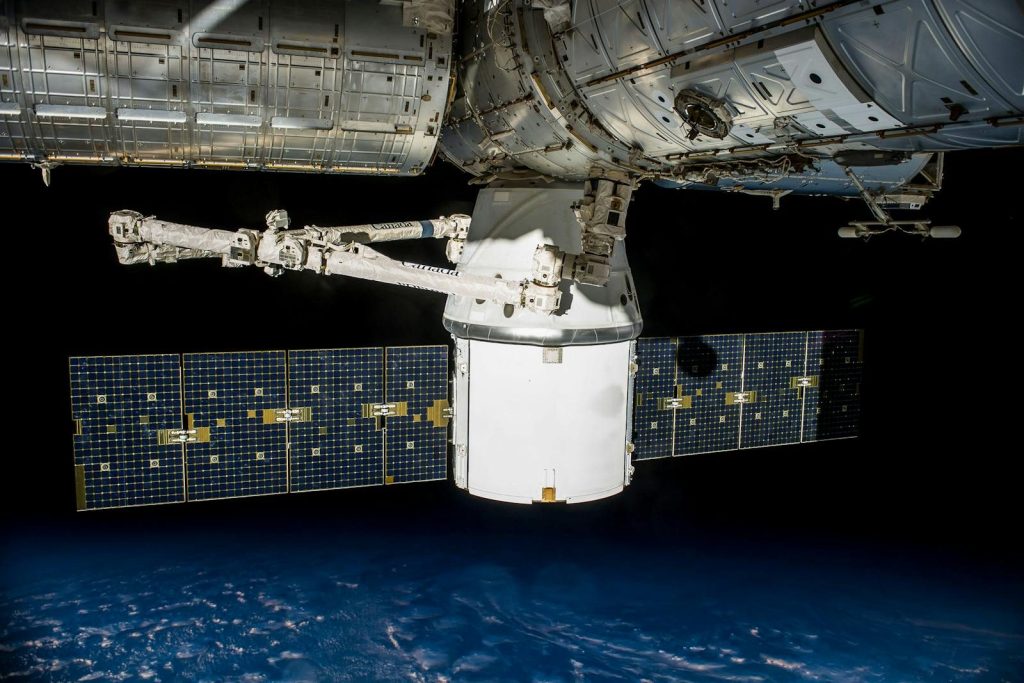
On Earth, servers are heavy and bulky. In orbit, gravity is no longer an issue. Engineers can build massive, lightweight computer structures that would collapse under their own weight on the ground. These “Zero-G” data centers are powered entirely by the sun, using giant solar sails that are miles wide. This provides a limitless source of clean energy. The 2026 data shows that orbital AI training is 70 percent more efficient than ground-based hubs. But what happens when a piece of space junk hits the motherboard?
Protecting the AI from Cosmic Shrapnel
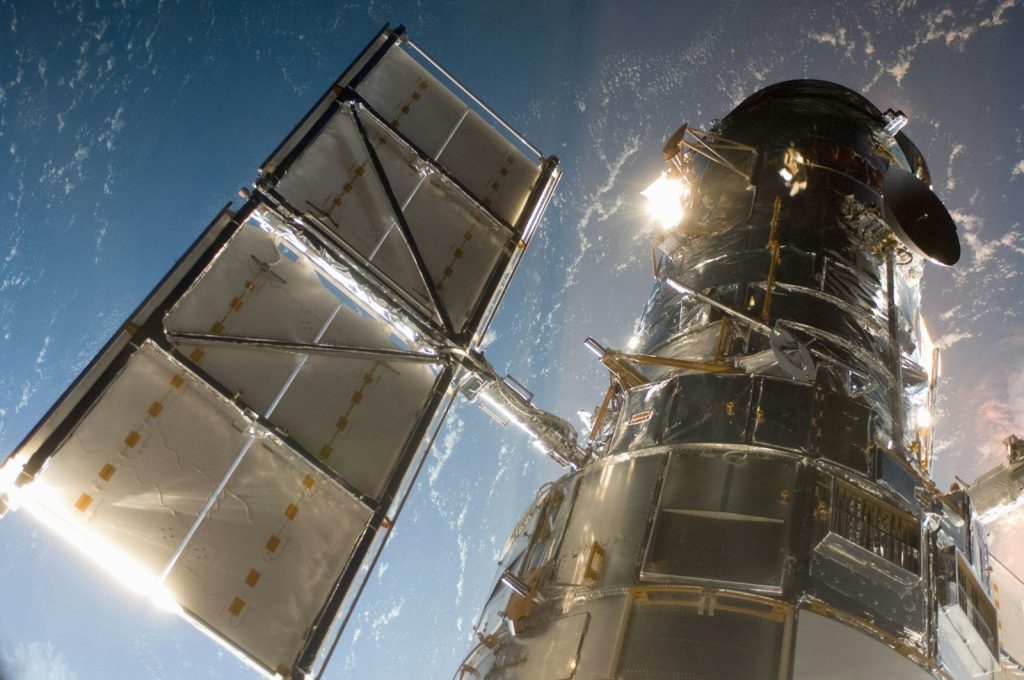
The biggest threat in orbit isn’t heat—it’s trash. Thousands of pieces of old satellites are moving at 17,000 miles per hour. To protect their billion-dollar AI, tech giants are using “Self-Healing Shields.” These are layers of specialized gel that seal up instantly if hit by a tiny pebble. The AI itself also monitors the environment and can move the satellite out of harm’s way within seconds. It is a high-stakes game of cosmic dodgeball. But wait until you see how fast the data actually travels to your phone.
Laser Beams are the New Fiber Optics

We used to rely on undersea cables to move our data around the world. Orbital AI uses lasers. By beaming information directly from space to ground stations, tech giants have reduced “latency” to almost zero. This means your AI assistant can answer you instantly, no matter where you are on Earth. It is a global web of light that bypasses the old, slow copper wires. We are finally living in a “real-time” world. But is there a hidden danger to having the “mind” of the world in space?
The Sovereignty of the Stars
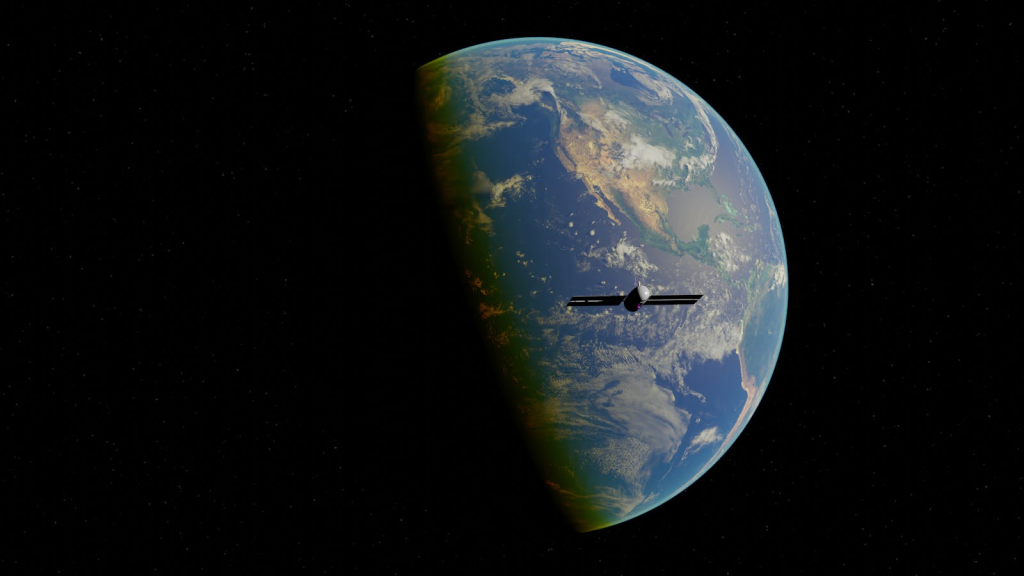
Who owns the AI in orbit? Because these satellites fly over every country, they don’t follow the laws of any single nation. This has sparked a massive debate about “Space Sovereignty.” Some fear that tech companies are becoming more powerful than governments. If your data is in orbit, who can protect your rights? We are entering a new era of digital law that is as vast as space itself. But wait until you see what is happening to the people who still write code on the ground.
Why Orbital AI is Building Itself

The most incredible part of “Orbital Intelligence” is that the AI is starting to design its own hardware. Because it can simulate physics perfectly in space, it knows exactly how to build a faster processor. It sends the blueprints to 3D-printing satellites that build the next generation of chips in orbit. It is a “closed-loop” of evolution that humans could never achieve on the ground. We are watching the birth of a machine that improves its own body. But does this mean we don’t need human coders anymore?
The End of the Manual Coder Era

As the AI in orbit gets smarter, the need for human coding is shrinking. We are moving toward a world of “Intent-Driven” software. Instead of typing lines of code, humans will simply tell the AI what they want. The orbital supercomputer then assembles the software in seconds. It is the biggest shift in labor since the Industrial Revolution. We are moving from “builders” to “architects.” But wait until you see the next slide about how this is changing the way we speak.
A Planet Wrapped in Intelligence

By the end of 2026, most of the “thinking” for our daily lives will happen above the clouds. From managing traffic to predicting the weather, the orbital AI will be our silent partner. We are wrapping the Earth in a layer of intelligence that never sleeps and never fails. It is a beautiful and slightly scary transformation of our planet. The stars are no longer just points of light; they are the servers of our future. But are you ready for the day when your phone translates every language instantly?
The Countdown to an Orbital World
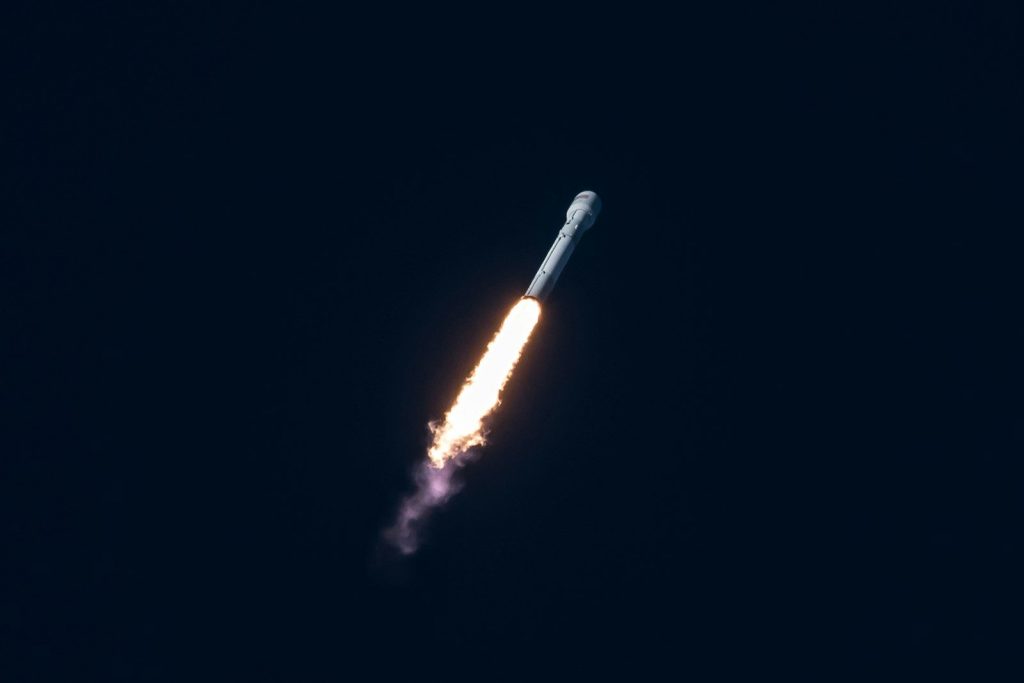
The “Space AI” era is not coming; it’s already here. The first successful orbital training runs have been completed, and the results are blowing away everything on the ground. We are standing at the edge of a new history for our species. We have finally moved our minds into the cosmos. Stay curious, stay sharp, and keep looking up. The future is bright, and it’s shining down on us from 200 miles above. But wait until you see why you might never need to learn a second language again.
Leave a Reply