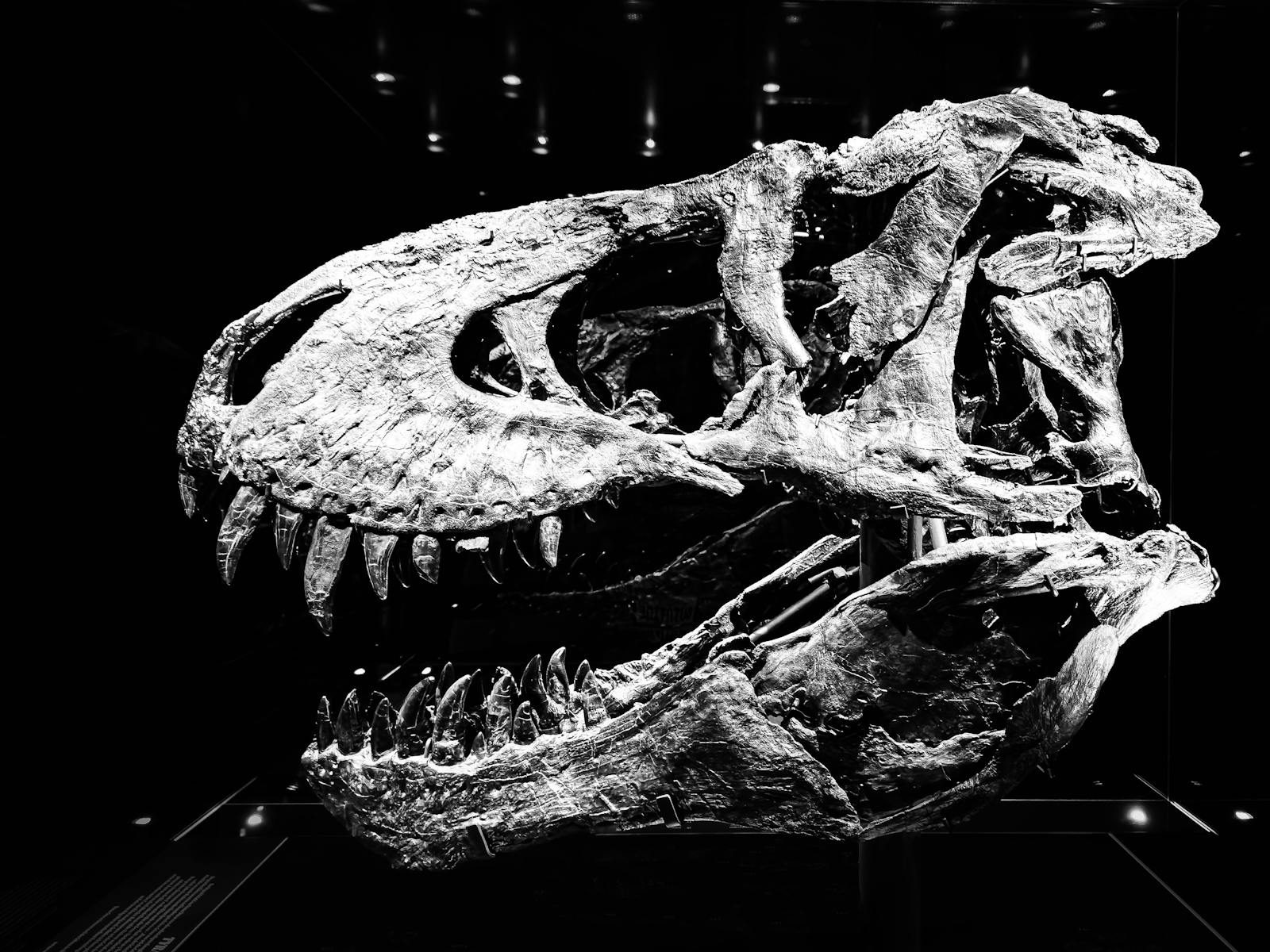
Millions of years ago, our planet was a deeply hostile place. Giants walked the earth. These prehistoric creatures developed incredible weaponry, including razor-sharp teeth, crushing jaws, and lethal claws, to survive in a brutal landscape. Modern paleontology has reconstructed their terrifying hunting habits. By studying fossilized bones and footprints, scientists can calculate their speed and bite force. This research reveals highly optimized biological killers. According to studies published in the journal Science, these predators dominated their ecosystems with absolute authority. They were the ultimate biological machines of their era. By looking at their evolutionary designs, we can understand how they successfully ruled the globe. But the most famous predator on our list relied on pure crushing power.
The crushing bite of the tyrant king
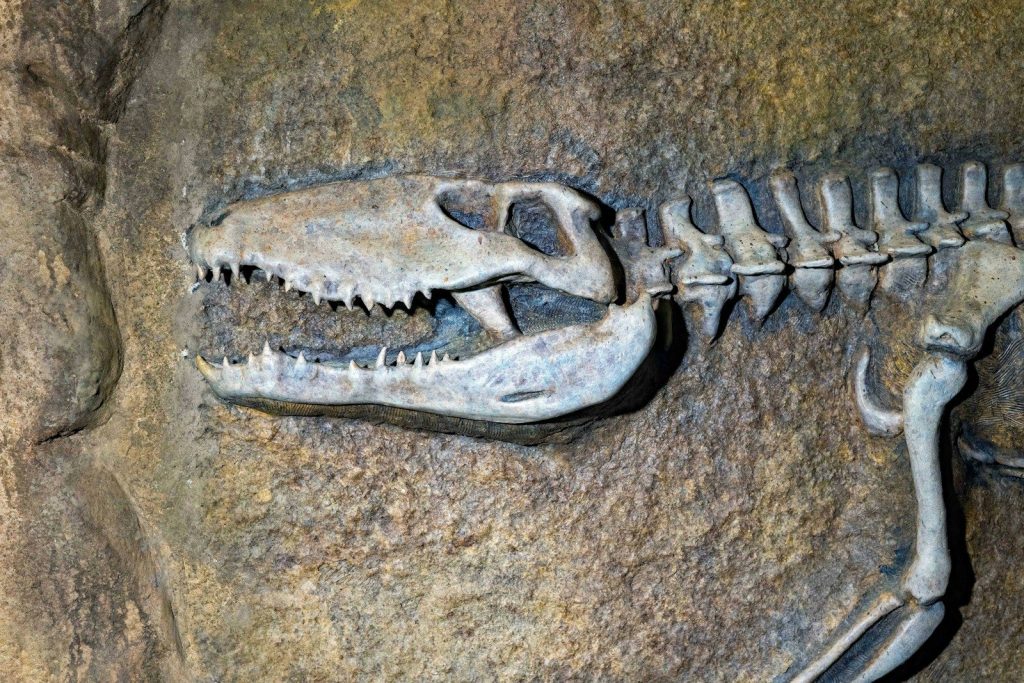
Tyrannosaurus rex was the ultimate apex predator of the late Cretaceous period. He was built for crushing power. According to research from Oklahoma State University, his bite force exceeded twelve thousand pounds of pressure. That force could easily shatter solid bones. He possessed thick, banana-shaped teeth that could pierce flesh and lock onto struggling prey. His sense of smell was highly developed. This allowed him to track targets over massive distances in the dense forests. He was an unstoppable biological tank. But another massive predator in the south developed a different way to kill.
Slicing claws of the deep southern giant
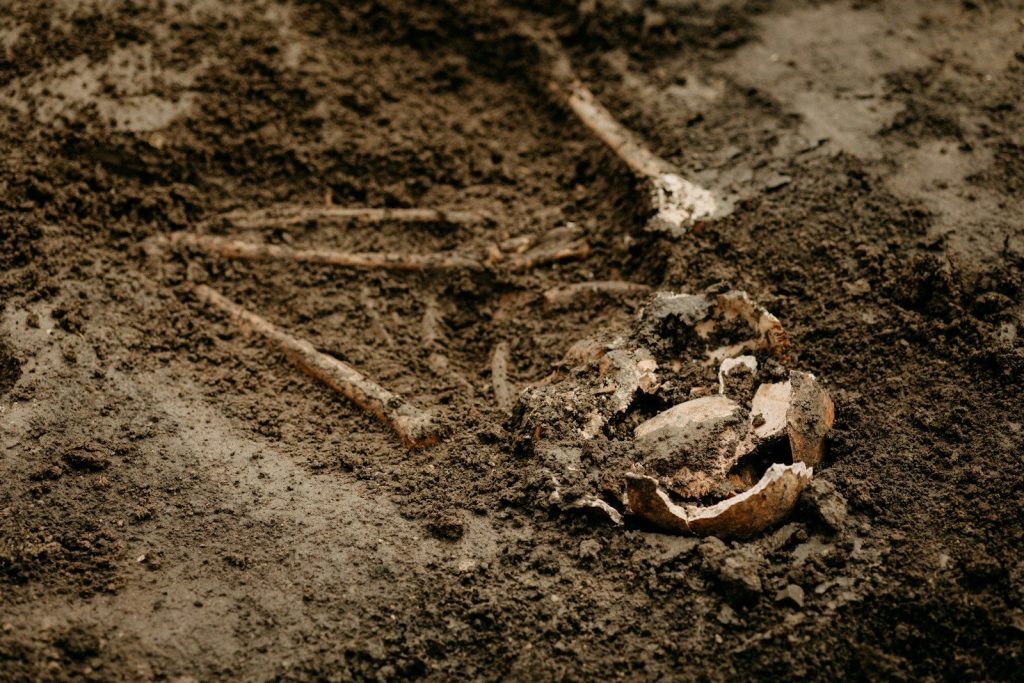
Giganotosaurus lived in what is now Argentina millions of years before the T. rex. He was slightly larger. Instead of bone-crushing jaws, this predator possessed thin, serrated teeth that acted like sharp kitchen knives. He used them to slice through soft flesh. This slicing strategy allowed him to cause massive blood loss, letting large herbivores weaken before he moved in for the kill. He could run at speeds up to thirty miles per hour. This made him incredibly agile despite his massive, multi-ton body. He ruled South America with ease. But a different giant preferred the warm waters of ancient swampy rivers.
The semi-aquatic terror of the ancient rivers

Spinosaurus was the largest carnivorous dinosaur known to science, even bigger than the T. rex. He possessed a massive sail. According to fossil discoveries in Morocco, he spent most of his life hunting in deep river networks. His jaws resembled those of modern crocodiles. They were packed with straight, conical teeth that were perfect for catching slippery, massive fish. He had strong arms with curved claws. This allowed him to swipe at prey and hold them down in the water. He was the king of the swamps. But smaller predators relied on speed and teamwork to bring down massive targets.
Pack hunting strategy of the agile raptors.
Utahraptor was a terrifying predator that was built for speed and agility. He was no simple lizard. He possessed a massive, curved claw on each foot that measured up to nine inches in length. He used this weapon to kick and slash. According to fossil trackway analysis, these predators may have hunted in highly coordinated packs to take down giant sauropods. Their intelligence was likely far higher than that of other reptiles. This allowed them to plan complex ambushes in the dense brush. They were the ultimate tactical hunters. But even the most dangerous predators had to face incredibly tough defenses.
The armored battering rams of the Cretaceous
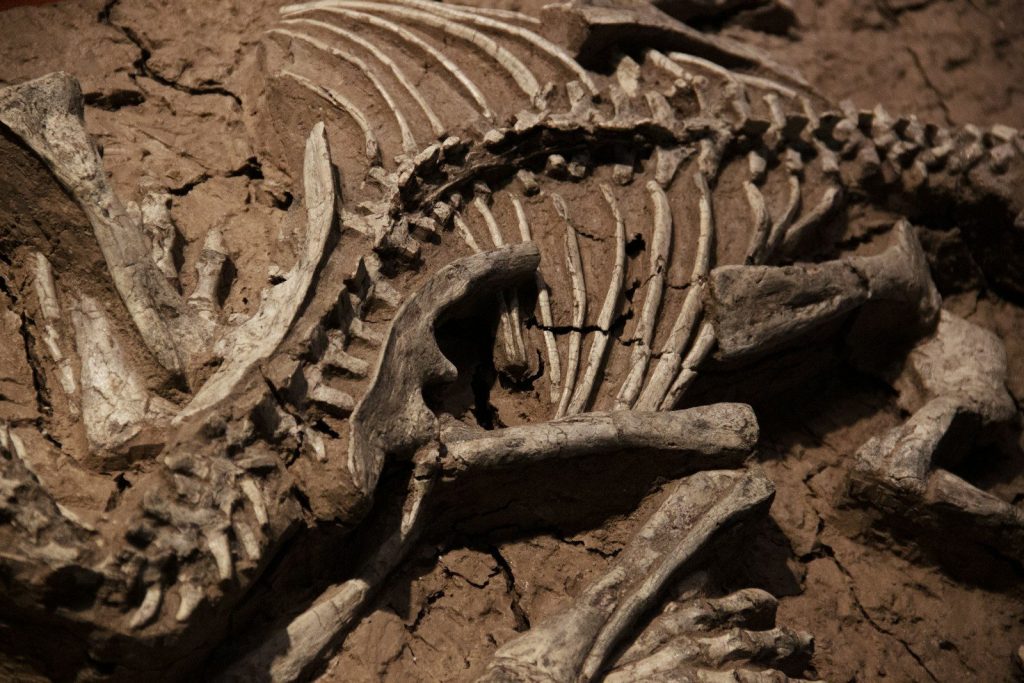
Dinosaurs like Ankylosaurus were not predators, but they were incredibly dangerous to attack. They were built like tanks. Ankylosaurus possessed a massive bone club at the end of its tail that could shatter legs. A single swipe could cripple a T. rex. Triceratops also possessed three massive horns on its head to impale attacking carnivores. These defensive weapons forced predators to be careful. It was a constant evolutionary arms race between weapons of attack and shields of defense. The landscape was incredibly volatile. But danger also hovered in the skies above the ancient world.
Airborne predators that dominated the skies

Quetzalcoatlus was a giant pterosaur that was the size of a modern fighter jet. He had a massive beak. According to biomechanical research, this flying giant could launch himself into the air in seconds. He scanned the ground for small dinosaurs. He would swoop down and swallow them whole, using his massive height to dominate the landscape. His wingspan measured over thirty-six feet wide. This allowed him to glide effortlessly across oceans to find new hunting grounds. He was a silent threat from above. But how do modern scientists calculate these ancient killer instincts so accurately?
How modern fossil science calculates killer instincts
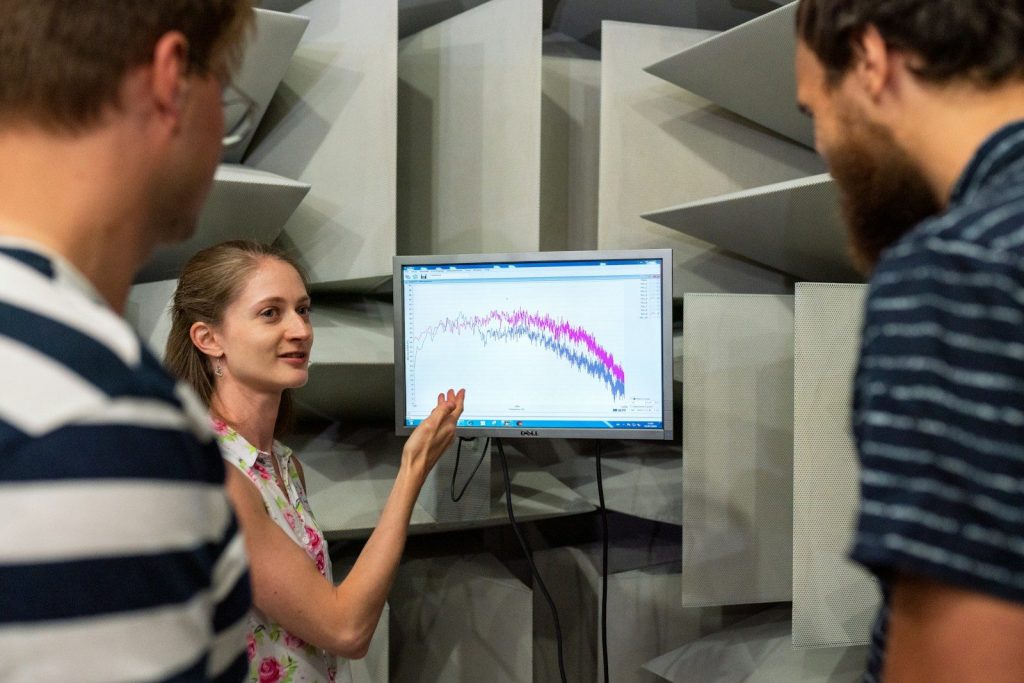
Paleontologists do not just guess how these dinosaurs behaved during their lives. They use advanced physics modeling. According to studies from the University of Manchester, computer simulations can reconstruct muscle movements from bone marks. This tells us their maximum running speeds. CT scans of fossil skulls also reveal the shape and size of their brains. This shows their sensory capabilities. We can see exactly how they tracked prey and interacted with their environments. It is a highly precise science. This advanced technology allows us to understand the final chapter of their reign.
A legacy of ultimate adaptation

The dinosaurs ruled our planet for over one hundred and forty million years. They were exceptionally successful. Their reign was ended only by a sudden, catastrophic asteroid impact that changed the global climate. Yet, their descendants are still here today. Modern birds carry the genetic legacy of those fierce theropods inside their cells. They remind us of a wild, ancient world. Studying these giants teaches us about the fragile, changing nature of life on earth.
Featured Image: Photo by Christian Zimmermann on Pexels
Leave a Reply