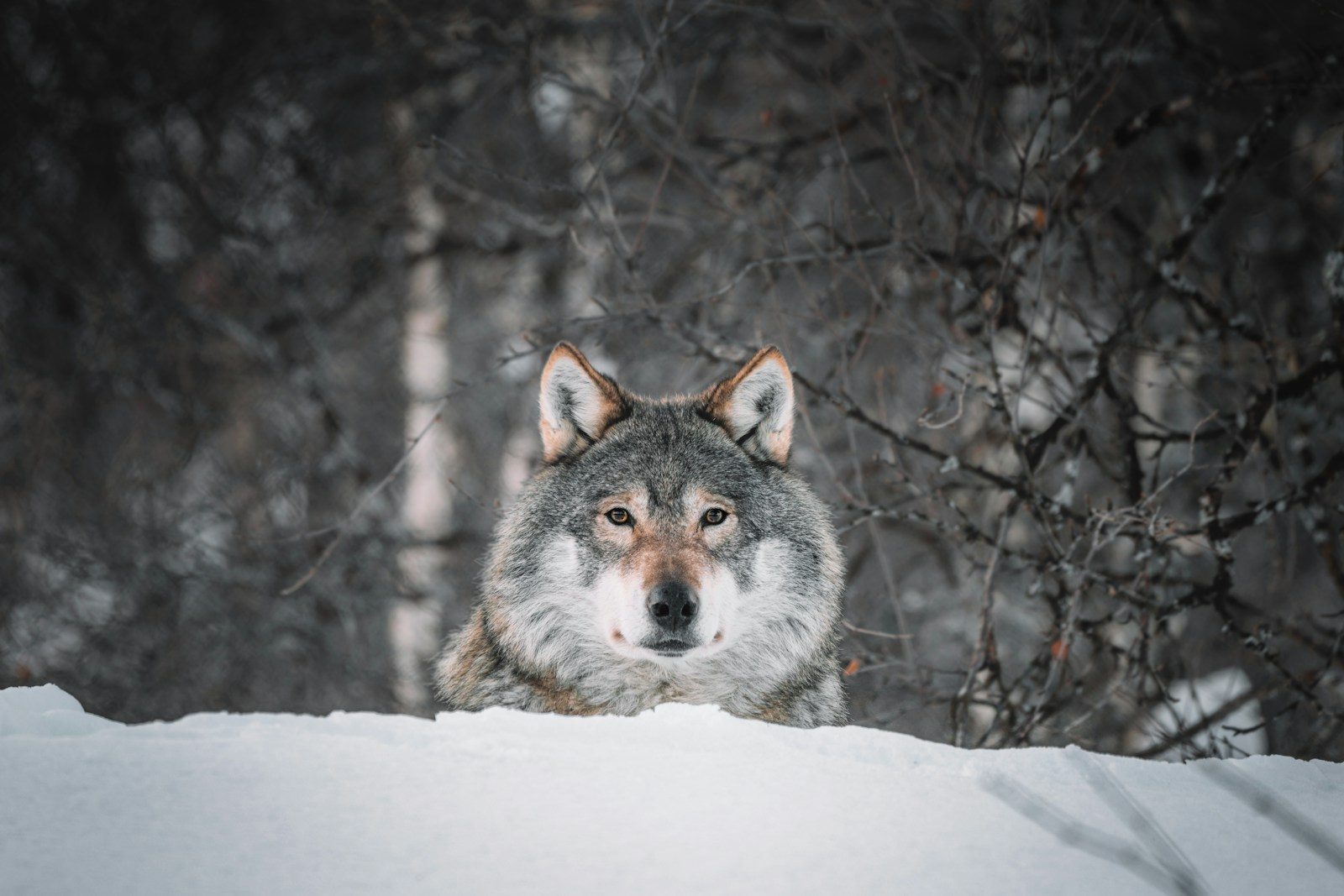
Wolves are reclaiming Europe. After being hunted to near extinction over a century ago, these clever predators are staging an incredible comeback. They are crossing national borders and moving into populated areas. This ecological success story is causing intense panic among local farmers. Many rural communities feel completely abandoned by urban lawmakers who protect these predators. The battle over wolf conservation has turned highly emotional. Today, scientists are using satellite collars and DNA tracking to monitor their movements in real time. They want to know if humans and wolves can actually coexist in modern Europe. The answers they are finding are surprising. It turns out that the greatest threat might not be the wolves themselves.
The Rapid Expansion Across European Borders

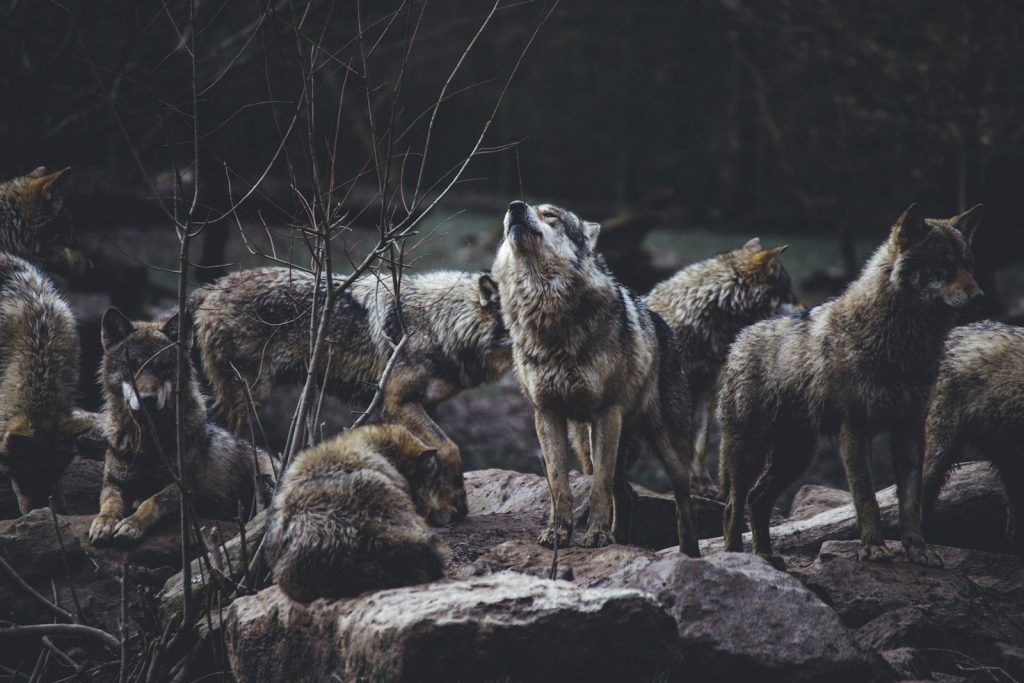
Wolf populations have exploded by over twenty-five percent in several European regions. According to reports from the World Wildlife Fund, there are now thousands of wolves roaming the continent. They are no longer confined to remote wilderness areas. Packs have been spotted near major cities in Germany and France. This rapid expansion is a testament to strict conservation laws. But this growth has also triggered a massive clash with traditional agriculture.
Terror in the Quiet European Pastures
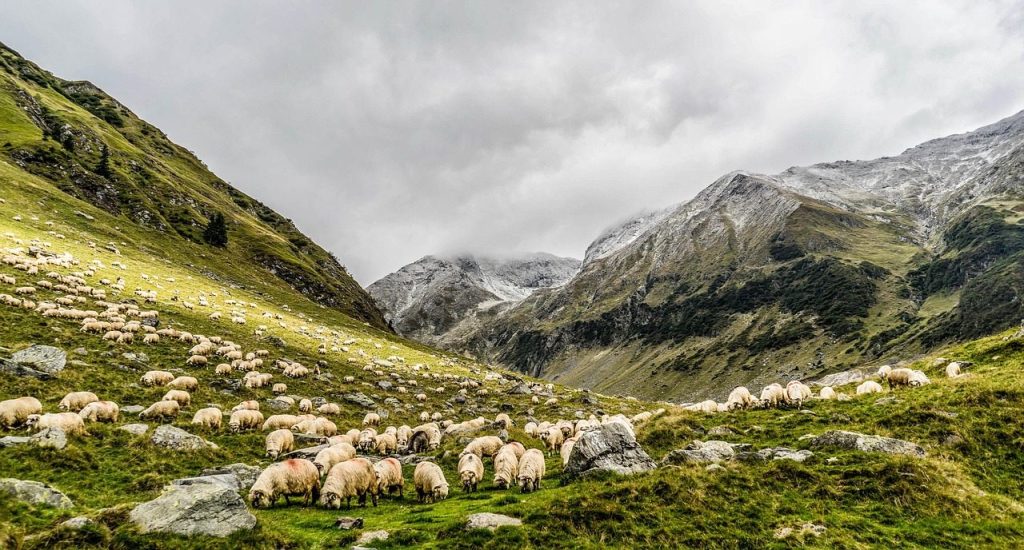
Livestock owners are facing a crisis. Thousands of sheep and goats are lost to wolf attacks every year in the French Alps. This has forced shepherds to adopt expensive security measures. They are building tall electric fences and hiring large guard dogs. These guard dogs are specially trained to fight off apex predators. But even these defenses are not always enough to stop a hungry pack. The financial strain is driving many small farmers out of business.
The Ecological Miracles of a Restored Apex Predator

Environmentalists view the return of the wolf as a massive victory. Apex predators play a crucial role in maintaining healthy ecosystems. They keep deer and wild boar populations in check. This prevents overgrazing and allows forests to regenerate naturally. Biologists have documented improved biodiversity in areas where wolves have returned. But the scientific benefits do not always ease the fears of the local population.
Clashing Laws and the Battle of Brussels
The European Union currently grants wolves strict legal protection under the Habitats Directive. This makes killing a wolf a serious criminal offense in most member states. However, some politicians are pushing to downgrade this status. They argue that the wolf population is no longer endangered. They want to allow controlled hunting seasons to manage the growing packs. This political struggle is dividing urban voters and rural communities. But science is offering a new way to keep the peace.
High Tech Shepherding in the Twenty-First Century
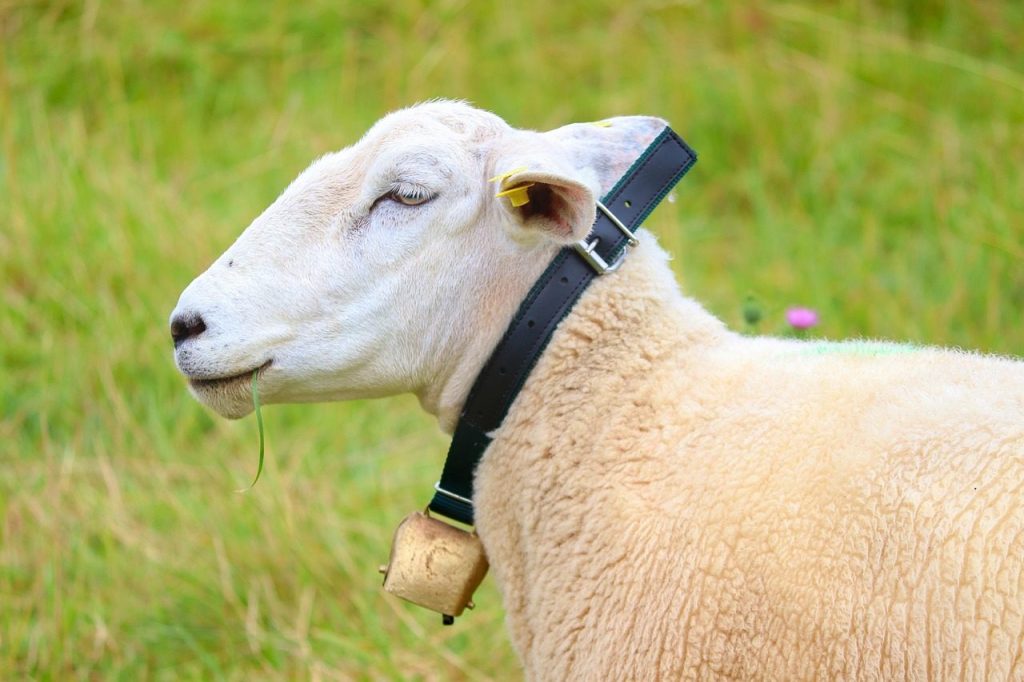
Researchers are testing innovative non-lethal deterrents to protect livestock. They are installing solar-powered lights that flash randomly to scare away predators. Some farmers are even using GPS tracking collars on their sheep. These collars send instant smartphone alerts if the herd suddenly starts running. This technology allows shepherds to react quickly to potential threats. Yet, technology is only part of the solution.
The Surprising Success of Ancient Dog Breeds
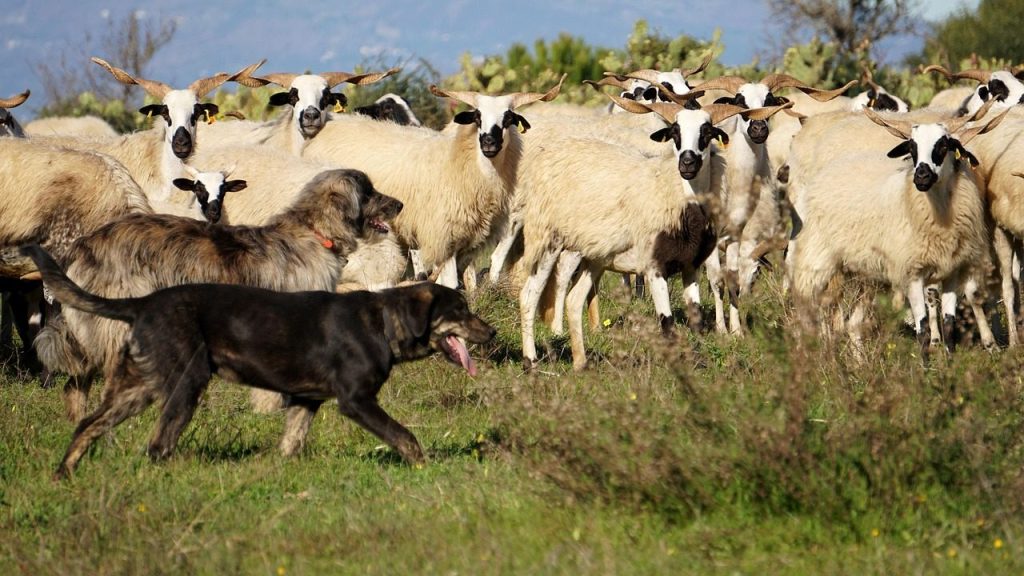
Many farmers are turning back to history for answers. They are importing ancient livestock guardian dogs like the Maremma Sheepdog. These massive dogs live with the sheep from birth and treat them as family. They are fiercely loyal and will put their lives on the line to protect the herd. Studies show that using these dogs can reduce livestock losses by over ninety percent. But this ancient solution requires a lot of patience and training.
Finding a Fragile Path to Coexistence
The European wolf debate is far from over. It is a complex issue that involves science, culture, and economics. Both sides must find common ground to move forward. Total eradication is no longer an option in a modern society that values biodiversity. But rural communities cannot bear the financial burden of conservation alone. By working together, humans and wolves might just find a way to share the changing landscape.
Featured Image: Photo by Federico Di Dio photography on Unsplash
Leave a Reply