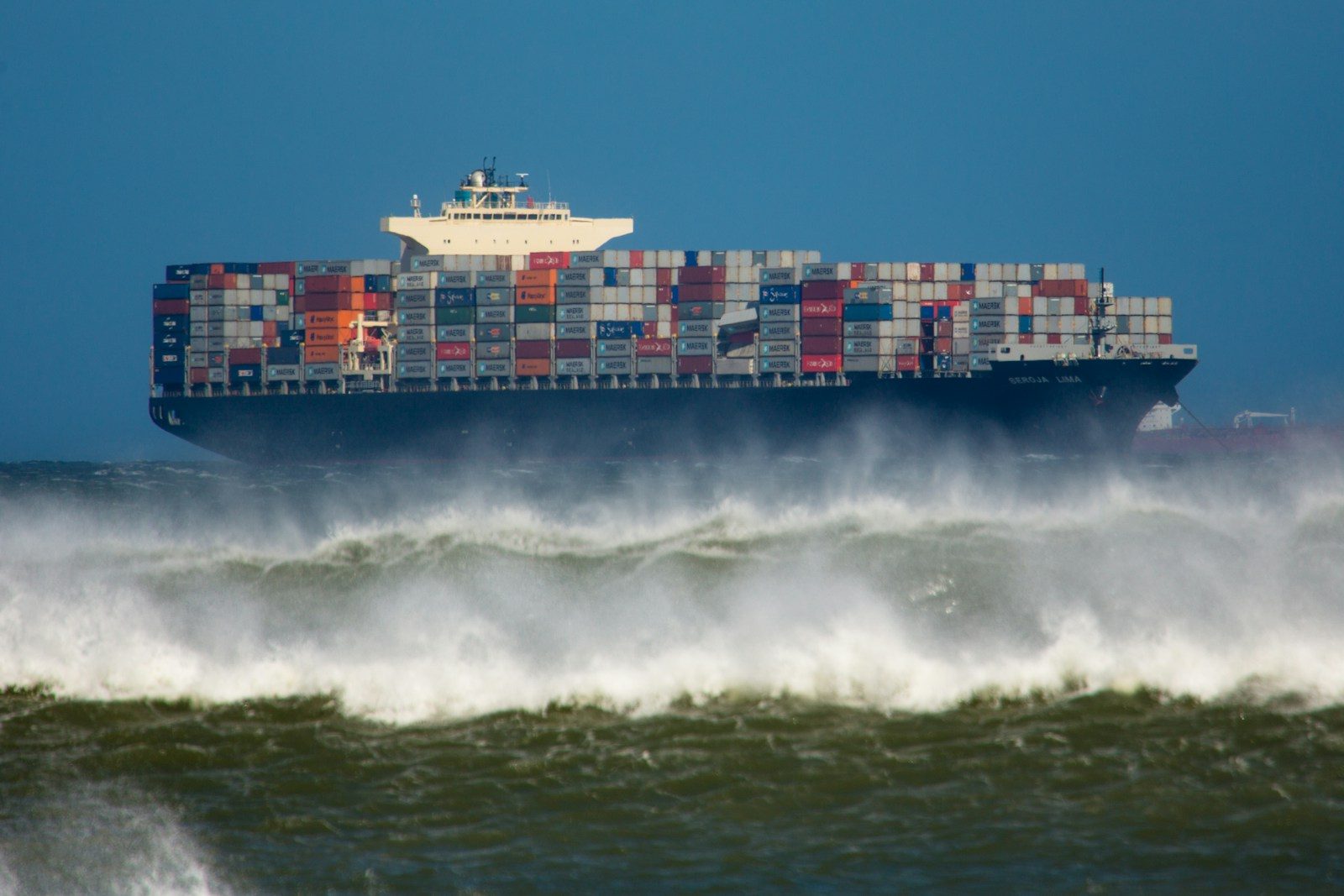
Most ocean lovers assume that tracking deep-sea currents requires highly expensive tracking devices. We believe that modern climate scientists rely strictly on advanced satellite grids to monitor the oceans.
But an accidental shipping disaster completely changed how we study the seas. Thousands of lost floating toys revealed a highly complex and connected planetary pathway.
The Great Storm Spill
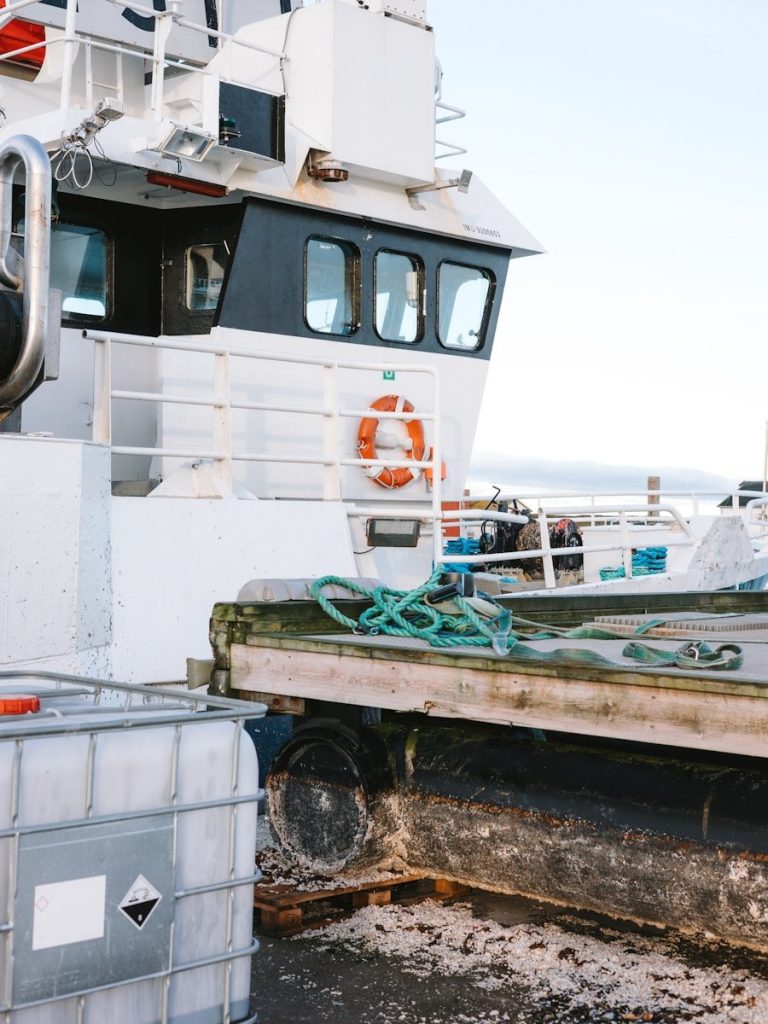
A massive container ship traveling from Asia encountered a violent storm in the middle of the Pacific Ocean in 1992. According to maritime reports, several cargo crates broke loose and plunged into the dark water. The waves were colossal. Among the lost items were twenty-eight thousand floating plastic animals. But this massive spill was about to trigger an unexpected scientific breakthrough.
The Long Drift Begins
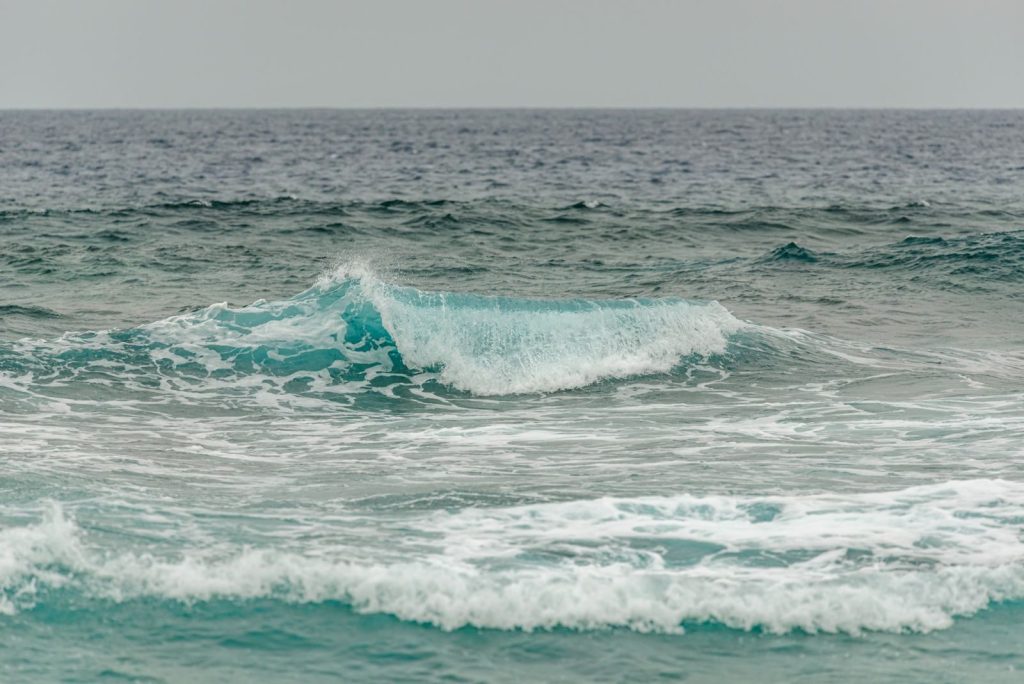
The plastic toys began drifting across the vast waters without any engines to guide them. According to oceanographers, the floating pack slowly split into different groups as they rode the surface winds. They were highly durable. Because the toys were made of tough plastic, they resisted decay and stayed afloat for years. But tracking their journeys required help from local beachcombers.
Spotting The Floaters
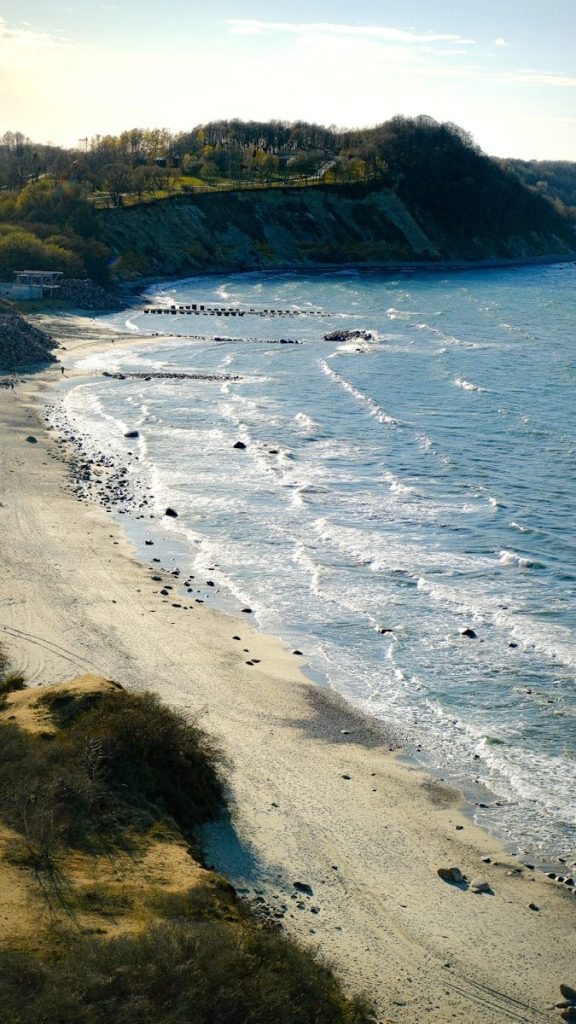
Beachcombers began finding the colorful toys washing up on distant shorelines across the globe. According to reports from the National Oceanic and Atmospheric Administration, the animals appeared in Alaska, Canada, and even Europe. The findings were bizarre. Scientists quickly realized they could use these locations to map out the exact paths of deep currents. But some toys took an almost impossible route.
The Frozen Polar Pass
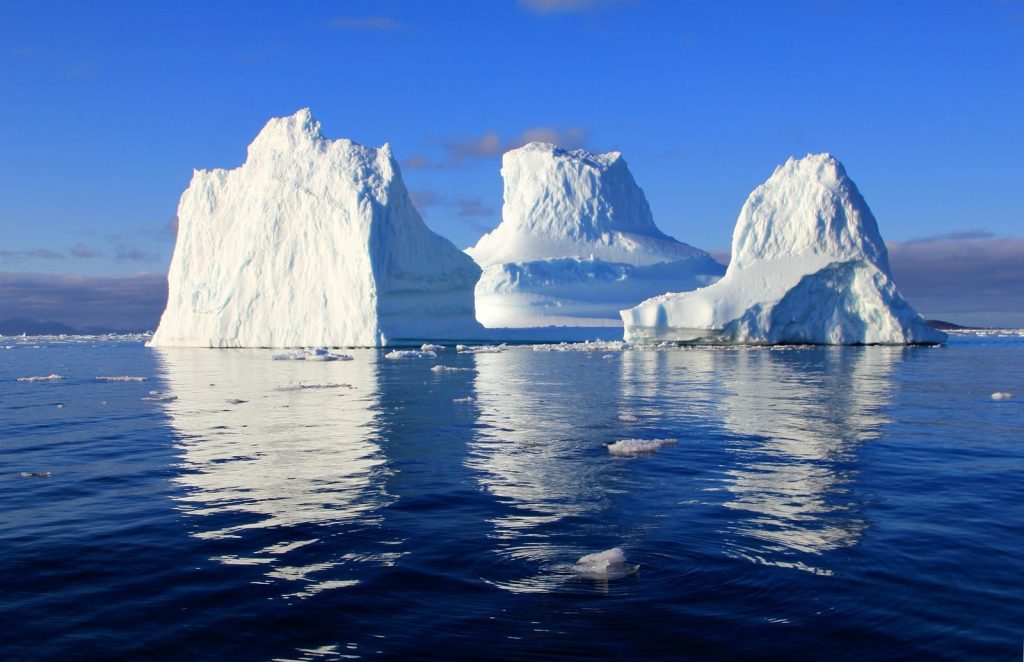
A small group of the floating animals traveled straight through the freezing Arctic Ocean. According to climatologists, this icy journey required the plastic to remain frozen inside massive glaciers for several years. It was incredibly cold. This polar route proved that separate oceans are actually connected by a continuous global current. But this realization also highlighted a growing environmental crisis.
The Endless Garbage Patches
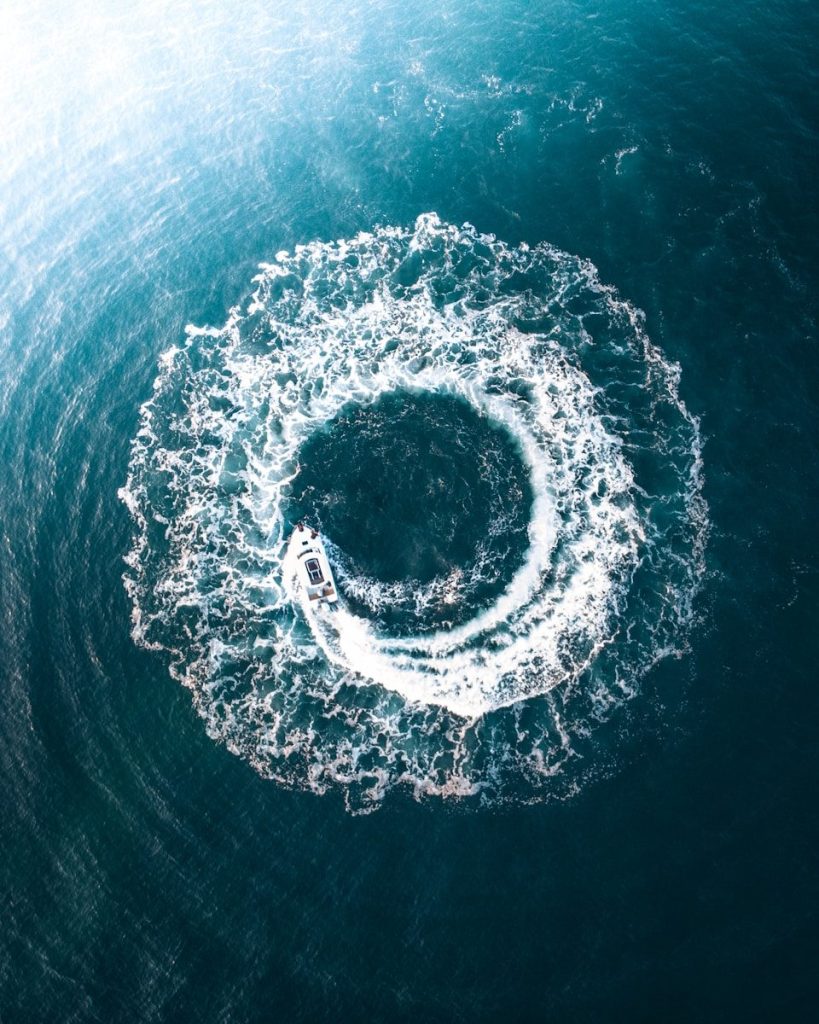
The drifting toys eventually settled inside massive rotating vortexes in the middle of the oceans. According to environmental geologists, these circular currents trap millions of tons of synthetic waste in permanent loops. The trash accumulates. Studying how the toys gathered helped researchers locate these dangerous garbage zones with high accuracy. But scientists are searching for new ways to clean these spots.
Tracking Future Drift Patterns

The lessons learned from the lost toys continue to shape modern marine conservation projects today. According to ocean research groups, computer models now use the drift data to predict where oil spills and trash will travel. The software is clever. This predictive mapping is vital for protecting fragile coastal habitats from sudden chemical pollution. But the ultimate success of this research relies on global action.
Decoding The Living Ocean
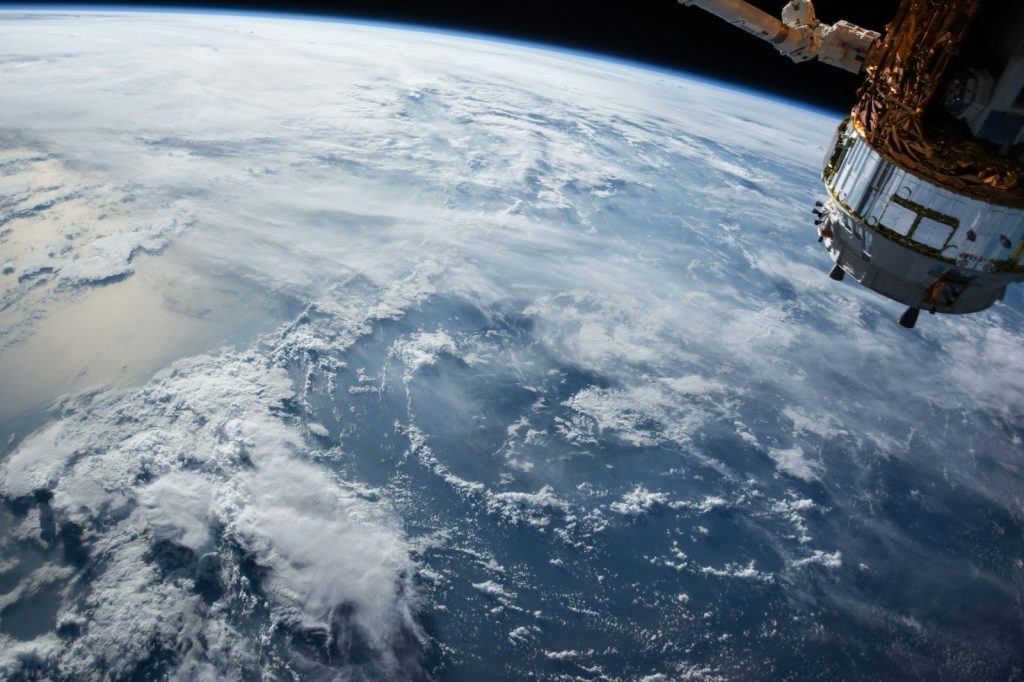
This incredible journey of these plastic floaters proves that our oceans operate as a single connected entity. According to researchers, understanding these global current systems is crucial for protecting the future of our climate. Nature connects everything. This article is for informational purposes only.
Featured Image: Photo by Dirk Erasmus on Unsplash
Leave a Reply