Category: Science & Biology

  • Could This DNA-Guided CRISPR Cure Diseases Without Damaging Your Genome?

    Could This DNA-Guided CRISPR Cure Diseases Without Damaging Your Genome?

    For years, CRISPR has been the “holy grail” of medicine. It promised to cut out bad genes and replace them with healthy ones. But there was a hidden danger that scientists rarely talked about. The old version of CRISPR often made “accidental cuts” in the wrong places. These mistakes could damage your healthy DNA and even lead to new diseases. In 2026, a massive breakthrough changed the game. Scientists have unveiled a “DNA-Guided” version of the tool that is 1,000 times more precise.

    This new system doesn’t just cut; it “whispers” to your genome. It uses a specific guide to ensure it only touches the exact target. This discovery is hitting the news as the safest way to treat genetic conditions like sickle cell and cystic fibrosis. We are looking at a future where we can “debug” the human body without any side effects. It feels like science fiction is finally becoming a standard hospital procedure. But wait until you see how this tool actually navigates through your millions of cells.

    The Secret of the Molecular GPS
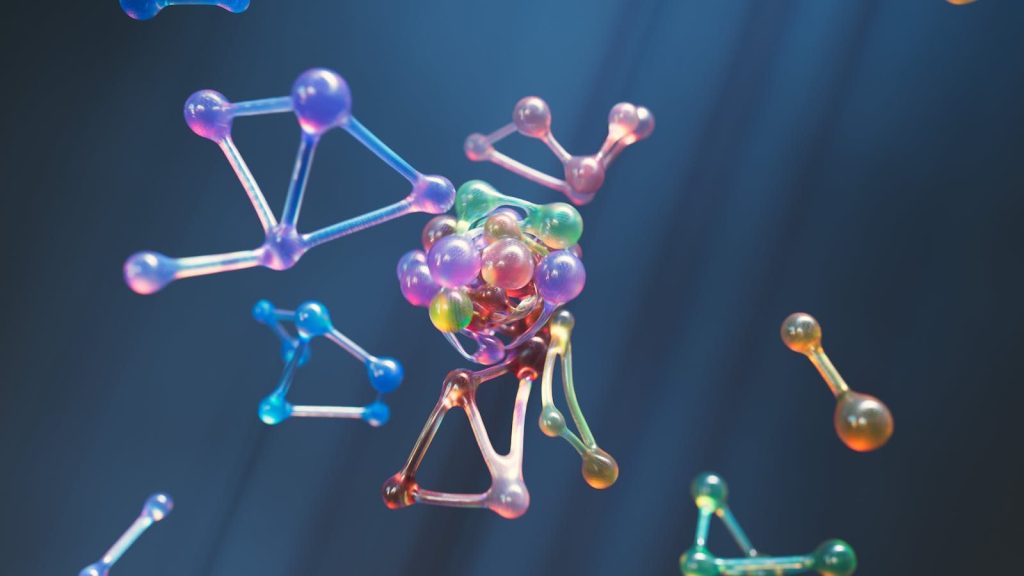
    Colorful abstract representation of molecular structures with 3D spheres and connections.
    Photo by Google DeepMind on Pexels

    The original CRISPR relied on RNA to find its target. This new version uses a synthetic DNA guide that is much more stable. Think of it like moving from an old paper map to a high-definition GPS. The tool can now recognize the exact “neighborhood” of a disease-causing gene with perfect accuracy. It ignores everything else in the body, which was the biggest hurdle for doctors. But how does it actually fix the problem without using a physical blade?

    No More Scars on Your Genetic Code
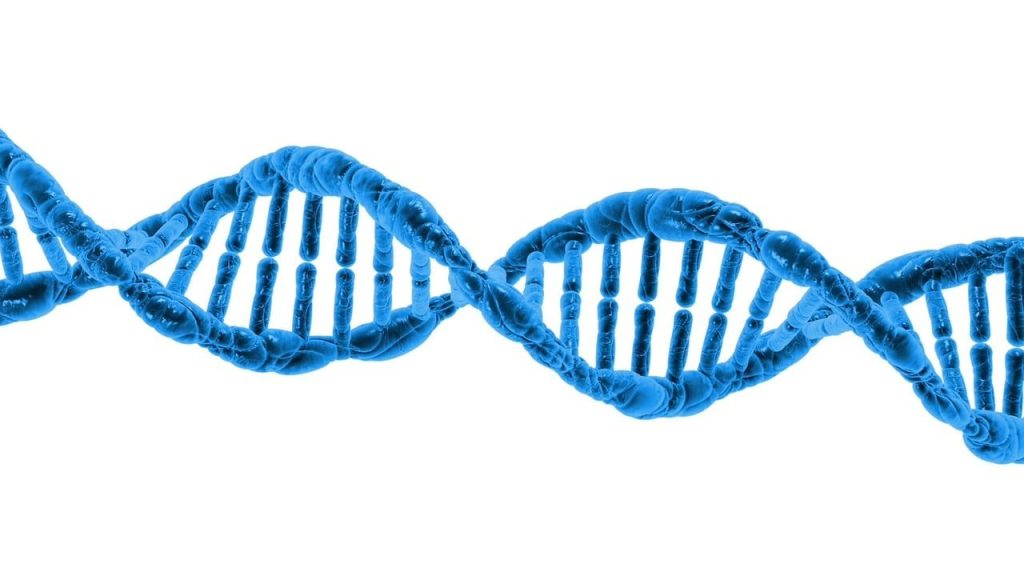
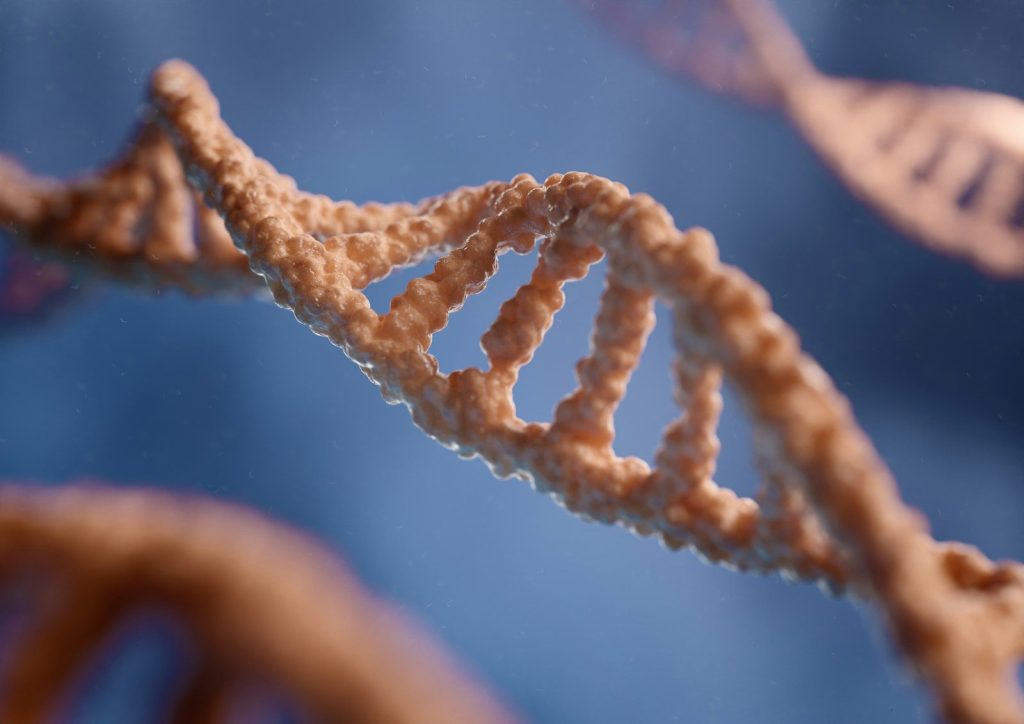
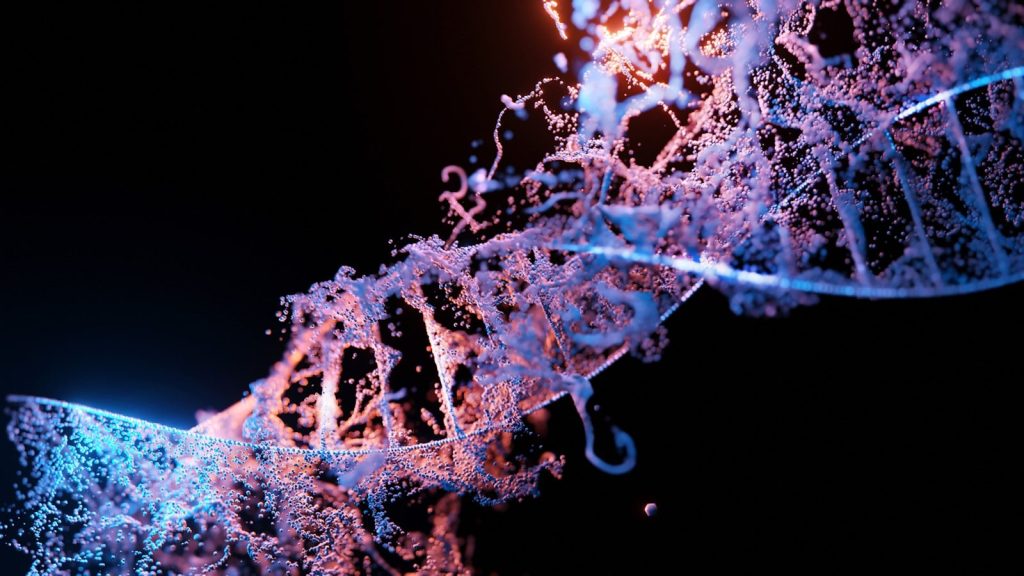
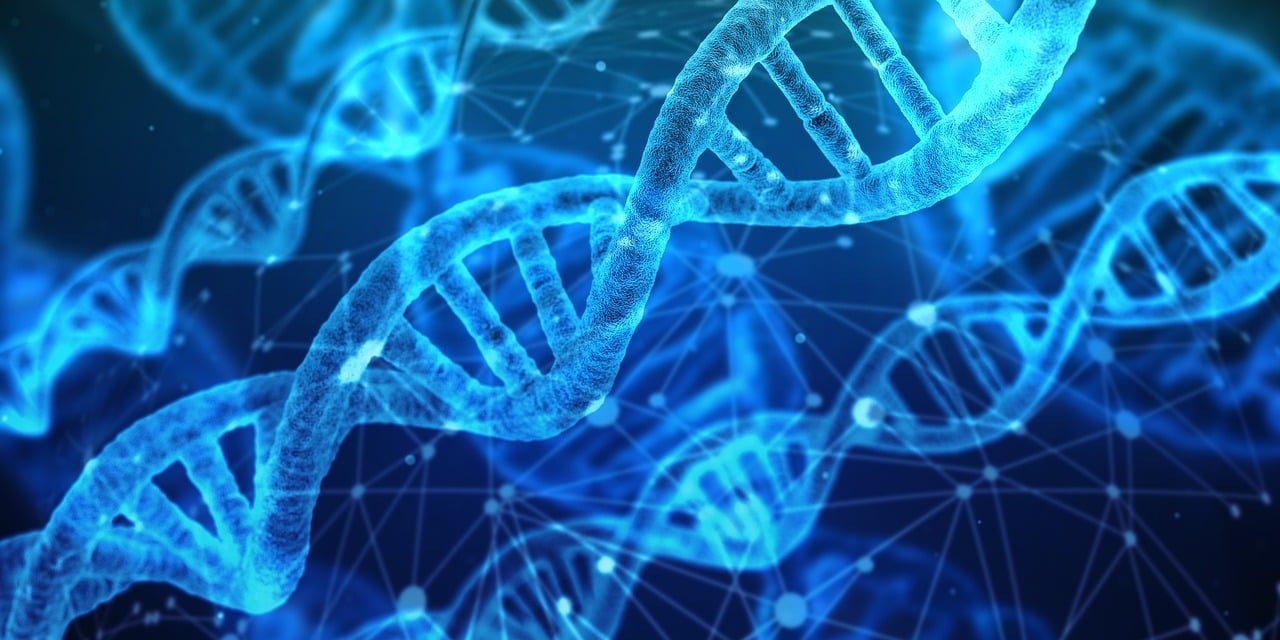
    dna, biology, science, dna helix, protein, molecule, molecular structure, chromosome, spiral, microbiology, deoxyribonucleic acid, 3d, render, isolated, dna, dna, dna, dna, dna
    Photo by PublicDomainPictures on Pixabay

    Instead of “chopping” the DNA, the DNA-guided tool uses a process called “base editing.” It gently changes a single letter of the genetic code without breaking the strand. This means there is no “scarring” on your genome. It is a biological “undo” button that restores your health at the most basic level. This precision is what makes it safe for use in children and even unborn babies. But can this technology actually stop a viral infection in its tracks?

    Hunting Viruses in Real Time
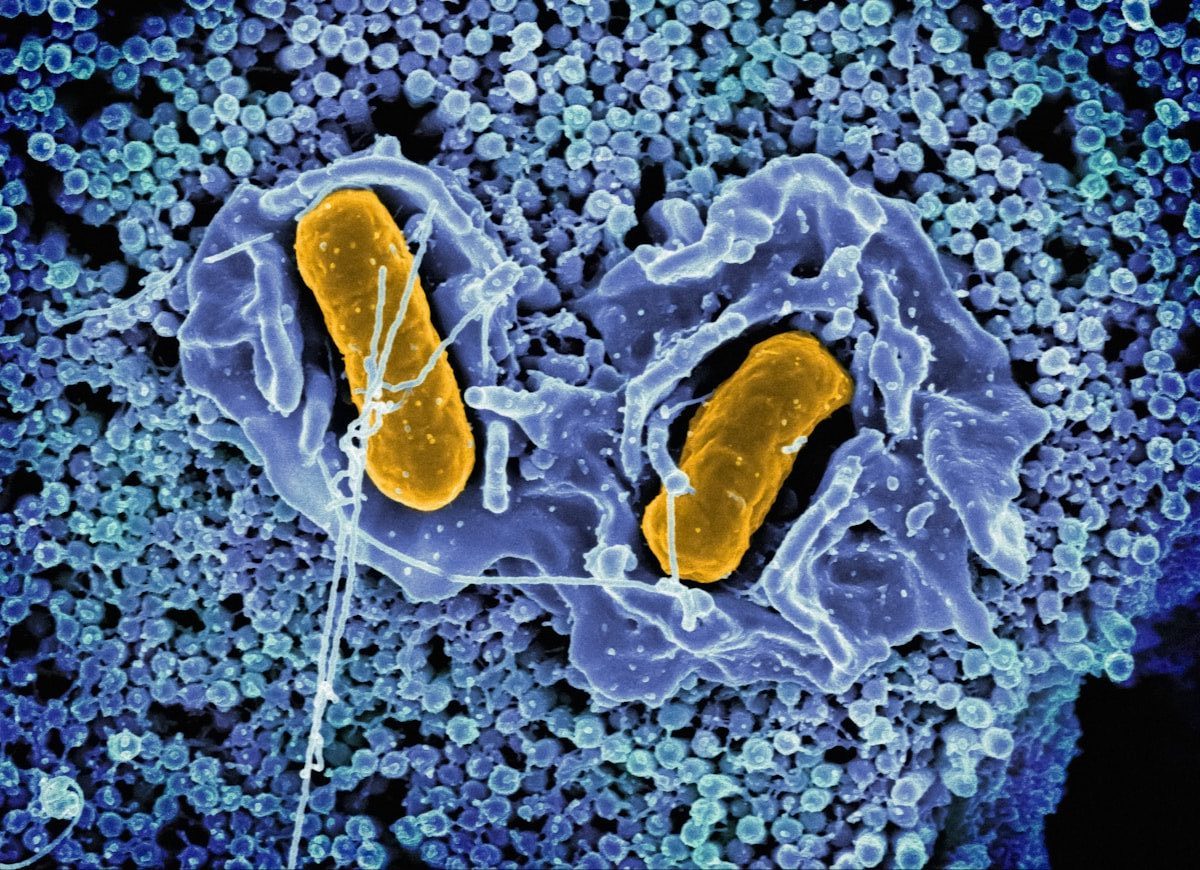
    a cell with two yellow cells inside of it
    Photo by National Institute of Allergy and Infectious Diseases on Unsplash

    Scientists are already testing this new CRISPR to hunt down chronic viruses like HIV and Herpes. Because the guide is so specific, it can find viral DNA hiding inside your own cells. It identifies the “alien” code and disables it without hurting the host. This could lead to a permanent cure for infections that we previously thought were lifelong. We are building a digital immune system that works faster than nature. But wait until you see the “W-State” discovery that is making our data just as safe.

    The Race for the First Human Trial

    blood test, doctor, patient, medical, healthcare, clinic, general blood test, institute of hematology, blood test, blood test, blood test, blood test, blood test
    Photo by vienhuyethoc on Pixabay

    Major pharmaceutical companies are now racing to get this DNA-guided tool into human trials. The FDA is fast-tracking the process because the safety data is so impressive. In 2026, we expect to see the first patients receiving this treatment for rare blood disorders. It is a high-stakes competition that could save millions of lives. The “DNA-Guided” era of medicine has officially begun, and the results are stunning. But how much will this high-tech cure actually cost the average person?

    Making Precision Medicine Affordable

    woman in black crew neck shirt wearing blue earbuds
    Photo by TopSphere Media on Unsplash

    High-tech cures are usually for the rich, but this breakthrough is different. Because the synthetic DNA guides are easier to manufacture than old RNA guides, the price is dropping fast. Scientists are aiming to make “gene-fixing” as affordable as a standard surgery. This would democratize health across the globe, giving everyone a chance at a disease-free life. It is an economic shift that mirrors the technical one. But what happens if we start using this tool to “upgrade” ourselves?

    The Ethics of the New Genome
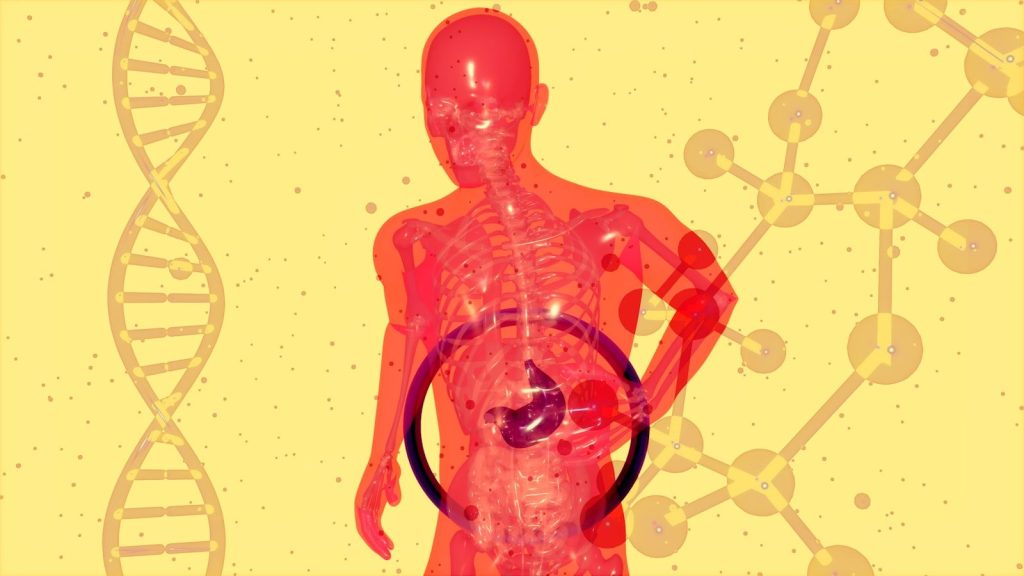
    a picture of a human body with a diagram of the human body
    Photo by julien Tromeur on Unsplash

    As the tool gets safer, the temptation to use it for non-medical reasons grows. Philosophers and lawmakers are debating if we should allow “enhancements” like better memory or increased strength. The DNA-guided precision makes these changes more permanent and easier to achieve. We are being forced to define what it means to be human in a world where our code is editable. It is the most important conversation of the decade. But while we edit ourselves, our computers are facing an even bigger change.

    A Future Without Genetic Fear
    woman in white laboratory gown holding black microphone
    Photo by DIANA HAUAN on Unsplash

    The takeaway from 2026 is hope. We are finally moving past the era of “guesswork” in medicine. The DNA-guided CRISPR is a reminder that human ingenuity can solve the problems it creates. We have the power to stay healthy and protect our future generations. The journey to a perfect genome is just starting, and you have a front-row seat. But are you ready for the quantum secret that just made your bank account unhackable?

    The End of Genomic Damage
    dna, helix, cosmic, space, nebula, stars, genetic, biology, glowing, universe, science, evolution, life, golden, red, mystical, energy, spiral, molecular, celestial, ai generated
    Photo by geralt on Pixabay

    The “DNA-Guided” breakthrough is the final piece of the puzzle for safe gene editing. We have learned to work with the body instead of fighting it. Every day, more data arrives proving that we can cure the “incurable.” The world is getting safer, one molecule at a time. But while we fix our biology, a “W-State” milestone is about to rewrite the rules of the entire internet.
    Featured Image: Photo by geralt on Pixabay

  • How This Creature Just Cracked the Longevity Code

    How This Creature Just Cracked the Longevity Code

    Death was supposed to be the only certainty in life, but a tiny sea creature has just proven that rule wrong. In 2026, scientists have finally decoded the genetic secret of the Turritopsis dohrnii, better known as the “Immortal Jellyfish.” This creature has the unique ability to revert its own cells back to their earliest state whenever it gets sick or old. It is the only known animal that can literally restart its life cycle from the beginning.

    By sequencing its entire genome, researchers have identified the specific “switch” that allows this biological reset. This discovery is hitting the news as the most significant breakthrough in the history of aging. We aren’t just talking about living longer; we are talking about a total cellular overhaul. This could lead to a future where aging is treated like a curable disease rather than a natural end. But how can a jellyfish actually teach a human how to stay young?

    Meet the Immortal Jellyfish

    a jellyfish swims in the ocean water
    Photo by Peter Kaltenborn on Unsplash

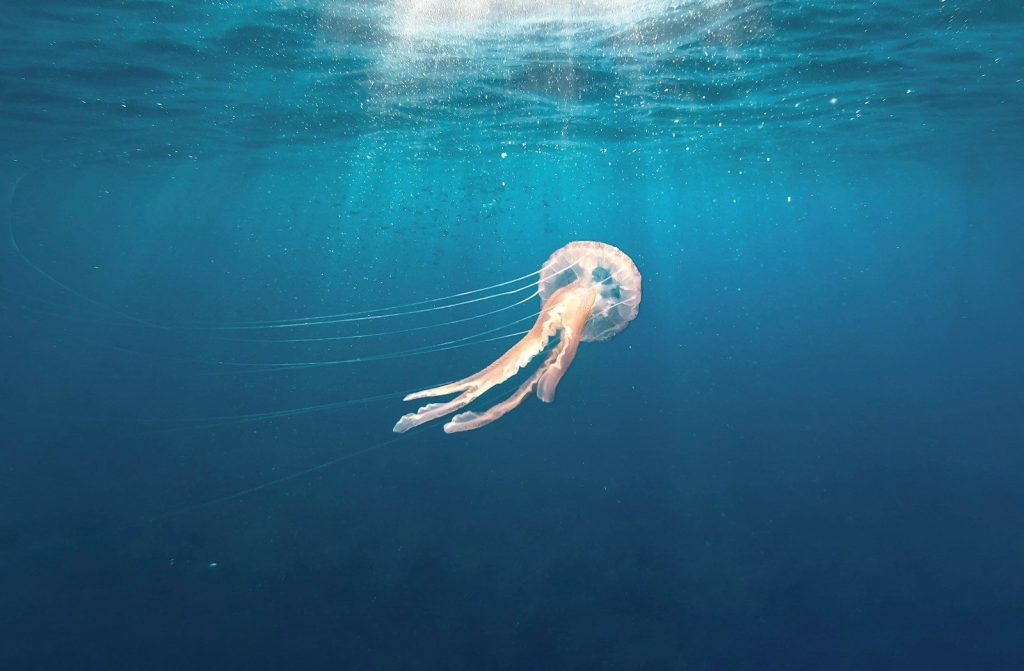
    The Immortal Jellyfish is no bigger than a fingernail. It spent millions of years hiding its secret in the Mediterranean Sea. When it faces a threat or reaches the end of its life, it sinks to the ocean floor and transforms back into a polyp. This is like a butterfly turning back into a caterpillar. It then grows back into an adult again, carrying the same DNA but with brand-new cells. It is a perfect loop of survival. But the secret isn’t just in the transformation; it’s in the repair.

    The Secret of Cellular Reset

    Detailed magnified image illustrating the cellular structure under a microscope.
    Photo by turek on Pexels

    The process is called transdifferentiation. It allows a specialized cell, like a muscle or nerve cell, to turn into a different type of cell entirely. In 2026, scientists found the proteins that manage this change. They act like a “factory reset” for biology. These proteins scrub away the damage caused by time and radiation. If we can harness these proteins, we could potentially heal organs that were thought to be permanently damaged. But wait until you see what happens when these genes are tested on human tissue.

    Turning Back the Biological Clock

    a close up of a single strand of food
    Photo by digitale.de on Unsplash

    Aging is essentially the accumulation of errors in our DNA. Every time our cells divide, they get a little bit worse at doing their job. The longevity code from the jellyfish provides a way to correct these errors in real-time. In recent lab tests, researchers were able to use “jellyfish-inspired” enzymes to repair the DNA of aged human skin cells. Within days, the cells looked and functioned like they belonged to a twenty-year-old. We are watching the first steps toward an “Anti-Aging Shot.” But can we actually stop the brain from getting old?

    Reversing Age in Human Cells

    brain, neurons, design, wallpaper, background, training, consulting, to learn, knowledge, development, success, person, concept, brain, brain, brain, brain, brain, neurons, consulting
    Photo by geralt on Pixabay

    The biggest challenge for longevity is the brain. Our neurons don’t easily regenerate like skin or blood. However, the jellyfish code contains instructions for “Neural Preservation.” Scientists believe that by using these genetic markers, we can protect the human brain from Alzheimer’s and dementia. It isn’t just about living forever; it is about staying sharp for the entire journey. We are looking at a future where our minds never fade. But who will have access to this “youth code”?

    The Genetic Blueprint for Youth

    man sight on white microscope
    Photo by Lucas Vasques on Unsplash

    The decoded genome is now being shared with medical labs across the globe. We are entering an era of “Personalized Longevity.” Doctors could eventually use your own stem cells and the jellyfish “switch” to grow replacement organs that never wear out. Your heart, liver, and lungs could be kept in a state of permanent health. It is a radical shift in how we think about the human body. But some people are asking if we are ready for a world where no one dies of old age.

    Why Aging is No Longer Inevitable

    an older woman holding a baby's hand
    Photo by Rod Long on Unsplash

    The discovery has triggered a massive ethical debate. If humans can live for 200 or 300 years, what happens to our planet? Overpopulation and resource management are the new frontiers of politics. We have to decide if the right to life includes the right to never get old. It is a conversation that will define the rest of the century. But for those suffering from chronic illness, the jellyfish code is a beacon of hope.

    A Future Without Age-Related Disease

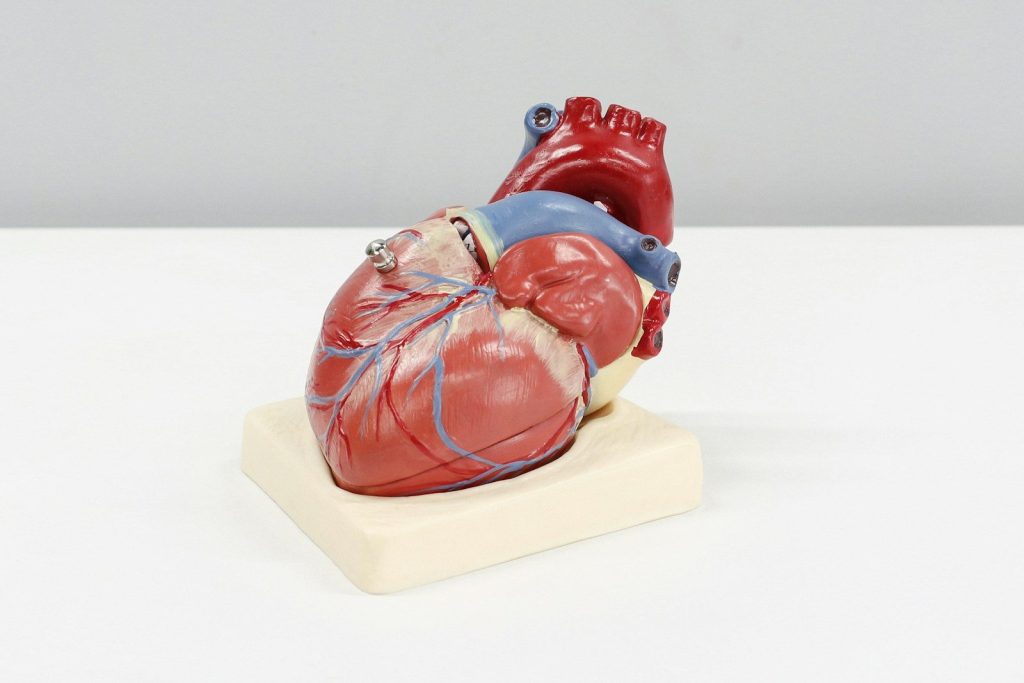
    a model of a human heart on a white surface
    Photo by Ali Hajiluyi on Unsplash

    Imagine a world where cancer, heart disease, and strokes are eliminated because the body’s repair system is always active. That is the ultimate promise of the longevity code. We are moving from “sick care” to “vitality maintenance.” The first human trials for “Reset Therapy” are scheduled to begin next year. We are standing at the finish line of a 10,000-year search for the Fountain of Youth. But is there another creature hiding an even bigger secret?

    The Search for the Next Immortal

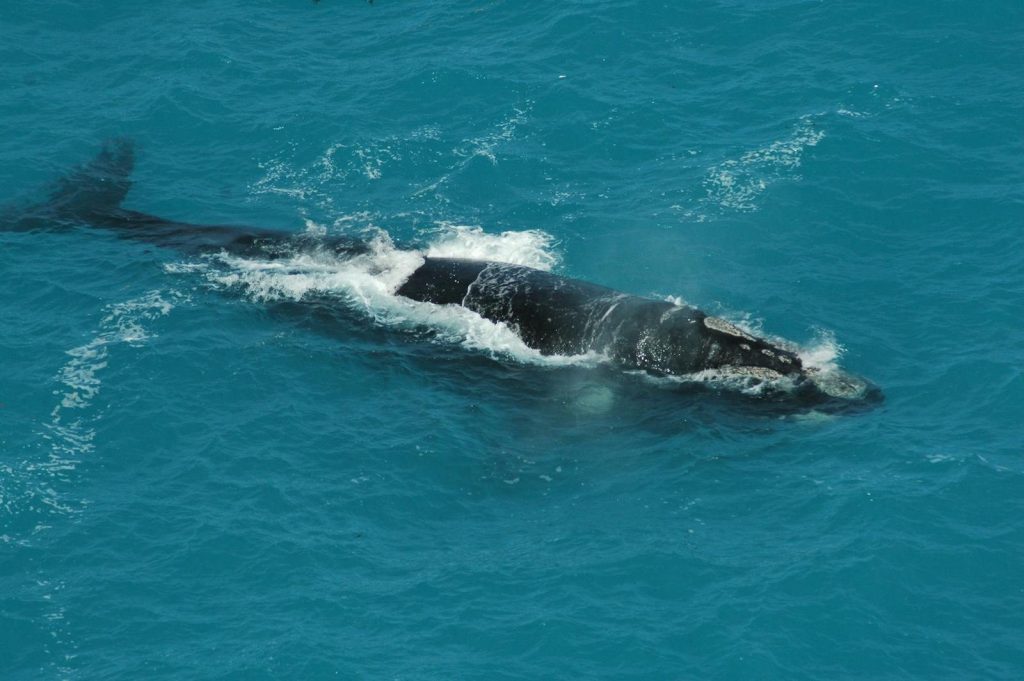
    Stunning aerial shot of a whale swimming in tropical blue waters near Australia.
    Photo by Neil Smith on Pexels

    The success with the jellyfish has inspired scientists to look at other long-lived animals. Bowhead whales, Greenland sharks, and giant tortoises are all being studied for their unique survival traits. We are building a “Library of Longevity” that combines the best parts of nature’s designs. The jellyfish was just the first chapter. But while we work on our internal health, the planet is facing a crisis of thirst.

    A World Where Time Stands Still

    a close up of a clock with roman numerals
    Photo by Alexey Savchenko on Unsplash

    The biological clock is no longer ticking the same way it used to. We have the code, we have the tools, and we have the will to change our destiny. The 2026 longevity breakthrough is a reminder that humans are the only species that can rewrite their own story. Keep your eyes on the headlines because the first “Ageless Generation” is about to be born. But can we save the water before it’s too late?

    Featured Image: Photo by Selvin Esteban on Pexels

  • Their Webs Are Now Used as Bio-Sensing Microphones

    Their Webs Are Now Used as Bio-Sensing Microphones

    For years, we thought spider webs were just sticky traps for flies. But in 2026, scientists discovered that these intricate structures are actually the world’s most sensitive natural microphones. Researchers have successfully used the silk of a common garden spider to pick up sub-vocalizations and distant sounds that even high-tech human devices miss. Because the silk is so thin and flexible, it vibrates in response to the tiniest air particles. These vibrations can be translated into digital audio with incredible clarity.

    This isn’t just a cool lab experiment. This discovery is hitting the news as a massive breakthrough for bio-sensing technology. We are looking at a future where our sensors are woven into our clothing or even our environment using natural materials. The physics behind how these webs capture sound is making engineers rethink everything they knew about acoustics. It turns out the spider has been listening to us all along, and we are just now learning how to hear back. But how does a piece of protein actually talk to a computer?

    The Secret Strength of Silk

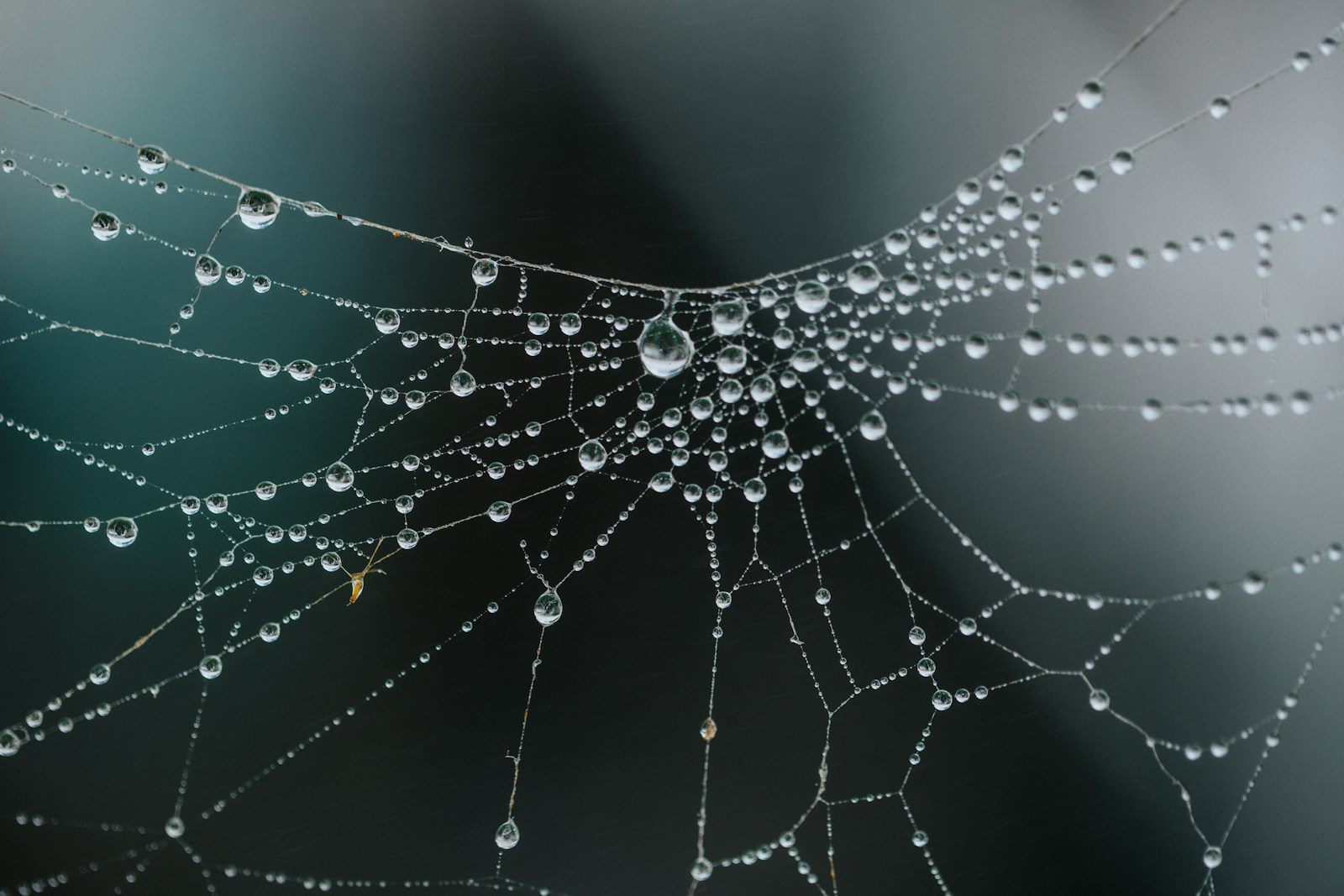
    spider web in close up photography
    Photo by Joe Dudeck on Unsplash

    Spider silk is five times stronger than steel and more flexible than nylon. This combination makes it the perfect material for a vibrating sensor. In 2026, engineers have learned how to coat this silk with a microscopic layer of gold to make it conductive. When sound waves hit the web, it moves, creating an electrical signal that a computer can read. It is a masterpiece of biological engineering that humans are finally beginning to copy. But wait until you see how this “ear” can detect movement from miles away.

    Nature’s Most Sensitive Antenna

    a blurry image of a square shaped object
    Photo by and machines on Unsplash

    Unlike metal microphones that can be heavy and blunt, a spider web microphone is almost weightless. It can detect frequencies that are too low for humans to hear. This makes it an incredible tool for tracking weather patterns or even underground tremors. Scientists are calling it a “Hyper-Antenna” that could help us predict earthquakes before they happen. It captures the rhythm of the planet in real-time. But this technology is also about to change how we help people with hearing loss.

    The Future of Hearing Aids

    a person holding a fake banana in their hand
    Photo by Mark Paton on Unsplash

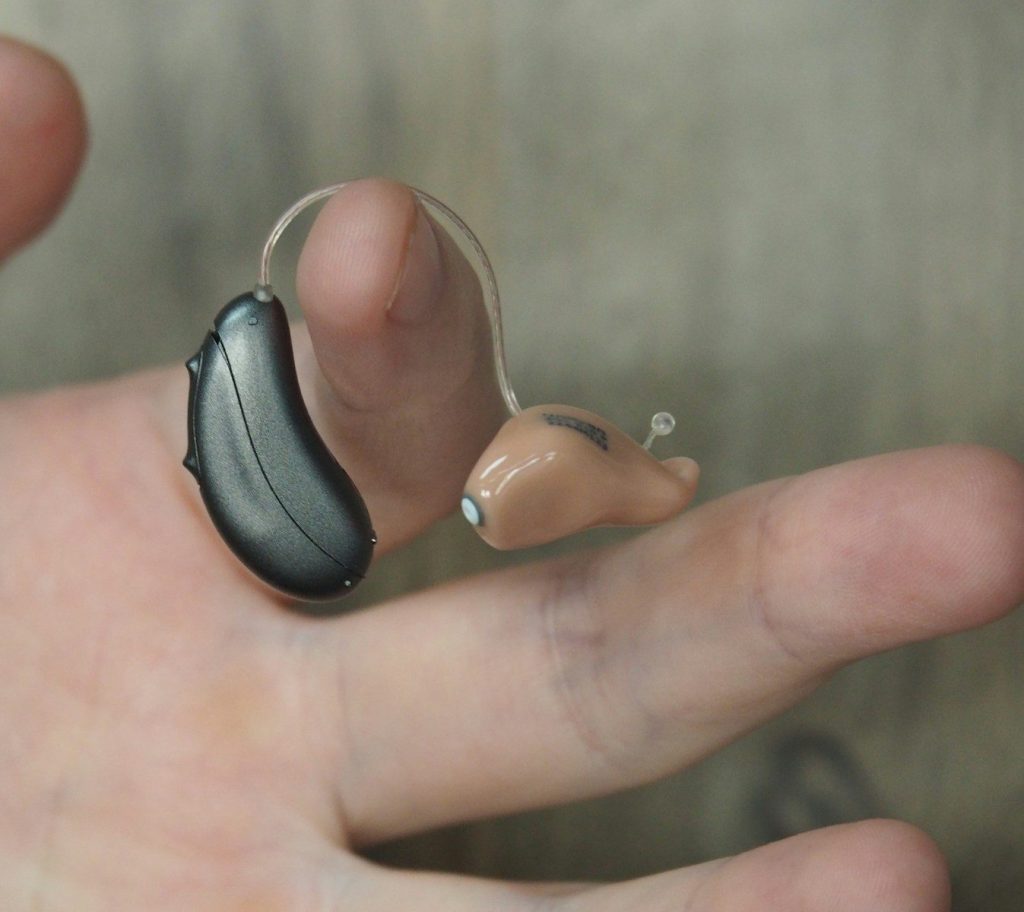
    Traditional hearing aids often struggle with background noise. Because the spider web sensor is so precise, it can “lock on” to a single voice in a crowded room. Doctors are currently testing the first prototypes of “Bio-Hears.” These devices use synthetic spider silk to provide a natural, high-definition hearing experience. It is a game-changer for millions of people who feel isolated by their hearing loss. But the web isn’t just for listening to people; it is also a silent guard.

    Invisible Security in Your Home

    An artistic display of illuminated geometric shapes in a dark room setting.
    Photo by Rola Al Homsi on Pexels

    Imagine a security system that has no cameras and no visible wires. By weaving bio-sensing silk into the wallpaper or curtains, your home can “feel” the vibrations of anyone walking through the room. It can distinguish between a family member and an intruder based on the rhythm of their footsteps. This 2026 tech provides total privacy because it doesn’t “see” you—it only “hears” your presence. It is the ultimate invisible bodyguard. But how does this help the animals outside?

    A Revolution for Environmental Monitoring

    an aerial view of a river in the middle of a forest
    Photo by Geio Tischler on Unsplash

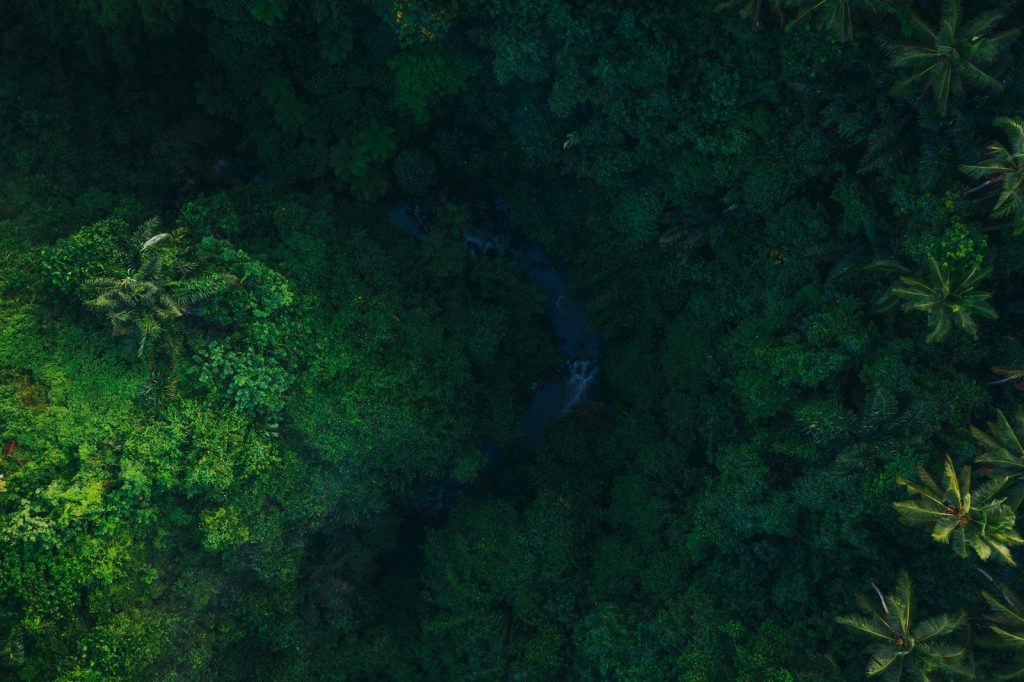
    Conservationists are now deploying “Smart Webs” in the rainforest to monitor endangered species. These sensors can hear the heartbeat of a bird or the movement of an insect from hundreds of yards away. This allows researchers to track animal populations without ever disturbing them. It is giving us a front-row seat to the secrets of the wild. We are building a digital map of the earth’s health. But there is a dark side to being able to hear everything.

    The Privacy Debate of 2026

    Stone steps and pathways in a wooded park
    Photo by Kristians Greckis on Unsplash

    If everything is a microphone, is anywhere truly private? This new technology has sparked a massive debate about surveillance. Some fear that governments could use these sensors to listen to conversations in public parks or even through open windows. We have to decide how much we trust our technology as it becomes part of the air we breathe. It is a high-stakes conversation that is just beginning. But the spider web isn’t the only nature secret being unlocked.

    The Spider Web Sensor is Here

    Modern male model posing in futuristic attire under blue lighting in a studio setting.
    Photo by Michelangelo Buonarroti on Pexels

    We are standing at the beginning of a new era of communication. The spider web microphone is proof that the best technology is often found in our own backyards. As we move into 2027, expect to see these bio-sensors appearing in everything from your phone to your car. The world is getting louder, and we are finally learning how to listen. But while we master sound, another creature has discovered the secret to living forever. Are you ready to meet the animal that never dies?

    Featured Image: Photo by Nathan Dumlao on Unsplash

  • Why Doctors Are Blasting Deadly Viruses With Sound Waves Now

    Why Doctors Are Blasting Deadly Viruses With Sound Waves Now

    Space is usually seen as a chaotic mess of gas and dust. But astronomers have just stumbled upon something that changes everything we thought we knew about the universe. A team of international scientists has identified a specific, complex chemical pattern that is repeating across different galaxies. This signature is not just a random coincidence. It is showing up in places so far apart that they should have no connection at all. It is like finding the exact same fingerprint on two people who live on opposite sides of the planet.
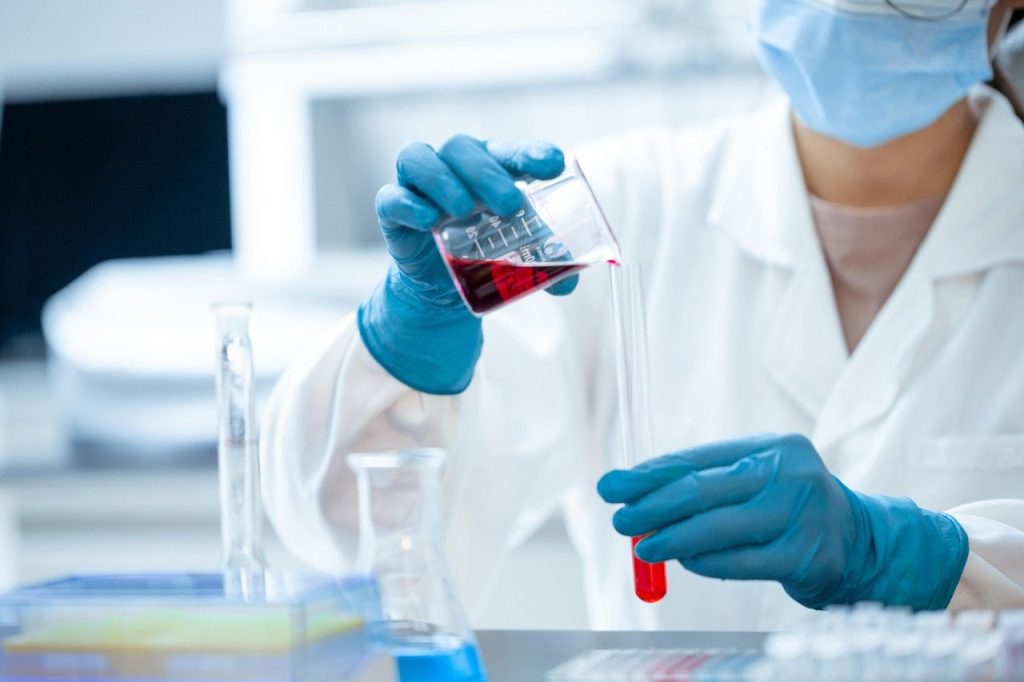
    This discovery was made using a new type of deep-space telescope that can see through thick clouds of cosmic smoke. What they found was a specific ratio of carbon and hydrogen molecules that matches the conditions on early Earth. This suggests that the building blocks for life are not just a lucky accident. They might be a standard part of how the universe is built. But if this pattern is everywhere, why did it take us so long to find it?

    The Signal That No One Can Explain

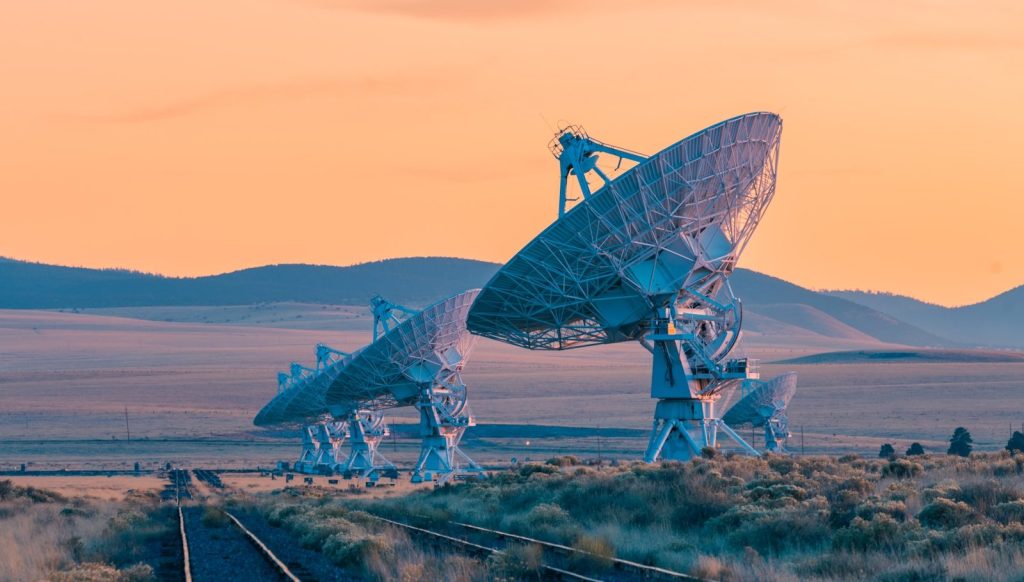
    a group of satellite dishes
    Photo by Yifu Wu on Unsplash

    The mystery started when a radio telescope picked up a faint but steady chemical signature from a distant nebula. Scientists initially thought it was a glitch in their equipment. However, when they pointed the telescope at a completely different part of the sky, the exact same chemical sequence appeared. This “cosmic code” seems to be etched into the fabric of the stars themselves.

    It is as if the universe is using a specific recipe for every galaxy it creates. This challenges the idea that every star system develops on its own. Researchers are now wondering if there is a hidden law of physics that forces these chemicals to form in this exact way. But the real shock came when they compared this data to our own solar system.

    Why This Pattern Defies The Laws Of Physics

    Abstract glowing purple energy lines on dark background
    Photo by Marek Pavlík on Unsplash

    In traditional chemistry, things are supposed to be random over such vast distances. Heat, gravity, and radiation should tear these delicate chemical bonds apart. Yet, this pattern remains perfectly intact across billions of light-years. It is essentially a “chemical ghost” that refuses to disappear.

    Some physicists argue that this proves the universe is much more organized than we ever dared to imagine. It suggests that there is an invisible “grid” or structure that guides how matter forms in the void. This discovery has left experts questioning if our current models of the Big Bang are missing a major piece of the puzzle. But could this be more than just a chemical reaction?

    Is This A Universal Map For Life?

    space, exoplanet, interstellar, exoplanet, exoplanet, exoplanet, exoplanet, interstellar, interstellar, interstellar, interstellar, interstellar
    Photo by Melmak on Pixabay

    The most exciting theory is that this pattern is a roadmap for biology. If the same chemicals are forming in the same way everywhere, it means the chances of alien life just skyrocketed. We are no longer looking for a needle in a haystack. We are looking for a pattern that we already know how to recognize.

    If these “pre-life” chemicals are standard throughout the cosmos, then planets like Earth might be common. This pattern could be the reason why life started here so quickly after the planet formed. Scientists are now racing to see if this signature is present in the atmosphere of nearby exoplanets. But there is a darker possibility that some researchers are beginning to whisper about.

    The Mathematical Impossibility Of The Cosmic Code

    metaverse, vr, virtual reality, virtual, technology, woman, headset, reality, illusion, simulation, reaching, 3d, future, digital, metaverse, metaverse, metaverse, metaverse, metaverse
    Photo by Riki32 on Pixabay

    When you run the numbers, the odds of this pattern appearing by chance are trillions to one. It is so precise that it looks like it was designed. This has led some scientists to explore the “Simulation Theory.” They wonder if this repeating code is a sign that our universe is actually a programmed reality.

    If we are living in a simulation, a repeating pattern would be like seeing the same line of code used in different parts of a video game. While this sounds like science fiction, the mathematical evidence is hard to ignore. Every time we look deeper, the pattern becomes even more perfect. But what if the pattern isn’t a code, but a memory?

    A Connection To The Very Beginning Of Time

    a very large star in the middle of the night
    Photo by Javier Miranda on Unsplash

    Some researchers believe this pattern dates back to the first second after the Big Bang. They think it might be a “fossilized” vibration from the birth of the universe. If this is true, the pattern could tell us exactly how the cosmos was created. It is like finding a piece of the original eggshell from which the universe hatched.

    By studying this chemical signature, we are essentially looking back in time. It provides a direct link to a moment when the entire universe was smaller than an atom. However, understanding this ancient signal requires a level of technology we are only just beginning to build. Does this mean our history is written in the stars?

    The Global Race To Decode The Stars

    rocket launch, rocket, take off, space shuttle, rocketship, space shuttle launch, nasa launch, space travel, john f kennedy space center, cape canaveral, florida, usa, rocket launch, rocket, rocket, rocket, rocket, rocket
    Photo by WikiImages on Pixabay

    Now that the pattern has been confirmed, every major space agency is changing its mission goals. NASA and the European Space Agency are planning new probes to search for this specific chemical ratio. They want to know if it changes as we get closer to the center of our galaxy.

    This is no longer just a hobby for astronomers; it is a matter of understanding our place in the world. The first country to fully decode this pattern will have the ultimate key to the universe. But as we look further away, we are finding that the pattern is starting to move.

    What Happens When The Pattern Changes?

    time, clock, fantasy, journey, dream, surreal, clock, journey, journey, journey, journey, journey
    Photo by TheDigitalArtist on Pixabay

    In the most distant galaxies ever recorded, the pattern looks slightly different. This suggests that the “laws” of the universe might be evolving over time. It is a terrifying thought for physicists who rely on constant rules. If the rules of the universe can change, then anything is possible.

    We are standing at the edge of a new era of discovery. Everything we thought was solid is now in question. The secret chemical pattern is just the first clue in a much larger mystery. Are we ready to find out what lies at the end of this cosmic trail?

    Featured Image: Photo by Nataliya Smirnova on Unsplash

  • The terrifying reason scientists are reviving 50,000-year-old “Zombie Viruses.”

    The terrifying reason scientists are reviving 50,000-year-old “Zombie Viruses.”

    Deep beneath the frozen ground of Siberia, a prehistoric threat is awakening. Scientists have successfully revived several “Zombie Viruses” that have been trapped in the permafrost for over 50,000 years. These microbes were active when mammoths still roamed the Earth. As the planet warms, the ice is melting and these ancient germs are becoming a reality again.

    You might wonder why anyone would want to bring a 50,000-year-old virus back to life. It sounds like the start of a horror movie. But researchers argue that we have no choice. The ice is melting anyway, and these viruses are coming out whether we like it or not. We need to know what they are before they find us. But can a virus that old actually infect a human today?

    The hunt for the giant amoeba killers

    grayscale photography of doctor using microscope
    Photo by National Cancer Institute on Unsplash

    So far, the revived viruses only infect amoebas. These are single-celled organisms that live in the soil. To us, these viruses are “giant” because they are much larger than the typical flu virus. But just because they only eat amoebas now doesn’t mean they are harmless. They prove that a virus can stay “alive” and infectious for tens of thousands of years in the deep freeze. This discovery has changed our understanding of how long a plague can wait. But what happens if a human-infecting virus is in that same ice?

    The permafrost is a biological time capsule.

    man in white scrub suit standing near glass window
    Photo by CDC on Unsplash

    The permafrost is the perfect environment for preserving DNA. It is cold, dark, and lacks oxygen. This means that anything trapped inside stays perfectly intact. Scientists have found prehistoric hair, skin, and even blood in the Siberian mud. They are now realizing that the ground is packed with “ghosts” of past pandemics. We are digging into a history that was supposed to stay buried. But the melting ice is not just releasing germs; it’s releasing a dangerous gas too.

    The methane bomb and the virus connection

    a blue and white pill bottle sitting on top of a table
    Photo by Praneet S on Unsplash

    As the permafrost melts, it releases massive amounts of methane. This gas makes the planet even hotter, which melts more ice. This is the “feedback loop” that is accelerating the release of zombie viruses. The more the Earth warms, the faster the ancient pathogens arrive. We are in a race against a clock that is ticking faster every year. Scientists are now trying to create a “virus map” of the Arctic to see where the biggest risks are. But can we actually build a vaccine for a 50,000-year-old disease?

    The search for prehistoric immunity

    a clear bubble floating in the air on a cloudy day
    Photo by Dynamic Wang on Unsplash

    One reason to revive these viruses is to see if our modern immune systems can handle them. We have evolved a lot since the Ice Age. Our bodies might have forgotten how to fight these specific germs. By studying them in a high-security lab, we can build the tools to stop them before they spread. It is like having a “pre-emptive” vaccine for a war that hasn’t started yet. But the risk of an accidental lab leak is terrifying. But is the ice the only place these viruses are hiding?
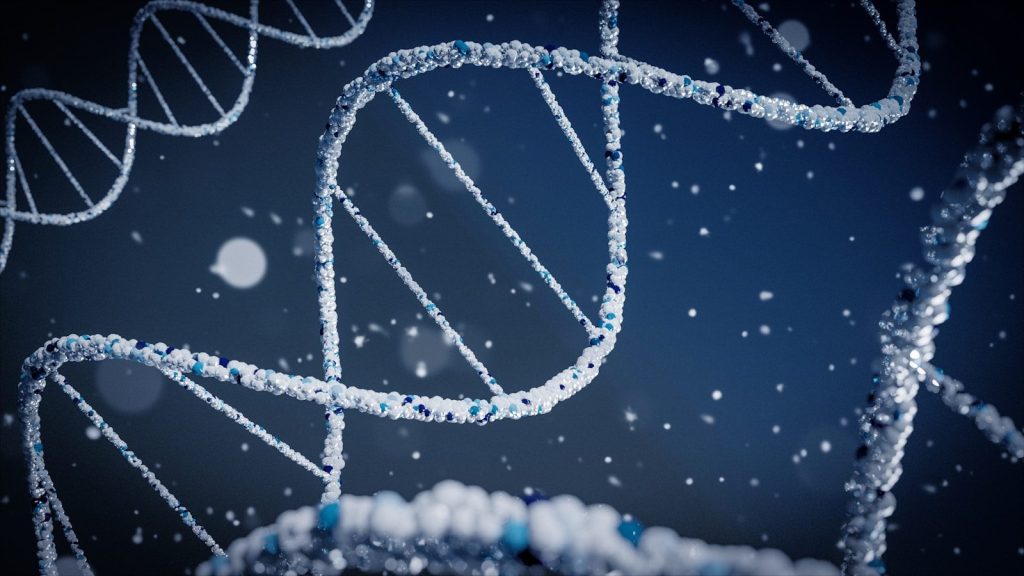
    Ancient pathogens in the global trade routes

    sea, ship, ice, steamship, steamer, ocean, nature, water, winter, ice cap, scenic, scenery, cold, arctic sea, arctic ocean, antarctica
    Photo by 12019 on Pixabay

    As the Arctic ice disappears, new shipping routes are opening up. Ships are now traveling through areas that have been frozen for millions of years. They are churning up the mud and the water, potentially picking up ancient hitchhikers. A single ship could carry a prehistoric virus from the Siberian coast to a major city in days. This is why the revival research is so urgent. We need to know what is in the water. But some people think we are just looking for trouble.
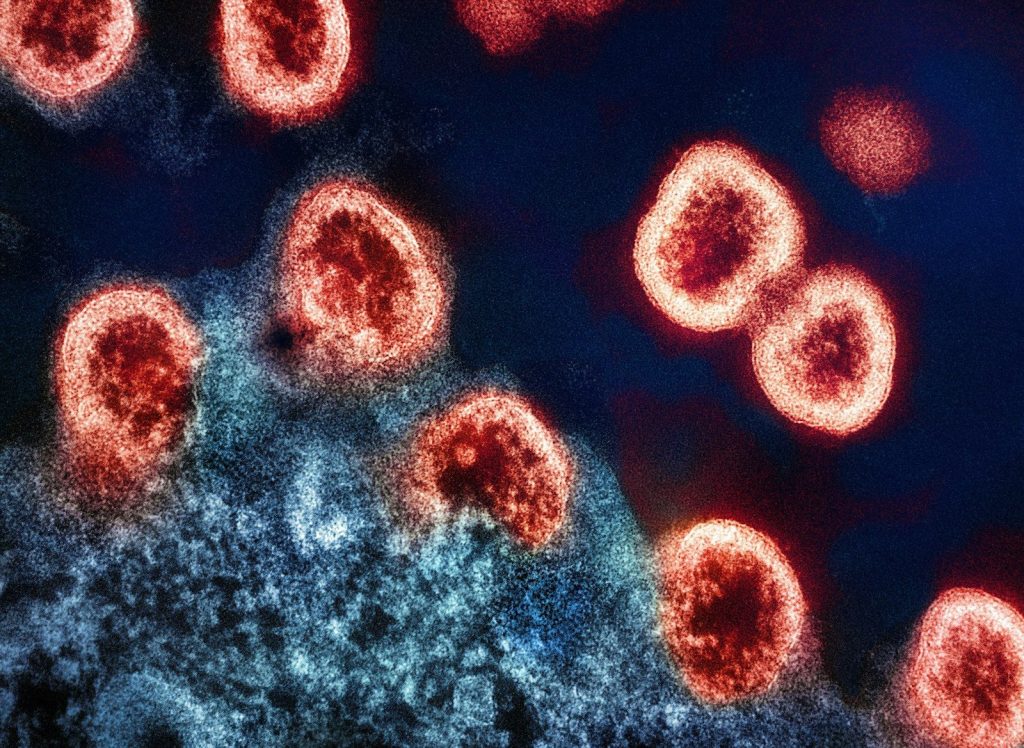

    The ethics of reviving the dead

    hospital, laboratory, experiment, research, lab, science, doctor, medicine, health, chemistry, scientist, test, technology, tube, chemical, technician, healthcare, vaccine, ai generated, laboratory, laboratory, laboratory, laboratory, laboratory
    Photo by BulentYILDIZ on Pixabay

    There is a huge debate in the scientific community about whether we should be doing this at all. Some argue that by bringing these viruses back, we are creating a danger that didn’t exist. They believe we should leave the ice alone. But the ice is not leaving us alone. The melting is happening regardless of our research. The “Zombie Viruses” are a symptom of a planet that is changing too fast. But wait until you see the experiment that says the whole world is just a computer game.

    Preparing for the next prehistoric wave

    man in black jacket and black pants holding black smartphone on snow covered ground during daytime
    Photo by Brady Rogers on Unsplash

    The revival of these ancient viruses is a wake up call for humanity. It shows that the past is never truly gone. We live in a world of hidden connections and long-lost dangers. Researchers working in Siberia are the first line of defense in a war against time. We have to be ready for whatever the ice decides to give back. Are you ready to find out if you are a character in a massive simulation?

    Featured Image: Photo by Mathieu Stern on Unsplash

  • Why You Should Stop Fearing CAR-T Side Effects (The CRISPR Solution)

    Why You Should Stop Fearing CAR-T Side Effects (The CRISPR Solution)

    For years, a revolutionary cancer treatment called CAR-T therapy has been making headlines. It works by taking a patient’s own immune cells and “teaching” them to hunt down cancer like a heat-seeking missile. It has saved lives, but it has a scary reputation. Some patients suffer from intense side effects like high fevers or brain fog as their immune system goes into overdrive. But in 2026, a new breakthrough using CRISPR gene-editing technology has fixed this problem.

    Scientists are now using CRISPR to “fine-tune” these warrior cells before they are put back into the body. This isn’t just about killing cancer; it’s about doing it safely. We are entering an era where the treatment is as gentle as it is powerful. The fear of the “immune storm” is quickly becoming a thing of the past. But how do you tell a microscopic cell to calm down when the fight is over?

    The Genetic “Off Switch” for Medicine

    covid-19, health, coronavirus, corona, virus, quarantine, covid, mask, pandemic, nurse, disease, hygiene, medical, epidemic, infection, protection, shopping, doctor, sars-cov-2, transmission, outbreak, healthcare, flu, cleaning, bacteria, blue doctors, blue shop, blue healthcare, blue clean, health, virus, covid, nurse, medical, medical, doctor, doctor, doctor, doctor, doctor, healthcare
    Photo by Excellentcc on Pixabay

    The biggest danger of old CAR-T therapy was that the cells wouldn’t stop fighting. They would keep attacking even after the cancer was gone, causing damage to healthy tissue. With CRISPR, researchers have added a “safety switch” to the cells’ DNA.

    If the patient’s body starts to react too strongly, doctors can give a simple pill that tells the CAR-T cells to take a break. It is a level of control that was impossible just a few years ago. We are no longer just letting a medicine loose; we are driving it. But can this technology handle the most difficult cancers?

    Targeting Cancers with Perfect Precision

    water droplets on glass during daytime
    Photo by Braňo on Unsplash

    CRISPR allows scientists to remove the “blind spots” that cancer cells use to hide. Many tumors produce a protein that tricks the immune system into thinking they are healthy tissue.

    By editing the CAR-T cells, we can give them “super-vision” that sees right through the tumor’s disguise. This means the cells only attack the cancer and leave everything else alone. It reduces the “friendly fire” that caused so many side effects in the past. But is this high-tech treatment affordable for the average patient?

    Reducing the Time and the Cost

    a group of red and black cells on a blue background
    Photo by National Institute of Allergy and Infectious Diseases on Unsplash

    One of the biggest side effects for families was the cost and the wait. It used to take weeks to grow enough CAR-T cells for a single patient. CRISPR has sped up this process by making the cells more efficient at multiplying in the lab.

    We are moving toward “off-the-shelf” CAR-T therapy that can be given to a patient the same day they are diagnosed. This reduces the stress on the patient and the burden on the hospital. It is a total reset for cancer care. But what happens to the patient’s immune system in the long run?

    A Stronger Body After Treatment

    child sitting on bed
    Photo by National Cancer Institute on Unsplash

    In the past, patients were often left weak after their battle with cancer. The CRISPR-enhanced cells actually help protect the rest of the immune system during the fight. Because the treatment is so targeted, the patient doesn’t need heavy chemotherapy or radiation.

    They can stay strong and recover faster. We are seeing patients return to their normal lives in weeks instead of months. It is a miracle of modern engineering that happens at the molecular level. But can this technology be used for other diseases?

    The End of Autoimmune Struggles

    a group of blue and green cells on a black surface
    Photo by National Institute of Allergy and Infectious Diseases on Unsplash

    The lessons we are learning from CRISPR and CAR-T are already being used to treat diseases like Lupus and Multiple Sclerosis. Instead of telling the cells to attack, scientists are teaching them to “ignore” the healthy parts of the body.

    It is the same technology used in a completely different way. We are effectively “debugging” the human immune system. The future of medicine is no longer about drugs; it is about data and editing. But are there any risks to changing our DNA like this?

    The Ethics of the “New” Human

    laboratory, medical, medicine, hand, research, lab, test, doctor, equipment, scientist, woman, chemistry, science, hospital, experiment, person, technician, technology, healthcare, working, health, tube, work, research lab, blood samples, laboratory, lab, lab, scientist, scientist, scientist, scientist, scientist
    Photo by Belova59 on Pixabay

    Doctors and philosophers are working together to make sure this technology is used safely. Every CRISPR edit is tracked and monitored by international health agencies. We are making sure that these “super cells” only do what they are supposed to do.

    The focus is entirely on healing, not on changing who we are. It is a responsible approach to a powerful tool. The results so far have been nothing short of life-changing. But while we fix our bodies, what is happening to the way we build the world around us?

    A Hopeful Future for Everyone

    man in white button up shirt holding white tablet computer
    Photo by National Cancer Institute on Unsplash

    The CRISPR-CAR-T breakthrough is proof that we can solve the world’s biggest health problems if we work together. We have turned a terrifying treatment into a safe and accessible cure. The word “incurable” is disappearing from the medical dictionary.

    It is an exciting time to be alive. We are taking the fear out of cancer and replacing it with hope. But while we master biology, our machines are learning to think for themselves. Are you ready to see how AI is writing its own code?

    Featured Image: Photo by National Cancer Institute on Unsplash

  • Why Scientists Just Put “Mole Rat DNA” Into Mice (and it worked)

    Why Scientists Just Put “Mole Rat DNA” Into Mice (and it worked)

    Naked mole rats are some of the strangest creatures on Earth. They are ugly, hairless, and live underground. But they have a secret that humans have wanted for centuries: they almost never get cancer, and they live ten times longer than other rodents. Now, scientists have successfully transferred a “longevity gene” from a mole rat into a standard lab mouse.

    The results have stunned the world of biology. The mice with the mole rat DNA lived much longer, had fewer tumors, and stayed healthy well into their old age. This is the first time we have successfully improved the lifespan of one species using the genes of another. It is a “copy-paste” for eternal youth. But what exactly is this magic gene doing inside the mouse?

    The Power of Hyaluronic Acid

    cells, red, medical, medicine, anatomy, health, human, biology, blood cells, artery, healthcare, microscopic, vein, care, flow, macro, plasma, circulatory, microbiology, risk, pathology, danger, science, bacteriology, hazard, microorganism, pathological, research, analysis, biotechnology, examination, organism, scientific, immune system, 3d, red health, red medical, red science, red research, red medicine, red human, red blood, red care, red healthcare
    Photo by qimono on Pixabay

    The gene that scientists moved is called HAS2. In mole rats, this gene produces a very “heavy” version of a substance called hyaluronic acid. This stuff acts like a protective cushion around every cell in the body. It stops cells from clumping together, which is how cancer starts.

    When the mice started producing this “super acid,” their bodies became much more resistant to aging. Their skin stayed thick, their hearts stayed strong, and their brains remained sharp. It was like they were wearing an internal suit of armor against time. This substance is the secret to why mole rats don’t feel “old” even when they are 30 years old. But can this acid protect against more than just cancer?

    Ending the Fire of Inflammation

    anatomy, skull, skeleton, muscles, organs, human organs, science, health, human, bones, nerves, human body, body, man, medical, 3d, model, adult, 3d render, anatomy, human body, human body, human body, human body, human body
    Photo by Monoar_CGI_Artist on Pixabay

    As we get older, our bodies suffer from “inflammaging.” This is a constant, low-level inflammation that leads to heart disease and Alzheimer’s. The mole rat DNA proved to be a powerful anti-inflammatory. The mice with the new gene showed much lower levels of stress in their tissues.

    They didn’t suffer from the typical aches and pains of old age. This suggests that the mole rat gene is a “master controller” for a healthy body. It keeps the immune system calm and the cells clean. We are looking at a way to delete the worst parts of getting old. But is this technology coming to humans next?

    The Ethical Debate of the Century

    a close up of a blue and purple structure
    Photo by Sangharsh Lohakare on Unsplash

    If we can put mole rat DNA into mice, it is only a matter of time before someone suggests putting it into humans. This has sparked a massive debate among scientists and philosophers. Should we change our own genetic code to live longer? Some fear we are “playing God,” while others believe it is our duty to end suffering.

    The success with the mice has moved this debate from a fantasy to a reality. We have to decide what it means to be human in a world where we can “edit” our lifespan. It is a question that will define the next fifty years of our history. But what would a “human mole rat” even look like?

    No Hairless Skin Required

    consulting, information, conversation, silhouette, communication, brain, meeting, psychology, self, illusion, hidden, relationship, contour, man, people, interaction, shape, profile, debate, dialog, discussion, parley, negotiation, consulting, consulting, consulting, consulting, consulting, debate, debate, debate, debate, debate, negotiation, negotiation, negotiation
    Photo by geralt on Pixabay

    Don’t worry—scientists say that adding the longevity gene won’t make us hairless or wrinkled like a mole rat. The gene only affects the internal chemistry of the cells. You would still look like a human, you would just be a much more “durable” version.

    You could potentially live to be 150 years old while feeling like you are 40. This is the dream of “Radical Life Extension.” The mice didn’t change their appearance; they only changed their expiration date. It is a quiet revolution happening deep inside the genetic code. But how soon will we see the first human tests?

    The Future of the “Anti-Aging” Pill

    yellow medication pill on persons hand
    Photo by Alexander Grey on Unsplash

    We might not even need to change our DNA permanently. Scientists are looking at using “Gene Therapy” or even a simple pill that triggers the HAS2 gene in our bodies. This would allow us to “turn on” the mole rat protection whenever we need it.

    Imagine taking a supplement that builds an anti-cancer shield around your cells for a month. This would be much safer and easier than full genetic editing. The research in mice has provided the “map” for how to build these new medicines. We are closer than ever to the fountain of youth. But what happens to the world if no one ever dies?

    Overpopulation and the Long Life Crisis

    downtown, dubai, uae, tourism, city, people, buildings, muslims, arabs, square, street, evening, crowd, dubai, dubai, dubai, dubai, dubai, uae
    Photo by Olgaozik on Pixabay

    A world of people living to 150 sounds great, but it comes with massive challenges. How will we feed everyone? Where will they live? These are the “problems of success” that we will have to solve next. The mole rat mice have shown us that we can win the war against aging.

    Now, we have to figure out how to manage the victory. Our society, our retirement plans, and our cities are all built for an 80-year life. We have to rewrite the rules of the world to fit our new lifespan. It is a high-quality problem to have. But is there one more secret hidden in the rodent’s burrow?

    The Dawn of the Trans-Human Era

    woman, robot, technology, future, face, human, android, futuristic, robotics, head
    Photo by wal_172619 on Pixabay

    We are standing at the end of “natural” human history. From non-addictive pills to AI-written cures and mole rat DNA, we are taking control of our own evolution. We are becoming something more than just biological accidents.

    We are the architects of our own bodies and our own future. The mice were just the beginning. The lessons we learned from the naked mole rat will be written into the story of humanity forever. We are moving into the light of a long, healthy, and high-tech tomorrow. Are you ready for the next breakthrough?

    Featured Image:Photo by Harry Skillett on Unsplash

  • 10 strange things humans are still learning about the seafloor

    10 strange things humans are still learning about the seafloor

    The seafloor may be Earth’s biggest mystery hiding in plain sight. It covers huge parts of the planet, yet much of it remains unseen by human eyes. NOAA Ocean Exploration says less than 0.001% of the deep ocean seafloor has been directly observed, which means scientists are still working with a very small window into an enormous world.

    What they have found is anything but boring. The seafloor holds underwater mountains, canyons, hot vents, cold seeps, strange animals, hidden minerals, and ecosystems that do not need sunlight. New mapping tools, deep-diving robots, and DNA studies are helping researchers uncover details that were once out of reach. Each discovery reminds us that the ocean floor is not just a dark, flat bottom. It is a living, changing landscape full of surprises.

    Most of it remains unseen

    Explore the vibrant underwater world of tropical coral reefs in this clear ocean shot.
    Photo by Francesco Ungaro on Pexels

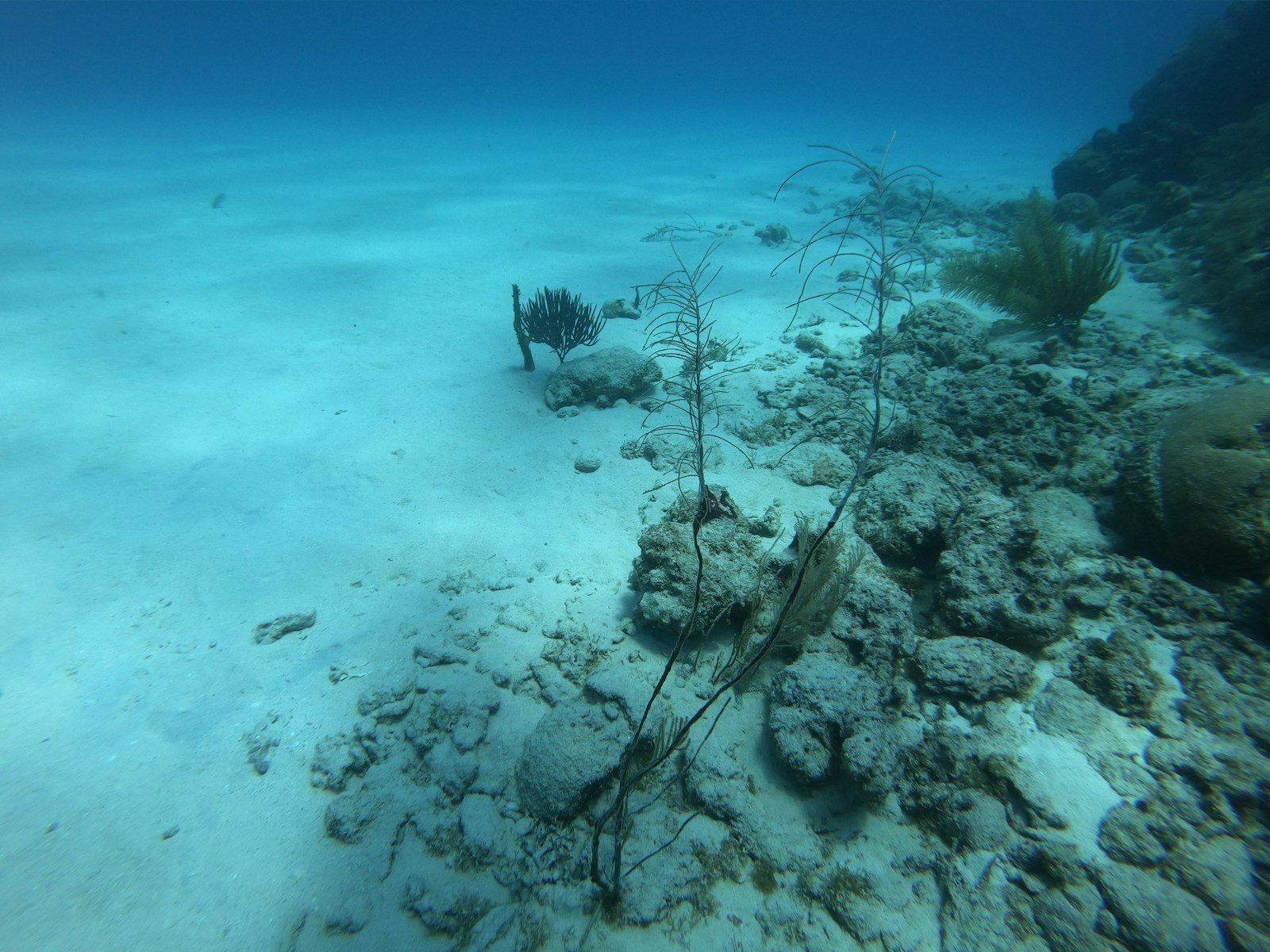
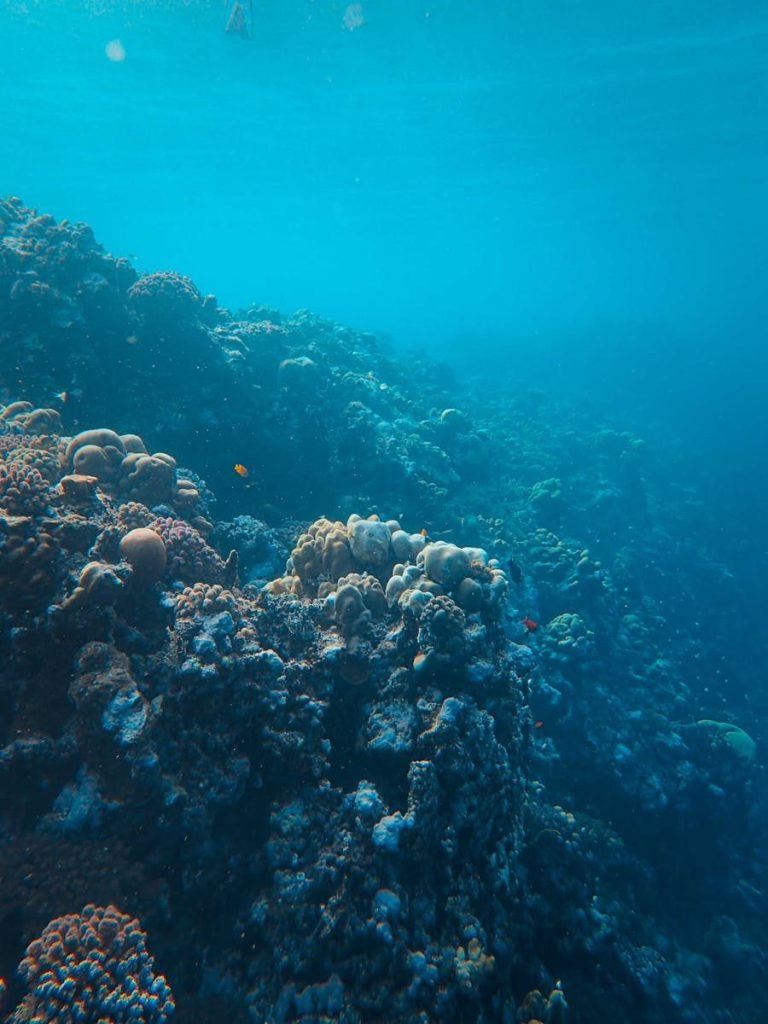
    The seafloor is often shown as a smooth blue space on maps, but that picture hides how little we have actually seen. Many deep areas are still unexplored, especially far from coastlines.

    NOAA says explorers have directly observed less than 0.001% of the deep ocean seafloor. That is why new dives can still reveal animals, landscapes, and features that scientists have never documented before.

    Underwater mountains are everywhere

    A person scubas in the water near a rock formation
    Photo by Artists Eyes on Unsplash

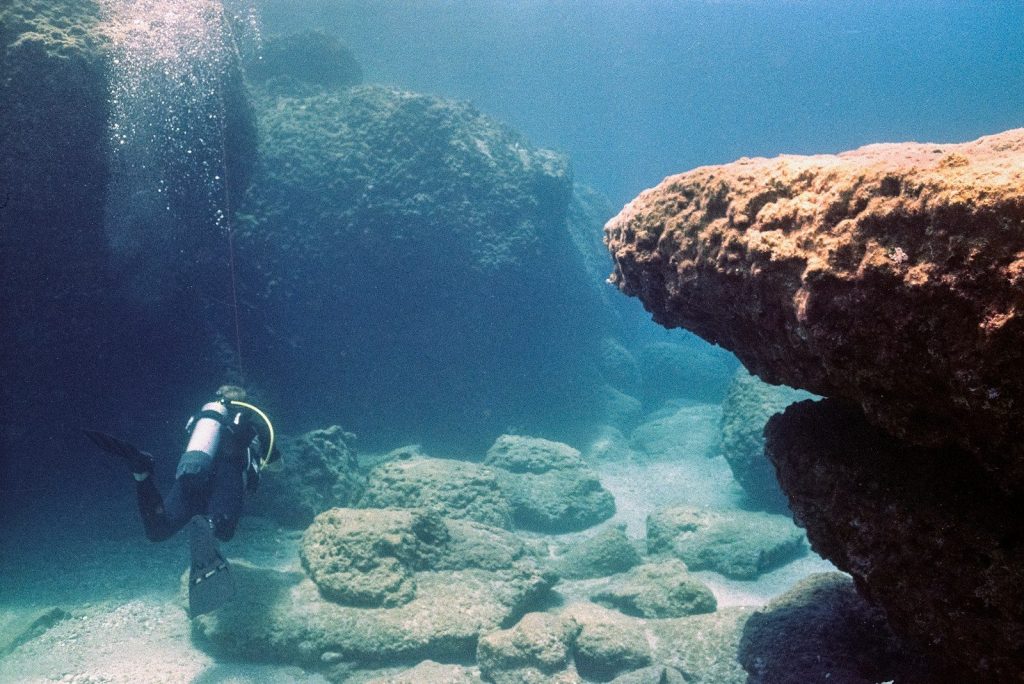
    Seamounts are underwater mountains that rise from the seafloor. Many are old volcanoes, and they can create rich habitats where currents bring food and animals gather.

    NOAA says data suggests there may be more than 100,000 seamounts at least 1,000 meters high. Yet less than one-tenth of one percent have been explored, leaving thousands of hidden peaks still waiting for study.

    Vents power life without sun

    a bird flying over a body of water
    Photo by Bernd 📷 Dittrich on Unsplash

    Hydrothermal vents form when hot, mineral-rich water rises from cracks in the seafloor. They can look harsh, but they support some of the strangest communities on Earth.

    Instead of relying on sunlight, many vent ecosystems depend on microbes that use chemicals for energy. NOAA explains that vents are hot springs created by underwater volcanoes or tectonic activity, with life adapted to deep darkness.

    Cold seeps are busy too

    expn0686” by NOAA Photo Library is licensed under CC BY 2.0

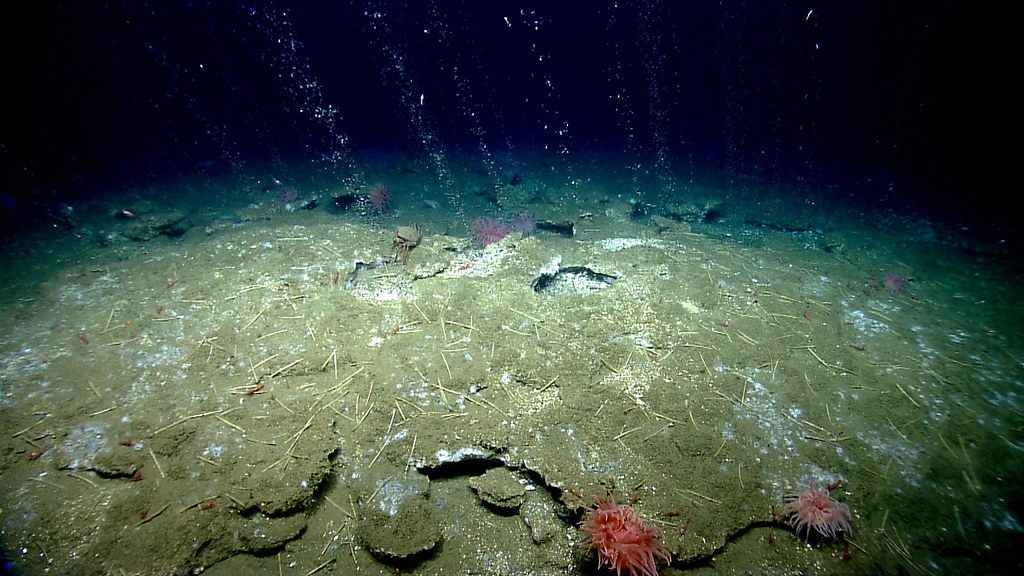
    Not every strange seafloor habitat is hot. Cold seeps release fluids such as methane-rich water from the seabed, creating chemical-rich places where unusual life can grow.

    These habitats can support clams, mussels, worms, and microbes that use chemical energy. They show that the seafloor has many ways to feed life, even where sunlight never reaches.

    Canyons cut deep paths

    Underwater cave with light shining through.
    Photo by Erick Morales Oyola on Unsplash

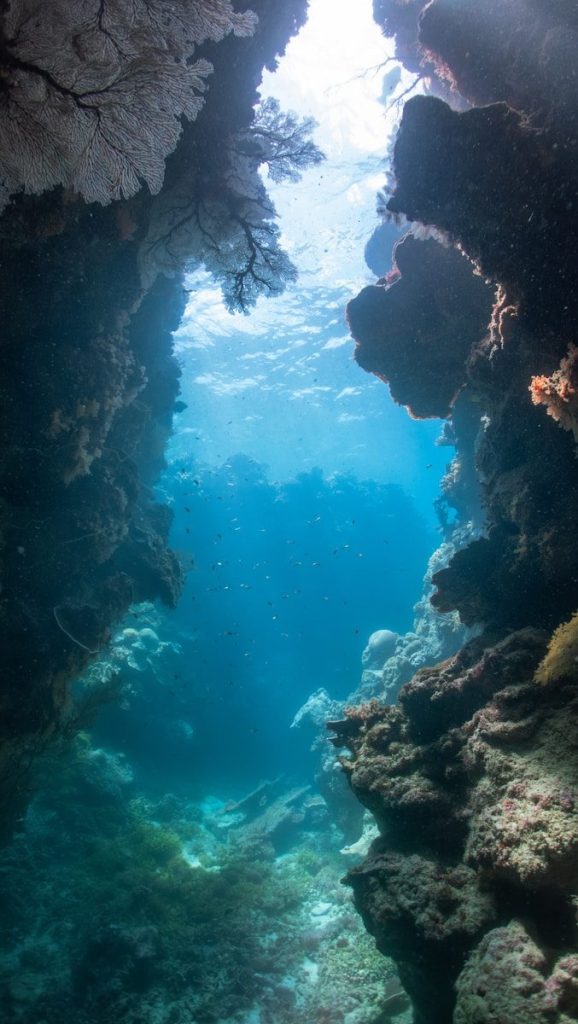
    Underwater canyons can slice through the seafloor like giant valleys. Some begin near continental shelves and stretch far into the deep ocean.

    These canyons can move sediment, nutrients, and organic material from shallow areas into deeper water. They may also create habitats for corals, sponges, fish, and other animals that depend on changing currents and food flow.

    Deep corals grow in darkness

    gray fish
    Photo by Jakub Dziubak on Unsplash

    Corals are often linked with warm, sunny reefs, but some corals live in cold, dark water far below the surface. These deep-sea corals do not need sunlight the way tropical reef corals do.

    NOAA lists deep-sea corals and sponges among the important habitats found in the deep ocean. They can provide shelter for many animals, even in places that look empty at first glance.

    New species keep appearing

    jellyfish, sea, nature, water, stinging, marine, species
    Photo by Tyna_Janoch on Pixabay

    The seafloor is still giving scientists new animals to study. Deep-sea expeditions often collect samples or footage that later reveal species no one had officially described before.

    Ocean Census reported in 2025 that more than 800 new marine species had been discovered through its work. That kind of progress shows how much life may still be undocumented beneath the waves.

    Robots are changing exploration

    a robot that is standing in the water
    Photo by Cash Macanaya on Unsplash

    Exploring the seafloor is difficult because deep water brings darkness, pressure, distance, and cold. Humans cannot simply walk around down there with a notebook.

    That is why remotely operated vehicles, autonomous vehicles, cameras, sonar, and sampling tools are so important. NOAA says ocean exploration helps characterize unknown areas, and its 2025 work included mapping 339,864 square kilometers of seafloor.

    The seafloor is always moving

    Tranquil underwater scene showcasing ocean sand and sunlight filtering through clear blue water.
    Photo by David Boca on Pexels

    The ocean floor may seem still, but it is part of a restless planet. Plates shift, volcanoes erupt, vents open and close, and sediments slide over time.

    These changes can reshape habitats and create new ones. A seafloor area that looks quiet today may have been shaped by earthquakes, lava, currents, or ancient landslides long before researchers arrived.

    It may guide space science

    space shuttle view outside the Earth
    Photo by NASA on Unsplash

    The seafloor helps scientists think about life beyond Earth. Places like vents and seeps show that life can survive without sunlight when water, chemistry, and energy come together.

    That matters for the search for life on ocean worlds, such as icy moons with hidden seas. Earth’s deep seafloor gives researchers a real place to study how life might exist in dark, extreme environments.

  • What tiny deep-sea animals can teach us about survival

    What tiny deep-sea animals can teach us about survival

    The deep ocean looks like one of the toughest places on Earth to make a living. It is dark, cold, under heavy pressure, and often short on food. Yet tiny animals still manage to survive there, from small crustaceans and worms to delicate drifting creatures that glow, hide, hunt, or wait for scraps falling from above.

    Their lives show that survival is not always about being big or fast. Sometimes it is about saving energy, using the right signal, blending in, moving slowly, or building life around small chances. NOAA notes that below 200 meters, sunlight fades away, and food becomes harder to find, shaping how deep-sea animals live.

    Small bodies can be powerful

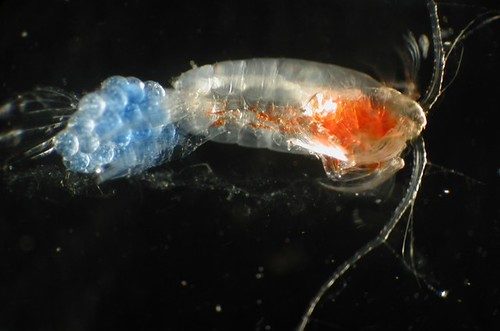
    Copepod with eggs” by kat m research is licensed under CC BY-SA 2.0

    Tiny deep-sea animals may seem fragile, but size can be an advantage. Small bodies need less food, which matters in places where meals may be rare and spread far apart.

    Instead of wasting energy, many deep-sea creatures live carefully. They move only when needed, grow slowly, and use every bit of food they can find. In a world with limited resources, being small can be a smart survival plan.

    Darkness changes every rule

    body of water during daytime
    Photo by Conor Sexton on Unsplash

    In the deep sea, sunlight does not guide daily life. NOAA explains that below 200 meters, animals cannot depend on normal vision the way many surface animals do.

    That forces tiny animals to survive in other ways. Some sense movement, chemicals, touch, or faint light made by other creatures. Their world reminds us that when one sense becomes less useful, life can find another path.

    Glowing can send messages

    body of water during night time
    Photo by Trevor McKinnon on Unsplash

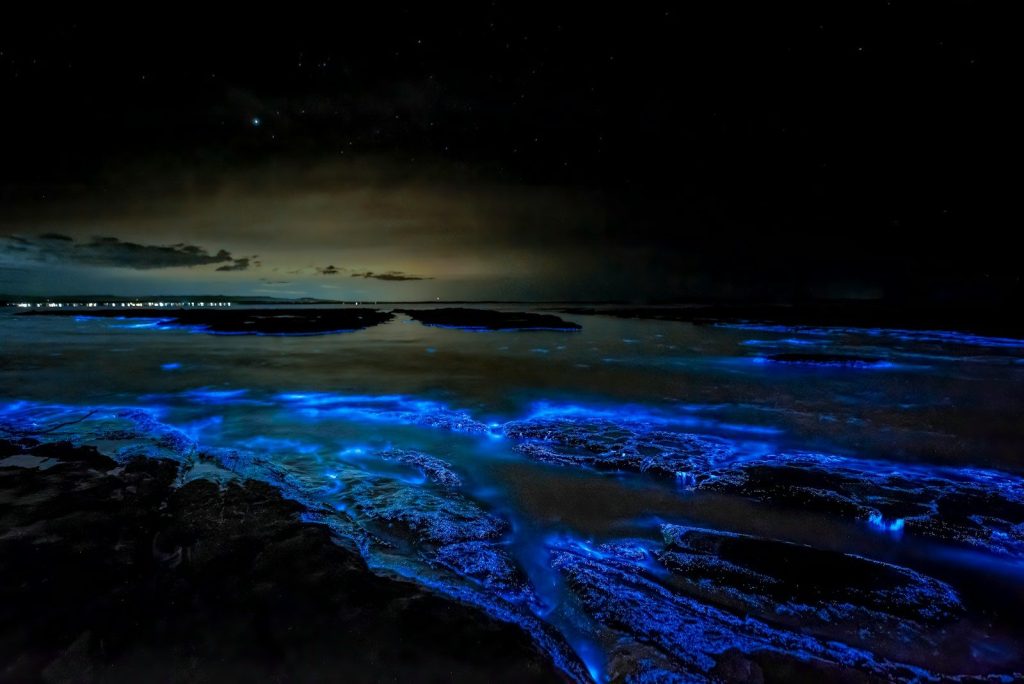
    Bioluminescence is one of the deep sea’s most famous tricks. MBARI says about three-quarters of life in the water column can produce light, making glow a common language in the deep ocean.

    Tiny animals may use light to confuse predators, attract prey, or find each other in the dark. In a place with almost no sunlight, making your own light can be a lifeline.

    Hiding can mean surviving

    brown turtle on water
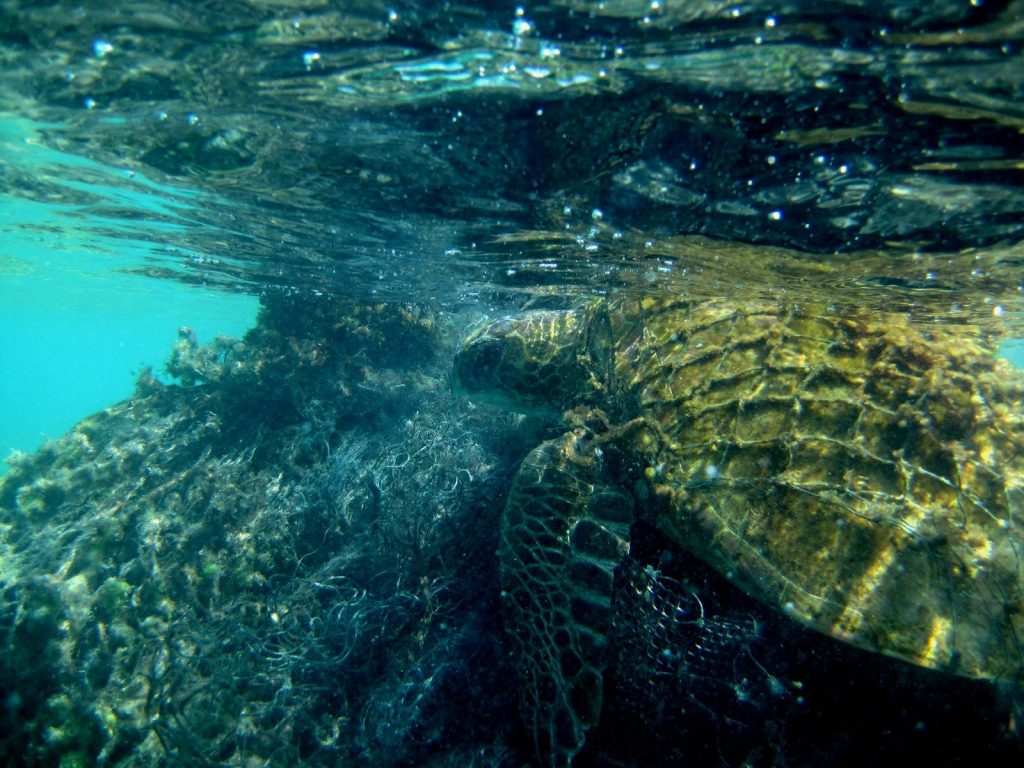
    Photo by NOAA on Unsplash

    Not every deep-sea animal wants to glow. Some tiny creatures survive by becoming hard to see. Monterey Bay Aquarium notes that many deep-sea animals are transparent, while others use red coloring as camouflage in dark water.

    These tricks help small animals avoid attention. When predators are nearby and escape space is limited, blending into the background can be just as important as speed.

    Food falls from above

    brown and white plant in close up photography
    Photo by David Clode on Unsplash

    Much deep-sea life depends on tiny bits of food drifting down from the upper ocean. Smithsonian Ocean explains that food is often scarce in the abyss, where only small amounts reach the seafloor.

    Tiny animals must be ready when food arrives. Some wait, some scavenge, and some feed on particles too small for larger animals to use well. Survival often means wasting nothing.

    Pressure rewards smart design

    school of fish in body of water
    Photo by Francesco Ungaro on Unsplash

    Deep-sea pressure would be dangerous for humans, but many small ocean animals are built for it. Woods Hole Oceanographic Institution explains that deep-ocean animals often do not have air-filled spaces like lungs, which helps them handle pressure.

    That teaches a simple lesson: survival depends on matching your body to your world. Deep-sea animals do not fight pressure the way humans would. They are shaped for it.

    Slow life still works

    photography of sea corals
    Photo by Scott Webb on Unsplash

    Life in the deep sea often moves at a slower pace. When food is limited and temperatures are cold, rushing can waste energy that animals cannot easily replace.

    Tiny deep-sea animals show that slow does not mean weak. A careful life can be a winning strategy when the environment is harsh. Saving energy, waiting well, and choosing the right moment can keep small creatures alive.

    Crowds follow rare meals

    blue and gray fish near corrals
    Photo by Shaun Low on Unsplash

    When a big food source reaches the deep seafloor, animal communities can change quickly. MBARI reported that sea pig populations may rise after large pulses of food sink into deep water.

    Tiny and small animals help show how deep-sea life responds to sudden chances. A rare meal can support many creatures, even in places that seemed nearly empty before.

    New species keep appearing

    octopus, glow, bioluminescence, underwater, creature, nature, sea, tentacles, octopus, octopus, octopus, octopus, octopus, tentacles
    Photo by Edgar117 on Pixabay

    Scientists are still finding deep-sea animals that were unknown before. A newly described small predator from the Atacama Trench, Dulcibella camanchaca, was found at great depth and shows how much remains hidden.

    Discoveries like this remind us that survival takes many forms. Even small animals in remote trenches can have special tools for hunting, hiding, and living in extreme conditions.

    Survival is about adapting

    school of fish in body of water
    Photo by Hiroko Yoshii on Unsplash

    Tiny deep-sea animals teach one big lesson: life does not need perfect conditions. It needs the right adaptations. Darkness, pressure, cold, and low food do not end the story.

    Instead, these animals glow, hide, wait, sense, conserve energy, and make use of tiny opportunities. Their world is strange, but their message is simple. Survival often belongs to those that adjust best.

  • Why you’ll never see a bluebird in the wild – it’s actually an optical illusion.

    Why you’ll never see a bluebird in the wild – it’s actually an optical illusion.

    Blue is the rarest color in nature. While you might see a bright blue jay or a mountain bluebird in your backyard, you are actually looking at a scientific lie. Unlike red, yellow, or brown, which come from pigments in the feathers, there is no such thing as “blue pigment” in birds. If you were to take a blue feather and grind it into powder, the powder would be a dull, dark gray. The blue you see is a masterpiece of physics known as “structural color.”

    This discovery is hitting the news as a major win for biomimicry. Scientists are studying bird feathers to create “paint that never fades” and screens that use zero energy. We are looking at a world where the most beautiful things we see are actually tricks of the light. It turns out that the bluebird is essentially a living prism. But how does a piece of protein actually “create” a color out of thin air? Wait until you see the microscopic structures hiding in the wings.

    The Secret of the Tyndall Effect

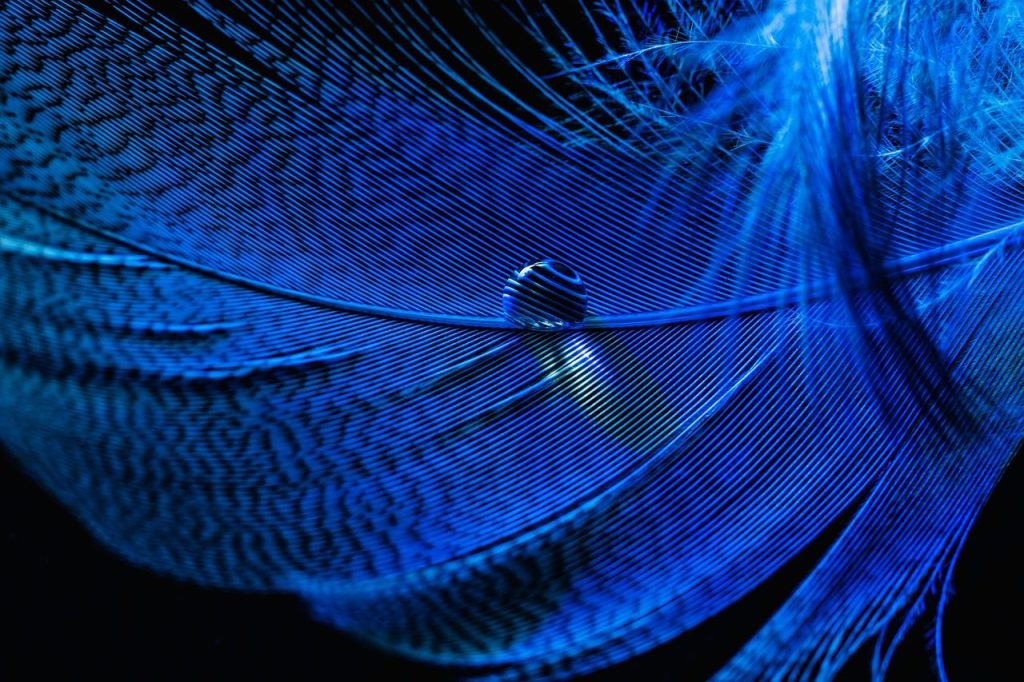
    macroperspective, feather, down, dew, blue light, dewdrop, waterdrop, lichtspiel, blue, macro, close up, feather, feather, feather, blue, blue, blue, blue, blue
    Photo by 165106 on Pixabay

    Bird feathers are made of keratin—the same stuff as your fingernails. In “blue” birds, the keratin is full of millions of tiny air pockets. When sunlight hits these pockets, the shorter wavelengths of light (blue) are scattered in every direction, while the longer wavelengths (red and yellow) are absorbed by a layer of dark melanin underneath. This is called the Tyndall effect. It is the same reason the sky looks blue. The bird is literally wearing a piece of the sky. But wait until you see what happens when the sun goes down.

    The Disappearing Act at Sunset

    A beautiful bluebird perches on a branch.
    Photo by anish lakkapragada on Unsplash

    Because the blue color depends entirely on how light scatters, a bluebird can “change” color depending on the angle of the sun. In the shade or during a cloudy day, the bird might look gray or even black. This “shimmering” effect is why bluebirds often seem to appear and disappear in the forest. They are masters of a “light-based” camouflage that forward-thinking hunters are now trying to copy. But why doesn’t this happen to red birds?

    Why Red Birds are the “Real” Deal

    selective focus photography of red cardinal on tree
    Photo by Timothy Dykes on Unsplash

    Red birds, like the Northern Cardinal, get their color from “carotenoids”—chemicals found in the berries and seeds they eat. If you grind up a red feather, it stays red. This is a “chemical color” that is stable and consistent. Red birds are effectively “dying” their feathers from the inside out. Blue birds, however, have to maintain the perfect “shape” of their feathers to stay blue. If the feathers get dirty or wet, the illusion breaks. But this “structural” secret is also found in your own eyes.

    The Mystery of the Blue Human Eye

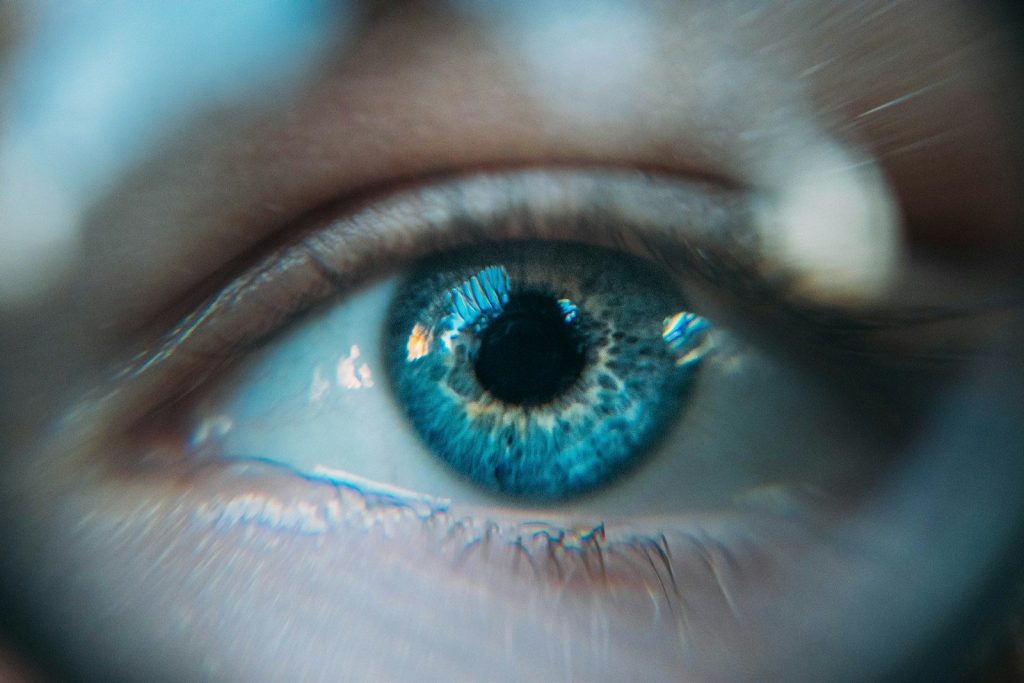
    blue eye photo
    Photo by Ion Fet on Unsplash

    Just like the bluebird, there is no blue pigment in human eyes. Everyone on Earth technically has brown eyes, but some people have “structural color” in their iris. The blue in a person’s eye comes from light scattering through the clear stroma layer. If you have blue eyes, you are literally looking through a trick of the light every time you check the mirror. This biological similarity is helping doctors understand how light affects our vision. But wait until you see the “Blue Butterfly” problem.

    The Most Vibrant Lie in the Jungle

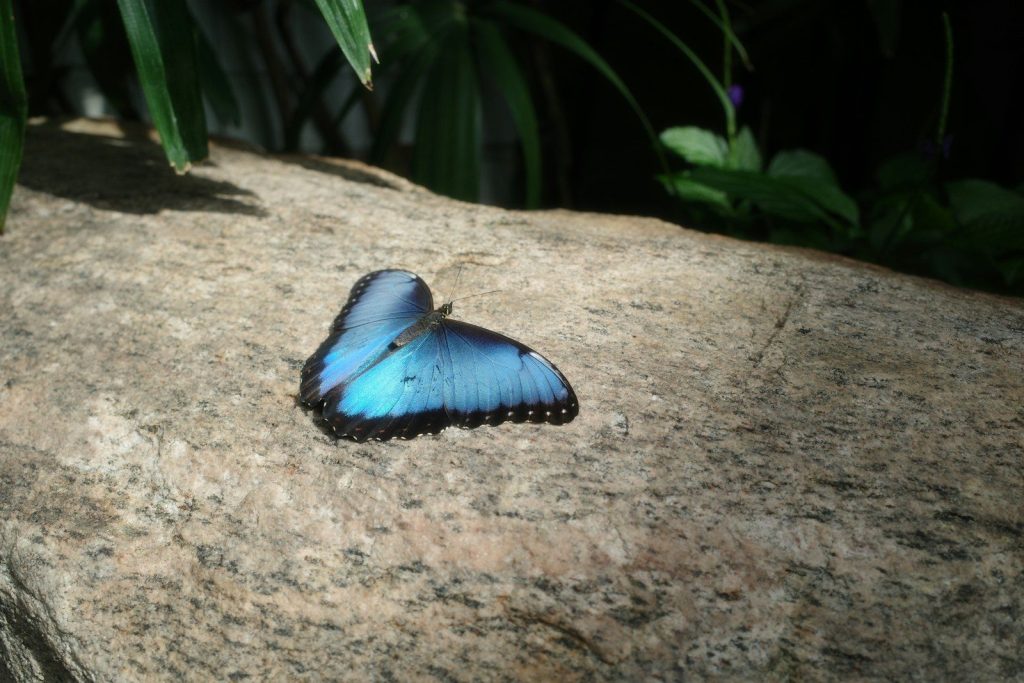
    A vibrant blue butterfly rests on a textured rock.
    Photo by Magic Fan on Unsplash

    The Blue Morpho butterfly is the king of structural color. Its wings are so bright they can be seen from low-flying planes. This is because the “scales” on its wings are shaped like tiny Christmas trees that bounce light back with incredible efficiency. Scientists are now trying to “grow” these structures in labs to create the next generation of digital displays. We are copying a butterfly’s “lie” to make our phones look better. But can this tech actually help save the planet?

    Cool Buildings and the Blue Shield

    A building with a curved roof against a blue sky
    Photo by Declan Sun on Unsplash

    Because structural color scatters light instead of absorbing it, things that are “structurally blue” stay much cooler in the sun. Engineers are designing “structural blue” paints for roofs and cars that can lower internal temperatures by 10 degrees without using any power. It is a total revolution for sustainable building. We are using the bluebird’s secret to fight global warming. But wait until you see the “lost” continent that was just found under the ice.

    Why We Need to Protect the Illusion

    triangular red and blue triangle illustration
    Photo by Michael Dziedzic on Unsplash

    As the environment changes, birds are struggling to keep their “structural” secrets. Pollution and habitat loss affect the health of their feathers, which can dull their color and make it harder for them to find mates. Protecting the bluebird means protecting the physics of our world. We are in a race to preserve the most beautiful “optical illusions” on Earth before they fade away forever. But while we look at the feathers, a new world is being mapped under the South Pole.

    The Future is Structurally Blue

    blue and brown bird on brown wooden fence
    Photo by Joshua J. Cotten on Unsplash

    The bluebird teaches us that what we see isn’t always what is there. It is a reminder to keep looking closer, even at the things that seem simple. The science of light is opening new doors for our technology and our understanding of life. We are finally learning to see the world for what it truly is—a masterpiece of design. But are you ready for the “frozen” secret hiding at the bottom of the world?

    Featured Image: Photo by Naturelady on Pixabay