Category: Science & Biology

  • How Common Vaccines Are Quietly Protecting the Human Brain From Decay

    How Common Vaccines Are Quietly Protecting the Human Brain From Decay

    Most medical patients assume that vaccines only protect against specific seasonal infections. We believe that flu shots and shingles treatments have absolutely no impact on long-term brain health.

    But groundbreaking clinical data has revealed a shocking neurological connection. Certain common immunizations are actually triggering a powerful biological defense that preserves human cognitive functions.

    The Surprise Link
    a man working on a computer
    Photo by Accuray on Unsplash

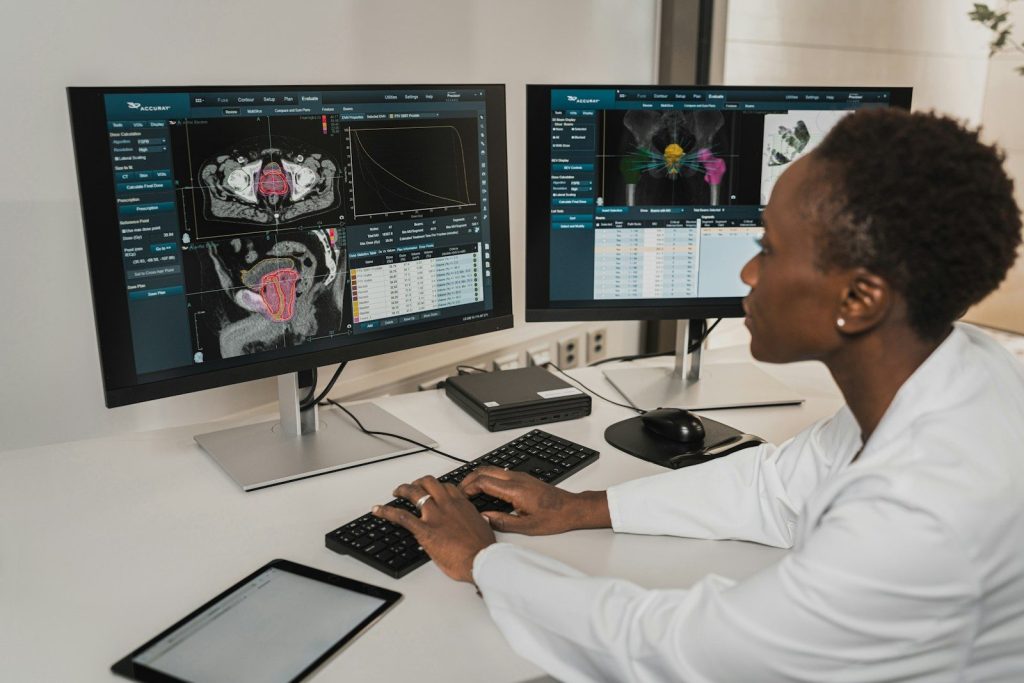
    Researchers studying cognitive decline decided to analyze the medical histories of thousands of older adults. According to a study published in the Journal of Alzheimer’s Disease, patients who received standard vaccinations showed a significantly lower rate of memory loss. The results were clear. This unexpected pattern suggested that the immune system plays a vital role in brain maintenance. But uncovering how this protection works required looking inside our cells.

    Calming The Brain Storm
    a purple substance is shown on a black background
    Photo by National Institute of Allergy and Infectious Diseases on Unsplash

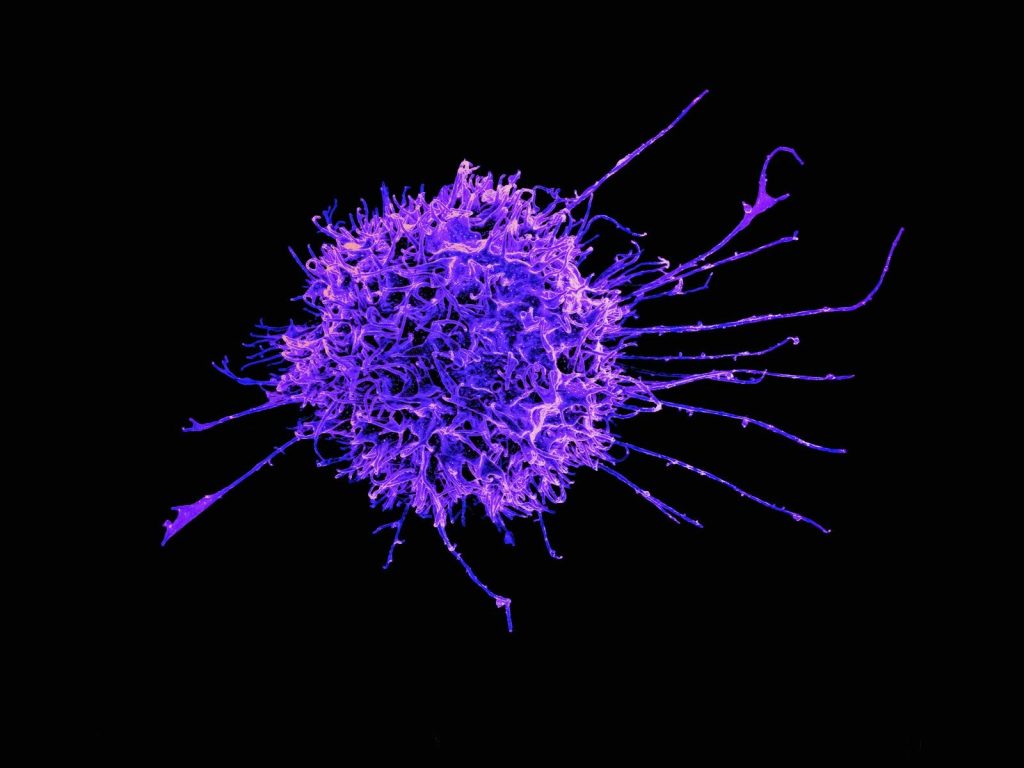
    Chronic inflammation in the body is known to slowly damage delicate neural pathways over several decades. According to neurological reports, common shots can help regulate the body’s natural inflammatory response. This is vital. By keeping the immune system occupied, these treatments prevent harmful proteins from building up inside the skull. But one specific seasonal vaccine seems to deliver the most powerful protective benefit.

    The Flu Shot Shield
    a man wearing a face mask and a woman wearing a face mask
    Photo by CDC on Unsplash

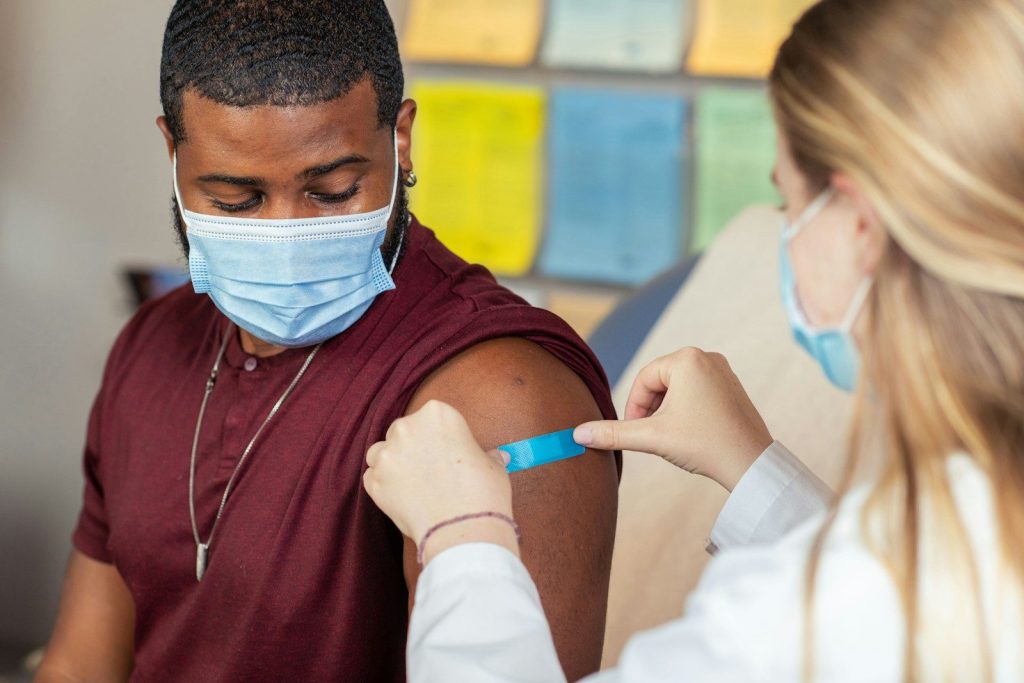
    Getting an annual flu shot does more than just protect your lungs during the winter season. According to research from the University of Texas, adults who received regular flu immunizations saw their dementia risk drop by forty percent. The gap was massive. This statistical shield suggests that the body’s response to the influenza virus actively cleans out toxic brain waste. But other routine adult vaccines are showing similar benefits.

    Shingles Defense Mechanics
    Colorful abstract pattern with yellow and magenta shapes on a black background.
    Photo by Merlin Lightpainting on Pexels

    The painful virus responsible for shingles may also play a quiet role in triggering cognitive decline later in life. According to clinical trials, the shingles vaccine successfully prevents the dormant virus from waking up and inflaming cranial nerves. The shield works. This targeted protection helps safeguard the delicate white matter that coordinates our daily thoughts. But scientists are still trying to map the exact cellular triggers of this defense.

    Cleaning Out Plaques
    a black and white photo of a bunch of white stuff
    Photo by National Institute of Allergy and Infectious Diseases on Unsplash

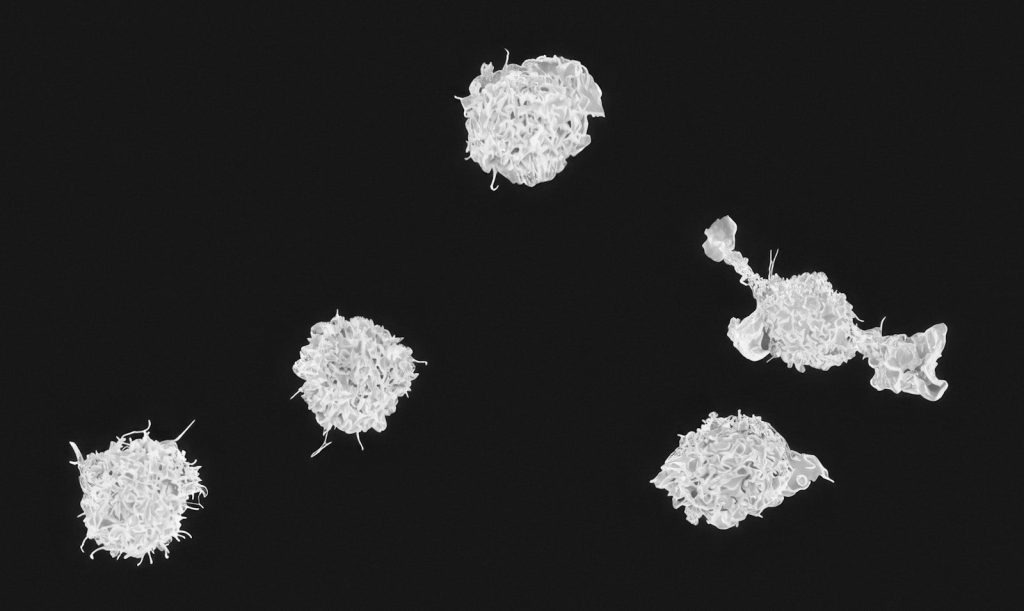
    Metabolic cleanup inside the brain relies on specialized cells called microglia to consume toxic debris. According to immunologists, certain vaccines boost the activity of these cellular cleanup crews. They are highly efficient. This increased activity allows the cells to dissolve harmful plaques before they can choke off healthy neurons. But this cellular boost has a surprising physical limit that researchers must study.

    Designing Future Therapies
    man in blue jacket wearing blue mask
    Photo by Glsun Mall on Unsplash

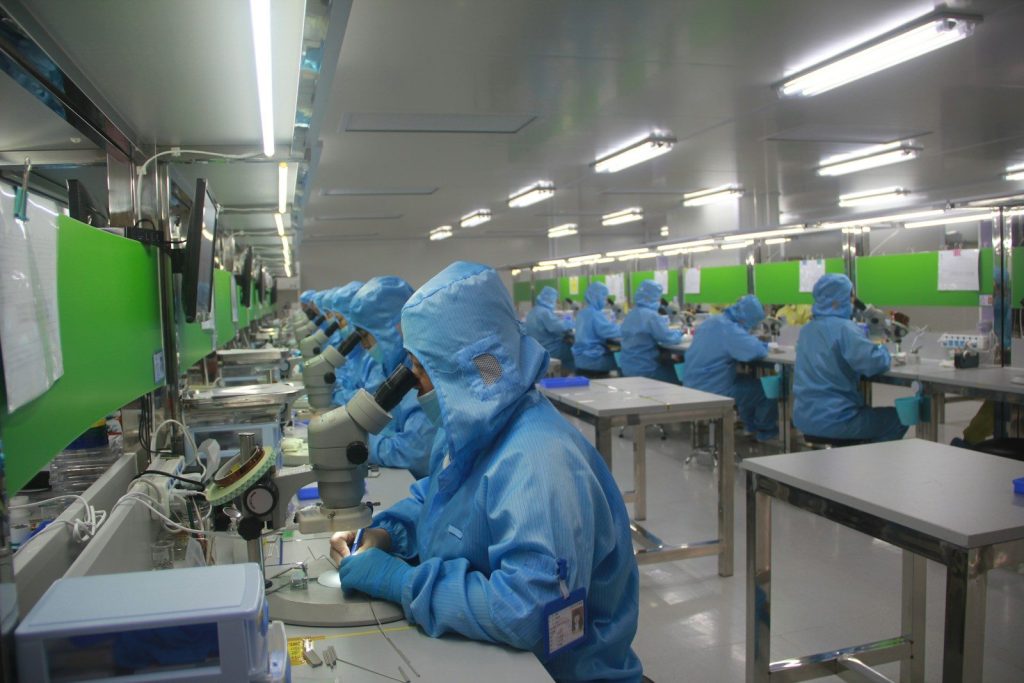
    This medical discovery is changing how we approach the treatment of degenerative neurological conditions. According to health specialists, engineers could soon design custom vaccines specifically to keep our brains youthful as we age. The potential is limitless. This preventive method would shift our medical focus from treating symptoms to actively stopping biological decay. But proving these experimental theories requires launching massive new clinical trials.

    Shifting Modern Medicine

    Man in hat and sunglasses waves hello.
    Photo by Carl Tronders on Unsplash

    Understanding how common vaccines protect our minds is a giant leap for global healthcare. According to medical researchers, maintaining a healthy immune system is vital for preserving our cognitive independence. Simple habits shield biology. This article is for informational purposes only and does not constitute scientific or professional advice.

    Featured Image: Photo by Growtika on Unsplash

  • The Genetically Modified Beasts Returning From Absolute Extinction

    The Genetically Modified Beasts Returning From Absolute Extinction

    Most animal lovers believe that extinction is a permanent end for any species. We assume that once a creature dies out, it vanishes from our world forever.

    But a revolutionary leap in genetic engineering is quietly shattering this biological law. Scientists are now actively working to bring extinct beasts back to life.

    The Mammoth Project

    A breathtaking aerial view of a snow-covered landscape in Russia, showcasing frozen rivers and vast wilderness.
    Photo by Mikhail Nilov on Pexels

    A biotechnology firm has targeted the legendary woolly mammoth for a historic comeback. According to statements from Colossal Biosciences, researchers are using advanced gene-editing technology to reconstruct the lost beast. The goal is ambitious. They want to create a cold-tolerant elephant that functions exactly like its ancient ancestors. But this genetic puzzle requires combining DNA from multiple species.

    Merging Ancient DNA

    gloved hands drawing vaccine from vial with syringe
    Photo by National Cancer Institute on Unsplash

    Finding well-preserved mammoth tissue in the frozen Siberian tundra was the key breakthrough. According to geneticists, scientists extracted ancient DNA and mapped the mammoth genome. It was a miracle. They are now splicing these ancient cold-resistant genes into the cells of modern Asian elephants. But bridging the genetic gap between these two species is incredibly difficult.

    The CRISPR Tool

    a close up of a blue and purple structure
    Photo by Sangharsh Lohakare on Unsplash

    Editing the genes requires using a revolutionary molecular tool called CRISPR. According to molecular biologists, this technology allows scientists to make highly precise edits to living DNA strands. The accuracy is stunning. Researchers can easily swap out modern genes for ancient woolly traits like shaggy hair and thick fat. But growing a living embryo requires another major technological leap.

    The Artificial Womb

    Two server racks filled with electronic components and wires
    Photo by Eric Stoynov on Unsplash

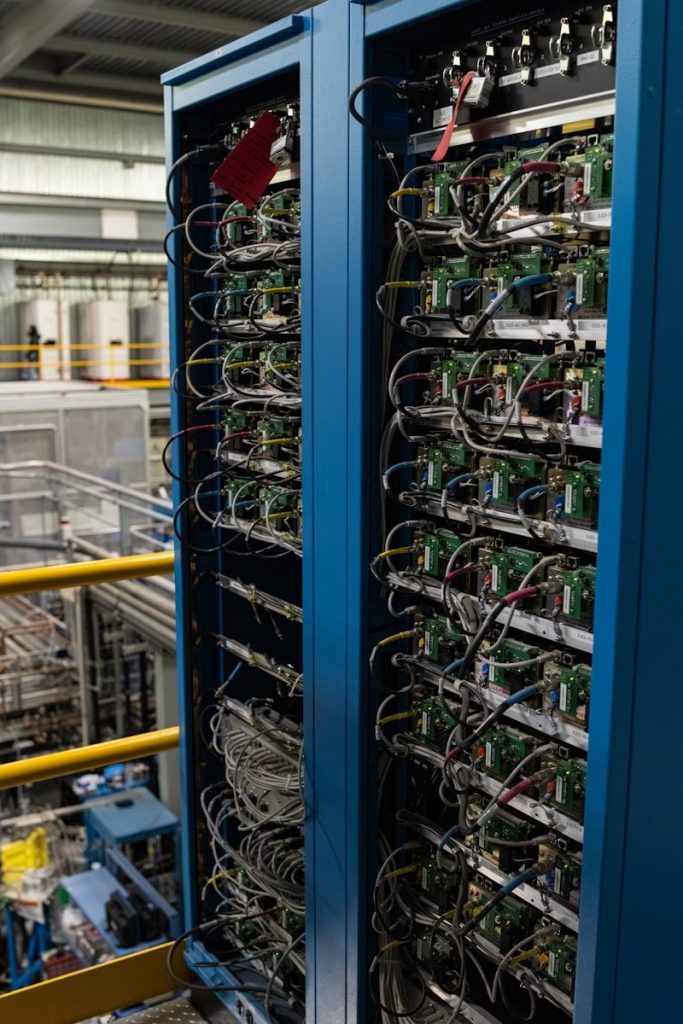
    Carrying a genetically modified elephant embryo to term presents a massive physical challenge. According to development reports, researchers are designing highly advanced artificial wombs to grow calves. The technology is new. This approach avoids risking the health of endangered modern female elephants during the long pregnancy. But the environmental impact of their release is heavily debated.

    Restoring The Tundra

    snow covered field during daytime
    Photo by Wolfgang Hasselmann on Unsplash

    Proponents of the project believe the beasts can help combat climate change. According to ecological studies, grazing mammoths once trampled the snow and compacted the frozen soil. They were nature’s bulldozers. This activity helped lock greenhouse gases deep inside the cold permafrost. But critics argue that introducing modified beasts could permanently disrupt fragile modern ecosystems.

    The Ethical Dilemma

    Man sitting at table in empty atrium
    Photo by Austin on Unsplash

    Reviving extinct species raises intense ethical questions among the global scientific community. According to bioethicists, spending millions of dollars on de-extinction could distract from saving living species. The stakes are high. Others question if it is fair to bring an animal back to a warming world. But the technological momentum is already unstoppable.

    A Bold New Era

    Winter forest with snow, river, and distant mountain.
    Photo by Ali Kazal on Unsplash

    Genetic engineering is transforming how we define the boundaries of life and death. According to scientists, we are stepping into an era where humanity can actively edit natural history. The future of conservation is changing forever. This article is for informational purposes only.

    Featured Image: Photo by National Cancer Institute on Unsplash

  • Why A Mars Rover Just Uncovered Evidence Of Ancient Life

    Why A Mars Rover Just Uncovered Evidence Of Ancient Life

    Most people assume that the search for alien life is an empty space fantasy. We believe that finding biological evidence on other planets will take centuries of high-tech exploration.

    But a rugged NASA rover has just discovered organic molecules inside an ancient Martian lakebed. This incredible find is forcing biochemists to rewrite the history of our solar system.

    Drilling In Gale Crater

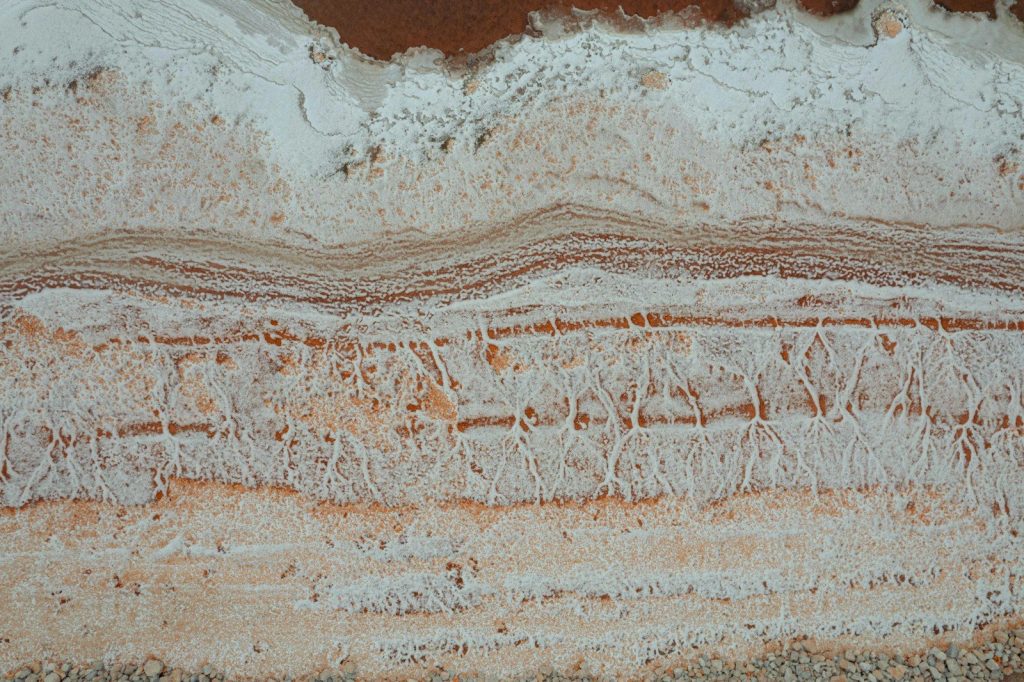
    Detailed erosion patterns on a rocky surface, showcasing natural geological formations.
    Photo by Petra Nesti on Pexels

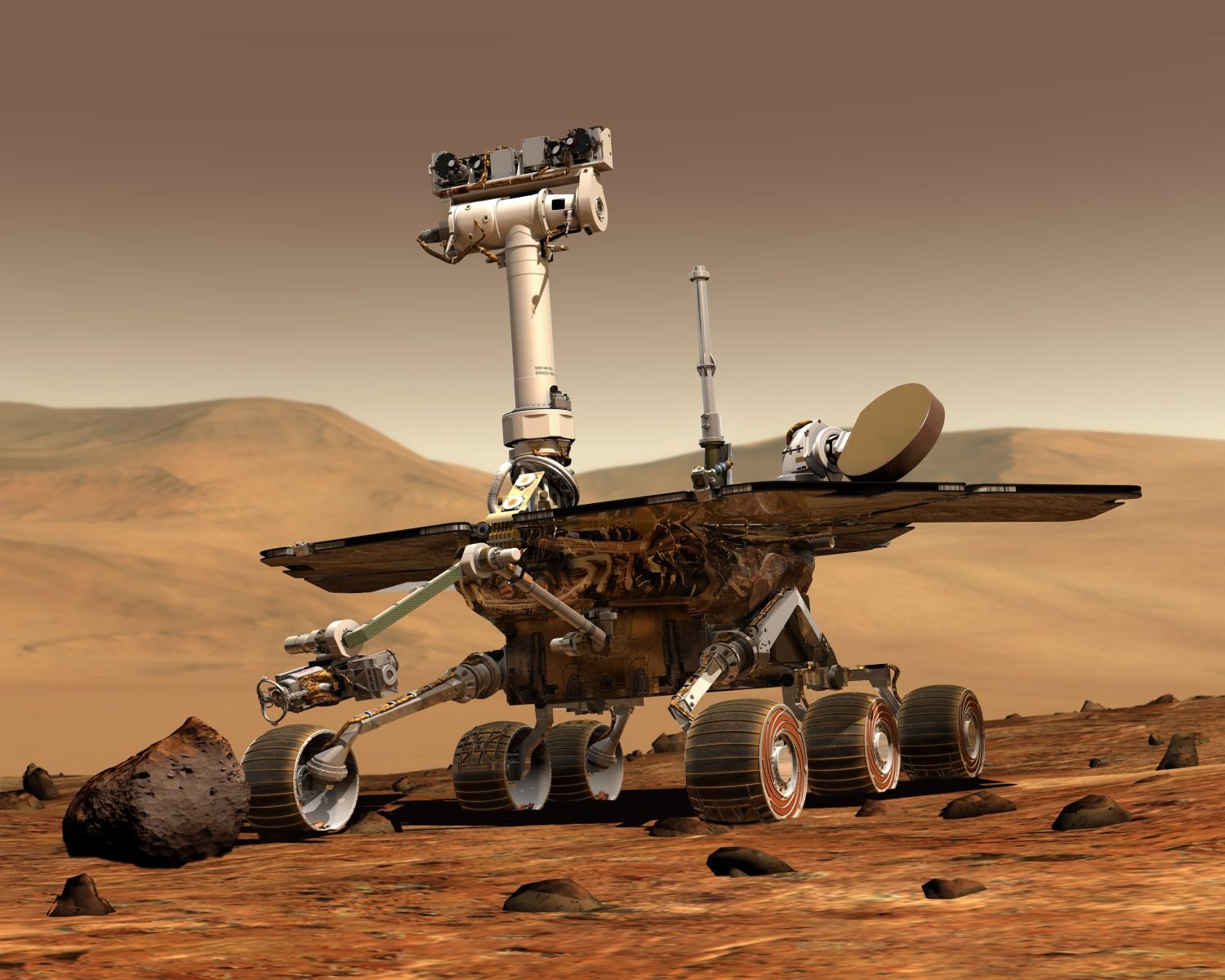
    The Curiosity rover has been exploring a giant ancient impact zone for several years. It was not looking for aliens. But while drilling into a deep clay stone layer, its internal laboratory detected carbon-based molecules. This is critical. According to NASA scientists, these organic compounds are the essential building blocks of biological life. But this discovery is only the beginning of the puzzle.

    The Clay Stone Protection

    aerial photography of gray mountains
    Photo by Ivan Bandura on Unsplash

    The organic molecules were found preserved deep inside three-billion-year-old mudstone layers. The mud was protective. According to reports from the Jet Propulsion Laboratory, this dense clay shielded the delicate chemical chains from harsh solar radiation. This means we are looking at perfectly preserved history. But scientists had to verify if these chemicals were actually biological.

    Non-Biological Carbon Risks

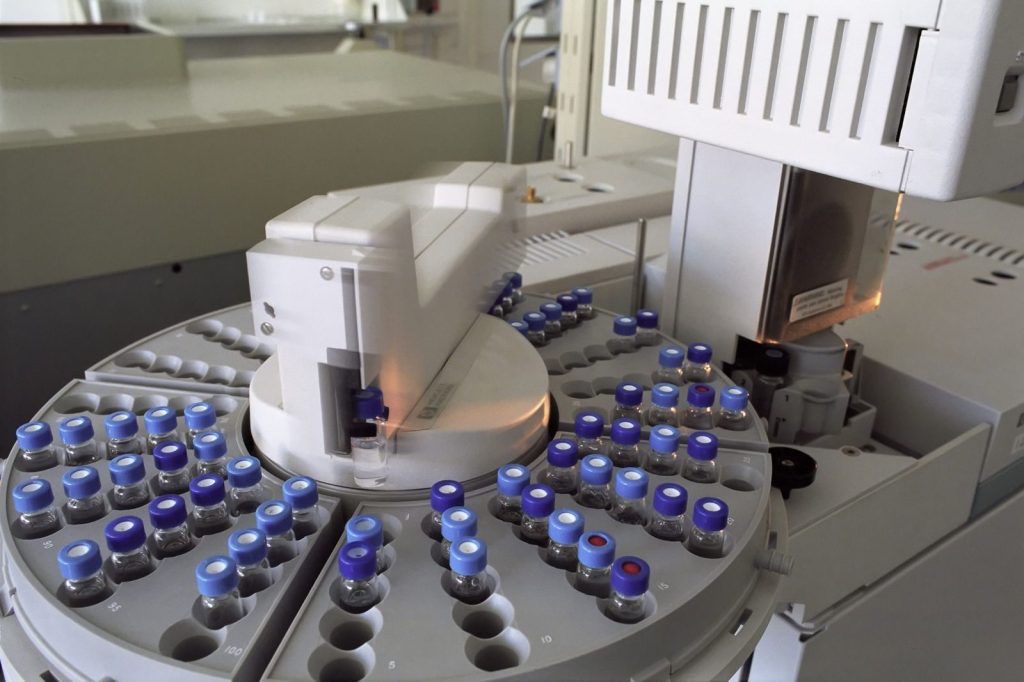
    High-tech laboratory equipment with multiple vials in a scientific research facility.
    Photo by Yuri Shkoda on Pexels

    Organic molecules can sometimes form through simple chemical reactions that involve volcanic rock and water. No life is needed. According to a study in Science, researchers must carefully analyze the carbon isotopes to prove biological origin. The results of this analysis could change our science textbooks forever. But the rover soon detected another vital element nearby.

    The Sulfur Chain Discovery

    an aerial view of a sandy beach with waves
    Photo by Zach Lucero on Unsplash

    The rover’s drill also uncovered rich deposits of sulfur and oxygen compounds inside the clay. They were abundant. According to planetary biochemists, ancient microbes could have used these specific chemicals as a direct energy source. It suggests that Gale Crater once offered a highly habitable oasis. However, this ancient habitat faced a sudden and brutal transition.

    How Mars Went Dry

    Two astronauts in space suits explore a Mars-like rocky desert landscape under a warm, sepia sky.
    Photo by RDNE Stock project on Pexels

    Millions of years ago, Mars lost its protective magnetic field, allowing solar winds to strip away its atmosphere. The water evaporated. According to reports from the Smithsonian Institution, this environmental shift slowly turned a blue world into a frozen desert. Any active surface life was forced to adapt or perish. But researchers believe some organisms may have escaped underground.

    Searching Beneath the Dust

    brown surface
    Photo by ALEX REISS on Unsplash

    Future missions will carry specialized radar tools to search for liquid water deep below the red soil. The search is active. According to astrobiologists, subterranean aquifers offer the best chance of finding living alien microbes today. We might be closer to finding real extraterrestrial life than anyone ever imagined. But we must still protect these fragile worlds from Earth bacteria.

    Protecting The Martian Wilderness

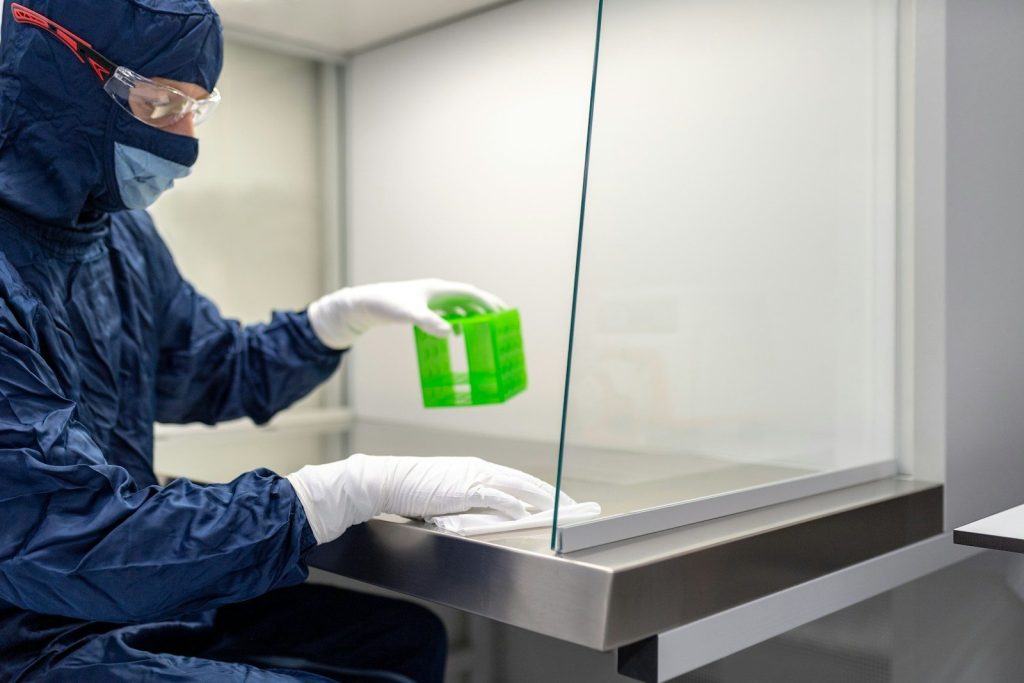
    a person in a lab coat holding a green container
    Photo by Toon Lambrechts on Unsplash

    According to international space treaties, we must strictly sterilize our spacecraft to prevent contaminating other planets. We must protect alien life. This article is for informational purposes only and does not constitute scientific or professional advice. By respecting these distant environments, we can safely explore the wonders of our solar system without ruining them.
    Featured Image: Photo by Pixabay on Pexels

  • The Science Behind Dogs Detecting Human Brain Trauma

    The Science Behind Dogs Detecting Human Brain Trauma

    Most medical experts believe that brain damage recovery requires advanced hospital technology. We assume that machines provide the only reliable signs of neurological changes.

    But a trained therapy dog recently defied all scientific expectations. Her sudden behavior next to a comatose patient revealed a hidden biological connection.

    A Strange Chemical Scent

    white and brown short coated dog
    Photo by Zaur Giyasov on Unsplash

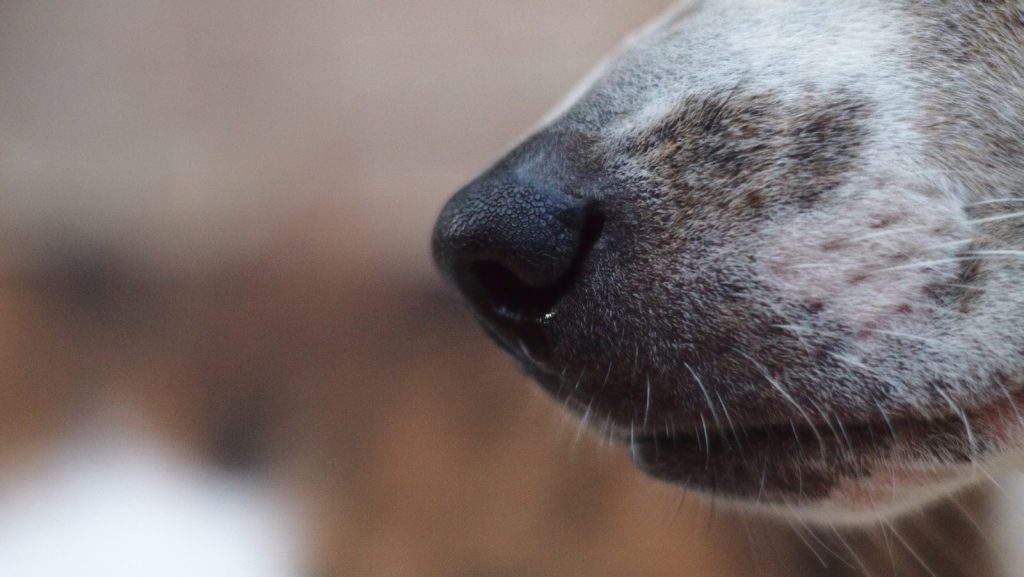
    Humans emit subtle chemical changes when the nervous system suffers a major trauma. According to a study by the University of Florida, canine noses can smell these microscopic shifts in real time. It is a biological marvel. This super scent allows dogs to sense physical distress before machines even register a change. But a deep bond triggers a far more mysterious physical response.

    Hearts Beating In Sync

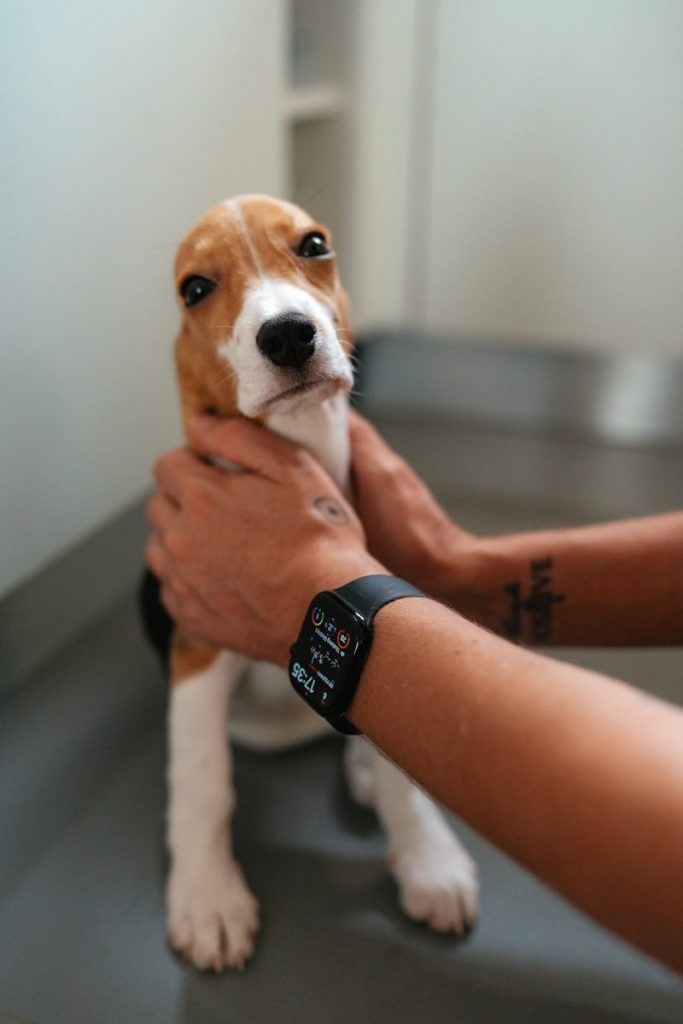
    A person holds a beagle puppy's head.
    Photo by Max Bvp on Unsplash

    The connection goes far deeper than smell alone. According to research from the canine science laboratory, a dog and their handler can synchronize their heart rates within minutes. They are perfectly matched. This cellular connection allows an animal to calm a patient’s chaotic nervous system. What happened when the dog climbed onto the hospital bed shocked the entire room.

    A Sudden Spike Observed

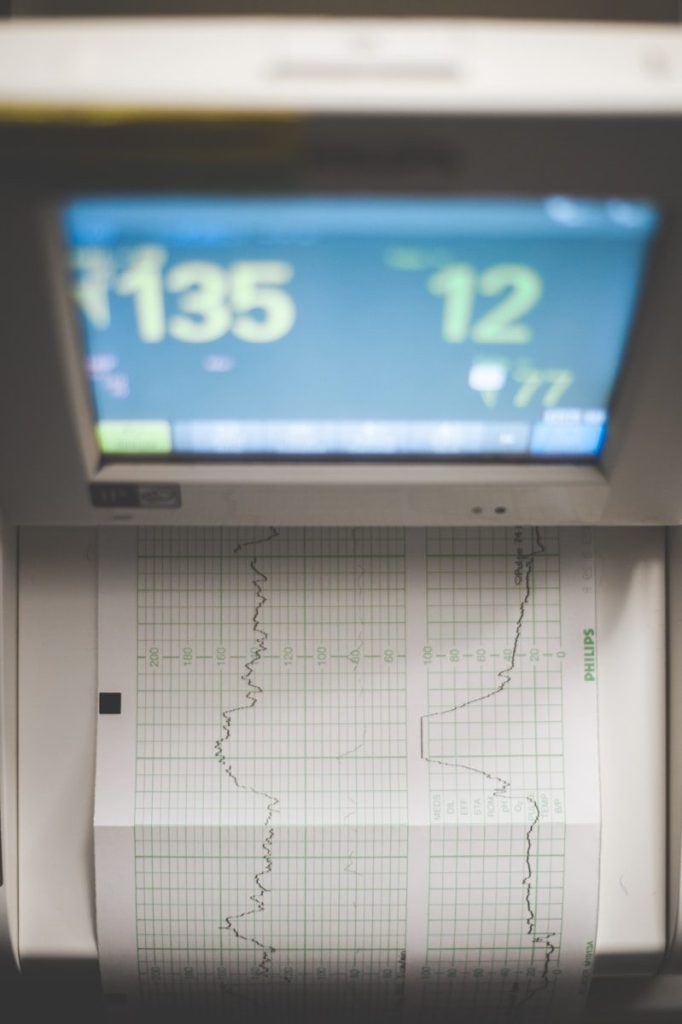
    white wall mounted flat screen tv
    Photo by Stephen Andrews on Unsplash

    Doctors watched the medical monitors with rising confusion. According to the hospital medical records, the boy’s flat brainwave patterns suddenly spiked when the animal rested her head on his chest. It was shocking. Brain regions associated with touch and comfort began lighting up after months of silence. This unexpected neural activity began to trigger a series of fast physical reactions.

    Redefining Healing Power

    A black and white photo of a brain
    Photo by Bhautik Patel on Unsplash

    The physical contact initiated a massive flood of healing hormones. According to neurobiology reports, the interaction stimulated a heavy release of oxytocin in the boy’s nervous system. The healing began immediately. This chemical surge actively helps damaged brain pathways repair themselves. But the child was about to do something his medical team thought was entirely impossible.

    The Impossible First Movement

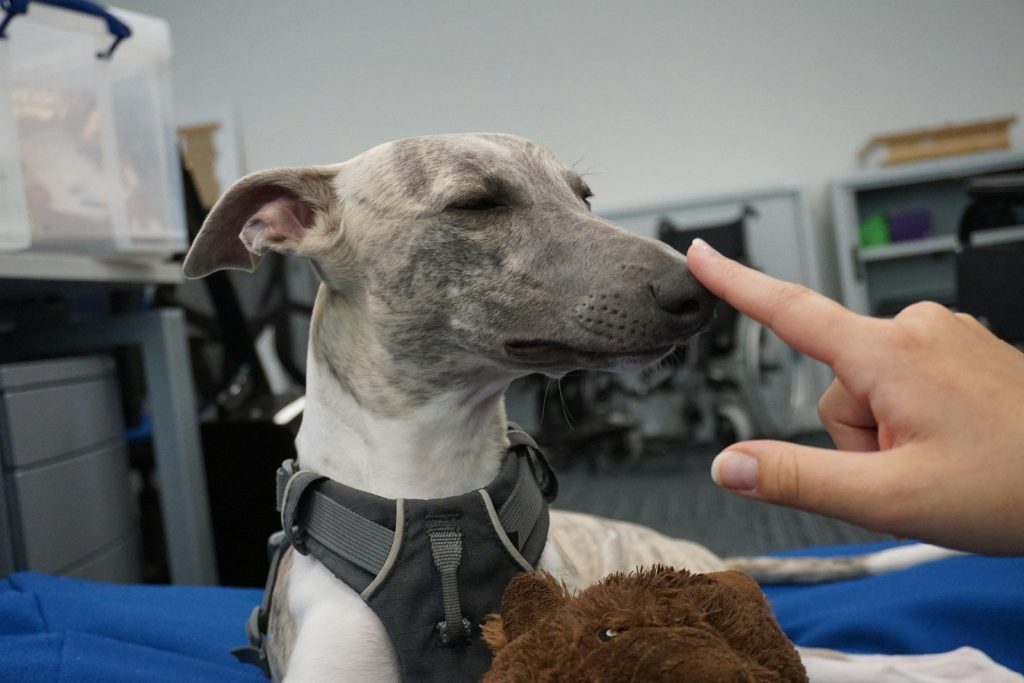
    a dog is being petted by a person
    Photo by Benjamin Williams on Unsplash

    The quiet boy slowly moved his fingers to grip the thick dog fur. According to the lead pediatrician, this physical response defied every scientific prediction on his medical chart. The room fell silent. It proved that deep emotional stimulus can sometimes bypass broken neurological pathways. And this small movement was only a preview of what happened next.

    Changing Modern Medicine

    Doctor hands examining and pointing at medical charts in a close-up view.
    Photo by cottonbro studio on Pexels

    Medical communities are now viewing animal therapy through a scientific lens rather than a purely emotional one. According to the National Institutes of Health, animal interactions can lower blood pressure and speed up motor skill recovery. It is a revolution. Researchers are rushing to study how these simple creatures stimulate deep brain tissues. But the ultimate lesson of this miracle remains clear.

    Hope Beyond the Technology

    a dog wearing a baseball glove
    Photo by Anya Prygunova on Unsplash

    This incredible event shows that biological connections can succeed where modern devices fail. According to medical historians, the ancient bond between humans and dogs remains one of our greatest health assets. Nature holds the answers. This article is for informational purposes only.

    Featured Image: Photo by Teresa Sturek on Pexels

  • What the Dying Brain Sees in the Final Minutes

    What the Dying Brain Sees in the Final Minutes

    What happens in our final moments of life is one of the deepest mysteries in science. Thousands of people who survived clinical death report incredibly consistent and peaceful experiences.

    For centuries these stories were dismissed as mere spiritual visions. Today modern neurologists are studying the chemical secrets of the dying brain and uncovering a biological masterpiece.

    Inside the Brains Sudden Surge of Energy

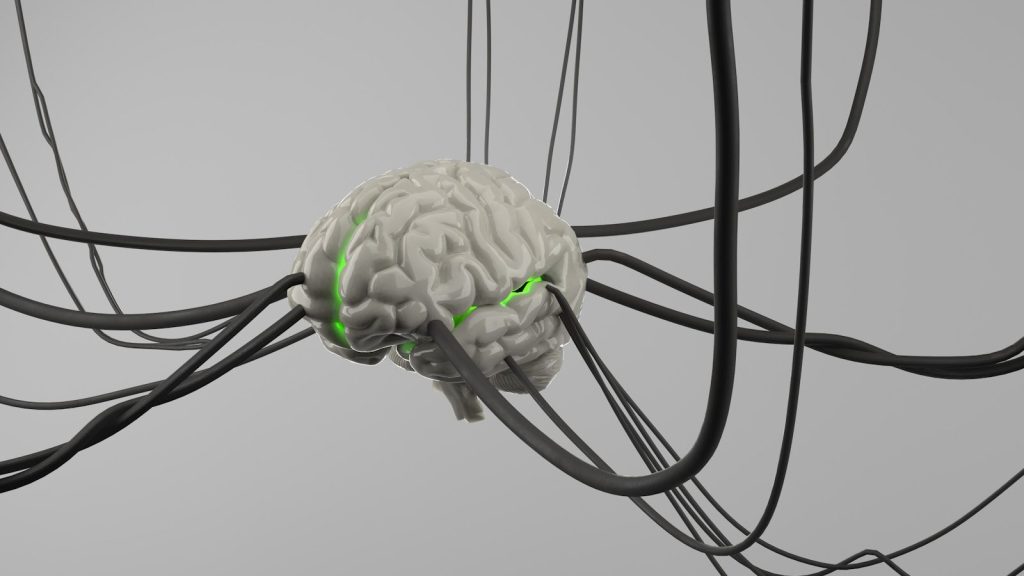
    A computer generated image of a brain surrounded by wires
    Photo by Bhautik Patel on Unsplash

    When the heart stops beating and blood flow halts the brain is assumed to shut down instantly. However recent scientific studies on animals show a surprising spike in brain activity just after clinical death. This intense burst of electrical energy is far more organized than the brain activity of healthy conscious states.

    This neurological surge might explain the incredibly vivid visions.

    The Chemistry of the Tunnel of Light

    Speeding down a dark tunnel with light streaks
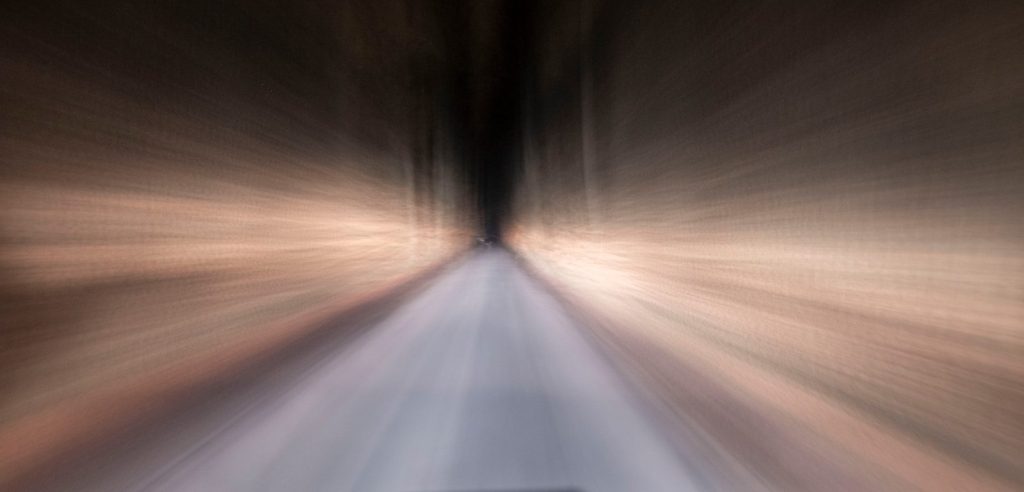
    Photo by Gunther Samson on Unsplash

    Many survivors recall traveling through a dark tunnel toward a brilliant white light. Scientists believe this classic vision is caused by a rapid drop in blood flow to the eyes. As oxygen levels plunge in the retina peripheral vision fails first and leaves only a central patch of bright light that mimics a tunnel.

    But the deep feelings of peace require a different explanation.

    A Biological Shield Against Pain

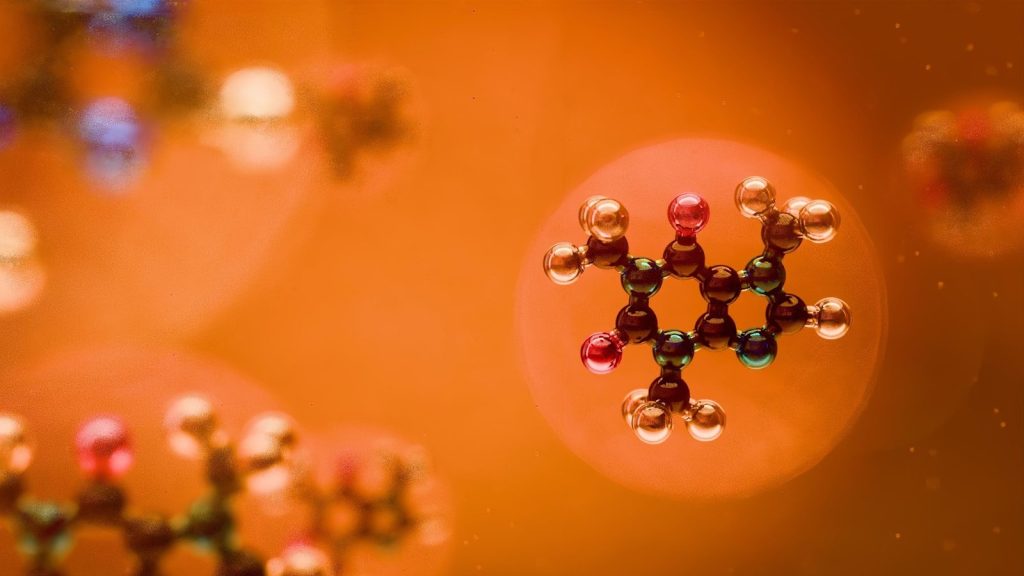
    Molecular structures are seen against an orange backdrop.
    Photo by Omar:. Lopez-Rincon on Unsplash

    Near-death survivors frequently describe an overwhelming sense of calm and a total absence of fear or pain. Researchers suggest the brain releases a massive flood of natural endorphins and protective chemicals during extreme trauma. This chemical defense mechanism acts as a built-in biological cushion designed to ease our final moments.

    Other survivors report an even stranger sensation of floating.

    The Science of Floating Above Your Body

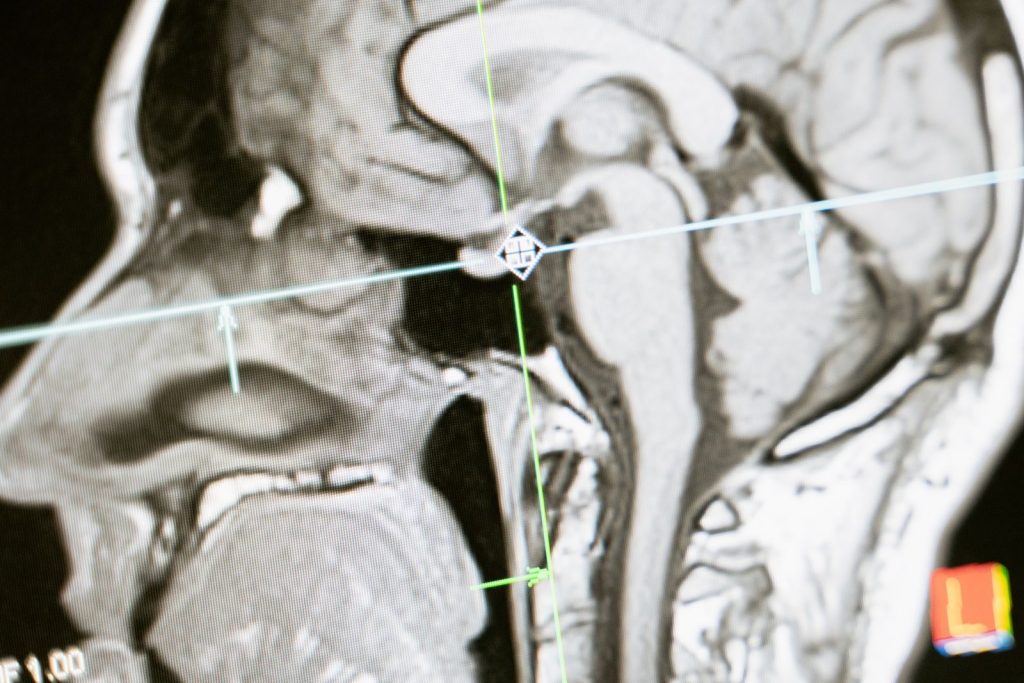
    Close-up of an MRI scan showing a sagittal view of the human brain for analysis.
    Photo by MART PRODUCTION on Pexels

    Out-of-body experiences are common in near-death accounts where patients claim to see doctors working on them. Neurologists can actually trigger this exact floating sensation in healthy patients by stimulating the temporoparietal junction of the brain. This specific area is responsible for combining sensory data to construct our physical sense of self.

    If consciousness is just chemistry then some cases still baffle doctors.

    The Mystery of Veridical Perception

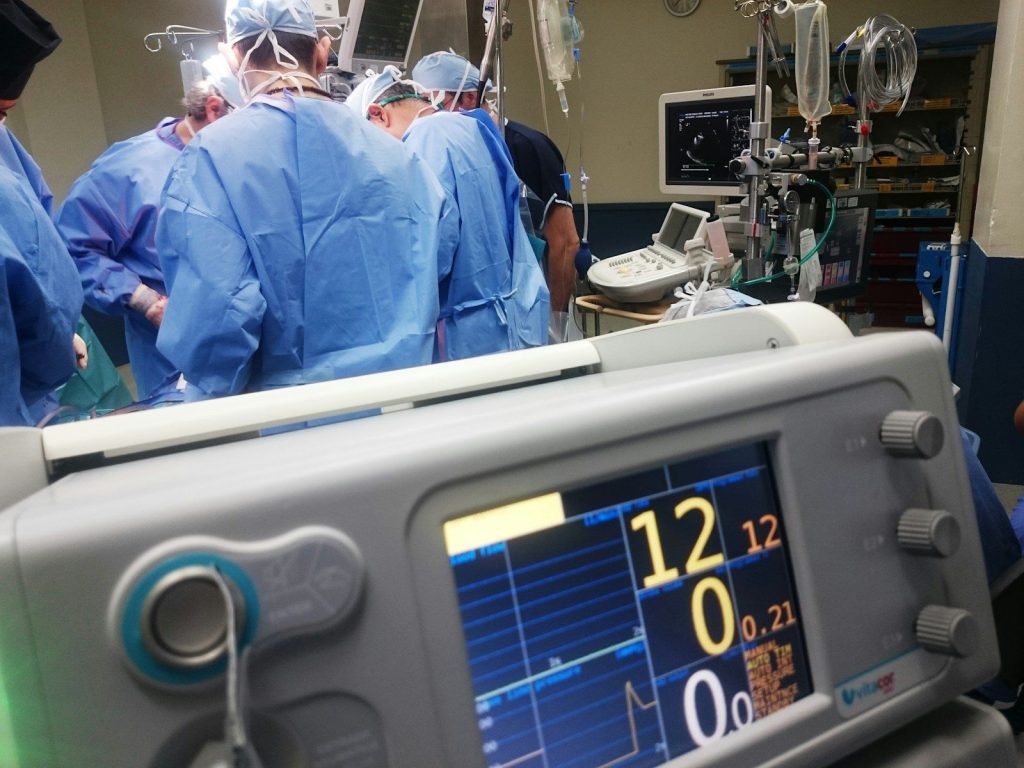
    doctors doing surgery inside emergency room
    Photo by Natanael Melchor on Unsplash

    Some patients have reported highly detailed observations of their surroundings while they were clinically dead with no brain activity. They accurately recalled conversations and specific medical instruments used during their resuscitation. While skeptics argue these are reconstructed memories after waking up these precise accounts continue to challenge researchers.

    This leads to a fundamental debate about human consciousness.

    Is Consciousness More Than Brain Waves

    a computer generated image of lines and dots
    Photo by MARIOLA GROBELSKA on Unsplash

    A minority of medical researchers suggest that consciousness might not be entirely dependent on active brain function. They theorize that our minds could exist in a more fundamental state that survives temporary physical shutdown. While this remains highly controversial it has pushed scientists to design more rigorous hospital studies to test the theory.

    These ongoing studies are changing how we define death itself.

    Redefining the Border of Life and Death

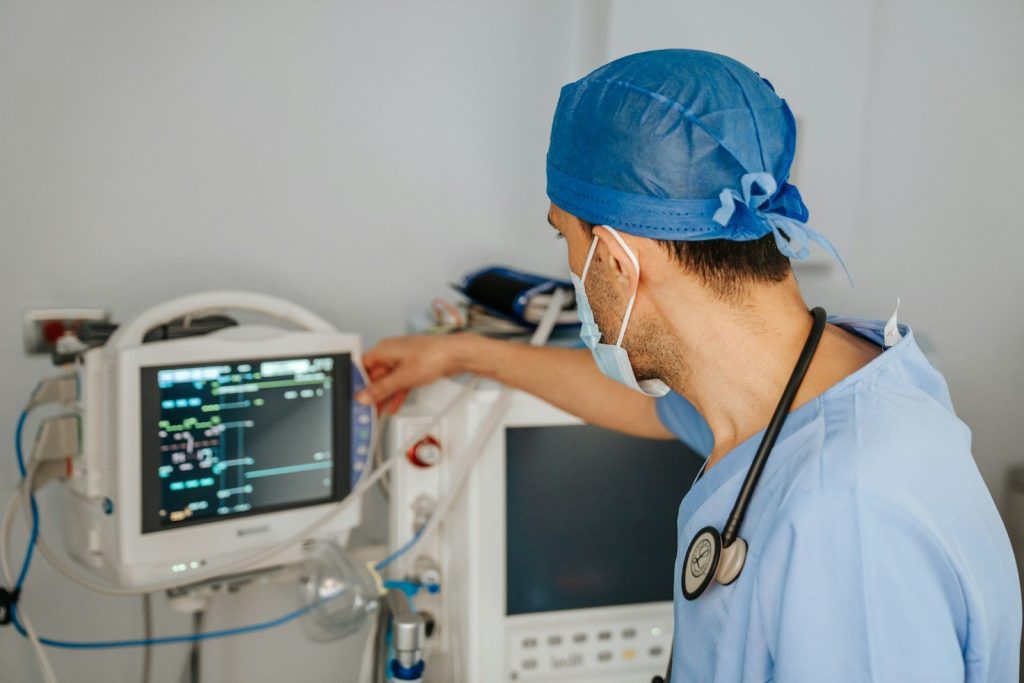
    a man in scrubs and a stethoscope looking at a monitor
    Photo by César Badilla Miranda on Unsplash

    Modern resuscitation medicine has made the line between life and death much blurrier than it used to be. Death is no longer viewed as a single sudden moment but rather as a gradual cellular process. This biological transition provides a window where the mind seems to experience its most profound moments.

    This incredible journey ultimately reshapes how survivors live.

    A New Perspective on Our Final Chapter

    a beach with a body of water and mountains in the background
    Photo by Cole Freeman on Unsplash

    This article is for informational purposes only and does not constitute scientific or professional advice. Ultimately science is showing that our final moments are not filled with cold darkness. Instead the dying brain seems engineered to guide us gently through the transition. Survivors almost always return with a deep appreciation for life and a complete loss of fear.
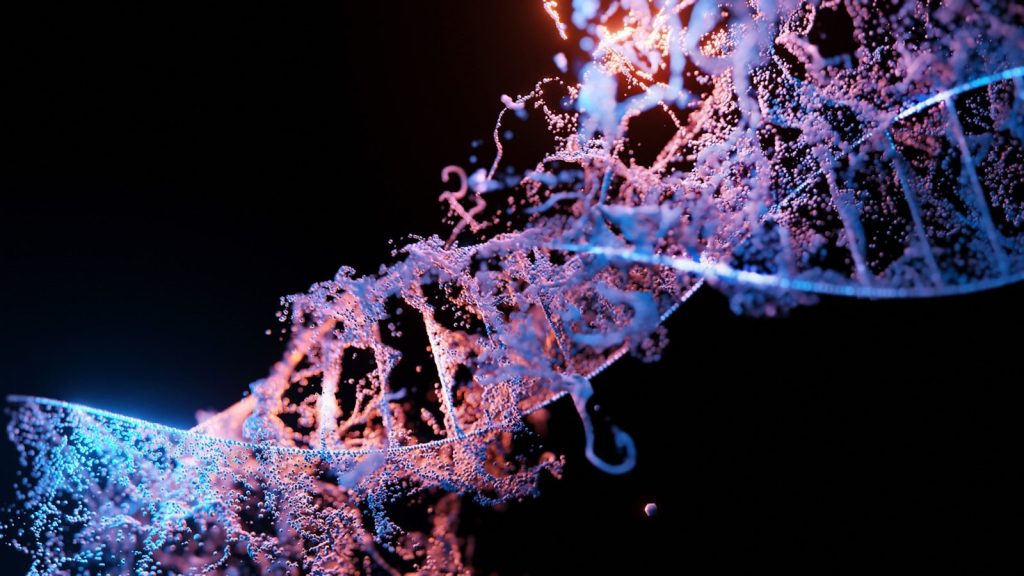
    Featured Image: Photo by WrongTog on Unsplash

  • Why did this giant glass bubble turn against its creators?

    Why did this giant glass bubble turn against its creators?

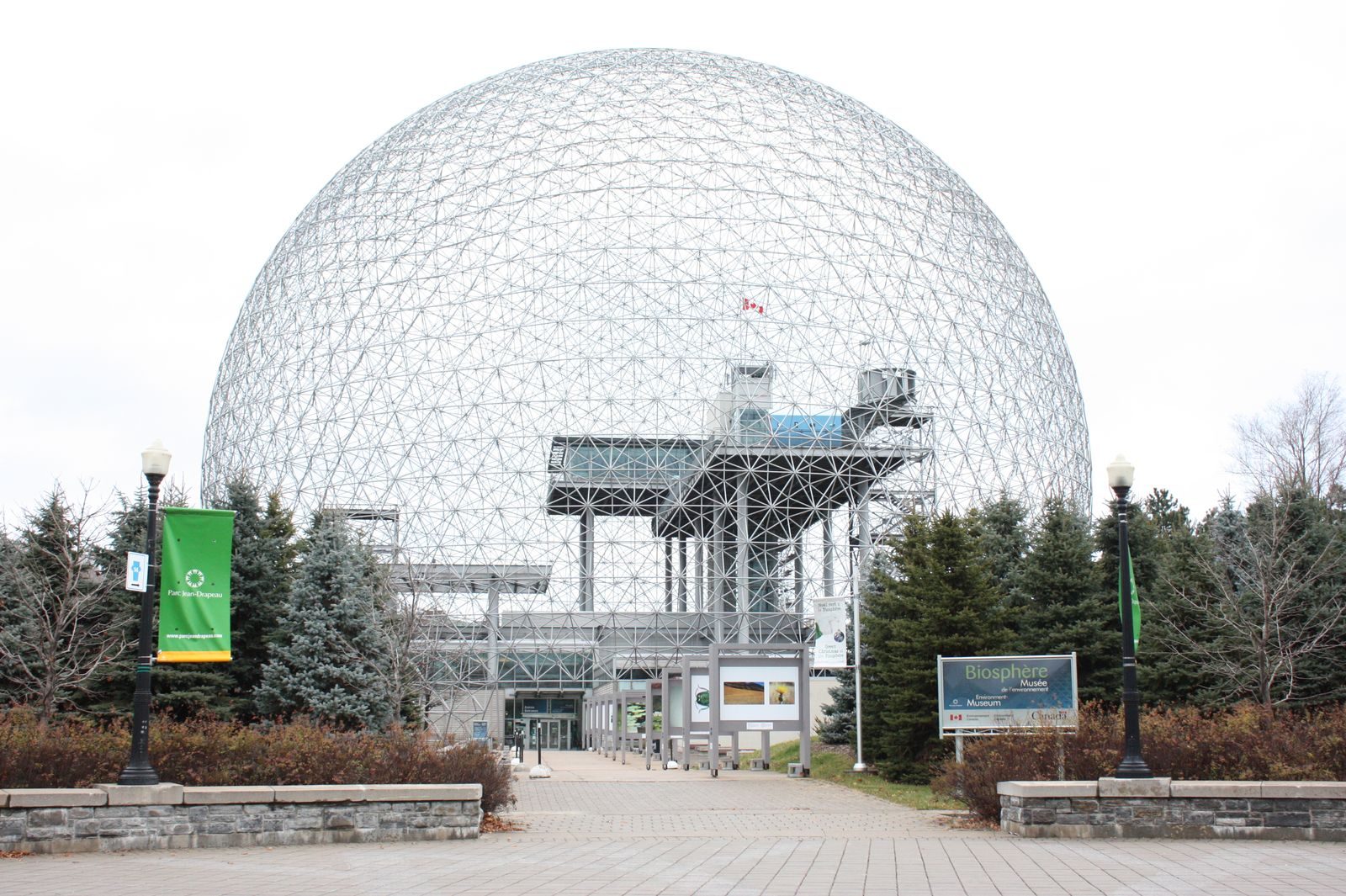
    In 1991, eight scientists entered a massive sealed glass dome in Arizona. They wanted to live inside this artificial ecosystem.

    What started as a revolutionary experiment quickly descended into a battle for survival. Soon, their miniature Earth began to suffocate them.

    Scientists named the project Biosphere 2

    green leaves on white metal frame
    Photo by Sung Jin Cho on Unsplash

    Scientists named the project Biosphere 2. It featured a miniature ocean, a rainforest, and even a small desert. This airtight complex was designed to test human survival on Mars. But they forgot how complex nature actually is. Soon, the delicate balance of their artificial world began to break down. A silent threat started creeping through the air.

    The mysterious loss of oxygen

    Air quality monitor shows levels of pollutants.
    Photo by Tim Witzdam on Unsplash

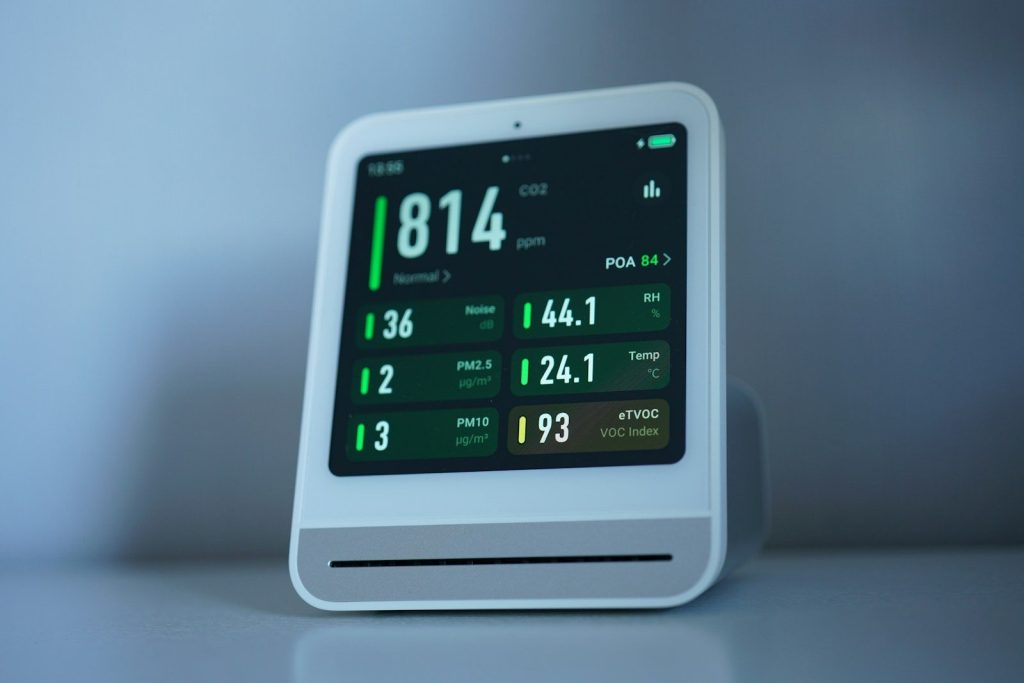
    Within months, the scientists felt constantly exhausted. They struggled to breathe. Something invisible was silently eating their oxygen supply. Sensors showed absolutely no leaks. The team was slowly suffocating inside a multi-million-dollar greenhouse. The culprit turned out to be alive.

    Unseen microbes in the soil

    a close up of a pile of dirt
    Photo by Juan Aguirre on Unsplash

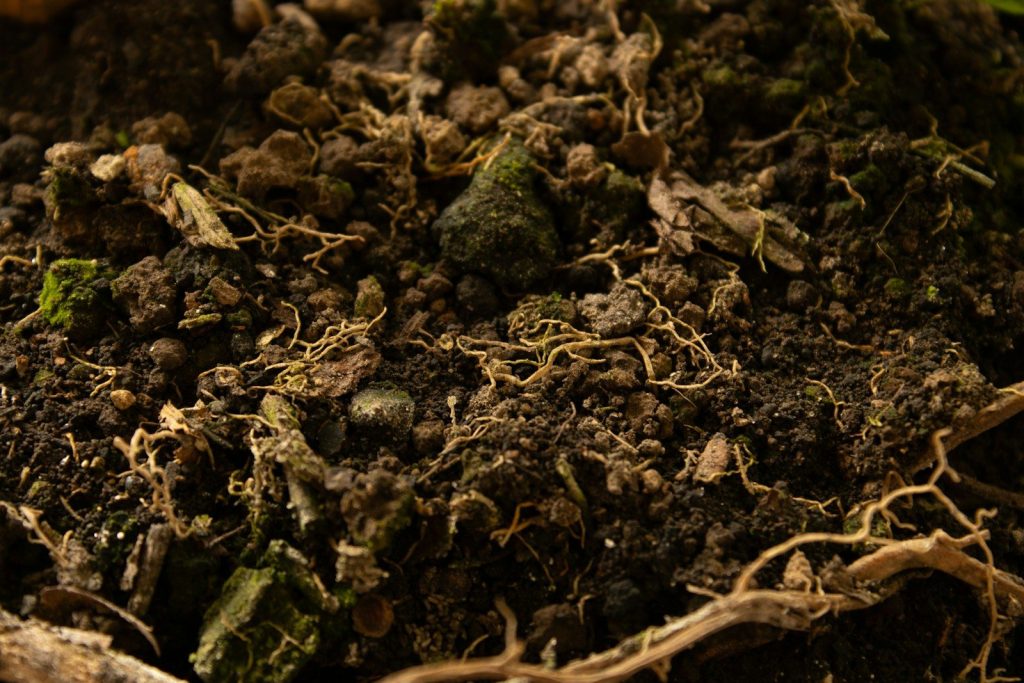
    Designers packed the artificial agricultural fields with incredibly rich soil. They wanted the crops to thrive. But this nutrient-heavy dirt was full of active microbes. These tiny organisms multiplied rapidly. They consumed massive amounts of oxygen while releasing torrents of carbon dioxide. Then, the concrete walls made everything worse.

    The concrete started eating the air.

    gray concrete wall
    Photo by Alex Boyd on Unsplash

    Biosphere 2 required thousands of tons of concrete to seal the structure. But concrete is not chemically inert. The curing concrete absorbed the excess carbon dioxide from the air. This locked the gas away. Because the carbon dioxide was trapped, the dome’s plants could not recycle it back into oxygen. Hunger quickly followed this breathing crisis.

    Starving under a glass sky

    a field with a bunch of hay in the middle of it
    Photo by Roger Starnes Sr on Unsplash

    Thick cloud cover blocked the sun during the first winter. This made crop growth plummet. The crew could not grow enough food to sustain themselves. Their bodies lost up to eighteen percent of their total weight. Starving, they ate seeds meant for next year’s crops. Soon, the human dynamics fractured too.

    Two factions at war

    People sitting on benches in a room
    Photo by Teo Zac on Unsplash

    Oxygen deprivation damages brain function and alters mood. The crew split into two hostile groups. They stopped speaking. Every daily task became a bitter struggle. Despite the psychological war, they refused to leave the dome. But the outside world had to step in.

    A secret rescue mission

    silver and black electronic components
    Photo by Bas van Breukelen on Unsplash

    The atmosphere deteriorated to a level matching an altitude of thirteen thousand feet. Managers realized the crew faced permanent brain damage. They pumped fresh oxygen inside. This injection gave the scientists immediate relief. But it also ruined the scientific integrity of the sealed test. The project ended with a profound lesson for humanity.

    The true cost of our biosphere

    fish-eye aerial shot of buildings and trees
    Photo by Louis Reed on Unsplash

    Biosphere 2 proved that replicating Earth is incredibly difficult. We still do not understand the complex connections that keep us alive. Ultimately, the experiment showed that our planet is our only reliable life support system. We must protect this home.

  • Why You Should Be Terrified of Next-Gen “Embryo Scoring” Technology

    Why You Should Be Terrified of Next-Gen “Embryo Scoring” Technology

    Humanity is about to enter a new era of “Designer Humans,” and it is happening faster than anyone predicted. In 2026, a technology known as “Embryo Scoring” is hitting the news, and it has scientists terrified. This isn’t just about choosing eye color or hair type. New AI-driven models can now rank embryos based on their future potential for intelligence, personality traits, and even their risk for mental health issues.

    While the technology was designed to help parents avoid devastating genetic diseases, it is being used in ways that mirror science fiction. We are looking at a future where a child’s entire life could be “predicted” before they are even born. This is creating a massive ethical black hole that our laws aren’t ready to handle. But how can a machine actually “rank” a human life? The secret lies in something called “Polygenic Risk Scores.” But wait until you see the class divide this is about to create.

    The AI That Ranks Your DNA

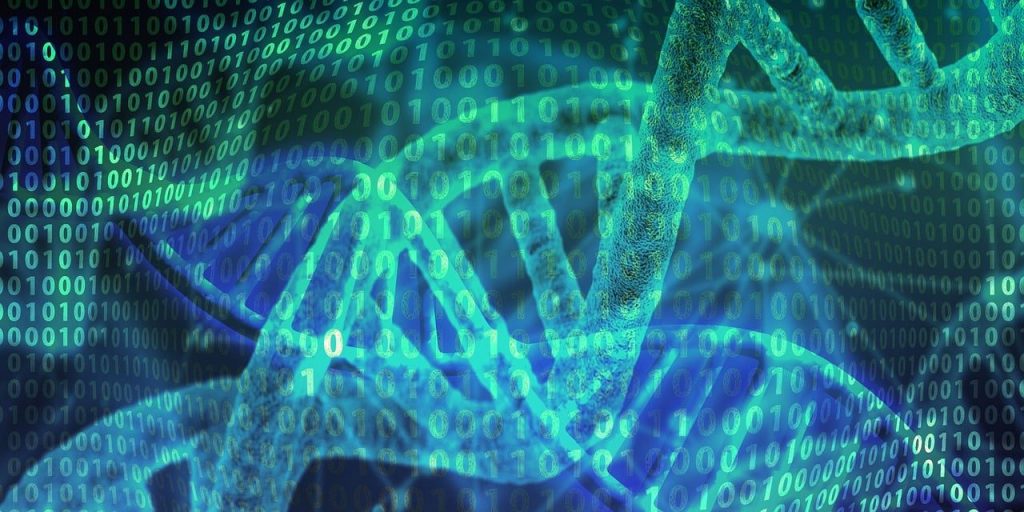
    dna, heritage, helix, proteins, biology, chemistry, medicine, binary, code, zero, one, research, medical, science, genetically, dna strand, dna helix, discovery, development, health, coding, dna, dna, dna, dna, dna
    Photo by geralt on Pixabay

    The new 2026 breakthrough uses massive databases to compare an embryo’s DNA to millions of other people. The AI assigns a “score” for hundreds of different traits. Parents are given a report card for each embryo, showing which one has the highest “potential” for success. It feels like a high-stakes game of genetic poker. But can we really trust an algorithm to decide who gets a chance at life? The implications for our society are chilling.

    The Birth of the “A-Grade” Human

    baby's white and black bassinet
    Photo by freestocks on Unsplash

    This technology is currently extremely expensive, which means only the wealthiest families can afford it. This is leading to a terrifying “Biological Class Divide.” If the rich can buy genetic advantages for their children, we could see the birth of a new elite class that is physically and mentally superior by design. We are moving from a world of “equal opportunity” to a world of “equal biology.” But wait until you see the unintended side effects of “fixing” our genes.

    The Mystery of the Genetic Trade Off

    Two doctors looking at a medical scan on tablet
    Photo by Vitaly Gariev on Unsplash

    Our genes are interconnected in ways we don’t fully understand. Scientists warn that by selecting for “high intelligence,” we might accidentally be selecting for higher rates of anxiety or autoimmune diseases. This is known as “Genetic Pleiotropy.” We are trying to build the perfect human, but we might be creating a biological nightmare instead. We are essentially hacking a system that took millions of years to evolve. But is there a way to stop this “genetic arms race”?

    The Ethics of the New Cradle

    a gun on a table
    Photo by Rakshit Yadav on Unsplash

    Lawmakers are currently debating whether “Embryo Scoring” should be banned entirely. Some countries have already moved to make it illegal, while others are embracing it to become “competitive” on the world stage. We are being forced to redefine what it means to be human. Is a person still an individual if they were selected like a product on a shelf? The conversation is happening right now, and it’s the most important one of the decade. But can this technology actually prevent future diseases?

    Pre-Emptying Sickness Forever

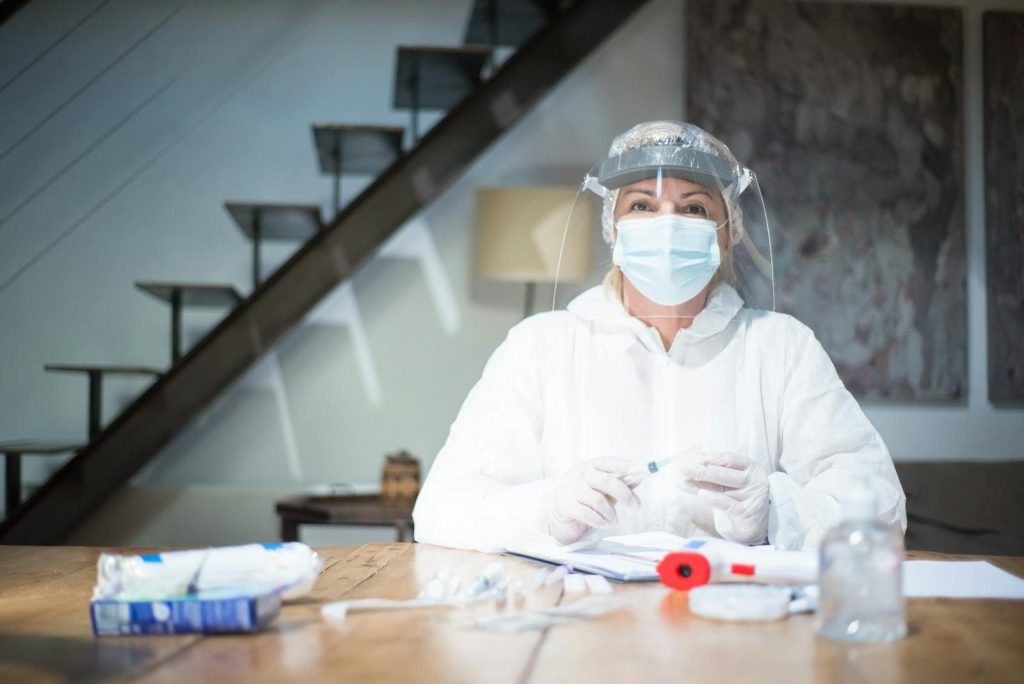
    A healthcare professional in PPE and face mask holds medical equipment at a table indoors.
    Photo by Kampus Production on Pexels

    The supporters of the technology argue that we have a moral duty to reduce suffering. If we can use scoring to eliminate cancer and Alzheimer’s before a child is even born, why wouldn’t we? We are moving from a world of “sick care” to a world of “proactive health.” The 2026 data proves that we can save millions of lives through better selection. But at what cost to our souls?

    The End of Human Variety

    Row of mannequins in a window display with dramatic lighting creating an eerie atmosphere.
    Photo by wal_ 172619 on Pexels

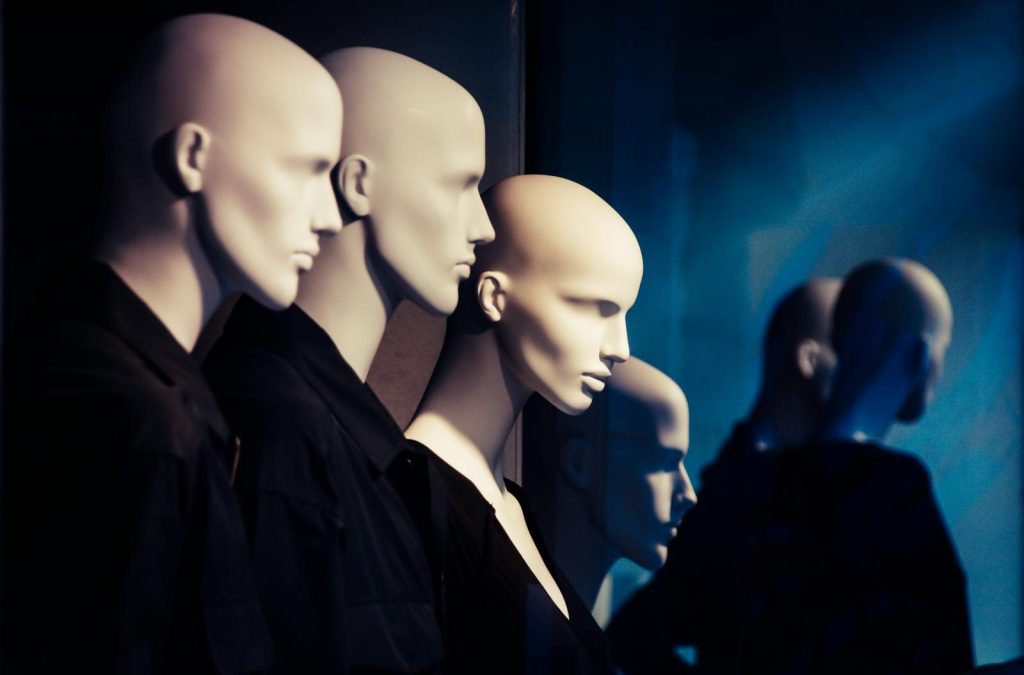
    If everyone chooses the same “optimal” traits, we might lose the diversity that makes humanity resilient. We could end up with a population that is highly intelligent but lacks the creative “chaos” that drives innovation. We are essentially standardizing our species. It is a radical experiment with no “undo” button. But while we edit our children, Japan has just found a way to end cybercrime forever.

    The Final Countdown for Natural Birth

    woman in white long sleeve shirt
    Photo by Anastasiia Chepinska on Unsplash

    The era of “Natural Selection” is officially over. We have entered the age of “Intentional Evolution.” The next generation will be the first to know that their traits were chosen for them. It is a sobering thought that changes the fundamental nature of the parent-child bond. Stay sharp, because the next big breakthrough is already hitting the news. Are you ready for the Japan “W-State” discovery that just changed the internet forever?

    Featured Image: Photo by National Cancer Institute on Unsplash

  • Can Breakthrough 2026 AI Models Finally Decode Your Dog?

    Can Breakthrough 2026 AI Models Finally Decode Your Dog?

    Have you ever looked into your dog’s eyes and wished they could just tell you what they want? For centuries, humans have tried to guess what a bark or a tail wag means. We thought it was simple hunger or a need to go outside. But a massive 2026 reveal from a top AI research firm suggests we have been missing 90 percent of the conversation. Scientists have used deep-learning models to analyze millions of canine vocalizations and facial movements across every breed.

    The results are shocking. Your dog isn’t just asking for food; they are expressing complex emotions like nostalgia, specific fears, and even humor. This new AI translator is currently making headlines as the biggest bridge between species in human history. It uses a tiny collar-mounted device that syncs with your phone to provide real-time “subtitles” for your dog’s life. It feels like science fiction, but the data is very real. You are about to find out that your furry friend has a lot more on their mind than a tennis ball. But how does the AI distinguish between a happy bark and a warning?

    The Secret Language of the Bark

    A shaggy brown dog with its tongue out.
    Photo by Ben Kupke on Unsplash

    The AI doesn’t just listen to the bark’s volume. It looks for “micro-frequencies” that the human ear cannot detect. These tiny shifts in pitch reveal if a dog is feeling anxious about a distant sound or excited about a specific person. The translator can tell the difference between a “stranger at the door” bark and a “mailman is here” bark. It turns out dogs have unique names or sounds for different people in the house. But the voice is only half of the puzzle. What is the tail actually doing?

    Reading the Tail Wag Secret

    a close up of a dog's eye
    Photo by Julian Zwengel on Unsplash

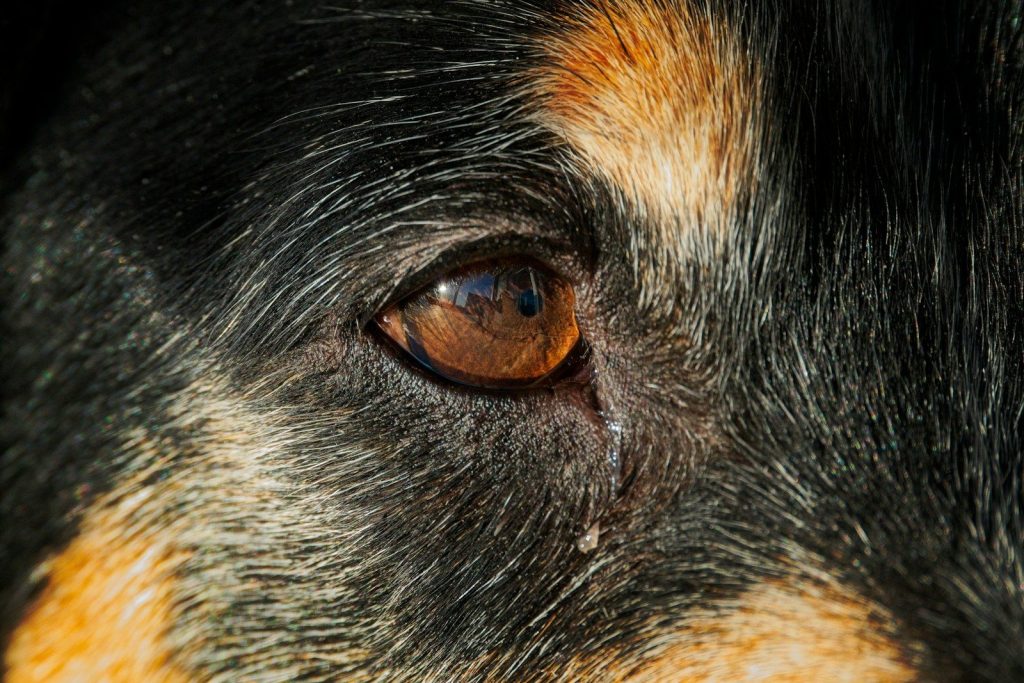
    We used to think a wagging tail always meant a happy dog. The AI translator proves this is a dangerous myth. The speed, height, and even the direction of the wag send completely different messages. A wag slightly to the right usually means positive feelings, while a wag to the left can signal a desire to withdraw or a sense of suspicion. The AI camera monitors these movements to provide a second layer of translation. It combines body language with sound to get the full story. But can it tell if your dog is actually dreaming about you?

    Decoding the Dreams of Canines

    pet dog laying on bed
    Photo by Irina on Unsplash

    When your dog’s paws twitch in their sleep, they are doing more than just chasing squirrels. The 2026 AI translator has a “Dream Mode” that analyzes brain-wave patterns through the collar. It has been revealed that dogs often replay their favorite moments with their owners during the night. They experience social joy even while unconscious. This discovery is changing how we treat pet anxiety and sleep disorders. We are finally learning what makes our pets feel safe. But wait until you hear the specific words they use for their favorite toys.

    Unique Names for Favorite Objects

    a black dog running with a ball in its mouth
    Photo by Alex Preusser on Unsplash

    The AI has identified that most dogs develop their own internal “labels” for objects. Your dog might have a specific sound for their blue ball that is different from their squeaky bone. The translator allows you to save these sounds and assign them names in the app. This means when your dog barks, your phone might actually say, “Where is the blue ball?” It is a level of two-way communication that was previously impossible. But is the AI smart enough to handle the complex relationship between dogs and cats?

    The Great Cat Translation Conflict

    a dog and a cat laying in the grass
    Photo by Andrew S on Unsplash

    Translating cats is much harder because their communication is more subtle. While dogs are “loud” with their emotions, cats use scent and microscopic ear movements. The 2026 AI is currently being trained on feline logic, but the early results show that dogs and cats actually understand each other better than we understand either of them. They have a shared “animal dialect” that the AI is just beginning to crack. It is a messy, fascinating look at the secret life of our living rooms. But can this tech actually tell if your dog is in pain?

    A Medical Revolution for Vets

    A veterinarian checks a German Shepherd dog in a sterile clinic environment.
    Photo by Tima Miroshnichenko on Pexels

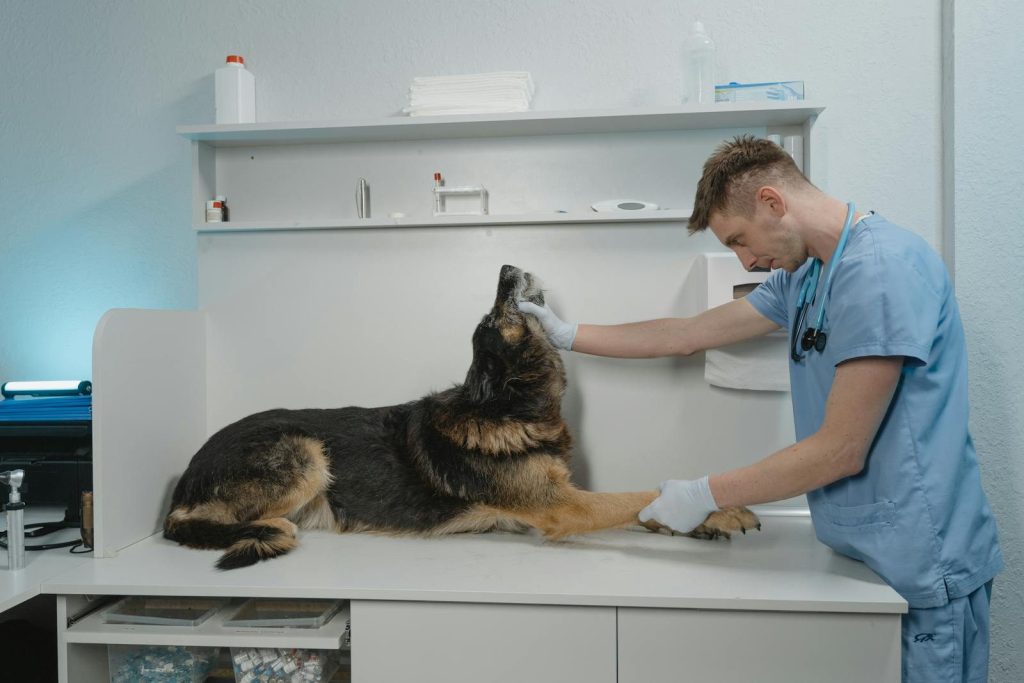
    The biggest benefit of the translator isn’t just fun talk; it is life-saving data. Dogs are experts at hiding physical pain to avoid looking weak. The AI can detect the “vocal stress” of a hidden injury or illness weeks before a human would notice. This allows for early treatment of things like arthritis or heart issues. Vets are already using the 2026 data to create “Pain Maps” for their patients. It is making our pets live longer and healthier lives. But what happens to the human-dog bond when we can finally talk?
    Will Talking Pets Change Our Lives?

    Pretty young female in casual wear cuddling and kissing golden retriever dog while standing on knee in street at sundown
    Photo by Helena Lopes on Pexels

    As the AI translator becomes common, our relationship with animals will change forever. We will no longer be “owners,” but true partners. The silence of the animal kingdom is officially broken. We have to be prepared for the fact that our dogs might have some complaints about their food or their walk schedule. It is a brave new world of shared understanding. We are building a world where every voice is heard, no matter how many legs they have. But is this the end of the mystery of the animal mind?

    The Future of the Talking Pet

    A brown dog with a collar looking out window
    Photo by Cesar Alfonso on Unsplash

    This technology is moving fast. By the end of next year, we expect the first consumer-ready cat collars to hit the market. We are entering an age where the language barrier between humans and animals is becoming a thing of the past. Keep your ears open and your apps ready because your pet is about to speak their mind. It is time to listen to what they have to tell us about the world we share. The future is here, and it’s barking.

    Featured Image: Photo by Adam Griffith on Unsplash

  • Is Your Brain Obsolete? The 2026 Reality of Memory Offloading

    Is Your Brain Obsolete? The 2026 Reality of Memory Offloading

    Human memory is notoriously unreliable. We forget names, lose our keys, and blur the details of our own history. But in 2026, a new technology known as “Memory Offloading” is making the natural brain look like outdated hardware. Scientists have developed a “Neural Bypass” that allows you to store your memories on an external cloud drive. It sounds like science fiction, but the first human trials are already showing 100 percent recall accuracy.

    This isn’t just about remembering your grocery list. It is about capturing every second of your life in high-definition data. We are entering an era where you can “scroll” through your past just like you scroll through a social media feed. The barrier between biological thought and digital storage has finally been smashed. But as we start to rely on external drives for our thoughts, people are asking a terrifying question: what happens to the person you used to be?

    An External Hard Drive for the Mind

    ai generated, ai brain, neural networks, digital connections, futuristic concepts, artificial intelligence, advanced technology, digital art, technological innovation, ai visualizations, digital images, neural pathways, technological art, ai graphics, digital design, futuristic art, technological concepts, digital brains, neural art, technological visualizations
    Photo by Soul_Canvas on Pixabay

    The technology uses a “Neural Mesh” that sits on the surface of the brain. It records the electrical patterns created when you form a new memory. This data is then encrypted and sent wirelessly to a secure “Personal Memory Cloud.” If you ever forget a detail, your brain can “request” the data back from the cloud, and it appears in your mind as a vivid thought. It is the ultimate upgrade for the human experience. But this breakthrough was actually designed for a much more tragic reason.
    Ending the Nightmare of Alzheimer’s Disease

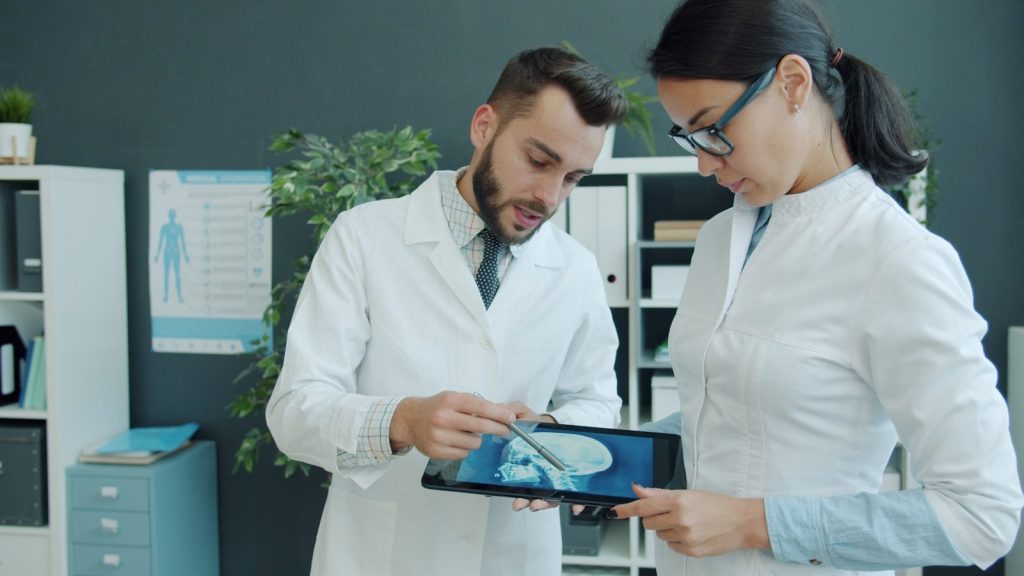
    Doctor shows patient an x-ray of a skull.
    Photo by Vitaly Gariev on Unsplash

    The primary goal of memory offloading is to fight dementia and Alzheimer’s. By “backing up” a patient’s memories early on, doctors can feed those thoughts back into the brain even as the biological tissue begins to fail. It allows people to stay “themselves” for much longer. Families are already using the 2026 prototypes to keep their loved ones connected to their history. It is a miracle of modern medicine that is giving hope to millions. But wait until you see how students are using this tech.

    Instant Learning and Skill Uploading

    A brain over cpu represents artificial intelligence.
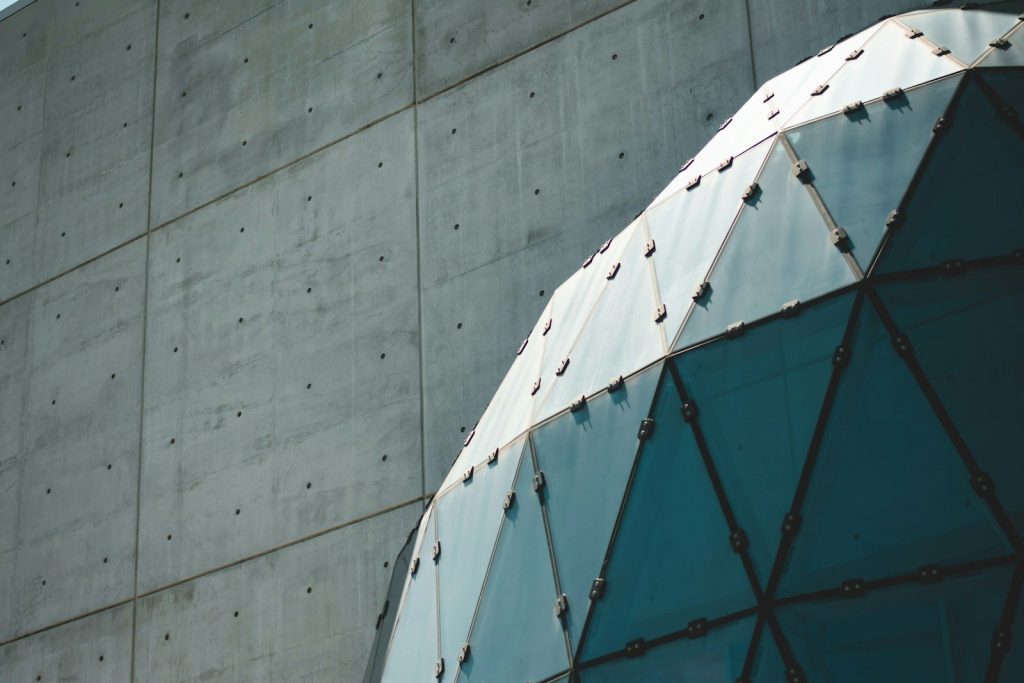
    Photo by Sumaid pal Singh Bakshi on Unsplash

    If you can offload memories, can you also “upload” them? Researchers have found that they can transfer the “muscle memory” of a master pianist or a surgeon into the memory cloud. A student could theoretically download the “memory” of how to play a song or perform a task in seconds. We are looking at the death of traditional education. Instead of years of practice, we are talking about seconds of data transfer. But this raises a massive security risk that no one was prepared for.

    The Danger of Hackable Thoughts

    Crop unrecognizable computer geek typing on netbook with codes on screen while hacking system in darkness
    Photo by Sora Shimazaki on Pexels

    If your memories are on a cloud, can they be stolen? Cybersecurity experts are warning about “Memory Hijacking,” where hackers could access your private thoughts or even “edit” your past. Imagine waking up with a memory of a crime you never committed or a family you never had. The 2026 security protocols are incredibly strict, but the risk remains. We are trading our privacy for a perfect mind. But the tech is moving even further into “Digital Twins.”

    Living Forever in a Digital Box

    A woman with digital code projections on her face, representing technology and future concepts.
    Photo by ThisIsEngineering on Pexels

    By offloading an entire life’s worth of memories, scientists can create a “Digital Twin” of a person’s consciousness. This digital version can think and react exactly like a human. Some companies are already offering services that let you “talk” to a deceased relative based on their memory backups. It is the beginning of a world where death is no longer the end of a conversation. But does a digital copy actually have a soul?

    The Philosophical Crisis of 2026

    cyborg, future, futuristic, robot, technology, robotics, web, network, cyberpunk, mind, ai generated
    Photo by sandragielen71 on Pixabay

    Philosophers are debating whether a person who offloads 90 percent of their brain is still “human.” If our identity is just a collection of data, then what makes us special? The 2026 reality is forcing us to redefine the concept of the “soul” and “self.” We are becoming a hybrid species, half-meat and half-machine. It is a high-speed evolution that we cannot slow down. But while we worry about our souls, our doctors are looking at a new type of silk.

    The Final Verdict on Memory Tech

    a digital image of a brain with the word change in it
    Photo by Growtika on Unsplash

    Memory offloading is no longer a dream; it is a product. Within the next decade, it will likely be as common as having a smartphone. We are standing on the edge of a new era of human intelligence where forgetfulness is a choice. The only thing left to decide is how much of our biological mystery we are willing to give up for digital perfection. Are you ready for a world that never forgets anything?

    Featured Image: Photo by Ecliptic Graphic on Unsplash

  • Cellular Time Travel – The Medical Breakthrough Making Old Cells Young

    Cellular Time Travel – The Medical Breakthrough Making Old Cells Young

    Human aging has always been viewed as a one-way street. We are born, we grow, and our cells slowly lose their ability to repair themselves. But in 2026, the medical world is buzzing with a discovery that feels like a scene from a science fiction movie. Researchers have successfully performed what they are calling “Cellular Time Travel.” By using a specific cocktail of proteins, scientists have managed to “reset” the internal clock of adult stem cells, making them act and function as if they were decades younger.

    This isn’t just about looking better in the mirror; it is about restoring the fundamental building blocks of the human body. These rejuvenated cells regain their youthful energy and precision, allowing them to repair damaged tissues with incredible speed. This breakthrough is hitting the news as a potential cure for age-related decline. We are looking at a future where “getting old” might be a choice rather than a certainty. But how do you actually convince a cell to forget its own history? The secret lies in a process called epigenetic reprogramming. But wait until you see what this means for our most vital organs.

    The Epigenetic Reset Button

    Woman in sleek attire operates cutting-edge laboratory equipment in a tech-focused environment.
    Photo by cottonbro studio on Pexels

    Every cell carries a record of the stress and damage it has endured. This record is stored in the epigenome. The new 2026 breakthrough uses “Yamanaka Factors” to scrub these records clean. It is like formatting a cluttered hard drive back to its original factory settings. Once the “noise” is removed, the cell remembers how to be young again. It starts producing the same proteins it did during childhood. But can this process actually be controlled safely inside a living human?

    Fixing Broken Hearts from Within

    heart, organ, muscle, line art, biology, anatomy, cardiac, vintage, retro, antique
    Photo by GDJ on Pixabay

    The most immediate application of cellular time travel is in heart health. After a heart attack, the muscle usually scars and stays weak forever. By injecting these “young” stem cells directly into the heart, doctors are seeing the scars disappear and be replaced by healthy, beating muscle. It is a level of healing we thought was impossible for the human body. The heart essentially learns to beat with youthful vigor once again. But what happens when we apply this logic to the human brain?

    A Shield Against Memory Loss

    Nervous Tissue: Spinal Cord Motor Neuron
    Photo by Bioscience Image Library by Fayette Reynolds on Unsplash

    Our neurons are the oldest cells in our bodies, and they rarely regenerate. This makes conditions like Alzheimer’s a nightmare. However, early 2026 trials show that “resetting” the supporting cells in the brain can stop and even reverse cognitive decline. The “young” cells clear away the toxic plaques that cloud our memory. We are watching the first real evidence that dementia could be a reversible condition. But how does this technology affect the way we look on the outside?

    The End of Skin Aging

    Detailed image highlighting dry, flaky skin texture for dermatological study.
    Photo by www.kaboompics.com on Pexels

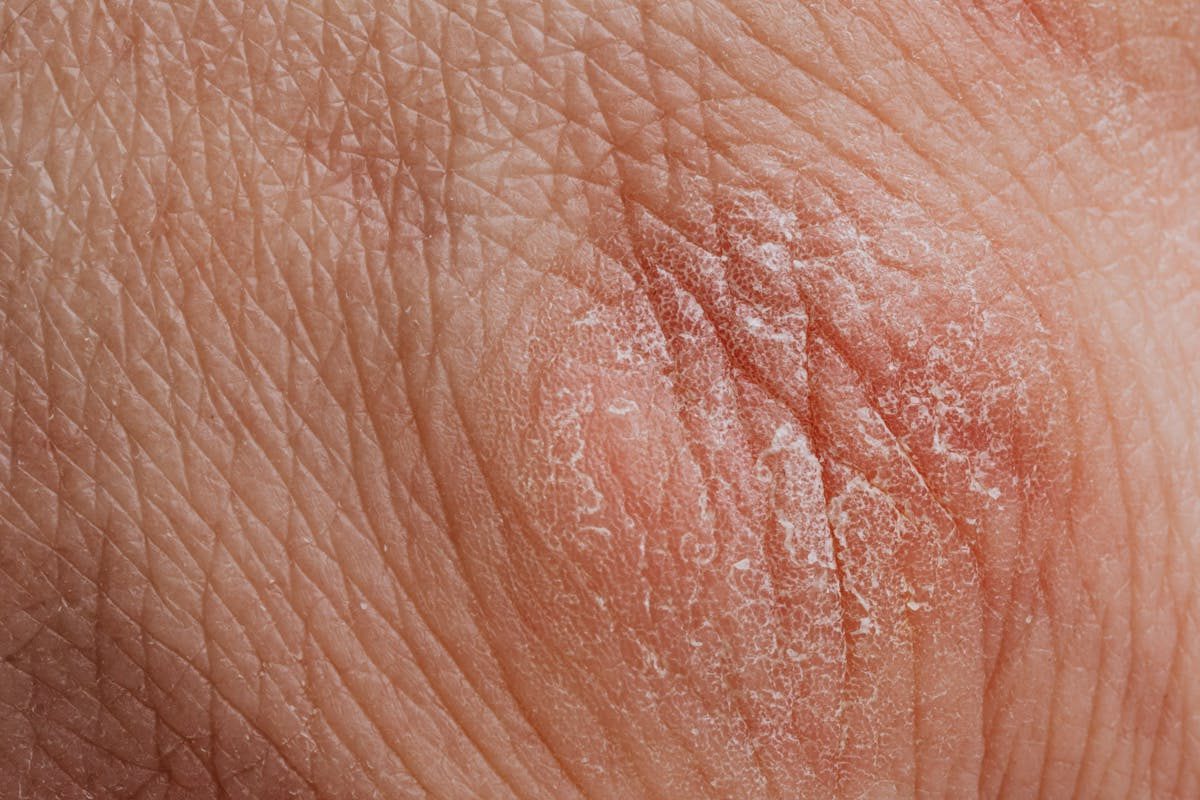
    While organ repair is the priority, the cosmetic benefits are hard to ignore. This breakthrough allows for a permanent “skin reset.” Instead of creams that sit on the surface, this treatment works at the cellular level to restore collagen production to teenage levels. Scars, wrinkles, and sun damage are simply erased as the cells revert to their healthiest state. It is a total transformation of the dermatology industry. But wait until you see the “Longevity Pill” currently in development.

    Making the Treatment Affordable

    Close-up of a nurse in gloves giving a vaccination to a patient.
    Photo by www.kaboompics.com on Pexels

    High-tech cures are usually for the rich, but the 2026 “Time Travel” proteins are surprisingly easy to manufacture. Scientists are already working on a way to deliver these factors through a simple injection or even a pill. The goal is to make cellular rejuvenation as common as a flu shot. Governments are looking at this as a way to lower the massive cost of elder care. But is there a hidden danger to living in a body that never feels old?

    The Ethics of the New Human

    Elderly man with glasses and gray hair appearing pensive and thoughtful indoors.
    Photo by cottonbro studio on Pexels

    If everyone stays young, our society will have to change completely. Philosophers and lawmakers are debating the rules of a world where people can live for 150 years or more. Will there be enough jobs? How will retirement work? We are being forced to redefine what it means to have a “natural” lifespan. It is the most important conversation of the decade, and it’s happening right now. But can this technology actually prevent future diseases before they even start?

    Pre-Emptying Sickness Forever

    a person with a blood pressure meter on a table
    Photo by Mufid Majnun on Unsplash

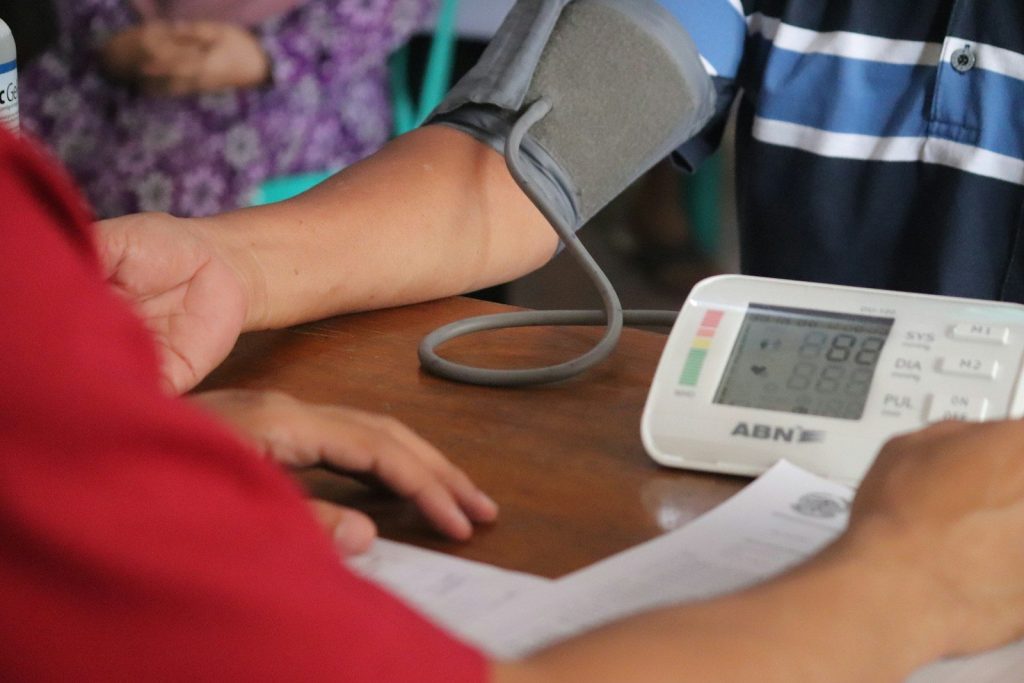
    The ultimate goal of cellular time travel is “Proactive Health.” By resetting our cells every few years, we could potentially prevent cancer and organ failure from ever occurring. We are moving from a world of “sick care” to a world of “vitality maintenance.” The 2026 data proves that we are no longer at the mercy of our biological clocks. We have finally found the keys to the engine room. But while we fix our cells, what is happening to the clothes we wear every day?

    The Journey to a Perfect Body

    anatomy, skull, skeleton, muscles, organs, human organs, science, health, human, bones, nerves, human body, body, man, medical, 3d, model, adult, 3d render, anatomy, human body, human body, human body, human body, human body
    Photo by Monoar_CGI_Artist on Pixabay

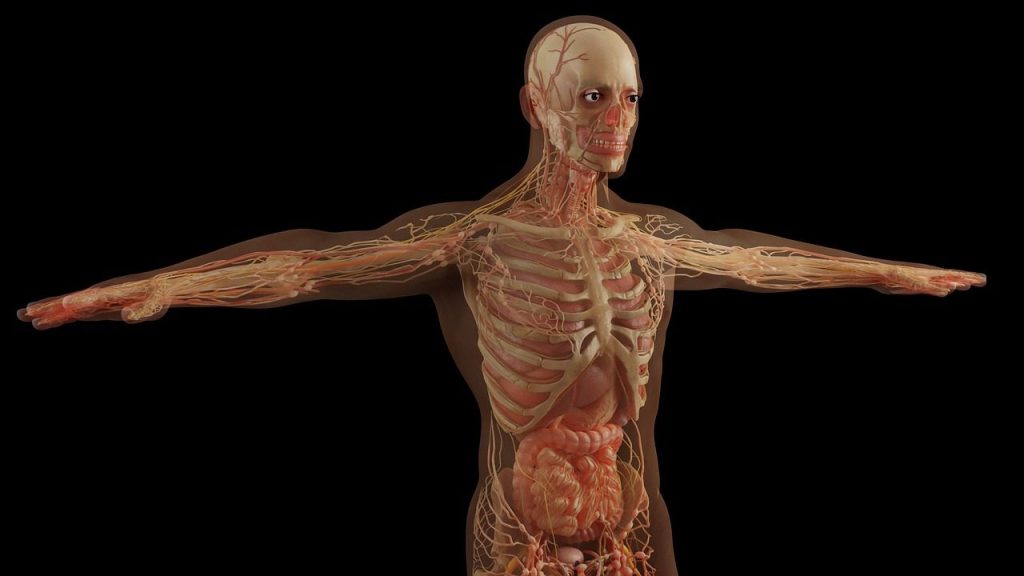
    The cellular time travel breakthrough is the final piece of the puzzle for a healthier future. We have learned to work with the body instead of fighting it. Every day, more data arrives proving that we can cure the “incurable.” The world is getting safer, one cell at a time. But are you ready for the “Smart Underwear” that is currently being woven in high-tech textile labs?

    Featured Image: Photo by Marek Piwnicki on Pexels