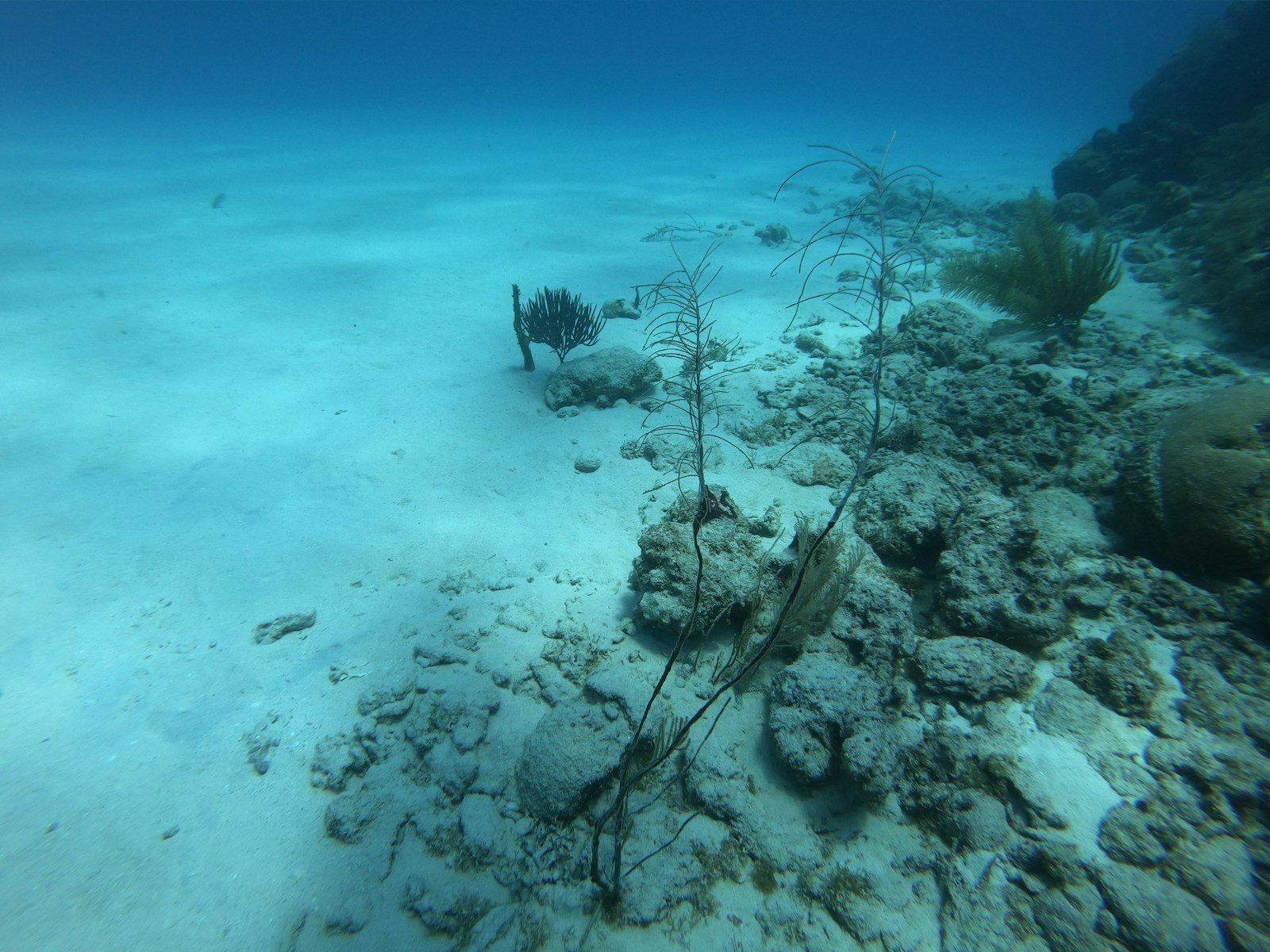
The seafloor may be Earth’s biggest mystery hiding in plain sight. It covers huge parts of the planet, yet much of it remains unseen by human eyes. NOAA Ocean Exploration says less than 0.001% of the deep ocean seafloor has been directly observed, which means scientists are still working with a very small window into an enormous world.
What they have found is anything but boring. The seafloor holds underwater mountains, canyons, hot vents, cold seeps, strange animals, hidden minerals, and ecosystems that do not need sunlight. New mapping tools, deep-diving robots, and DNA studies are helping researchers uncover details that were once out of reach. Each discovery reminds us that the ocean floor is not just a dark, flat bottom. It is a living, changing landscape full of surprises.
Most of it remains unseen
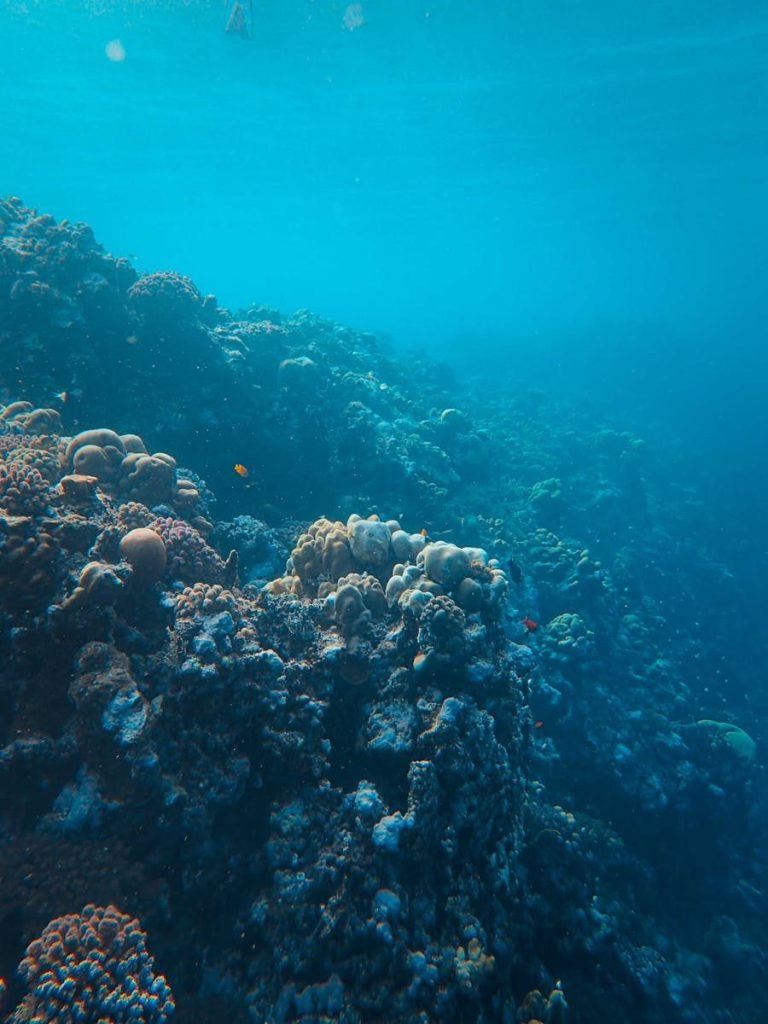
The seafloor is often shown as a smooth blue space on maps, but that picture hides how little we have actually seen. Many deep areas are still unexplored, especially far from coastlines.
NOAA says explorers have directly observed less than 0.001% of the deep ocean seafloor. That is why new dives can still reveal animals, landscapes, and features that scientists have never documented before.
Underwater mountains are everywhere
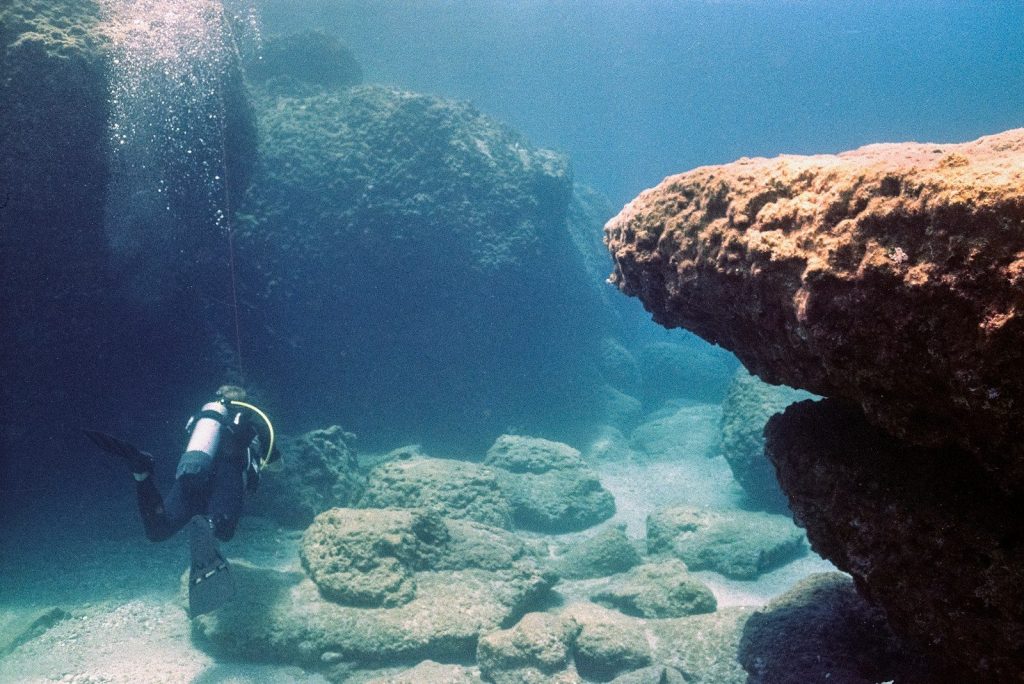
Seamounts are underwater mountains that rise from the seafloor. Many are old volcanoes, and they can create rich habitats where currents bring food and animals gather.
NOAA says data suggests there may be more than 100,000 seamounts at least 1,000 meters high. Yet less than one-tenth of one percent have been explored, leaving thousands of hidden peaks still waiting for study.
Vents power life without sun
Hydrothermal vents form when hot, mineral-rich water rises from cracks in the seafloor. They can look harsh, but they support some of the strangest communities on Earth.
Instead of relying on sunlight, many vent ecosystems depend on microbes that use chemicals for energy. NOAA explains that vents are hot springs created by underwater volcanoes or tectonic activity, with life adapted to deep darkness.
Cold seeps are busy too
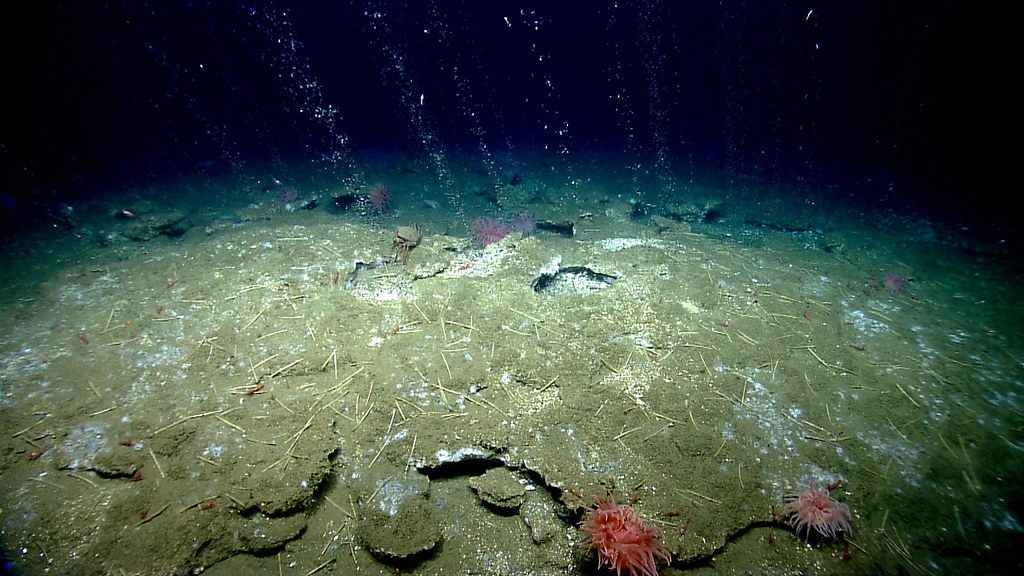
Not every strange seafloor habitat is hot. Cold seeps release fluids such as methane-rich water from the seabed, creating chemical-rich places where unusual life can grow.
These habitats can support clams, mussels, worms, and microbes that use chemical energy. They show that the seafloor has many ways to feed life, even where sunlight never reaches.
Canyons cut deep paths
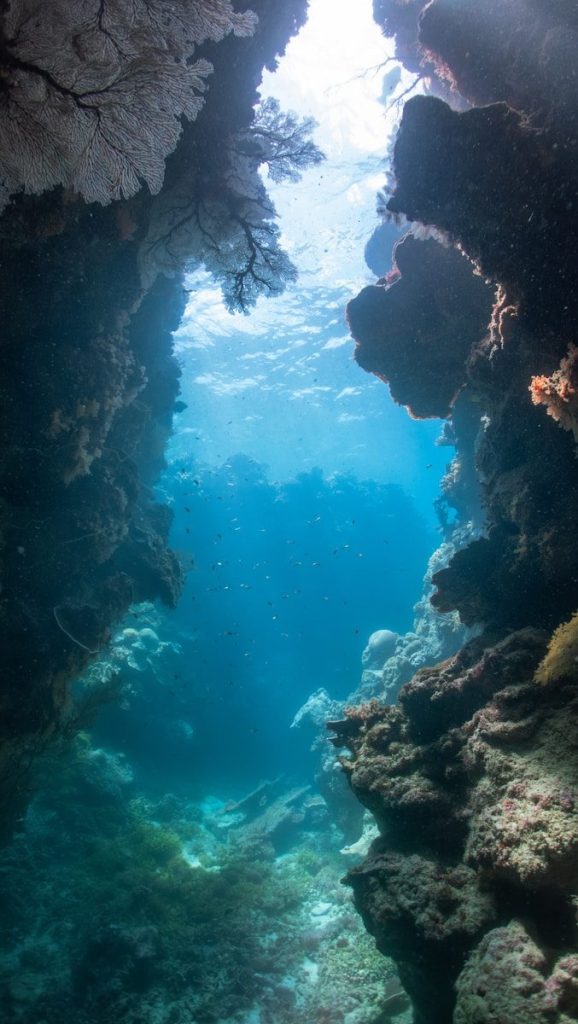
Underwater canyons can slice through the seafloor like giant valleys. Some begin near continental shelves and stretch far into the deep ocean.
These canyons can move sediment, nutrients, and organic material from shallow areas into deeper water. They may also create habitats for corals, sponges, fish, and other animals that depend on changing currents and food flow.
Deep corals grow in darkness
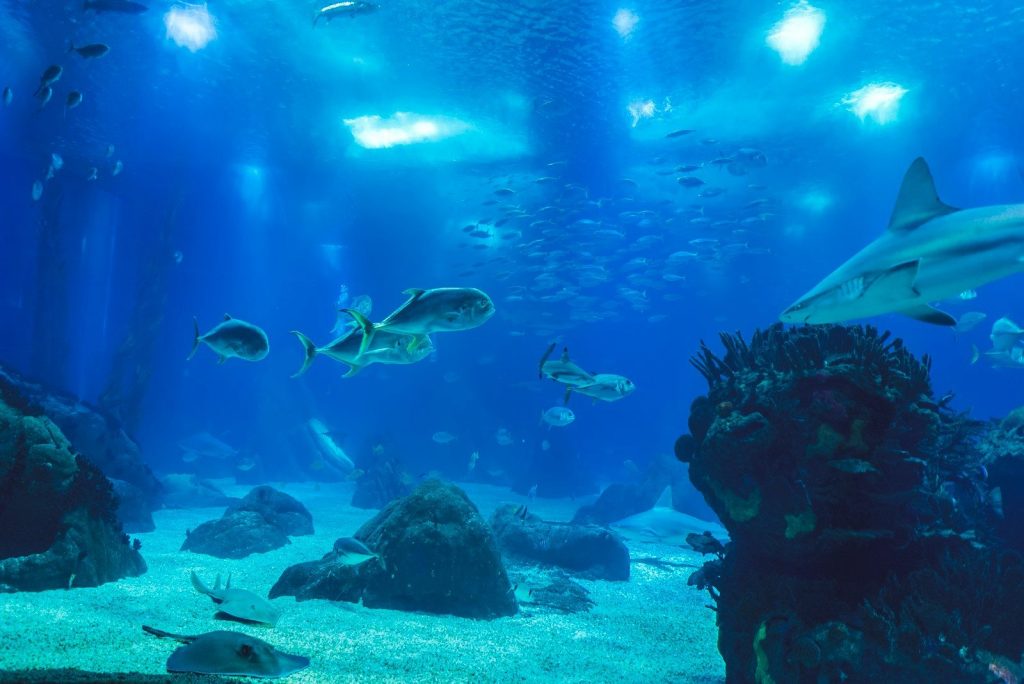
Corals are often linked with warm, sunny reefs, but some corals live in cold, dark water far below the surface. These deep-sea corals do not need sunlight the way tropical reef corals do.
NOAA lists deep-sea corals and sponges among the important habitats found in the deep ocean. They can provide shelter for many animals, even in places that look empty at first glance.
New species keep appearing
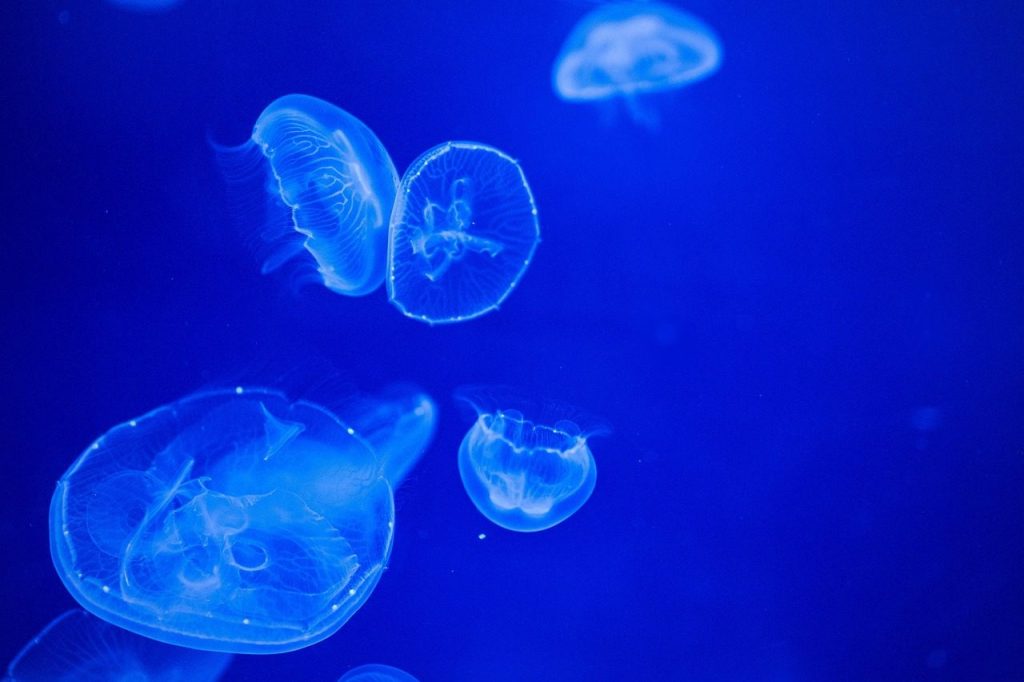
The seafloor is still giving scientists new animals to study. Deep-sea expeditions often collect samples or footage that later reveal species no one had officially described before.
Ocean Census reported in 2025 that more than 800 new marine species had been discovered through its work. That kind of progress shows how much life may still be undocumented beneath the waves.
Robots are changing exploration

Exploring the seafloor is difficult because deep water brings darkness, pressure, distance, and cold. Humans cannot simply walk around down there with a notebook.
That is why remotely operated vehicles, autonomous vehicles, cameras, sonar, and sampling tools are so important. NOAA says ocean exploration helps characterize unknown areas, and its 2025 work included mapping 339,864 square kilometers of seafloor.
The seafloor is always moving
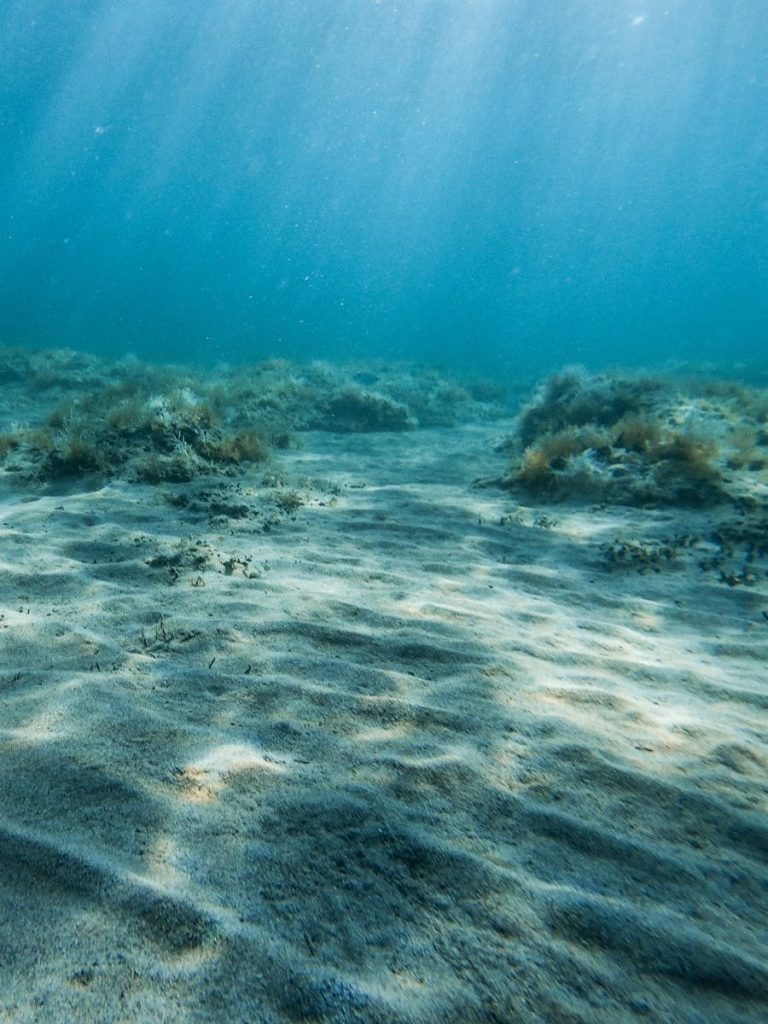
The ocean floor may seem still, but it is part of a restless planet. Plates shift, volcanoes erupt, vents open and close, and sediments slide over time.
These changes can reshape habitats and create new ones. A seafloor area that looks quiet today may have been shaped by earthquakes, lava, currents, or ancient landslides long before researchers arrived.
It may guide space science
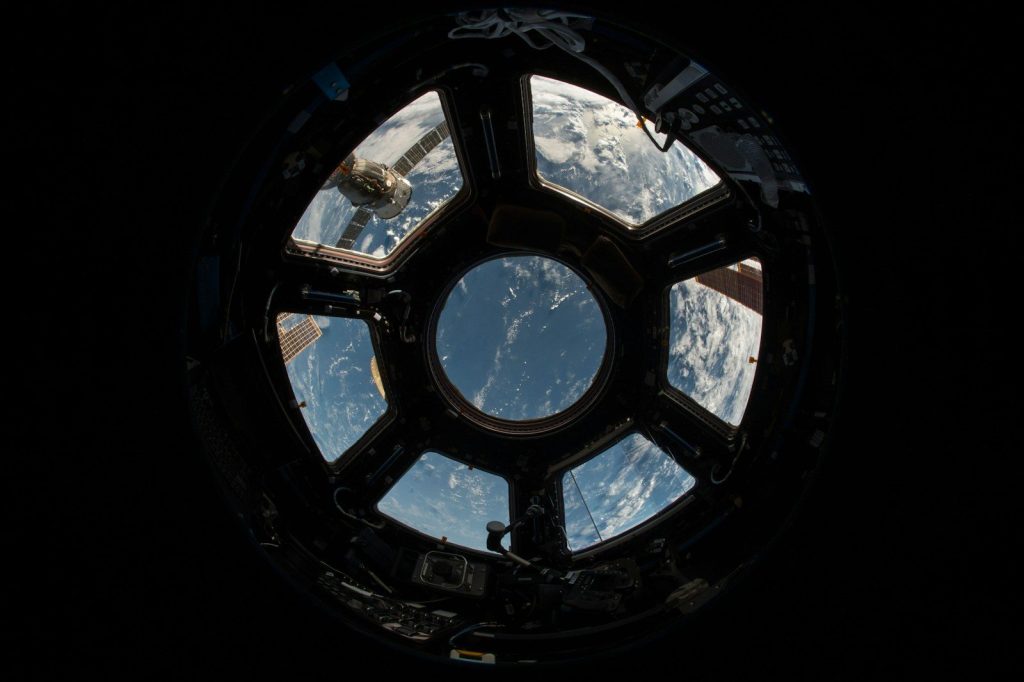
The seafloor helps scientists think about life beyond Earth. Places like vents and seeps show that life can survive without sunlight when water, chemistry, and energy come together.
That matters for the search for life on ocean worlds, such as icy moons with hidden seas. Earth’s deep seafloor gives researchers a real place to study how life might exist in dark, extreme environments.
Leave a Reply