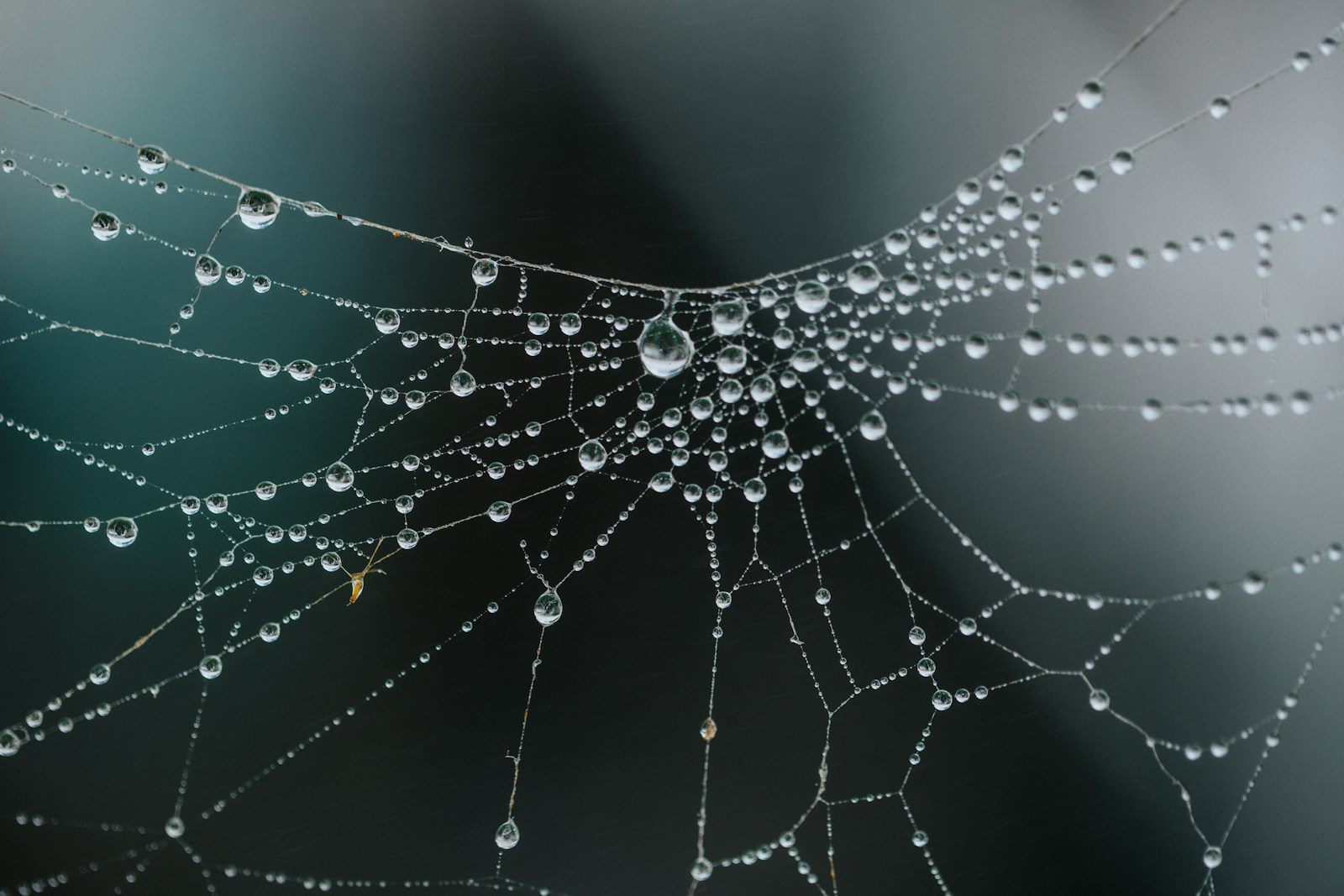
For years, we thought spider webs were just sticky traps for flies. But in 2026, scientists discovered that these intricate structures are actually the world’s most sensitive natural microphones. Researchers have successfully used the silk of a common garden spider to pick up sub-vocalizations and distant sounds that even high-tech human devices miss. Because the silk is so thin and flexible, it vibrates in response to the tiniest air particles. These vibrations can be translated into digital audio with incredible clarity.
This isn’t just a cool lab experiment. This discovery is hitting the news as a massive breakthrough for bio-sensing technology. We are looking at a future where our sensors are woven into our clothing or even our environment using natural materials. The physics behind how these webs capture sound is making engineers rethink everything they knew about acoustics. It turns out the spider has been listening to us all along, and we are just now learning how to hear back. But how does a piece of protein actually talk to a computer?
The Secret Strength of Silk
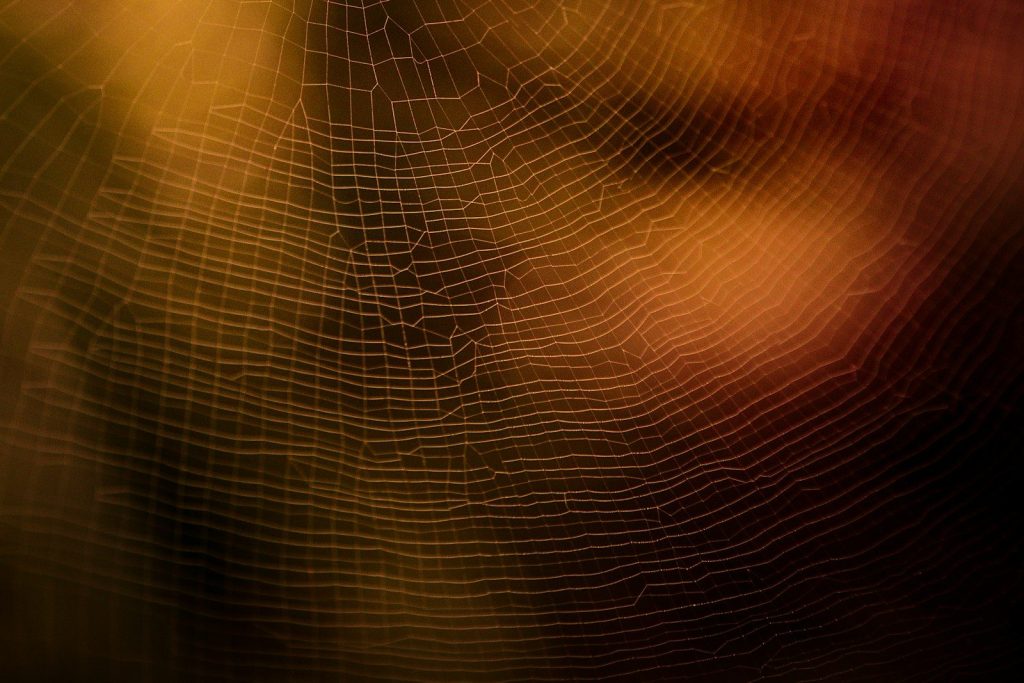
Spider silk is five times stronger than steel and more flexible than nylon. This combination makes it the perfect material for a vibrating sensor. In 2026, engineers have learned how to coat this silk with a microscopic layer of gold to make it conductive. When sound waves hit the web, it moves, creating an electrical signal that a computer can read. It is a masterpiece of biological engineering that humans are finally beginning to copy. But wait until you see how this “ear” can detect movement from miles away.
Nature’s Most Sensitive Antenna
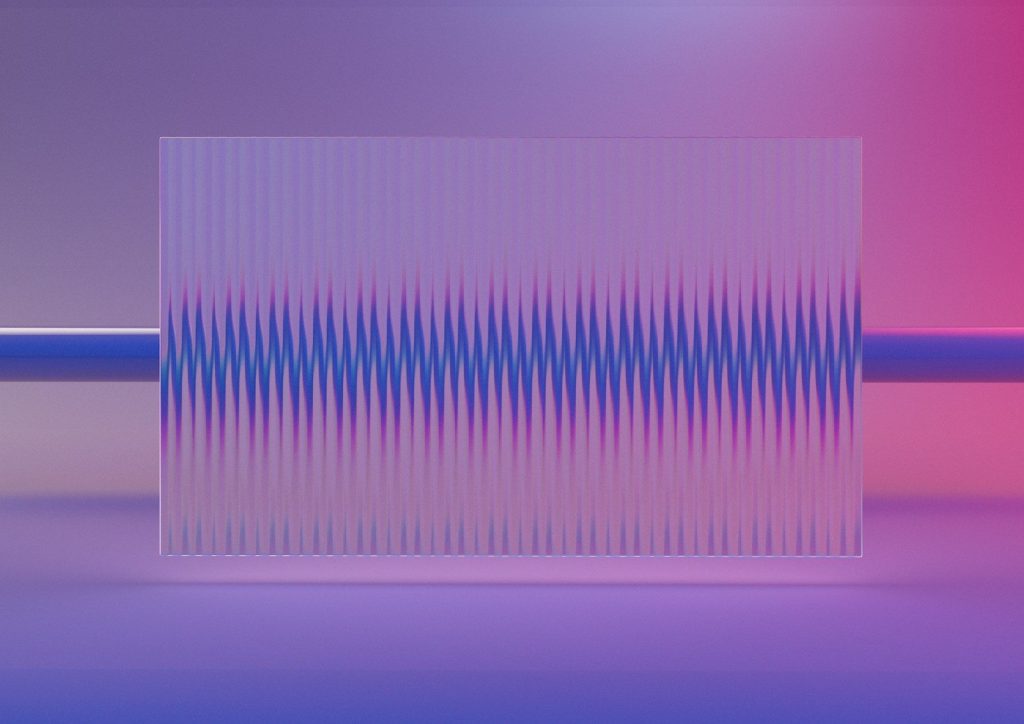
Unlike metal microphones that can be heavy and blunt, a spider web microphone is almost weightless. It can detect frequencies that are too low for humans to hear. This makes it an incredible tool for tracking weather patterns or even underground tremors. Scientists are calling it a “Hyper-Antenna” that could help us predict earthquakes before they happen. It captures the rhythm of the planet in real-time. But this technology is also about to change how we help people with hearing loss.
The Future of Hearing Aids
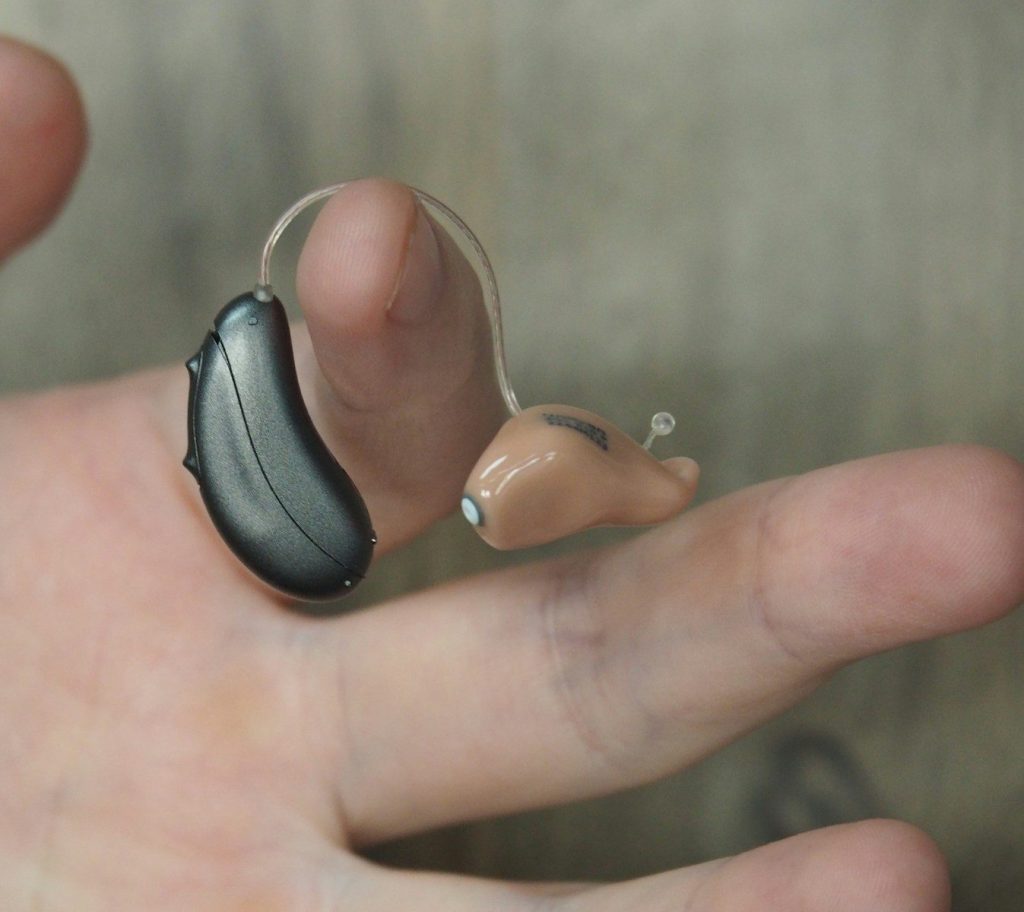
Traditional hearing aids often struggle with background noise. Because the spider web sensor is so precise, it can “lock on” to a single voice in a crowded room. Doctors are currently testing the first prototypes of “Bio-Hears.” These devices use synthetic spider silk to provide a natural, high-definition hearing experience. It is a game-changer for millions of people who feel isolated by their hearing loss. But the web isn’t just for listening to people; it is also a silent guard.
Invisible Security in Your Home
Imagine a security system that has no cameras and no visible wires. By weaving bio-sensing silk into the wallpaper or curtains, your home can “feel” the vibrations of anyone walking through the room. It can distinguish between a family member and an intruder based on the rhythm of their footsteps. This 2026 tech provides total privacy because it doesn’t “see” you—it only “hears” your presence. It is the ultimate invisible bodyguard. But how does this help the animals outside?
A Revolution for Environmental Monitoring

Conservationists are now deploying “Smart Webs” in the rainforest to monitor endangered species. These sensors can hear the heartbeat of a bird or the movement of an insect from hundreds of yards away. This allows researchers to track animal populations without ever disturbing them. It is giving us a front-row seat to the secrets of the wild. We are building a digital map of the earth’s health. But there is a dark side to being able to hear everything.
The Privacy Debate of 2026

If everything is a microphone, is anywhere truly private? This new technology has sparked a massive debate about surveillance. Some fear that governments could use these sensors to listen to conversations in public parks or even through open windows. We have to decide how much we trust our technology as it becomes part of the air we breathe. It is a high-stakes conversation that is just beginning. But the spider web isn’t the only nature secret being unlocked.
The Spider Web Sensor is Here

We are standing at the beginning of a new era of communication. The spider web microphone is proof that the best technology is often found in our own backyards. As we move into 2027, expect to see these bio-sensors appearing in everything from your phone to your car. The world is getting louder, and we are finally learning how to listen. But while we master sound, another creature has discovered the secret to living forever. Are you ready to meet the animal that never dies?
Featured Image: Photo by Nathan Dumlao on Unsplash
Leave a Reply