Category: Science & Biology

  • The Hidden Dinosaur Features Surviving In Modern Animals

    The Hidden Dinosaur Features Surviving In Modern Animals

    Most wildlife enthusiasts assume that dinosaurs completely vanished from our planet millions of years ago. We believe that a giant asteroid strike erased their genetic lineages forever.

    But evolutionary biologists have discovered a highly surprising biological connection. Several classic prehistoric traits are still actively shaping the bodies of modern animals today.

    The Flying Relatives

    black bird flying over gray mountain
    Photo by Loïc Mermilliod on Unsplash

    Living birds are not just related to prehistoric reptiles but are actually living dinosaurs. According to a study published in Science, modern birds descended directly from a group of feathered theropods. They are active hunters. This evolutionary link explains why modern eagles and chickens share their skeletal structure with ancient predators. But their physical bones hold an even more specific clue.

    Hollow Air-Filled Bones
    a skeleton of a bird is shown in black and white
    Photo by Christian Keybets on Unsplash

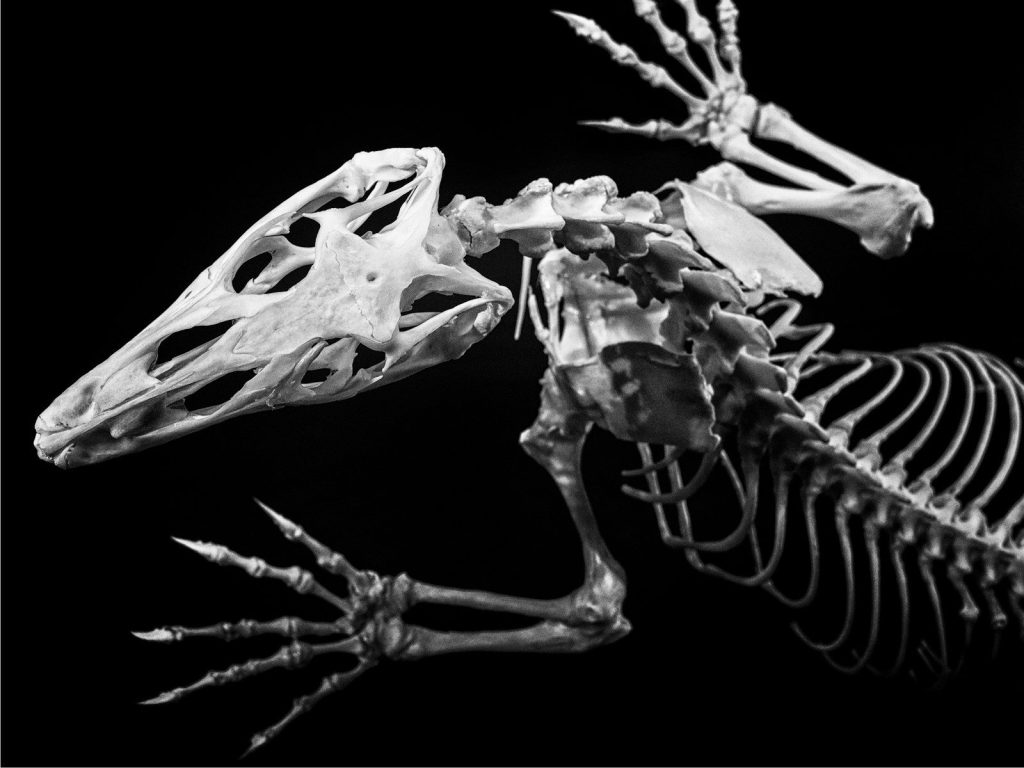
    Birds rely on incredibly light skeletons to fly and conserve energy in the air. According to paleontological reports, this hollow bone structure was first developed by massive bipedal dinosaurs. The engineering was genius. This lightweight design allowed giant predators to run fast without being crushed by their own weight. But these skeletal similarities extend far beyond hollow bones.

    The Three-Toed Footprint

    Cowboy riding a horse through dusty desert landscape.
    Photo by Peter Thomas on Unsplash

    Walking through the forest reveals tracks that look remarkably like prehistoric fossil trails. According to a study from the University of Manchester, the three-toed foot of a modern emu is identical to a theropod foot. The claws are sharp. This structural design provides incredible traction and balance when running at high speeds. But their internal organs also share this ancient blueprint.

    Lungs That Never Stop
    a drawing of a human heart and lungs
    Photo by Europeana on Unsplash

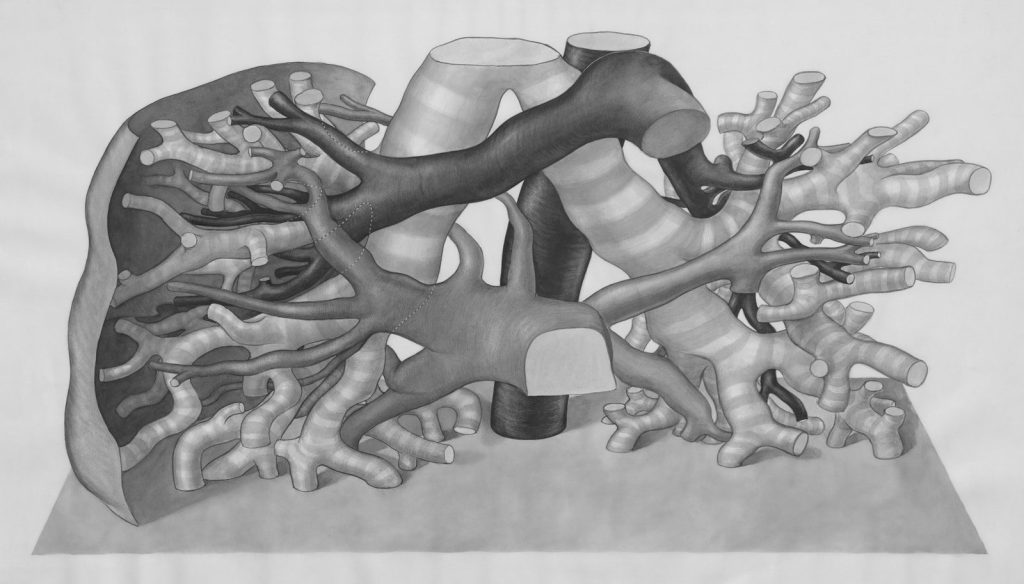
    Standard mammals breathe by expanding and contracting their lungs in a simple two-way loop. According to respiratory biology studies, birds use highly advanced air sacs that pump oxygen continuously in one direction. It is highly efficient. This unique breathing system was actually inherited from giant sauropods millions of years ago. But this ancient biology is also shaping how they produce offspring.

    Hard-Shelled Eggs
    Two large and two small eggs in a nest.
    Photo by Mostafa Qasemi on Unsplash

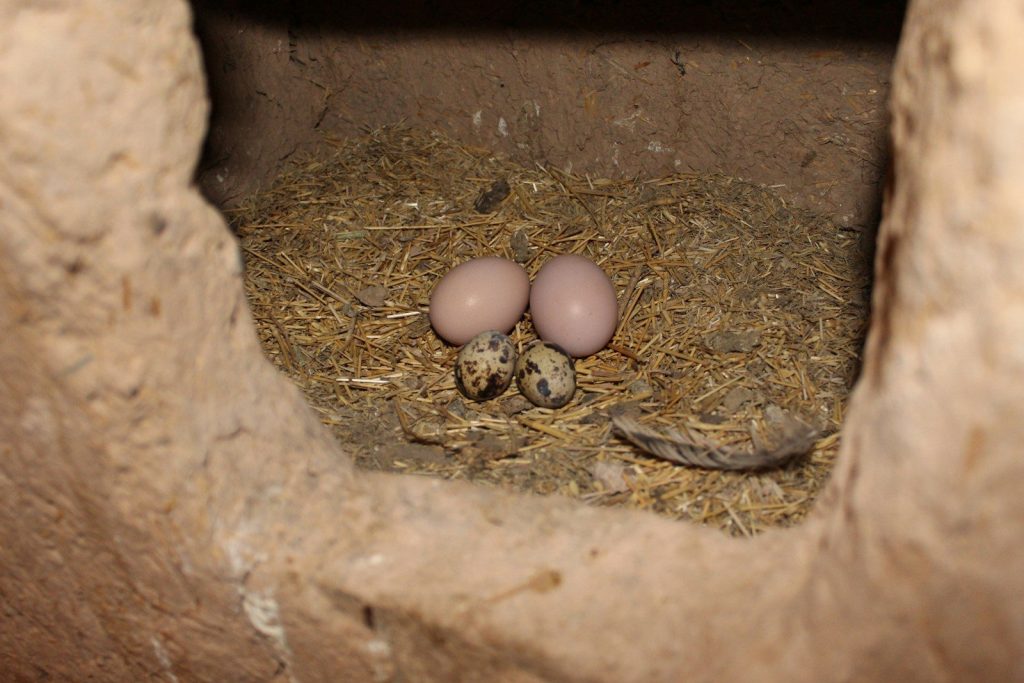
    Most early reptiles laid soft leathery eggs that required warm wet dirt to survive. According to evolutionary history reports, dinosaurs were the first to develop hard calcium carbonate eggshells. The protection was absolute. This hard shell allowed parents to nest in diverse environments without drying out the embryo. But these nesting behaviors are showing another surprising connection.

    Sitting On Nesting Grounds

    a bird sitting on top of a nest in a tree
    Photo by Tahamie Farooqui on Unsplash

    Fossil discoveries have captured ancient mothers resting directly on top of their eggs. According to reports from the American Museum of Natural History, this brooding behavior is common across modern bird species. They are highly protective. This shared instinct proves that parental care developed long before the first feathers took flight. But some non-avian reptiles are also showing these prehistoric links.

    The Crocodile Armor Plates
    A crocodile rests on the muddy riverbank.
    Photo by Simon Hurry on Unsplash

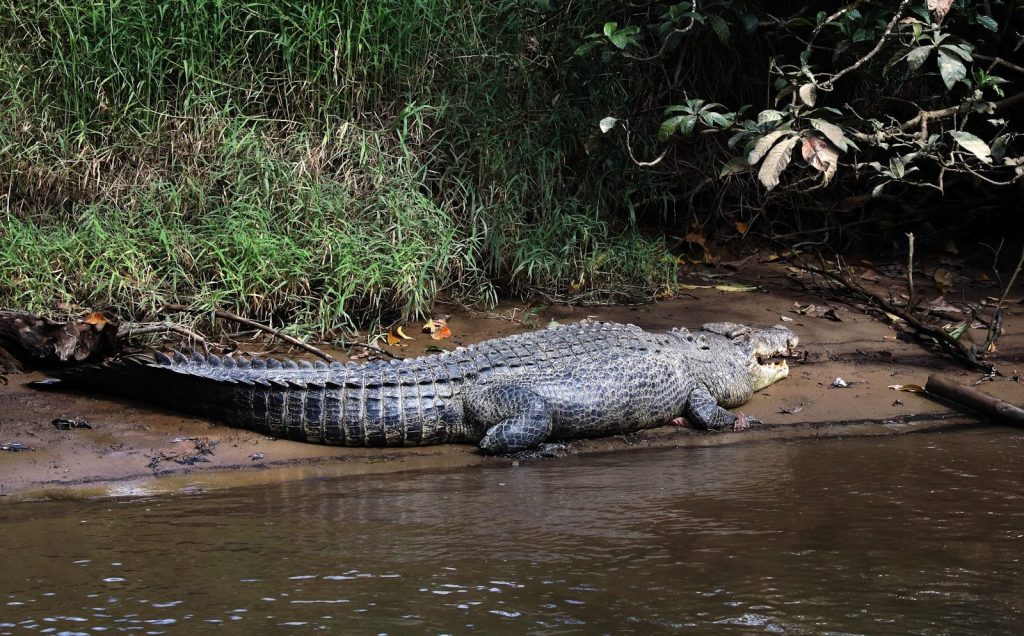
    Crocodiles and alligators have remained virtually unchanged since the age of the dinosaurs. According to genetic research studies, their tough osteoderm armor plates match the defensive shields of armored dinosaurs. The scales are tough. This ancient armor protects the reptiles from rival bites and territorial fights. But the ultimate lessons of this evolutionary survival continue to change biology.

    Reconnecting Our Family Tree

    body of water
    Photo by Colin Moldenhauer on Unsplash

    Uncovering these prehistoric traits in modern animals proves that evolution is a continuous journey. According to biologists, studying these living dinosaurs helps us map the true complexity of natural selection. Nature keeps secrets. This article is for informational purposes only.

    Featured Image: Photo by Егор Камелев on Unsplash
  • The Shocking New Map Of The Living Human Mind

    The Shocking New Map Of The Living Human Mind

    Most people believe that modern neurology has already mapped all the major regions of the human brain. We assume that our thoughts, emotions, and memories reside in well-known mental zones.

    But a spectacular brain scanning project has revealed a highly complex hidden network. This discovery proves that our minds are wired in a completely unexpected way.

    Peering Into Neural Pathways

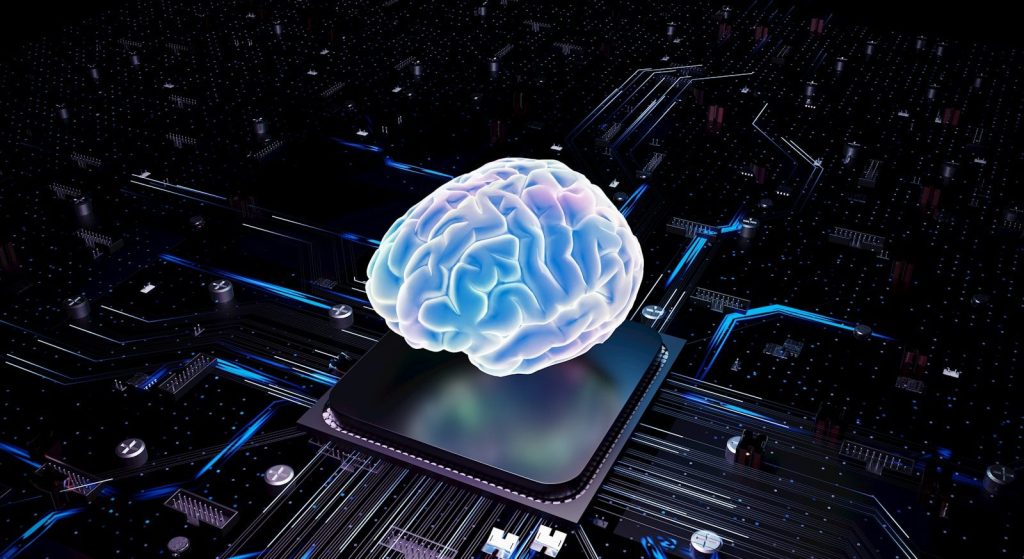
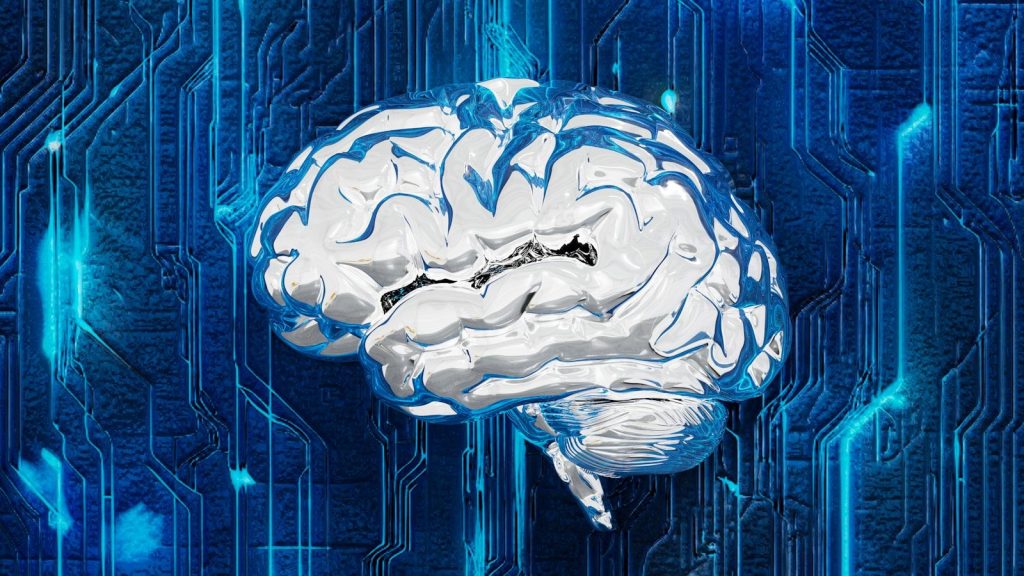
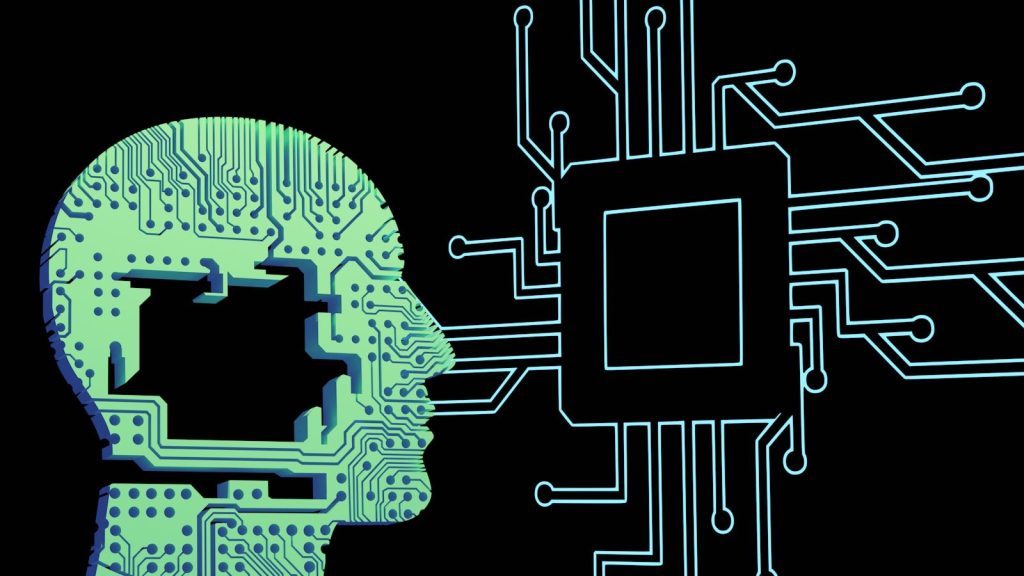
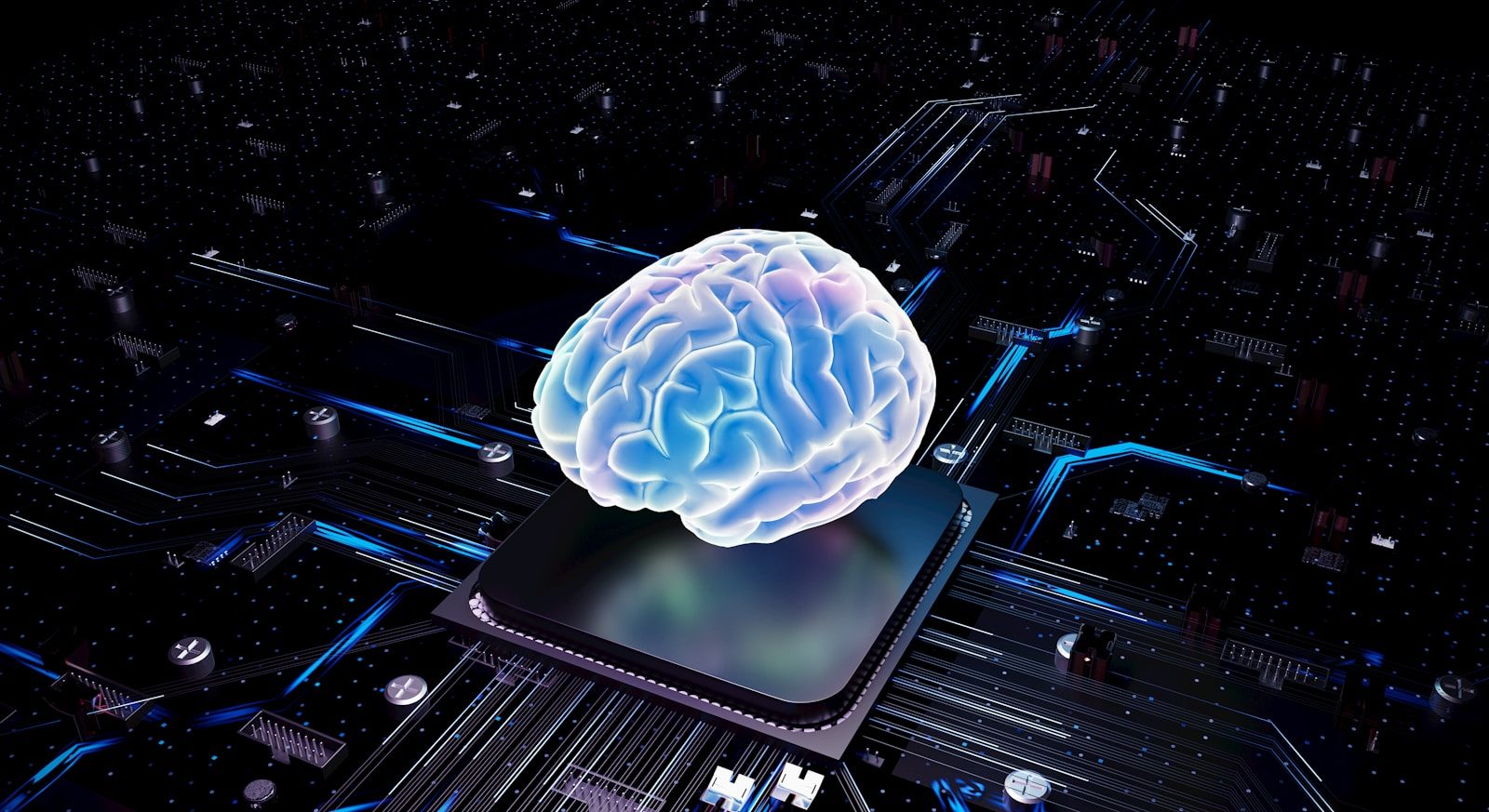
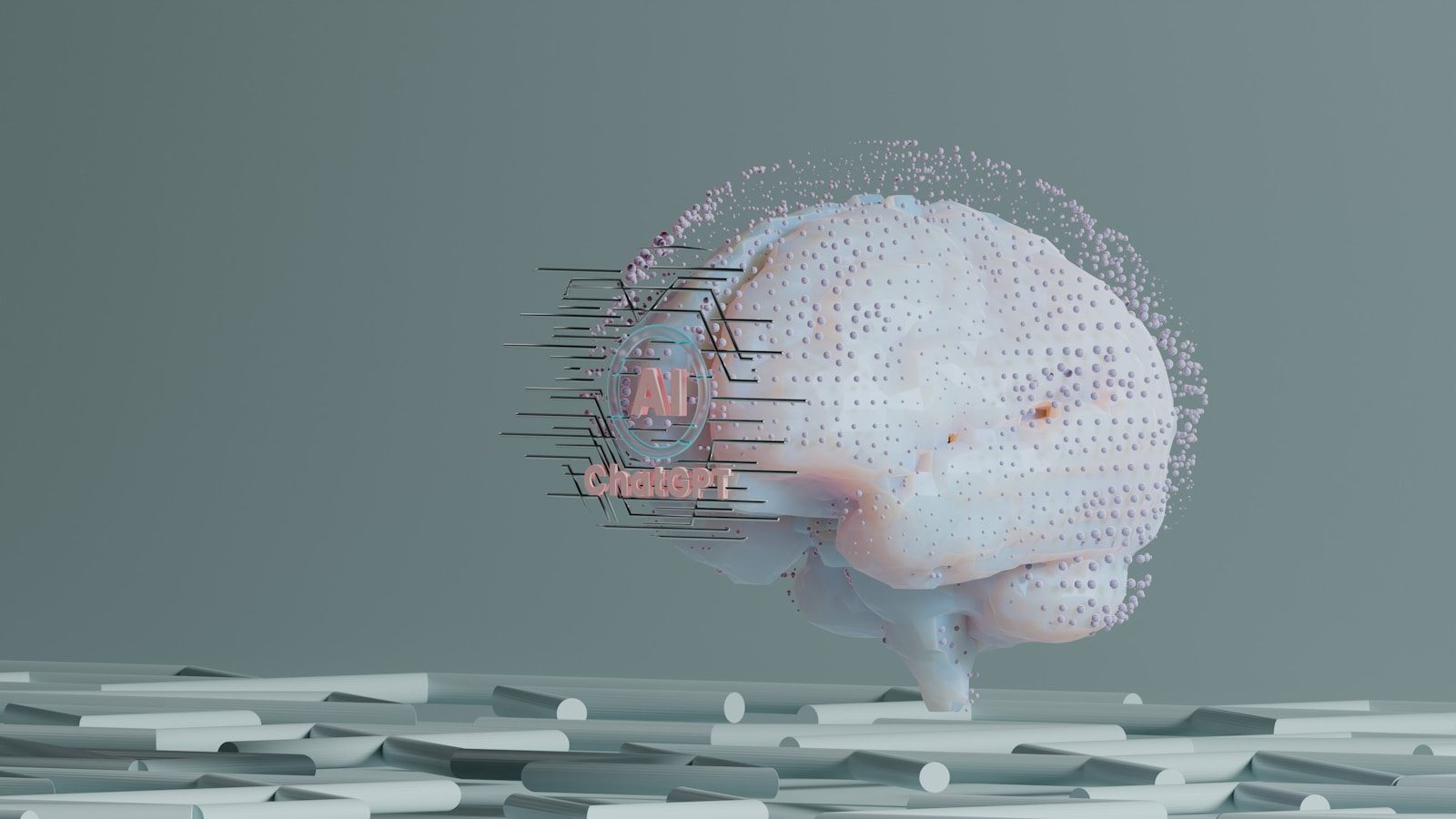
    A brain over cpu represents artificial intelligence.
    Photo by Sumaid pal Singh Bakshi on Unsplash
    Scientists are using highly advanced imaging tools to trace individual connections inside living brains. According to a study published by researchers at Harvard University, traditional scans only captured the surface of our mental geography. The truth is deeper. This new imaging reveals thousands of active neural highways firing simultaneously in real time. But these active highways are crossing regions we once thought were completely silent.

    Connecting Unrelated Brain Regions

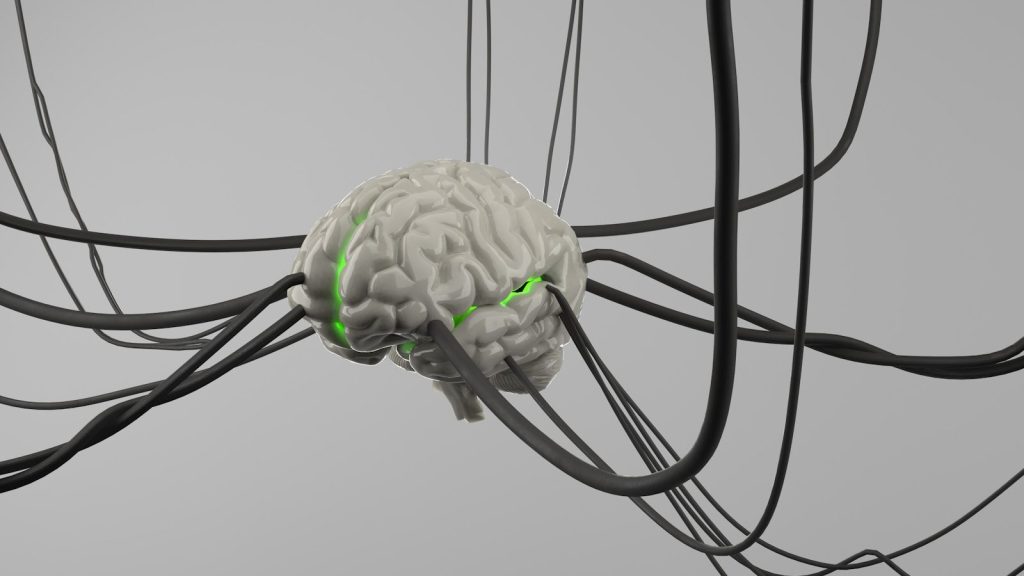
    A computer generated image of a brain surrounded by wires
    Photo by Bhautik Patel on Unsplash
    Traditional textbooks teach that separate brain lobes handle highly distinct physical and mental tasks. According to neurobiology research updates, the new map shows unexpected communication lines linking emotional and logical centers directly. They are partners. This means your logical decisions are constantly shaped by silent emotional signals. But this integrated communication system relies on a highly unusual brain cell.

    The Super Fast Glial Cells

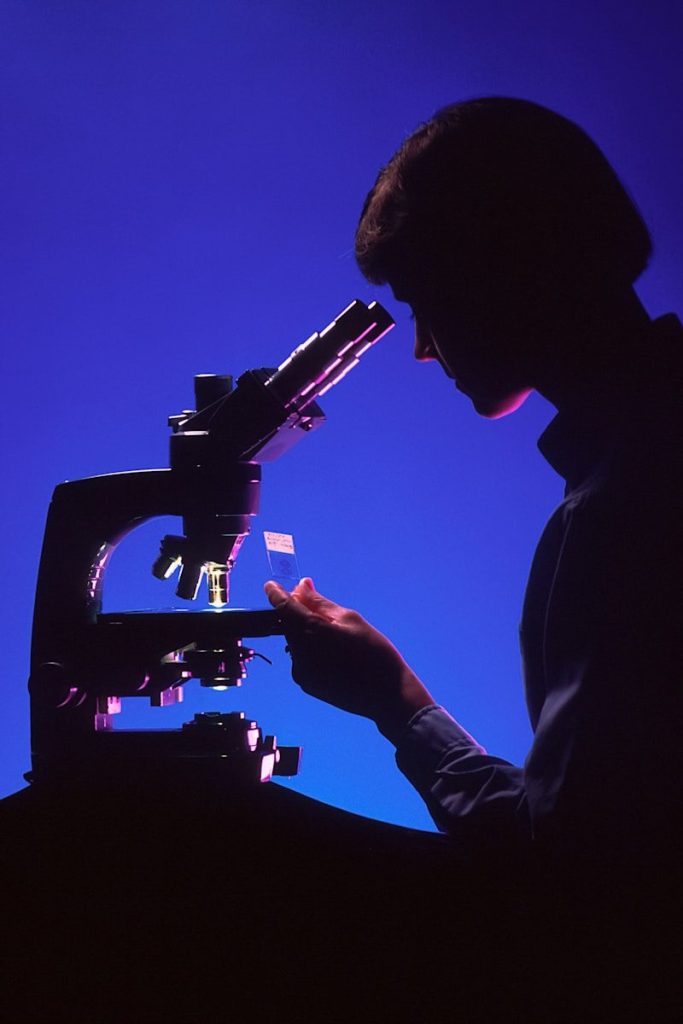
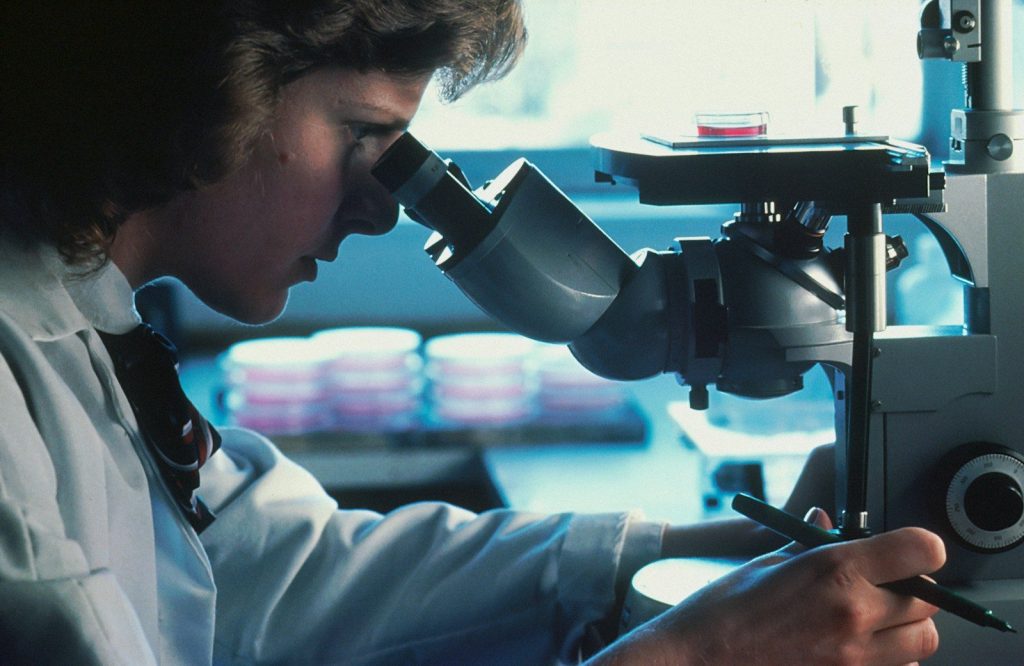
    silhouette of person using microscope
    Photo by National Cancer Institute on Unsplash
    Neurologists previously assumed that simple neurons performed all the heavy lifting of our thoughts. According to a study from the Salk Institute, specialized supporting cells called glia actively accelerate signal speeds. They are vital. These overlooked cells function like biological routers to coordinate the rapid flow of data. But this coordinated data flow is highly sensitive to external stress.

    How Chronic Stress Warps Networks

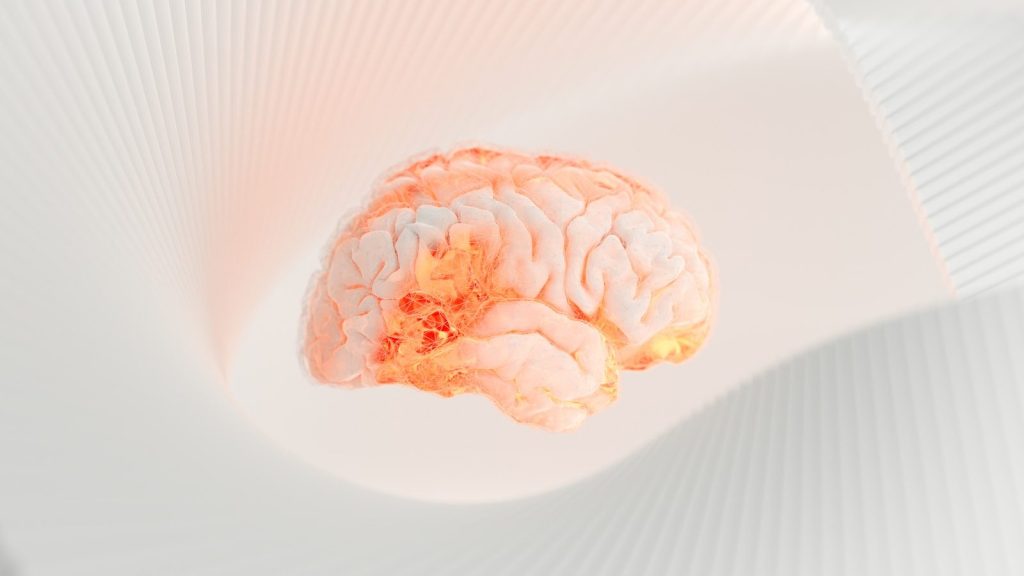
    a close up of a human brain on a white surface
    Photo by KOMMERS on Unsplash
    Prolonged pressure alters the physical wiring of our neural pathways in highly destructive ways. According to clinical psychiatry reports, constant stress hormones slowly dissolve the delicate connections between your brain cells. The brain shrinks. This loss of connectivity impairs your ability to learn and manage daily emotional challenges. But the mind has a highly resilient way of fighting back.

    Triggering Growth With Movement

    Full length of determined elderly male with stylish hairstyle and beard stretching on fitness mat while training alone
    Photo by Anna Shvets on Pexels

    Physical activity can actively stimulate the creation of brand-new neural pathways. According to exercise science papers, regular movement releases a specialized protein that acts like fertilizer for brain cells. We can rebuild. This protein encourages the hippocampus to grow and improve your long-term memory systems. But scientists are now trying to read these growing networks.

    Translating Thoughts Into Text

    A computer circuit board with a brain on it
    Photo by Ecliptic Graphic on Unsplash
    Advanced computer algorithms are learning to decode brain signals and turn them into words. According to computer science researchers, brain-computer interfaces can translate silent thoughts with up to ninety percent accuracy. The tech is real. This breakthrough is already helping paralyzed individuals communicate with the world once again. But this incredible mental reading power is raising serious privacy concerns.

    Guarding Our Cognitive Privacy

    a computer generated image of a circular object
    Photo by Growtika on Unsplash

    Mapping the living human mind is opening up the final frontier of absolute personal privacy. According to ethical scholars, we must protect our thoughts from being tracked or digitized without consent. The stakes are high. This article is for informational purposes only and does not constitute scientific or professional medical advice.

    Featured Image: Photo by Growtika on Unsplash
  • How Smart Systems Solved a Six-Decade Medical Puzzle

    How Smart Systems Solved a Six-Decade Medical Puzzle

    Most medical researchers assume that finding new drugs requires decades of slow laboratory testing. We believe that human chemists must manually check millions of compounds to discover safe treatments.

    But a spectacular leap in artificial intelligence has completely shattered this old timeline. A custom neural network has successfully discovered a powerful new antibiotic.

    The Growing Superbug Crisis

    person in white long sleeve shirt holding blue ceramic plate with brown soup
    Photo by Adrian Lange on Unsplash

    Many common bacteria are rapidly developing resistance to our existing medical treatments. According to reports from the World Health Organization, this genetic adaptation poses a severe threat to global public health. The danger is rising. Traditional research methods struggled to keep pace with these fast-evolving pathogens. But a fresh computational approach was about to change the entire search.

    Training The Neural Network

    a person's head with a circuit board in front of it
    Photo by Steve A Johnson on Unsplash
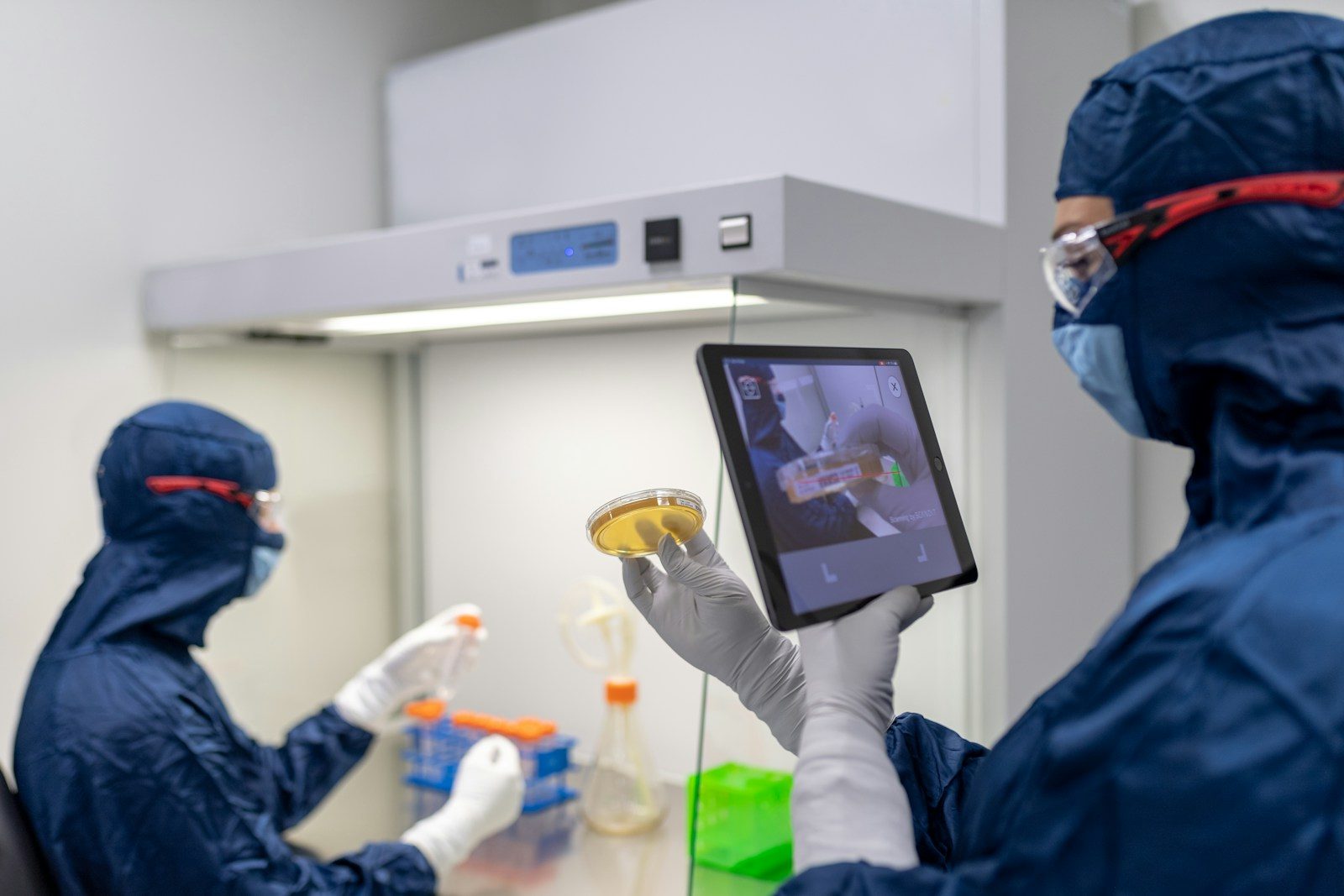
    Scientists designed a specialized deep learning model to scan vast libraries of chemical structures. According to a study published in Nature, researchers at the Massachusetts Institute of Technology trained the algorithm on thousands of known compounds. The math was complex. The system analyzed which atomic patterns were most effective at killing hostile bacteria. But this digital brain was about to discover an overlooked compound.

    Spotting The Hidden Molecule

    A close up of a pink and purple object
    Photo by Steve A Johnson on Unsplash

    The artificial intelligence successfully identified a unique molecule that bypassed standard drug designs. According to the published research, this compound was completely different from any existing antibiotic in use today. It was highly effective. The software predicted the molecule could easily destroy drug-resistant strains. But verifying these digital predictions required launching direct physical tests.

    Disrupting Hostile Cell Walls

    woman holding laboratory appratus
    Photo by CDC on Unsplash
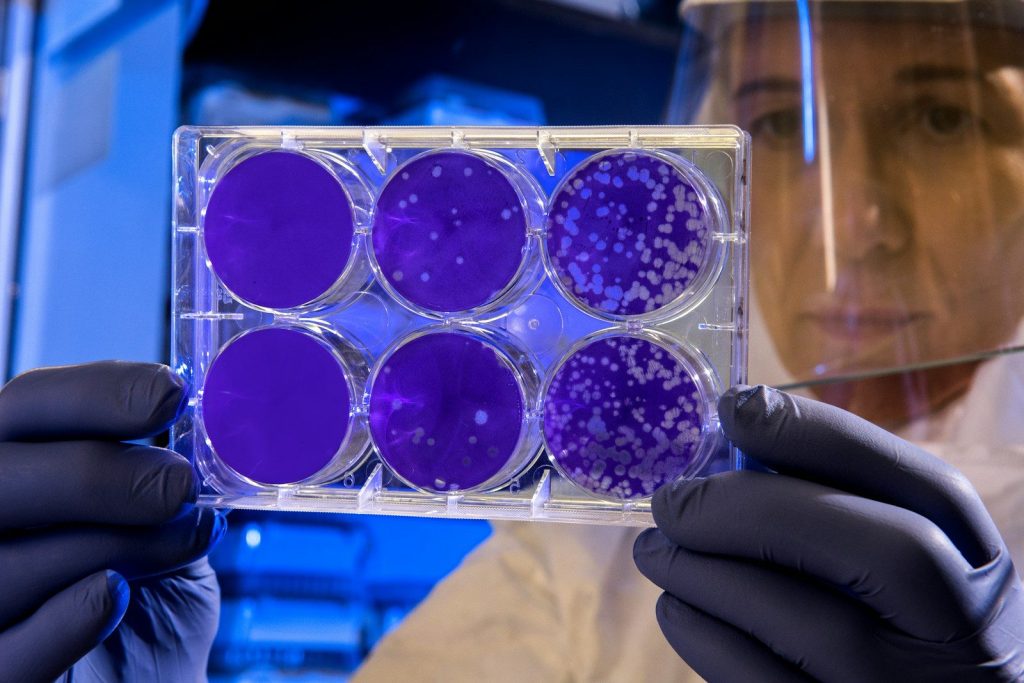
    Laboratory testing proved that the newly discovered drug could easily penetrate bacterial defenses. According to microbiologists, the compound targets the cell walls of the bacteria in a highly unusual way. The attack was swift. This unique mechanism makes it incredibly difficult for the superbugs to develop resistance. But this medical breakthrough is already reshaping how we design future drugs.
    Accelerating Drug Discovery

    a close up of a cell phone's display screen
    Photo by Brett Jordan on Unsplash

    Traditional pharmaceutical development can take over ten years to bring a single drug to market. According to technology industry analysts, using smart algorithms can reduce this timeline to just a few weeks. The savings are massive. This efficiency allows researchers to respond instantly to emerging viral threats. But managing this automation requires maintaining strict human oversight.

    The Vital Human Guide

    a group of people sitting around a table
    Photo by UMAIR AZAAD on Unsplash

    While algorithms are incredibly fast, they cannot replace the safety validation of human scientists. According to clinical trial directors, expert medical teams must still verify each chemical output before patient testing. They are highly cautious. This collaborative approach keeps the drug development pipeline stable and safe. But the success of this project is opening up a bold new era.

    Unlocking Next Generation Medicine

    trees under cloudy sky during sunset
    Photo by Dawid Zawiła on Unsplash

    Mastering artificial intelligence in biology is the ultimate key to conquering complex global diseases. According to researchers, this milestone proves that smart software can solve our most critical health challenges. Innovation remains essential. This article is for informational purposes only and does not constitute scientific or professional advice.

    Featured Image: Photo by Toon Lambrechts on Unsplash

  • How An Unexpected Creative Hobby Rewrites The Aging Brain

    How An Unexpected Creative Hobby Rewrites The Aging Brain

    Most adults assume that brain decline is an inevitable part of growing older. We believe that aging minds simply lose their mental sharpness over time.

    But a surprising creative activity is challenging this neurological rule. Scientists have discovered that learning this skill can actively build new mental pathways.

    Inside The Brain Labs

    Intricate MRI brain scan displayed on a computer screen for medical analysis and diagnosis.
    Photo by MART PRODUCTION on Pexels

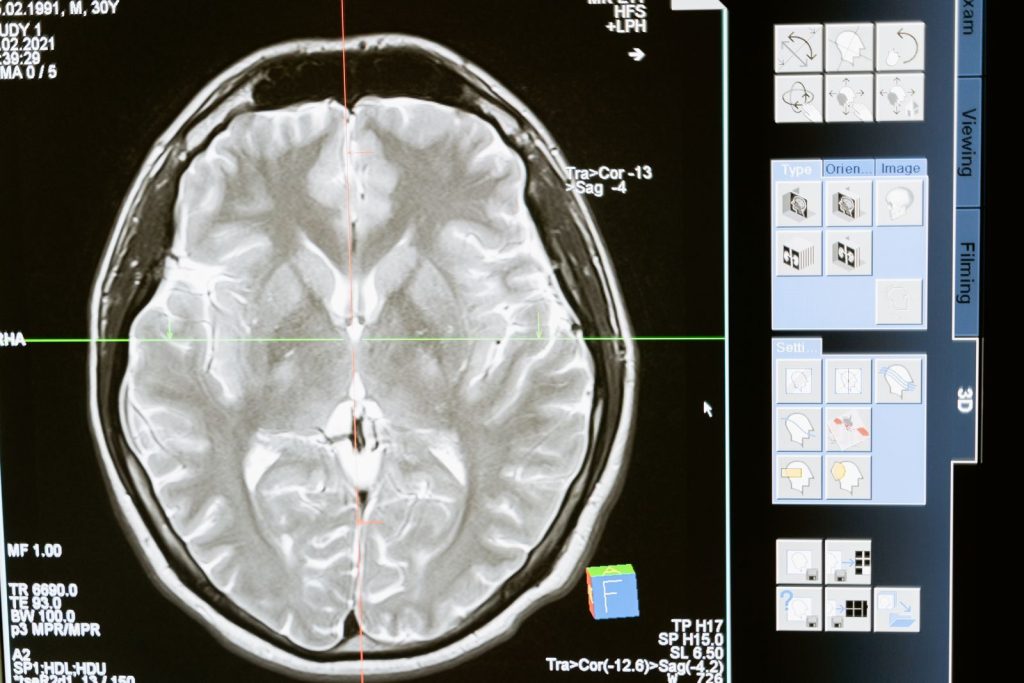
    Researchers studying cognitive decline decided to look closely at how the mature brain adapts. According to a study by the Mayo Clinic, older adults who engage in creative crafts show a massive reduction in memory loss risk. The results were clear. This mental boost comes from forcing different regions of your head to communicate in fresh ways. But this neural spark is just the beginning.

    Shifting Mental Pathways

    Creative abstract art featuring vibrant fluid lines and colors on a dark background.
    Photo by Landiva Weber on Pexels

    Working with your hands triggers a unique process called neuroplasticity. According to neurological reports, complex manual activities force the brain to rewire its biological connections. It is highly active. This continuous wiring helps to shield delicate brain cells from typical age-related wear. But one specific artistic hobby seems to deliver the most powerful results.

    The Pottery Revolution

    Hands shaping clay on a potter's wheel, focusing on craftsmanship and creativity.
    Photo by Anastasia Shuraeva on Pexels

    Learning to mold clay requires a highly complex combination of senses. According to sensory scientists, the dual focus on touch and visual planning stimulates deep emotional centers. It requires extreme focus. This deep engagement keeps your mind locked in the present moment while exercising spatial coordination. But this hands-on pottery process impacts your chemistry in another surprising way.

    Fighting Chronic Stress

    black and blue paint brush on brown wooden chopping board
    Photo by Thandy Yung on Unsplash

    Repetitive physical motions can dramatically reduce the flow of toxic stress chemicals. According to health surveys, cortisol levels drop significantly when people are fully immersed in crafting. The relief is instant. Lowering these chemical markers is vital because long-term stress is known to damage memory centers. But this creative escape also changes how we process daily information.

    Building Cognitive Reserve

    A close up of a blue brain model
    Photo by Nick Design on Unsplash

    Encountering fresh challenges during art projects acts like a weight workout for your gray matter. According to cognitive experts, this mental heavy lifting builds a robust cognitive reserve. It serves as a backup. This secondary storage system helps your mind stay highly functional even when facing physical changes. But this creative mental shield does more than protect your personal memories.

    Connecting With Others

    man sitting beside two women
    Photo by Sincerely Media on Unsplash

    Participating in group craft classes introduces a vital element of social interaction. According to psychological research, sharing creative projects with peers combats the dangerous impacts of isolation. It feels deeply rewarding. This active social engagement works alongside the mental exercise to keep your thinking incredibly sharp. But the ultimate impact of this simple habit will surprise you.

    Shaping Tomorrow Mind

    brown wooden dock near ocean during daytime
    Photo by Mikkel Jönck Schmidt on Unsplash

    Taking up a hands-on creative hobby is one of the most effective ways to preserve your mental independence. According to cognitive aging specialists, keeping your mind active with clay or paint preserves your lifestyle for years to come. Healthy habits shield biology. This article is for informational purposes only and does not constitute professional medical advice.

    Featured Image: Photo by Kampus Production on Pexels

  • How Modern Tech Is Quietly Changing the Human Body

    How Modern Tech Is Quietly Changing the Human Body

    Most human beings assume that our physical evolution stopped thousands of years ago. We believe that modern lifestyles have completely frozen our biology in its current state.

    But scientists have discovered that modern technology is actively reshaping the human skeleton. Our daily habits are triggering rapid physical changes that will make future humans look unrecognizable.

    The Mobile Text Claw

    Detailed anatomical model showing human hand muscles and tendons.
    Photo by Brecht Corbeel on Unsplash

    Spending several hours holding small metal devices is forcing our hand bones to undergo unique structural changes. According to anatomical studies by orthopedists, the repetitive gripping motion can trigger permanent muscle stiffness and joint thickening. Our hands are adapting. Over several generations, this physical strain could cause the human hand to naturally curl into a permanent claw shape. But this skeletal shifting is also moving up to our heads.

    The Skull Horn Discovery

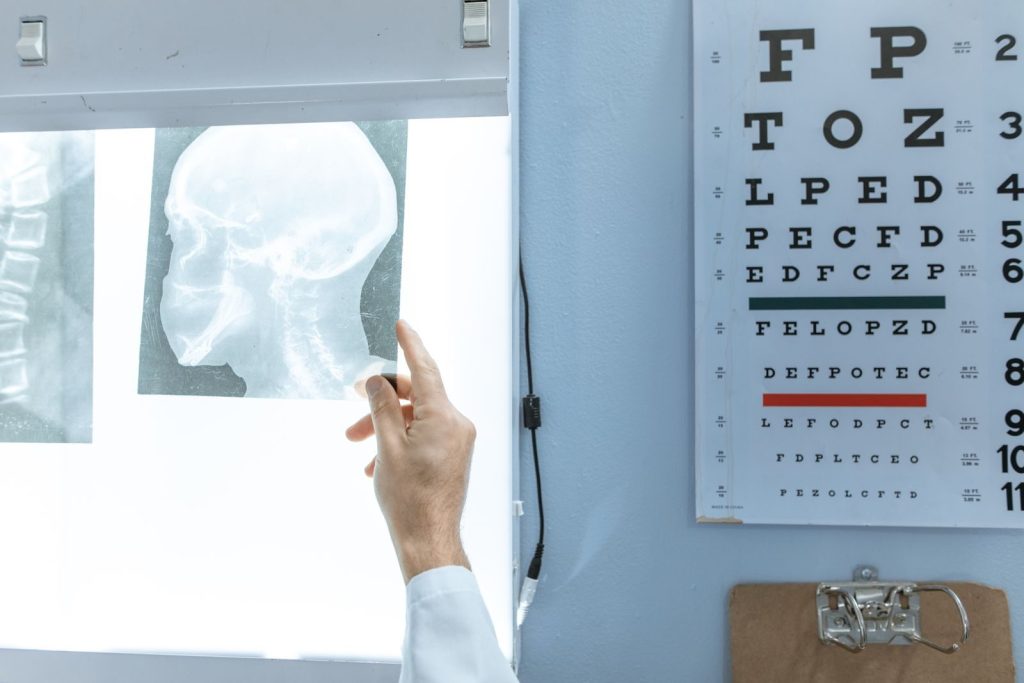
    A medical professional checks an X-ray next to a Snellen eye chart in a clinic.
    Photo by RDNE Stock project on Pexels

    Young adults are developing strange bone growths at the base of their skulls due to poor posture. According to a study from the University of the Sunshine Coast, this physical horn forms when the neck muscles are constantly strained by looking down. The body adapts quickly. The skeleton grows extra bone layers to distribute the heavy weight of the head. But our eyes are also undergoing a dramatic transformation.

    The Secondary Eyelid Layer

    A picture of a circle with lines on it
    Photo by Danielle-Claude Bélanger on Unsplash

    Staring at bright digital screens for hours could eventually trigger the growth of a brand new biological defense mechanism. According to evolutionary biologists, humans may develop a thicker internal eyelid to block out harmful blue light. This is critical. This evolutionary shield would mirror the protective membranes found in birds and reptiles to prevent eye fatigue. But this sedentary lifestyle is also affecting our core posture.

    The Hunchback Posture Shift

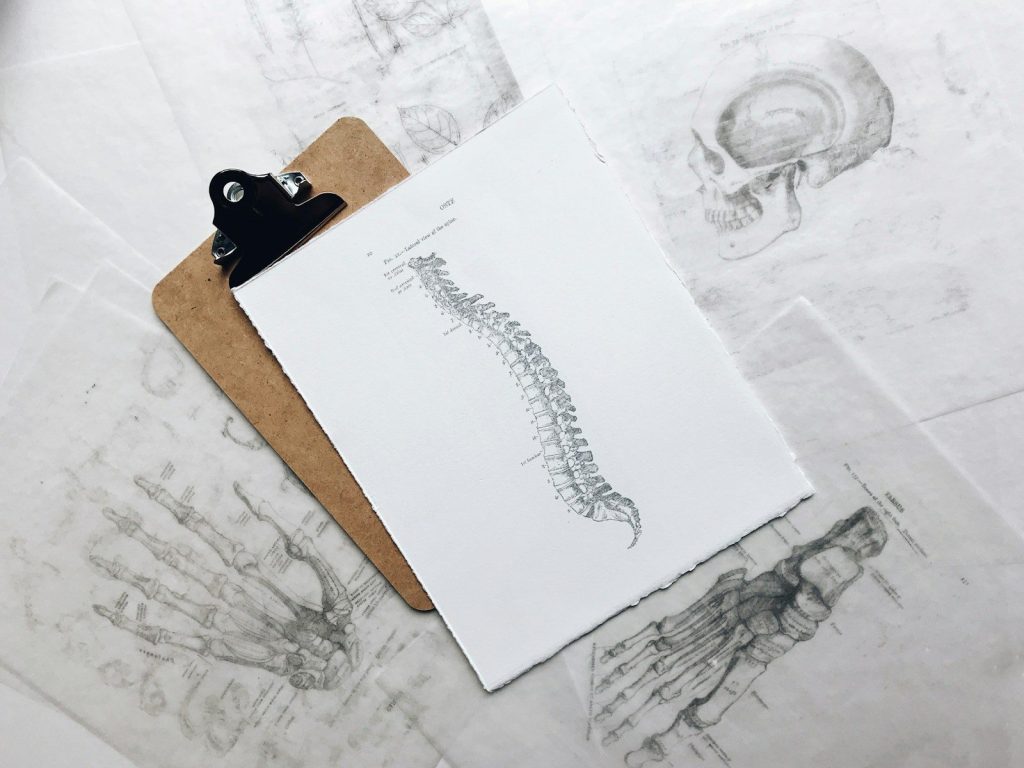
    brown and black clipboard with white spinal cord print manual
    Photo by Joyce Hankins on Unsplash

    Sitting at desks and leaning over screens is slowly altering the natural alignment of the human spine. According to physical therapy reports, constant slouching forces the chest muscles to contract while the back muscles overstretch. The bones are shifting. This physical strain could make a pronounced hunchback posture the default physical shape for future generations of workers. But our internal organs are also reacting to this lifestyle.

    Shrinking Human Brains

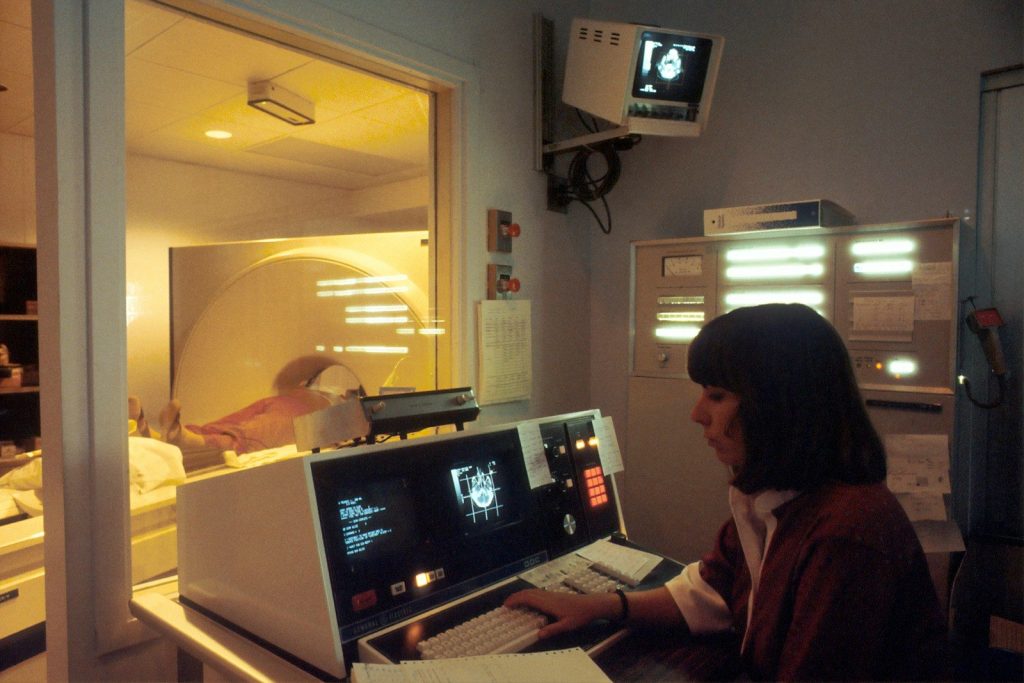
    woman in red shirt sitting in front of computer
    Photo by National Cancer Institute on Unsplash

    Relying entirely on smart algorithms to store information might be causing our mental processing centers to shrink. According to anthropological research, the average size of the human brain has steadily decreased over the last ten thousand years. We are changing. This brain shrinkage could accelerate as handheld devices handle our memory and navigation needs. But our physical limits are also shrinking in other ways.

    Thicker Human Skulls

    A close-up of a skeleton model with red markings.
    Photo by Samuel Ramos on Unsplash

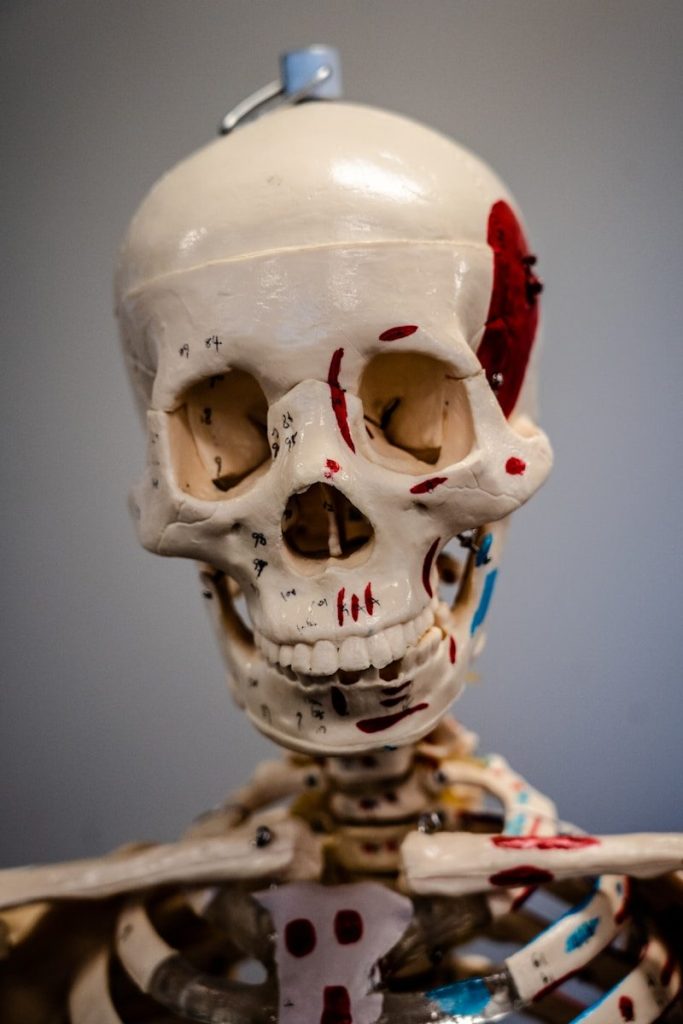
    While our brains might be getting slightly smaller, our skull bones could grow significantly thicker to protect against radiation. According to evolutionary models, a thicker skull would serve as a natural shield against electromagnetic waves emitted by portable electronics. The design is practical. This biological change would help safeguard delicate brain tissues from constant daily exposure. But this sedentary lifestyle is also affecting our limbs.

    Shorter Physical Limbs

    3D rendering of human musculature in a kneeling, pensive pose.
    Photo by Brecht Corbeel on Unsplash

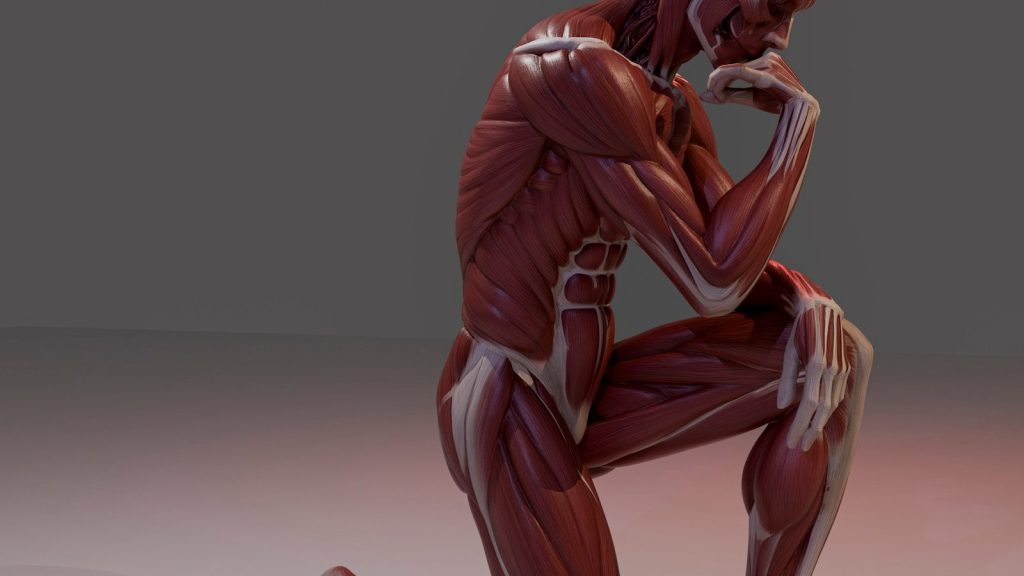
    As automated machines take over all manual labor, our physical legs could become significantly shorter and wider. According to biomechanics studies, reduced walking and climbing would minimize the need for long levers in our lower bodies. The change is logical. Future humans might develop compact frames that are perfectly suited for long periods of sitting. But researchers are searching for ways to balance this physical shift.

    Designing Our Evolution

    Man stretching outdoors near playground equipment.
    Photo by Vitaly Gariev on Unsplash

    Understanding how technology alters our biology allows us to make conscious decisions about our posture and daily routines. According to health specialists, taking regular screen breaks and staying active can completely prevent these skeletal changes. Balance is essential. This article is for informational purposes only.

    Featured Image: Photo by Rohit Choudhari on Unsplash

  • The Invisible Ocean Creature Vanishing Right Before Your Eyes

    The Invisible Ocean Creature Vanishing Right Before Your Eyes

    Most animal lovers assume that camouflage requires staying perfectly still. We believe that predators can easily spot any prey that attempts to run.

    But a bizarre marine creature has mastered the art of active invisibility. Its body completely vanishes into thin air while it is actively swimming.

    The Ghost of the Shallows

    white and green coral reel
    Photo by Ishan @seefromthesky on Unsplash

    Marine biologists filming near shallow coral reefs captured an incredibly rare evolutionary defense mechanism. According to a study by the University of Queensland, a tiny cephalopod can alter its skin pattern in milliseconds. They are highly stealthy. The animal can blend into any background while moving at maximum speed. But the physical science behind this trick is what truly shocks researchers.

    Millions Of Color Cells

    white and black abstract painting
    Photo by National Cancer Institute on Unsplash

    The creature’s skin is packed with specialized organs that act like high-definition television pixels. According to cellular biology reports, these microscopic structures are called chromatophores. They are incredibly small. By contracting tiny muscles, the animal can instantly change its color, texture, and light reflection. But this active color change is only the first part of their defense.

    Polarizing The Light Waves

    An underwater view of a sandy beach under water
    Photo by Aishwarya MV on Unsplash

    The stealthy animal can manipulate the way light waves bounce off its wet skin. According to marine optics research, the creature uses specialized cells to polarize surrounding light. The effect is stunning. This physical manipulation makes the body virtually invisible to predators with advanced underwater vision. But scientists wanted to see how the brain controls this speed.

    Speed Of Human Thought

    aerial photograph of cable bridges
    Photo by Raphael Schaller on Unsplash

    Controlling millions of color cells requires an incredibly complex nervous system. According to neurobiology studies, the creature’s brain bypasses traditional chemical signals to send direct electrical impulses to its skin. It is instant. This rapid connection allows the animal to match complex backgrounds faster than a human can blink. But this biological technology is now inspiring human engineers.

    Designing Active Camouflage

    A military tank is hanging on the ceiling.
    Photo by Matias Luge on Unsplash

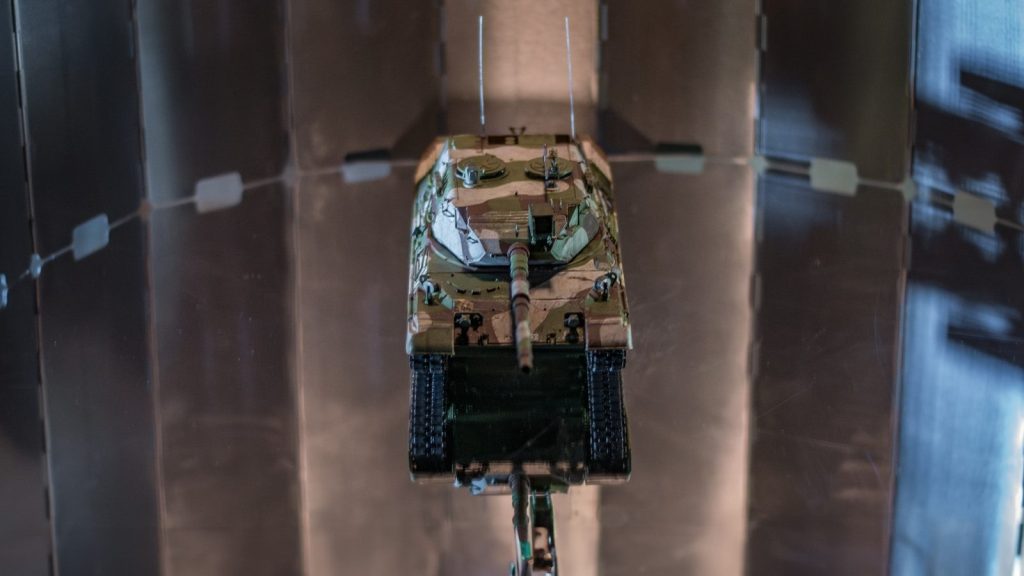
    Military researchers are studying these invisible creatures to build advanced cloaking technology for vehicles. According to materials science reports, engineers are creating flexible screens that mimic cephalopod skin. The goal is ambitious. These systems could allow vehicles to blend into any landscape in real time. But replicating millions of years of natural evolution is a massive challenge.

    Limits Of Human Tech

    man holding black DSLR camera
    Photo by jesse orrico on Unsplash

    Modern technology still struggles to match the extreme efficiency of natural organic systems. According to robotics engineers, our best flexible displays require massive amounts of electricity and heavy external processors. Nature is far superior. The tiny ocean creature uses almost zero energy to achieve perfect invisibility. But this delicate species is facing a brand new threat in the wild.

    Protecting Our Hidden Wonders

    A stunning view of a vibrant coral reef ecosystem captured underwater.
    Photo by Saad Alaiyadhi on Pexels

    Shifting ocean chemistry is threatening the delicate habitats where these invisible creatures thrive. According to marine conservationists, protecting these reefs is vital to preserving our planet’s greatest evolutionary marvels. We must act quickly. This article is for informational purposes only.

    Featured Image; Photo by David Clode on Unsplash

  • How Quantum Physics Is Quietly Reversing the Arrow of Time

    How Quantum Physics Is Quietly Reversing the Arrow of Time

    Most of us believe that time only moves in one forward direction. We assume that a broken glass can never assemble itself back together.

    But physicists have successfully reversed time on a microscopic scale. This breakthrough experiment is challenging our most basic laws of the universe.

    Bending The Laws Of Physics

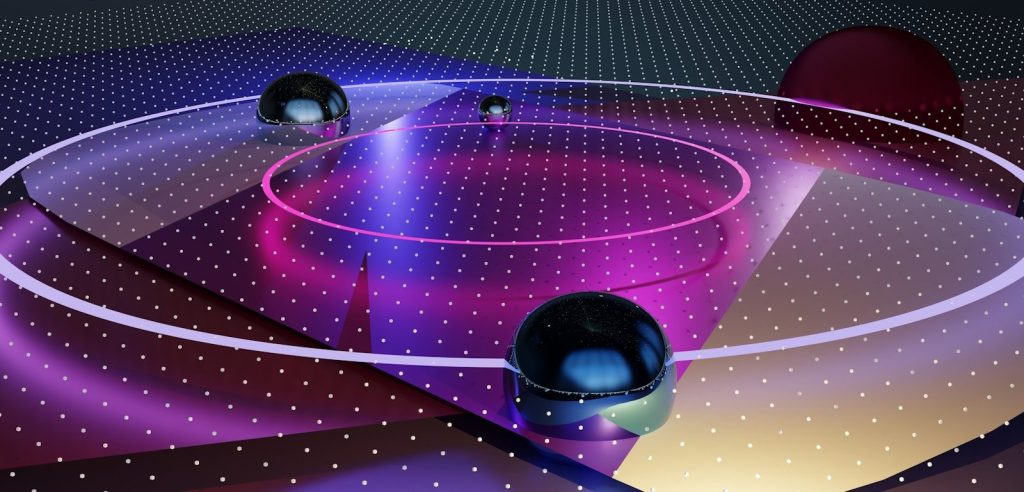
    an abstract image of a circle with balls
    Photo by Brecht Corbeel on Unsplash

    A team of quantum physicists has achieved what was once considered completely impossible. According to a study published in Communications Physics, researchers successfully sent a single subatomic particle backward in time. The process was delicate. By manipulating quantum states, they forced the particle to return to its original starting position. But scaling this project up would require an entirely different level of technology.

    The Quantum Computer Lab

    Detailed view of computer motherboard featuring RAM, chipset, and wiring.
    Photo by Valentine Tanasovich on Pexels

    The experiment required the use of highly advanced quantum computer processors to control the particles. According to reports from the Moscow Institute of Physics and Technology, scientists used an electron state to simulate the time reversal. It worked flawlessly. The team managed to reverse the natural decay of the system in a fraction of a second. But this laboratory success raised immediate questions about real-world applications.

    Erasing Computing Mistakes

    Matrix movie still
    Photo by Markus Spiske on Unsplash

    This time-bending technology could soon be used to eliminate errors in modern processing. According to software engineering logs, quantum computers often make tiny calculation mistakes due to external interference. The system is fragile. Reversing time on a single qubit could allow computers to self-correct their errors instantly. But the team still had to overcome a massive physical barrier.

    The Entropy Problem

    Dazzling fireworks burst in the night sky with vibrant colors and energetic trails.
    Photo by Selvin Esteban on Pexels

    Natural laws dictate that the universe always moves from order to chaos. According to thermodynamics studies, reversing time requires a massive injection of external energy to overcome natural decay. The energy was immense. This physical law is why we cannot easily reverse larger objects in our daily lives. But scientists are already looking for ways to bypass this cosmic rule.

    Creating Artificial Microstates

    Intricate machinery inside CERN's Large Hadron Collider in Geneva, Switzerland.
    Photo by Pietro Battistoni on Pexels

    Researchers are designing specialized quantum environments where the laws of thermodynamic decay do not apply. According to theoretical physicists, these microscopic chambers isolate particles from the rest of the universe. They are completely quiet. Inside these zones, the arrow of time behaves in highly unpredictable ways. But this strange phenomenon is opening up a brand new field of science.

    Rethinking Cosmic Rules

    A mesmerizing view of the starry night sky with a cosmic nebula effect, enhancing the celestial ambiance.
    Photo by Engin Akyurt on Pexels

    This breakthrough forces scientists to question whether time is a fundamental reality or a clever illusion. According to a research study from the University of Vienna, the flow of time might simply be a statistical trend rather than a strict physical law. The universe is mysterious. This realization could change how we design everything from computers to space engines. But the ultimate limits of time travel remain clear.

    The Future Of Quantum Time

    Abstract digital artwork showcasing a colorful, geometric design with depth and intricate detail.
    Photo by Pachon in Motion on Pexels

    While we will not be traveling to the past anytime soon, quantum physics is redefining what is possible. According to research teams, understanding time reversal will lead to ultra-fast computers and revolutionary biological scanning tools. Progress is happening quickly. This article is for informational purposes only and does not constitute professional scientific advice.

    Featured Image: Photo by ACatInABox on Unsplash

  • Why Hybrid Bears are Suddenly Multiplying in the Arctic

    Why Hybrid Bears are Suddenly Multiplying in the Arctic

    Most wildlife enthusiasts assume that polar bears and grizzly bears live in completely different worlds. We believe that geographic boundaries keep these two species from ever interacting.

    But shifting northern climates are forcing these powerful predators to share the same territory. Their unexpected meetings are creating a brand new hybrid species in the wild.

    Shifting Territorial Boundaries

    an aerial view of a large body of water covered in ice
    Photo by Bernd 📷 Dittrich on Unsplash

    The rapid melting of Arctic sea ice is forcing polar bears to spend more time on dry land. According to studies from the Canadian Wildlife Service, this movement brings them into direct contact with grizzly bears moving north. The overlap is real. These two distinct species are now hunting in the same coastal regions. But this geographic mixing has led to a highly surprising biological result.

    The Birth Of Pizzlies

    white and black tiger lying on ground
    Photo by Dan Dennis on Unsplash

    Local hunters have harvested several unusual bears with features from both species. According to genetic testing reports, these animals are authentic hybrids born in the wild. They are highly unique. These creatures display a mixture of thick white fur and prominent brown patches on their shoulders. But their physical traits are not the only things changing inside their biology.

    Merging Physical Adaptations

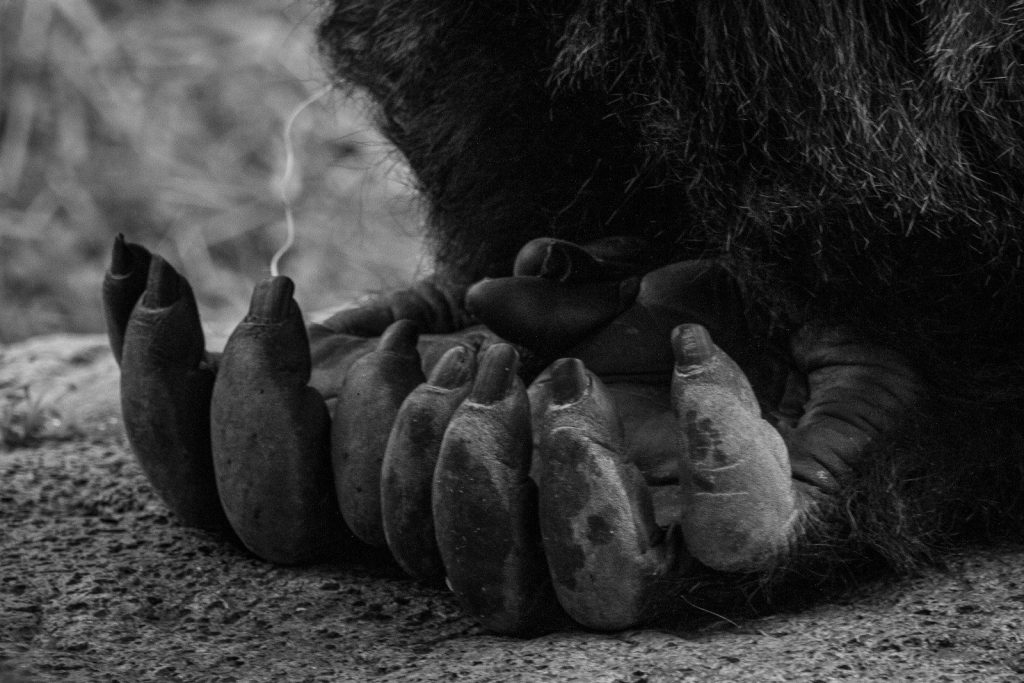
    grayscale photo of persons feet
    Photo by Joshua J. Cotten on Unsplash

    These hybrid bears inherit a combination of physical survival tools from both parents. According to morphological studies, they possess the long claws of a grizzly but the partially webbed feet of a polar bear. They are versatile hunters. This unique physical makeup allows them to hunt both in water and on land. But surviving in the harsh Arctic requires more than just mixed claws.

    A New Hunting Style

    Four polar bears feeding on a whale carcass along a rocky Arctic shoreline.
    Photo by Francesco Ungaro on Pexels

    Grizzly bears typically scavenge for berries and hunt land mammals, while polar bears focus on seals. According to wildlife biology reports, hybrid bears have been observed switching between these two distinct feeding styles. They are highly adaptable. This behavioral flexibility helps them find food when sea ice conditions are poor. But this growing hybrid population presents a massive challenge for traditional conservation.

    Diluting The Polar Gene

    polar bear on snow covered ground during daytime
    Photo by Hans-Jurgen Mager on Unsplash

    As the hybrid population grows, the unique genetics of pure polar bears could slowly fade away. According to evolutionary biologists, constant interbreeding can cause one species to be absorbed by another over generations. The threat is silent. This genetic dilution could accelerate the extinction of the classic white bear. But scientists are finding that these hybrids are surprisingly healthy.

    Fertile Evolutionary Steps

    man in white long sleeve shirt holding black dslr camera
    Photo by National Cancer Institute on Unsplash

    Unlike many animal hybrids, these mixed bears are fully capable of reproducing. According to veterinary genetics researchers, second-generation hybrids have been verified in the wild. They are robust survivors. This fertility proves that the two parent species remain closely linked on an evolutionary level. But some researchers believe this hybridization is actually a natural survival mechanism.

    Adapting To A Warming World

    green and brown grass field
    Photo by Rod Long on Unsplash

    Merging the genetics of two species might be the only way for Arctic bears to survive a warming climate. According to ecological modeling studies, the hybrid genome offers better resilience to changing landscapes. Nature finds a way. This rapid adaptation could allow a new lineage of predators to claim the north. But understanding this genetic shift requires long-term tracking.

    Reimagining Northern Wildlife

    brown rock formation on sea during daytime
    Photo by Michael Krahn on Unsplash

    The rise of hybrid bears shows that evolution is a highly dynamic process happening right before our eyes. According to polar scientists, these changing predators force us to rethink how we define species in a changing world. We must protect their future. This article is for informational purposes only.

    Featured Image: Photo by Francesco Ungaro on Unsplash

  • How A Tiny Brain Chip Could Cure Blindness Forever

    How A Tiny Brain Chip Could Cure Blindness Forever

    Most people believe that curing blindness requires repairing the physical structure of the human eye. We assume that damage to optic nerves permanently cuts off our connection to the visual world.

    But a revolutionary brain implant is bypassing the eyes entirely to restore sight. This advanced technology transmits digital images straight into the visual cortex of the mind.

    Bypassing Damaged Optic Nerves

    3D rendered abstract design featuring a digital brain visual with vibrant colors.
    Photo by Google DeepMind on Pexels

    Traditional vision treatments focus on restoring light paths through the natural eye lens. According to neural engineering reports from Neuralink, this new implant injects signals directly into the brain region that processes images. Optic nerves are ignored. This direct connection allows the system to work even for patients who have lost both eyes. But sending these signals requires installing thousands of microscopic threads.

    Splicing Thousands Of Threads

    Close-up of robotic arm automating lab processes with precision.
    Photo by Youn Seung Jin on Pexels

    The brain implant features an array of ultra-thin flexible threads packed with tiny electrodes. According to neurosurgery journals, a specialized surgical robot is required to sew these threads into brain tissue safely. It is highly delicate. The robot avoids damaging vital blood vessels while placing each sensor in the perfect neural position. But powering this tiny brain chip presents a major hardware challenge.

    Charging Through Solid Bone

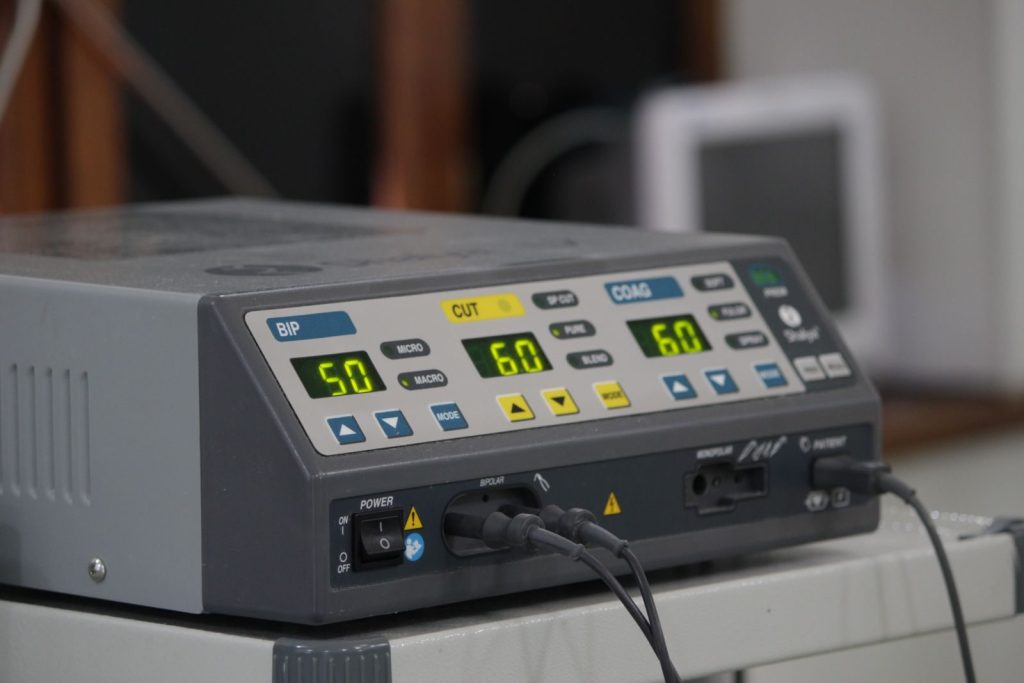
    A close-up view of a medical electrosurgical generator used in surgical procedures.
    Photo by Кайрат Сатдиков on Pexels

    Operating a chip inside the skull requires transferring power without running any physical wires. According to medical device designs, the implant uses a wireless inductive charging system that passes energy through the skin. The transfer is silent. This setup ensures the device remains completely sealed to prevent any internal infection risks. But capturing the visual world requires wearing a secondary device.

    Translating Pixels To Pulses

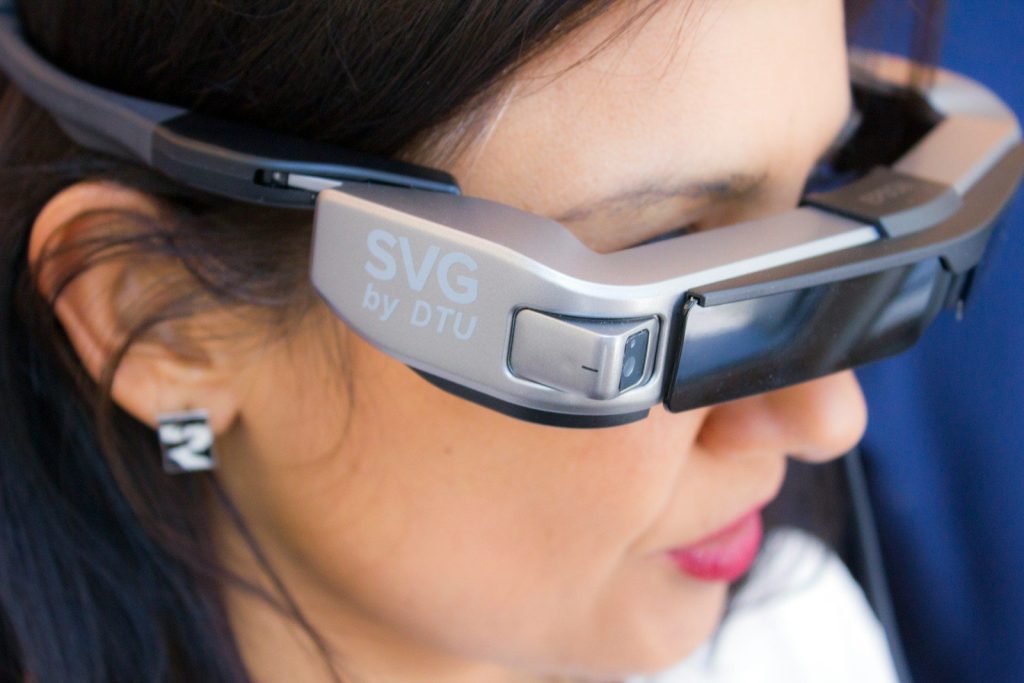
    woman wearing SVG sunglasses
    Photo by Quang Tri NGUYEN on Unsplash

    A specialized camera mounted on a pair of glasses captures live video of the surroundings. According to computing hardware reports, an external processor translates these camera pixels into precise electrical pulses. This is a translation. These customized pulses are then beamed wirelessly to the brain implant to simulate real vision. But this optical mapping system must learn to communicate with active neurons.

    Displaying Crude Matrix Vision

    A vibrant 3D abstract design with glowing neon geometric shapes on a blue background.
    Photo by Steve A Johnson on Pexels

    Early patients will not see high definition colors immediately after activating the device. According to neuroscience trial updates, the initial visual output resembles simple points of light blinking in the dark. It is basic. Over time, engineers hope to increase the electrode density to create highly detailed shapes. But training the brain to read these artificial signals takes significant practice.

    Retraining The Visual Cortex

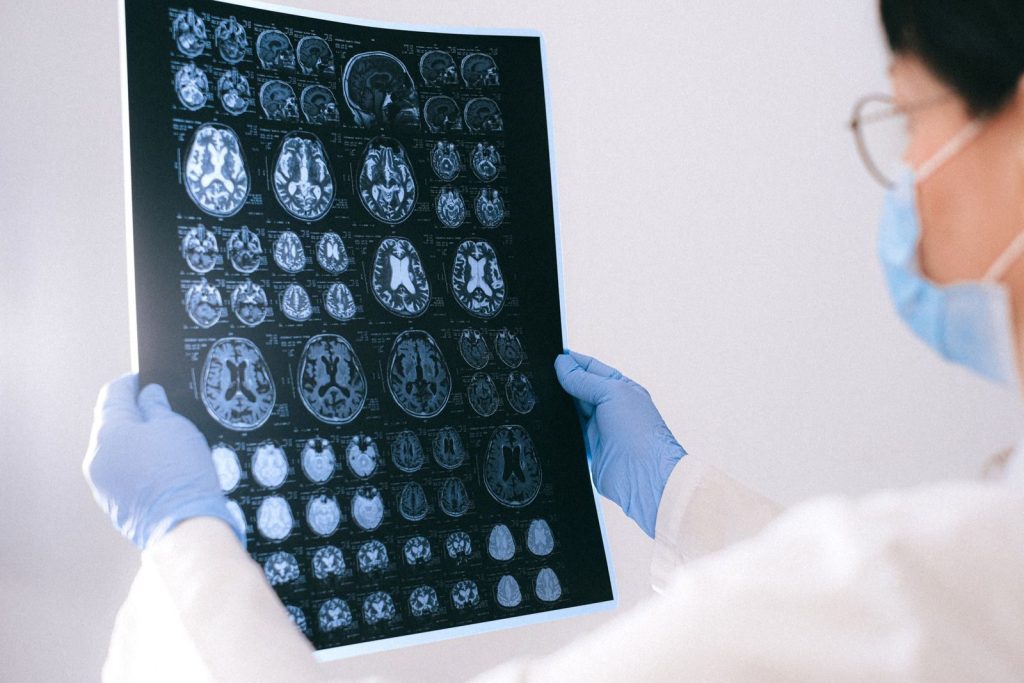
    A medical professional reviewing MRI brain scans in a clinical setting, highlighting healthcare technology.
    Photo by Anna Shvets on Pexels

    The human brain must learn how to interpret these unfamiliar electrical pulses as real physical objects. According to cognitive science researchers, patients undergo intensive training to associate specific light patterns with doors or walls. Practice makes perfect. This neural plasticity allows the mind to adapt and rebuild its visual processing map. But this brain tech is opening up massive ethical debates.

    Facing Deep Ethical Questions

    Business meeting with a presenter and colleagues in office.
    Photo by Marcel Petzold on Unsplash

    Connecting our minds directly to digital networks raises serious concerns about privacy and cognitive security. According to neuroethicists, we must establish strict regulations to protect brain data from corporate tracking. The threat is real. Critics also worry about who will control these technologies as they become more powerful. But researchers are moving forward with clinical trials despite these concerns.

    Entering The Bionic Era

    the sun is shining through the windows of a building
    Photo by stenedit on Unsplash

    Restoring sight through neural engineering marks the first major milestone of a medical revolution. According to clinical trial directors, this technology will eventually treat spinal cord injuries and memory loss. The future is bright. This article is for informational purposes only and does not constitute professional medical advice.

    Featured Image: Photo by Sumaid pal Singh Bakshi on Unsplash

  • How Void Environments Break Down Living Human Bodies

    How Void Environments Break Down Living Human Bodies

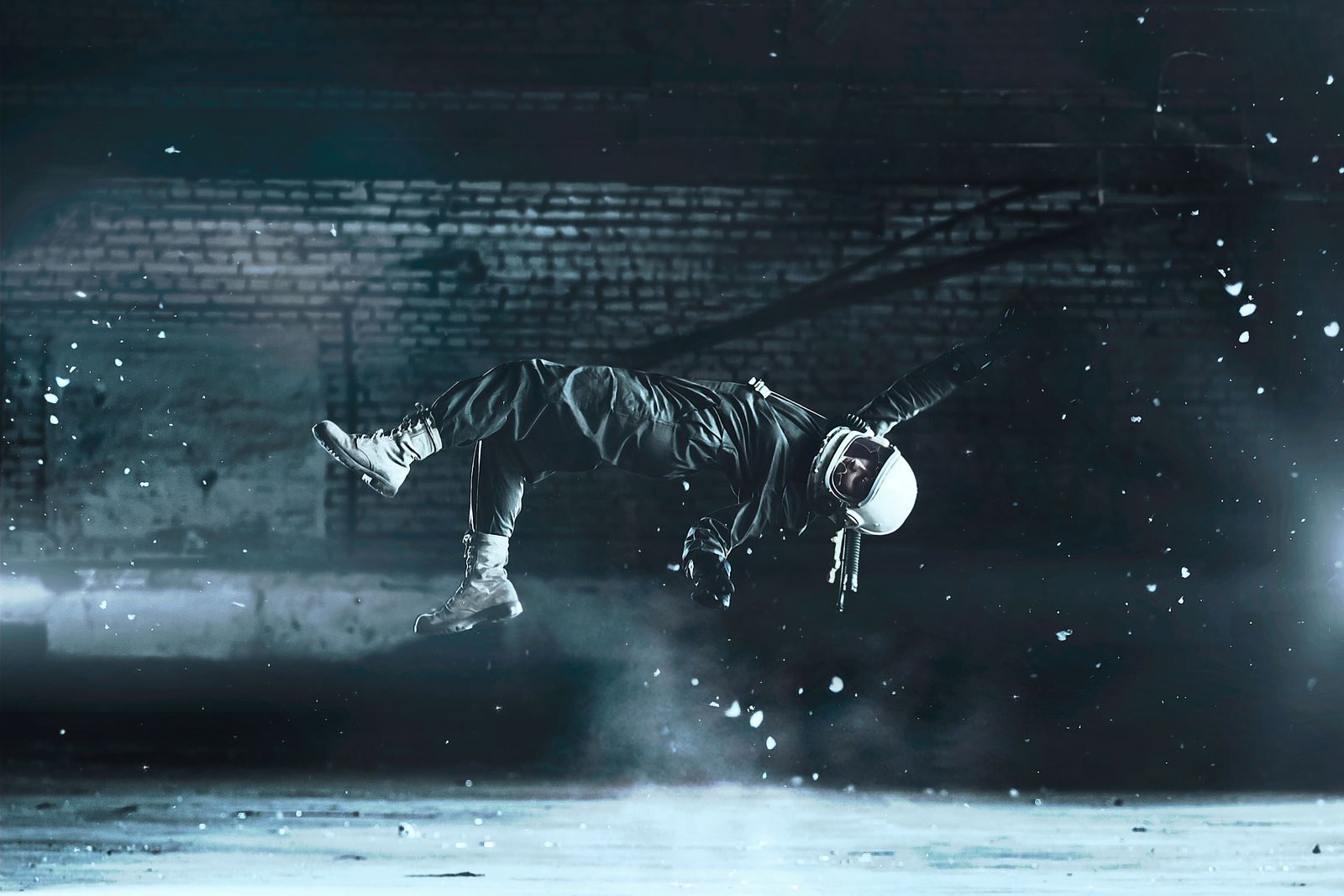
    Most people assume that space travelers face immediate danger only from dramatic asteroid impacts or sudden cabin leaks. We believe that wearing a standard suit protects the body perfectly during long voyages.

    But the silent reality of deep space environments destroys human biology over time. Scientific studies prove that prolonged weightlessness triggers a slow and systematic failure of major physical systems.

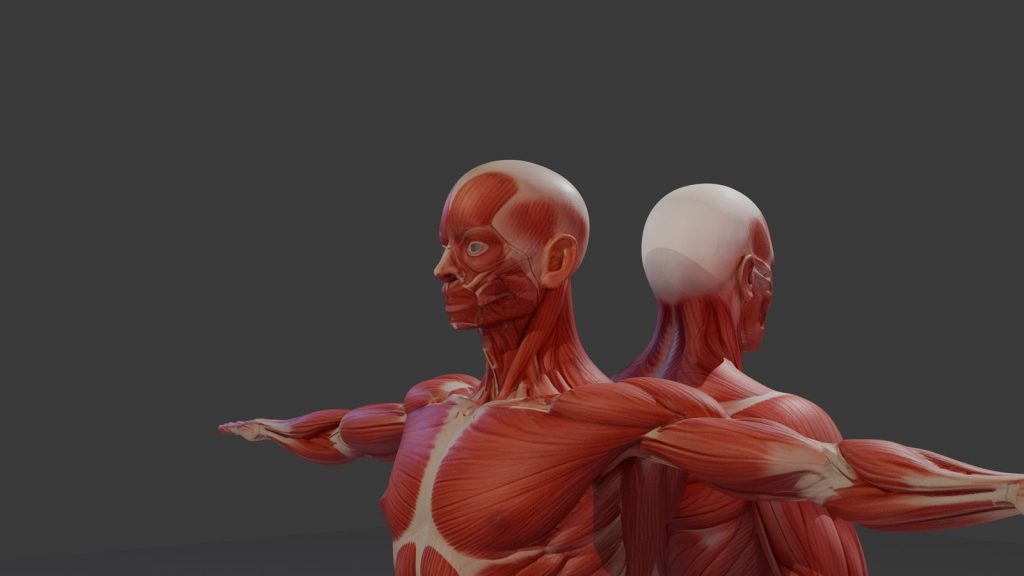
    Gravity Loss Muscle Decay

    Two human muscular system anatomical models on a gray background.
    Photo by Brecht Corbeel on Unsplash

    Floating continuously without the resistance of gravity causes immediate physical changes. According to flight medical reports, astronauts can lose up to twenty percent of their muscle mass in just a few days. The body wastes away. This rapid decay occurs because the muscles no longer need to support skeletal weight. But the loss of muscle is only the first major biological issue.

    Accelerated Bone Density Erosion

    a black and white photo of a person laying down
    Photo by FÍA YANG on Unsplash

    Human bones constantly rebuild themselves based on physical impact and daily movement stresses. According to NASA medical researchers, living in zero gravity stops this vital bone-building process entirely. Bones become highly brittle. The body begins dumping essential calcium directly into the bloodstream at alarming rates. But this circulating calcium creates a highly painful internal complication.

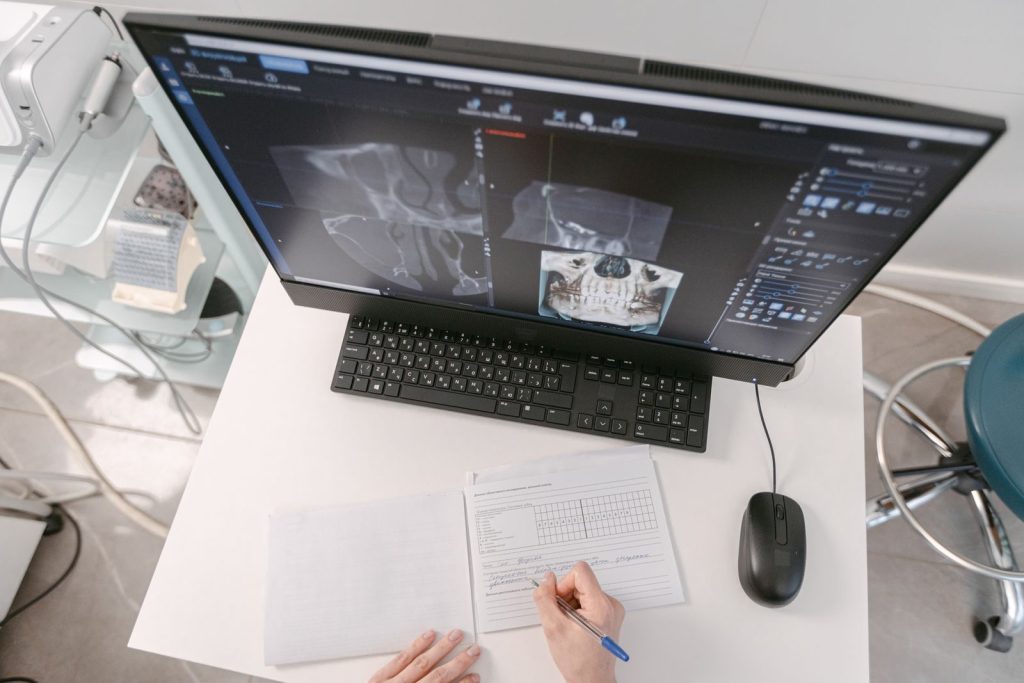
    The Kidney Stone Threat

    Radiologist analyzing X-ray scans on a computer monitor while taking notes. Medical documents visible.
    Photo by SHVETS production on Pexels

    Excess calcium leaking from eroding skeletons travels straight to the filtration systems. According to space medicine database records, astronauts suffer a significantly higher risk of developing painful kidney stones during transit. This is highly dangerous. Treating a severe internal block without access to a hospital presents a nightmare scenario. But fluid shifts present an even more immediate threat to vision.

    Pressure Shifts Flattening Eyeballs

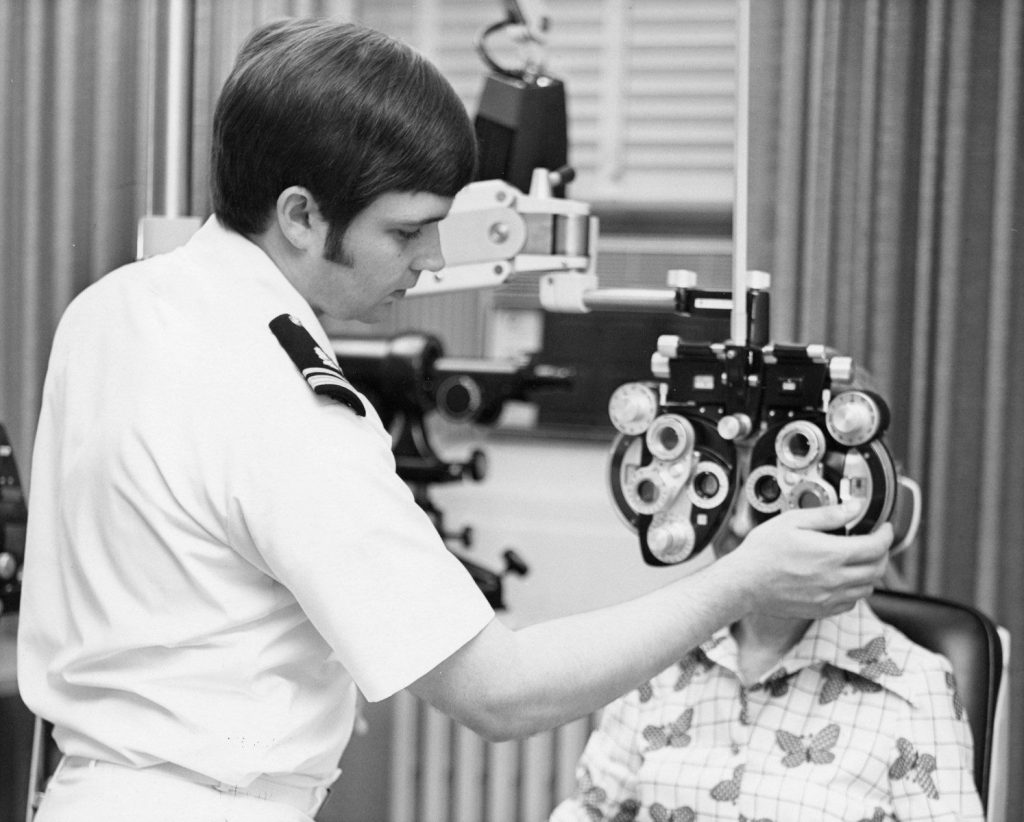
    An optometrist examines a patient's eyes with a phoropter.
    Photo by Navy Medicine on Unsplash

    Without gravity’s pull, bodily fluids travel upward toward the chest and skull. According to ophthalmology journals, this increased pressure inside the head physically flattens the back of the eyeballs. Vision degrades rapidly. Many space travelers return with permanently altered eyesight that requires custom corrective lenses. But physical degradation is not the only danger hiding in the dark.

    Radiation Penetrating Deep Cells

    Dynamic abstract image of molecules with vibrant warm tones, highlighting scientific visualization.
    Photo by Marek Piwnicki on Pexels

    Earth’s protective magnetosphere shields against the silent solar particles that fill interstellar space. According to cosmic radiation studies, traveling beyond this barrier exposes human tissue to heavy ion bombardment. Cells suffer permanent damage. This constant subatomic assault significantly increases the lifetime risk of developing aggressive cancers. But engineers are testing some radical shielding ideas to save future crews.

    Creating Artificial Gravity Habitats

    an overhead view of a circular machine
    Photo by Morteza Mohammadi on Unsplash

    Preventing extreme physical breakdown requires tricking the human body into feeling physical weight. According to aerospace engineering reports, rotating spacecraft modules can create centrifugal forces that mimic Earth’s gravity. Rotation is the key. This constant movement could stop bone and muscle erosion entirely during long interplanetary voyages. But building these massive spinning wheels presents a giant technological hurdle.

    Safeguarding Future Star Voyagers

    woman in red shirt sitting in front of computer
    Photo by National Cancer Institute on Unsplash

    Reaching the stars requires solving the complex biological limits of our own bodies. According to human biology researchers, understanding these deep physical stresses is crucial for any future Mars mission. We must adapt. This article is for informational purposes only and does not constitute medical advice.

    Featured Image: Photo by Pixabay on Pexels