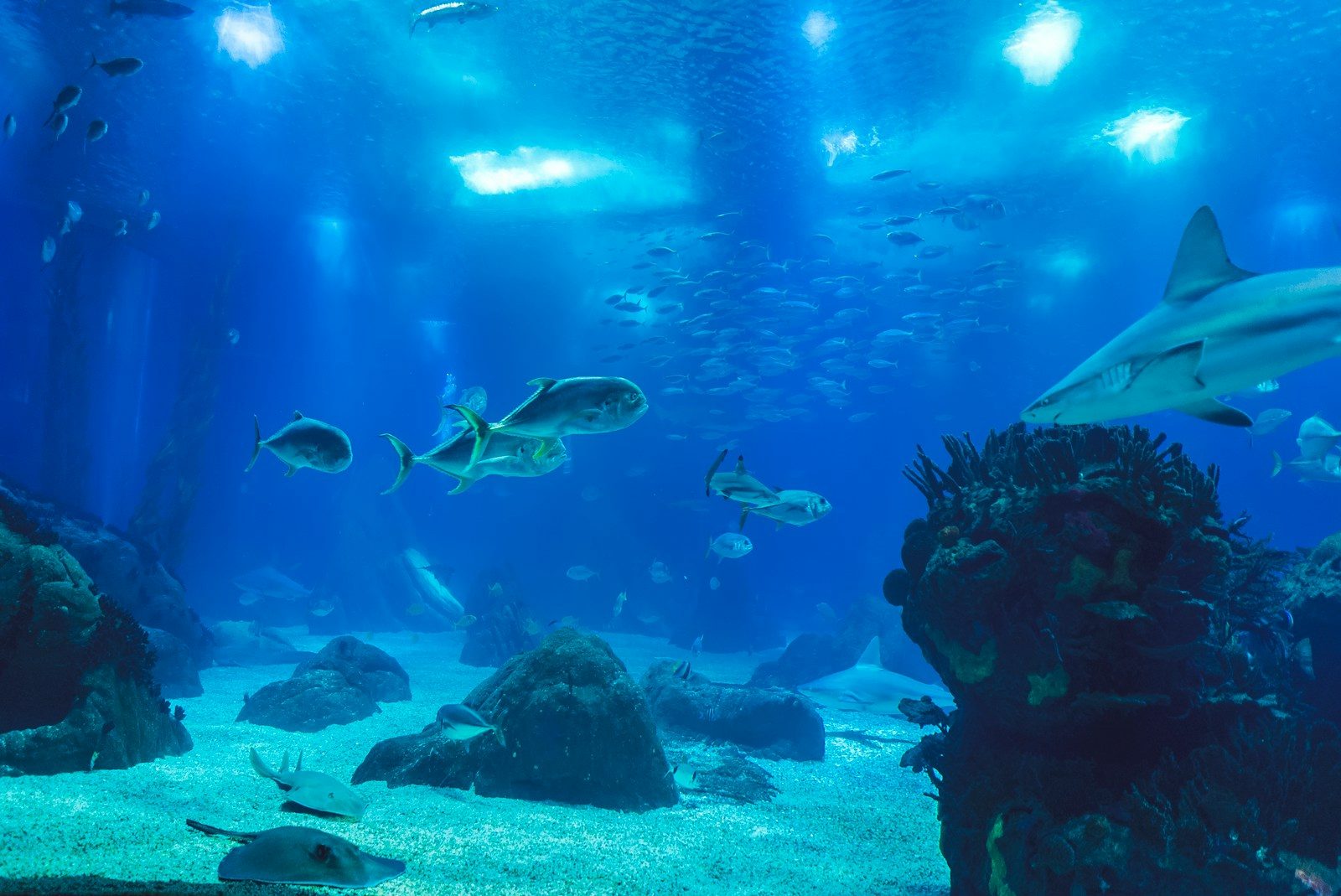
The deep ocean looks like one of the toughest places on Earth to make a living. It is dark, cold, under heavy pressure, and often short on food. Yet tiny animals still manage to survive there, from small crustaceans and worms to delicate drifting creatures that glow, hide, hunt, or wait for scraps falling from above.
Their lives show that survival is not always about being big or fast. Sometimes it is about saving energy, using the right signal, blending in, moving slowly, or building life around small chances. NOAA notes that below 200 meters, sunlight fades away, and food becomes harder to find, shaping how deep-sea animals live.
Small bodies can be powerful
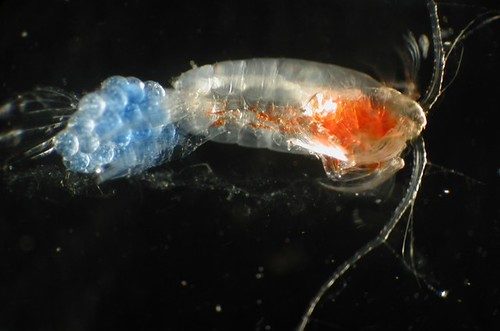
Tiny deep-sea animals may seem fragile, but size can be an advantage. Small bodies need less food, which matters in places where meals may be rare and spread far apart.
Instead of wasting energy, many deep-sea creatures live carefully. They move only when needed, grow slowly, and use every bit of food they can find. In a world with limited resources, being small can be a smart survival plan.
Darkness changes every rule
In the deep sea, sunlight does not guide daily life. NOAA explains that below 200 meters, animals cannot depend on normal vision the way many surface animals do.
That forces tiny animals to survive in other ways. Some sense movement, chemicals, touch, or faint light made by other creatures. Their world reminds us that when one sense becomes less useful, life can find another path.
Glowing can send messages
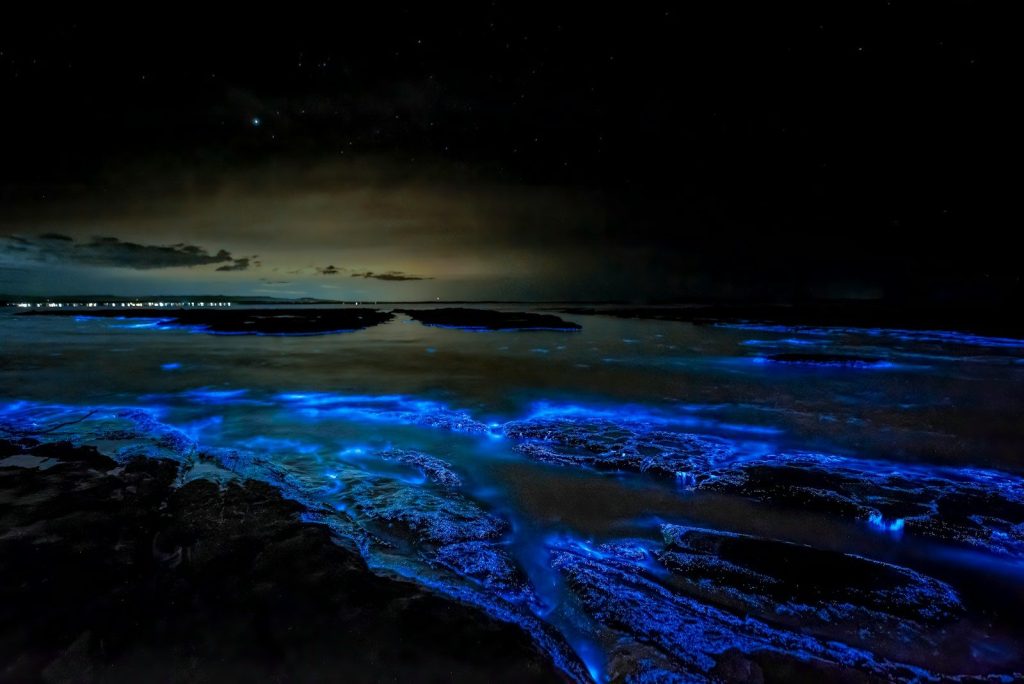
Bioluminescence is one of the deep sea’s most famous tricks. MBARI says about three-quarters of life in the water column can produce light, making glow a common language in the deep ocean.
Tiny animals may use light to confuse predators, attract prey, or find each other in the dark. In a place with almost no sunlight, making your own light can be a lifeline.
Hiding can mean surviving
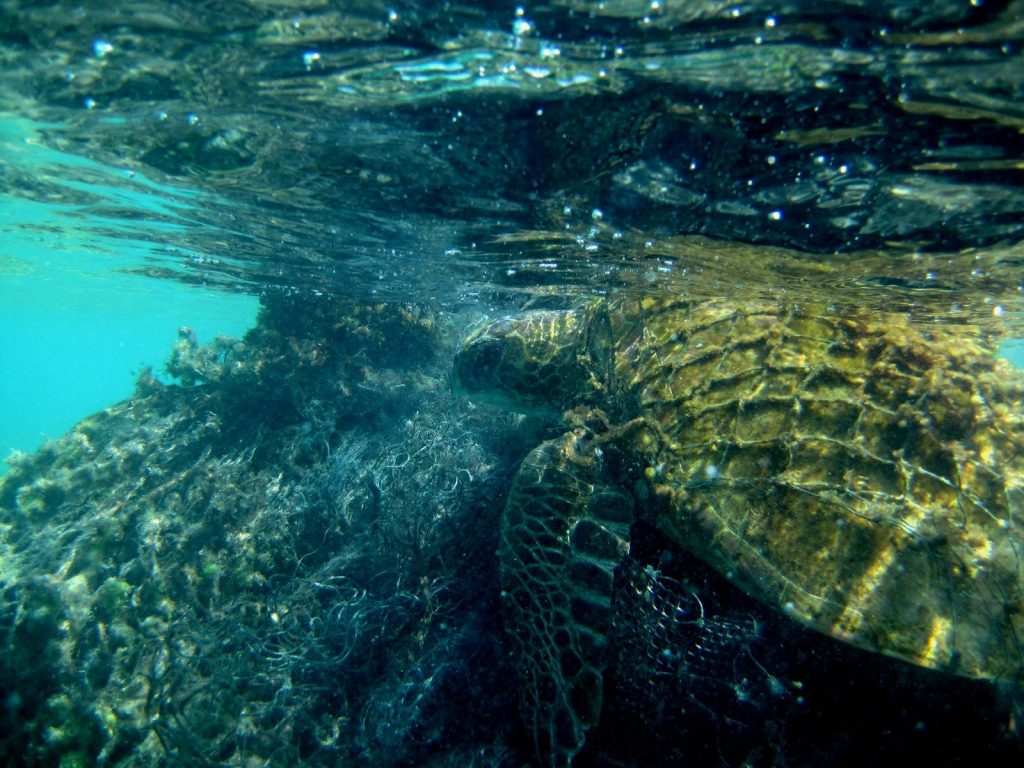
Not every deep-sea animal wants to glow. Some tiny creatures survive by becoming hard to see. Monterey Bay Aquarium notes that many deep-sea animals are transparent, while others use red coloring as camouflage in dark water.
These tricks help small animals avoid attention. When predators are nearby and escape space is limited, blending into the background can be just as important as speed.
Food falls from above
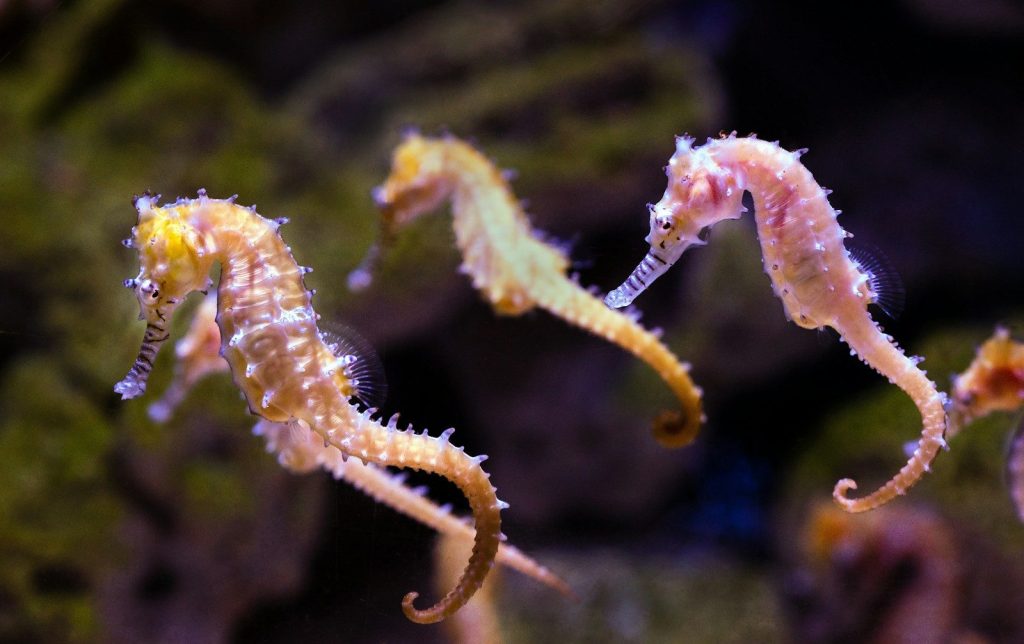
Much deep-sea life depends on tiny bits of food drifting down from the upper ocean. Smithsonian Ocean explains that food is often scarce in the abyss, where only small amounts reach the seafloor.
Tiny animals must be ready when food arrives. Some wait, some scavenge, and some feed on particles too small for larger animals to use well. Survival often means wasting nothing.
Pressure rewards smart design
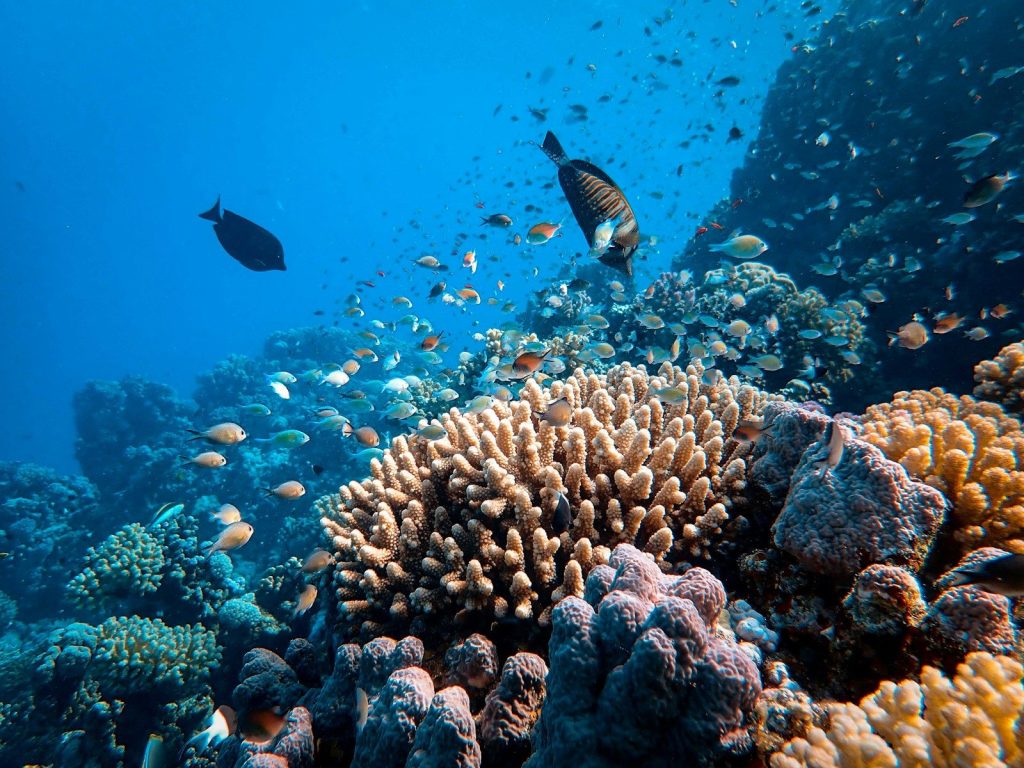
Deep-sea pressure would be dangerous for humans, but many small ocean animals are built for it. Woods Hole Oceanographic Institution explains that deep-ocean animals often do not have air-filled spaces like lungs, which helps them handle pressure.
That teaches a simple lesson: survival depends on matching your body to your world. Deep-sea animals do not fight pressure the way humans would. They are shaped for it.
Slow life still works
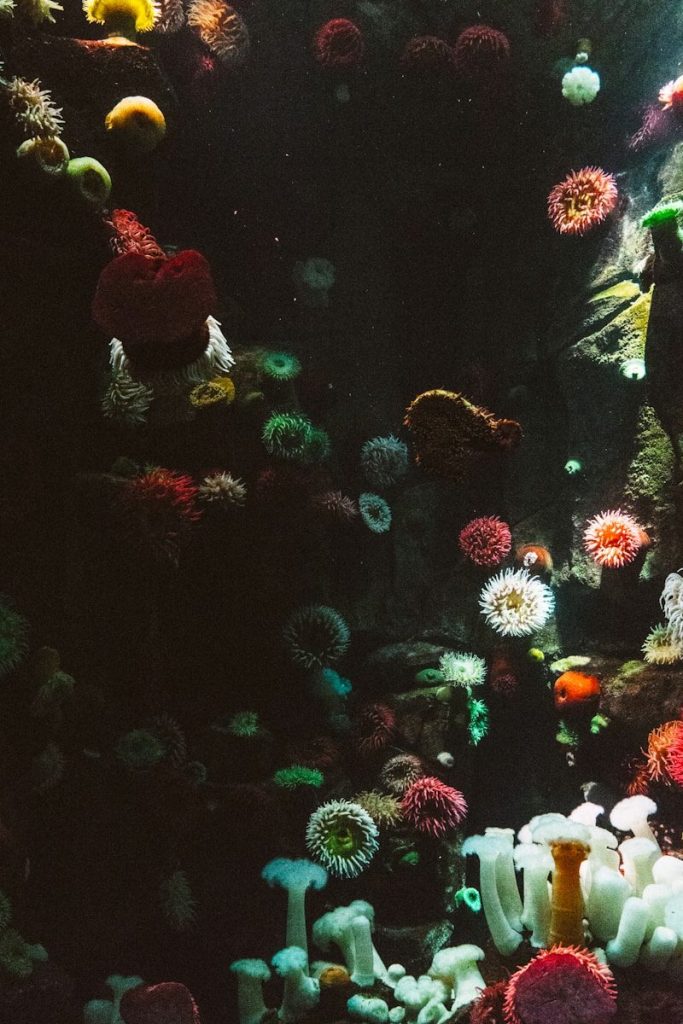
Life in the deep sea often moves at a slower pace. When food is limited and temperatures are cold, rushing can waste energy that animals cannot easily replace.
Tiny deep-sea animals show that slow does not mean weak. A careful life can be a winning strategy when the environment is harsh. Saving energy, waiting well, and choosing the right moment can keep small creatures alive.
Crowds follow rare meals
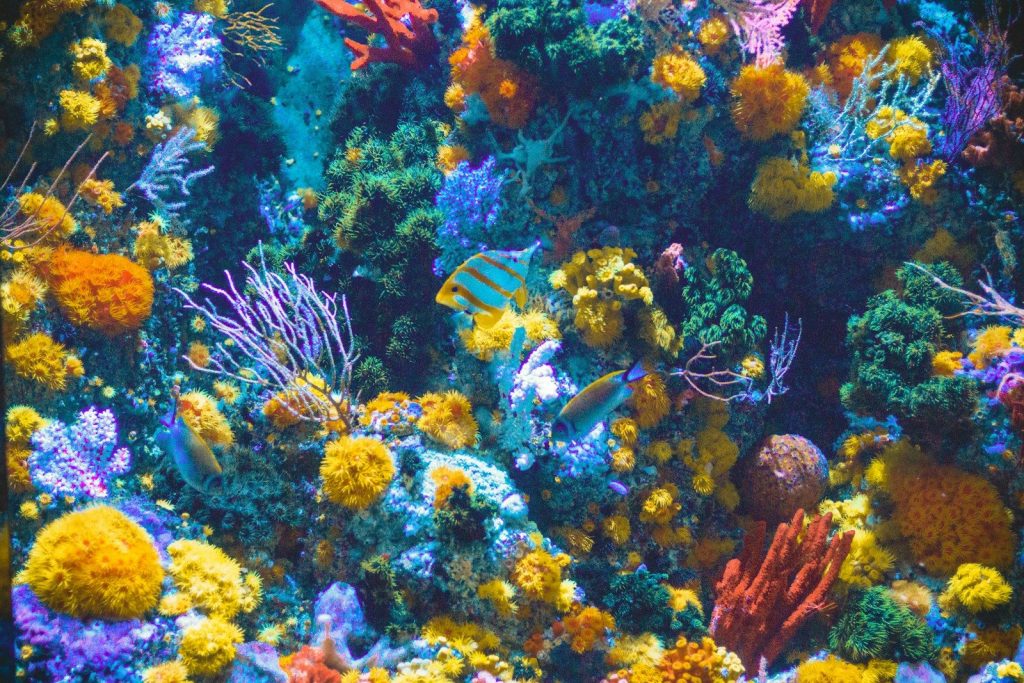
When a big food source reaches the deep seafloor, animal communities can change quickly. MBARI reported that sea pig populations may rise after large pulses of food sink into deep water.
Tiny and small animals help show how deep-sea life responds to sudden chances. A rare meal can support many creatures, even in places that seemed nearly empty before.
New species keep appearing
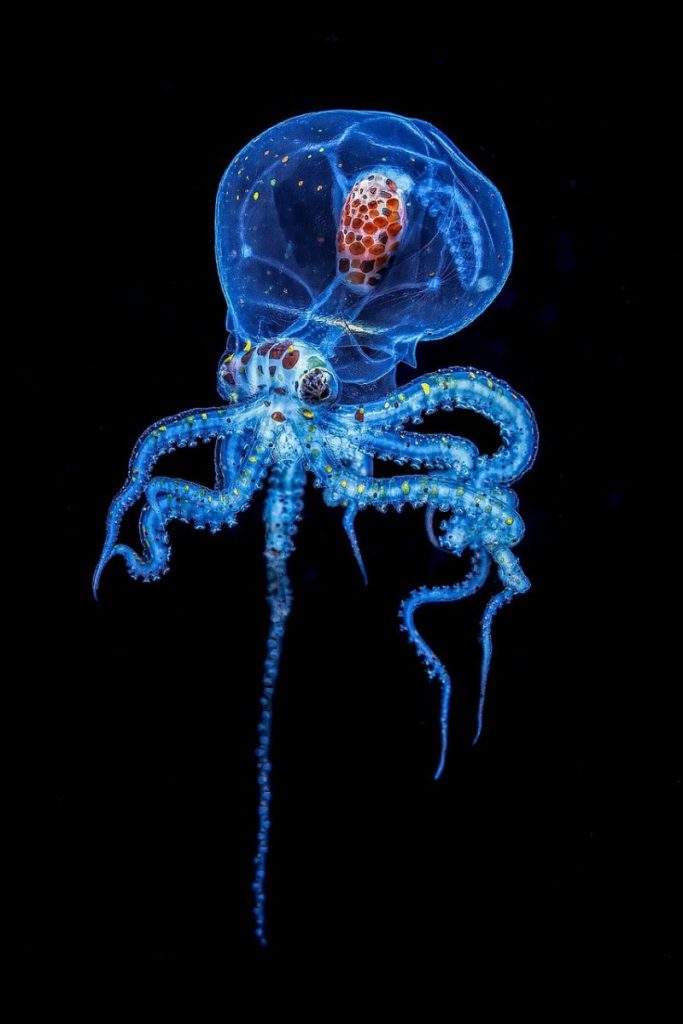
Scientists are still finding deep-sea animals that were unknown before. A newly described small predator from the Atacama Trench, Dulcibella camanchaca, was found at great depth and shows how much remains hidden.
Discoveries like this remind us that survival takes many forms. Even small animals in remote trenches can have special tools for hunting, hiding, and living in extreme conditions.
Survival is about adapting
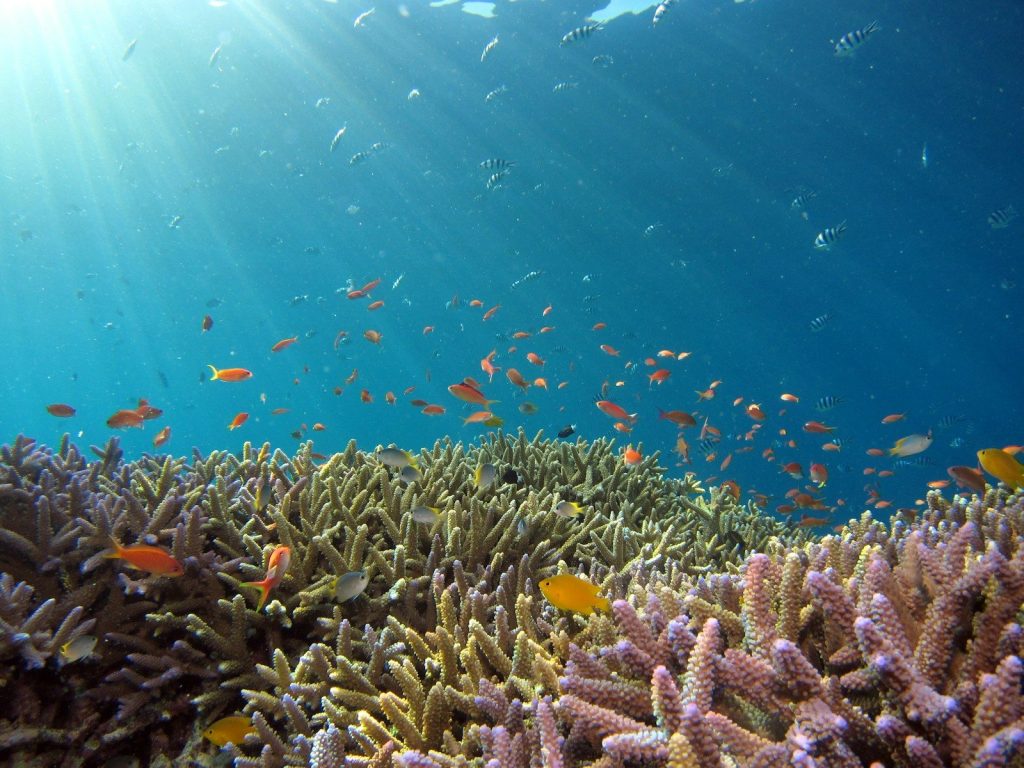
Tiny deep-sea animals teach one big lesson: life does not need perfect conditions. It needs the right adaptations. Darkness, pressure, cold, and low food do not end the story.
Instead, these animals glow, hide, wait, sense, conserve energy, and make use of tiny opportunities. Their world is strange, but their message is simple. Survival often belongs to those that adjust best.
Leave a Reply