
Most people assume that space travelers face immediate danger only from dramatic asteroid impacts or sudden cabin leaks. We believe that wearing a standard suit protects the body perfectly during long voyages.
But the silent reality of deep space environments destroys human biology over time. Scientific studies prove that prolonged weightlessness triggers a slow and systematic failure of major physical systems.
Gravity Loss Muscle Decay
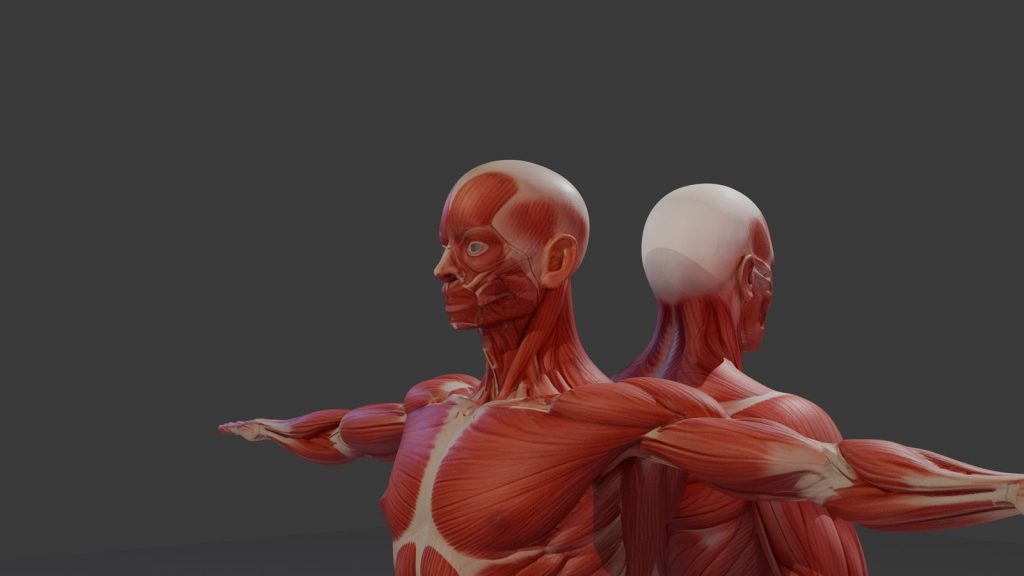
Floating continuously without the resistance of gravity causes immediate physical changes. According to flight medical reports, astronauts can lose up to twenty percent of their muscle mass in just a few days. The body wastes away. This rapid decay occurs because the muscles no longer need to support skeletal weight. But the loss of muscle is only the first major biological issue.
Accelerated Bone Density Erosion
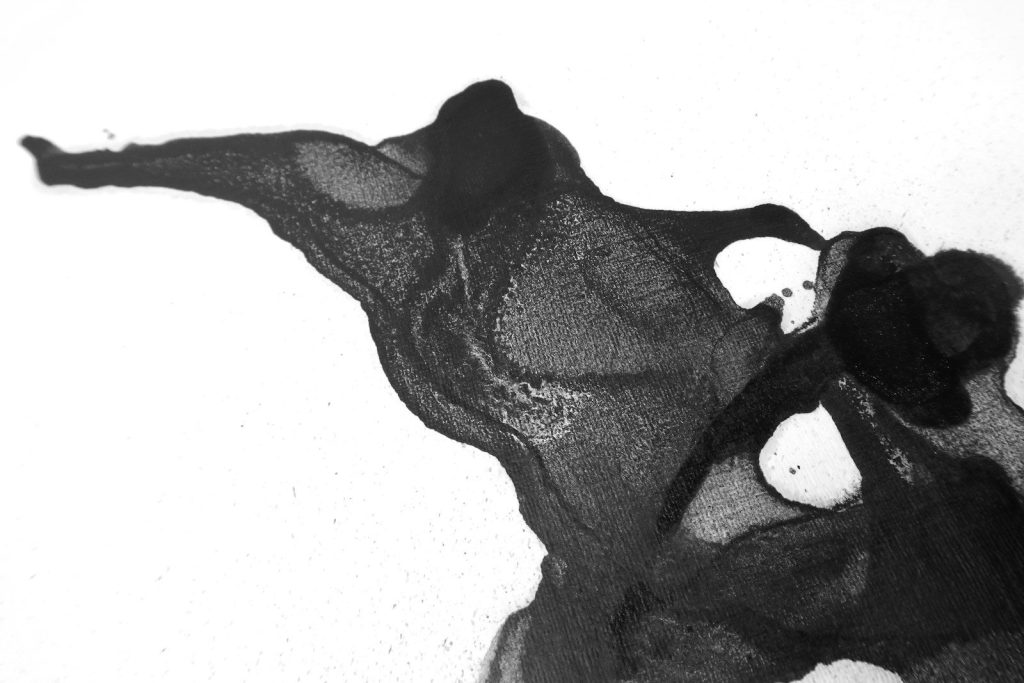
Human bones constantly rebuild themselves based on physical impact and daily movement stresses. According to NASA medical researchers, living in zero gravity stops this vital bone-building process entirely. Bones become highly brittle. The body begins dumping essential calcium directly into the bloodstream at alarming rates. But this circulating calcium creates a highly painful internal complication.
The Kidney Stone Threat
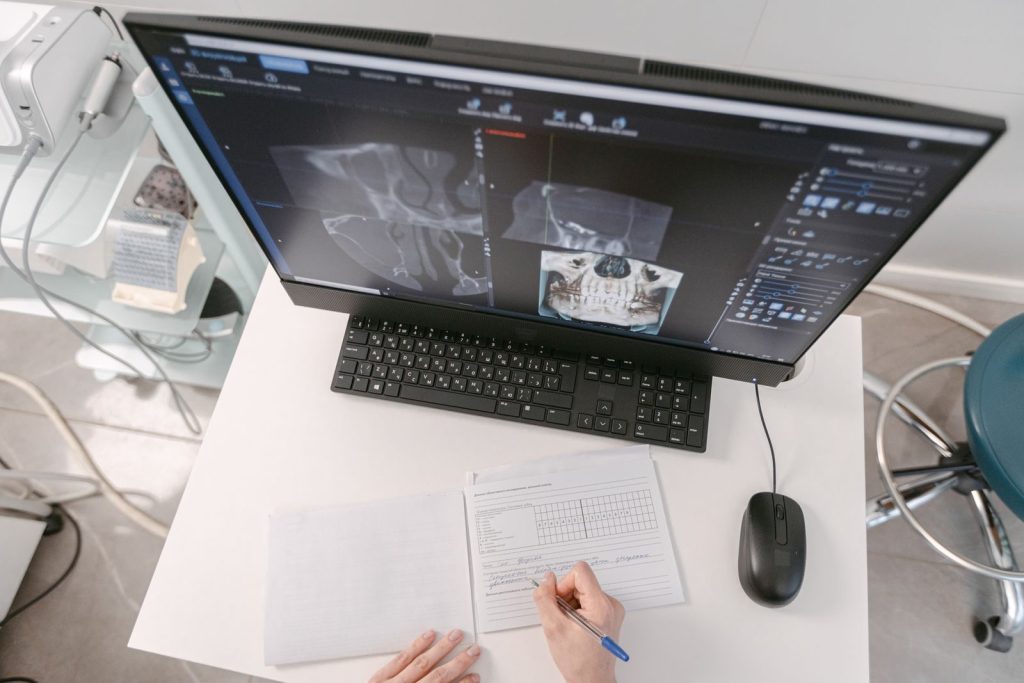
Excess calcium leaking from eroding skeletons travels straight to the filtration systems. According to space medicine database records, astronauts suffer a significantly higher risk of developing painful kidney stones during transit. This is highly dangerous. Treating a severe internal block without access to a hospital presents a nightmare scenario. But fluid shifts present an even more immediate threat to vision.
Pressure Shifts Flattening Eyeballs
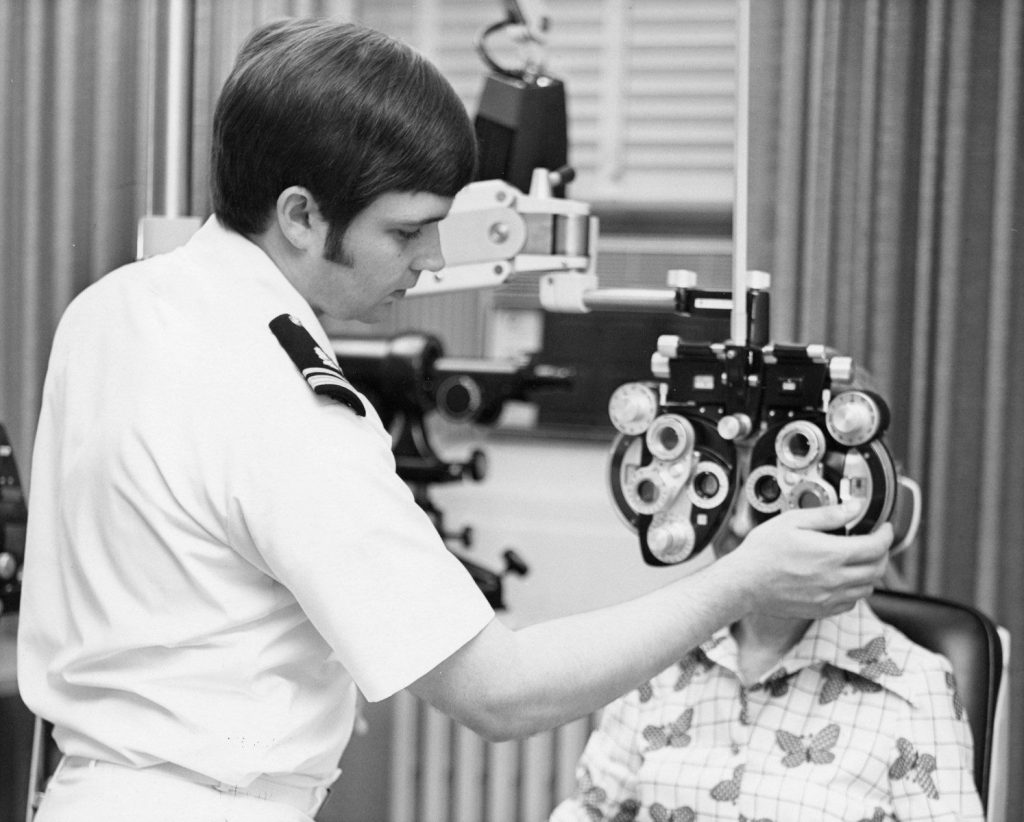
Without gravity’s pull, bodily fluids travel upward toward the chest and skull. According to ophthalmology journals, this increased pressure inside the head physically flattens the back of the eyeballs. Vision degrades rapidly. Many space travelers return with permanently altered eyesight that requires custom corrective lenses. But physical degradation is not the only danger hiding in the dark.
Radiation Penetrating Deep Cells
Earth’s protective magnetosphere shields against the silent solar particles that fill interstellar space. According to cosmic radiation studies, traveling beyond this barrier exposes human tissue to heavy ion bombardment. Cells suffer permanent damage. This constant subatomic assault significantly increases the lifetime risk of developing aggressive cancers. But engineers are testing some radical shielding ideas to save future crews.
Creating Artificial Gravity Habitats
Preventing extreme physical breakdown requires tricking the human body into feeling physical weight. According to aerospace engineering reports, rotating spacecraft modules can create centrifugal forces that mimic Earth’s gravity. Rotation is the key. This constant movement could stop bone and muscle erosion entirely during long interplanetary voyages. But building these massive spinning wheels presents a giant technological hurdle.
Safeguarding Future Star Voyagers

Reaching the stars requires solving the complex biological limits of our own bodies. According to human biology researchers, understanding these deep physical stresses is crucial for any future Mars mission. We must adapt. This article is for informational purposes only and does not constitute medical advice.
Leave a Reply