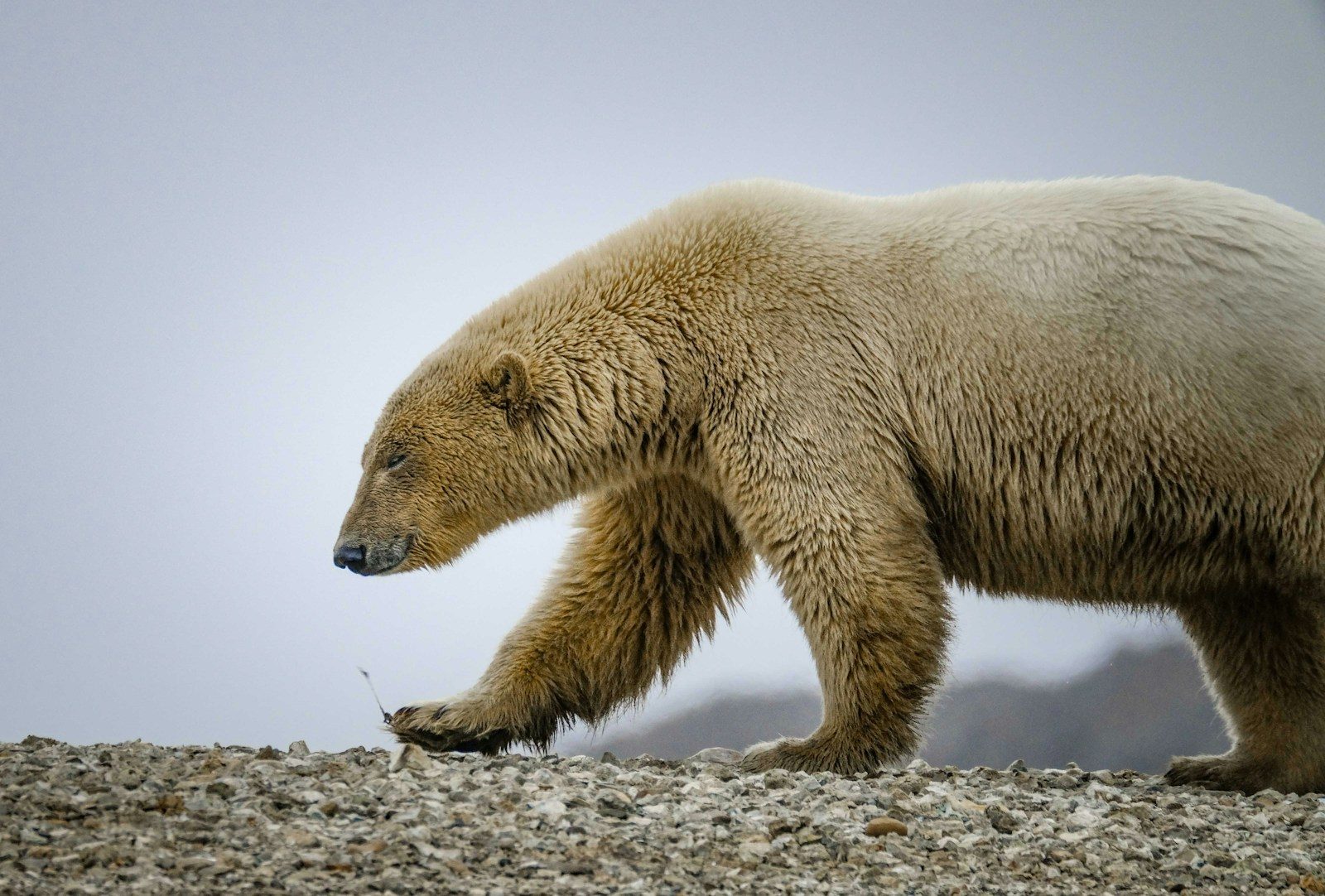
Most wildlife enthusiasts assume that polar bears and grizzly bears live in completely different worlds. We believe that geographic boundaries keep these two species from ever interacting.
But shifting northern climates are forcing these powerful predators to share the same territory. Their unexpected meetings are creating a brand new hybrid species in the wild.
Shifting Territorial Boundaries
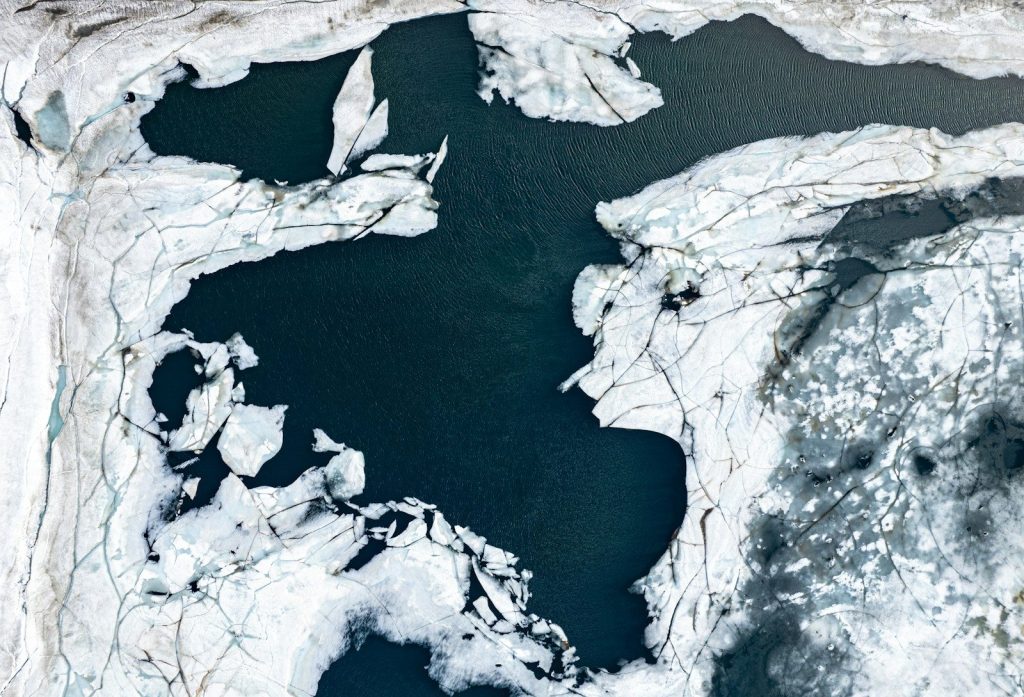
The rapid melting of Arctic sea ice is forcing polar bears to spend more time on dry land. According to studies from the Canadian Wildlife Service, this movement brings them into direct contact with grizzly bears moving north. The overlap is real. These two distinct species are now hunting in the same coastal regions. But this geographic mixing has led to a highly surprising biological result.
The Birth Of Pizzlies
Local hunters have harvested several unusual bears with features from both species. According to genetic testing reports, these animals are authentic hybrids born in the wild. They are highly unique. These creatures display a mixture of thick white fur and prominent brown patches on their shoulders. But their physical traits are not the only things changing inside their biology.
Merging Physical Adaptations
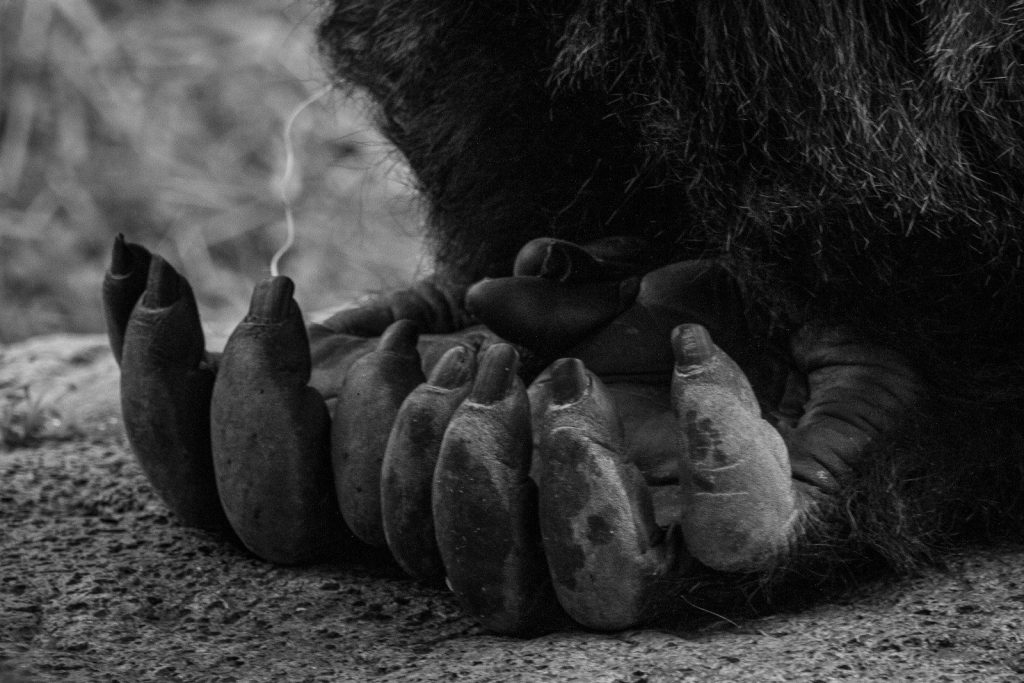
These hybrid bears inherit a combination of physical survival tools from both parents. According to morphological studies, they possess the long claws of a grizzly but the partially webbed feet of a polar bear. They are versatile hunters. This unique physical makeup allows them to hunt both in water and on land. But surviving in the harsh Arctic requires more than just mixed claws.
A New Hunting Style
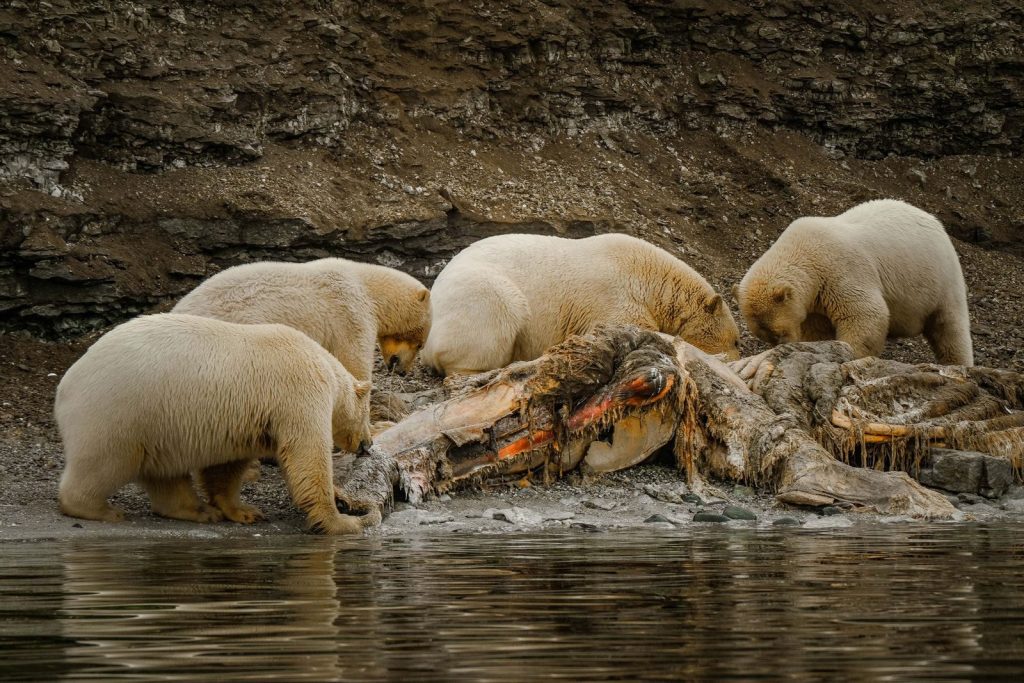
Grizzly bears typically scavenge for berries and hunt land mammals, while polar bears focus on seals. According to wildlife biology reports, hybrid bears have been observed switching between these two distinct feeding styles. They are highly adaptable. This behavioral flexibility helps them find food when sea ice conditions are poor. But this growing hybrid population presents a massive challenge for traditional conservation.
Diluting The Polar Gene
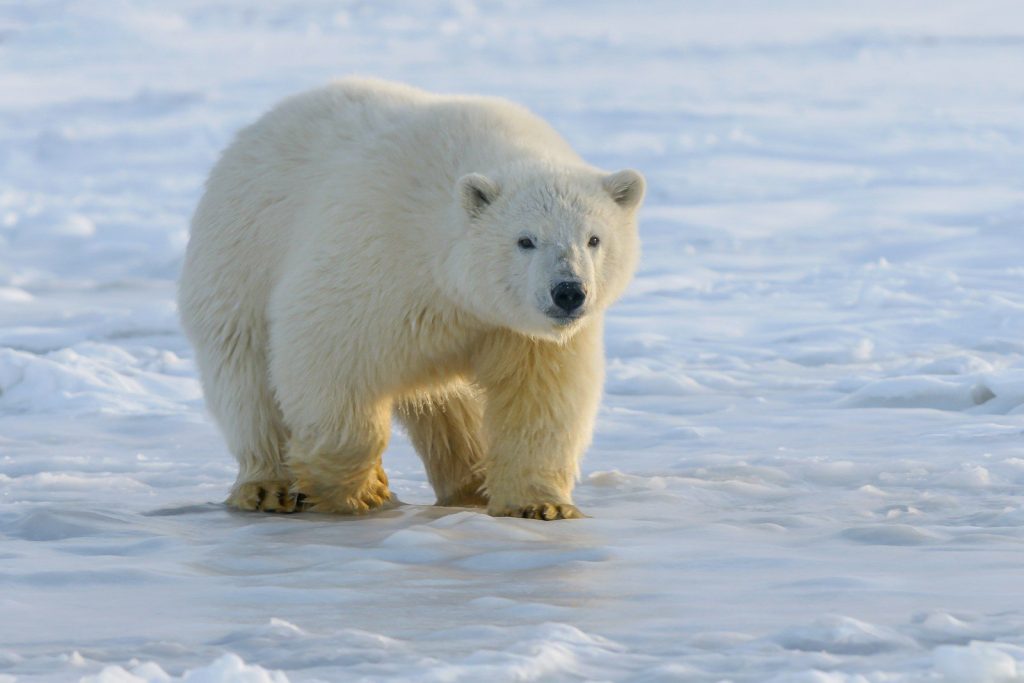
As the hybrid population grows, the unique genetics of pure polar bears could slowly fade away. According to evolutionary biologists, constant interbreeding can cause one species to be absorbed by another over generations. The threat is silent. This genetic dilution could accelerate the extinction of the classic white bear. But scientists are finding that these hybrids are surprisingly healthy.
Fertile Evolutionary Steps
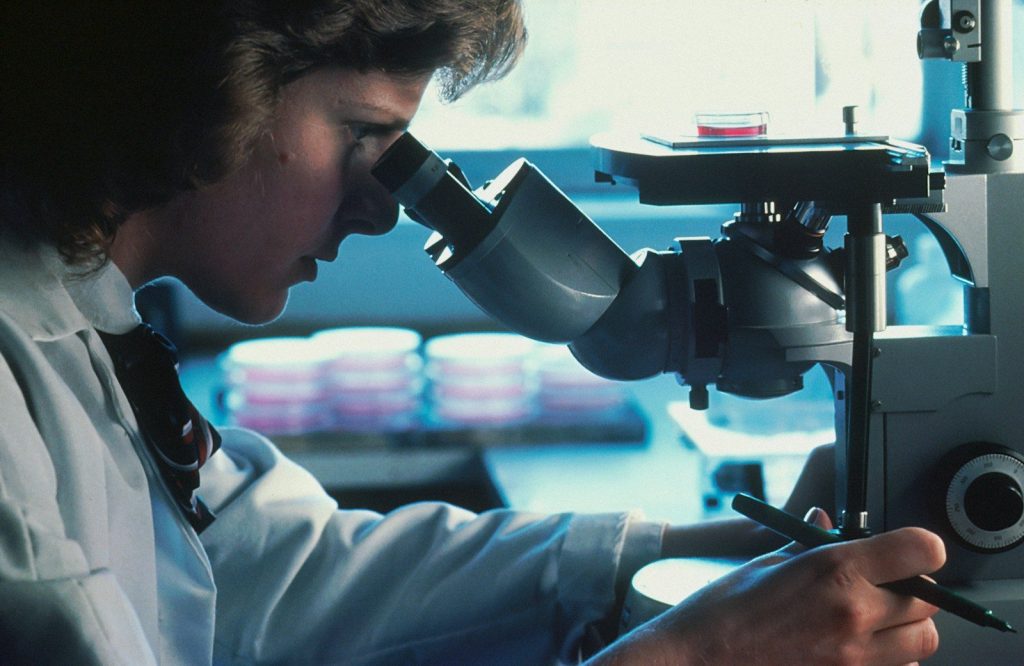
Unlike many animal hybrids, these mixed bears are fully capable of reproducing. According to veterinary genetics researchers, second-generation hybrids have been verified in the wild. They are robust survivors. This fertility proves that the two parent species remain closely linked on an evolutionary level. But some researchers believe this hybridization is actually a natural survival mechanism.
Adapting To A Warming World
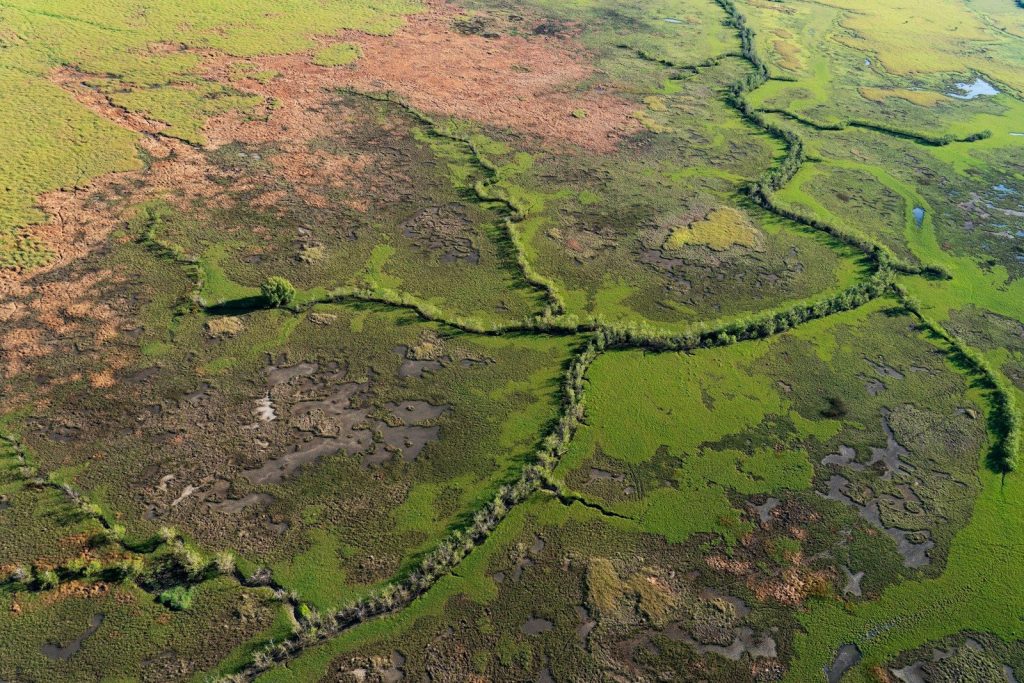
Merging the genetics of two species might be the only way for Arctic bears to survive a warming climate. According to ecological modeling studies, the hybrid genome offers better resilience to changing landscapes. Nature finds a way. This rapid adaptation could allow a new lineage of predators to claim the north. But understanding this genetic shift requires long-term tracking.
Reimagining Northern Wildlife
The rise of hybrid bears shows that evolution is a highly dynamic process happening right before our eyes. According to polar scientists, these changing predators force us to rethink how we define species in a changing world. We must protect their future. This article is for informational purposes only.
Featured Image: Photo by Francesco Ungaro on Unsplash
Leave a Reply