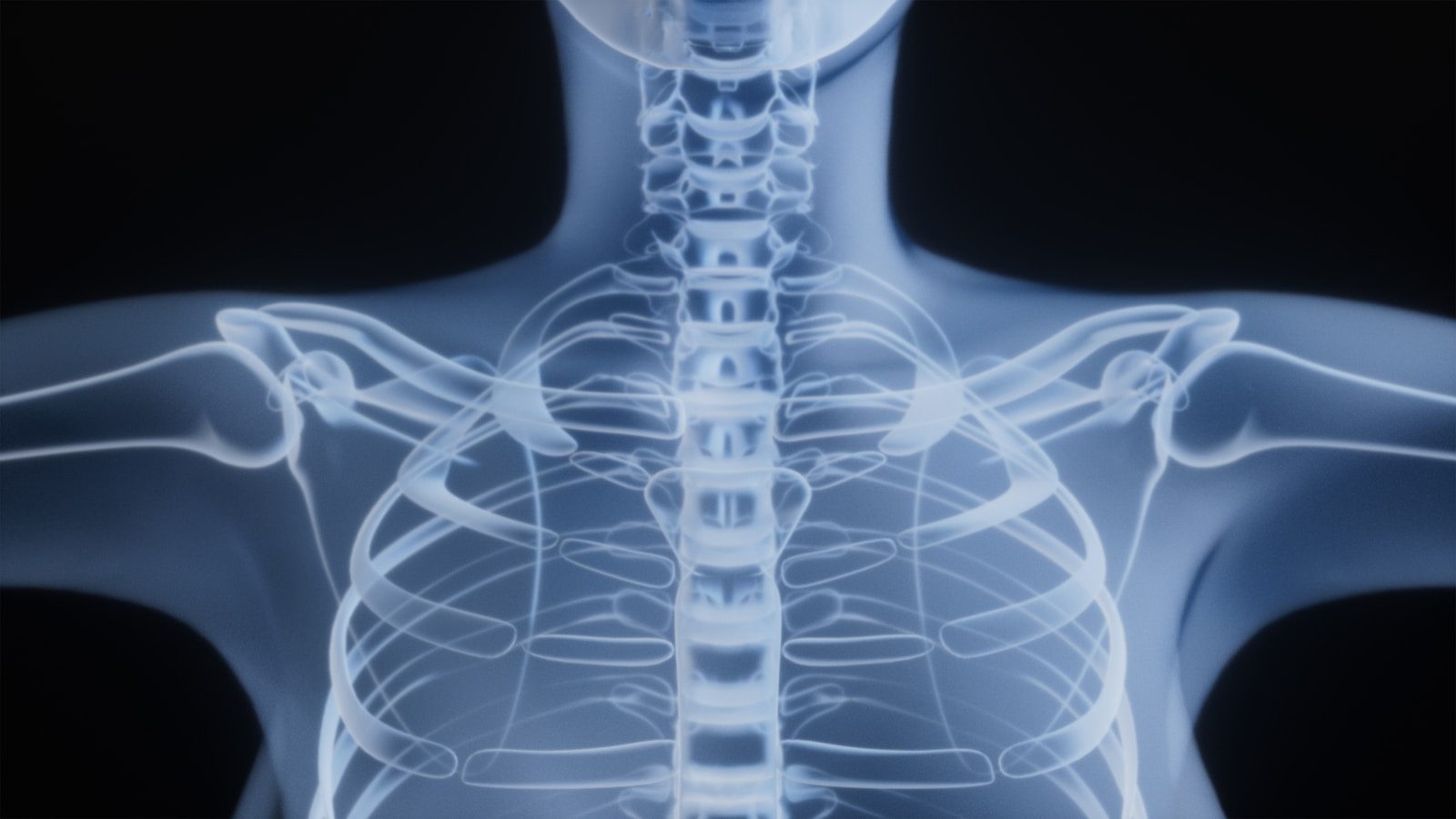
Most human beings assume that our physical evolution stopped thousands of years ago. We believe that modern lifestyles have completely frozen our biology in its current state.
But scientists have discovered that modern technology is actively reshaping the human skeleton. Our daily habits are triggering rapid physical changes that will make future humans look unrecognizable.
The Mobile Text Claw
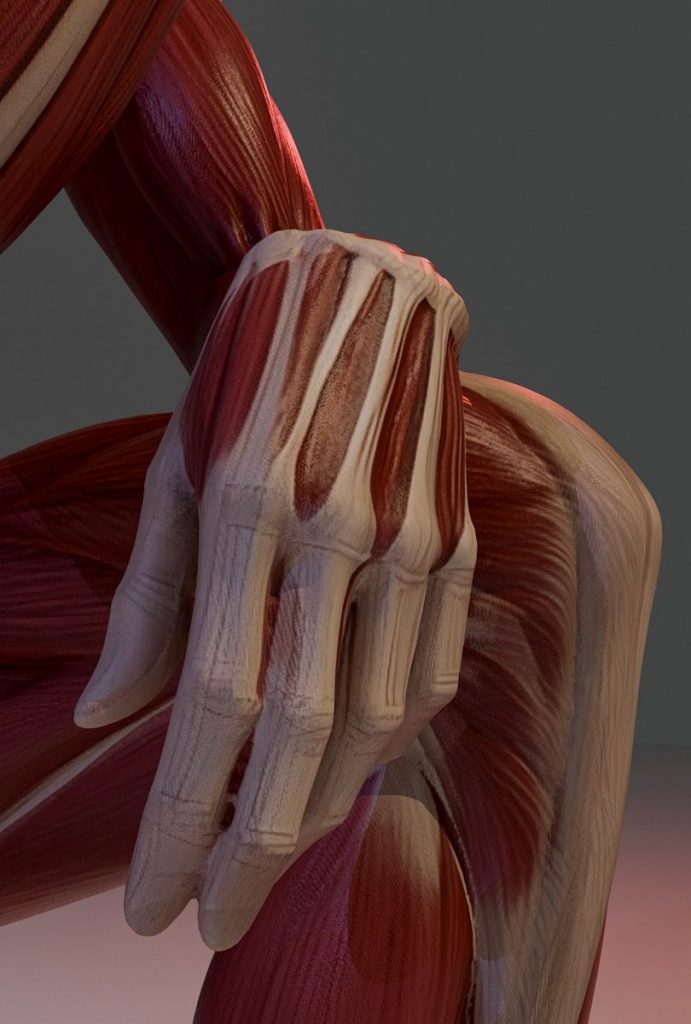
Spending several hours holding small metal devices is forcing our hand bones to undergo unique structural changes. According to anatomical studies by orthopedists, the repetitive gripping motion can trigger permanent muscle stiffness and joint thickening. Our hands are adapting. Over several generations, this physical strain could cause the human hand to naturally curl into a permanent claw shape. But this skeletal shifting is also moving up to our heads.
The Skull Horn Discovery
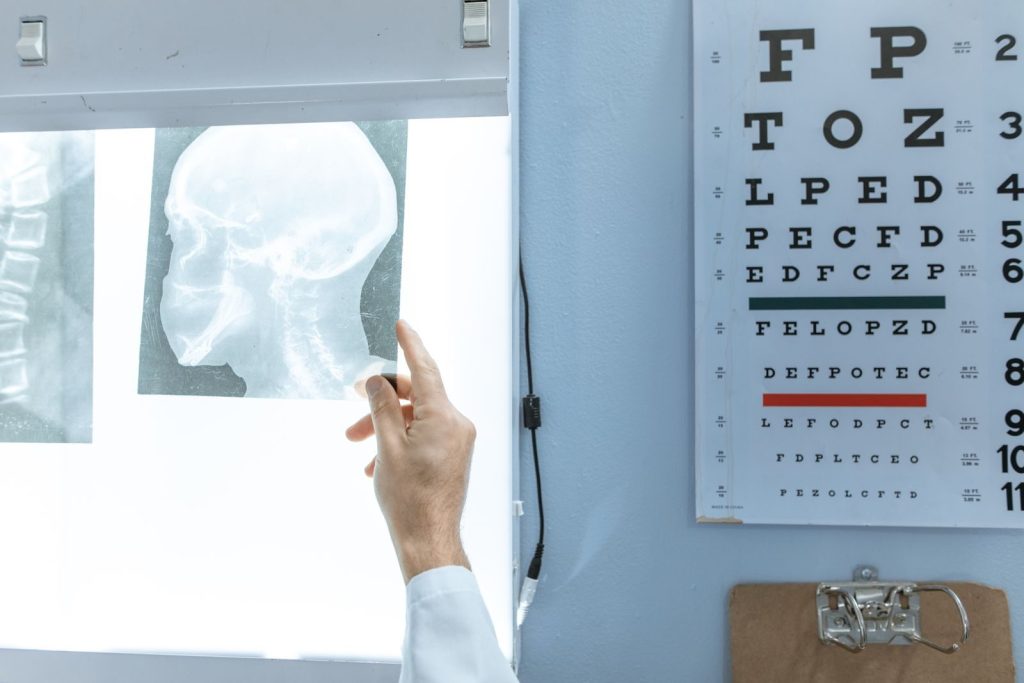
Young adults are developing strange bone growths at the base of their skulls due to poor posture. According to a study from the University of the Sunshine Coast, this physical horn forms when the neck muscles are constantly strained by looking down. The body adapts quickly. The skeleton grows extra bone layers to distribute the heavy weight of the head. But our eyes are also undergoing a dramatic transformation.
The Secondary Eyelid Layer
Staring at bright digital screens for hours could eventually trigger the growth of a brand new biological defense mechanism. According to evolutionary biologists, humans may develop a thicker internal eyelid to block out harmful blue light. This is critical. This evolutionary shield would mirror the protective membranes found in birds and reptiles to prevent eye fatigue. But this sedentary lifestyle is also affecting our core posture.
The Hunchback Posture Shift
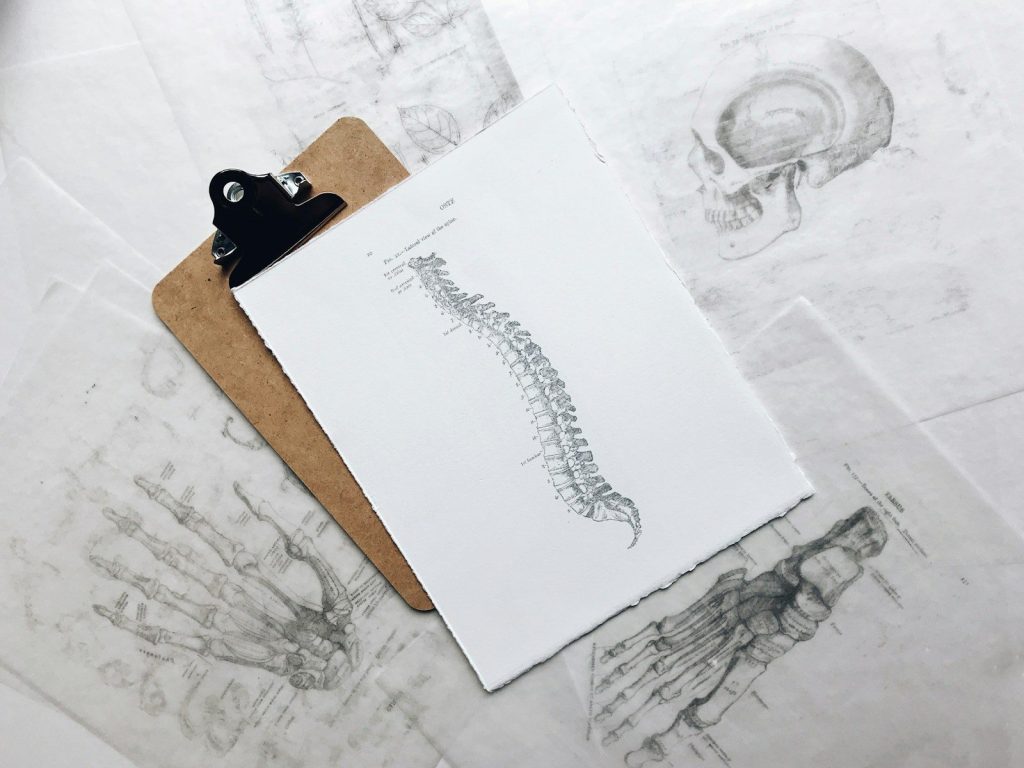
Sitting at desks and leaning over screens is slowly altering the natural alignment of the human spine. According to physical therapy reports, constant slouching forces the chest muscles to contract while the back muscles overstretch. The bones are shifting. This physical strain could make a pronounced hunchback posture the default physical shape for future generations of workers. But our internal organs are also reacting to this lifestyle.
Shrinking Human Brains
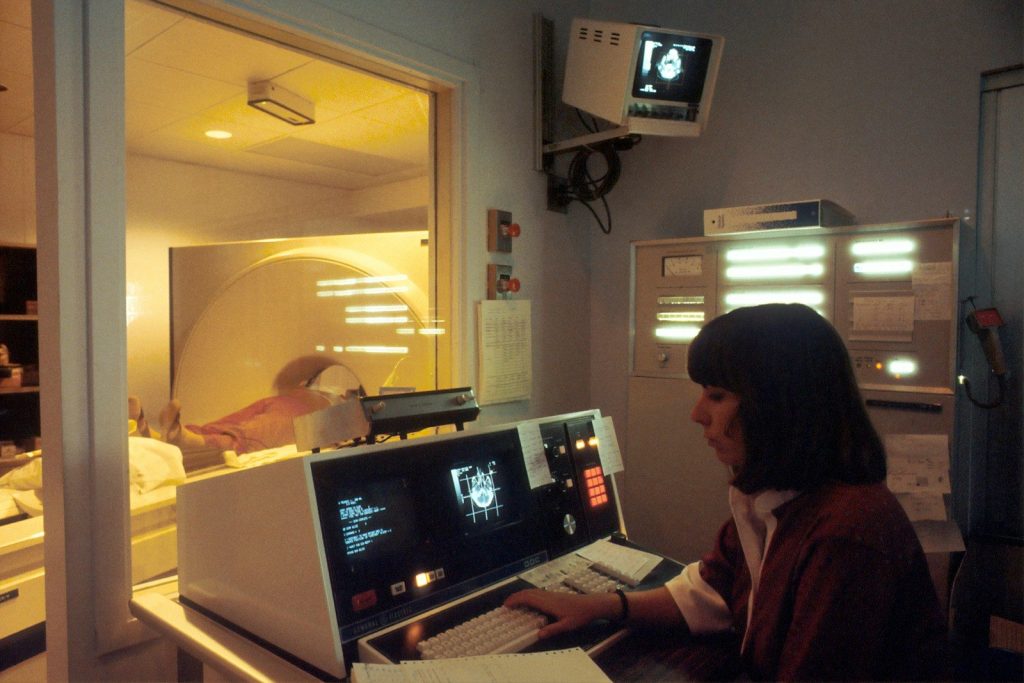
Relying entirely on smart algorithms to store information might be causing our mental processing centers to shrink. According to anthropological research, the average size of the human brain has steadily decreased over the last ten thousand years. We are changing. This brain shrinkage could accelerate as handheld devices handle our memory and navigation needs. But our physical limits are also shrinking in other ways.
Thicker Human Skulls
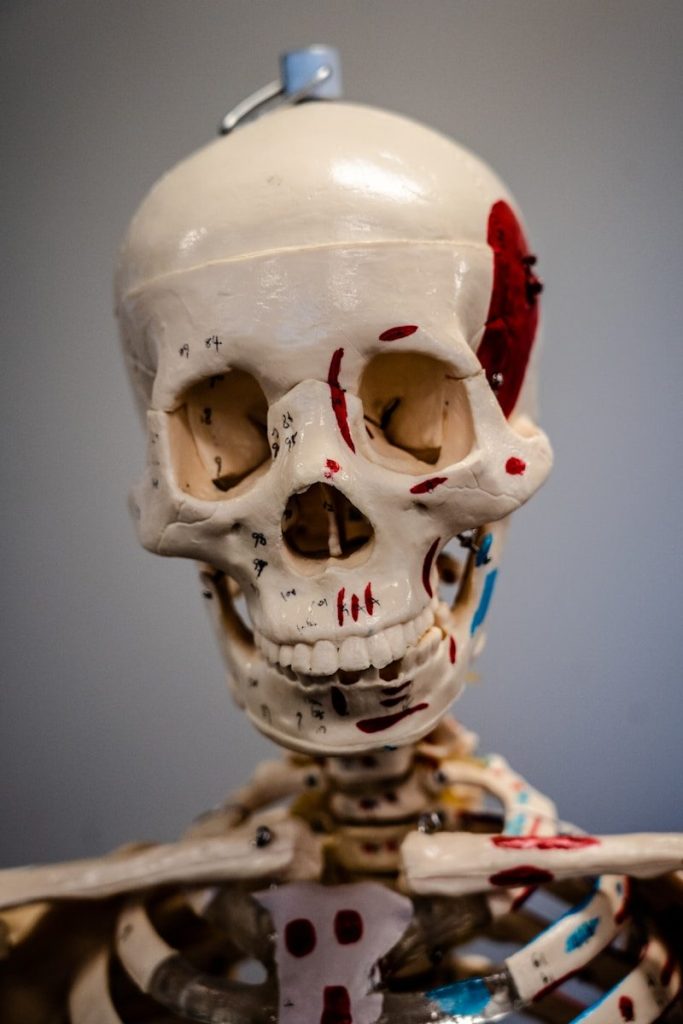
While our brains might be getting slightly smaller, our skull bones could grow significantly thicker to protect against radiation. According to evolutionary models, a thicker skull would serve as a natural shield against electromagnetic waves emitted by portable electronics. The design is practical. This biological change would help safeguard delicate brain tissues from constant daily exposure. But this sedentary lifestyle is also affecting our limbs.
Shorter Physical Limbs
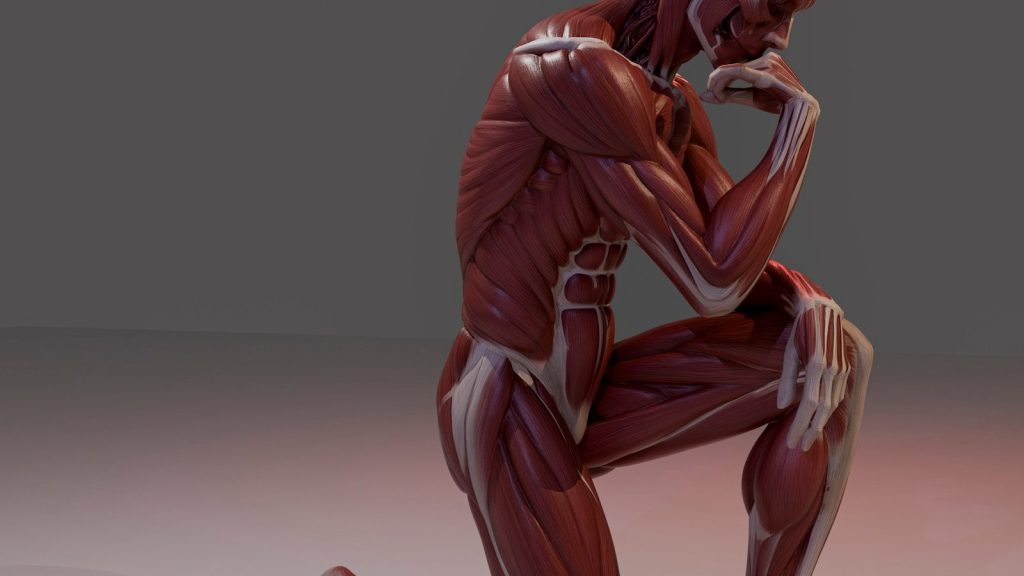
As automated machines take over all manual labor, our physical legs could become significantly shorter and wider. According to biomechanics studies, reduced walking and climbing would minimize the need for long levers in our lower bodies. The change is logical. Future humans might develop compact frames that are perfectly suited for long periods of sitting. But researchers are searching for ways to balance this physical shift.
Designing Our Evolution

Understanding how technology alters our biology allows us to make conscious decisions about our posture and daily routines. According to health specialists, taking regular screen breaks and staying active can completely prevent these skeletal changes. Balance is essential. This article is for informational purposes only.
Featured Image: Photo by Rohit Choudhari on Unsplash
Leave a Reply