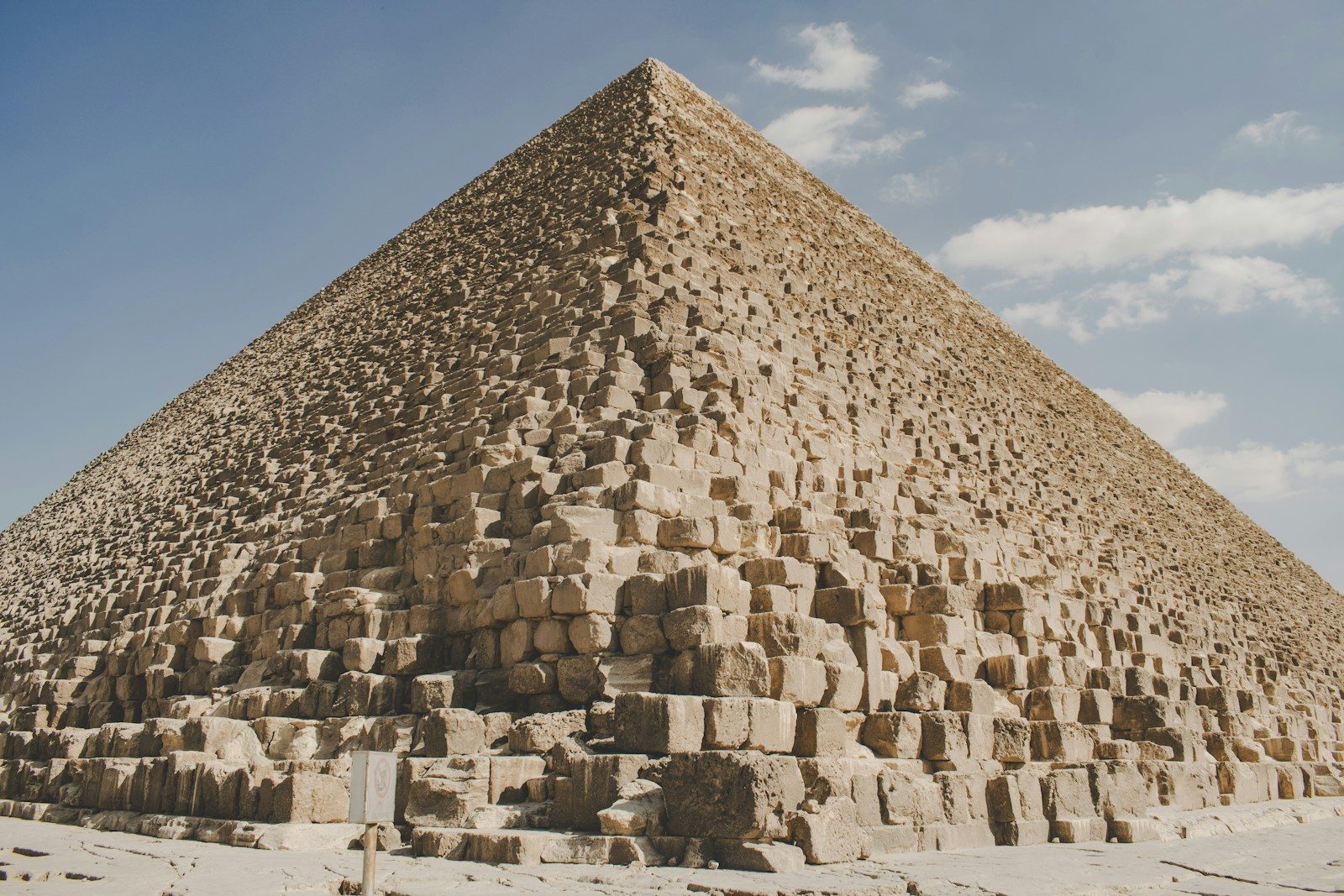
Archaeology fans assume that centuries of digging have mapped every single corner of the Great Pyramid. We believe that modern sensors have already revealed all the secrets of ancient Egypt.
But a ground-breaking scanning mission has revealed a massive structural surprise deep inside the stone. This hidden corridor matches high-tech scans with absolute physical precision.
Scanning With Space Particles
Looking inside the solid stone of the Great Pyramid requires technology that bypasses traditional drills. According to reports from the ScanPyramids Project, researchers used subatomic particles called muons to map the structure. They are highly penetrating. These cosmic ray particles pass easily through solid rock but get absorbed by dense materials. But reading these particle maps required placing sensitive film inside the ancient rooms.
The Invisible Digital Shadow
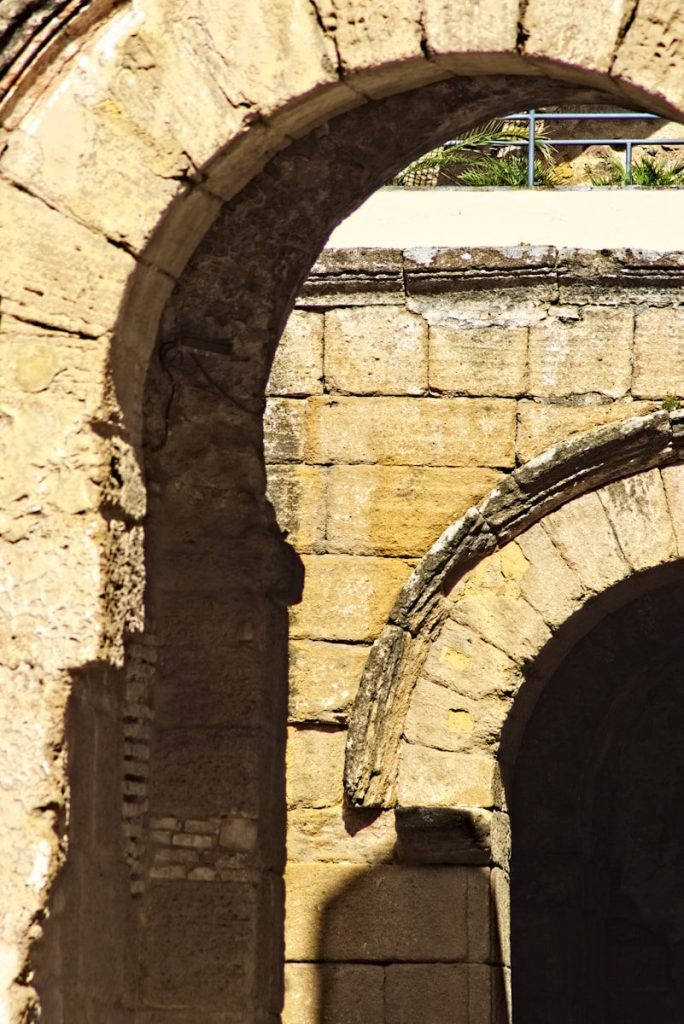
Scientists placed specialized muon detectors inside the deep Queen Chamber of the monument. According to archaeological geologists, the sensors recorded a highly unusual gap in the stone density. The data was undeniable. This empty space suggested the presence of a massive hidden corridor that human eyes had never seen. But confirming the existence of this void required running secondary radar scans.
Striking Hollow Air
Researchers used ground-penetrating radar to verify the exact coordinates of the density gap. According to reports from Nagoya University, the scans confirmed a hollow space located right behind the chevron stones. It was perfectly clear. This secondary test proved that the void was an intentional architectural feature rather than a natural rock crack. But the team still needed to find a way to peer inside.
The Tiny Fiberoptic Camera
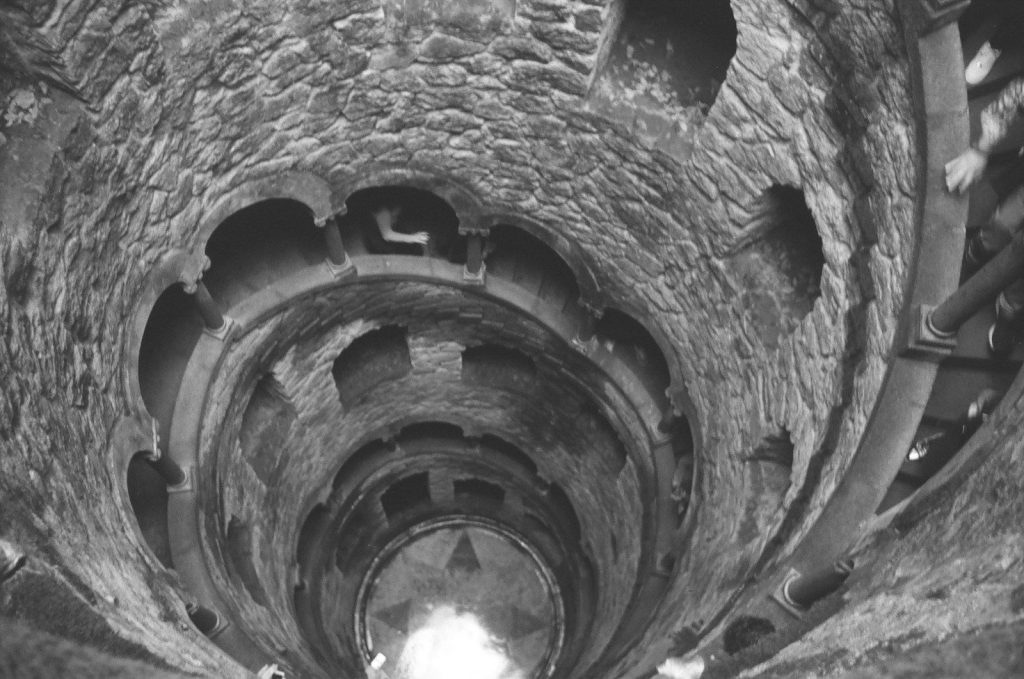
Drilling a tiny hole through the joint of the stones allowed researchers to insert a small camera. According to Egyptologists, the camera feed revealed a pristine stone corridor that remained untouched for millennia. The room went silent. This secret passage was exactly thirty feet long with a beautifully vaulted ceiling. But the true purpose of this hidden corridor remains a massive debate.
Shifting The Structural Load
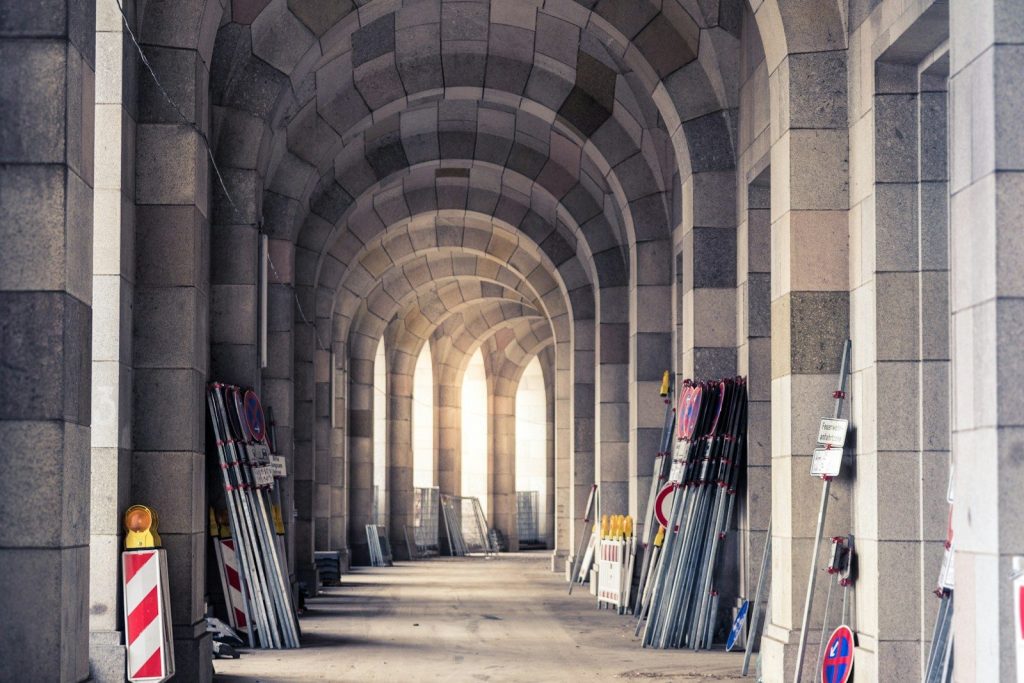
Some structural engineers suggest the corridor was built to protect the pyramid from collapsing. According to architectural surveys, the vaulted ceiling helps distribute the immense weight of the surrounding stone. The design is brilliant. This clever setup took pressure off the main entrance way located directly below the empty space. But other researchers believe the void holds a far more sacred purpose.
Guarding The Secret Tombs
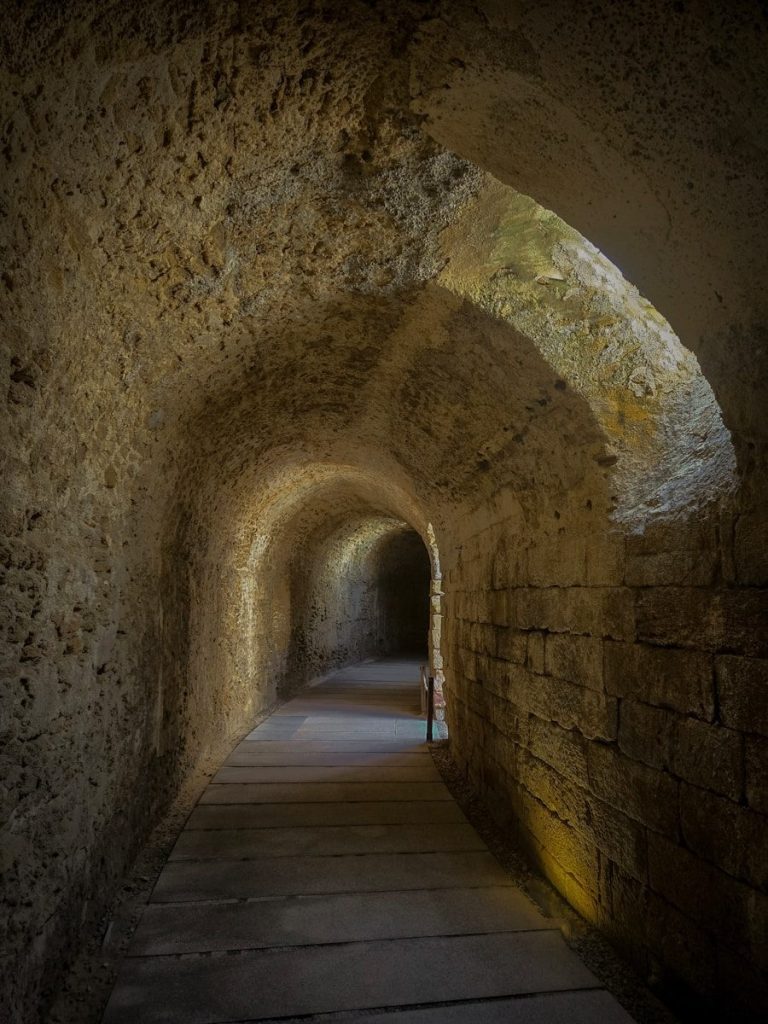
Ancient priests went to extreme lengths to protect royal burial chambers from tomb raiders. According to classical historians, hidden corridors were often used to mislead intruders and secure sacred relics. It was a fortress. This architectural shield successfully kept the inner rooms safe from eyes and thieves for thousands of years. But finding where the corridor eventually leads requires using deeper sensors.
Mapping Deeper Cavities
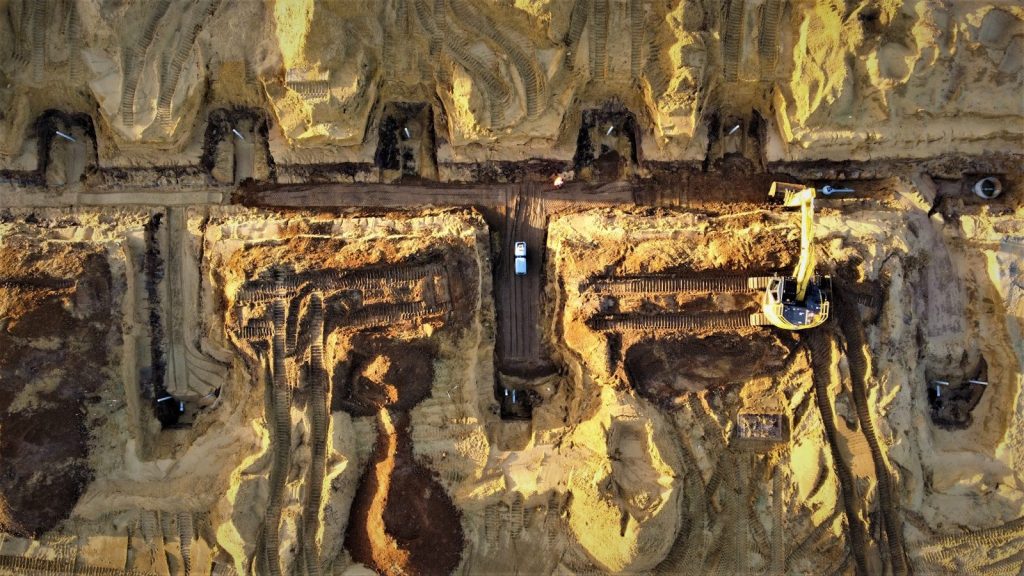
Radar specialists are currently running deep resistivity scans around the newly discovered passage. According to survey data from the Cairo Research Institute, several smaller empty rooms sit directly beneath the corridor. The gaps look promising. These hidden chambers could hold untouched historic treasures or the final resting place of early kings. But launching a physical excavation of these deep voids requires a delicate plan.
Unlocking Lost Horizons
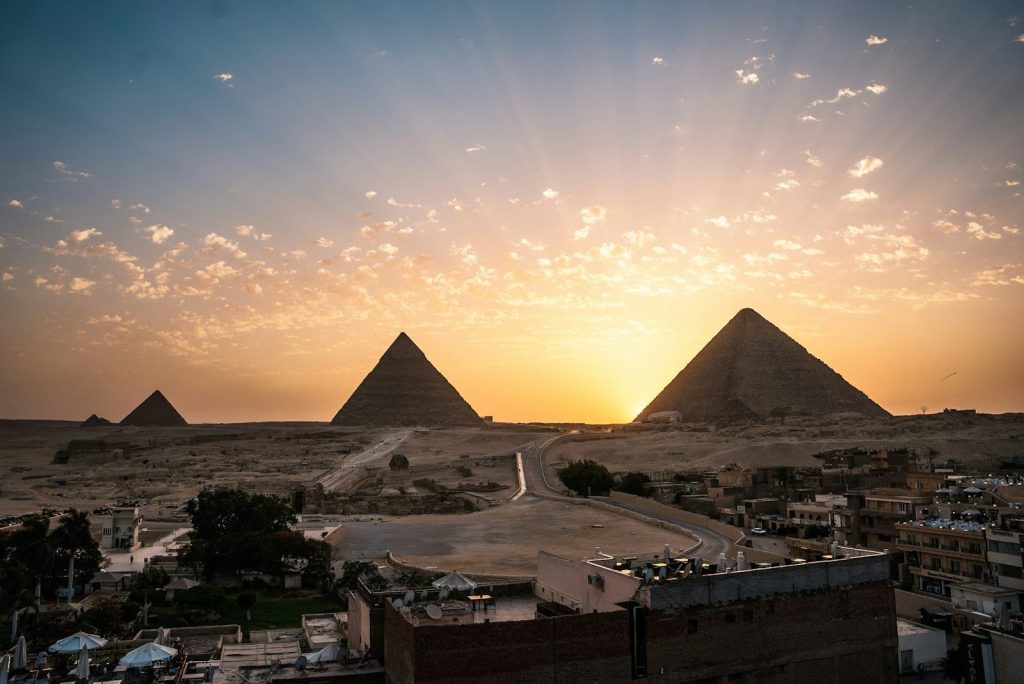
The spectacular Giza discovery proves that technology can uncover lost history hidden beneath the sand. According to archaeologists, mapping these massive ruins helps us reconstruct the development of early cities. The desert keeps secrets. This article is for informational purposes only.
Featured Image: Photo by Hossam M. Omar on Unsplash
Leave a Reply