
Most military enthusiasts assume that secret bases completely hide their classified vehicles inside secure underground hangars. We believe that modern stealth aircraft can easily escape satellite tracking while operating over dry desert testing grounds.
But high-resolution orbital cameras have challenged this absolute military secrecy. Advanced satellite footage has captured bizarre thermal footprints and unexplained shadows stretching across the tarmac at Area Fifty-One.
Eyes In The Sky

Private satellite networks are constantly capturing extremely detailed images of the highly restricted Nevada testing facility. According to aerospace analysts, recent imagery shows significant construction activity taking place around the massive dry lake bed. It is active. These high-resolution views allow civilian researchers to track base upgrades that were once hidden from the public. But a highly specific shadow on the tarmac has triggered intense debates.
The Ghost Delta Shape
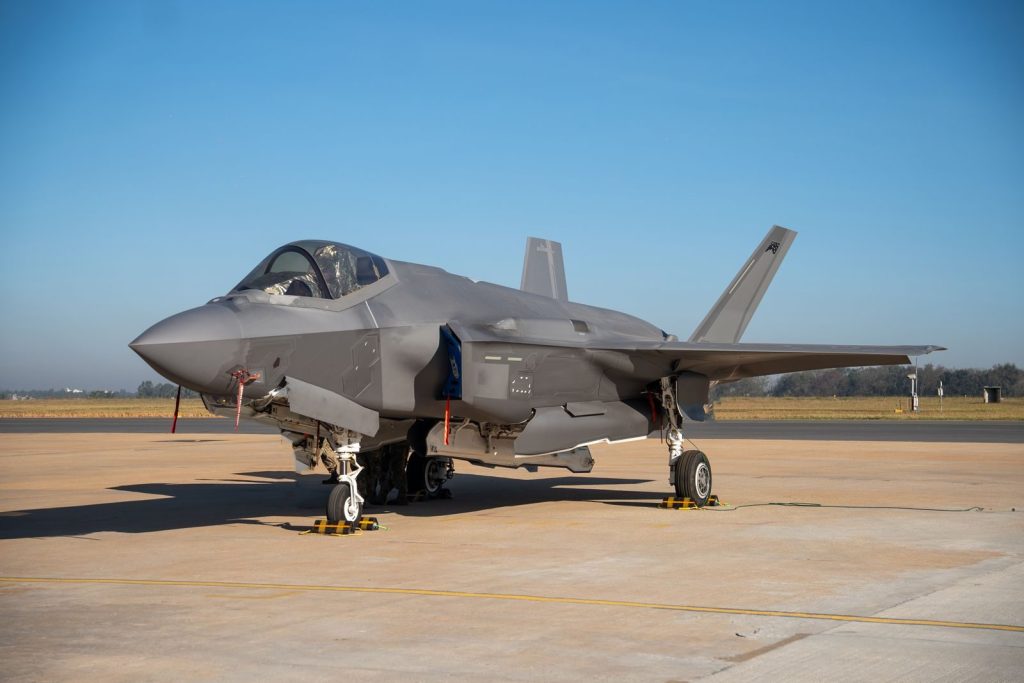
Satellite sensors recently locked onto a massive shadow shaped like a highly advanced triangular aircraft. According to military defense blogs, the shape did not match any officially cataloged fighter jet or commercial vehicle. It was unique. The bizarre dimensions suggest a stealth vehicle designed to operate at extreme hypersonic speeds. But this mysterious shape vanished from the tarmac right before the next orbital pass.
Sifting Thermal Footprints

Advanced thermal cameras can detect the residual heat left behind by engines long after an aircraft has departed. According to satellite imagery specialists, several runways show intense heat signatures that indicate the testing of massive power plants. The ground burned. These glowing thermal patterns prove that active propulsion systems are being operated under the cover of darkness. But this heat energy holds an even deeper structural mystery.
The Giant Hangar Expansion
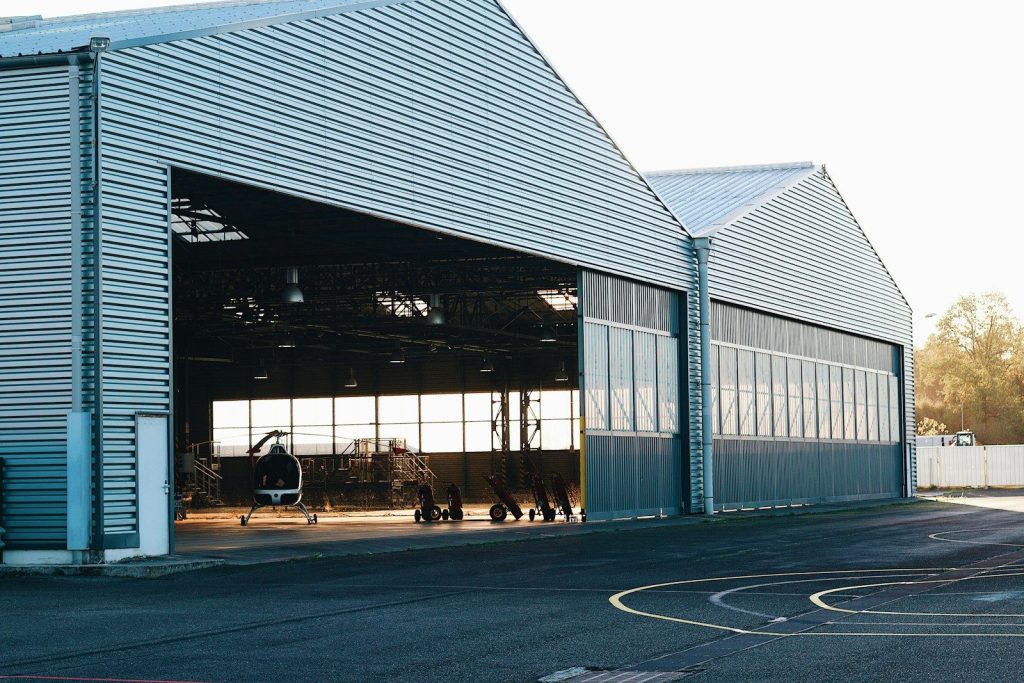
Base engineers have recently constructed a massive new hangar facility at the remote edge of the dry lake. According to construction reports, this colossal structure features a sliding door system that spans over one hundred feet. It is massive. This extreme scale suggests the base is preparing to house a new class of strategic military vehicles. But the design of this hangar is raising serious engineering questions.
Bending Radar Waves

The unusual angles of the hangar walls are designed to prevent enemy radar systems from mapping the base. According to defense design experts, the building shapes actively scatter electromagnetic signals back into the sky. The base fades. This passive radar shielding ensures that sensitive testing activities remain hidden from foreign reconnaissance platforms. But the satellite footage is also revealing active flight patterns over the mountains.
Tracking Flight Corridors

Automated flight tracking databases show highly unusual routes surrounding the restricted military airspace. According to civil aviation logs, civilian planes are strictly forbidden from entering these designated corridors to prevent dangerous midair encounters. Safety is absolute. This restricted zone allows pilots to push advanced prototype craft to their maximum limits without any public oversight. But these test flights are occasionally seen by ground observers.
The Skeptical Explanations

Mainstream defense experts argue that many of the recorded anomalies are simply standard military test drones. According to aviation historians, the base has always tested experimental projects that look bizarre to the public. They look alien. Most of these sightings will eventually be declassified as standard national security systems. But the sheer volume of unexplained footprints continues to fuel intense curiosity.
Decoding Base Secrets
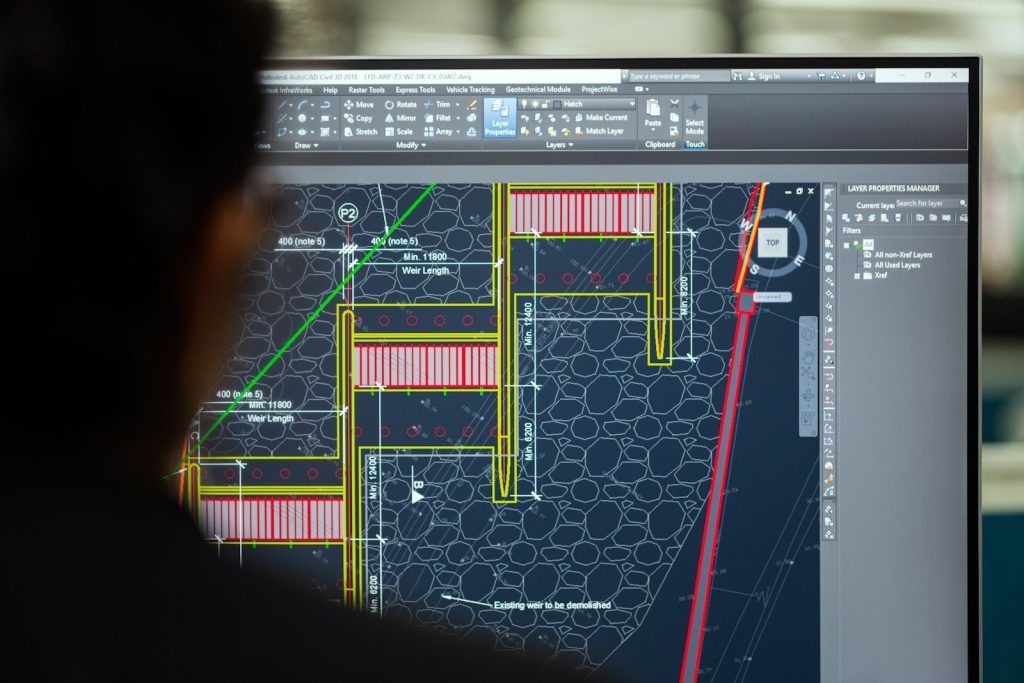
Satellite imagery of Area Fifty-One reminds us that technology is always advancing behind locked doors. According to military researchers, studying these orbital clues helps us appreciate the scale of modern engineering programs. The search continues. This article is for informational purposes only.
Leave a Reply