Category: History & Mystery

  • Why Engineers Built A Clock To Outlast Modern Civilization

    Why Engineers Built A Clock To Outlast Modern Civilization

    Most people assume that modern digital clocks are the most reliable timekeepers ever created. We believe that microchips and constant internet connections will preserve our records forever.

    But a group of visionary engineers is completely challenging this digital dependency. They have constructed a massive mechanical monument designed to tick for ten millennia without human help.

    Buried Deep In Stone
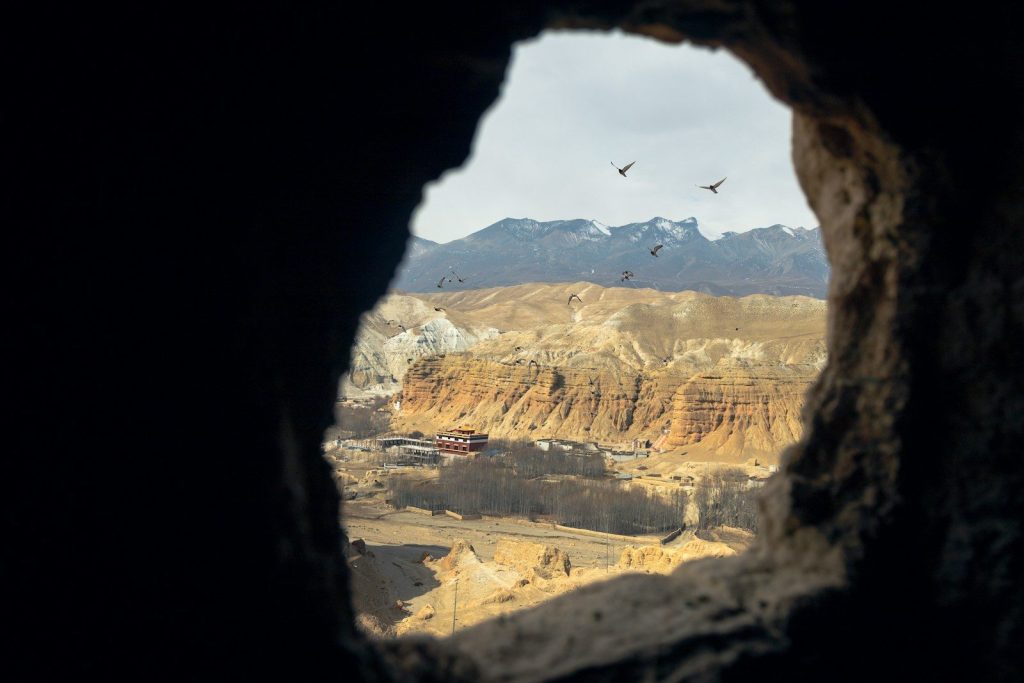
    View of a quarry through a cave opening
    Photo by ashok acharya on Unsplash

    Building a machine to last ten thousand years requires absolute physical protection from the elements. According to the Long Now Foundation, engineers blasted a deep chamber inside a remote Texas mountain to house the clock. The scale is massive. This subterranean vault keeps the fragile gears completely safe from extreme weather and changing surface climates. But the materials used to build these gears are even more surprising.

    Forged To Outlast Empires
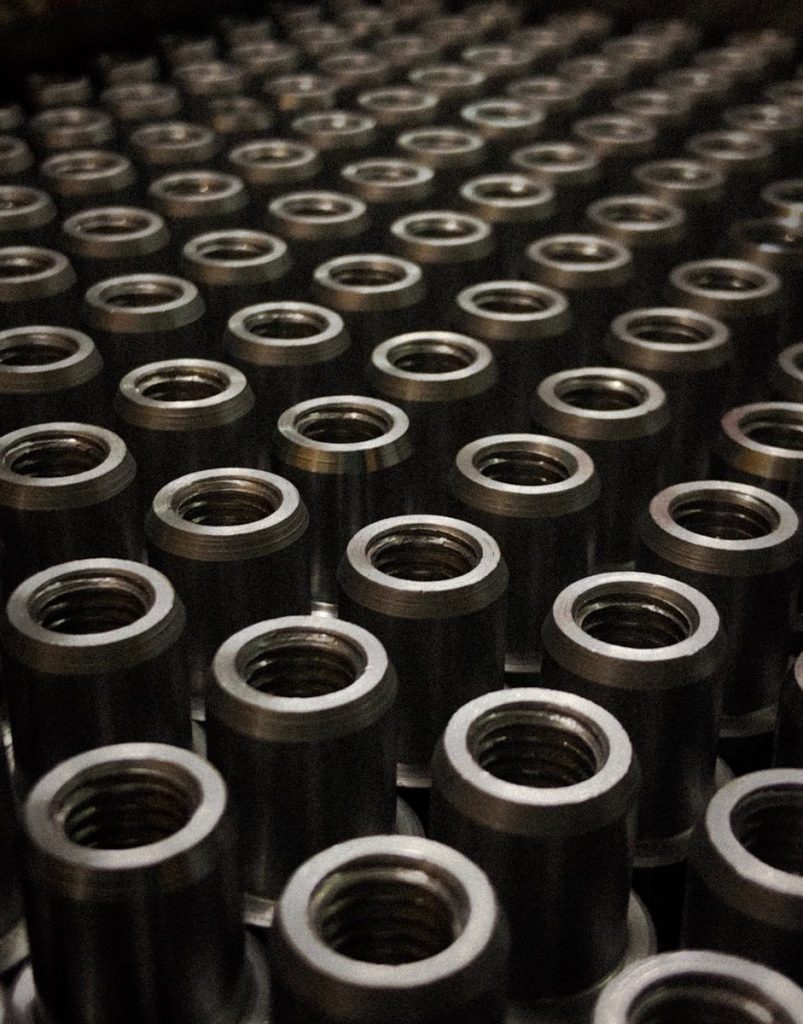
    a large group of metal flanges sitting on top of a table
    Photo by alerkiv on Unsplash

    Standard metals like iron or steel would easily rust and decay over centuries of constant ticking. According to engineering project files, designers crafted the primary clock components from specialized marine-grade stainless steel and solid stone. It is remarkably tough. These durable alloys prevent friction wear without relying on modern petroleum lubricants that dry up over time. But driving this heavy physical machinery requires a reliable power source.

    Powered By Daily Shifts

    brown rocky mountain under cloudy sky during daytime
    Photo by Florian Schönbrunner on Unsplash

    Batteries cannot store energy for thousands of years, and power grids will eventually fail. According to technical documentation, the mechanical clock harvests energy from daily temperature shifts between day and night. The system is self-sufficient. This slight thermal expansion winds the heavy weights that keep the gears rotating constantly in the dark. But keeping accurate time over eons introduces a major astronomical challenge.

    Tracking Moving Solar Paths

    Open road leads to sunlit hills at sunrise
    Photo by Tim Mossholder on Unsplash

    Mechanical gears naturally drift over time due to tiny variations in friction and gravity. According to astronomical design plans, the clock uses a specialized solar synchronizer that aligns itself with the sun at noon. This correction is vital. This solar check automatically corrects any mechanical drift to ensure absolute precision across the millennia. But the way this clock communicates time to humans is highly unusual.

    A Different Song Daily
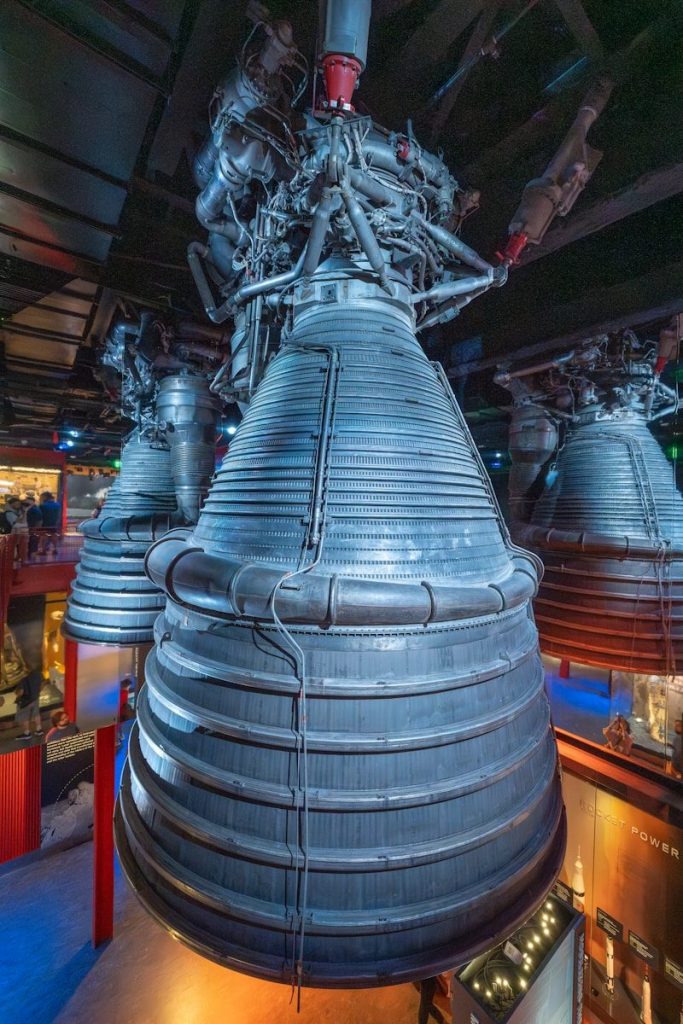
    A very large metal object inside of a building
    Photo by Tomasz Zielonka on Unsplash

    The clock contains a complex mechanical computer designed to ring a series of heavy bells. According to software engineering reports, the chime system will never repeat the same sequence of bells twice over ten thousand years. The math is beautiful. This ensures that every visitor hears a unique melody that has never been played before in human history. But this monumental project carries a far deeper philosophical warning for our future.

    Thinking Beyond Our Lives

    a grassy field with a star trail in the sky
    Photo by Anthony Cantin on Unsplash

    This slow-ticking monument serves as a direct challenge to the short-term thinking of modern society. According to project founders, the clock encourages humanity to make decisions that protect the planet for distant generations. Time moves slowly here. It forces us to consider our legacy as ancestors of a future world. But the final success of this design depends on proving we can survive to see it.

    A Message For Tomorrow
    Sunrise over rugged mountains with a bright sunburst.
    Photo by boris misevic on Unsplash

    The ten-thousand-year clock remains a stunning testament to human engineering and long-term vision. According to planetary scholars, building monuments that outlast our current civilization helps preserve our collective knowledge. The future is unwritten. This article is for informational purposes only.

    Featured Image: Photo by Josh Redd on Unsplash

  • Why A Strange Incident Left Deep Scars On One Man

    Why A Strange Incident Left Deep Scars On One Man

    Most people assume that close encounter stories are simple exaggerations told by attention seekers. We believe that physical evidence of unidentified flying objects is completely nonexistent.

    But a shocking historical event in the Canadian wilderness challenged this skepticism. A prospector returned with real burns and metal contamination that baffled doctors for decades.

    Walking Into Falcon Lake

    Woman in red jacket overlooks vast lake landscape
    Photo by Hanna Lazar on Unsplash

    It started with a routine mining search in Falcon Lake, Manitoba, in May of nineteen sixty-seven. According to official historical reports, prospector Stefan Michalak was examining rock veins when he spotted two silver objects hovering nearby. The forest went quiet. One of the craft landed on a flat rock right in front of him. But approaching this silent machine would change his life forever.

    Searing Blast Of Heat

    Crystal clear river flowing through Yumthang Valley, SK, India, surrounded by lush evergreen forests.
    Photo by PerfectlyImperfect on Pexels

    As he drew closer, the craft suddenly released a powerful burst of hot exhaust gas. According to medical examination files, the intense heat instantly set his clothing on fire and knocked him backward. The pain was immediate. He scrambled to extinguish his shirt but felt a strange chemical smell fill his lungs. But the physical damage to his chest was highly unusual.

    Bizarre Grid Pattern Scars

    person holding man's face
    Photo by National Cancer Institute on Unsplash

    Doctors treating him found a precise grid of circular burn marks across his abdomen. According to Canadian health records, these geometric scars matched the ventilation pattern of the exhaust vent perfectly. They looked highly engineered. The grid was a perfect layout of multiple small circles. But his physical suffering was only starting to grow.

    Falling Into Sudden Illness

    A medical professional takes a blood sample from a patient for testing.
    Photo by Amornthep Srina on Pexels

    Within hours, he suffered from severe nausea, vomiting, and rapid weight loss that resembled radiation poisoning. According to hospital laboratory tests, his white blood cell count dropped to dangerously low levels. He was incredibly weak. Doctors struggled to explain how a simple thermal burn could cause such systemic physical decay. But the site of the encounter held its own secrets.

    Radioactive Rock Deposits Found

    CSI team investigates a crime scene at night, using tools and flashlights for forensic analysis.
    Photo by cottonbro studio on Pexels

    Investigators returning to the rock coordinate detected highly unusual levels of radioactivity in the soil. According to Royal Canadian Mounted Police files, the physical rocks where the craft supposedly landed were intensely hot. The ground was glowing. They also recovered small melted pieces of metal fused directly into the stone cracks. But identifying the composition of this metal raised new questions.

    Pure Silver Contamination Tested

    Detailed close-up of a natural rock formation with striking patterns and textures.
    Photo by Karolina on Pexels

    Laboratory testing showed that the recovered metal was highly refined pure silver. According to government research reports, this level of purity is rarely found in raw natural ore deposits. The results were bizarre. Skeptics argued he might have planted the metal himself to support his claims. But his painful grid scars continued to reappear on his skin for the next several years.

    Unresolved Wilderness Mystery

    Captivating long exposure of stargazers under the Milky Way, showcasing the beauty of the night sky.
    Photo by Mohammed Abubakr on Pexels

    This incident remains one of the most thoroughly documented close encounters in modern history. According to military historians, the Falcon Lake case was never officially solved by defense investigators. The scars were permanent. His story serves as a chilling reminder of the unknown forces hiding in the wild. This article is for informational purposes only.
    Featured Image: Photo by Free Nature Stock on Pexels

  • The Colossal Underworld Structure Caught Under Egyptian Sands

    The Colossal Underworld Structure Caught Under Egyptian Sands

    Most archaeology fans believe that Egypt has already yielded all its greatest secrets. We assume that centuries of heavy digging have left nothing major to find.

    But a spectacular discovery of deep underground anomalies has stunned modern researchers. An elite scanning mission has captured a sprawling subterranean structure hidden beneath the sand.

    Sifting Through Desert Dust

    red and black bicycle on brown sand
    Photo by Lai Man Nung on Unsplash

    A team of explorers began mapping a quiet cemetery plot near the great Giza monuments. They did not expect to find anything major. According to a study by Higashi Nippon International University, scientists used advanced radar systems to scan beneath the soil surface. The results were stunning. The scans revealed a massive structural anomaly buried deep under the dunes. But this digital map was hiding a massive secret.

    The L-Shaped Anomaly

    An aerial view of a road with red signs on it
    Photo by Urs Lendermann on Unsplash

    The radar scans showed a massive shape that did not match any natural rock pattern. According to geophysical analysts, the underground layout features a highly precise L-shaped structure stretching across the coordinates. It was truly colossal. This precise geometry suggests that human hands carefully planned and executed the build long ago. But the purpose of this underground giant was still a complete mystery.

    Sinking Into Sand

    brown concrete blocks on brown sand
    Photo by Saj Shafique on Unsplash

    The colossal structure lies buried over six feet beneath the dry cemetery floor. According to the research reports, the anomaly was filled with dry sand after its construction. It was carefully sealed. This intentional sand filling suggests that the builders wanted to protect the inner chambers from any outside interference. But tracing what lay beneath this sand barrier required using deeper sensors.

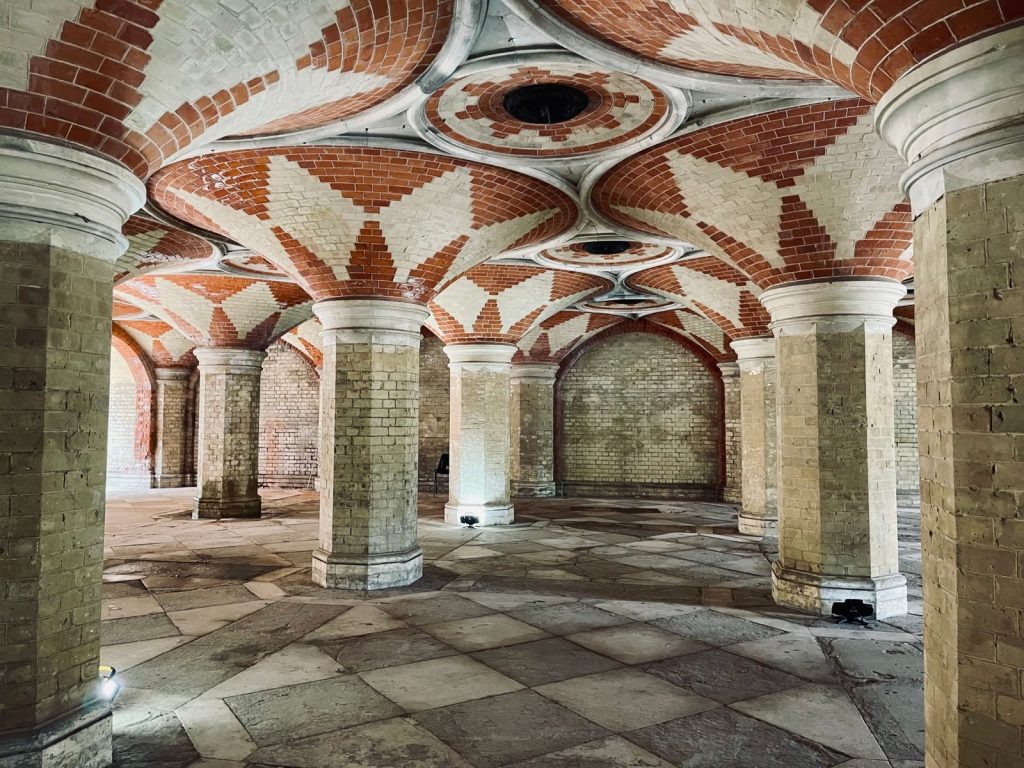
    The Deep Chambers

    Explore the stunning brickwork and vaulted ceilings of this historic architectural crypt.
    Photo by Anna Rynkowska on Pexels

    Geophysical teams used electrical resistivity scanners to map the layers directly beneath the L-shaped structure. According to the survey data, a series of deeper cavities sit directly under the main foundation. They are highly empty. These deep rooms could represent untouched tomb chambers or ancient storage vaults. But identifying who built these hidden chambers required studying the surrounding graves.

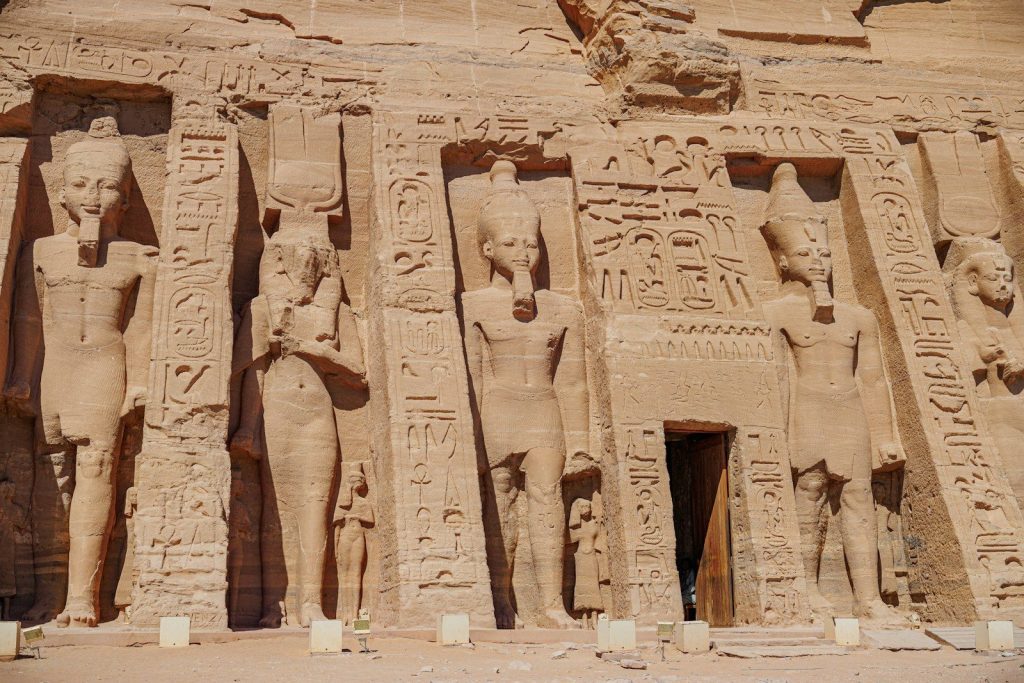
    The Royal Neighbors

    A large building with statues on the side of it
    Photo by Martijn Vonk on Unsplash

    The mysterious structure sits directly adjacent to the ancient graves of elite Egyptian royal families. According to classical historians, this specific coordinate was reserved for the most powerful officials of the Old Kingdom. The status was clear. Placing such a massive monument in this sacred area proves its extreme cultural importance. But some geologists suggest a highly practical function for the structure.

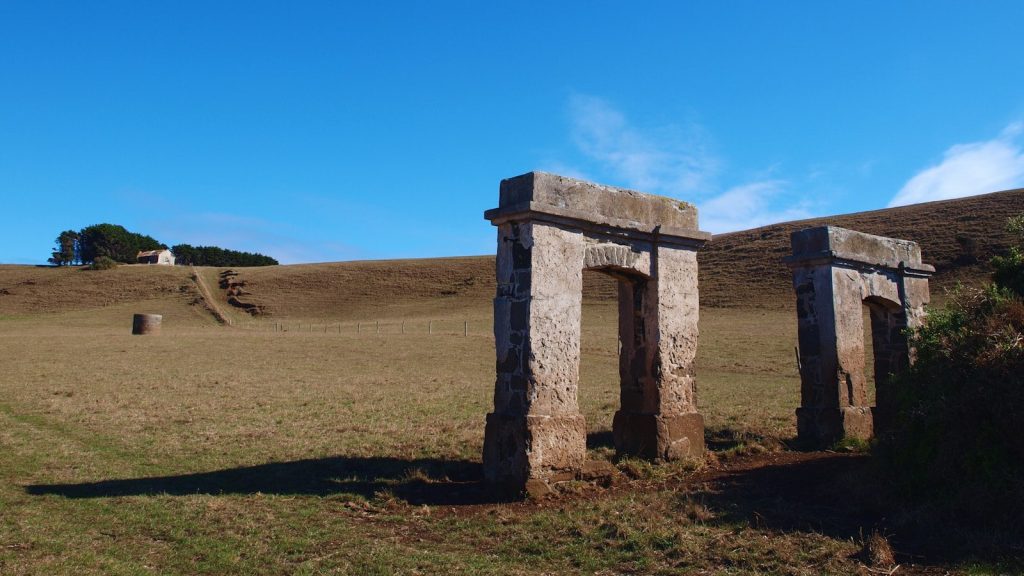
    A Grand Entrance Way

    two stone pillars in a grassy field with a hill in the background
    Photo by RE Walsh on Unsplash

    Some researchers believe the L-shaped anomaly served as a monumental entrance to the deeper tomb complex. According to architectural reconstructions, the structure functioned as a secure gateway that was eventually buried to deter grave robbers. The shield worked. This clever design successfully kept the lower chambers untouched for thousands of years. But launching a physical excavation is still a massive challenge.

    Reclaiming Our Forgotten Past

    Ancient egyptian temple complex in a desert landscape.
    Photo by Alessandro Santoro on Unsplash

    This spectacular radar discovery proves that technology can uncover lost worlds once thought to be permanently gone. According to archaeologists, mapping these hidden structures alters our understanding of how early dynastic societies organized their sacred spaces. The search continues. This article is for informational purposes only.

    Featured Image: Photo by Mathias Reding on Unsplash

  • The Sunken Prehistoric Ruins Shaking Modern Archeology

    The Sunken Prehistoric Ruins Shaking Modern Archeology

    Most history lovers believe that human civilization emerged slowly after the last major Ice Age. We assume that early humans lived in primitive mud shelters before building great stone monuments.

    But a series of massive underwater structures has challenged this historical timeline. Deep ocean ruins suggest that an advanced civilization existed long before traditional records began.

    The Deep Sea Discovery

    Dark, textured abstract background with vertical lines.
    Photo by Egor Komarov on Unsplash

    Marine geologists mapping the ocean floor made a shocking discovery off the coast of a remote island. According to reports from the National Institute of Oceanography, sonar scans revealed a massive grid of stone walls. The structures are colossal. The sheer scale and symmetry of the layout suggest highly advanced planning and engineering skills. But determining when these ruins were built required analyzing global sea levels.

    Under The Melting Ice

    A stunning abstract image showcasing textures in vivid blue tones, resembling water.
    Photo by Steve A Johnson on Pexels

    The depth of the sunken ruins suggests they were built before the great glaciers melted. According to oceanographic research papers, this coastal shelf was last above water over twelve thousand years ago. The oceans rose. This timeline means the city was submerged long before the rise of ancient Egypt or Mesopotamia. But mainstream academics remain highly skeptical of these early dates.

    The Academic Debate

    a black and white photo of a rock formation
    Photo by Andrea Zanenga on Unsplash

    Many traditional historians argue that the underwater formations are simply natural rock fractures. According to geological reports, basalt rock can cool into precise geometric shapes that mimic human masonry. Nature is a master. Skeptics claim that ocean currents carved these massive blocks over millions of years. But independent researchers have found clear evidence of human craftsmanship on the stones.

    The Carved Markings

    a close-up of some rocks
    Photo by Enzo Tommasi on Unsplash

    Divers exploring the sunken ruins found faint markings cut into the massive basalt blocks. According to archaeological micro-wear studies, the deep grooves show signs of intentional cutting with specialized metal tools. The cuts are clean. These detailed markings suggest the builders possessed highly sophisticated carving techniques. But identifying the language of these markings has proven to be incredibly difficult.

    Unmapped Coastal Ports

    Divers explore underwater structures on the ocean floor.
    Photo by Pawel Kostelnik on Unsplash

    The layout of the ruins matches the design of a highly advanced maritime trading hub. According to coastal archaeology reports, the stone walls formed a secure harbor that could protect large wooden ships. The port was busy. This advanced maritime trade would explain how different ancient cultures shared similar architectural styles. But the source of this global technology remains completely unknown.

    A Global Catastrophe

    Dramatic ocean waves crashing against a concrete structure in Pantanassa, capturing nature's raw power.
    Photo by GEORGE DESIPRIS on Pexels

    A sudden environmental disaster likely wiped this advanced civilization from the face of the Earth. According to climate historians, rapid melting at the end of the Ice Age triggered massive global tsunamis. The water rushed. These violent floods drowned the coastal cities and erased almost all traces of their existence. But modern technology is finally helping us map these lost coastal worlds.

    Reclaiming Our History

    A close-up of a monitor showing color waveform and vectorscope visualization for video editing.
    Photo by Ron Lach on Pexels

    These deep-sea ruins prove that advanced human societies existed far earlier than our textbooks state. According to marine geophysicists, mapping the continental shelves will eventually reveal the true origin story of human civilization. The oceans hold secrets. This article is for informational purposes only.

    Featured Image: Photo by Alain Margreve on Pexels

  • Ancient Relics Unlocking The Strange History of UFOs

    Ancient Relics Unlocking The Strange History of UFOs

    Most defense experts assume that mysterious aerial phenomena are a product of modern military technology. We believe that strange radar sightings only began with the development of advanced aviation.

    But an ancient archaeological discovery is challenging this historical timeline. A bizarre stone relic suggests that these unexplained objects have been visiting Earth for thousands of years.

    The Ancient Stone Relic

    a close up of a stone wall with writing on it
    Photo by Marco Pregnolato on Unsplash

    A team of explorers excavating a remote temple site uncovered a highly unusual stone carving. According to reports from historical researchers, the artifact depicts a strange disk-shaped object hovering above an ancient landscape. The carving is detailed. The geometric patterns on the stone match modern descriptions of unexplained flying objects with shocking accuracy. But the location of the discovery raised immediate questions.

    The Nuclear Connection

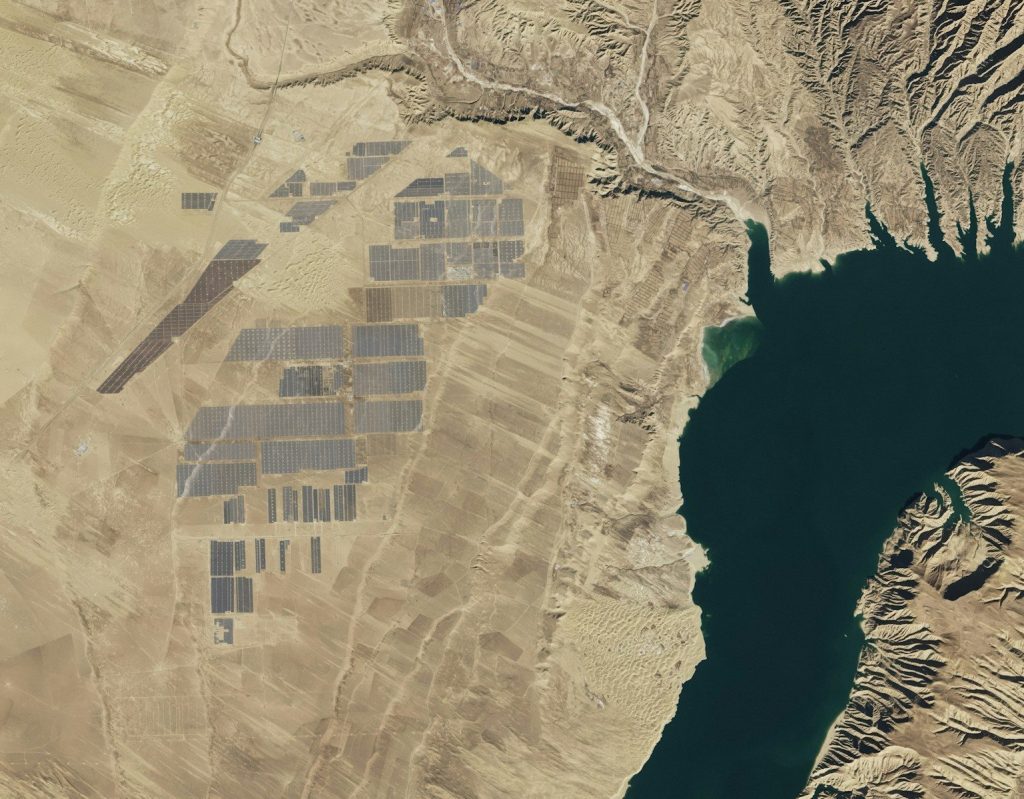
    Aerial view of a large solar farm by a reservoir
    Photo by USGS on Unsplash

    The ancient temple sits directly on top of a massive natural uranium deposit. According to geological surveys, these mineral deposits release low levels of radiation that can be detected from high altitudes. The earth glows. Researchers believe that ancient builders chose this specific site because of its unique energy fields. But this radioactive link matches a highly disturbing modern pattern.

    Tracking Modern Sightings

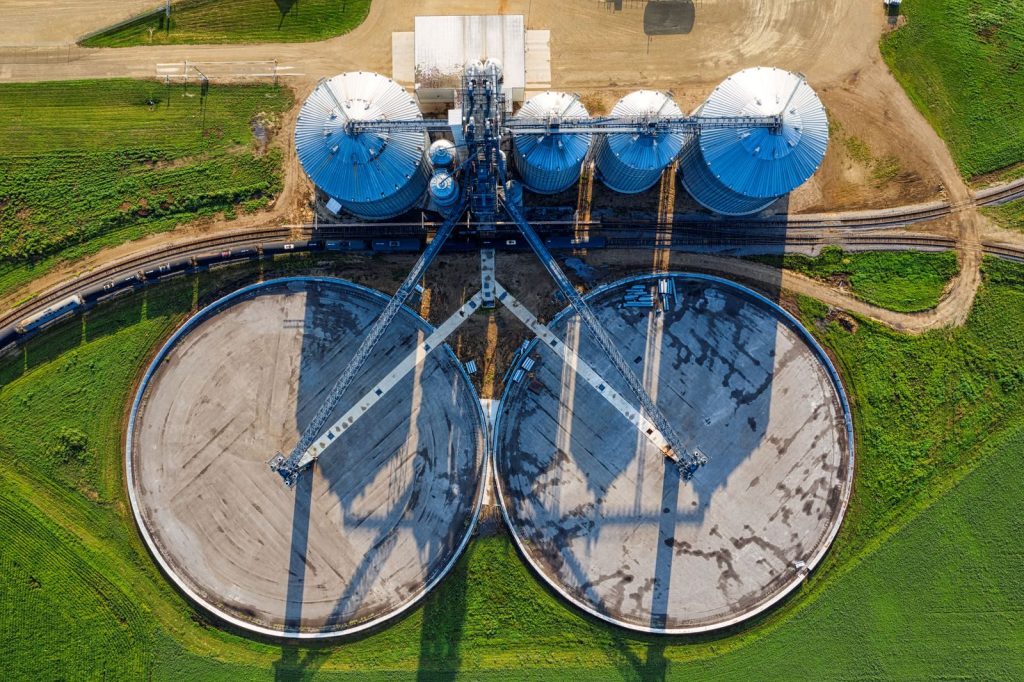
    An aerial view of industrial silos and agricultural fields in rural Randolph, Minnesota.
    Photo by Tom Fisk on Pexels

    Modern military records show a bizarre concentration of unexplained aerial encounters near sensitive nuclear facilities. According to declassified naval intelligence files, strange craft have repeatedly hovered over nuclear missile silos and atomic power plants. The reactors hum. Security officers have recorded these objects performing impossible maneuvers directly within restricted airspace. But explaining why these craft target radiation remains a mystery.

    The Ancient Energy Hunters

    blue and white water wave
    Photo by Gabriela on Unsplash

    The stone relic suggests that these mysterious visitors have always been drawn to planetary energy sources. According to alternative historians, ancient civilizations may have possessed a deep understanding of natural electromagnetic lines. The systems were silent. These energy pathways could have served as a beacon for advanced craft searching for power. But establishing a direct link between the relic and modern events is difficult.

    Analyzing The Carving

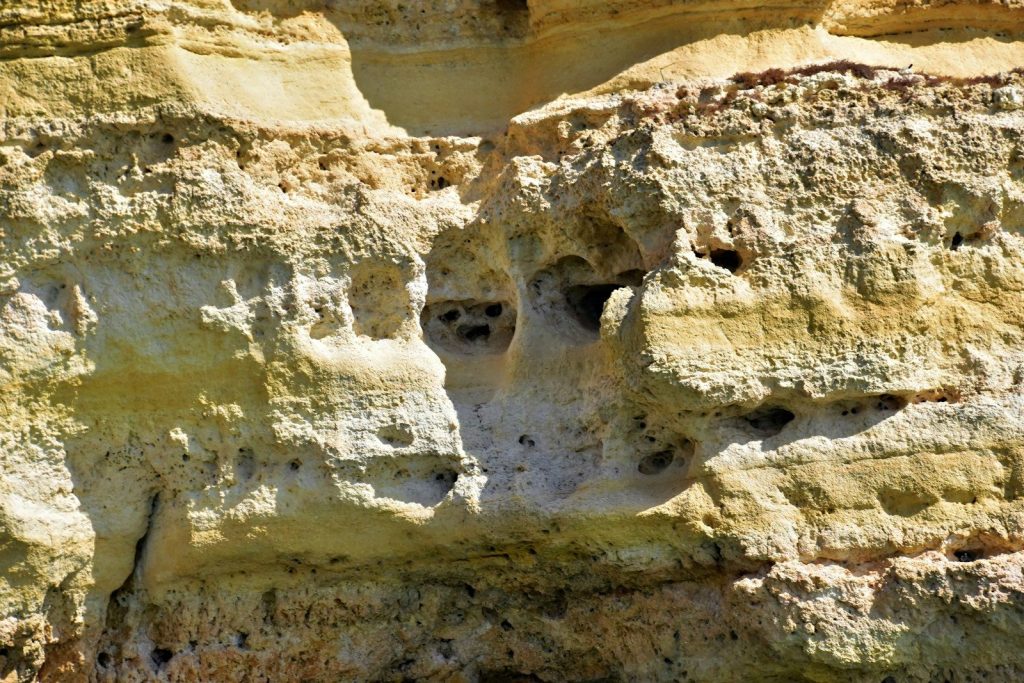
    Weathered sandstone cliff with natural holes and man-made holes.
    Photo by Jeffrey Eisen on Unsplash

    Materials experts used advanced laser scanning to determine the age of the mysterious stone artifact. According to archaeological reports, the tool marks on the limestone suggest the relief was carved over three thousand years ago. The cuts are deep. This extreme age rules out any modern military craft or atmospheric testing balloons. But skeptics offer a highly different interpretation of the temple scene.

    Natural Cosmic Symbols

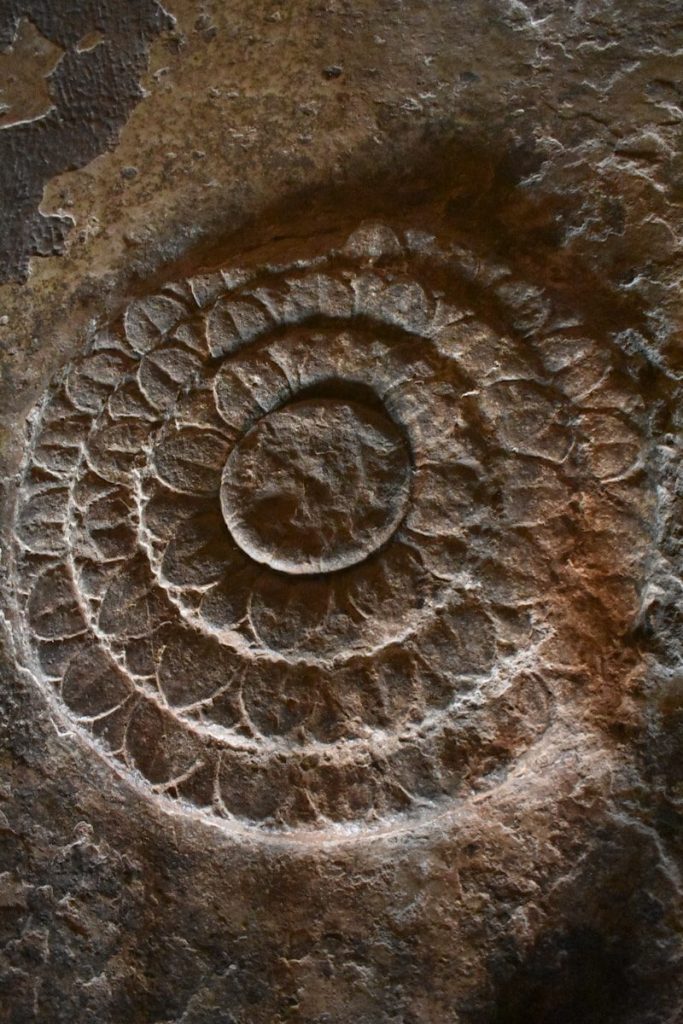
    a rock with a circular design on it
    Photo by Rahul Moundekar on Unsplash

    Mainstream scholars argue that the disk-shaped carving is actually a symbolic representation of the sun. According to cultural anthropologists, ancient artists frequently used circles with radiating lines to depict celestial gods. It was a myth. They believe that modern observers are simply projecting their own space-age ideas onto basic historic art. But believers point to a secondary carving found on the same stone.

    The Hidden Warning

    a close up of a wall with carvings on it
    Photo by Cătălin Dumitrașcu on Unsplash

    The secondary carving seems to depict a dramatic environmental collapse following a blinding flash of light. According to linguistic experts, the surrounding symbols translate to a warning about tampering with natural forces. The message is clear. This ancient warning could explain why modern visitors are so focused on our nuclear power systems. But proving this theory will require analyzing more ancient ruins.

    A Unifying Theory

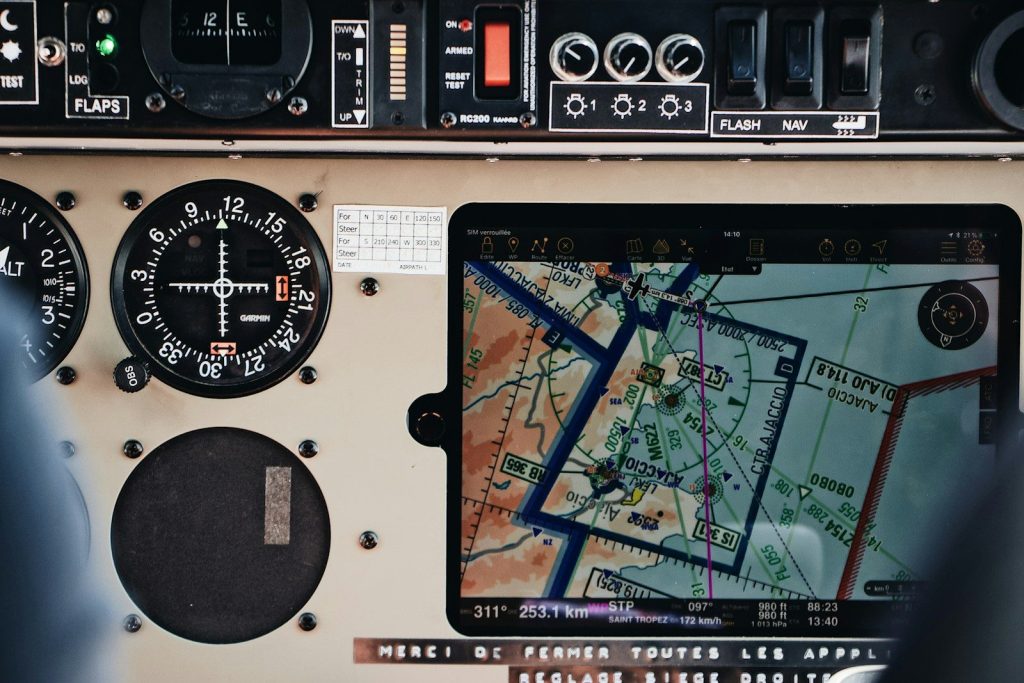
    cockpit navigation
    Photo by Maël BALLAND on Unsplash

    The combination of ancient relics and modern military reports continues to challenge our understanding of global history. According to researchers, studying these ancient sites might finally explain why mysterious phenomena have haunted our skies for ages. The truth is out. This article is for informational purposes only.

    Featured Image: Photo by Albert Antony on Unsplash

  • The Ancient Stone Carvings Hiding Impossible Technology

    The Ancient Stone Carvings Hiding Impossible Technology

    Most historians assume that ancient art only reflects simple daily lives. We believe early sculptors carved what they saw in their primitive worlds.

    But several bizarre stone carvings seem to show highly advanced tools. These strange artifacts depict technology that should not exist in our past.

    The Bizarre Mayan Reliefs

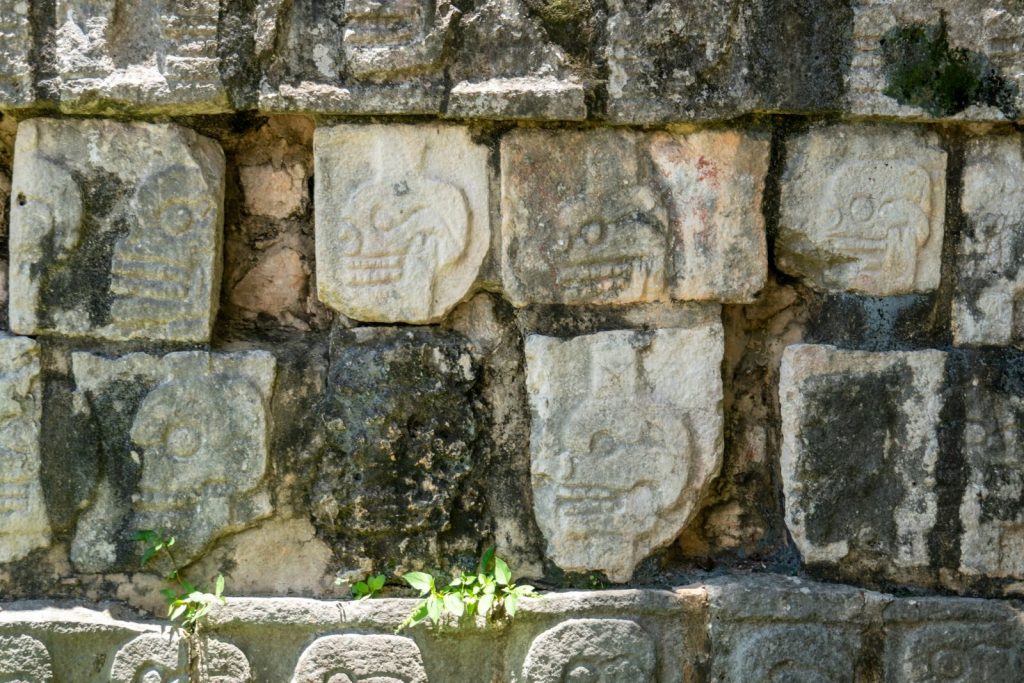
    Detailed close-up of ancient Mayan stone wall with carved skulls at Chichén Itzá, Mexico.
    Photo by Ollie Craig on Pexels

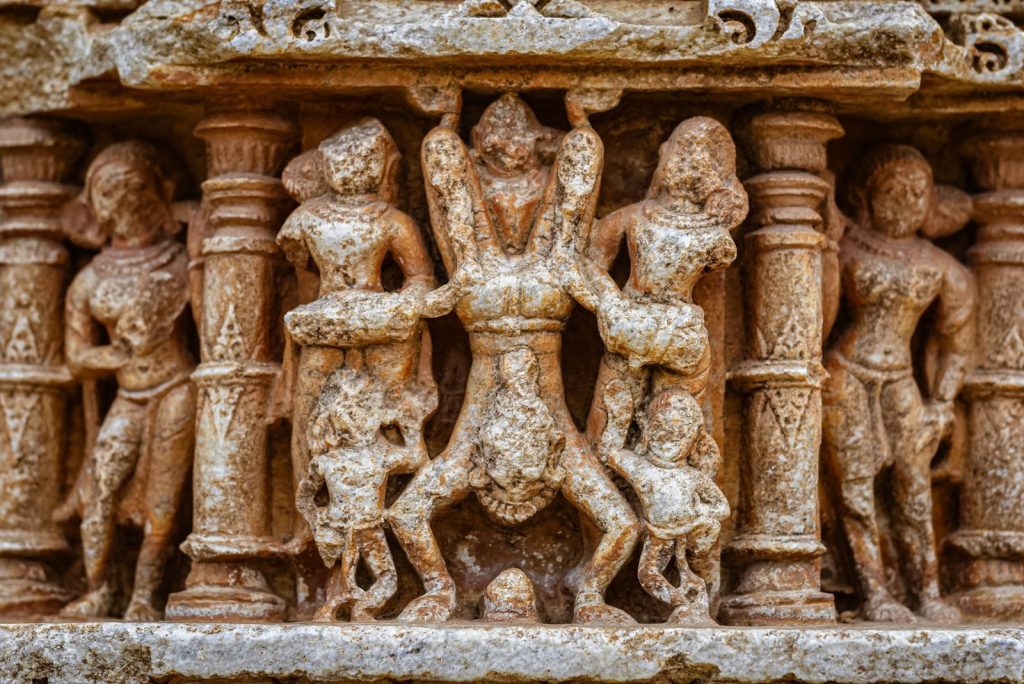
    Deep in the Mexican jungle, archeologists found ancient Mayan carvings with bizarre details. According to the National Institute of Anthropology and History, one famous limestone slab depicts a king surrounded by strange mechanical parts. The design is complex. Some observers claim the relief looks like a pilot inside a modern space capsule. But researchers quickly sought a more scientific explanation for the carvings.

    Symbolic Royal Journeys

    Close-up of intricate stone carvings depicting Hindu mythology at Eklingji Temple, Rajasthan.
    Photo by Hemant Singh Chauhan on Pexels

    Mainstream scholars argue that the strange machinery is actually highly symbolic religious art. According to Mayan cultural experts, the carvings depict a king traveling through the underworld on a cosmic tree. It is a myth. The apparent buttons and tubes are actually sacred symbols representing life and death. But another discovery in Asia would challenge this symbolic view.

    The Indian Temple Gears

    Detailed view of a carved stone wheel at Konark Sun Temple, showcasing ancient Indian art.
    Photo by manas patra on Pexels

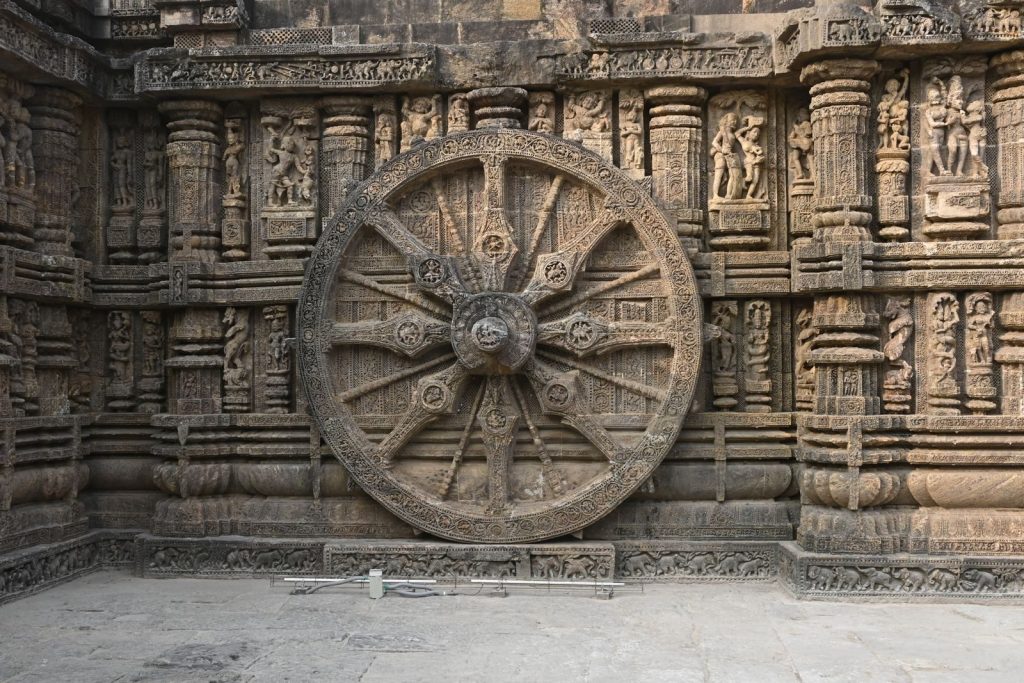
    Stone carvings in ancient Indian temples seem to show precise interlocking gear systems. According to architectural surveys in Karnataka, these detailed designs predate modern industrial machinery by hundreds of years. The carvings are perfect. Skeptics struggle to explain how ancient artists could imagine such precise mechanical configurations. But the mystery deepens when looking at the tools they used.

    Metal Harder Than Stone

    Close-up of an artisan crafting an intricate stone sculpture using hammer and chisel.
    Photo by Manisha Savla on Pexels

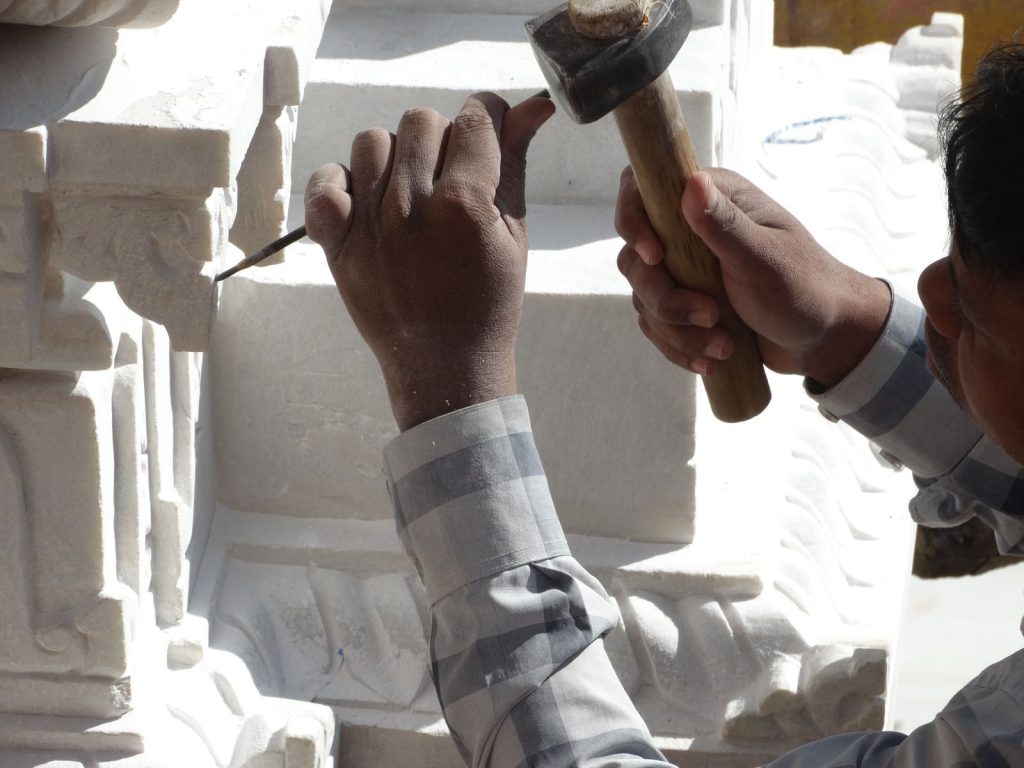
    Creating such precise carvings on hard stone required highly advanced metal chisels. According to metallurgical reports, the creators possessed sophisticated steel alloys that traditional history says had not been invented yet. They were pioneers. Without these advanced metal tools, carving such deep details would have taken lifetimes. But some carvings seem to show the tools themselves.

    Figures Holding Strange Rods

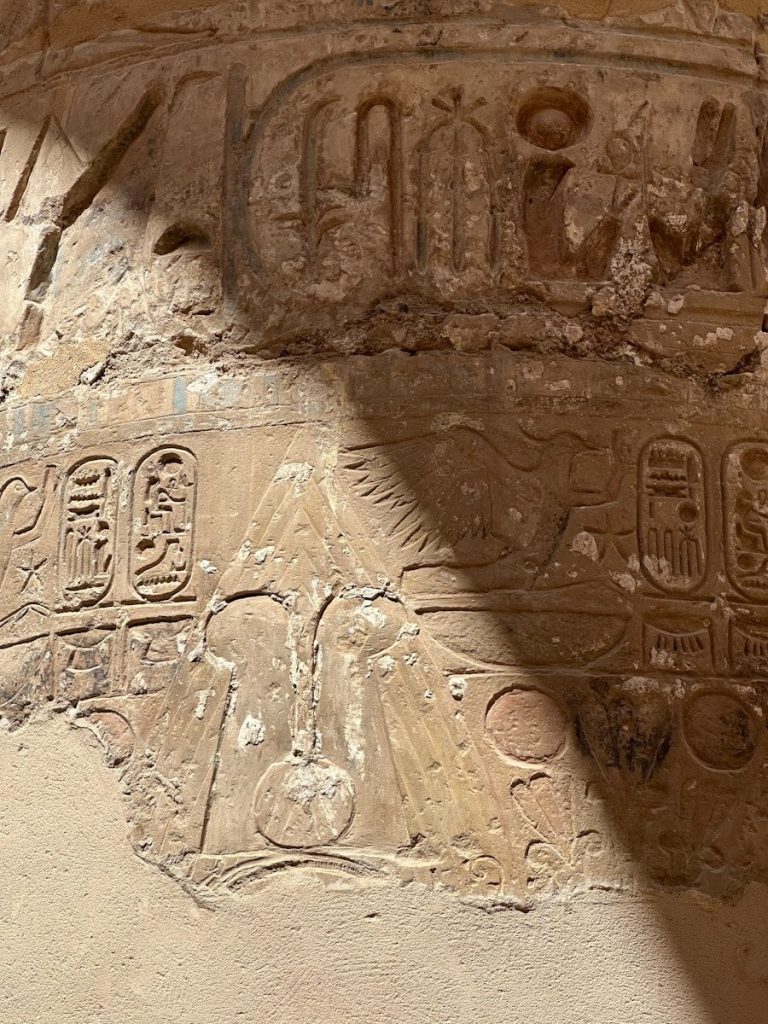
    Stone relief of ancient Egyptian figures and hieroglyphs from Luxor, Egypt, showcasing historical artistry.
    Photo by Michelle Chadwick on Pexels

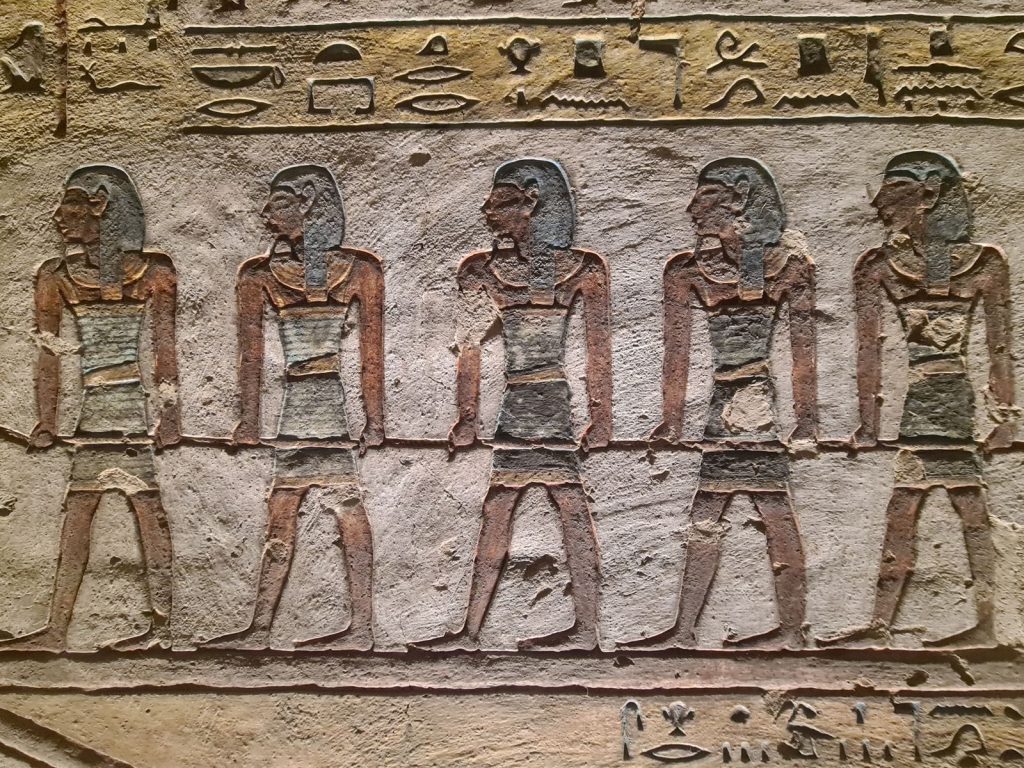
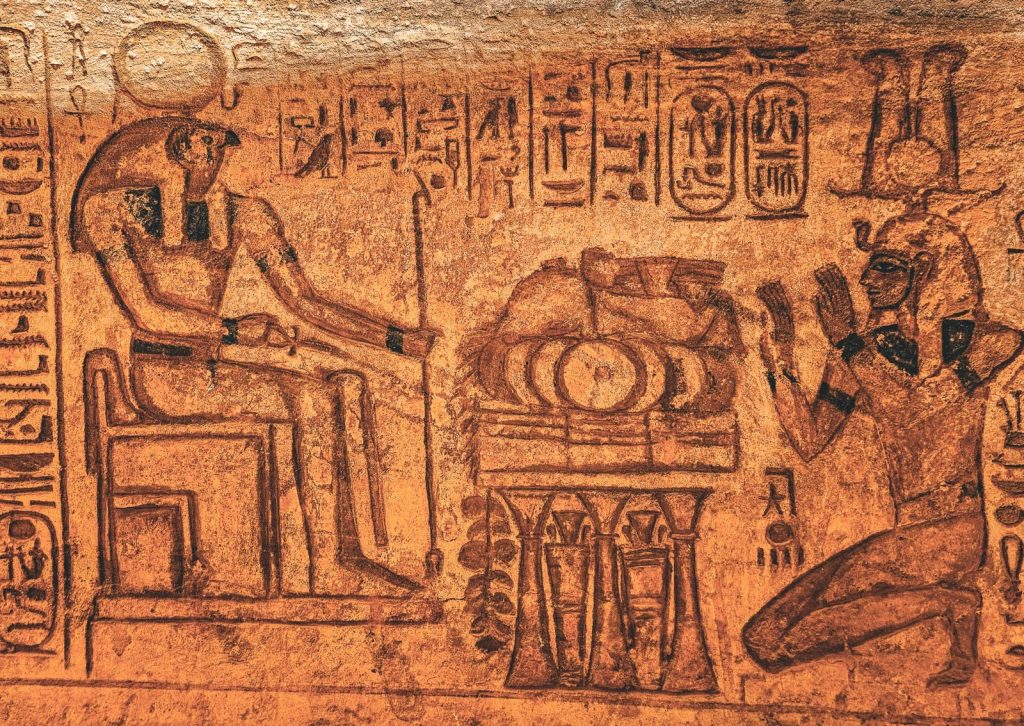
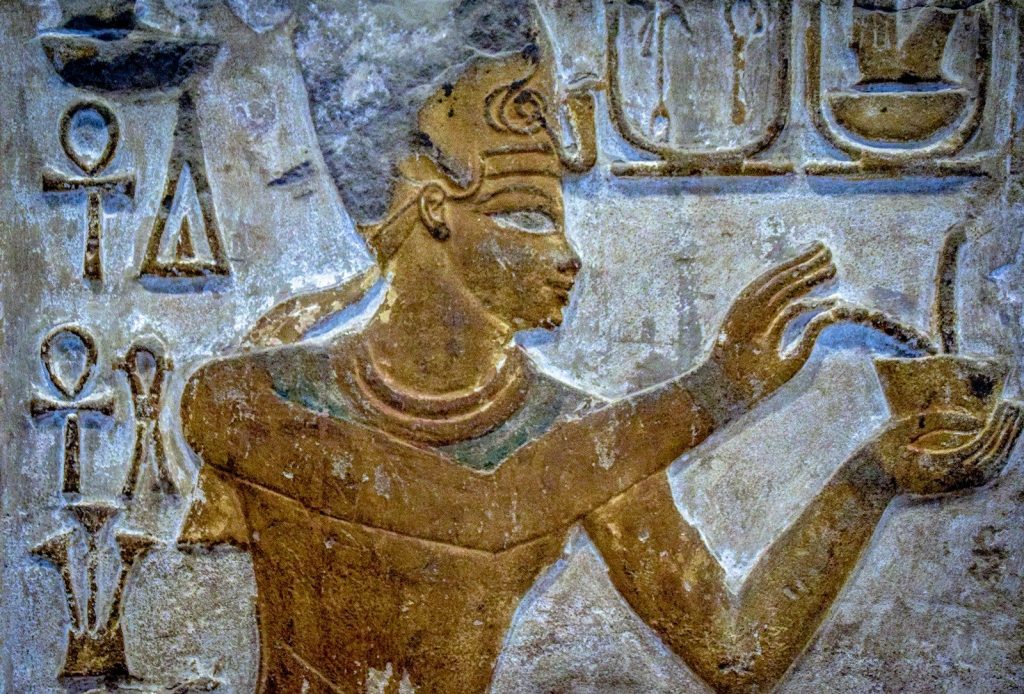
    Ancient Egyptian carvings depict figures holding long glowing tubes that resemble modern light bulbs. According to historical researchers, these images in the temple of Dendera have sparked intense public debates. The shapes are striking. Many alternative theorists believe the carvings show an early form of electrical lighting inside dark tombs. But traditional Egyptologists offer a very different view of the scene.

    Flowers From The Nile

    Detailed ancient Egyptian wall inscription with hieroglyphics and figures in sepia tones.
    Photo by AHAD HASAN on Pexels

    Classical scholars state that the electrical tubes are actually symbolic lotus flowers holding sacred snakes. According to Egyptian mythological texts, these carvings represent the birth of the universe from a water lily. The explanation is poetic. Yet this artistic style is so precise that many people still see machinery. But the strangest carvings are found on a remote island.

    The Ancient Island Giants

    Discover the iconic moai statues on Easter Island against a vibrant blue sky in Chile.
    Photo by Diego Gonzalez on Pexels

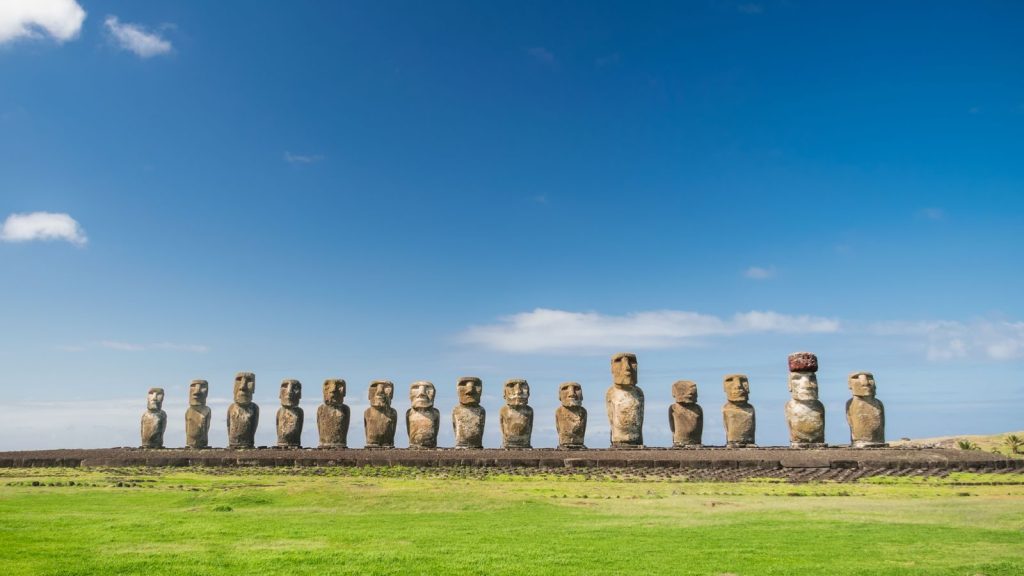
    Remote Pacific islanders carved massive stone figures with strange hats that scientists struggle to explain. According to archaeological surveys on Easter Island, the multi-ton red stone cylinders were placed on top of the statues using unknown methods. The task was massive. Scholars still debate whether the islanders used complex wooden cranes or ancient ropes. But the final answer might rewrite human engineering.

    Rethinking Early Human Skills

    Explore the ancient Inca stone walls of Sacsayhuamán under a partly cloudy sky in Cusco, Peru, a marvel of history and architecture.
    Photo by Soly Moses on Pexels

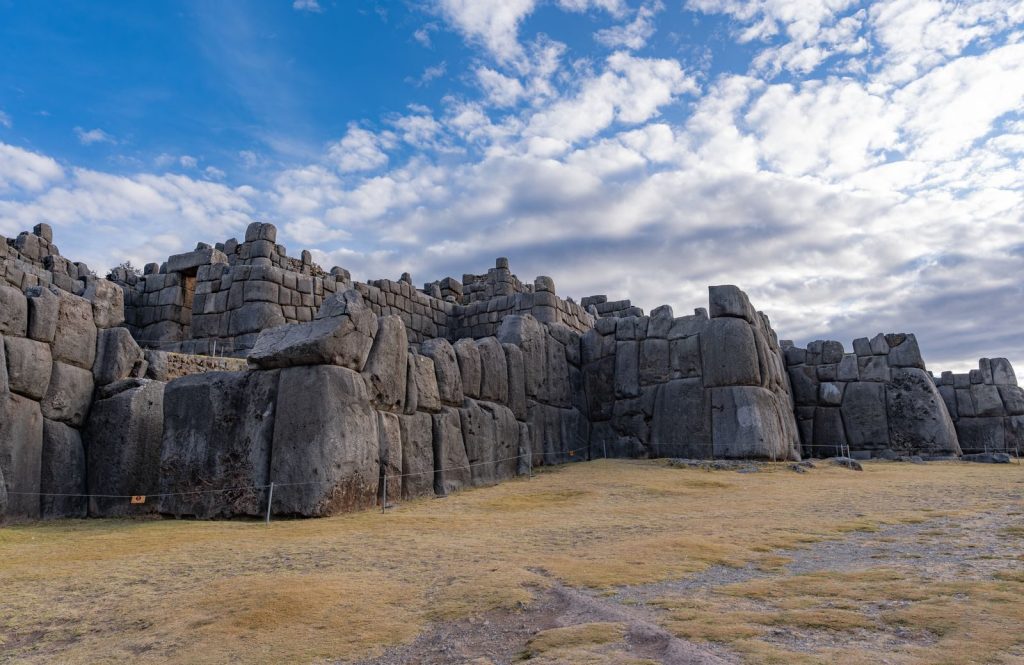
    These mysterious carvings prove that ancient builders possessed incredible engineering skills that we are still trying to understand. According to historians, our ancestors were far more technologically capable than modern textbooks suggest. They were highly advanced. This article is for informational purposes only.
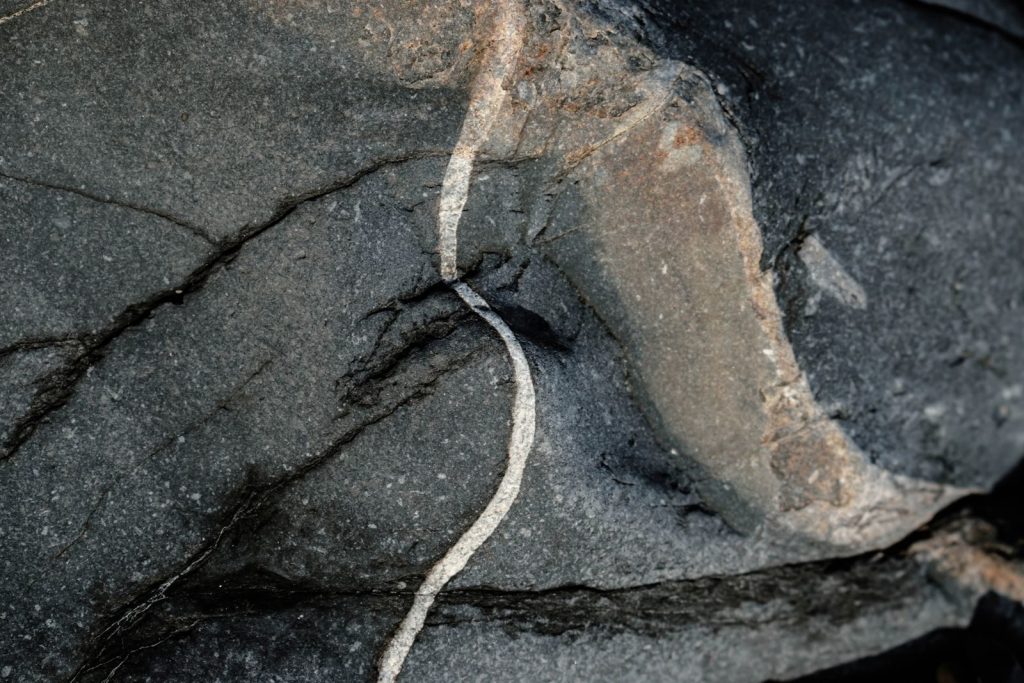
    Featured Image: Photo by Calvin Seng on Pexels

  • The Forbidden Global Zones Hidden From Humanity

    The Forbidden Global Zones Hidden From Humanity

    Most travelers assume that anyone can explore any corner of our planet with a passport. We believe that modern transportation has made every remote valley accessible to tourists.

    But several mysterious locations across the globe are completely closed to all human contact. These forbidden zones are guarded by strict laws to protect dangerous secrets.

    The Dangerous Island Poison

    Detailed image capturing the Jararaca snake among lush green foliage in Brazil's natural habitat.
    Photo by Gabriel Rondina on Pexels

    A remote island off the coast of Brazil is home to thousands of lethal golden lancehead vipers. According to reports from the Brazilian Navy, civilians are strictly forbidden from setting foot on the beach. It is highly deadly. This strict quarantine protects researchers and keeps the fragile serpent population undisturbed. But another forbidden island has been isolated to protect human life.

    Protecting The Isolated Tribe

    Aerial view of a rocky island in dark blue ocean
    Photo by xandro Vandewalle on Unsplash

    A tiny island in the Indian Ocean holds one of the last uncontacted human societies. According to reports from the Indian Government, the local sentinelese population actively rejects all outside visitors. They are highly protective. Approaching within five miles of the shore is illegal to prevent the spread of deadly modern diseases. But some forbidden places are hidden deep underground.

    The Secret Sacred Caves

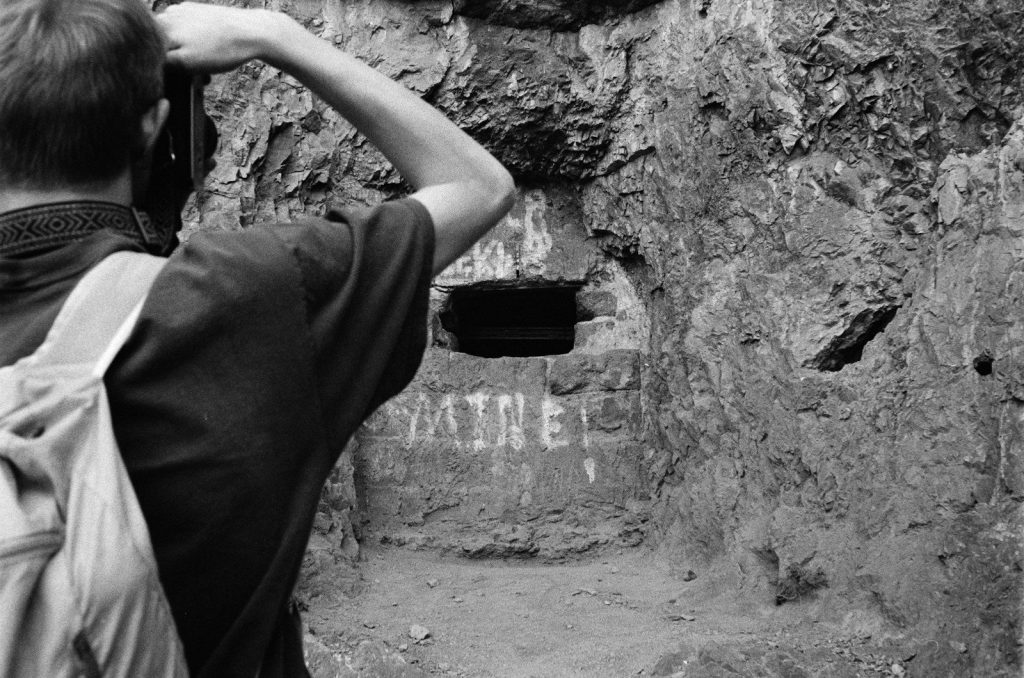
    Man taking a picture of a cave entrance.
    Photo by Spencer Plouzek on Unsplash

    A spectacular cave system in France contains some of the oldest prehistoric art in existence today. According to the French Ministry of Culture, the ancient paintings were being slowly destroyed by human breath. The dampness was toxic. Officials sealed the cavern permanently to preserve the delicate charcoal drawings for future generations. But some closed zones are owned by powerful governments.

    The Vault Of Secrets

    A man in smart casual attire organizing files on shelves in an archive.
    Photo by MART PRODUCTION on Pexels

    A heavily guarded archive room inside the Vatican holds centuries of private letters and historical records. According to classical historians, only a select group of qualified scholars can access these deep shelves. The security is tight. These historic documents could contain secrets that would alter our understanding of major world events. But some forbidden sites are dangerous due to technology.

    The Radioactive Wasteland Zone

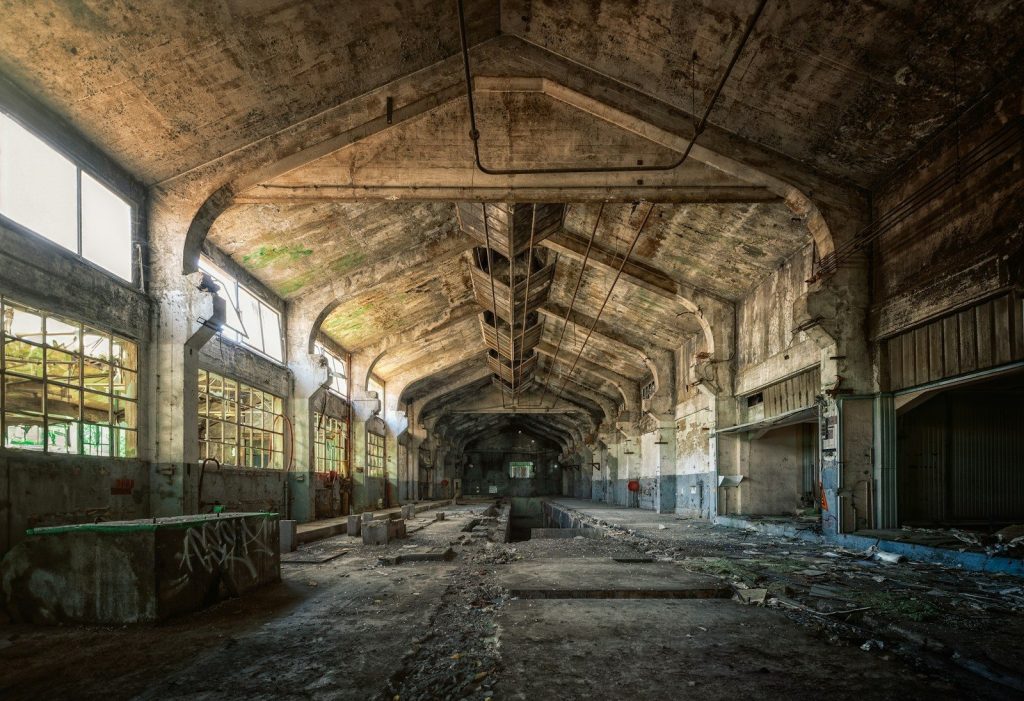
    an abandoned train station with lots of windows
    Photo by Peter Herrmann on Unsplash

    A massive abandoned region surrounding a failed nuclear reactor remains highly toxic to living things. According to geological survey reports, soil radiation levels in the exclusion zone will remain dangerous for centuries. The air is heavy. While nature has slowly reclaimed the empty buildings, human settlement is completely outlawed. But a highly unusual vault was constructed in a frozen northern wasteland for a very different purpose.

    The Frozen Seed Vault

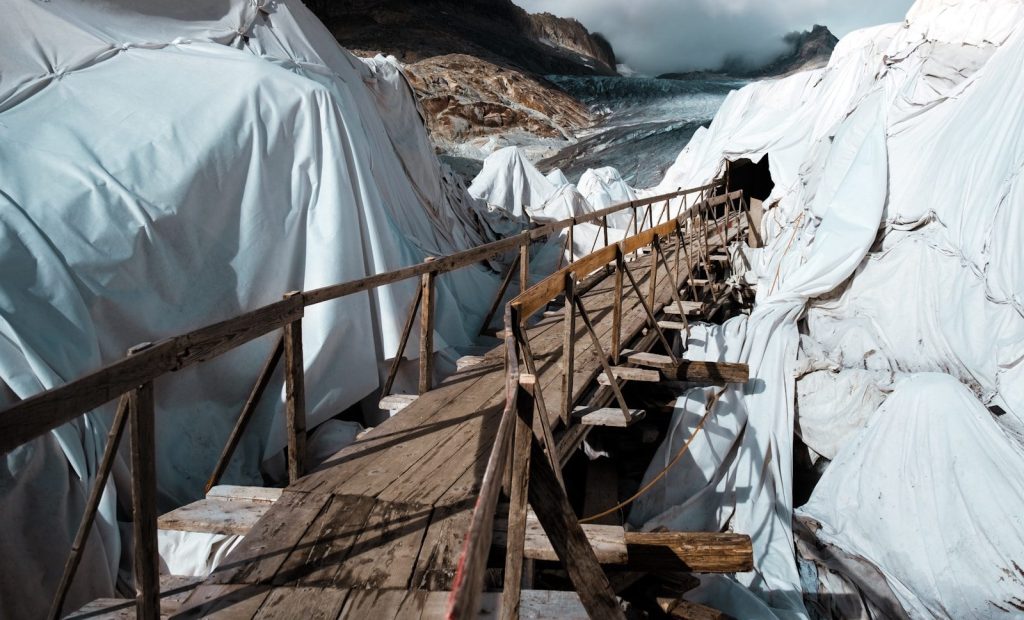
    brown wooden bridge
    Photo by Patrick Robert Doyle on Unsplash

    Deep inside an icy mountain on a remote Arctic island lies a secure underground repository. According to reports from the Crop Trust, this facility houses millions of crop seed samples from across the globe. It is a backup. This vault is built to survive natural disasters and nuclear wars to safeguard our food supply. But understanding why these places are sealed reveals a major pattern.

    Guarding Our Shared Future

    the sun is shining through the trees in the woods
    Photo by Jan Valečka on Unsplash

    These forbidden global zones prove that keeping some places secret is vital for survival. According to environmental geologists, restricting human access preserves the delicate balance of history and nature. We must respect borders. This article is for informational purposes only.
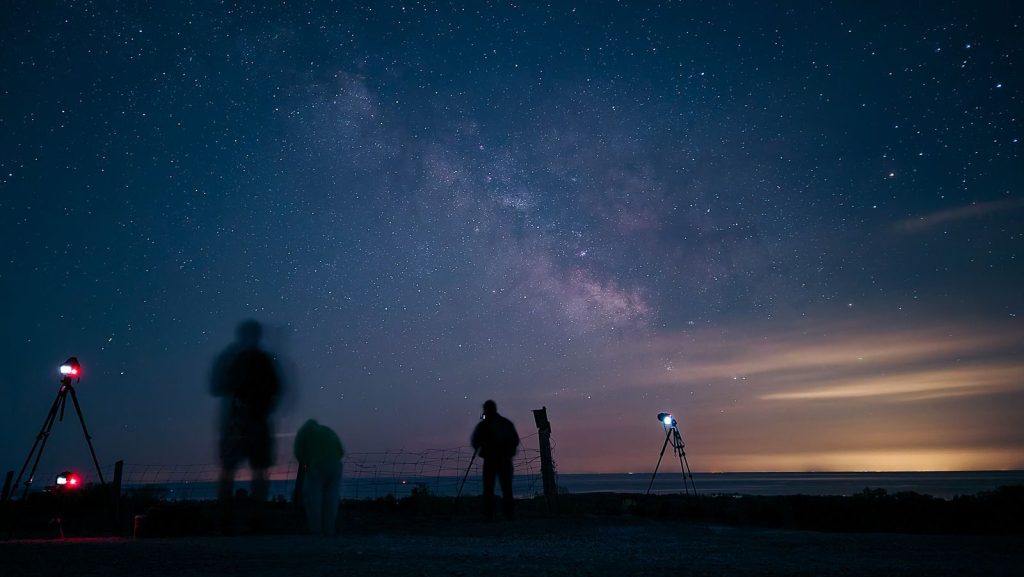
    Featured Image: Photo by Francesco Ungaro on Unsplash

  • The Sealed Ice Age Cave Hiding Impossible Ancient Tools

    The Sealed Ice Age Cave Hiding Impossible Ancient Tools

    Most historians assume that early humans only possessed the skills to shape basic stones. We believe that prehistoric survival relied on crude handaxes and shattered rocks.

    But a recently unsealed cavern in Europe is forcing experts to question our entire evolutionary timeline. Deep inside this ancient tomb lies a collection of highly precise objects that bypass human handiwork.

    The Untouched Subterranean Vault

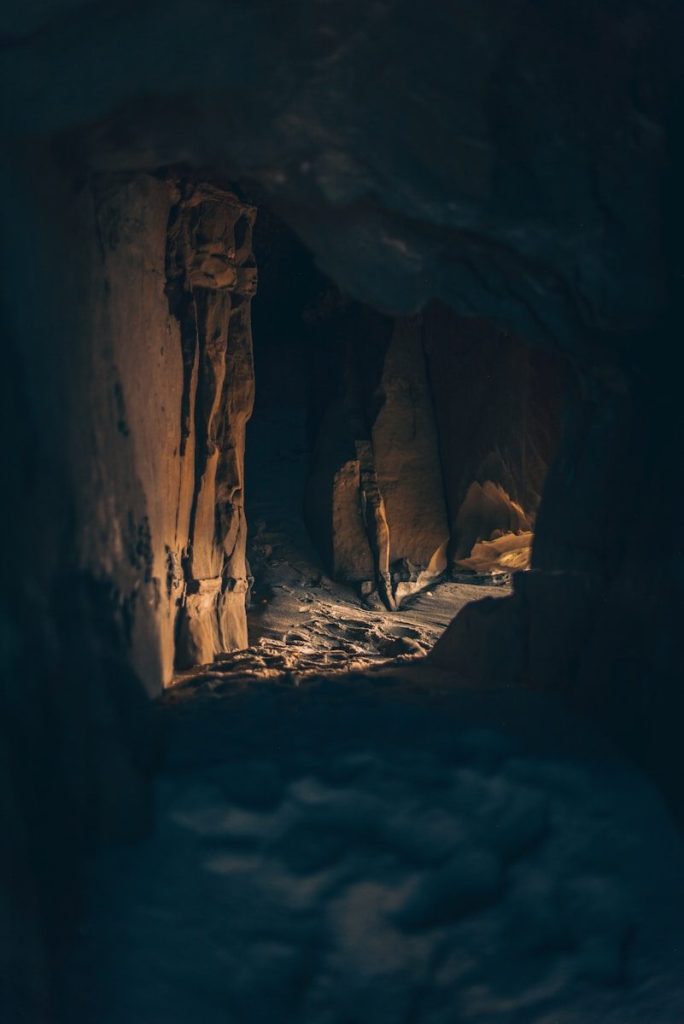
    brown rock formation during daytime
    Photo by Bradley Dunn on Unsplash

    Exploring a deep limestone fissure led researchers to an incredibly surprising subterranean discovery. According to reports from the French National Center for Scientific Research, a massive rockfall sealed this dark chamber over fifty thousand years ago. The air was dead. This absolute isolation preserved the fragile floor in its original state. But scientists quickly noticed something that did not belong in that primitive era.

    Flawless Microscopic Symmetry

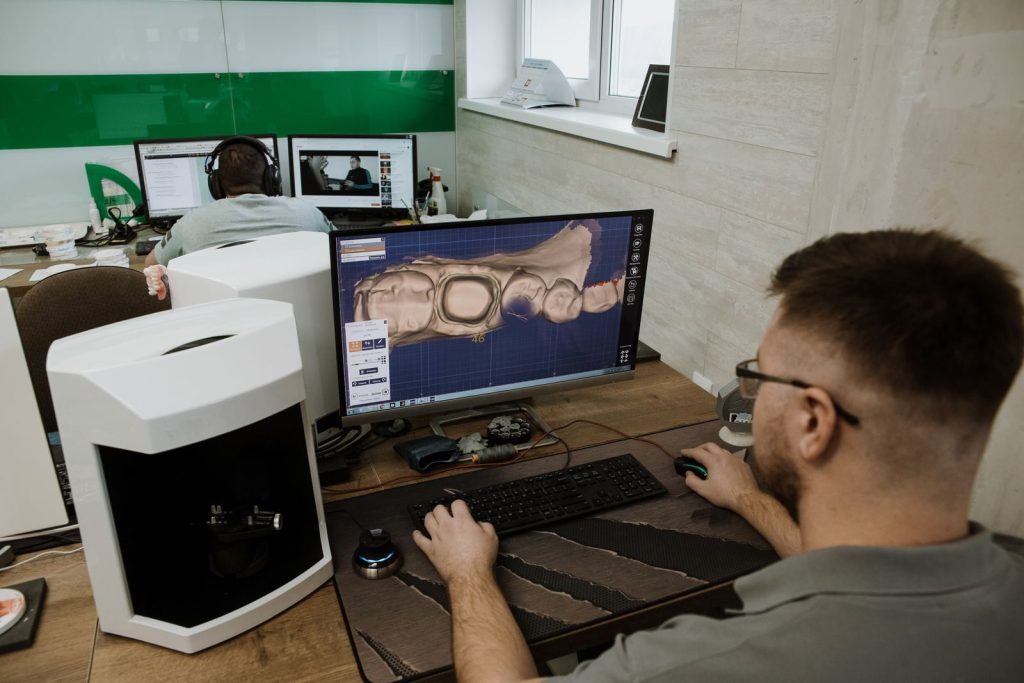
    Back view of anonymous male programmer sitting at table and creating 3d model of teeth while working in modern dental laboratory
    Photo by Ivan Babydov on Pexels

    High-tech scanners revealed that the strange tools possessed perfect geometric proportions. According to archaeological micro-wear studies, the objects show absolutely zero signs of erratic human carving. They are perfectly smooth. The lack of standard tool marks suggests that these items were shaped by an advanced manufacturing method. But the chemical composition of the stone was even more baffling.

    Impossible Thermal Fingerprints

    white and blue digital device on white surface
    Photo by Mitya Abrosimov on Unsplash

    Laboratory testing showed that the rocks underwent extreme heating during their creation. According to mineral analysts at the University of Paris, the crystalline structures inside the tools were forged at temperatures exceeding one thousand degrees. It was incredibly hot. No known early hominid possessed the technology to control such intense heat sources. And the mystery deepened when experts began looking for the actual builders.

    Tracing The Ghost Builders

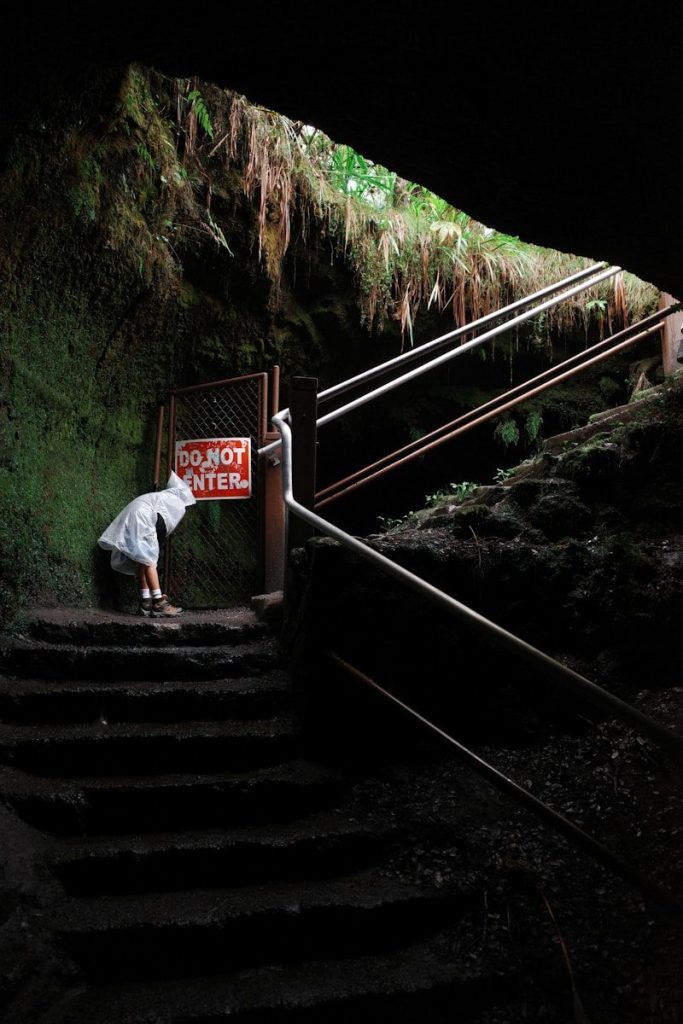
    Child peeks through a gate at cave entrance
    Photo by Liosha Shyp on Unsplash

    Excavating the entire cave floor yielded a highly puzzling biological result. According to forensic anthropologists, the team found absolutely no fossilized bones or organic matter from prehistoric humans. The vault was empty. This total absence of skeletal remains suggests that the creators did not live in the cavern. But a surprising discovery on the rock walls offered a brand new clue.

    Cryptic Geometric Codes

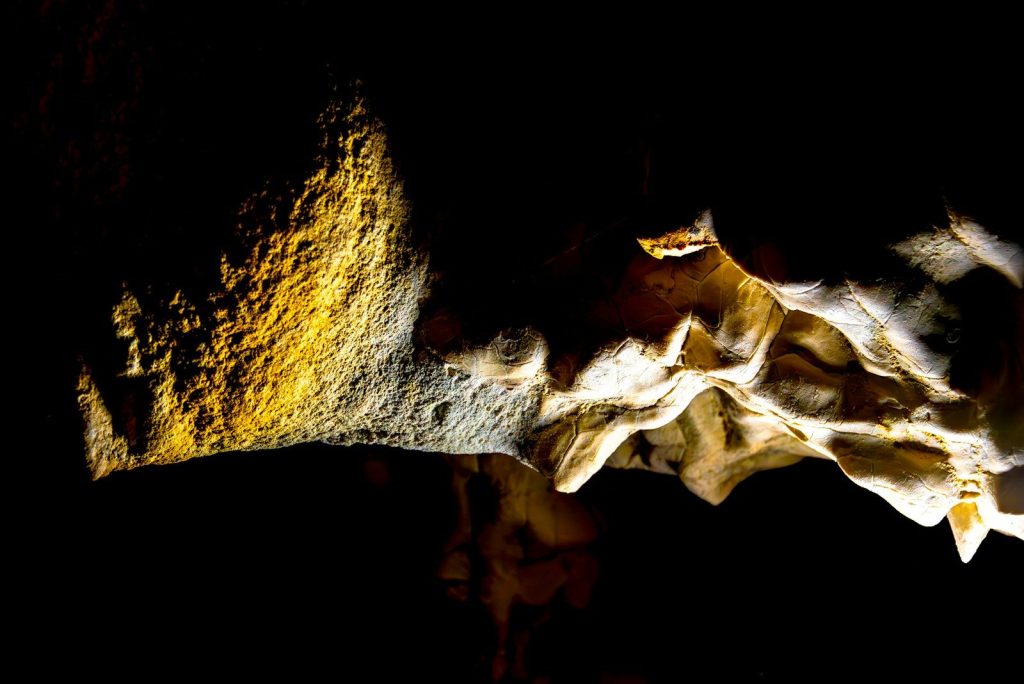
    Cave formations illuminated by dramatic lighting
    Photo by Philippe BONTEMPS on Unsplash

    Light mapping technology revealed faint geometric patterns carved high above the tool site. According to digital epigraphers, these symbols display a complex mathematical language that predates any known writing system. The shapes were dazzling. This highly organized layout suggests that the builders possessed a deep grasp of spatial relationships. Yet scientists were still struggling to identify the intelligence behind these carvings.

    An Unidentified Prehistoric Cousin

    a black and white photo of various mri images
    Photo by National Cancer Institute on Unsplash

    Evolutionary pathways might hold the final answer to this deep archaeological puzzle. According to research published in Nature, unrecognized human relative groups like the Denisovans possessed highly sophisticated mental abilities. They were highly capable. This advanced cognitive skill might explain how these incredible artifacts were designed and executed. But the team still needed to reconcile the extreme age of the geological layers.

    Redefining Our Ancient Roots

    a man standing on top of a wooden ramp
    Photo by wu yi on Unsplash

    This pristine cave forces us to reconsider the intellectual landscape of prehistoric Earth. According to modern geologists, our ancestors shared the planet with highly intelligent species capable of advanced crafting. The past remains open. This realization is pushing research teams to search for other lost industrial sites across the region. But one final detail about the tools would reveal their true age.

    The Final Chronological Verdict

    Red rock formations and desert landscape at sunrise
    Photo by Nathan Foster on Unsplash

    Advanced testing has locked the timeline of these artifacts into a secure window. According to the French National Center for Scientific Research, these items prove that prehistoric technology was far more advanced than modern humans assume. Our history is fluid. This article is for informational purposes only.
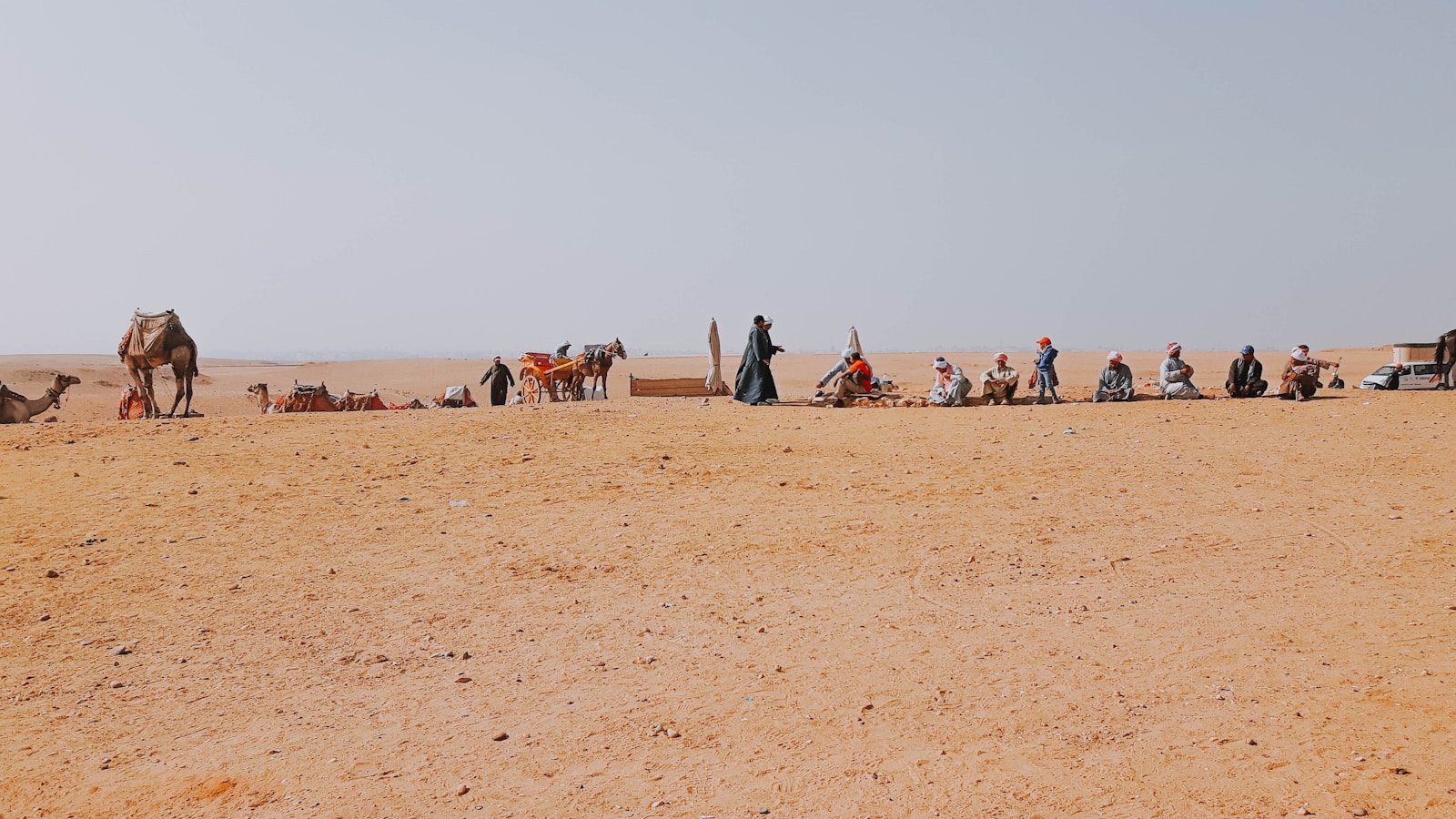
    Featured Image: Photo by Jonathan Kemper on Unsplash

  • The Giant Lost Temple Uncovered Beneath Egyptian Mud

    The Giant Lost Temple Uncovered Beneath Egyptian Mud

    Most archaeology lovers assume that Egypt’s greatest monuments are only preserved in the dry desert sands. We believe that we must dig in places like Luxor to find ancient ruins.

    But a spectacular excavation beneath the muddy Nile Delta has challenged this belief. Scientists have uncovered a colossal 2600-year-old temple complex buried deep in the marshlands.

    Sifting Through Wet Clay

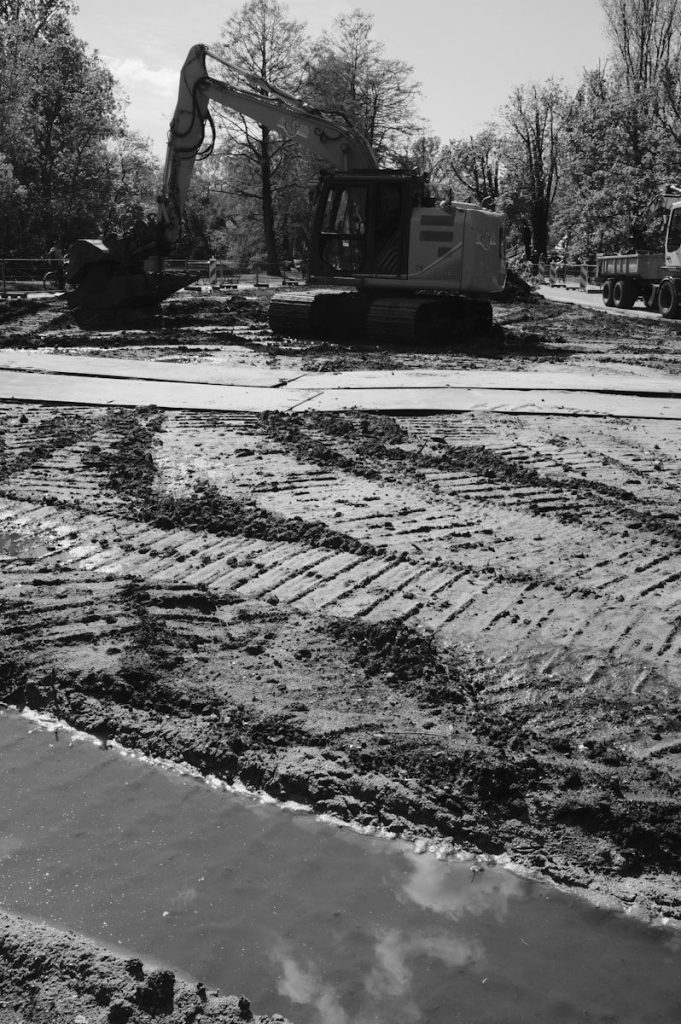
    a black and white photo of a construction site
    Photo by János Szüdi on Unsplash

    The wet environment of northern Egypt is historically notorious for destroying ancient organic remains and limestone walls. According to reports from the Egyptian Ministry of Antiquities, archaeologists had to battle rising groundwater to clear the target coordinates. The mud was thick. Yet their persistence paid off when they struck massive foundation stones resting deep beneath the silt layers. But this stone floor was hiding a highly surprising purpose.

    Mapping Ancient Solar Movements

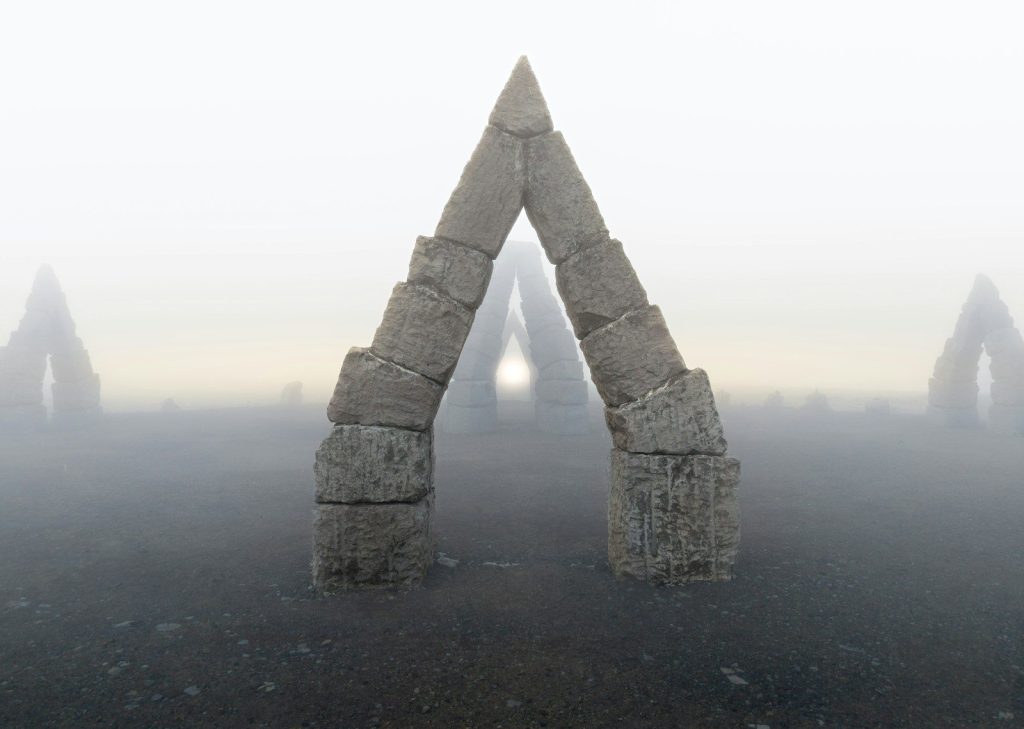
    Arches emerge from the foggy landscape.
    Photo by Joseph Corl on Unsplash

    Peering at the alignment of the massive stone walls revealed a brilliant design. According to archaeoastronomy researchers, the temple foundations were carefully aligned with the sun during the seasonal Solstices. The alignment was perfect. This precise orientation allowed ancient priests to calculate the agricultural calendar with incredible accuracy. But tracing who built this celestial calendar led to a forgotten dynasty.

    Legacy Of The Pharaohs

    brown concrete statue of man
    Photo by Tom Podmore on Unsplash

    This massive temple dates back to the twenty-sixth dynasty, when Egypt experienced a sudden artistic renaissance. According to classical historians, this era marked the last great peak of native Pharaonic rule before foreign conquests. The kings were powerful. They built monumental structures in the Delta to assert their political sovereignty over vital trade routes. But excavating the inner chambers revealed a collection of bizarre artifacts.

    Artifacts Hidden In Marshlands

    a group of sculptures sitting on top of a table
    Photo by Seoin Kim on Unsplash

    Excavators working in the lower mud layers recovered a cache of pristine bronze statues and sacred tools. According to the Cairo Research Institute, these metallic items remained protected from oxidation by the heavy clay seal. The details are beautiful. These religious artifacts depict gods associated with solar tracking and seasonal rebirth. But finding the ultimate treasure required exploring the deepest chamber.

    The Giant Red Granite Block

    a church with candles and a crucifix in the center
    Photo by Nick Castelli on Unsplash

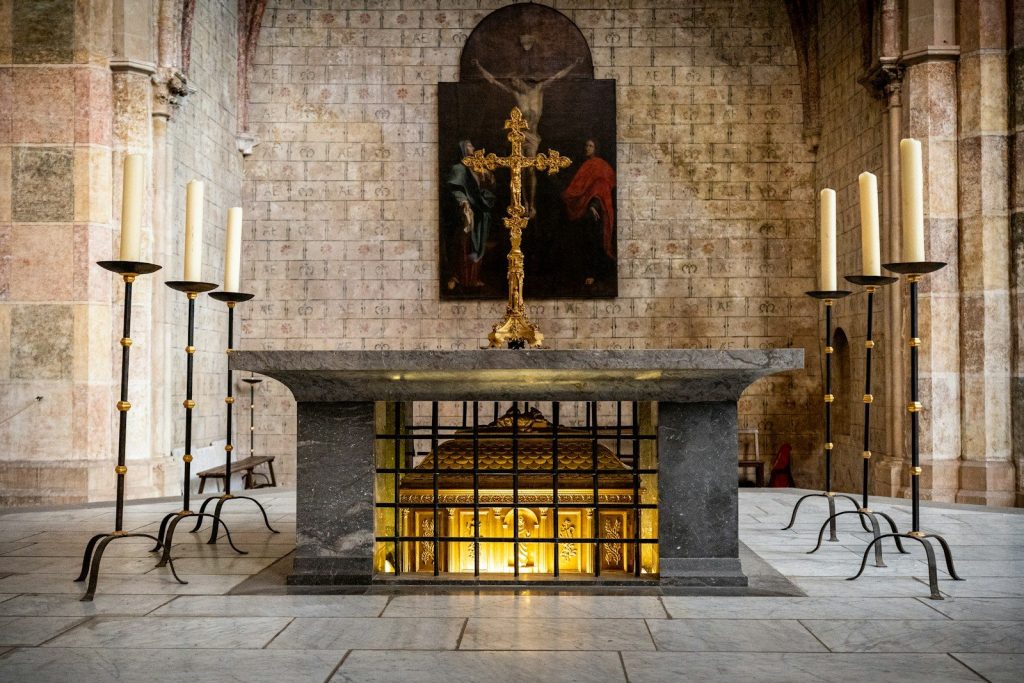
    Our central sanctuary contained an incredibly dense block of polished red granite that dwarfed the other stones. According to structural geologists, this single monumental block was transported hundreds of miles down the Nile River. It was incredibly heavy. Moving this massive stone through the ancient delta marshes required highly organized transit engineering. But managing this water flow was a vital skill for the temple builders.

    Advanced Delta Canal Engineering

    a stone bench sitting on top of a dirt hill
    Photo by Anees Ur Rehman on Unsplash

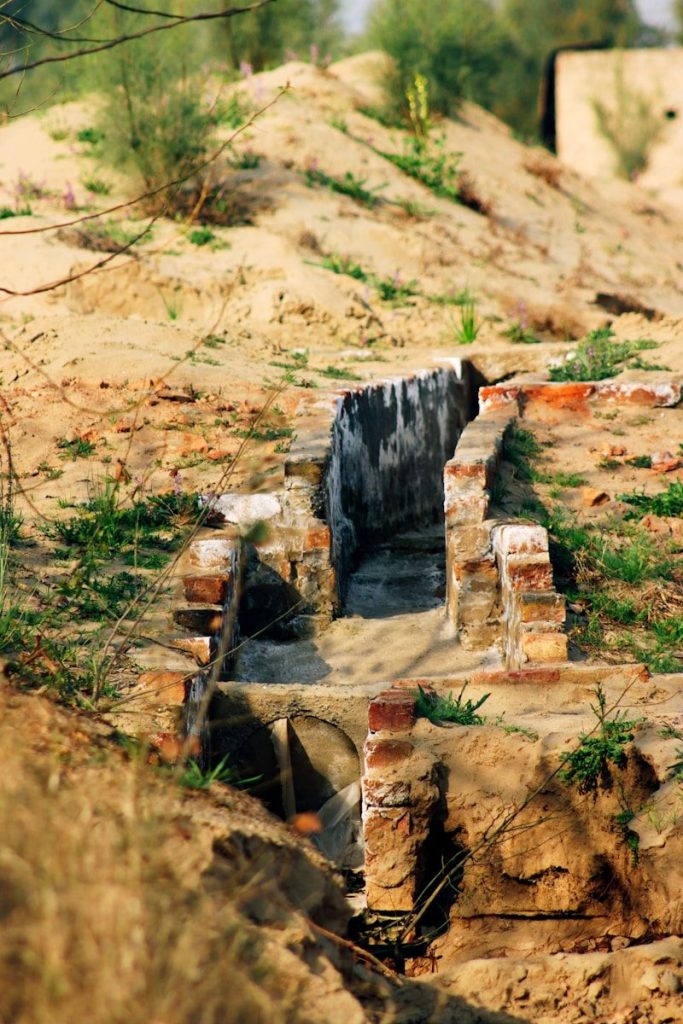
    A complex network of ancient channels surrounded the sacred temple compound to regulate the annual floodwaters. According to hydrological surveys, these artificial canals prevented the mud foundations from sliding into the river branches. The system was seamless. This clever water management allowed the heavy limestone structures to stand secure for centuries. But the rise of massive empires would soon bring a sudden end.

    Swallowed By Rising Silt

    Aerial view of marshland with winding waterways
    Photo by Iain on Unsplash

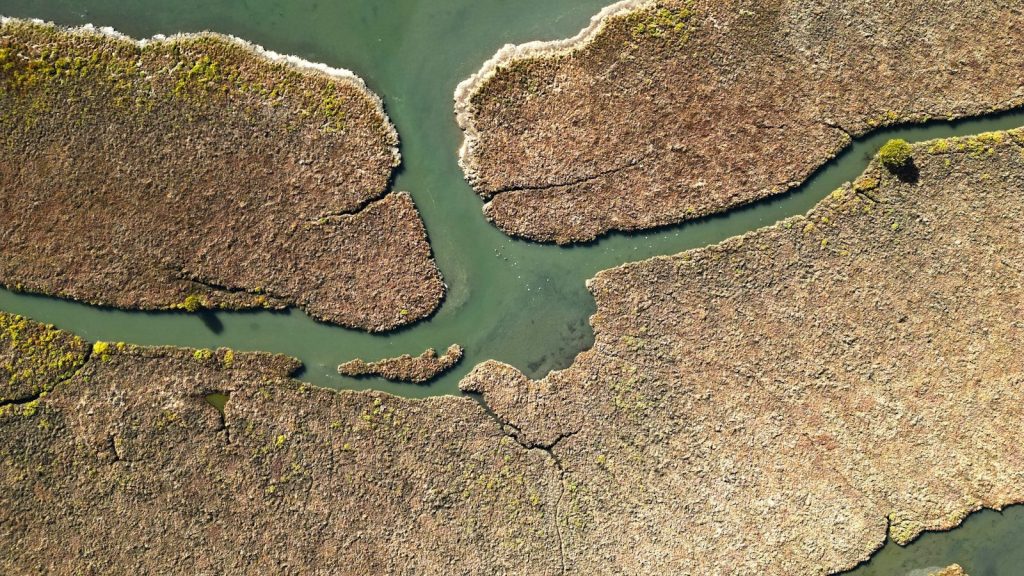
    Both climate shifts and changing river paths slowly cut off the temple’s water supplies. According to sedimentologists, the Nile delta branches shifted outward, leaving the sanctuary stranded in marshy mud. The city was abandoned. Over centuries, annual river floods covered the stone walls in thick layers of wet silt. But modern technology has finally allowed us to look through this muddy shield.

    Unlocking Our Subsurface Heritage

    Surveyor using GPS equipment for land measurement outdoors under a clear sky.
    Photo by Asad Photo Maldives on Pexels

    Using ground-penetrating radar allows archaeologists to map these lost Delta ruins without disturbing the delicate marshlands. According to historians, this discovery proves that ancient Egyptian history still holds boundless secrets beneath the soil. The past is active. Exploring these buried temples helps us reconstruct the true genius of early Pharaonic engineering. This article is for informational purposes only.
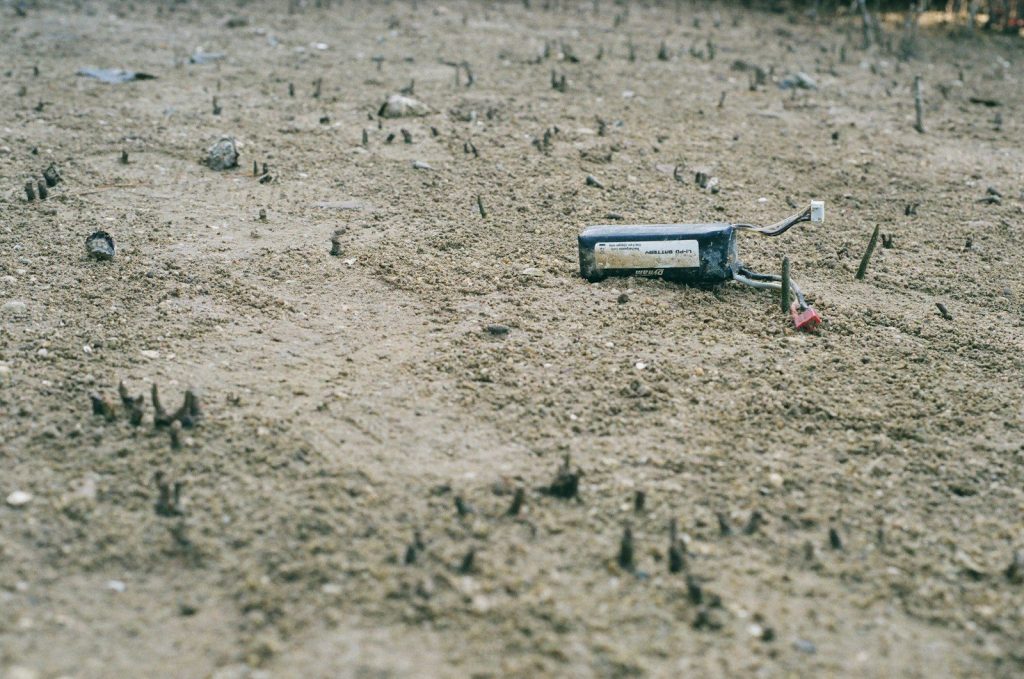
    Featured Image: Photo by Son Tung Tran on Pexels

  • The Massive Subterranean Void Uncovered Beneath Egypt

    The Massive Subterranean Void Uncovered Beneath Egypt

    Most archaeology fans believe that centuries of heavy digging have mapped every single structure in Egypt. We assume that modern scanners have already revealed all the major tombs and hidden chambers.

    But a spectacular geophysical sweep has uncovered a massive underground void beneath the sand. This colossal subterranean structure has stunned researchers and completely upended our maps of the area.

    Sweeping Beneath The Dust

    Abstract visualization of blue magnetic field lines surrounding a glowing sphere.
    Photo by Nicola Narracci on Pexels

    Looking inside the solid earth requires advanced technology that bypasses traditional shovels. According to reports from the ScanPyramids Project, researchers used cosmic ray particles called muons to scan the ground. They are highly penetrating. These particles pass easily through stone but get absorbed by dense materials. But reading these particle maps revealed a highly unexpected gap.

    The Massive Density Gap

    A television sitting in the back of a truck
    Photo by Sasha Matveeva on Unsplash

    The cosmic ray sensors recorded a highly unusual empty space deep beneath the Giza plateau. According to geophysical analysts, the newly mapped void is over thirty meters long. It was truly colossal. This large structural gap does not align with any known natural rock formations in the area. But confirming the existence of this room required running secondary radar scans.

    Verifying With Deep Radar

    Light streams through a narrow castle window opening.
    Photo by Daniel Brzdęk on Unsplash

    Scientists used ground-penetrating radar to scan the precise coordinates of the density gap. According to reports from Nagoya University, the radar echoes confirmed a massive hollow chamber. The results were clear. This secondary test proved that the void was an intentional architectural feature rather than a natural cave. But determining who built this underground giant is a massive challenge.

    The Royal Tomb Connection

    a street lined with stone pillars and buildings
    Photo by Dilip Poddar on Unsplash

    The colossal void sits directly adjacent to the ancient resting places of elite Egyptian families. According to classical historians, this specific coordinate was reserved for the most powerful officials of the Old Kingdom. The status was clear. Placing such a massive underground structure in this sacred area proves its extreme cultural importance. But some geologists suggest a highly practical function for the room.

    Shifting The Structural Weight

    a large metal structure with a sky in the background
    Photo by Jonnica Hill on Unsplash

    The empty chamber may have been designed to protect the surrounding tombs from collapsing. According to architectural surveys, the vaulted design of the void helps distribute the immense weight of the stone. The engineering is brilliant. This clever setup took pressure off the main passageways located directly below. But finding what lies inside this secret vault is the next step.

    Prepping The Micro Cameras

    A scientist works with a complex laboratory device.
    Photo by Malcolm Choong 鍾声耀 on Unsplash

    Researchers are currently designing tiny robotic probes to slide through the narrow stone joints safely. According to excavation logs, these small devices will capture high-resolution video without disturbing the delicate site. The excitement is building. This silent exploration could soon reveal untouched historic treasures or the final resting place of early kings. But the team must proceed with extreme care.

    Reclaiming Our Forgotten Past

    brown rock formation under blue sky during daytime
    Photo by Clay Banks on Unsplash

    This spectacular radar discovery proves that technology can locate lost history hidden beneath our feet. According to archaeologists, mapping these massive ruins helps us reconstruct the true development of early monumental architecture. The desert keeps secrets. This article is for informational purposes only.
    Featured Image: Photo by Karsten Winegeart on Unsplash