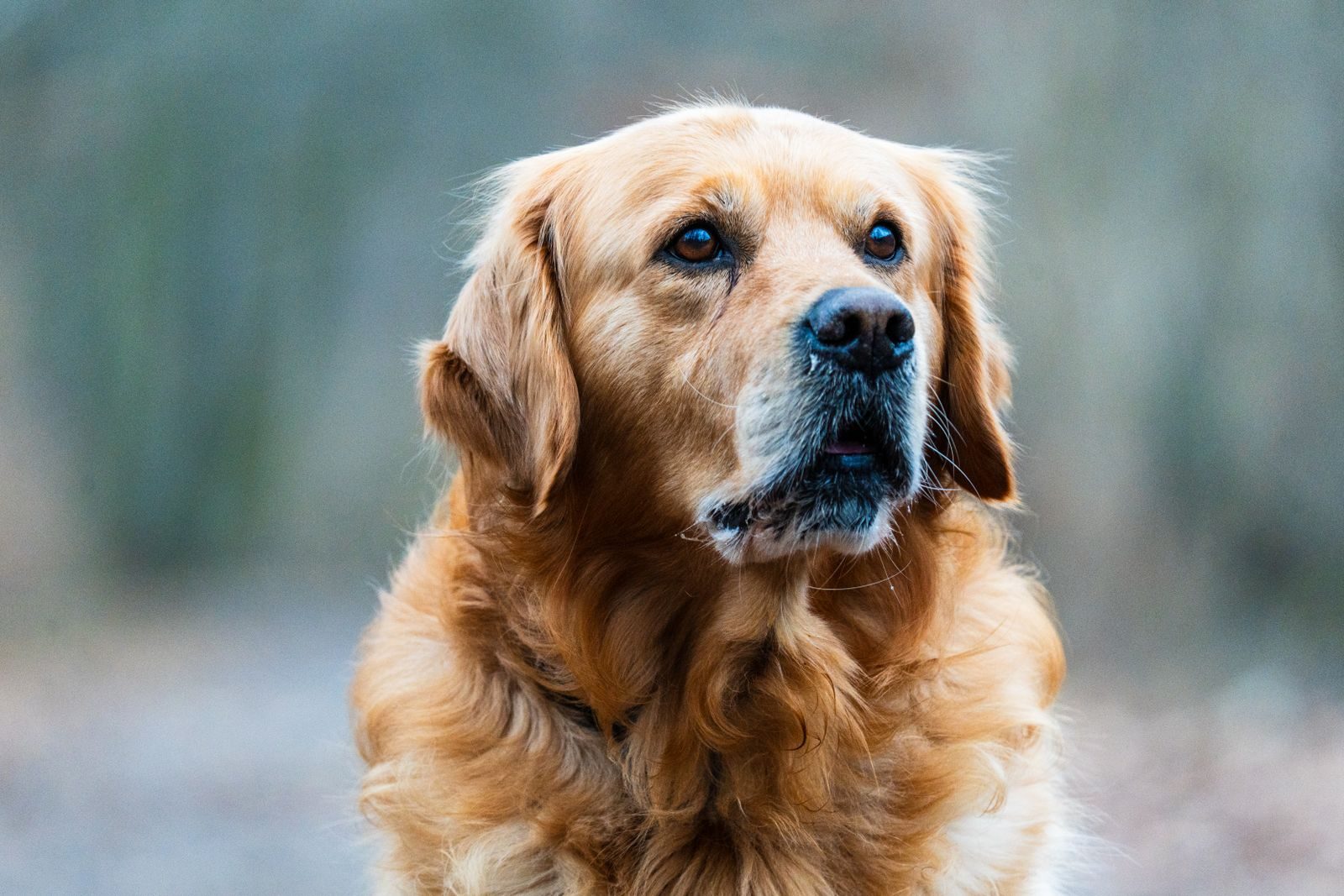
Most people believe distinct dog breeds were created recently by Victorian animal breeders during the nineteenth century. Pet owners picture fancy kennels selecting traits like size and coat color in modern times.
But genetic sequencing of ancient canine bones proves distinct dog lineages existed over eleven thousand years ago. Early human hunter-gatherers developed specialized dogs before farming even began.
Ancient Genome Sequencing Decodes Fossils

Geneticists extracted ancient DNA from prehistoric dog bones excavated across Europe and Asia. Advanced sequencing machines decoded fragile genetic material. Science unlocked history. According to genetic research from the Francis Crick Institute, researchers analyzed twenty-seven ancient canine genomes spanning thousands of years. Genetic data revealed distinct dog lineages existed right after the last Ice Age.
Ice Age Hunters Bred Specialized Dogs
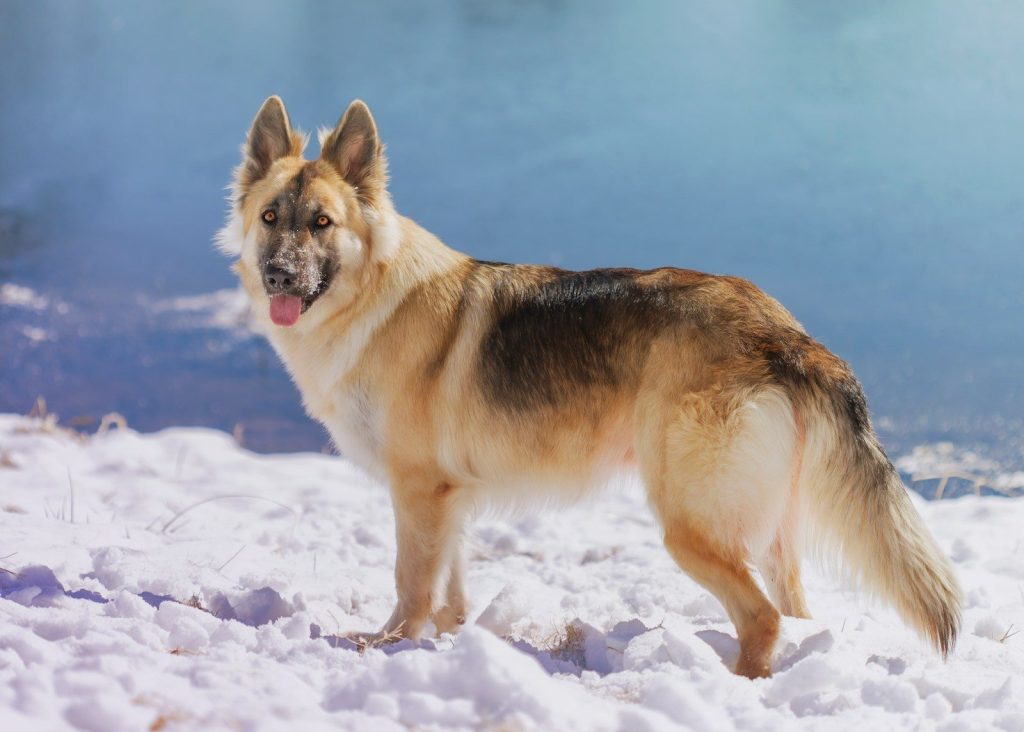
Nomadic human groups bred early dogs for specific working tasks like hunting large game and guarding campsites. Dogs adapted to human lifestyles fast. Partnership proved vital. According to evolutionary biology studies at Oxford University, ancient hunter-gatherers selected friendly dogs capable of tracking prey through dense forests. Working partnerships helped both species survive harsh post-glacial environments.
Five Distinct Dog Lineages Identified

DNA mapping showed that five distinct canine lineages had already spread across different continents eleven thousand years ago. Lineages adapted to diverse climates. Diversity emerged early. According to papers published in Science, ancient dogs in Siberia differed genetically from dogs living in the Near East. Early separation proved that dogs migrated alongside human populations worldwide.
Dogs Migrated Alongside Early Human Farmers
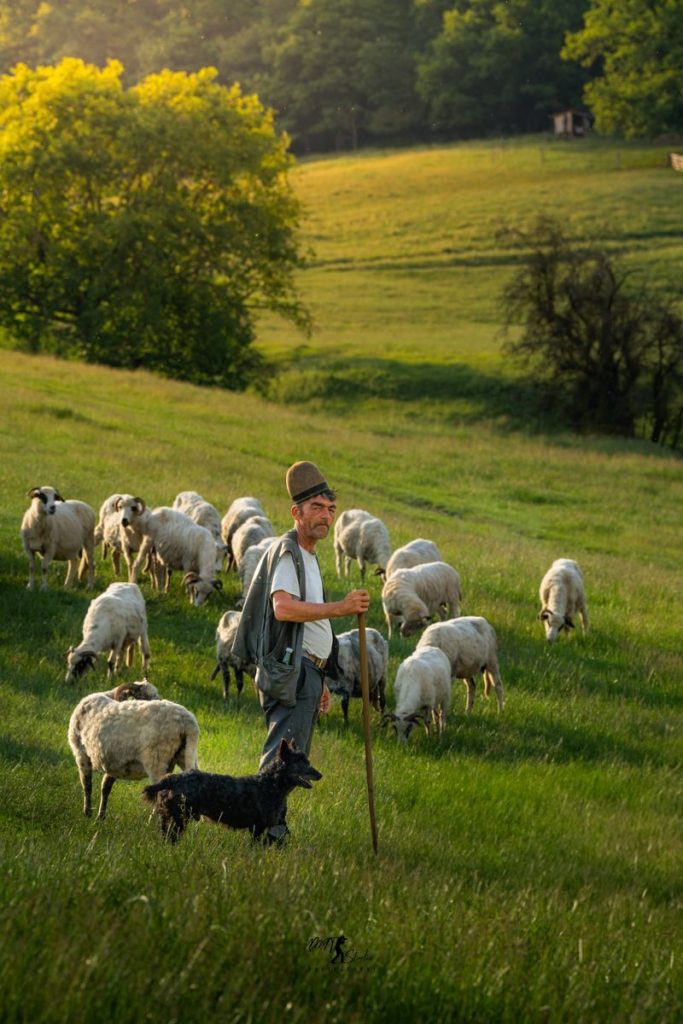
When early agricultural tribes expanded across Europe, they brought distinct working dogs alongside livestock herds. Canine lineages merged with local populations. Migration reshaped breeds. According to genomic mapping from Uppsala University, ancient farm dogs interbred with local hunter-gatherer dogs. Genetic mixing created new working dog types adapted to agricultural lifestyles.
Wolves Diversified Before the Agricultural Era
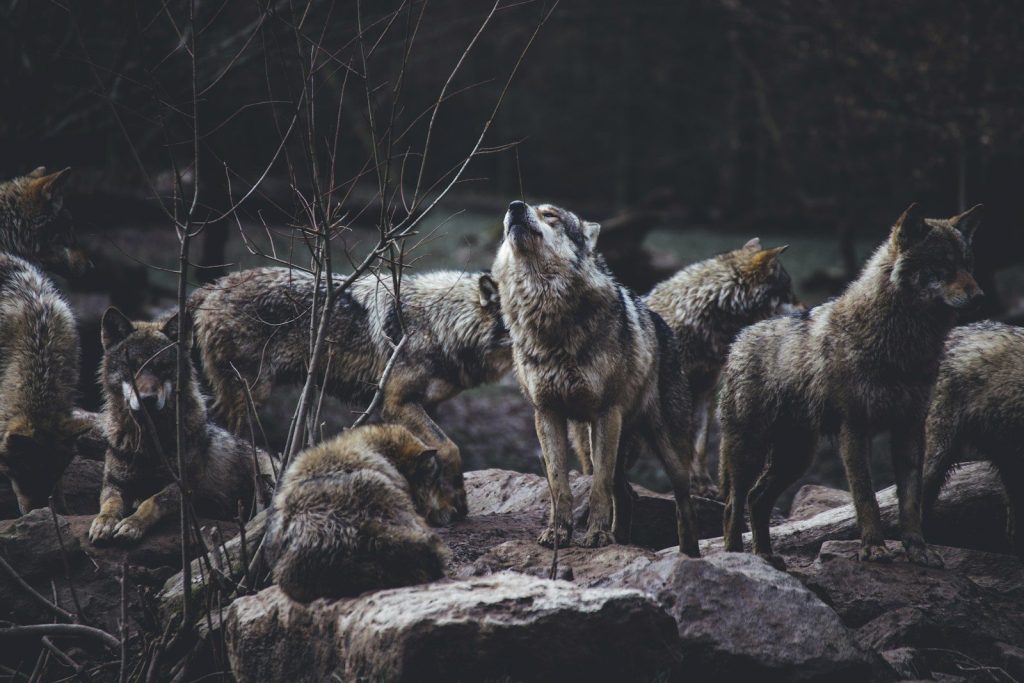
Comparing ancient dog genomes with wild wolf DNA proved dogs split from wolf ancestors far earlier than previously recorded. Separation happened long ago. Wolves remained wild. According to evolutionary studies conducted by the American Museum of Natural History, wild wolves avoided human camps while friendly ancestors lived beside humans. Domestication created unique genetic traits very early.
Dietary Adaptations Evolved In Farm Dogs

As human diets shifted toward agricultural grains, farm dogs developed extra gene copies to digest starchy foods easily. Digestive systems altered over time. Biology matched human food. According to comparative genomics research from Karolinska Institute, farm dogs adapted to starch diets while arctic sled dogs retained carnivore diets. Dietary shifts reflected human lifestyle changes.
Uncovering Ancient Human Canine Bonds

Analyzing ancient canine genomes proves dogs have been faithful human companions and working partners for over eleven thousand years. Genetic research shows how closely human history and dog evolution intertwined through millennia. Partnership endures today. According to evolutionary geneticists, studying ancient DNA deepens our appreciation for man’s best friend. This article is for informational purposes only.
Featured Image: Photo by Masood Aslami on Pexels
Leave a Reply