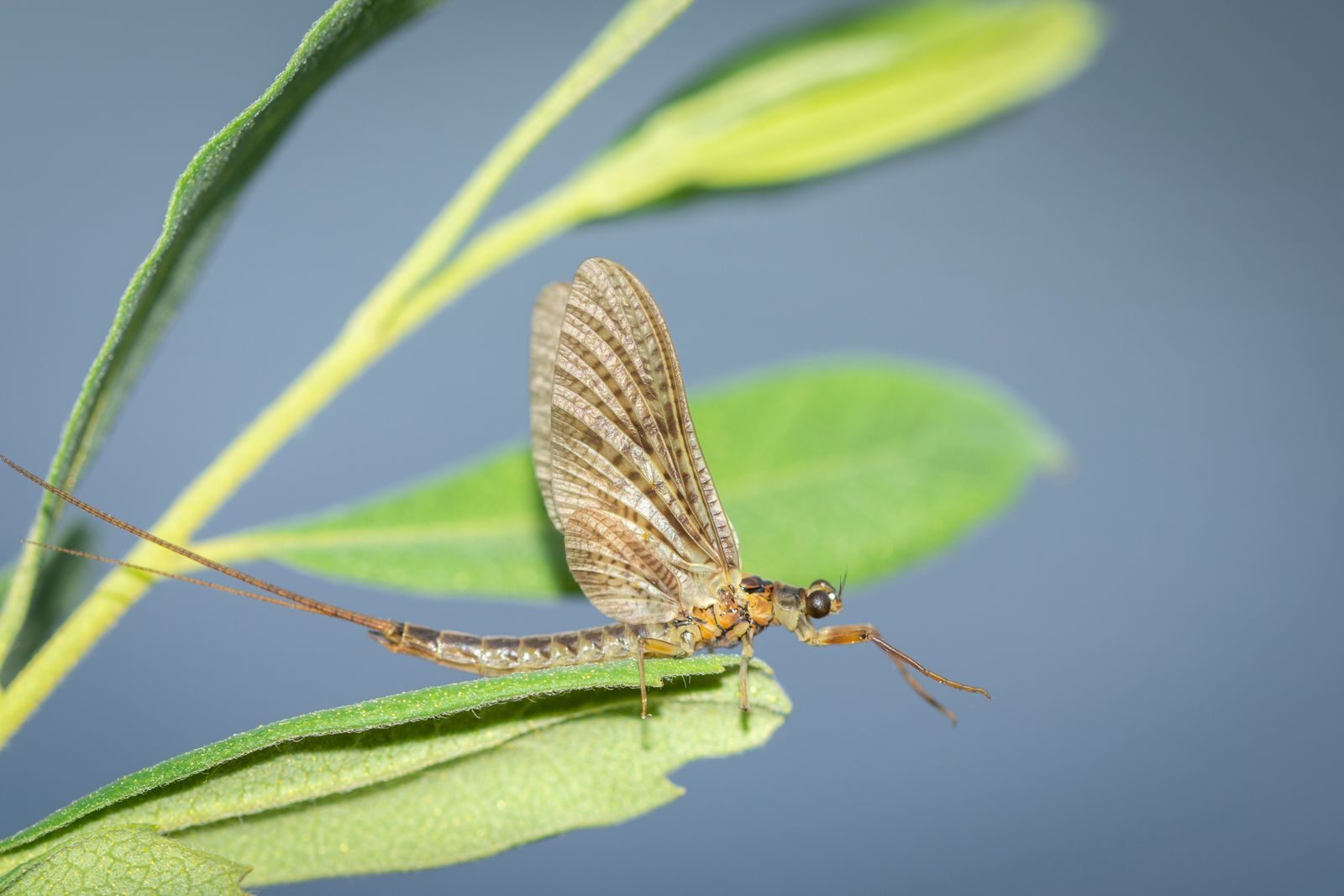
Ranking the shortest-lived animals is more difficult than it appears. Some lists count only the adult reproductive stage, while others measure an animal’s complete life from hatching or birth until death. Mayflies can survive only minutes as winged adults but spend months developing underwater. The most accurate comparison must therefore explain which stage each lifespan describes.
A Mayfly With Less Than Five Minutes
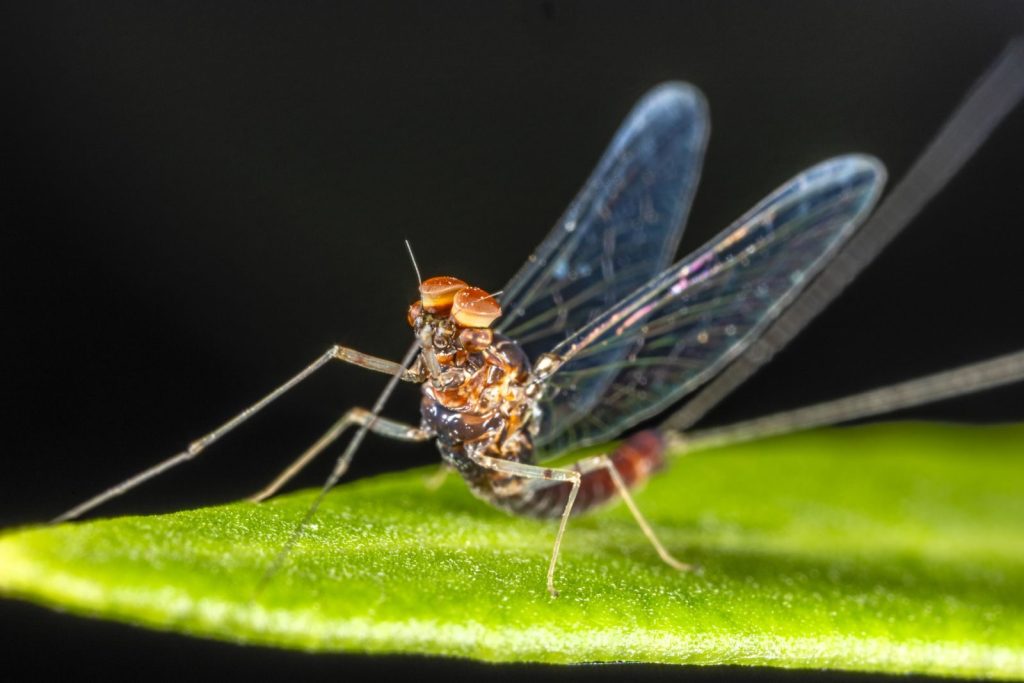
Female Dolania americana mayflies typically live for less than five minutes after their final molt. During that extraordinary window, they must mate and lay their eggs in the water. Researchers have described this as the shortest documented reproductive life among insects, although an even briefer adult stage may exist in a species that has not been studied.
The Mayfly Is Not Born Five Minutes Earlier
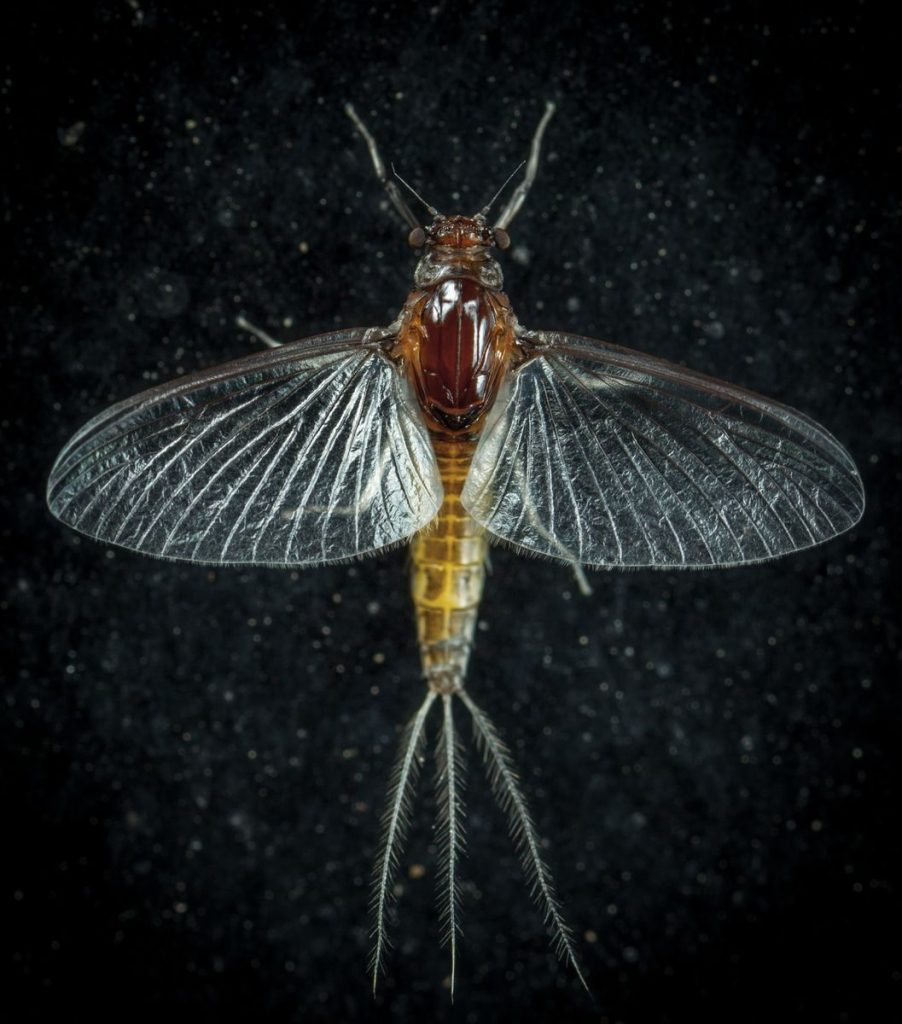
The famous five-minute record applies only to Dolania’s final winged stage. Before emerging, mayflies live underwater as immature nymphs, feeding and developing through multiple molts. Mixing the adult stage with the total life cycle creates the misleading impression that the insect hatches, grows, reproduces and dies within minutes.
The 59-Day Vertebrate Record Holder
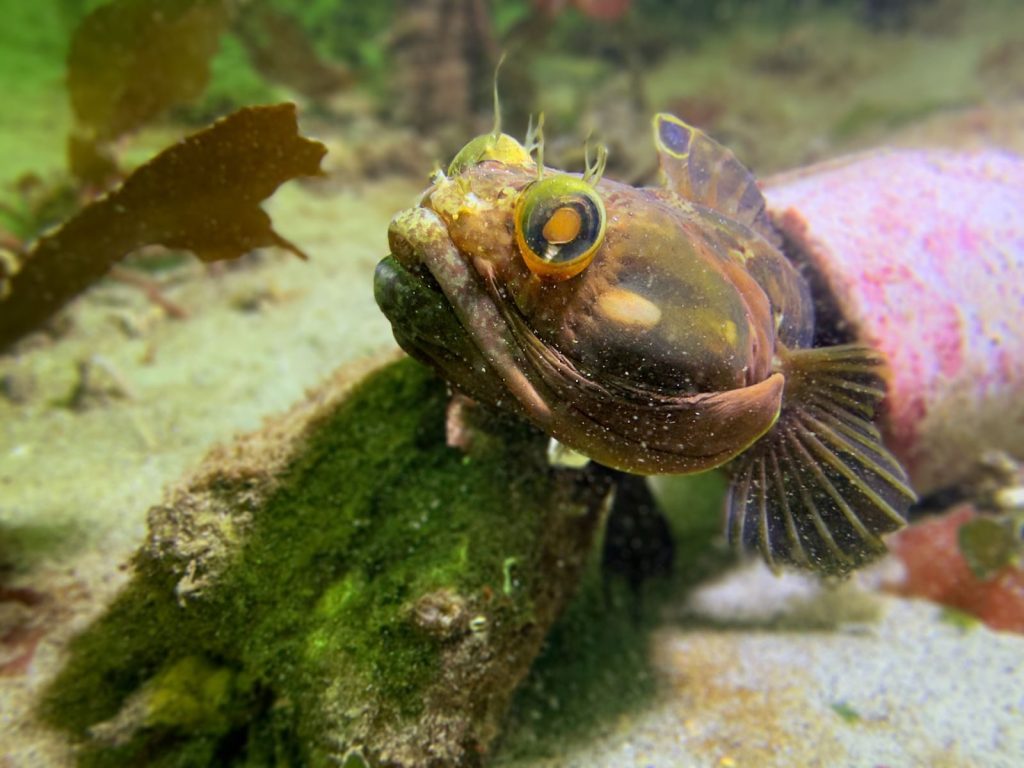
The seven-figure pygmy goby, Eviota sigillata, has the shortest documented lifespan of any vertebrate. Researchers recorded a maximum life of approximately eight weeks, or 59 days. It spends around three weeks as a larva in the open ocean, matures within one or two weeks after settling on a reef, and may have only three and a half weeks of adult life.
A Chameleon That Lives on Fast-Forward
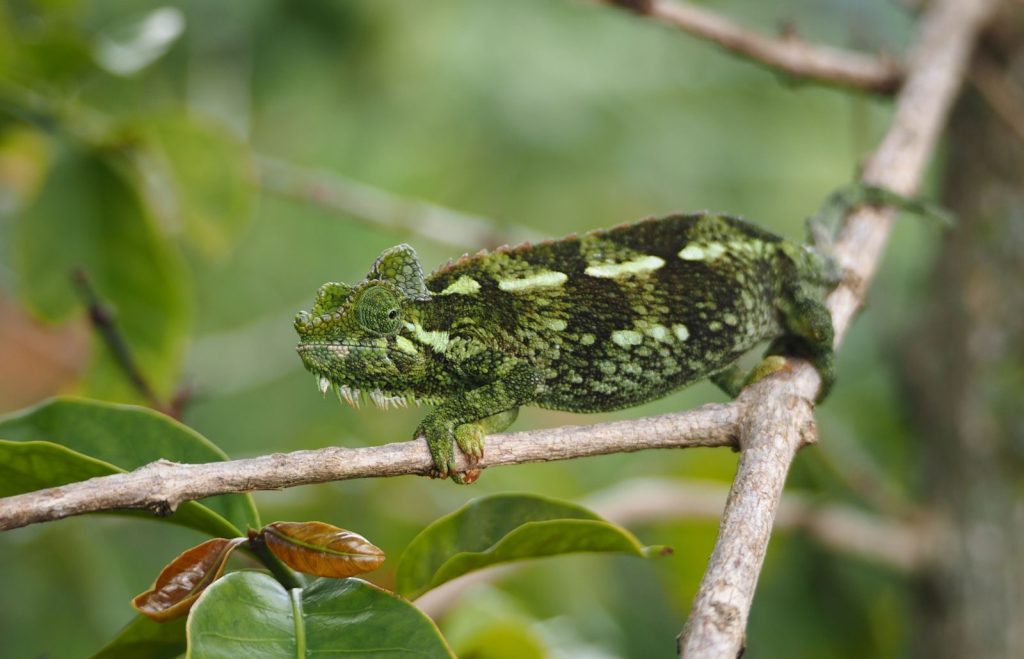
Labord’s chameleon of Madagascar is considered the shortest-lived tetrapod, the group containing amphibians, reptiles, birds and mammals. It grows to sexual maturity in roughly three months, has mating opportunities lasting only a few weeks and dies soon after breeding. Much of its annual life cycle is spent developing inside the egg rather than moving through the forest.
The Killifish That Ages in Months
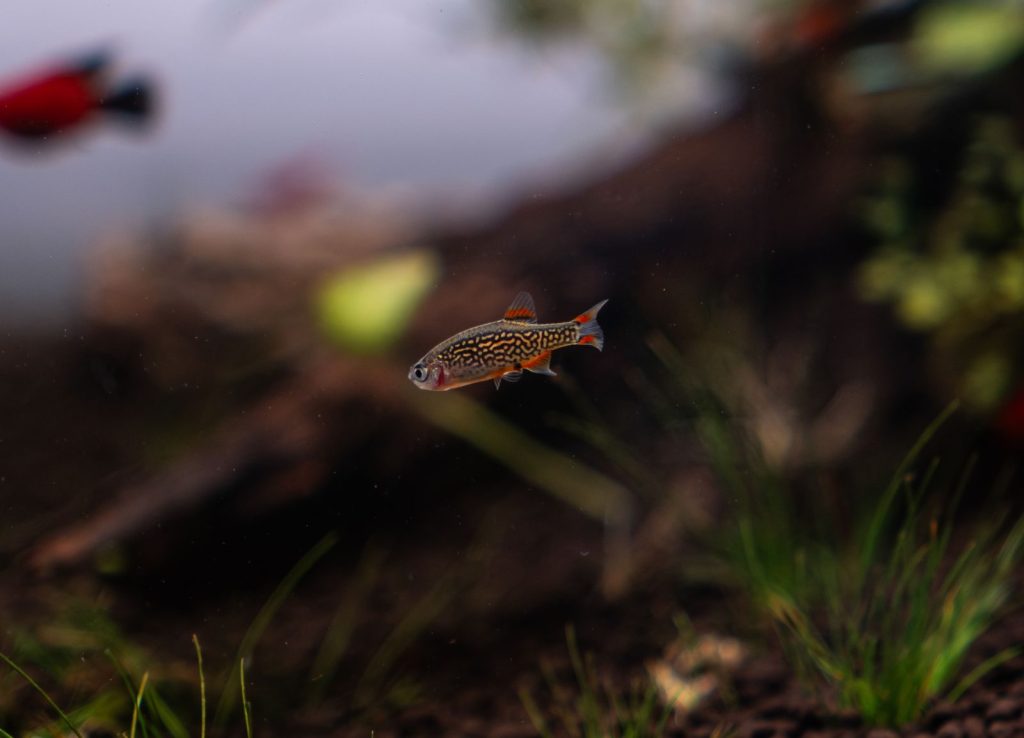
The African turquoise killifish inhabits temporary pools that disappear during the dry season. Under optimal laboratory conditions, a particularly short-lived strain has a median lifespan of approximately four to six months and a maximum of seven to nine months. Its compressed life cycle has made the species an important model for studying vertebrate aging and age-related disease.
Luna Moths Get One Week as Adults
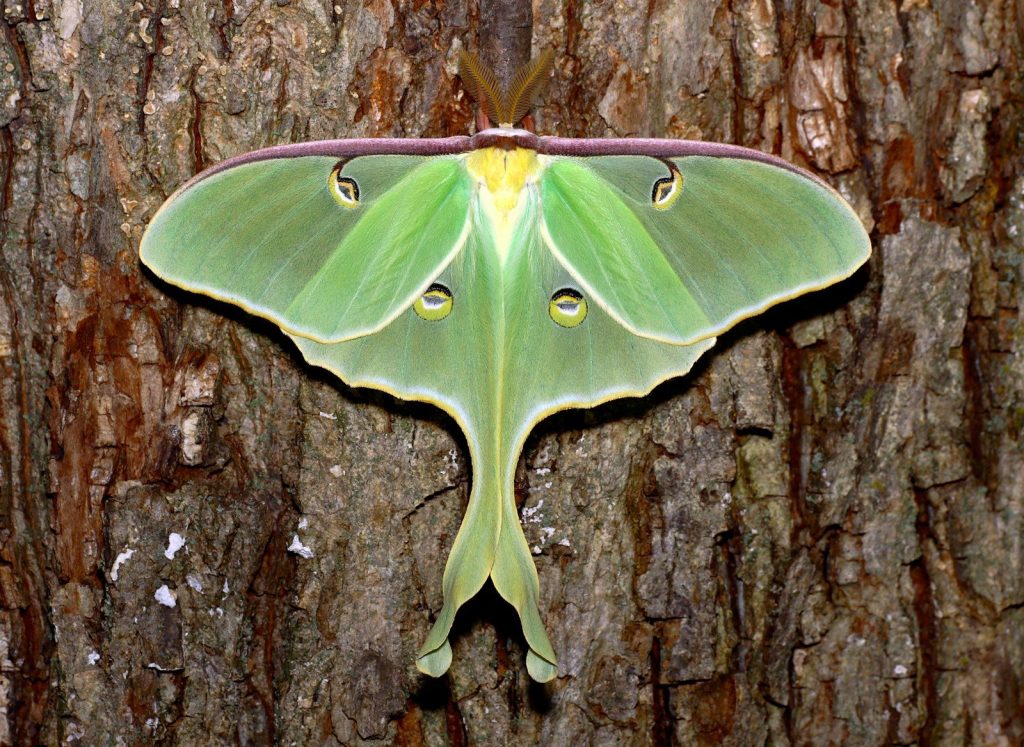
An adult Luna moth generally lives for approximately one week after leaving its cocoon. It does not eat during that stage because its proboscis is vestigial and no longer functions as a feeding organ. Energy stored during the caterpillar phase powers its search for a mate. Its complete lifespan is longer because the larval and pupal stages last several additional weeks or even through winter.
Fruit Flies Live Longer Than Their Reputation
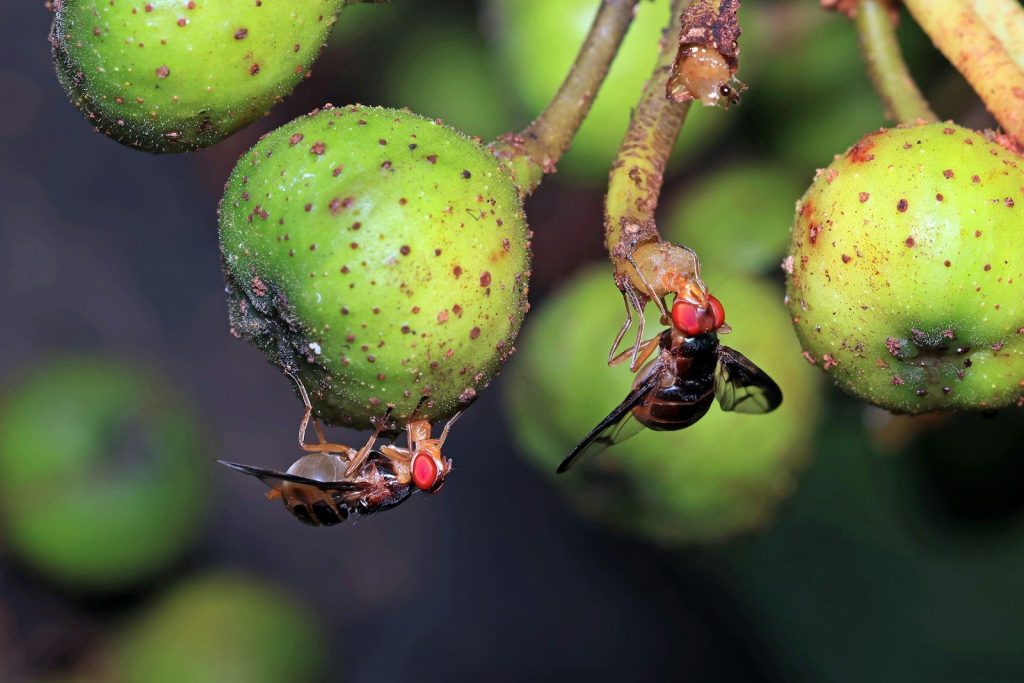
The common laboratory fruit fly, Drosophila melanogaster, is short-lived but does not normally survive for only a few days. Under optimal conditions at 25 degrees Celsius, its mean lifespan is approximately 45 to 60 days. Diet, temperature, genetics, crowding, and laboratory conditions can significantly shorten or extend that average.
Fast Lives Can Be Successful Lives
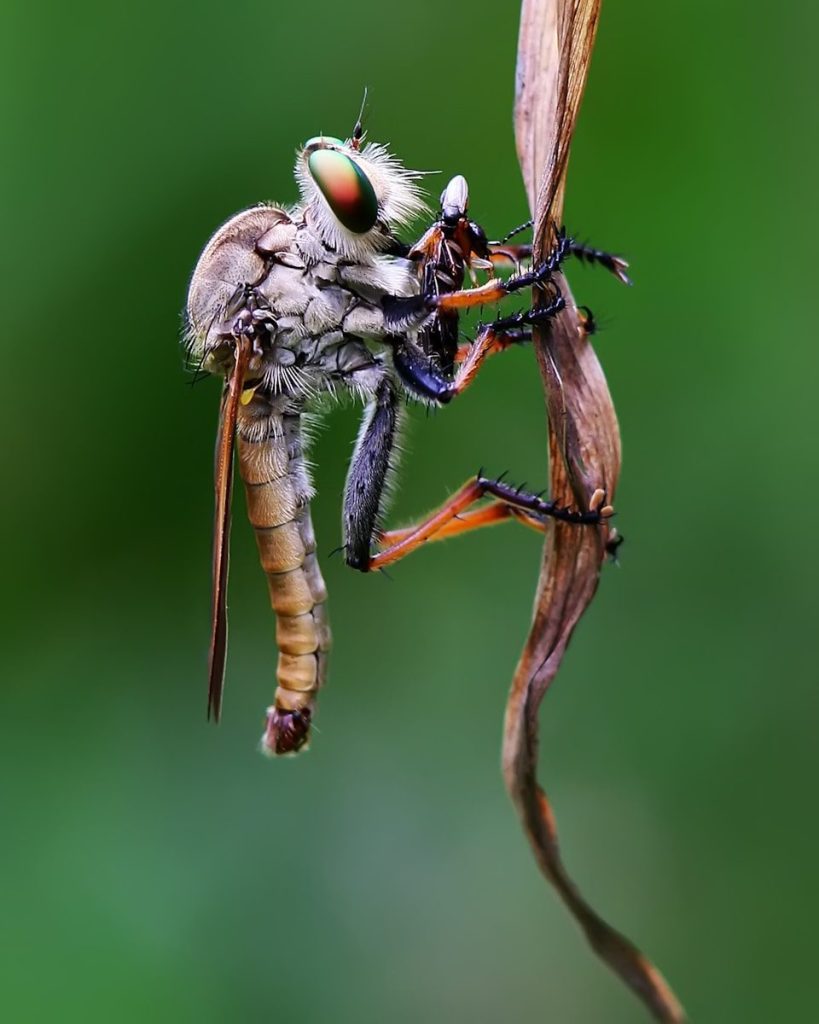
Short lifespans are not evolutionary failures. They can be effective adaptations to temporary habitats, seasonal food supplies or intense predation. Some species reproduce quickly before a pool dries, while others spend most of their lives developing and reserve only a brief final stage for mating. There is no single universal winner unless adult life, reproductive life and complete lifespan are measured separately.
Featured Image: Photo by Tom Christensen on Pexels
Leave a Reply