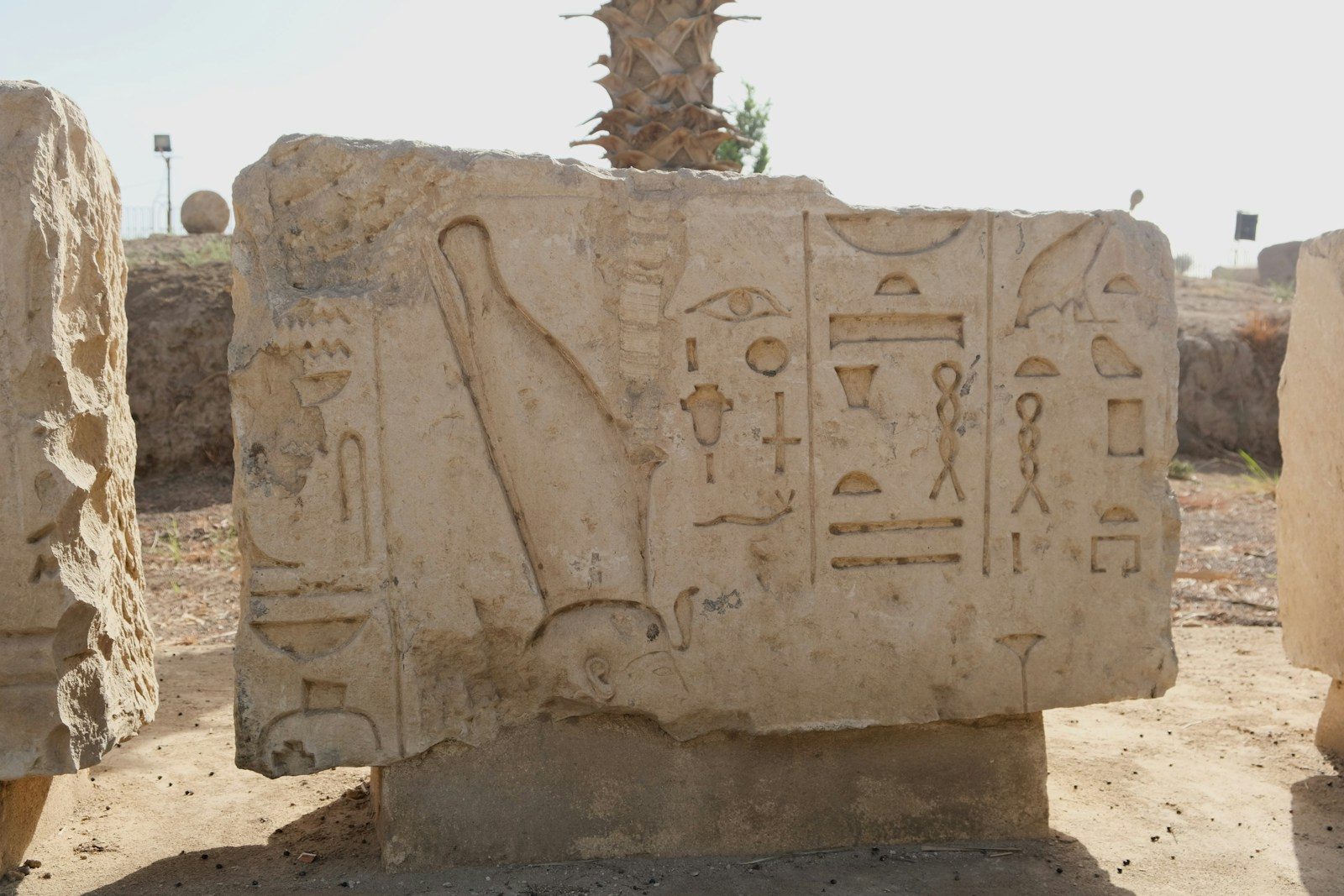
Most historians argue that ancient Egyptian builders relied solely on simple copper chisels and wooden mallets. We imagine legions of workers slowly chipping away at stone over many decades.
But remarkable markings on ultra-hard granite reveal a far more sophisticated reality. These precision cuts suggest the use of tools that seem impossibly advanced for their time.
The Granite Drill Marks
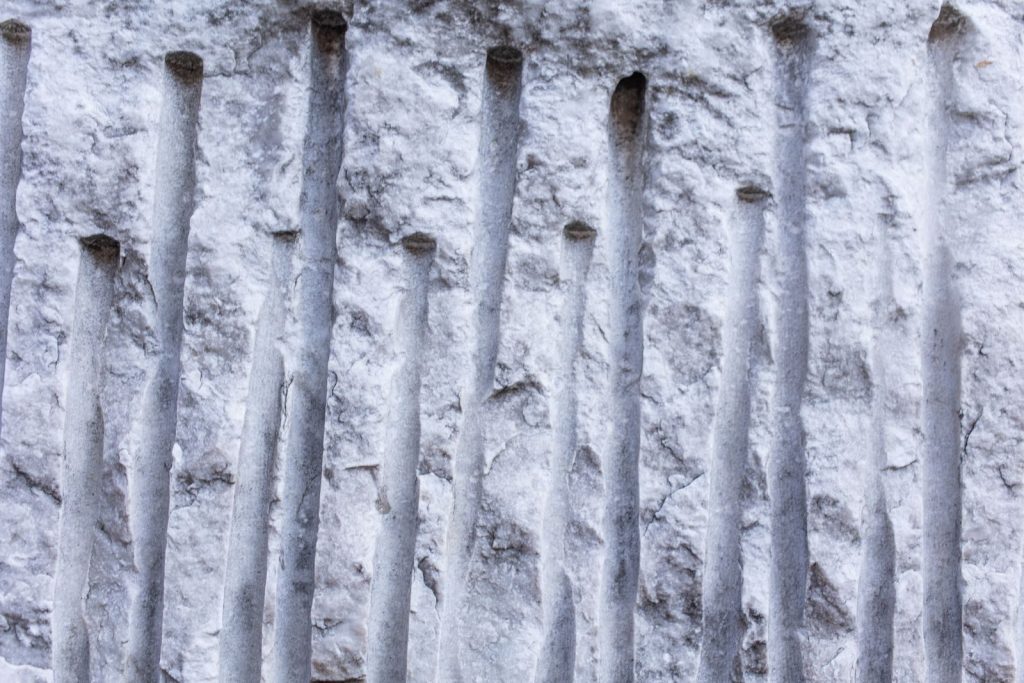
Deep inside ancient quarries like Aswan, researchers found perfectly circular drill holes in solid rose granite. This stone is incredibly tough. According to structural engineers, drilling granite today requires diamond-tipped rotary tools. Yet these prehistoric holes show perfectly even spiraling grooves etched deep into the rock. This precision suggests a mechanical process. But the sheer scale of the cut blocks presents an even bigger riddle.
The Impossible Precision Cut
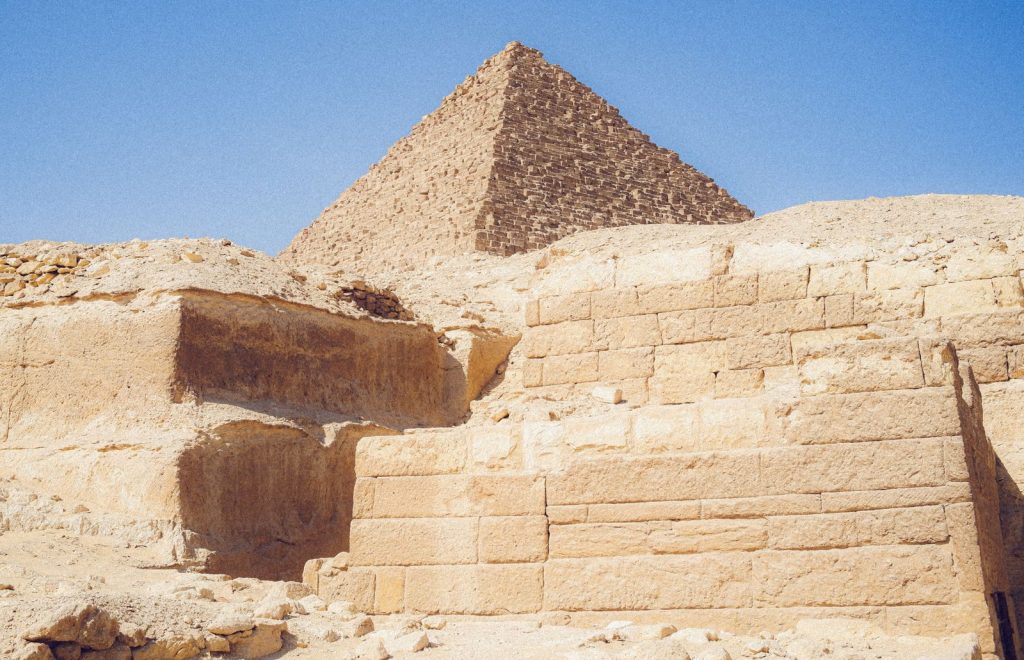
Massive black basalt blocks at Giza feature perfectly flat faces with razor-sharp corners. Modern builders struggle to cut this volcanic rock without heavy machinery. They were true masters. According to archaeological surveys, the surfaces are flat within a fraction of a millimeter. This extreme accuracy matches tolerances used in aerospace engineering. However, the mystery deepens when examining the actual tool marks left behind.
The Giant Saw Groove
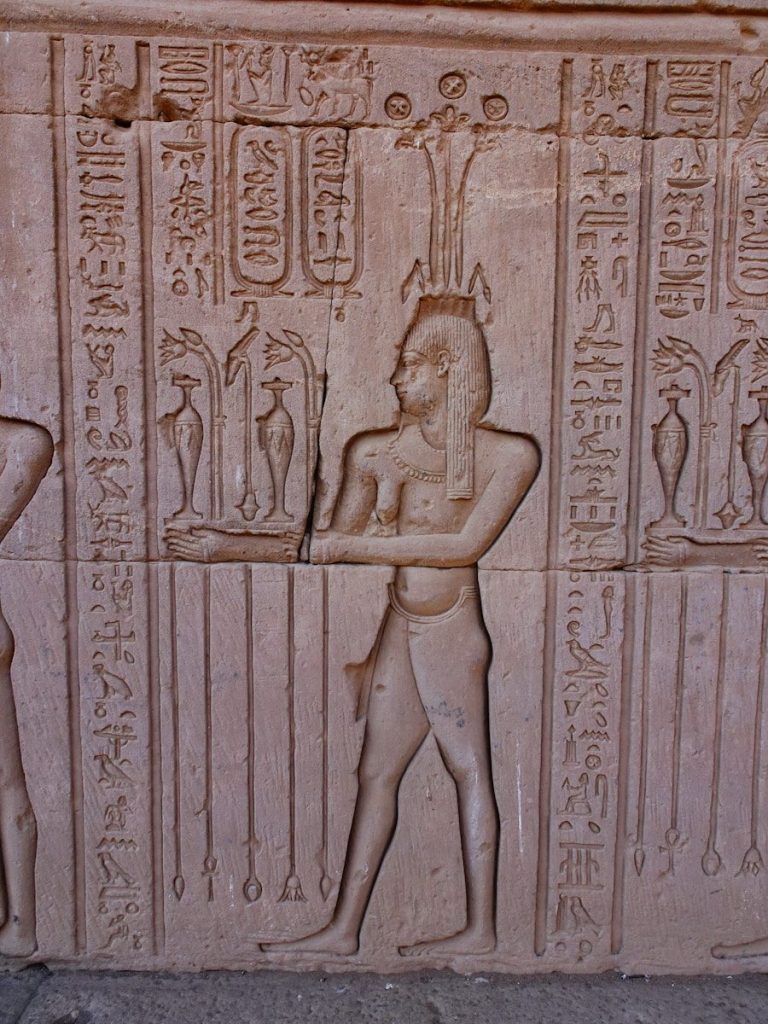
At several temple sites, researchers identified straight, continuous saw cuts stretching across giant stone blocks. The force required to make these incisions is staggering. They used immense power. According to materials scientists, copper saws alone would wear down instantly against hard granite. This physical reality hints at the use of advanced abrasive slurries or motorized blades. But the source of this ancient mechanical energy remains completely unknown.
The Sarcophagus Precision Puzzle
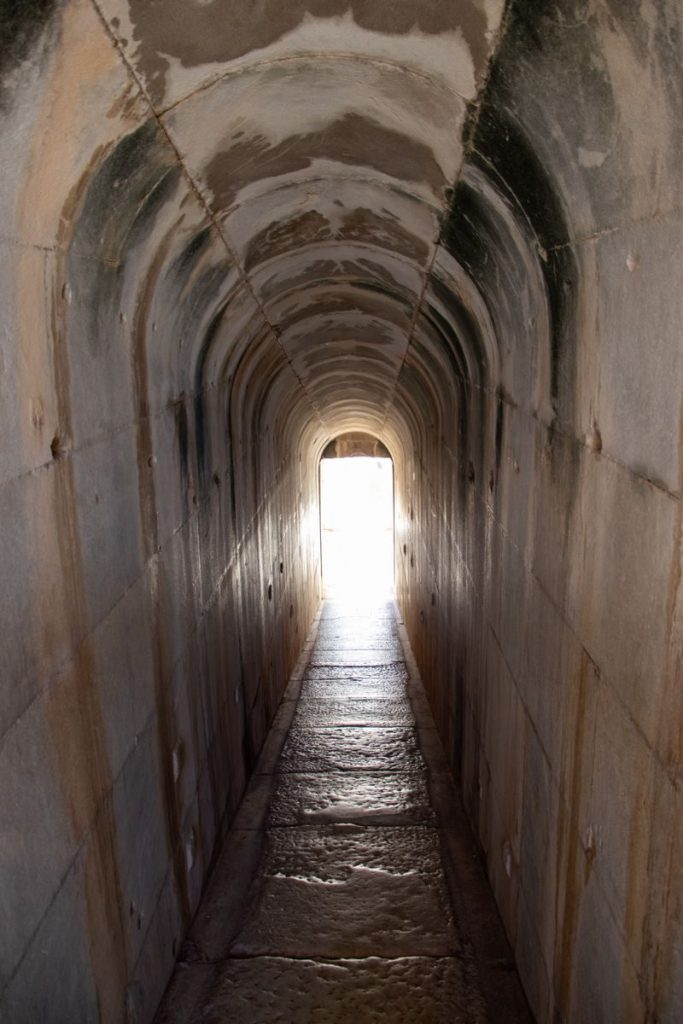
The massive stone chests inside the Serapeum of Saqqara weigh over seventy tons each. Their interior corners are cut with absolute geometric perfection. This is mind-blowing. According to geometric analyses, these boxes are made from hard diorite and black granite. The corners are so sharp that they defy simple manual scraping techniques. Yet these giant sarcophagi were placed deep underground in narrow tunnels.
The Hidden Lathe Work
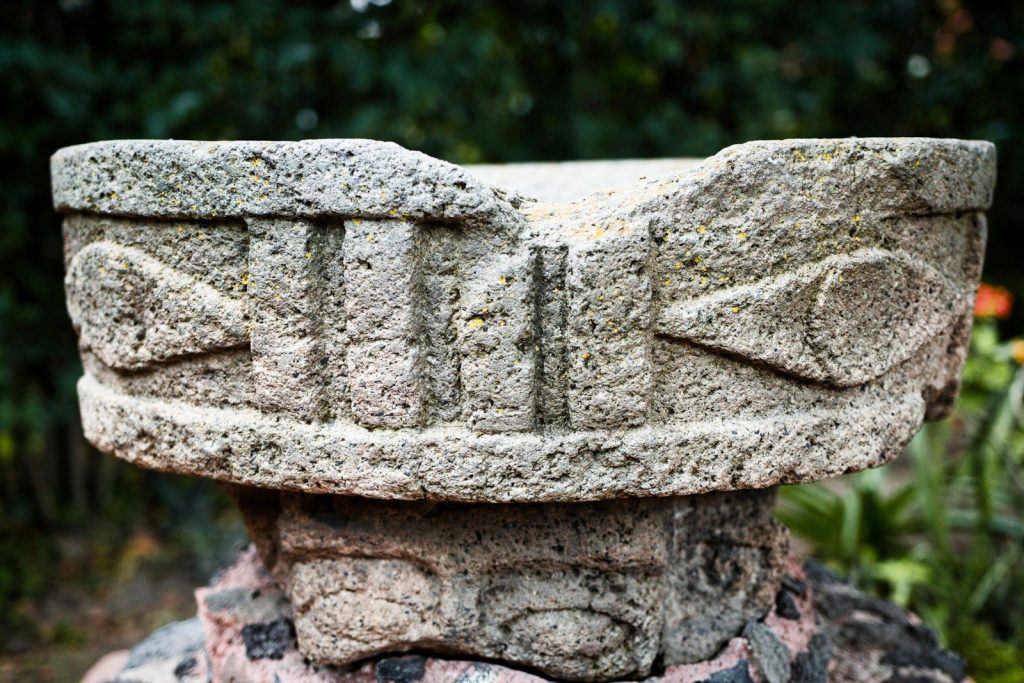
Ancient stone vessels found beneath the Step Pyramid show distinct circular grooves on their surfaces. These markings look identical to modern lathe-turned items. They are perfectly symmetrical. According to design historians, creating these delicate bowls requires high-speed rotational tools. This evidence suggests that ancient craftspeople possessed mechanical lathes capable of handling tough minerals. But standard history textbooks continue to ignore these mechanical anomalies.
Rethinking The Copper Age

Standard archaeological models state that Egyptians only had access to soft bronze and copper tools. This assumption is slowly crumbling under new physical evidence. The math does not work. According to experimental archaeologists, copper tools cannot make deep cuts in granite without wearing away instantly. This realization forces us to reconsider the technological limits of the ancient world. But the ultimate truth may lie buried beneath the sand.
An Unsolved Engineering Legacy
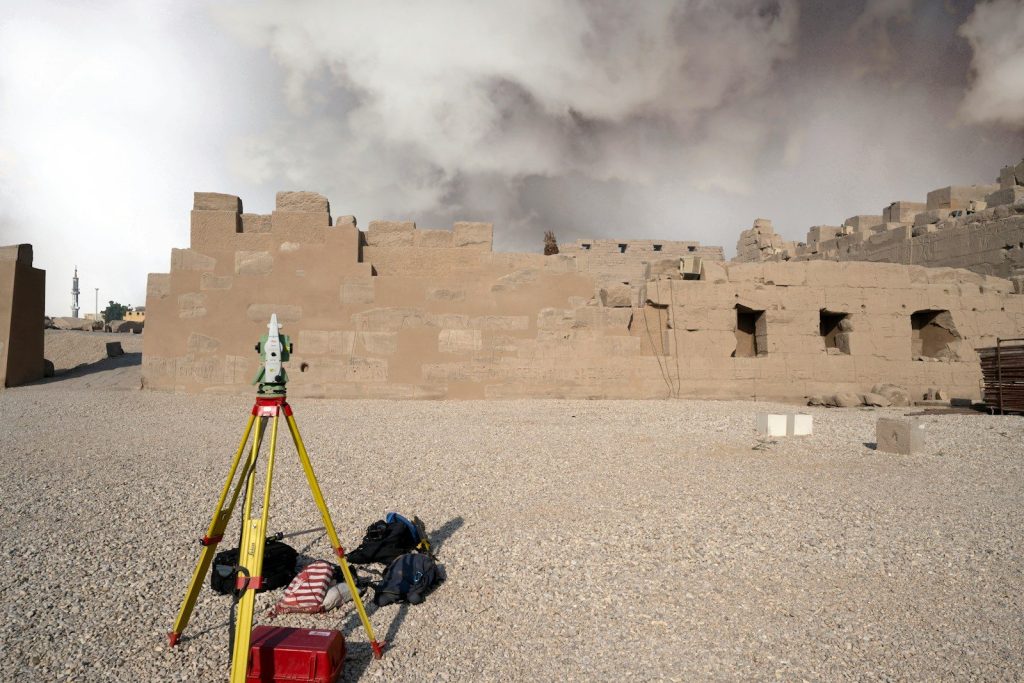
Analyzing these ancient stone cuts reveals a civilization with highly sophisticated engineering skills. Their creations challenge our understanding of prehistoric history. They achieved the impossible. According to modern research, the precision of Egyptian stonework represents a peak of human craftsmanship. This article is for informational purposes only and does not constitute scientific or professional historical advice.
Featured Image: Photo by Lisette Harzing on Unsplash
Leave a Reply