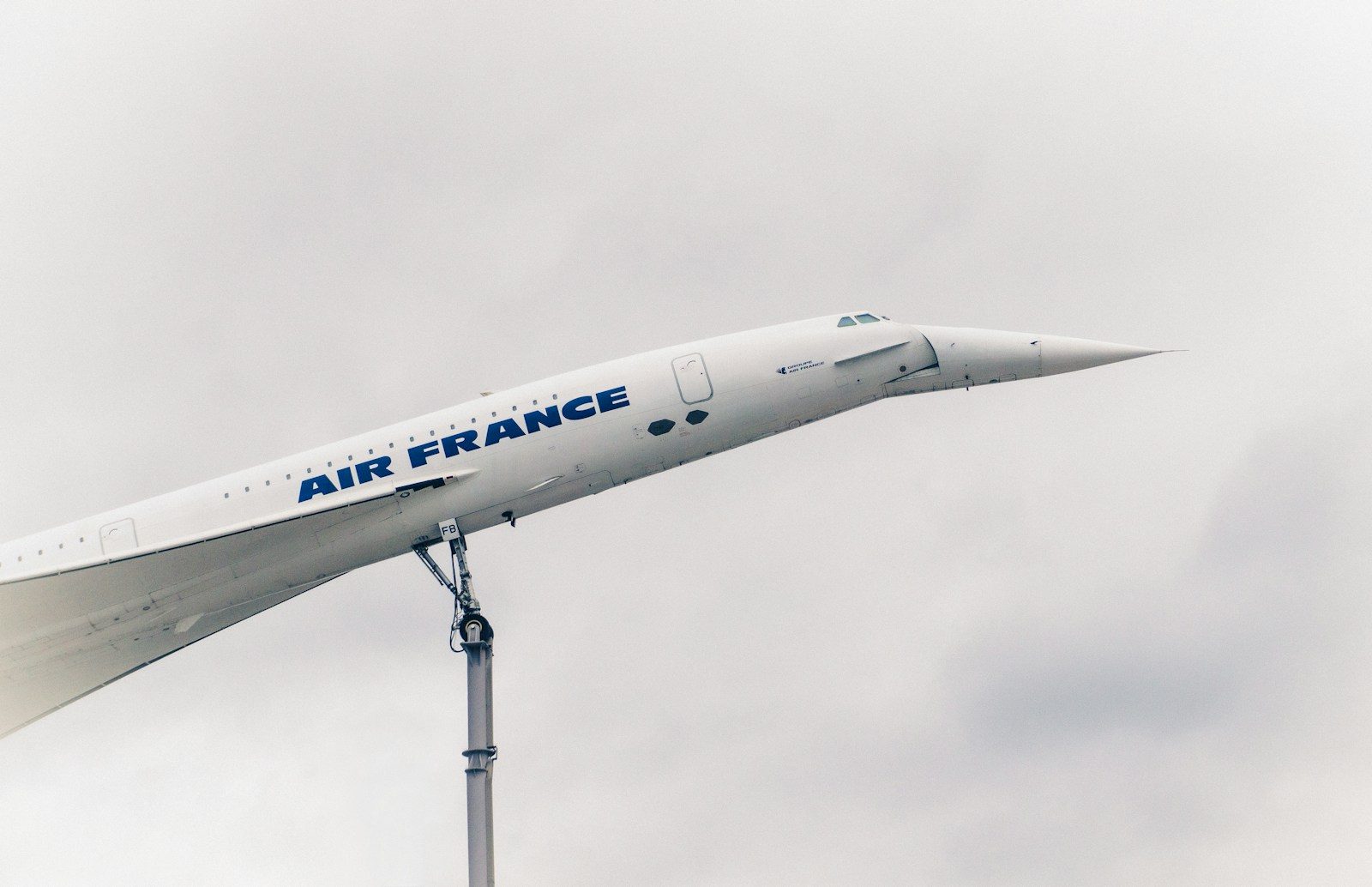
In 2003, the legendary Concorde made its final flight. It was the end of an era where humans could fly from London to New York in less than three and a half hours. We thought it was the beginning of a future where everyone would travel faster than the speed of sound. Instead, we went backward. Today, we fly at the same speeds we did in the 1960s. The dream of supersonic travel crashed because of high costs, noise complaints, and a single tragic accident. While several companies are trying to revive the technology, the engineering and economic walls are higher than ever.
The truth is that supersonic planes were a “luxury” that the world could no longer afford. They used twice as much fuel as a regular jet, but carried only a fraction of the passengers. When fuel prices skyrocketed, tickets became too expensive for even the wealthiest travelers. But it wasn’t just about money. The very physics of travelling faster than sound created a noise problem that the world refused to accept. The “sonic boom” was a loud crack that shook windows on the ground.
The noise that banned a jet
When a plane breaks the sound barrier, it creates a massive shockwave. This “sonic boom” can break glass and disturb thousands of people below. Because of this, the US and many other countries banned supersonic flight over land. This meant the Concorde could only fly fast over the ocean. It limited the routes the plane could take and destroyed its profitability. Without the ability to fly over land, the market for speed was cut in half. But the heat of the flight was another hidden danger.
Living in a flying blowtorch
Air friction at Mach 2 creates incredible heat. During a flight, the nose of a supersonic plane can reach temperatures over 250 degrees Fahrenheit. This causes the metal skin of the plane to expand and contract significantly. After every flight, the Concorde had to be inspected for tiny cracks caused by this “thermal cycling.” This made maintenance incredibly expensive and time-consuming. Regular jets don’t have this problem, making them much cheaper to run. But wait until you see the fuel bill for one flight.
Guzzling gas at a terrifying rate

Supersonic engines are incredibly thirsty. To push a plane through the “wall” of air resistance, you need massive amounts of thrust. The Concorde burned about 6,700 gallons of fuel per hour. In today’s economy, a ticket would have to cost over $20,000 just to break even. Airlines realized they could make much more money by flying more people slowly in “efficient” planes. We traded time for profit. But there was one final incident that sealed the fate of the fast jet.
The tragedy that broke the trust
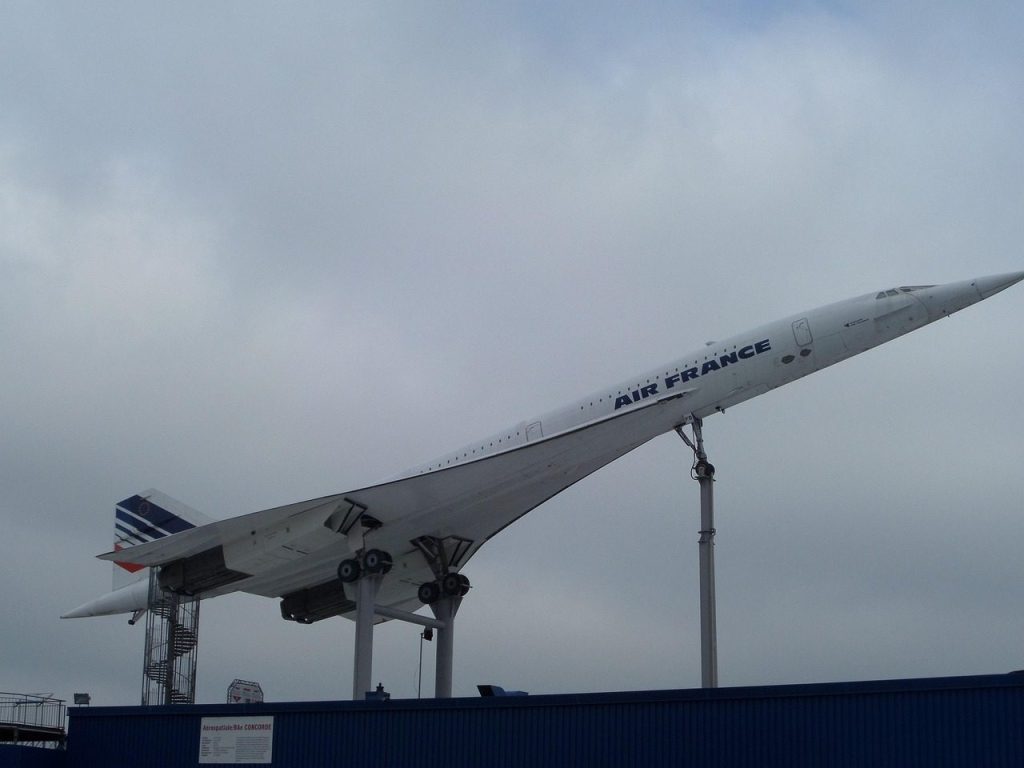
In the year 2000, an Air France Concorde crashed shortly after takeoff. It was the first and only fatal accident in the plane’s history, but it was enough to shatter public confidence. People realized that at supersonic speeds, there is very little room for error. The cost of upgrading the remaining planes to be “safer” was too high for the airlines to justify. The trust was gone, and the fleet was retired three years later. But can modern tech fix these old problems?
The struggle to silence the boom
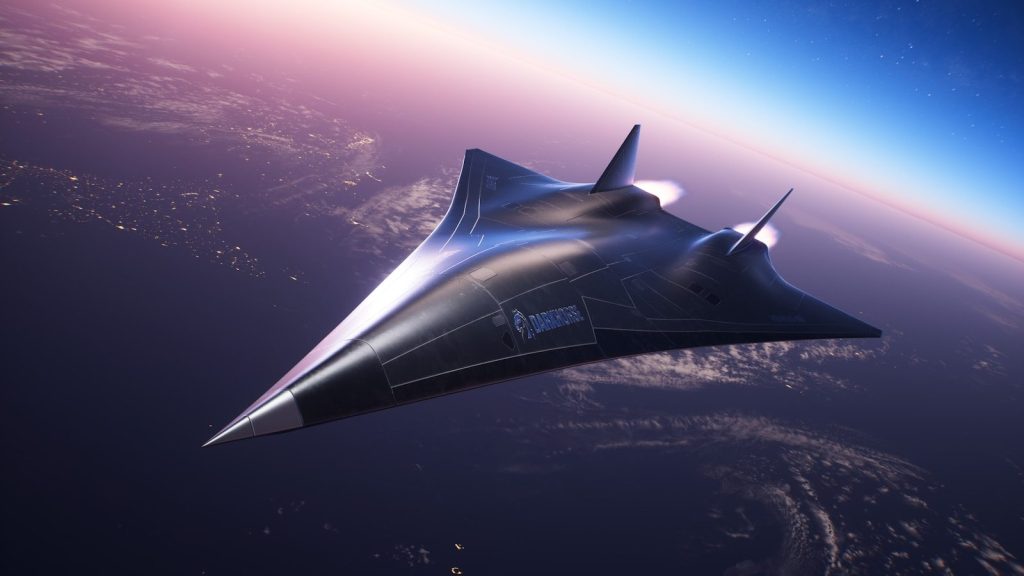
NASA is currently testing a new plane called the X-59. It is designed to turn the “sonic boom” into a “sonic thump” that people on the ground won’t notice. Engineers are using complex shapes to spread out the shockwaves. If they succeed, the ban on flying over land might be lifted. However, even with a quiet boom, the plane still has to deal with the same massive fuel costs and maintenance issues of the past. It is an engineering masterpiece that might never find a buyer. But the real competition isn’t in the air.
The rise of the digital meeting

In the 1970s, you had to fly to New York to sign a contract. Today, you can do it on Zoom. The “need for speed” has been replaced by the “need for connection.” Most business travelers would rather save $15,000 and stay home for a video call. The market for supersonic travel has shrunk to almost zero. We are no longer chasing the sound barrier; we are chasing better bandwidth. But there is one final reason why these planes aren’t coming back soon.
The environmental price of speed
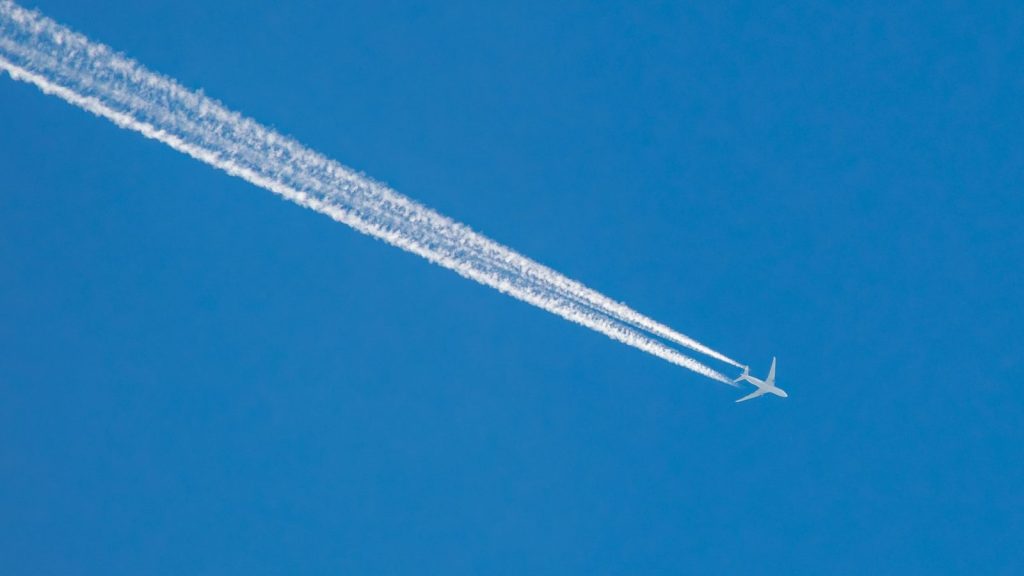
Supersonic planes release their emissions much higher in the atmosphere than regular jets. This causes more damage to the ozone layer and contributes faster to climate change. In a world that is trying to reach “Net Zero,” a plane that burns twice as much fuel is an environmental villain. No airline wants to be seen as the “polluter” of the sky. The dream of speed has been grounded by the reality of our planet. But are you ready for the “glitch” that could plunge the entire US into darkness?
Featured Image: Photo by Sindy Süßengut on Unsplash
Leave a Reply