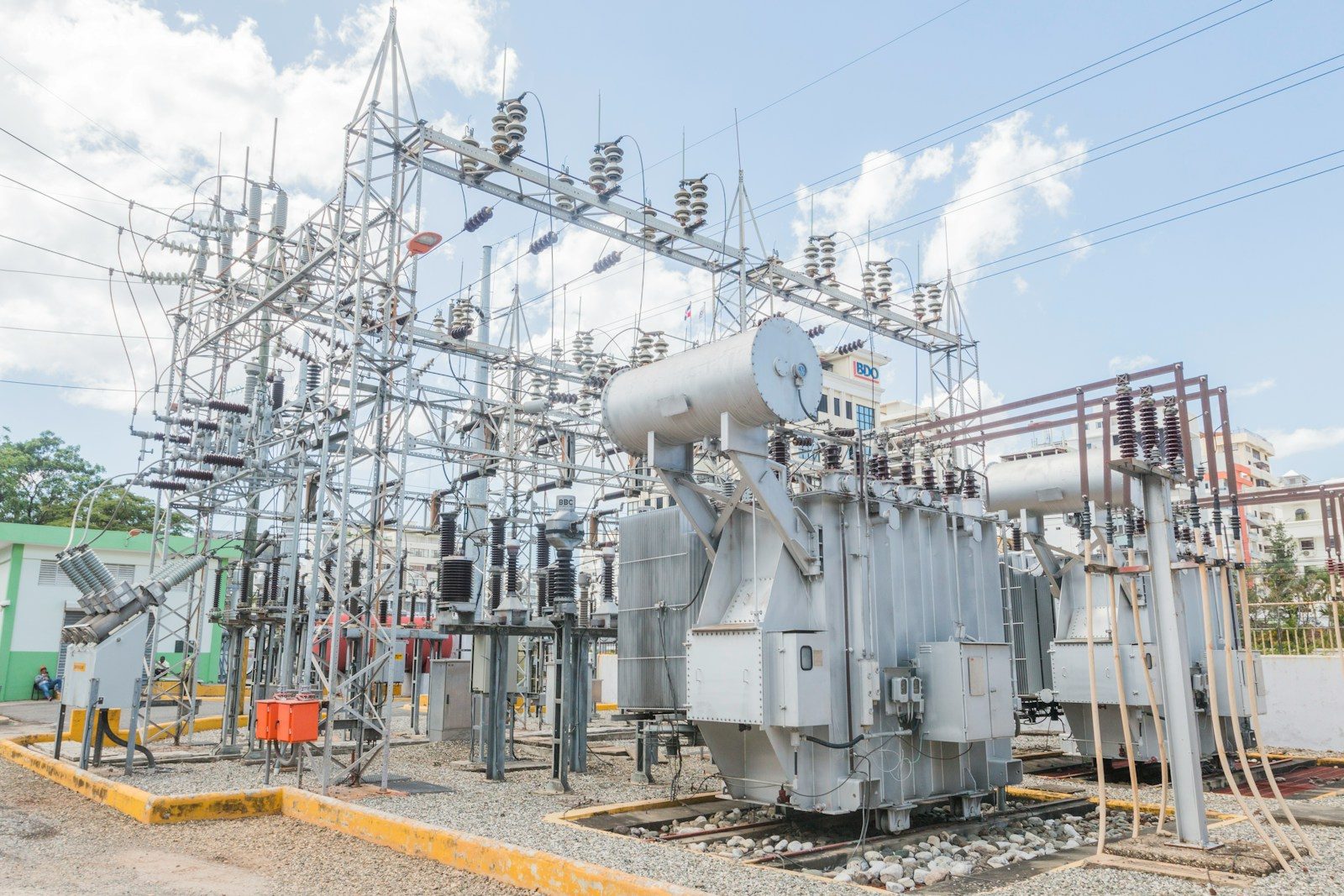
Most of us take power for granted. We turn a switch and the lights come on. Still under our feet and over our heads, the US power grid is a fragile, aging machine that is struggling to keep up. It was designed a decade ago for a world that used much less power. Today, it is pushed to its absolute limit by electric cars, data centers and extreme weather. Experts are warning that the grid is now so interconnected that a single failure in one state can trigger a “cascade” that shuts down half the country. We live on the edge of a total national blackout that could last for weeks.
The grid is actually three separate networks that talk to each other. When one area gets overwhelmed, it “borrows” power from another. But if that area is also stressed, the whole system can trip like a circuit breaker in your house. The problem is that we don’t have enough “backups” to handle a major shock. From cyber attacks to solar flares, the threats are growing every day. But the most dangerous part of the grid is something you can see from your car window.
The 50-year-old transformer problem
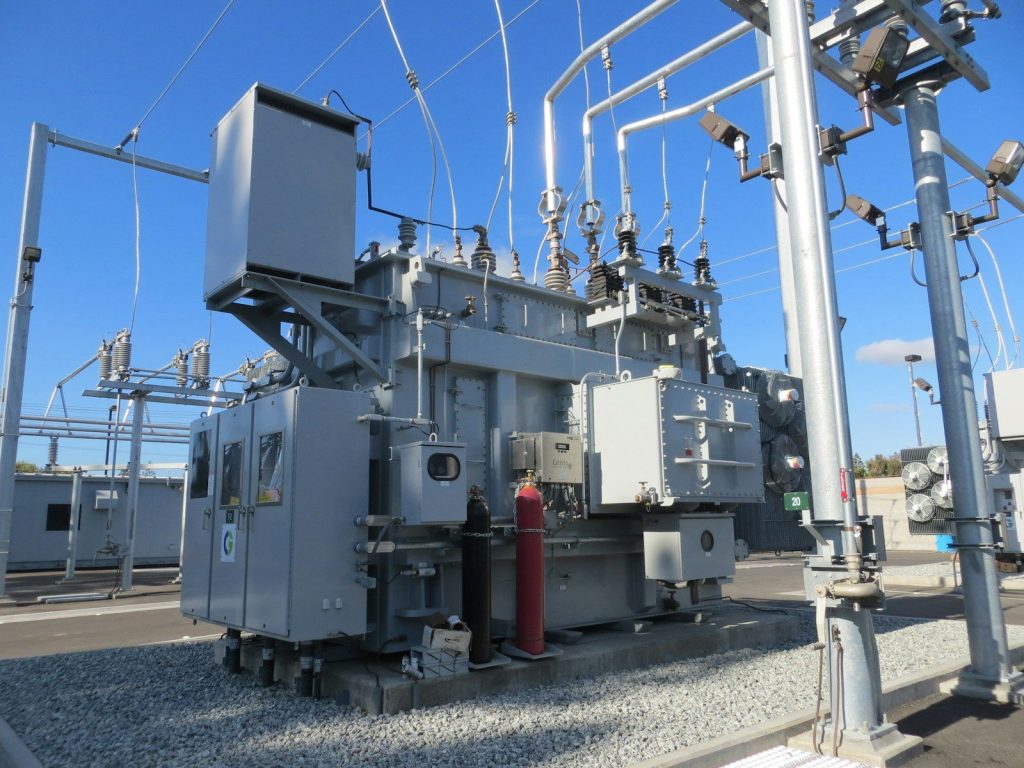
The average age of a large power transformer in the US is over 40 years. These are the giant metal boxes that move electricity from power plants to your neighborhood. They are the “heart” of the grid, and many of them are past their expiration date. If one fails, it can take months to replace because they are not made in the US anymore. There is a massive backlog for new parts. If a major storm hits and destroys dozens of these at once, some cities might stay dark for a long time. But nature is not the only enemy.
The rising threat of cyber warfare
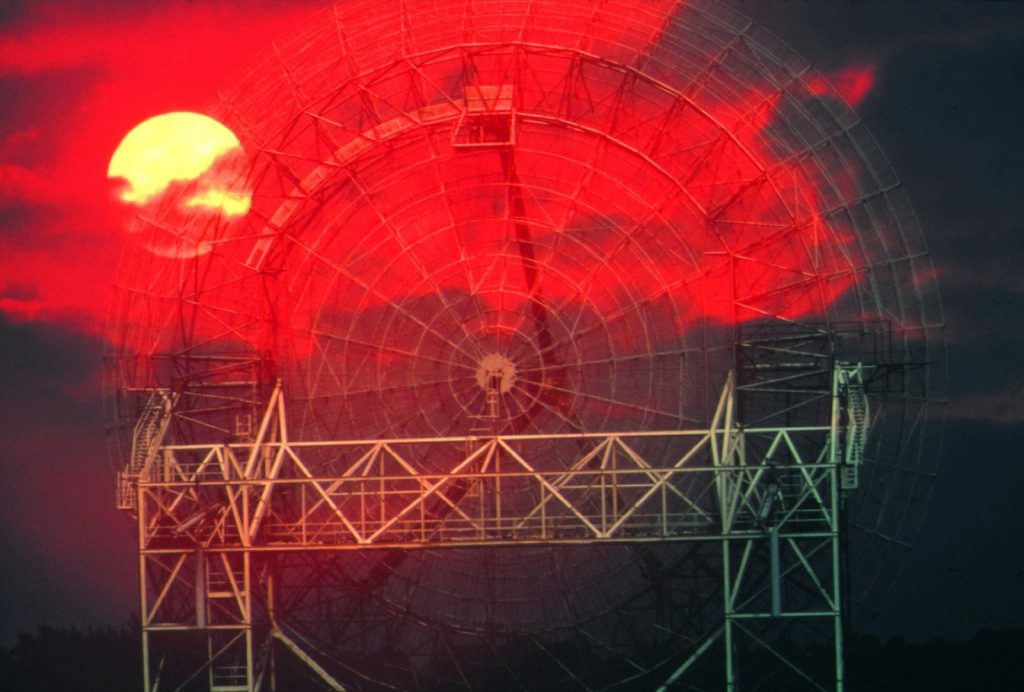
Every part of the power grid is now connected to the internet. While this makes it easier to manage, it also makes it a target for hackers. Hostile nations are constantly probing the grid for “glitches” they can exploit. A well-placed piece of malware could shut down power to a major city in seconds. This isn’t science fiction; it has already happened in other countries. The US is in a constant “digital war” to keep the lights on. But sometimes, the threat comes from the sun itself.
The invisible fire of a solar flare
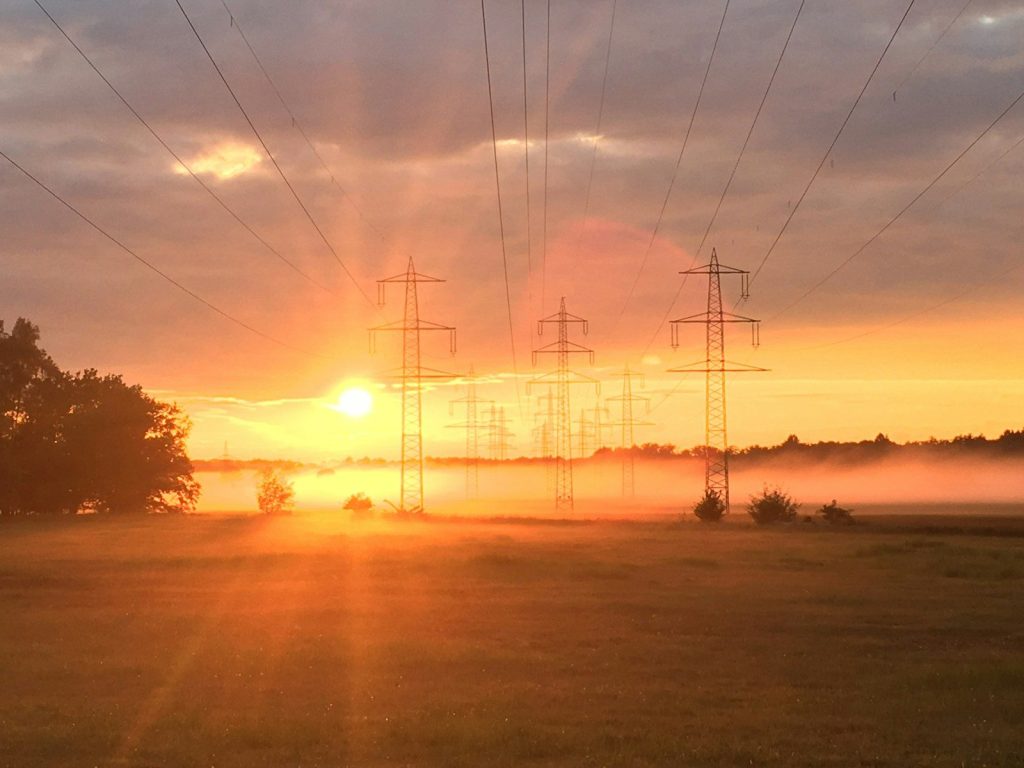
Every few decades, the sun releases a massive burst of energy called a “Coronal Mass Ejection.” If this hits Earth, it creates a magnetic storm that can fry long-distance power lines. In 1859, a solar storm was so strong that it made telegraph wires catch fire. If a similar storm hit today, it could destroy the entire US power grid in minutes. We have very few defenses against a “space weather” event of this scale. It is a biological certainty that another one is coming. But our own weather is already doing damage.
Extreme heat is melting the wires.
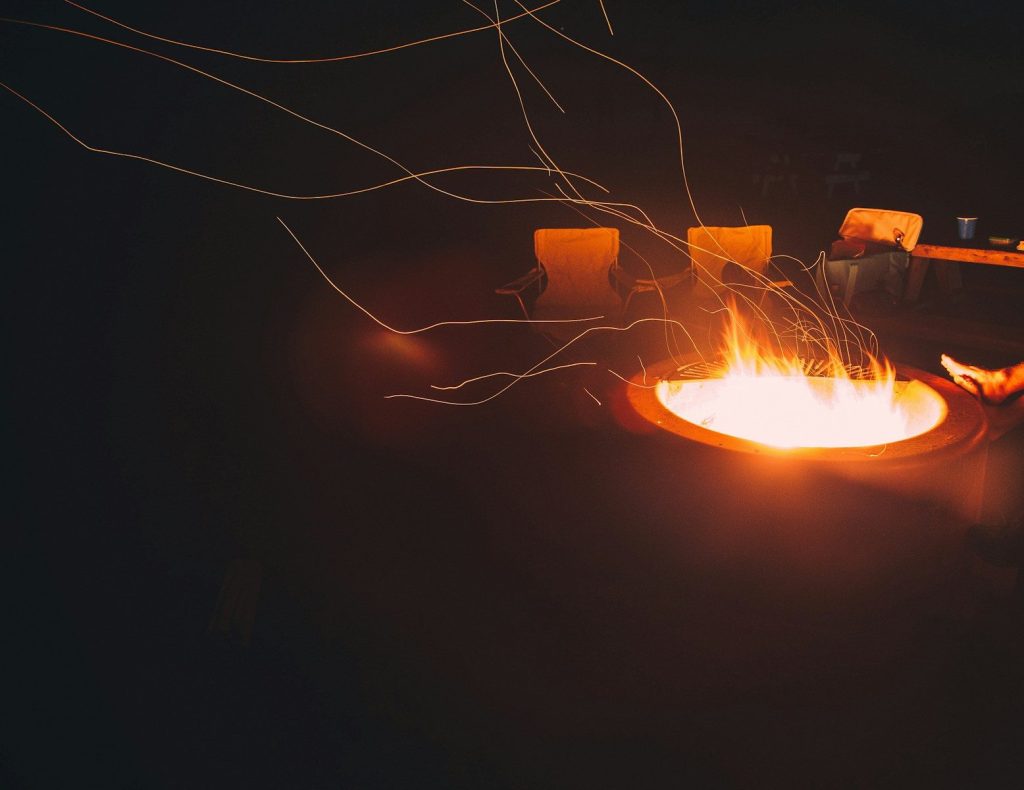
Power lines are made of metal, and metal expands when it gets hot. During a record-breaking heat wave, power lines can sag so low that they touch trees and cause a short circuit. At the same time, everyone turns on their air conditioning, which pulls a massive amount of power. This “double stress” is what causes rolling blackouts in places like California and Texas. The grid is literally melting under the pressure of a warming planet. But why can’t we just build more power lines?
The legal wall against new power
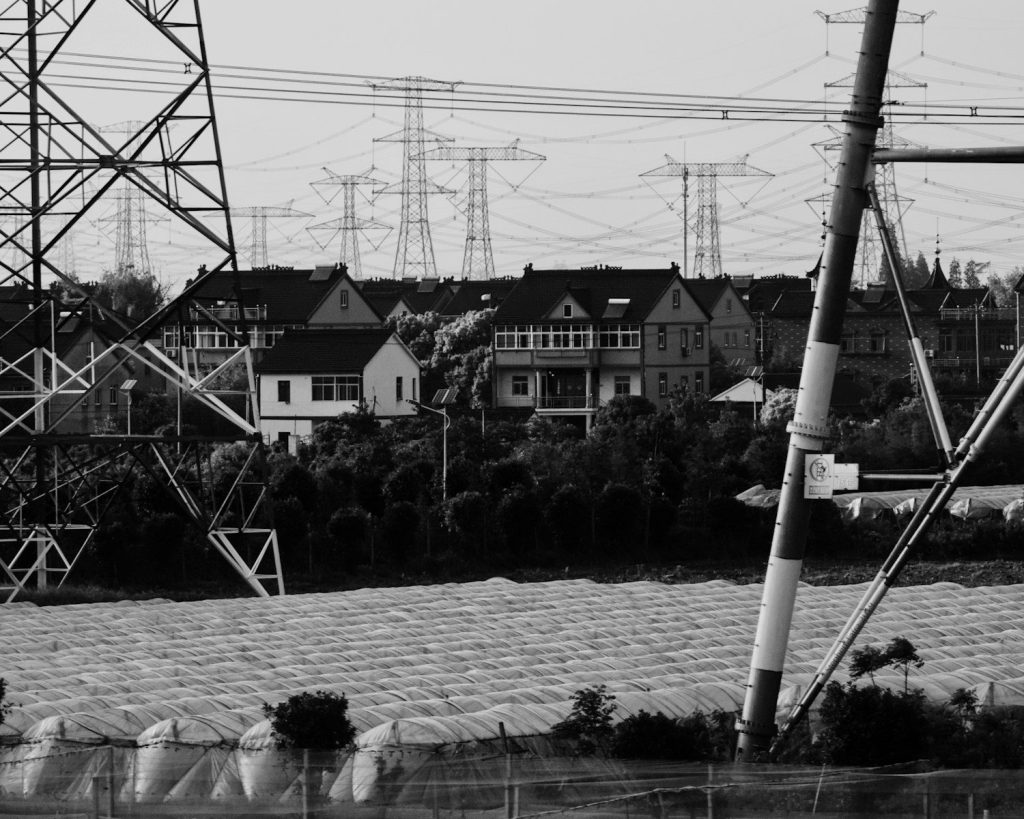
To fix the grid, we need to build thousands of miles of new high-voltage lines. But nobody wants a giant power tower in their backyard. It can take 10 to 15 years to get the permits to build a single line across state borders. By the time the line is finished, the technology is already old. The “red tape” is preventing the engineering we need to survive. We are stuck with a 20th-century grid in a 21st-century world. But there is a new “glitch” coming from our garages.
The electric car charging bottleneck
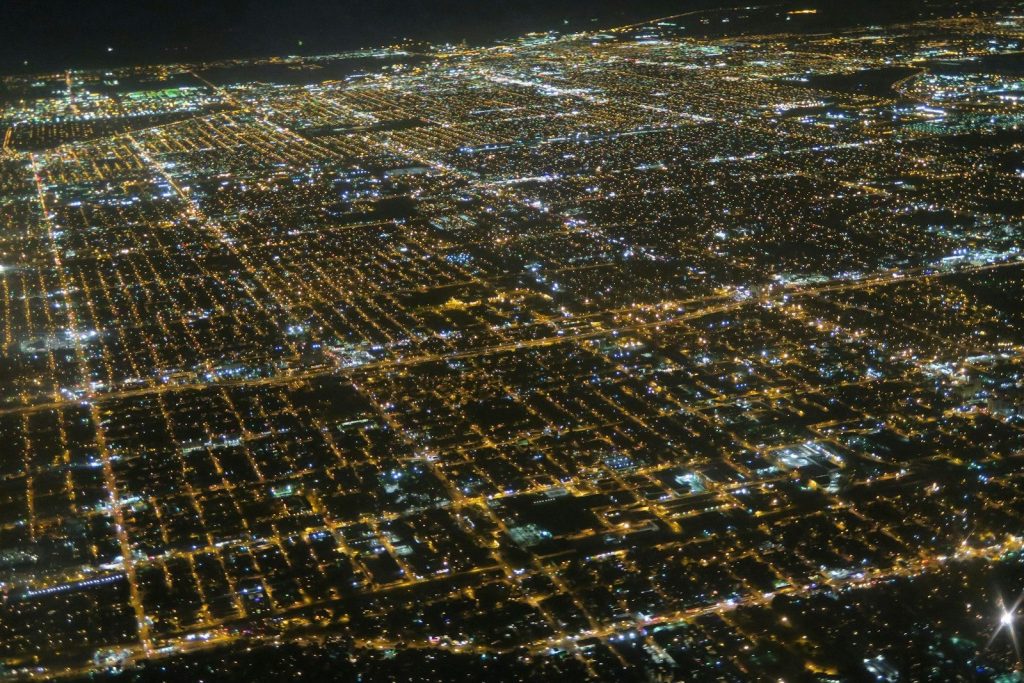
Millions of people are switching to electric vehicles. This is great for the air, but it is a massive challenge for the grid. When everyone comes home at 6:00 PM and plugs in their car, the power demand spikes. Neighborhood transformers are not designed to handle that much load all at once. If we don’t upgrade our local wires, we will start seeing “neighborhood blackouts” every single evening. It is a manufacturing flaw in our urban planning. But there is one way to stay safe when the grid fails.
The rise of the microgrid backup
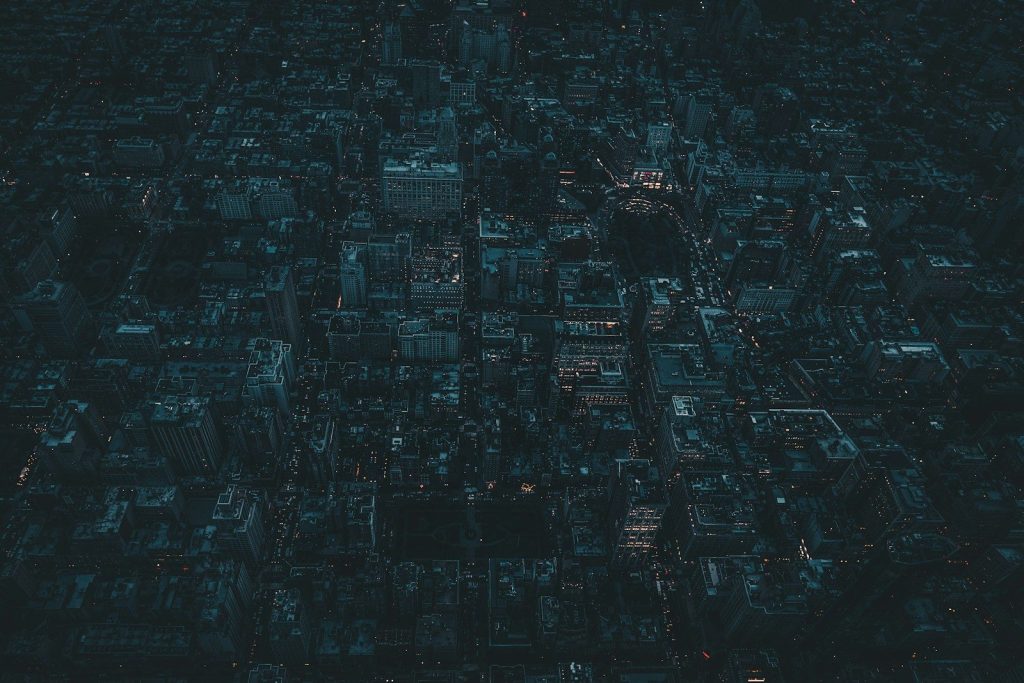
Smart communities are now building their own “micro-grids.” These are small power networks that can disconnect from the main grid during a failure. Using solar panels and giant batteries, a neighborhood can keep its own lights on even when the rest of the state is dark. It is the only way to protect ourselves from a total national blackout. We are moving toward a future where everyone has to be their own power company. But wait until you see the manufacturing flaw that is killing the electric car.
The final countdown to a total blackout
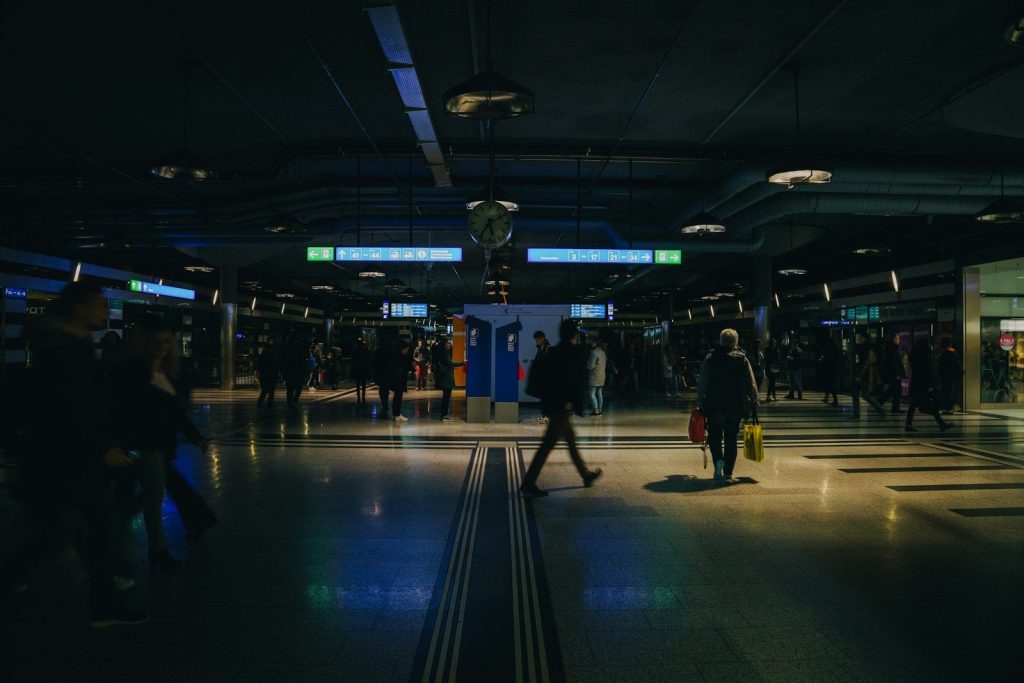
The clock ticks for the US power grid. We are dependent on a system that is held together by “duct tape and prayers”. Without a massive national investment, a major blackout is not a matter of “if”, but “when”. We have the engineering to fix it, but we run out of time. Every “glitch” is a warning that we need to listen to before the screen goes dark for good. Are you ready for a world without light switch?
Featured Image: Photo by Aldward Castillo on Unsplash
Leave a Reply