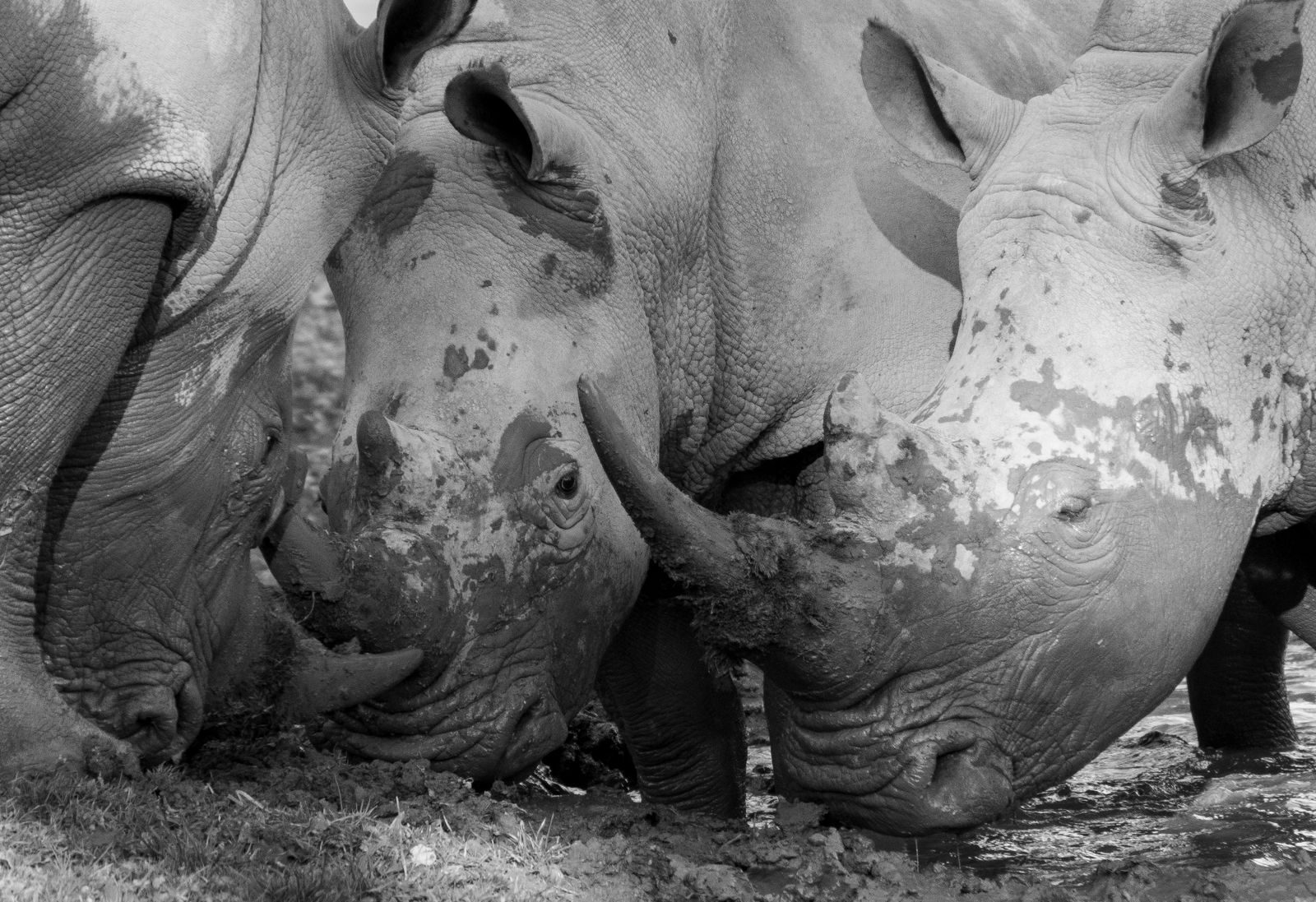
The claim that roughly one in four species faces extinction risk has a serious scientific basis, but it needs context. A landmark global assessment by IPBES concluded that an average of around 25% of species in the animal and plant groups it assessed were threatened with extinction. From broader evidence, the assessment estimated that around one million animal and plant species could face extinction, many within decades, unless the pressures driving biodiversity loss are reduced.
The biodiversity crisis has not disappeared since that assessment. Current IUCN information shows more than 175,000 species have now received Red List assessments and roughly 49,500 are classified as threatened. But scientists are careful with these numbers because humanity has described far more species than it has comprehensively assessed. “One in four” is therefore a warning grounded in studied groups, not a literal census proving that exactly 25% of every species on Earth is endangered.
Where One in Four Comes From

The widely repeated figure traces largely to the 2019 IPBES Global Assessment. Scientists reviewed evidence across major animal and plant groups and found that about 25% of species in the groups sufficiently studied were threatened with extinction. IPBES then used available evidence to estimate that roughly one million species could be threatened globally. The important wording is “assessed” or “studied” groups. Scientists were not claiming to have individually examined every insect, fungus, microscopic organism and undiscovered species on the planet.
It Is Not Exactly 25% of Everything

Earth’s biodiversity is too vast and incompletely documented for scientists to assign a verified extinction category to every species. The IUCN itself highlights the gap between the number of described species and those that have been formally assessed. Some groups, including birds and mammals, are much more thoroughly studied than many insects, fungi and other organisms. For that reason, biodiversity statistics should be read as scientifically constructed estimates and assessments, not as a precise head count of every living species currently at risk.
The Red List Shows the Scale

The IUCN Red List is one of the world’s most important systems for evaluating extinction risk. By mid-2026, it contained assessments for more than 175,000 species, with about 49,500 classified as threatened with extinction. IUCN reports that roughly 28% of species it has assessed are considered at risk. That percentage should still not be automatically applied to all life on Earth because the Red List is not a random sample of every species. Even so, the numbers reveal a very large conservation challenge.
Freshwater Species Are in Trouble
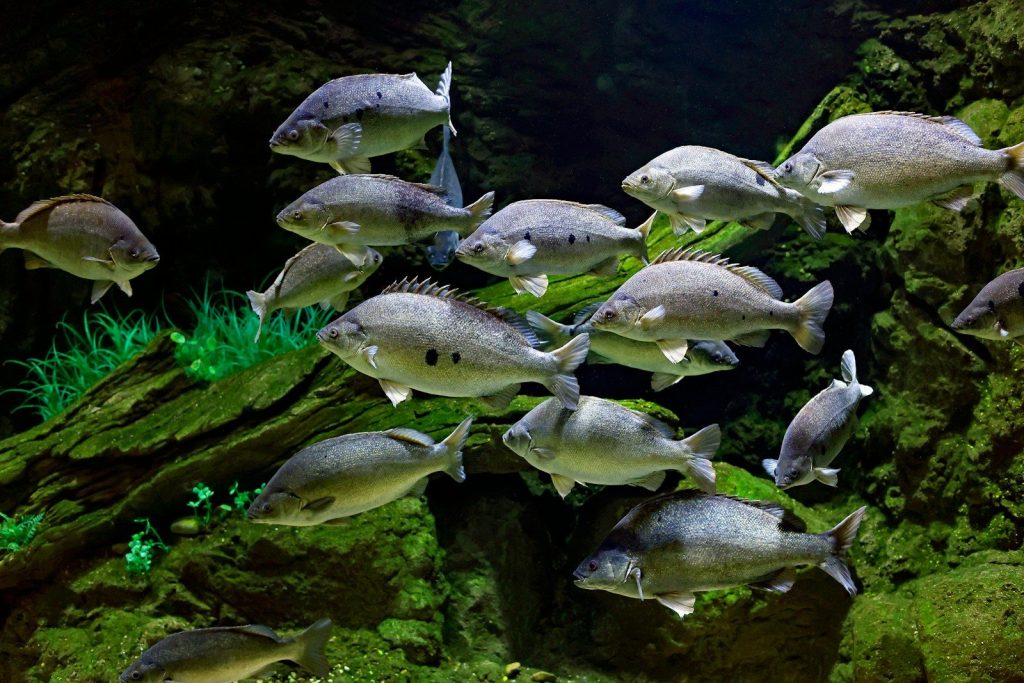
A major global assessment published in Nature examined 23,496 freshwater fishes, dragonflies, damselflies, crabs, crayfishes and shrimps. Researchers found that roughly 24% of the assessed freshwater species were at high risk of extinction. Major pressures included pollution, dams and water extraction, agriculture, invasive species and overharvesting. Freshwater habitats cover only a small proportion of Earth’s surface yet support remarkable biodiversity, making losses in rivers, lakes and wetlands particularly significant for both ecosystems and the communities that depend on them.
Amphibians and Trees Face Major Risks
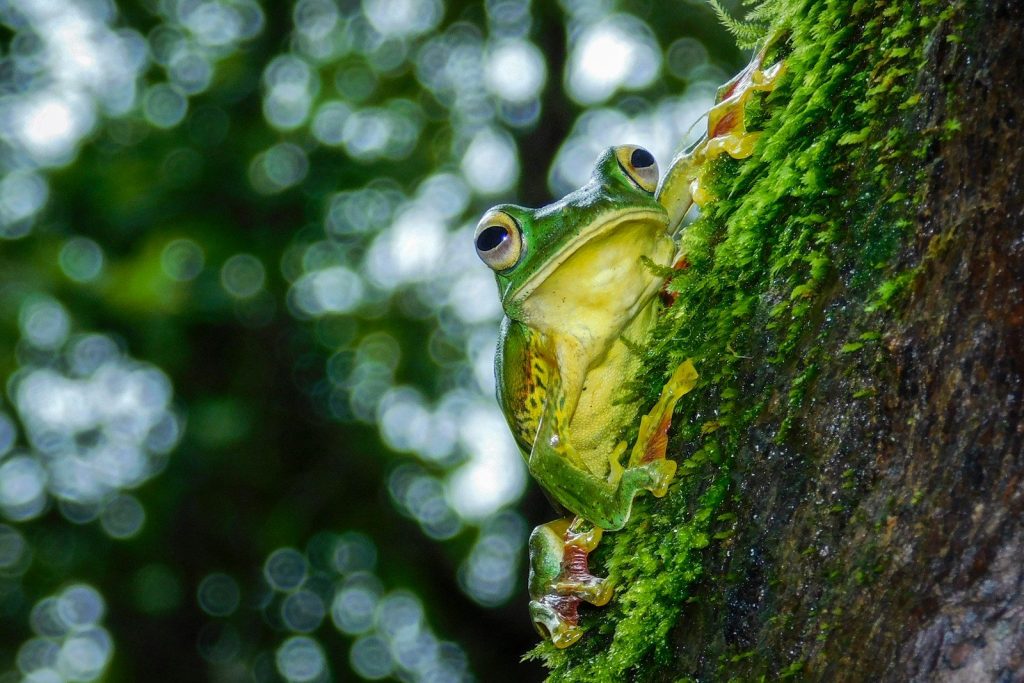
Extinction risk is not evenly distributed across groups. IUCN reports that roughly two in five amphibian species are threatened, placing amphibians among the most threatened vertebrates. A global assessment of trees published through the IUCN Red List found that 38% of the world’s assessed tree species face extinction risk. These findings help explain why a single global percentage can hide enormous variation. Some groups are coping relatively better, while others face exceptionally intense pressure from habitat loss, disease, exploitation, climate shifts and other threats.
Habitat Change Remains a Major Driver
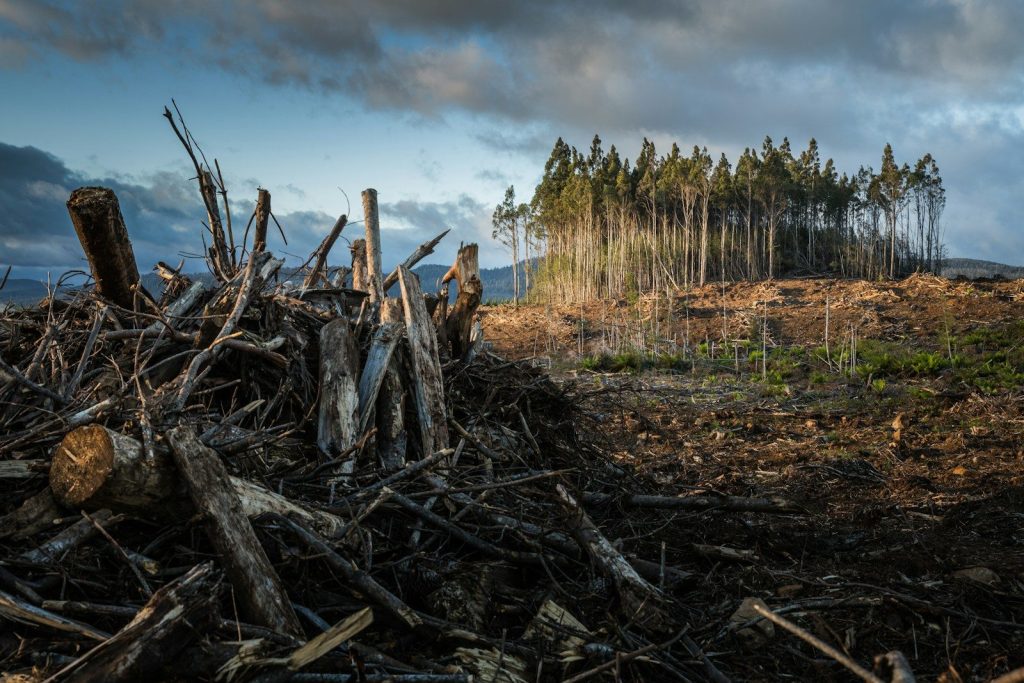
IPBES identified changes in land and sea use as the largest direct driver of biodiversity decline globally on land and in freshwater, while direct exploitation has had the greatest relative impact in marine systems. Agricultural expansion, infrastructure development, logging, fishing and other forms of resource use can transform or fragment the habitats species need. Biodiversity decline therefore cannot be explained by one cause. Different ecosystems face different combinations of pressure, and those pressures can reinforce one another as landscapes and oceans become increasingly altered.
Climate Change Adds More Pressure
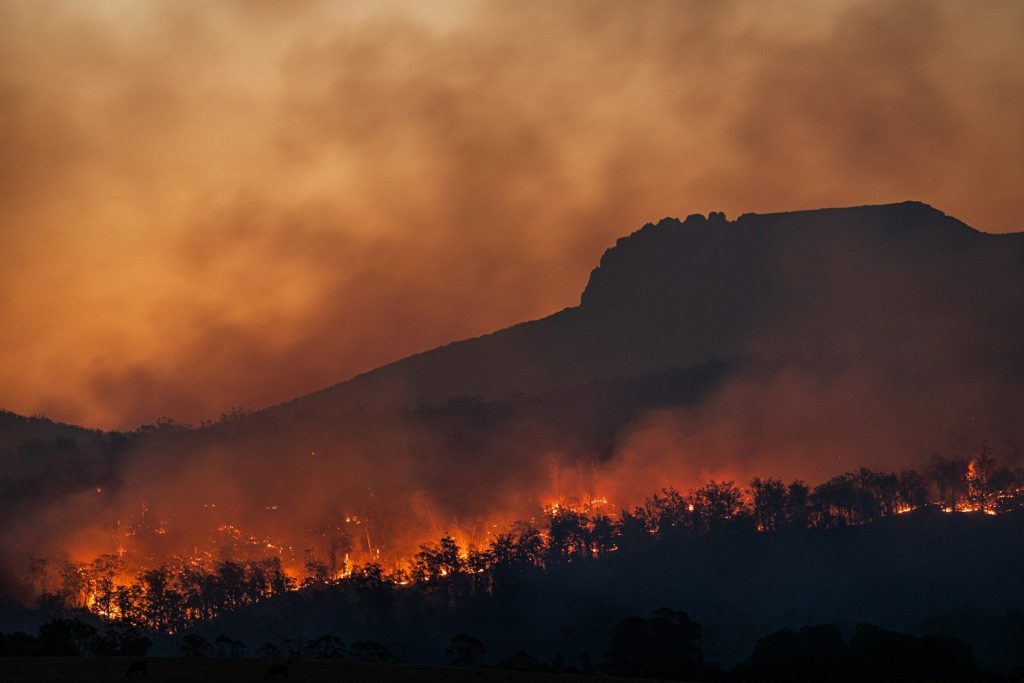
Climate change is one of five major direct drivers identified by IPBES, alongside land and sea-use change, direct exploitation, pollution and invasive alien species. Its importance is increasing because warming, changing rainfall, extreme events and shifting ocean conditions can alter where species can survive and reproduce. Climate change can also intensify existing problems rather than acting alone. A species already restricted by habitat destruction, for example, may have fewer places to move as temperatures change, creating multiple pressures at the same time.
Conservation Can Still Change Outcomes
The biodiversity crisis is severe, but extinction is not inevitable for every threatened species. IUCN reports that sustained conservation has helped some species begin to recover, while projects around the world are restoring habitats and protecting threatened populations. It has also cited research suggesting bird and mammal extinction rates would have been substantially higher during recent decades without conservation action. The scientific message is therefore not simply that nature is disappearing. It is that the scale and speed of human action can materially influence what survives.
Featured Image: Photo by David Atkins on Pexels
Leave a Reply