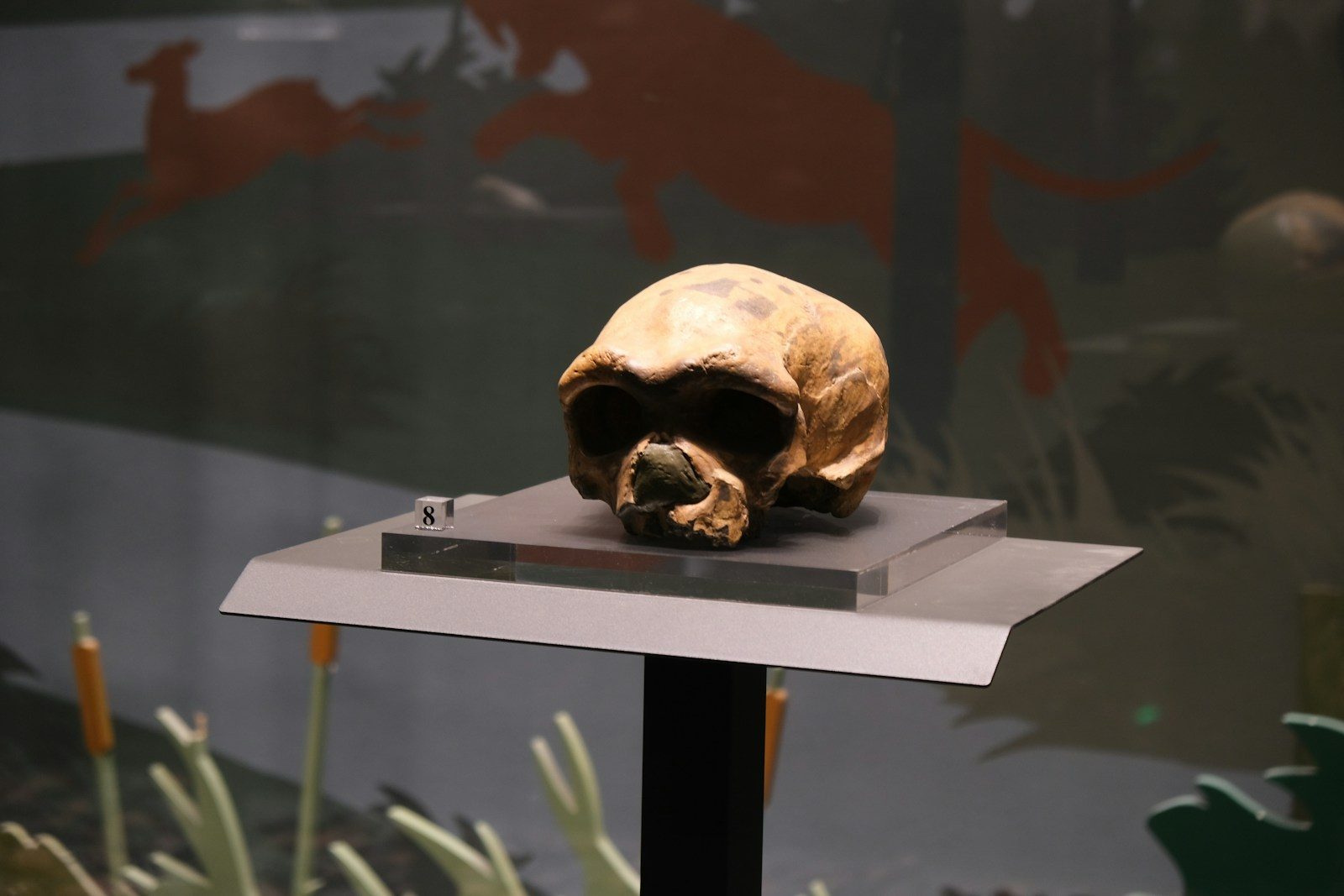
For generations, European scientists believed early humans originated strictly outside the African continent. Mainstream scholars routinely dismissed alternative theories regarding our ancient evolutionary origins.
But a single limestone fossil uncovered in South Africa shattered that academic consensus forever. The surprising find forced experts to completely rewrite the timeline of human evolution.
Taung Child Skull Discovered in South Africa
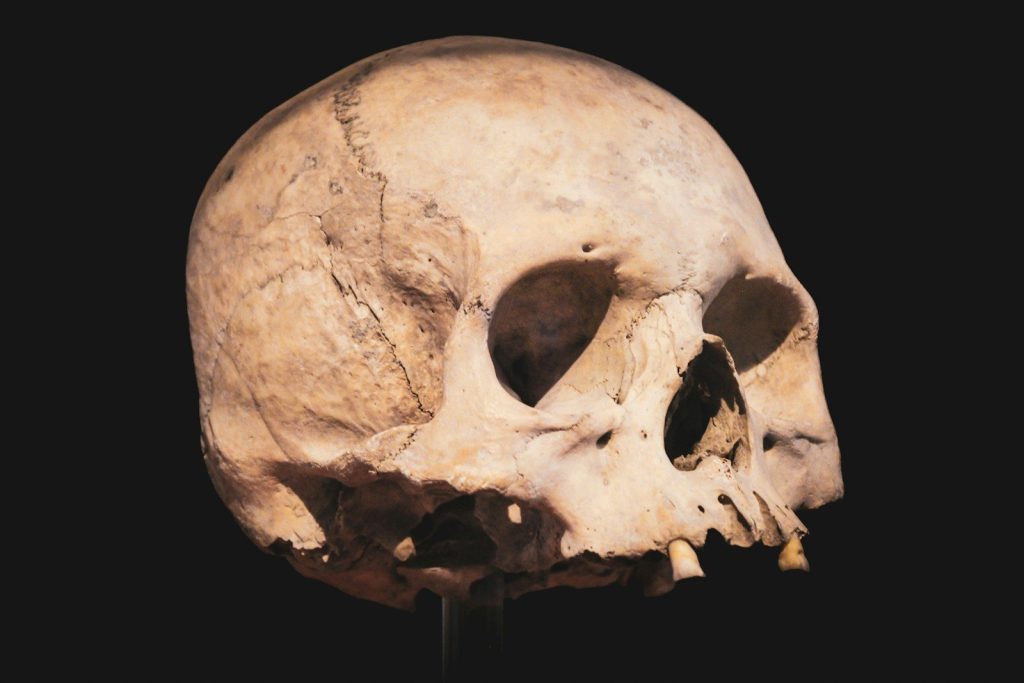
In December 1924, workers at a limestone quarry unearthed a fossilized juvenile skull. According to historical records from the University of the Witwatersrand, the specimen reached anatomist Raymond Dart. Dart recognized human traits instantly. The braincase was remarkably intact. But proving his breakthrough to the global scientific establishment would trigger a long debate.
Raymond Dart Identified Australopithecus africanus
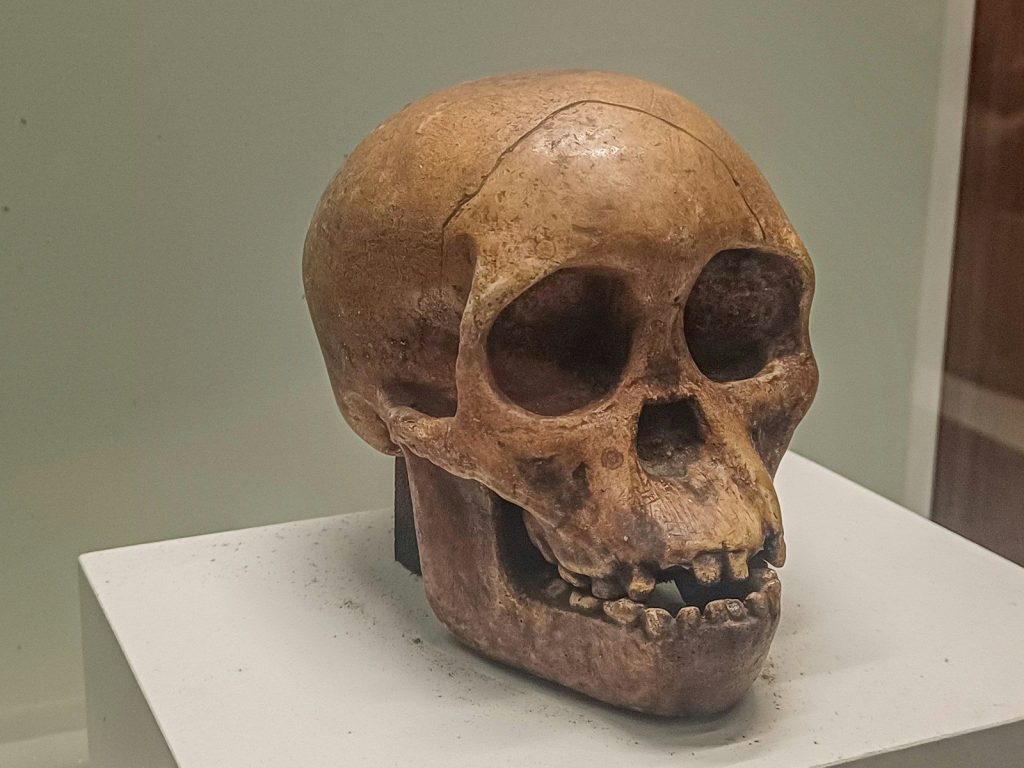
As Dart carefully cleared away the surrounding stone, the delicate face of an ancient child emerged. According to Dart’s paper in Nature, the fossil belonged to an early human ancestor who lived millions of years ago. The specimen was named Australopithecus africanus. Preservation was exceptional. Yet established European authorities quickly dismissed the discovery as an error.
Scientists Initially Rejected the Taung Child Fossil

Leading anthropologists initially rejected Dart’s conclusions about African evolutionary origins. According to historical accounts from the British Association, elite scholars insisted human intelligence evolved first in Europe or Asia. Academic resistance was high. They claimed the skull belonged to an ordinary ape. However, Dart refused to abandon his evidence.
Skull Anatomy Showed the Taung Child Walked Upright

Dart examined the opening where the spinal cord entered the base of the skull. According to physical anthropology analyses, the forward position proved this creature walked upright on two legs. Bipedalism came first. Walking upright predated major brain expansion. But mainstream experts continued ignoring the physical evidence for decades.
More African Fossils Supported Dart’s Theory

Decades later, additional excavations across Southern and Eastern Africa revealed similar ancient fossils. According to research documented by National Geographic, paleontologists unearthing matching hominin remains confirmed Dart’s original thesis. The evidence became indisputable. Africa was the genuine birthplace. Yet one crucial question remained regarding the fate of the Taung Child itself.
Eagle Talon Marks Revealed How the Taung Child Died

Researchers later reexamined delicate puncture marks on the child fossil’s eye sockets. According to studies published in the Journal of Human Evolution, the damage matched the talons of a large prehistoric eagle. A bird snatched it. The discovery revealed the tragic end of the young hominin. But this ancient event helped unlock our greatest historical breakthrough.
The Taung Child Changed Human Evolution Research
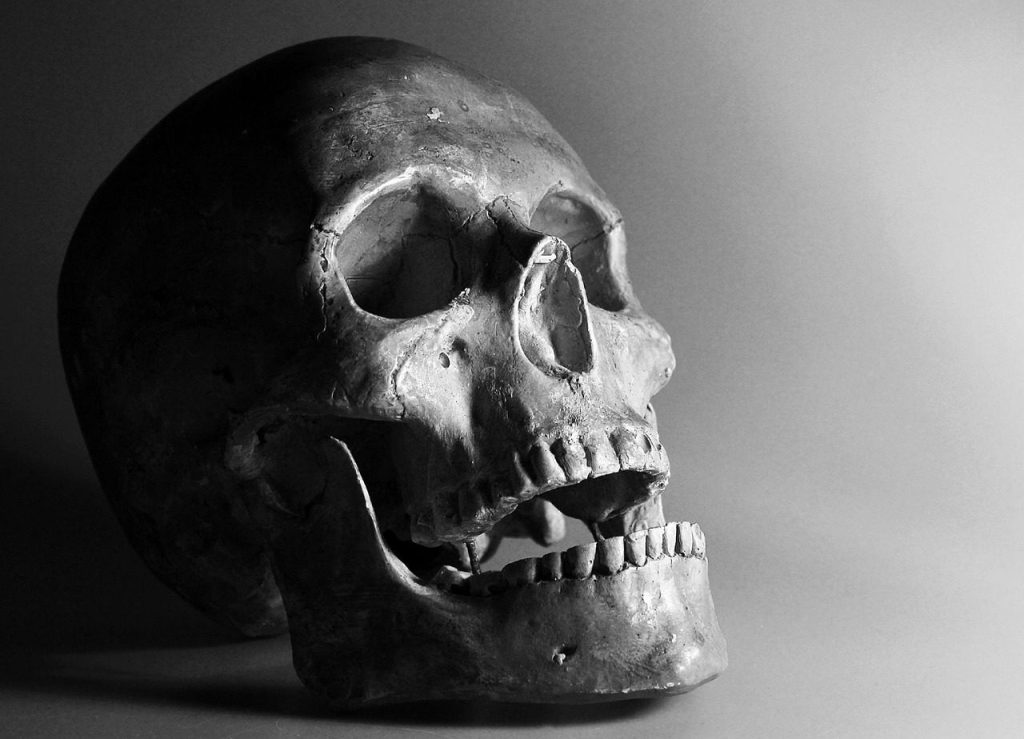
Today the Taung Child is recognized as a cornerstone discovery in paleoanthropology. According to modern evolutionary science, Dart’s persistent work saved anthropology from decades of incorrect geographical assumptions. History honored his effort. Humanity originated in Africa. Yet this discovery demonstrates how deeply held assumptions can delay scientific truth.
The Taung Child Remains a Landmark Fossil

The Taung Child remains one of the most significant hominin fossils ever recovered on Earth. According to the UNESCO World Heritage Center, the fossil altered human self-understanding forever. Truth overcame early doubt. The tiny skull stands as a lasting testament to rigorous science challenging established dogma.
Featured Image: Photo by HsinKai Tai on Unsplash
Leave a Reply