Most people assume every living creature on Earth follows a short biological timetable. We expect biological clocks to run down after a few human decades.
But deep oceans and remote habitats hide animals that survive for centuries. Scientists are currently studying these ancient organisms to unlock the secrets of extreme longevity.
Deep-Sea Animals That Can Live for Centuries
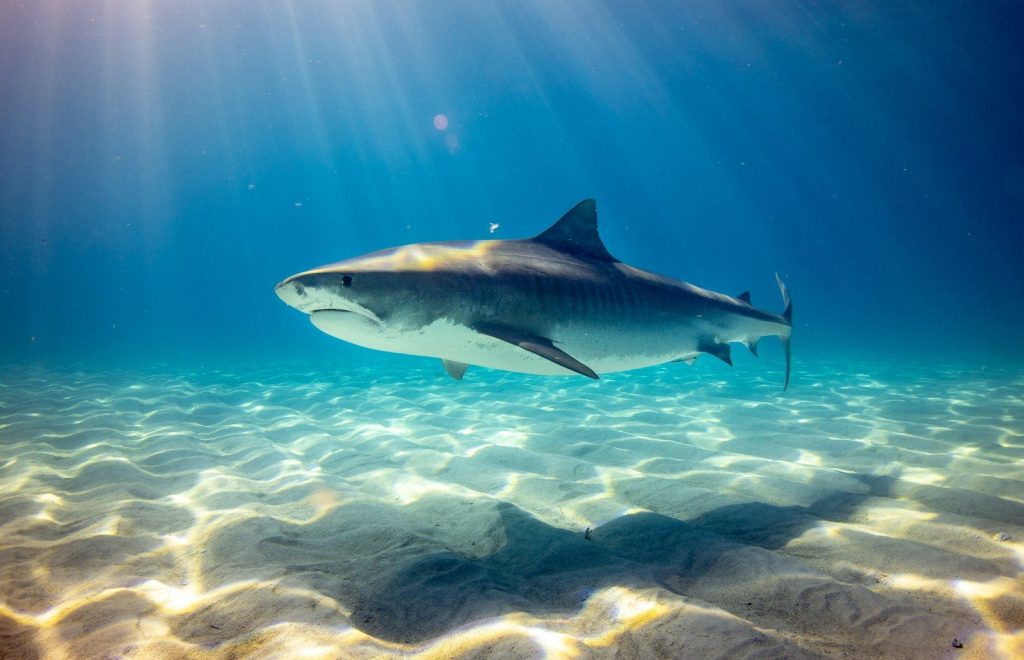
Deep ocean water holds species that far outlive human generations. According to the Ocean Research Institute, some sea creatures survive quietly for hundreds of years in freezing waters. Life moves very slowly. Scientists suspect their efficient cellular repair systems hold vital clues for medicine. Yet one deep-sea swimmer outperforms nearly every other living vertebrate on Earth.
Greenland Sharks Can Live More Than 400 Years
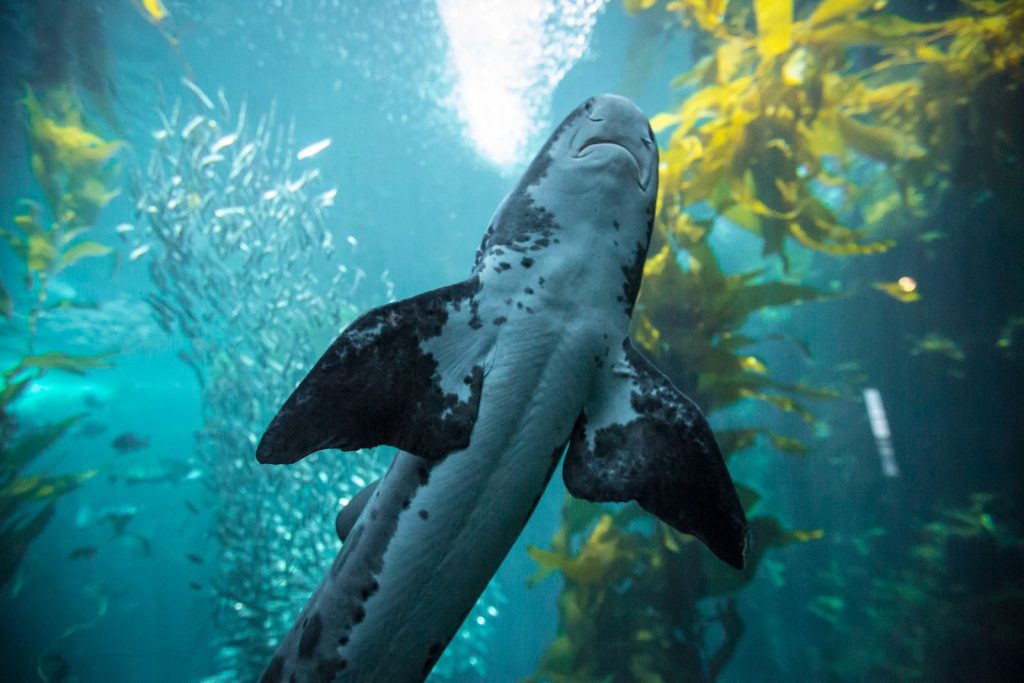
Swimming in icy Arctic waters, the Greenland shark moves at a remarkably sluggish pace. According to research published in Science, these sharks can live for over four hundred years. Growth happens very slowly. A single shark swimming today was alive during the Renaissance. But another simple marine organism hides an even more unusual survival secret.
Ocean Quahog Clams Can Survive for 500 Years
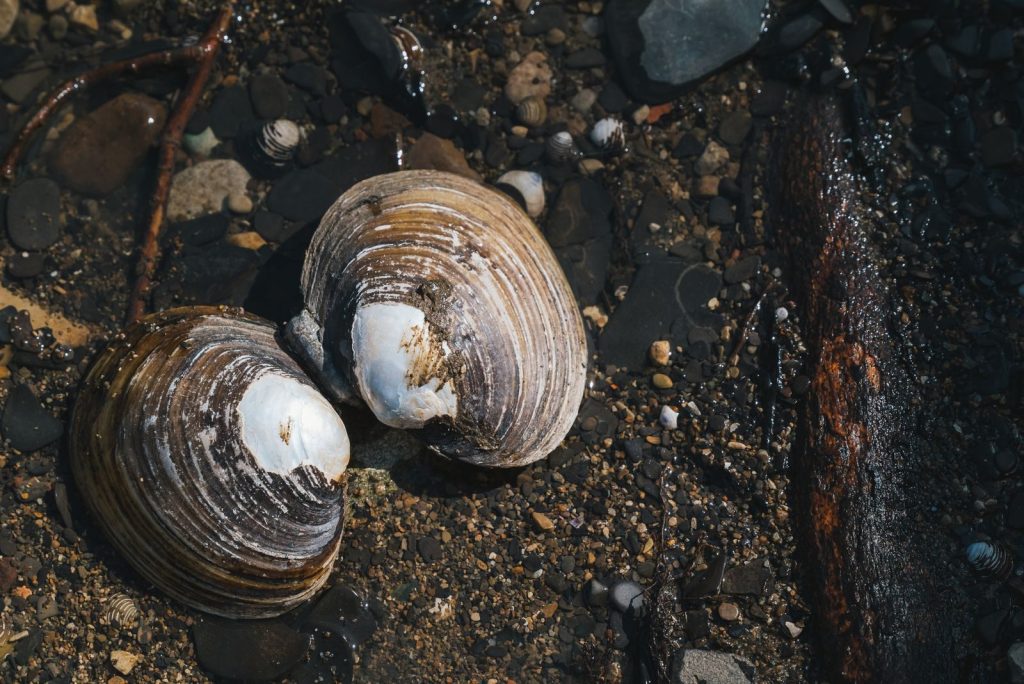
Ocean quahog clams quietly burrow into seabed sediments for hundreds of years undisturbed. According to researchers at Bangor University, a clam named Ming reached five hundred and seven years old. Growth rings recorded history. Its shell layers documented centuries of ocean climate changes. However, a much smaller creature can actually reset its age when danger appears.
Immortal Jellyfish Can Return to a Juvenile Stage
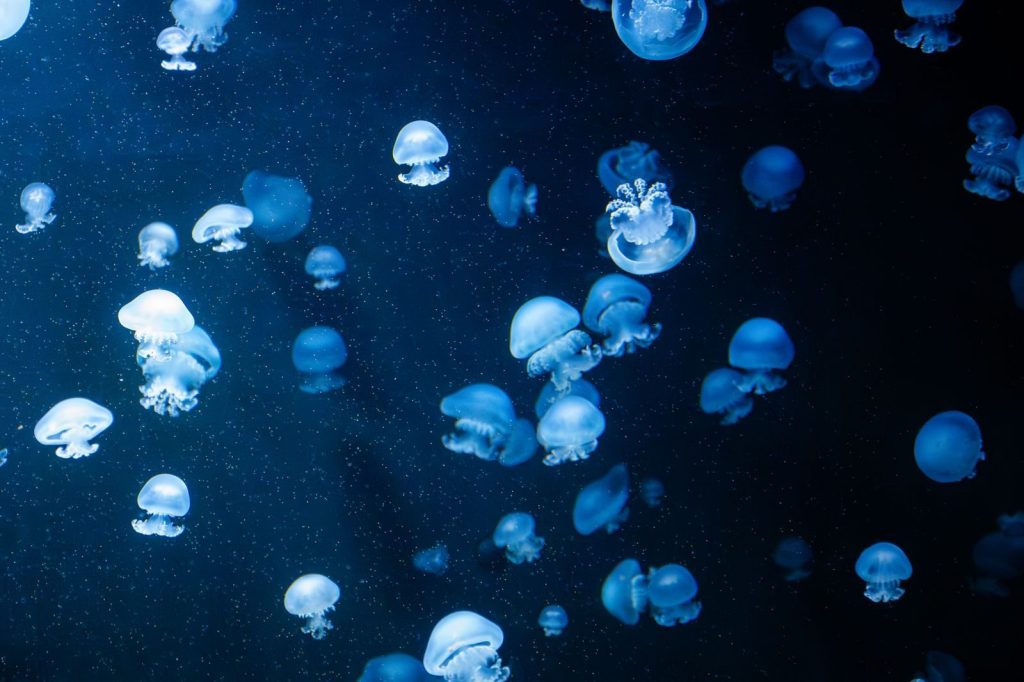
Small jellyfish floating in warm ocean waters possess an astounding biological trait. According to marine biology studies, the immortal jellyfish can revert its adult cells back to early juvenile stages when stressed. It resets its lifecycle completely. This process can theoretically repeat indefinitely without natural death from old age. Yet land creatures also exhibit remarkable cellular resilience.
Giant Tortoises Show Remarkable Longevity
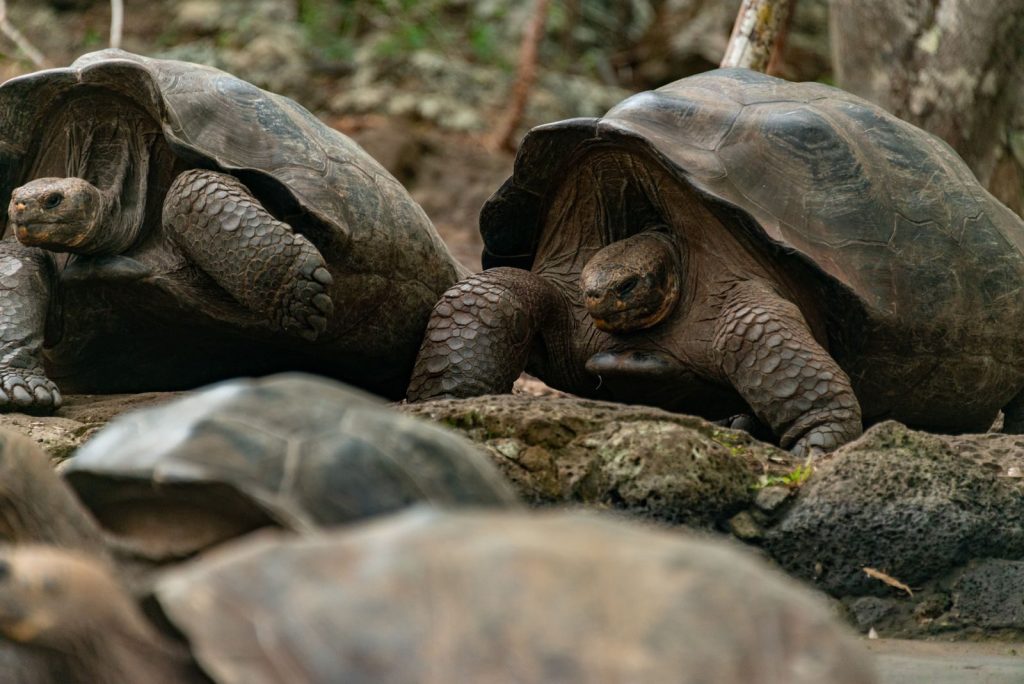
Isolated islands preserve tortoises that easily outlive generations of human caretakers. According to veterinary studies from the Galapagos Conservation Trust, giant tortoises exhibit almost zero cellular deterioration as they age. Organs continue functioning normally. Their steady metabolism helps shield them against cellular damage over time. But microscopic organisms take survival to an entirely different timeframe.
Ancient Roundworms Revived After Thousands of Years Frozen
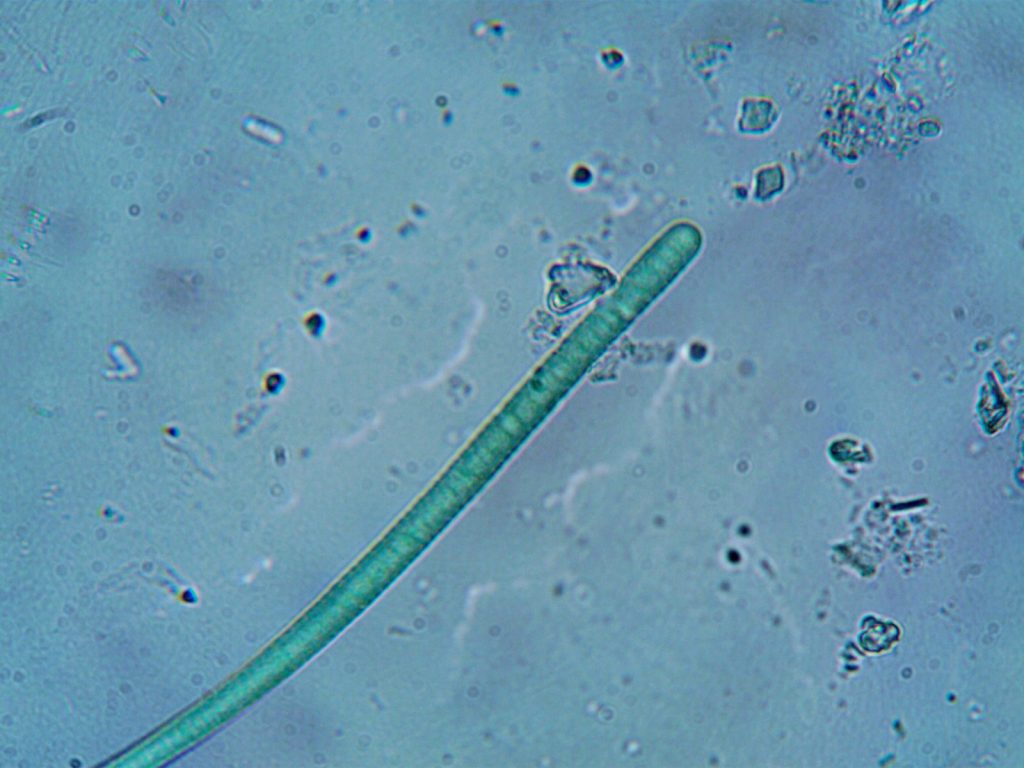
Ancient permafrost conceals microscopic organisms preserved in frozen soil for millennia. According to findings published in PLOS Genetics, microscopic roundworms revived after tens of thousands of years frozen solid. Suspended animation protects them. They simply resume normal biological activity as if time never passed. However, the lessons behind these organisms change how we understand life.
Long-Lived Animals Help Scientists Study Aging

Studying long-lived animals gives genetics researchers new pathways to target cellular degeneration. According to longevity experts, understanding natural repair mechanisms could transform modern preventative medicine. Nature holds deep answers. These incredible creatures show that extreme longevity is a biological reality waiting to be fully understood. This article is for informational purposes only.
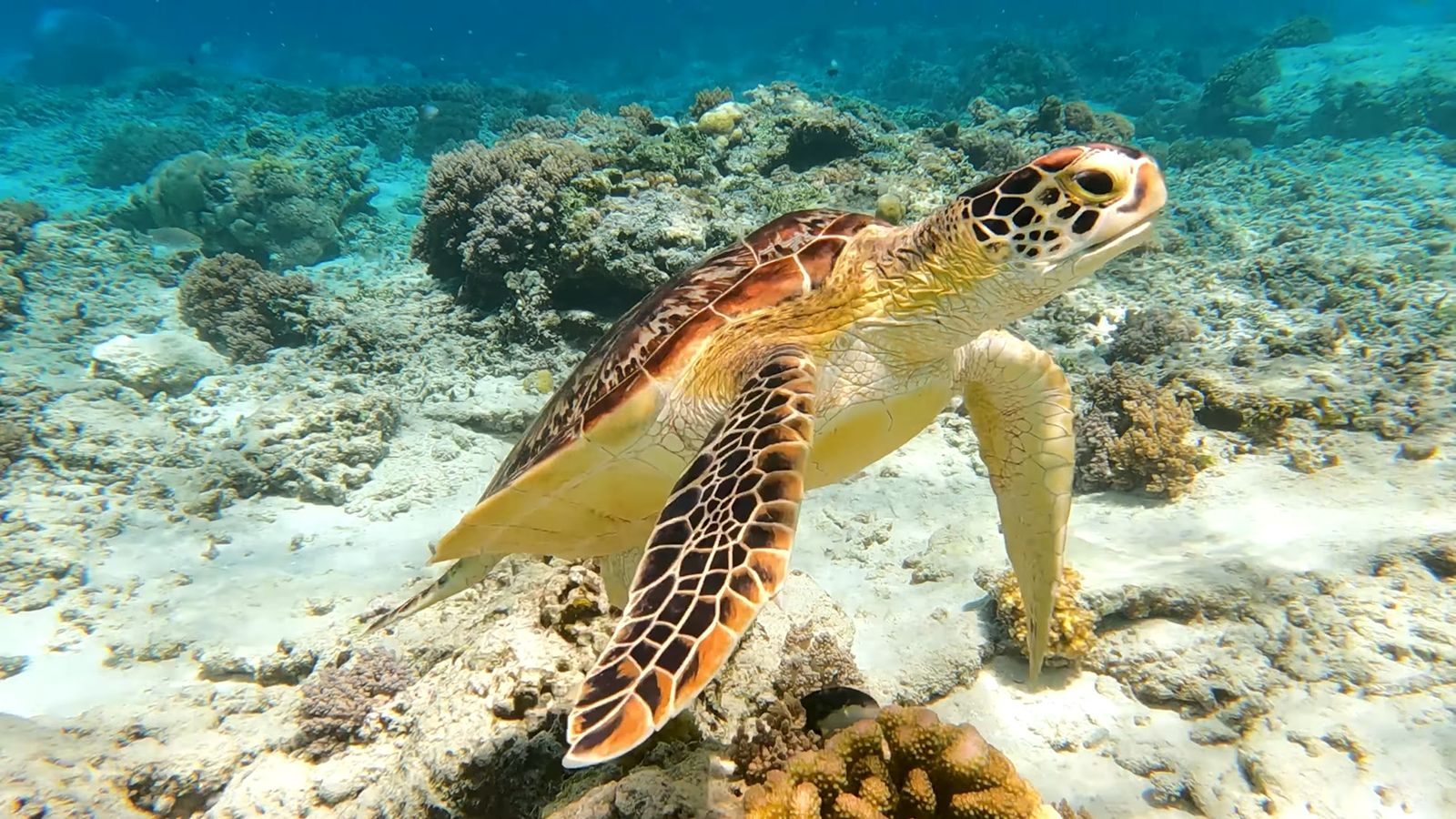
Featured Image: Photo by Arias Bima on Pexels
Leave a Reply