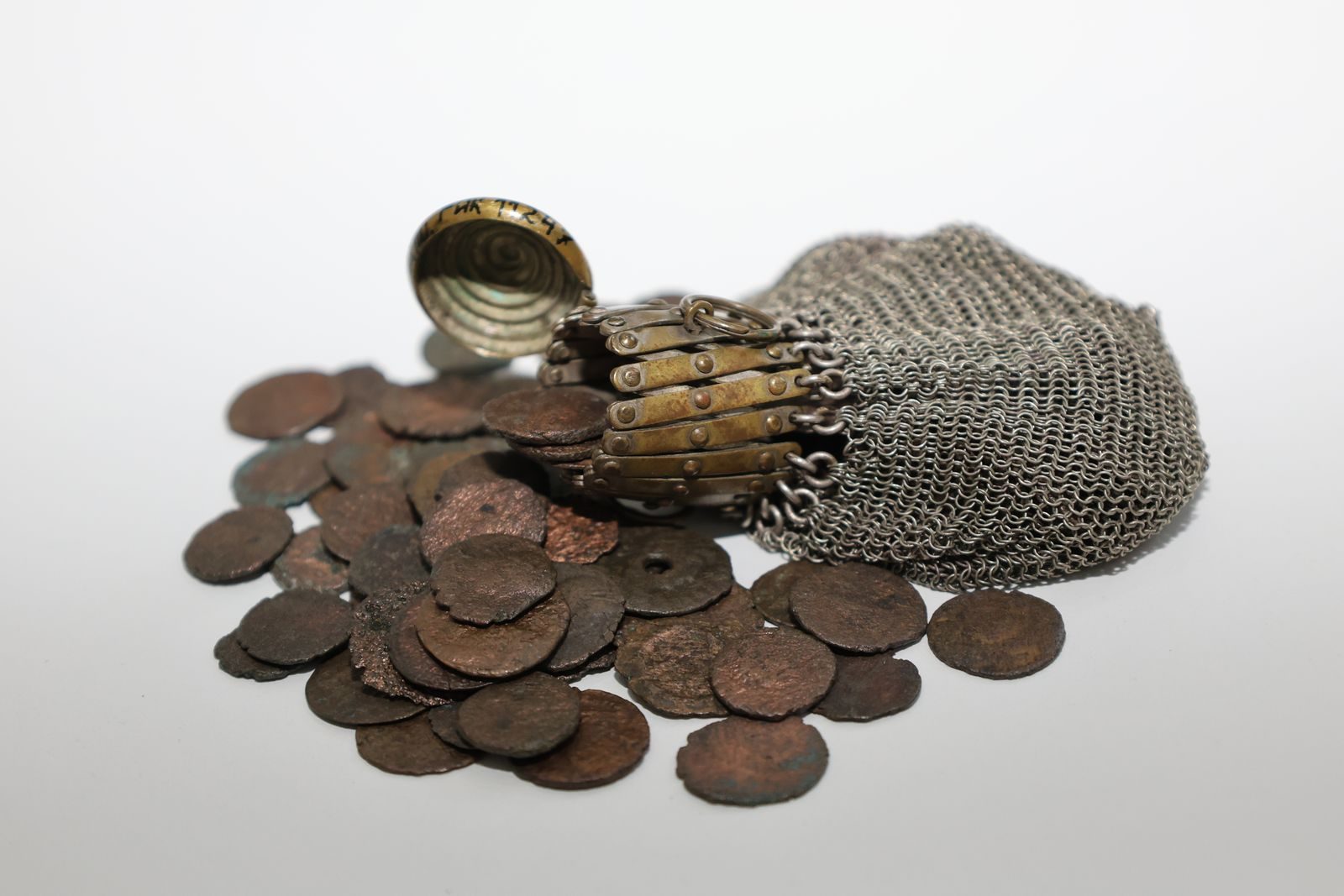
A 13-year-old schoolboy discovered a small bronze coin while walking across an agriculturally used field in Berlin’s Spandau district. Despite reports describing a street discovery, the official account places the find in a field. Specialists later identified it as the first known archaeological object from ancient Greece ever found within Berlin’s city limits.
Minted in the Ancient City of Troy
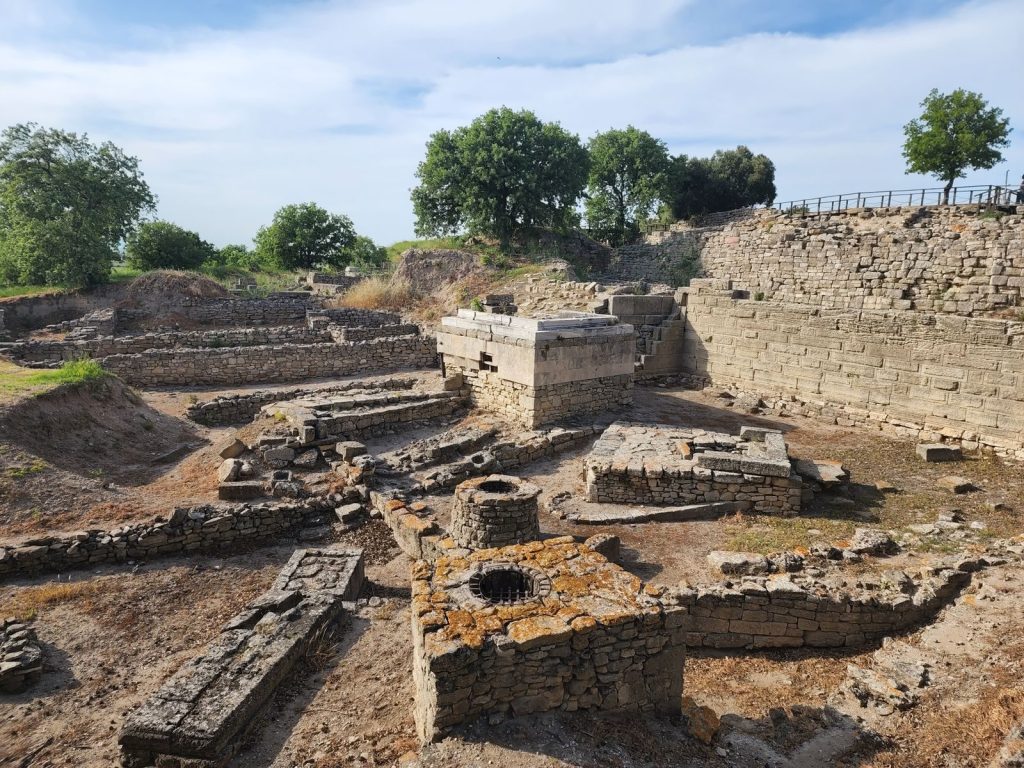
The coin was produced between approximately 281 and 261 B.C.E. at Ilion, the Hellenistic city built near the site associated with ancient Troy in modern northwestern Türkiye. Although its historical importance is enormous, the bronze piece measures only about 12 millimeters across and weighs roughly seven grams.
Athena Appears on Both Sides

The front of the coin shows the head of Athena, the Greek goddess associated with wisdom and warfare, wearing a Corinthian helmet. On the reverse, Athena Ilias appears wearing a tall headdress while holding a spear and a spindle. These details enabled a numismatist to identify where and when the coin was produced.
The Teenager Took It to the Experts

The boy kept the object and later showed it to researchers during a school visit to the PETRI Berlin archaeology center in November 2025. Its worn surface and unusually small size made immediate identification difficult. Once specialists examined it closely, they realized that an ordinary-looking piece of bronze had traveled an extraordinary distance through history.
The Field Was Already an Ancient Cemetery

Archaeologists initially considered whether a modern coin collector had recently lost the object. An examination of the discovery site instead produced evidence of a long-used burial ground. Ceramic fragments, cremated remains, and a bronze double button indicated activity during the Bronze or early Iron Age, while later objects showed continued use in Roman and Slavic times.
Bronze Was Worth Less Than Memory

The coin’s bronze contained little material value for the communities living around ancient Berlin, particularly when compared with gold or silver objects that could be melted down. Researchers therefore suspect that it may have been kept for symbolic reasons—perhaps as a souvenir, treasured foreign object or burial offering connected with someone’s life experiences.
Trade or a Returning Traveler?

Ancient trade networks moved amber, metals and other goods between northern Europe and the Mediterranean. The coin could have traveled through those networks. Another possibility is that a northern European mercenary acquired it while serving in the Greek or Macedonian world and later brought it home. Archaeologists stress that both explanations remain unproven.
Its Journey Remains the Real Mystery
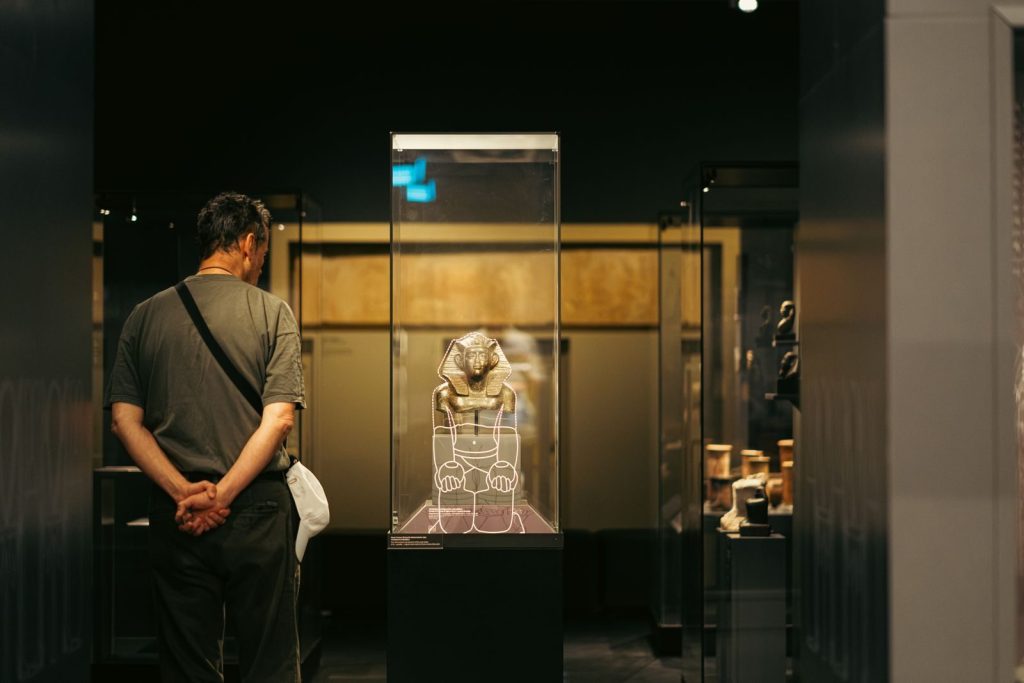
The coin is now displayed at PETRI Berlin, but no surviving document explains its journey from Troy to northern Europe. The people living around ancient Berlin left no written account of the event. A single object therefore provides rare evidence of contact between distant societies while leaving the identity of its original owner completely unknown.
Featured Image: Photo by Tahir Xəlfəquliyev on Pexels
Leave a Reply