
Most people assume that laughter is an exclusively human expression used to share joy and humor. We imagine that animals communicate only through warning signals or basic survival calls.
But biological research shows that dozens of animal species produce distinct play vocalizations equivalent to human laughter. Nature is full of surprising social sounds.
Animals Playing And Tickling
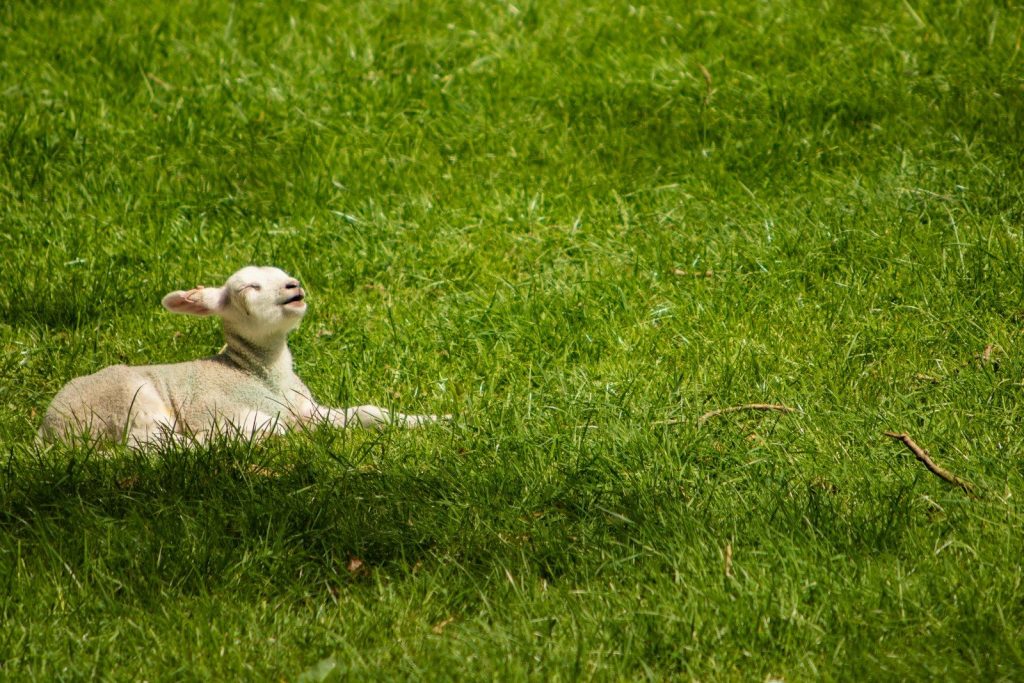
Scientific teams have documented acoustic play signals across a wide variety of wild and domestic creatures. According to a study from UCLA, researchers identified play vocalizations in at least 65 different animal species. Animals express fun. These sounds occur specifically during tickling, wrestling, and social games. But primates offer the most recognizable examples of laughter.
Chimpanzee Playing And Laughing
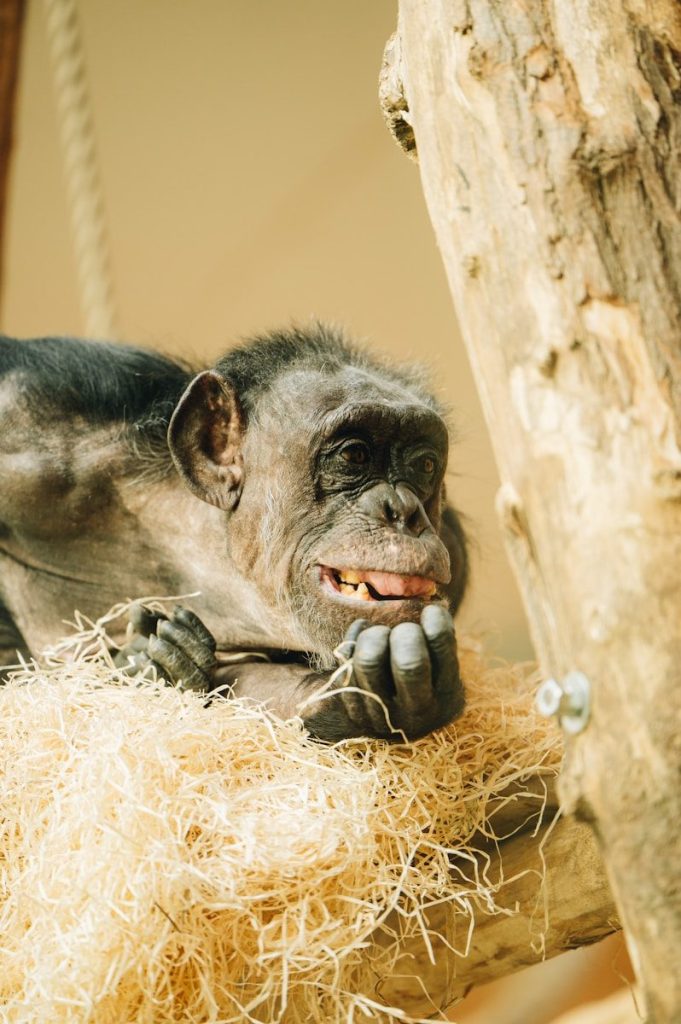
Chimpanzees, gorillas, and orangutans make panting and vocal sounds when played with or tickled. According to evolutionary primatologists, ape laughter shares deep evolutionary roots with human giggling. Apes love playing. Their pant-like vocalizations signal friendly intentions during rough play sessions. Yet laughter extends far beyond the primate family tree.
Laboratory Rat Tickling Experiment
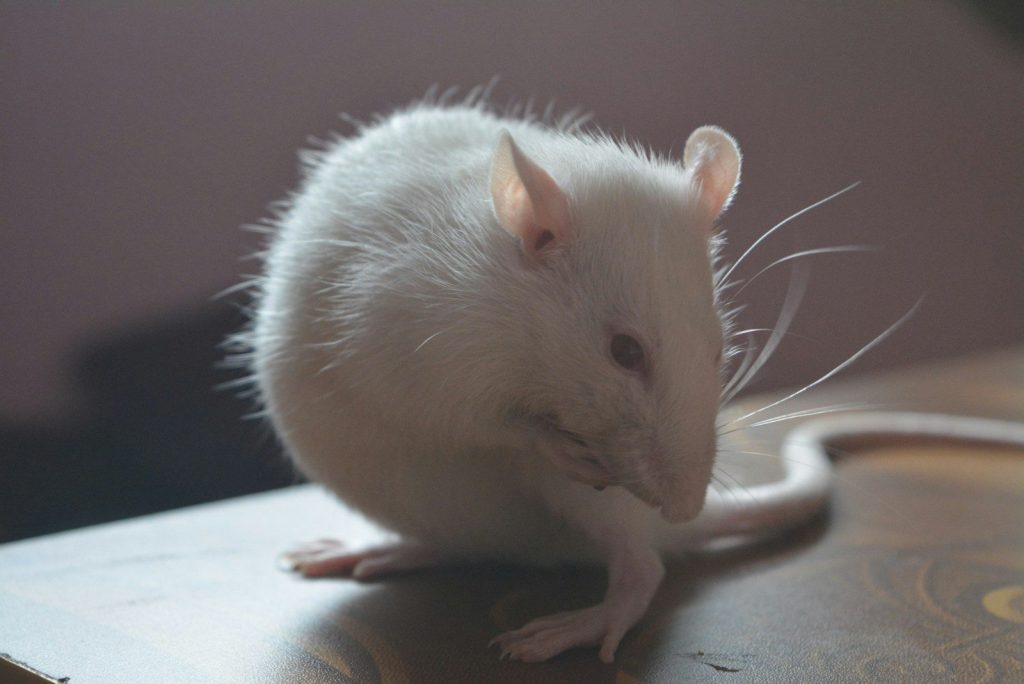
Laboratory rats make high-frequency vocalizations when engaged in playful wrestling or tickling by handlers. According to neuroscientists at Humboldt University, these 50-kilohertz sounds trigger positive brain chemicals associated with pleasure. Rats are playful. Humans cannot hear these chirps without specialized bat detector microphones. And birds display similar social vocalizations during play.
Kea Parrot Flying Playfully
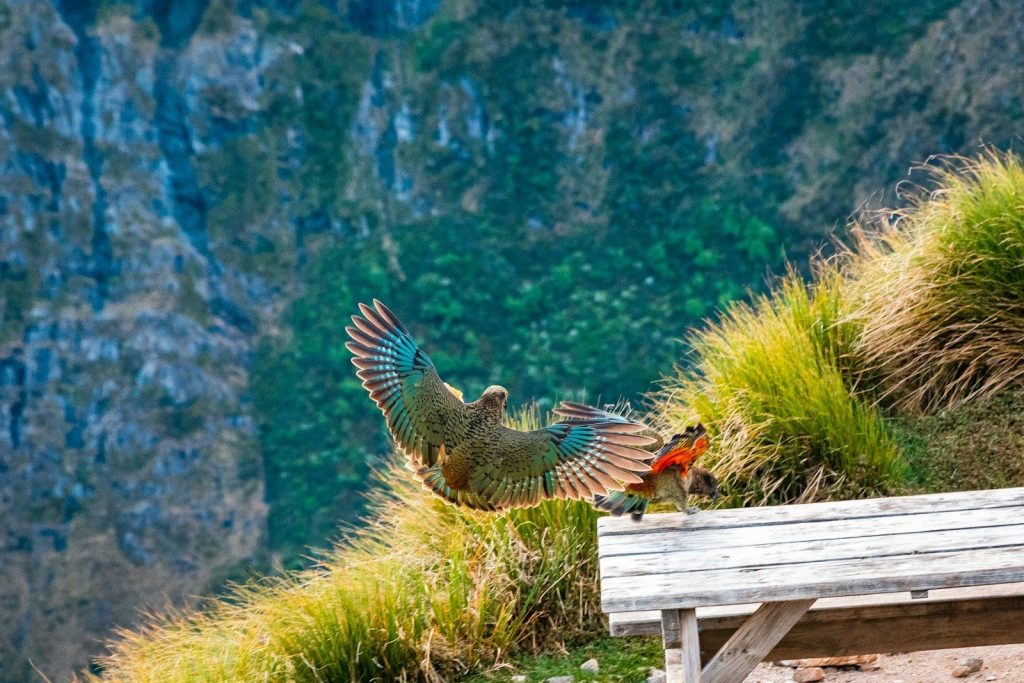
Certain bird species, including New Zealand kea parrots, produce specific calls that spread playfulness to nearby birds. According to research published in Current Biology, playing a recording of kea play calls prompts other birds to start playing instantly. Laughter is contagious. This acoustic signal acts as an infectious emotional trigger across flocks. But aquatic mammals also join the fun.
Bottlenose Dolphins Swimming Playfully
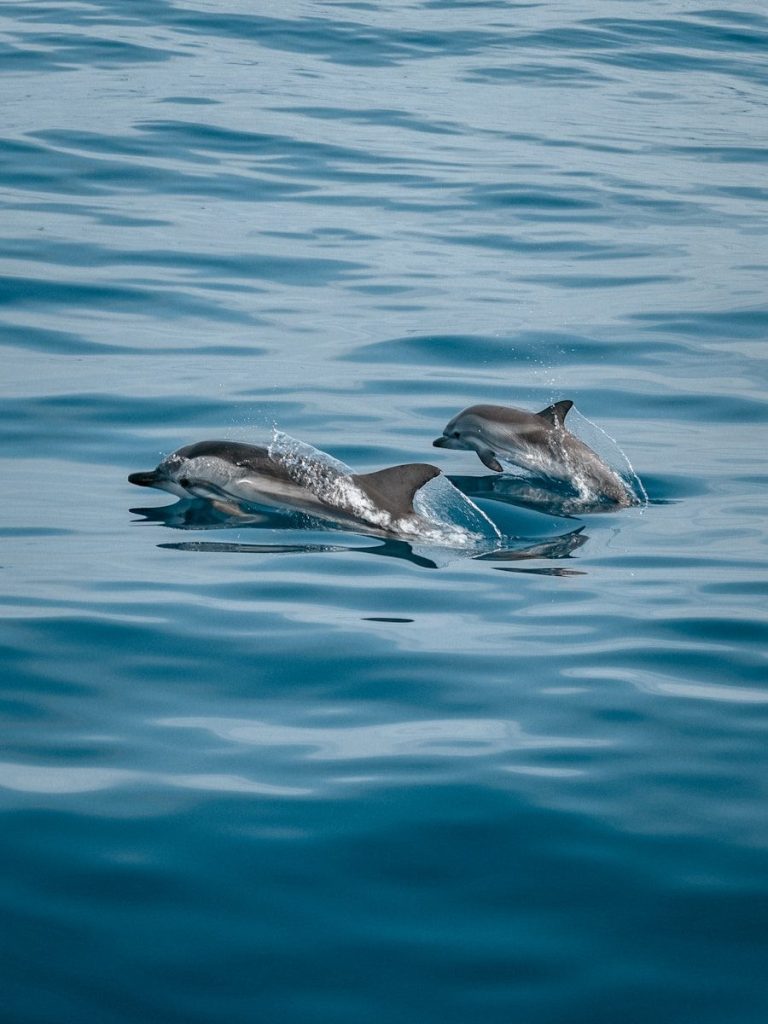
Bottlenose dolphins emit bursts of squeaks and whistles while playfully wrestling or playing with objects in water. According to marine biologists, these vocalizations signal non-aggression during physical roughhousing. Dolphins stay friendly. The acoustic sounds help keep play peaceful and prevent accidental fights. And domestic pets show similar vocal behaviors during playtime.
Playful Dog Panting Sound
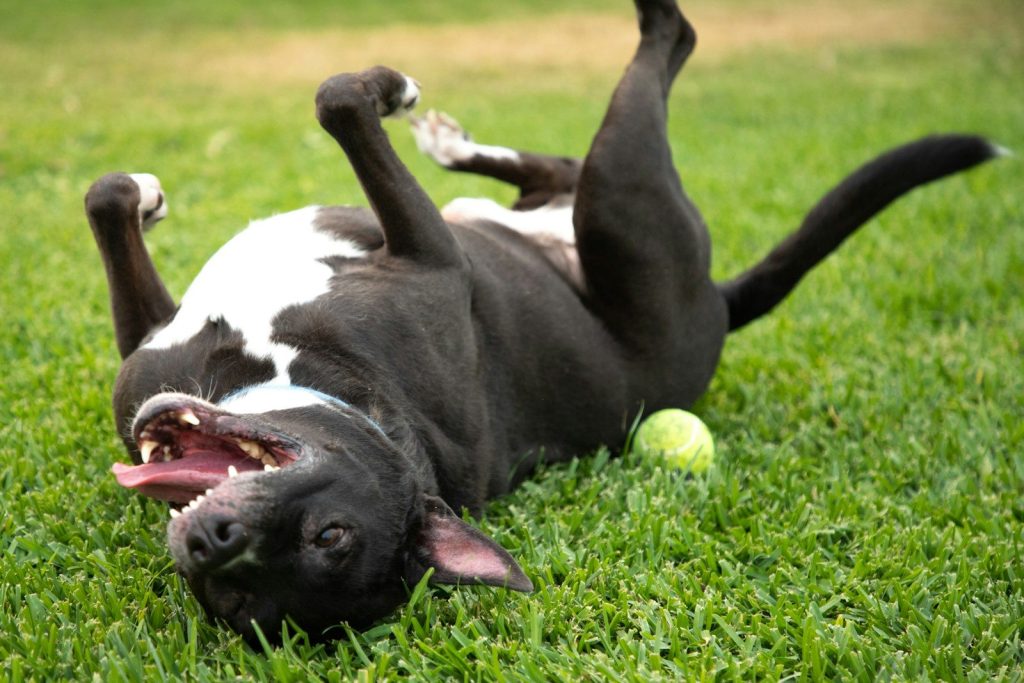
Dogs produce a heavy, rhythmic panting sound during play sessions that differs from regular exertion breathing. According to animal behaviorists at Sierra Nevada College, playing dog play pant recordings helps calm stressed shelter animals. Sounds heal fear. This soft vocalization communicates safety and friendliness to other dogs. But why did laughter evolve across so many species?
Animals Social Playing Bonding

Social laughter helps animals build trust, maintain play, and prevent misunderstandings during physical interactions. According to bioacoustics researchers, play vocalizations provided essential social benefits across evolutionary history. Emotion connects life. Uncovering these shared vocal traits highlights the deep emotional bonds linking humans to the animal kingdom. This article is for informational purposes only.
Featured Image: Photo by Alex Kraft on Unsplash
Leave a Reply