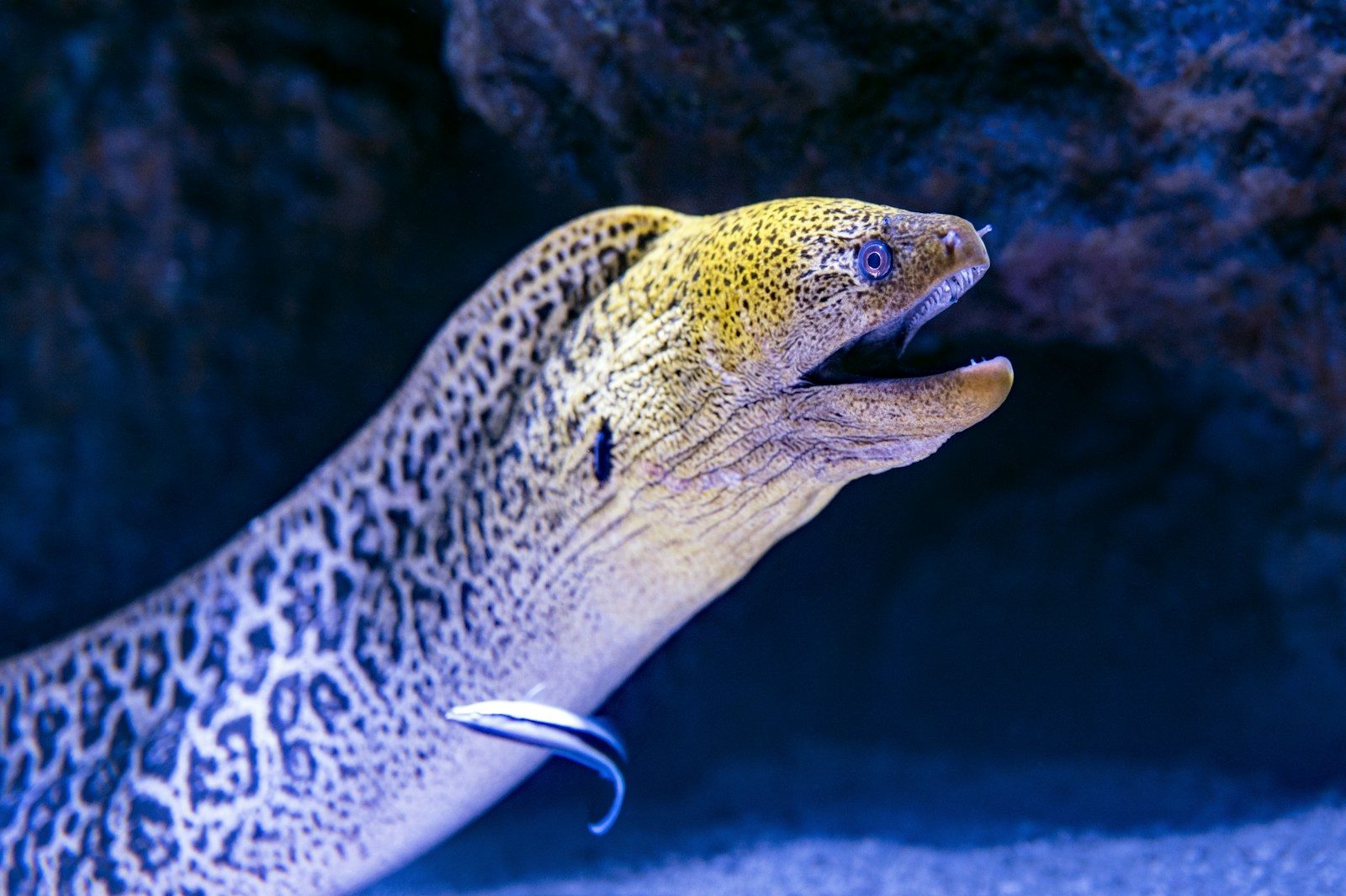
Deep-sea creatures can appear frightening because their bodies evolved under conditions almost completely unlike those experienced by humans. Darkness, cold temperatures, crushing pressure, and limited food reward unusual solutions. Oversized mouths, transparent skin, glowing organs, needle-like teeth, reduced eyes, and expandable stomachs are survival tools rather than signs that the animals are malformed.
There is no single deep-sea body plan. Some species are delicate and gelatinous, while others have hard shells, powerful jaws, or giant eyes. Each feature reflects a particular habitat and lifestyle. What looks like a biological nightmare at the surface may be an efficient design perfectly suited to a dark environment where every meal and movement matters.
Deep Ocean Black Red Transparent Fish Camouflage

Sunlight weakens rapidly below the ocean’s surface and is effectively absent in deeper zones. Animals living near the remaining light may develop large, sensitive eyes that detect faint silhouettes or flashes. Farther down, vision can become less useful, leading some species to have reduced eyes or none at all. Black, red, silver, and transparent bodies provide camouflage under different conditions. Red animals can appear nearly black because red wavelengths do not penetrate far, helping them disappear from predators and prey.
Bioluminescent Deep Sea Anglerfish Glowing Lure

Bioluminescence is widespread in the open ocean. Animals produce light through chemical reactions or partnerships with glowing bacteria. They may use flashes to confuse predators, attract mates, communicate, illuminate prey, or hide their silhouettes against faint light from above. Female deep-sea anglerfish carry a glowing lure near the mouth, allowing them to attract prey without wasting energy on a long chase. Other animals release glowing material as a distraction, creating a bright cloud while they escape into the darkness.
Fangtooth Fish Large Mouth Hinged Jaws
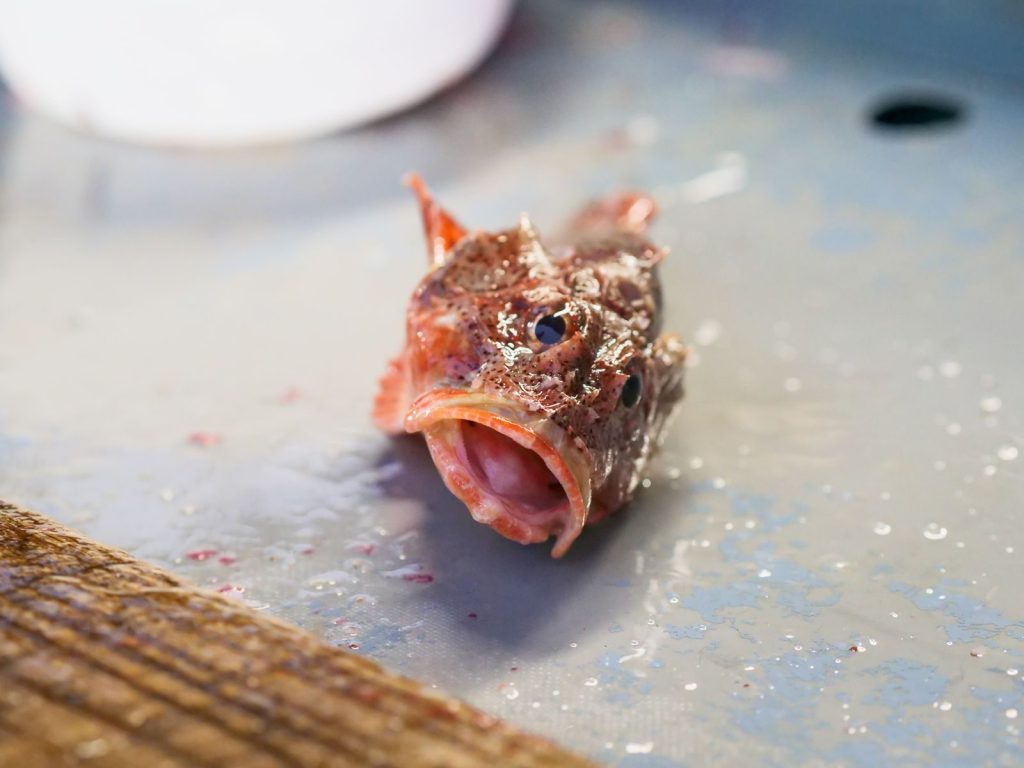
Most deep-sea ecosystems cannot depend on photosynthesis because sunlight does not reach them. Food often arrives as marine snow, falling carcasses, migrating animals, or material carried by currents. Meals may be separated by long periods, favoring predators that can capture almost anything they encounter. Large mouths, long teeth, hinged jaws, and expandable stomachs allow some fish to swallow prey nearly as large as themselves. Slow movement and low metabolic rates can conserve energy, although active hunters also exist in more productive deep habitats.
Hadal Trench High Pressure Marine Organism

Water pressure increases by roughly one atmosphere for every ten meters of depth. Deep-sea animals survive partly because their bodies contain large amounts of water and few compressible gas spaces. Their proteins, cell membranes, and internal chemistry are also adapted to function under pressure that would damage shallow-water organisms. Even these adaptations have limits. Evidence suggests that fish may be unable to live much deeper than approximately 8,200 to 8,400 meters, although other animals and microorganisms survive at greater depths.
Gelatinous Deep Sea Blobfish Soft Tissue
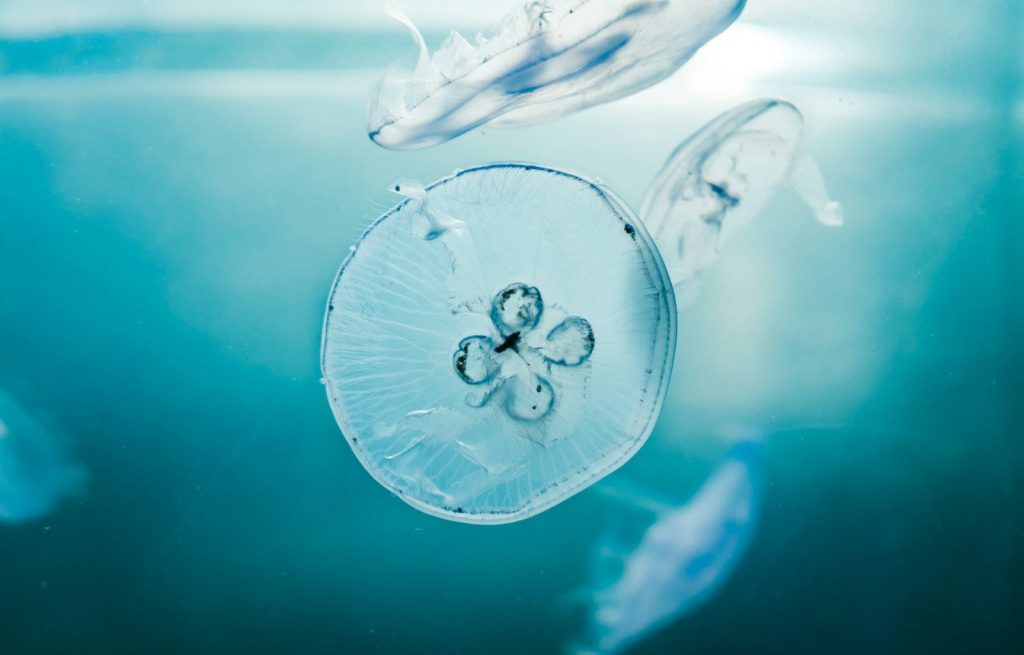
Building and moving heavy bones or large muscles requires energy that may be difficult to obtain in food-poor water. Many deep-sea animals therefore have soft, lightweight, or gelatinous tissues that provide buoyancy with little effort. Some fishes have reduced skeletons and watery muscles because they do not need to resist waves or support their bodies against gravity. These adaptations can make them appear collapsed when brought to the surface. Rapid pressure changes and handling may distort an animal that looked entirely normal in its natural habitat.
Giant Isopod Deep Sea Floor Crustacean
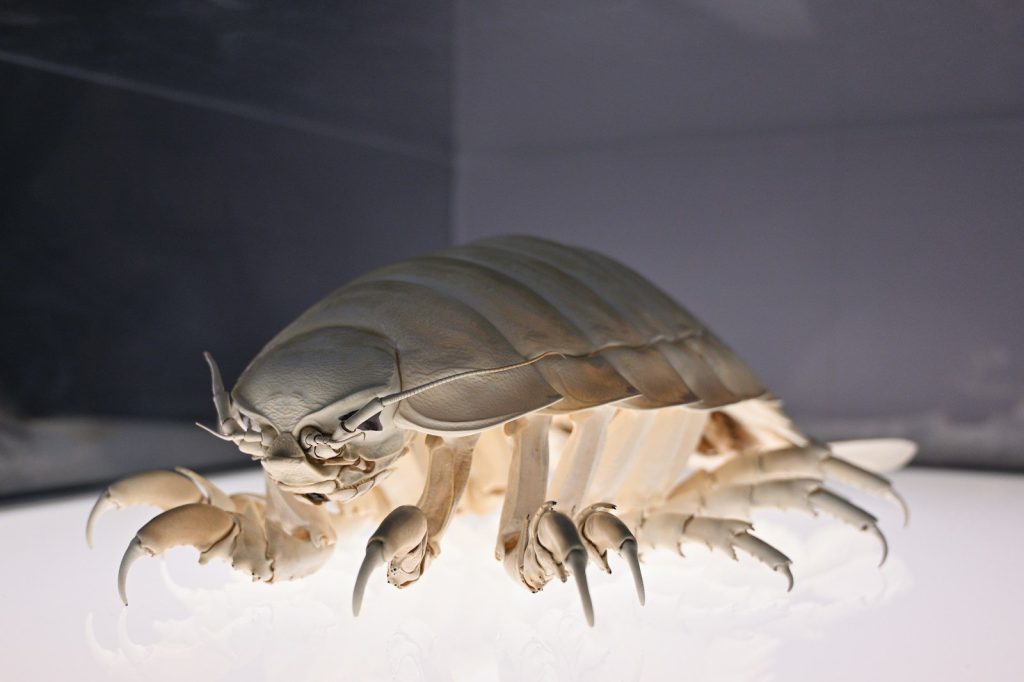
Some deep-sea groups contain unusually large species, including giant isopods, amphipods, squid, and sea spiders. Possible explanations include cold temperatures, slower metabolism, longer lifespans, food-storage advantages, and differences in oxygen availability. However, deep-sea gigantism is not a universal rule. Many animals are extremely small because a tiny body requires fewer resources. Evolution favors whichever size works best for a species’ food supply, predators, reproduction, movement, and depth, producing both giants and miniature specialists within the same broad environment.
Deep Sea Submersible Camera Illuminating Marine Life
Humans judge deep-sea animals using expectations formed in bright, warm, food-rich surface environments. A mouth built for rare meals or a glowing lure can therefore look monstrous even when it performs an ordinary biological function. Camera lighting can also exaggerate teeth, shadows, and transparent tissues, while damaged specimens may look more disturbing after reaching the surface. The deep ocean remains poorly inventoried, and many species have never been formally described. Its animals are not nightmares but evidence of evolution’s extraordinary flexibility. This article is for informational purposes only.
Featured Image: Photo by David Clode on Unsplash
Leave a Reply