
The United States introduced restrictions on July 28, 2026, that block authorization for new Chinese humanoid and quadruped robot models. The action was presented as a national-security measure aimed at preventing data theft, surveillance, cyberattacks, remote interference, and supply-chain dependence involving increasingly capable connected machines.
The decision does not immediately remove every Chinese robot already operating in the country. Models that previously received authorization can generally continue to be sold or used unless regulators take additional action. The restrictions primarily affect new versions that had not yet been approved when the policy took effect.
Chinese Humanoid And Quadruped Robot Dog

The policy applies to advanced mobile robots, including human-shaped machines and four-legged robotic systems often described as robot dogs. These devices may combine cameras, microphones, environmental sensors, wireless connections, navigation software, and AI-driven movement. The rules focus on connected robotic platforms rather than every automated machine used in a factory. A fixed industrial arm performing a repetitive task does not necessarily present the same data and mobility concerns as a networked robot capable of moving independently through homes, laboratories, warehouses, or sensitive facilities.
Robot Camera Sensor Data Privacy Security
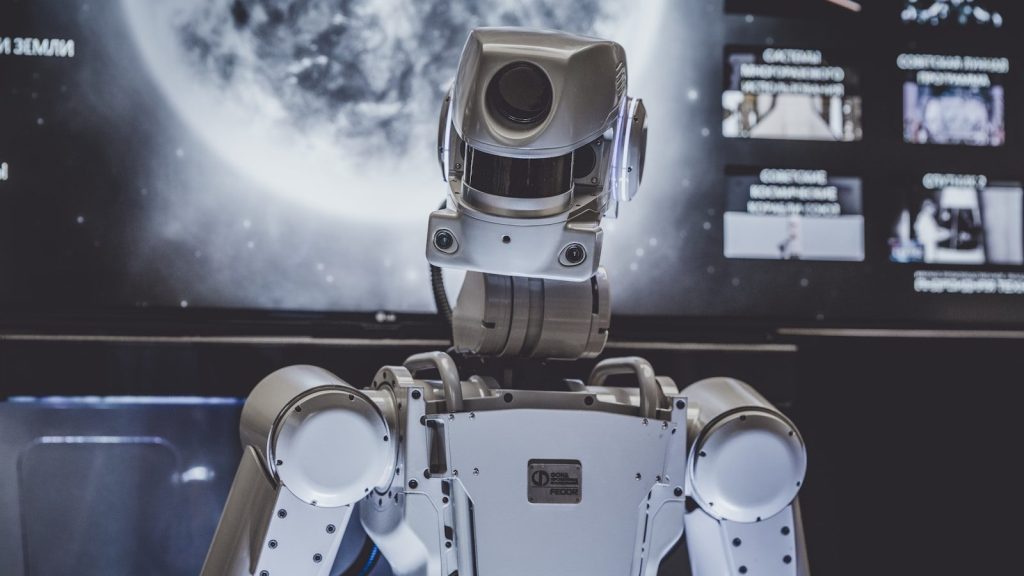
Modern mobile robots can map rooms, recognize objects, record images, collect audio, monitor equipment, and receive remote software updates. Those abilities make them useful, but they also create possible security weaknesses. A compromised robot could expose sensitive layouts, industrial processes, research data, or personal information. Officials also warn that remote access might allow an attacker to disable or redirect a machine. The policy treats connected robots as mobile computing and sensing platforms, not simply as mechanical tools with arms and legs.
Chinese Humanoid Robotics Manufacturing Factory
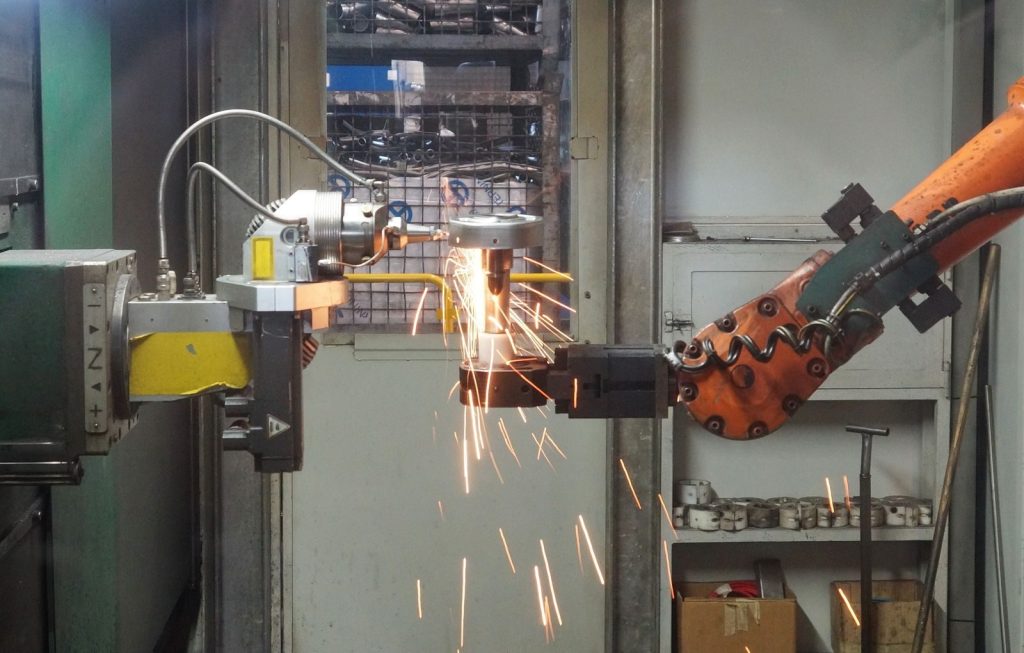
Chinese manufacturers have rapidly increased humanoid and quadruped production while lowering prices and expanding international sales. Several Chinese companies now supply universities, laboratories, developers, and businesses that need affordable hardware for robotics research. Their scale has made China a leading force in the young humanoid market. That position has also raised concerns in Washington about dependence on foreign platforms. The debate resembles earlier disputes involving telecommunications equipment, drones, routers, advanced chips, and other technologies that can serve both commercial and security-sensitive purposes.
US Regulatory Compliance National Security Border

Connected electronic products generally require regulatory authorization before new models can be marketed in the United States. By placing the targeted robot category under national-security restrictions, regulators can refuse approval for new equipment covered by the policy. The action took effect upon publication, but previously authorized models were not automatically banned. Regulators also retain authority to review older equipment separately. Exemptions may be granted to qualifying non-Chinese suppliers, meaning the final impact will depend heavily on how agencies apply waivers and define trusted production.
Robotics Research Laboratory University Testing

Many American universities and robotics startups use Chinese machines because they are available, capable, and often cheaper than domestic alternatives. Restricting new models could increase development costs or slow experiments for teams that cannot afford custom hardware. Supporters argue that temporary inconvenience is justified if it strengthens domestic manufacturing and prevents future dependence. Critics warn that researchers need access to the best platforms to remain competitive. The policy therefore creates a trade-off between reducing security exposure and preserving affordable access to rapidly improving technology.
Diplomatic Trade Dispute Government Spokesperson

China criticized the restrictions as an excessive use of national-security arguments to limit Chinese companies. Its government said protectionism could harm American consumers and businesses and indicated that it would defend the interests of affected manufacturers. U.S. officials maintain that the concern is not ordinary competition alone. They argue that connected robots could transmit sensitive data, create cybersecurity weaknesses, or leave important industries dependent on suppliers that Washington considers vulnerable to foreign government influence. Both sides are framing the dispute as a question of security and fairness.
US China Global High Tech Semiconductor Competition

The robot restrictions are part of a much larger U.S.–China contest involving artificial intelligence, semiconductors, drones, communications equipment, energy technology, and critical supply chains. Humanoid robots sit at the intersection of several of those fields because they combine AI models, advanced chips, batteries, sensors, motors, and cloud connections. Future developments will depend on exemptions, enforcement, domestic production, and possible responses from Beijing. The policy may protect American manufacturers, but it could also divide the global robotics market into increasingly separate technology systems. This article is for informational purposes only.
Featured Image: Photo by Kindel Media on Pexels
Leave a Reply