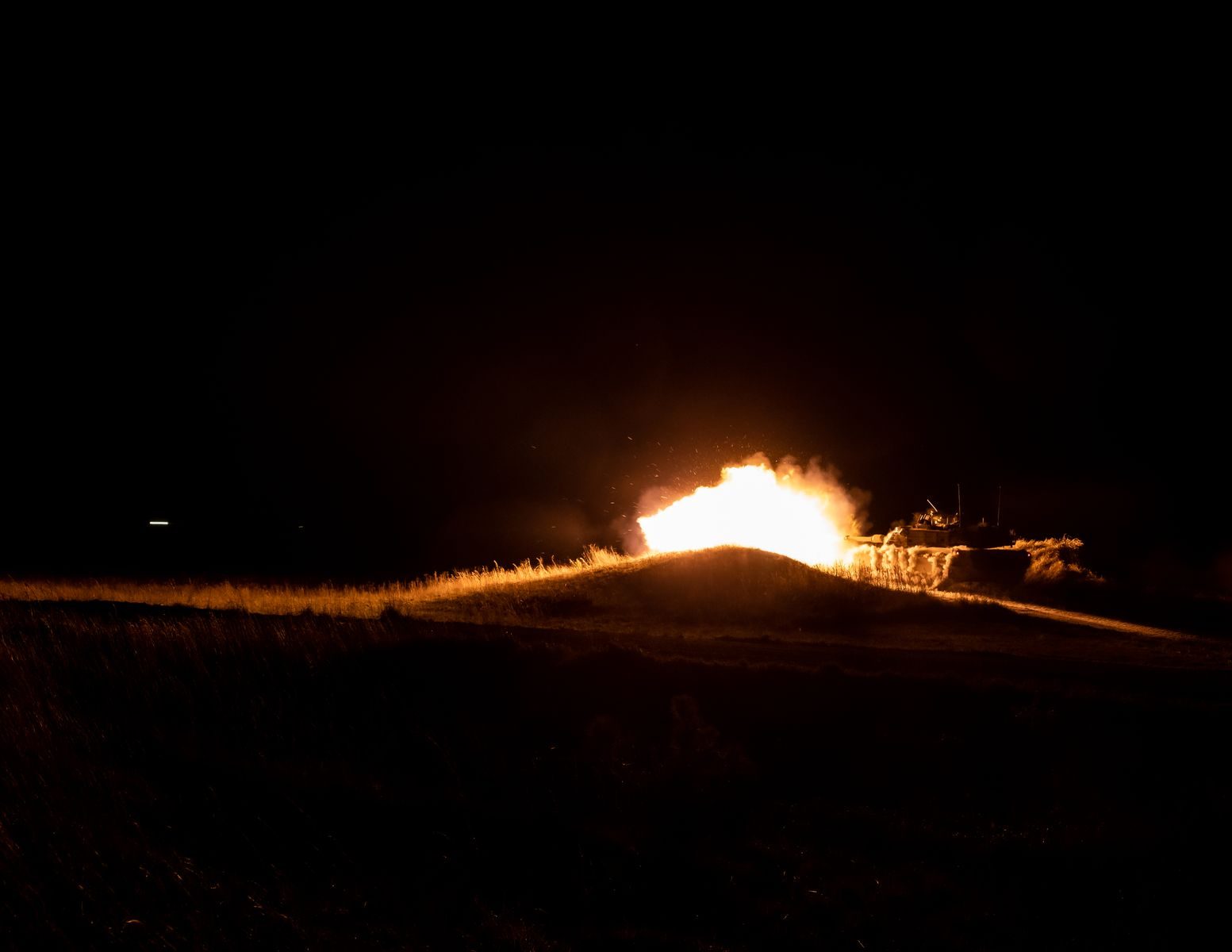
On the morning of June 30, 1908, a blinding fireball crossed the sky above central Siberia. Seconds later, a colossal explosion shook the remote forest near the Podkamennaya Tunguska River. The blast flattened trees across an enormous area, yet investigators found no obvious impact crater and no large meteorite. The destruction seemed almost impossible to explain.
That missing crater turned Tunguska into one of history’s most enduring scientific mysteries. The leading explanation today is that a small asteroid, or possibly a comet fragment, exploded several kilometers above the ground. Its energy was released into the atmosphere, creating a devastating airburst without the object striking the surface intact.
Evenki Witnesses Siberian Fireball Explosion

The explosion occurred at about 7:15 a.m. local time in a sparsely populated part of the Russian Empire. Evenki witnesses described a bright object, intense heat, thunder-like sounds, and a powerful shock wave. People close to the blast were knocked down, while camps and forest areas were damaged. Reports of human deaths remain uncertain, but reindeer herds and the surrounding landscape suffered heavily. The shock was also detected far away, and unusual atmospheric effects were reported beyond Siberia.
Flattened Taiga Forest Tunguska 1908
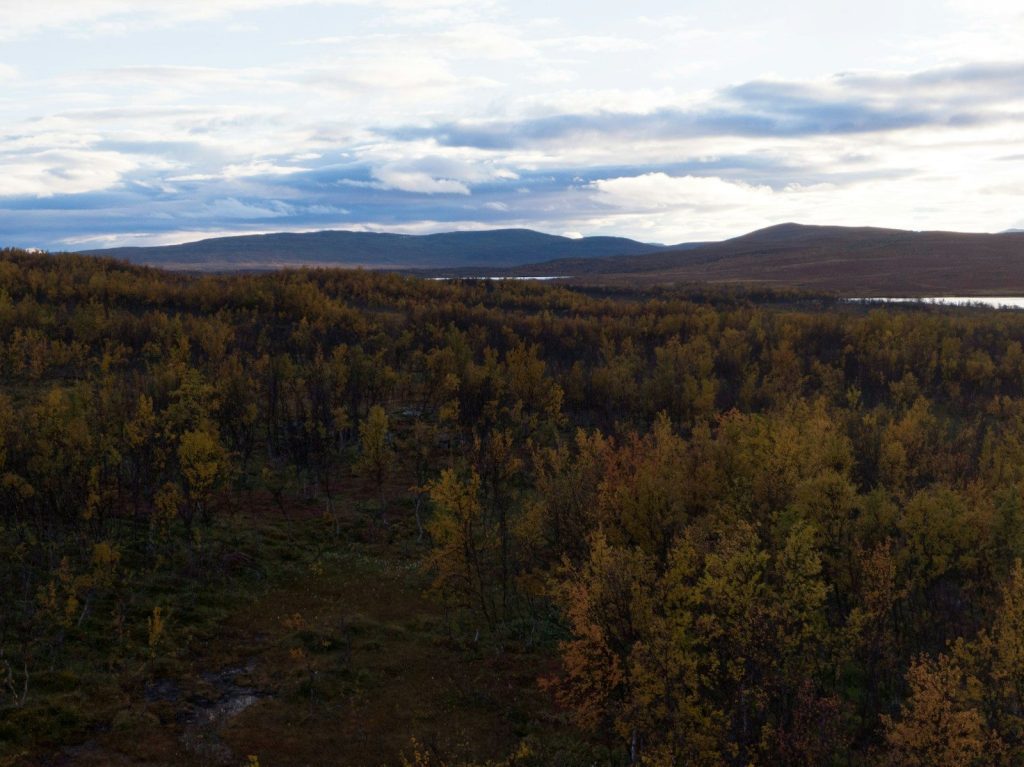
Later surveys revealed a vast pattern of fallen trees spreading outward from the blast zone. Roughly 2,000 to 2,200 square kilometers of forest were affected, with tens of millions of trees damaged or knocked down. Near the center, some trunks remained standing but had lost branches and bark. That unusual pattern is consistent with a powerful explosion occurring above the ground rather than at the surface. The direction of the fallen trunks helped researchers reconstruct the shape and force of the blast.
Meteor Atmospheric Airburst Explosion Diagram

A cosmic object entering the atmosphere at high speed compresses and heats the air in front of it. If pressure overwhelms the object’s structure, it can fragment violently and release most of its energy in midair. At Tunguska, the blast likely occurred around six to ten kilometers above the surface. The resulting shock wave traveled downward and outward, producing destruction comparable to a very large explosion. Computer models now reproduce many features of the observed tree-fall pattern using this mechanism.
Disintegrated Meteorite Atmospheric Fragmentation
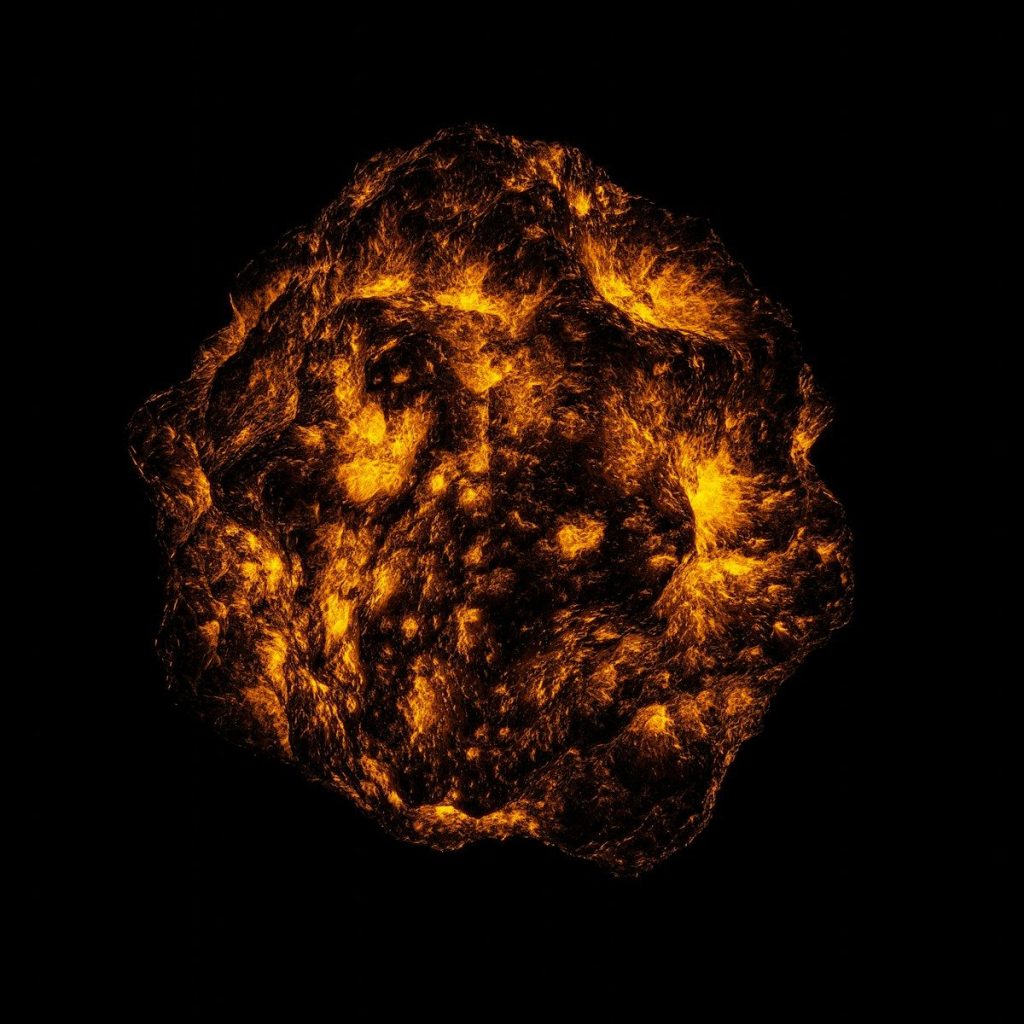
Because the object disintegrated in the atmosphere, a classic crater was never required. Early investigators expected to find a deep hole and large fragments, so the absence of both encouraged competing theories. Later searches reported microscopic particles that may have come from space, but linking every sample conclusively to the 1908 event has been difficult. The physical evidence strongly favors an airburst, even though details remain debated. That uncertainty concerns composition and trajectory more than the basic conclusion that a cosmic airburst occurred.
Leonid Kulik 1927 Siberian Expedition

The first major expeditions were led by mineralogist Leonid Kulik, who reached the region in 1927, nearly nineteen years after the explosion. War, revolution, distance, swamps, and extreme weather had delayed scientific investigation. Kulik documented the flattened forest and searched repeatedly for meteorite fragments. His photographs and field observations became essential evidence, even though he never found the large crater he expected. His work transformed scattered eyewitness stories into a location that scientists could measure and revisit.
Stony Asteroid Cosmic Body Space Concept
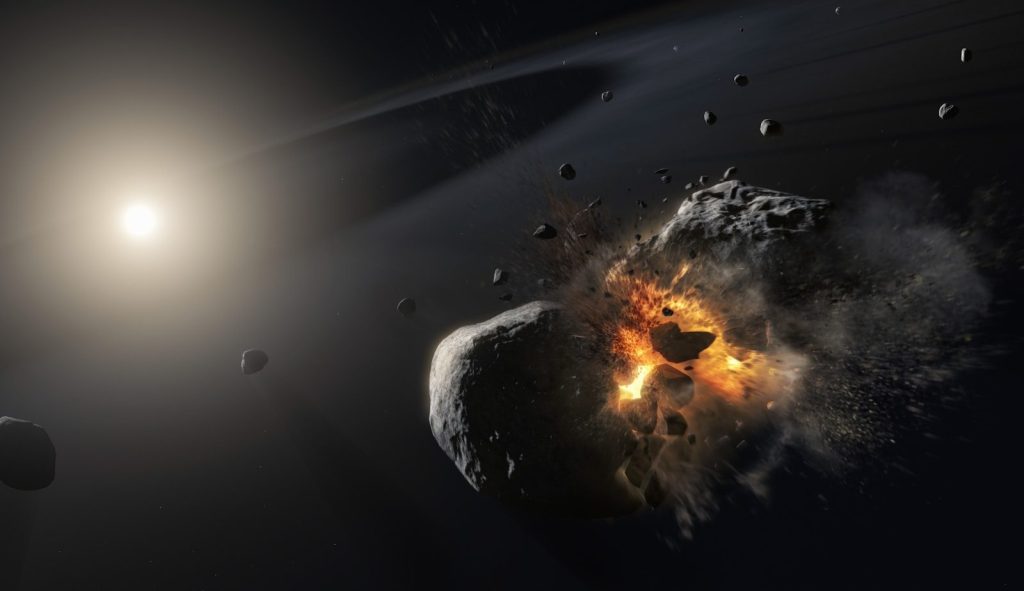
Scientists have debated whether the incoming body was a stony asteroid or an icy comet fragment. Most modern assessments favor an asteroid, although uncertainty remains because the object was largely vaporized and the site was examined long after the blast. Ideas involving antimatter, secret weapons, or extraterrestrial spacecraft lack credible evidence. The simplest explanation remains a natural cosmic body breaking apart explosively in Earth’s atmosphere. Continuing research focuses on refining the object’s size, composition, path, and exact explosion energy.
Chelyabinsk Meteor Planetary Defense Telescope

Tunguska matters because it shows that a relatively small space object can cause regional destruction without leaving a crater. The 2013 Chelyabinsk airburst offered a smaller modern comparison, damaging buildings and injuring people through shattered glass. Today, sky surveys, impact modeling, warning systems, and asteroid-deflection tests are designed to reduce that risk. Tunguska remains both a mystery story and a foundation of planetary defense. A similar event over a city would have far more serious human consequences. This article is for informational purposes only.
Featured Image: Photo by Art Guzman on Pexels
Leave a Reply