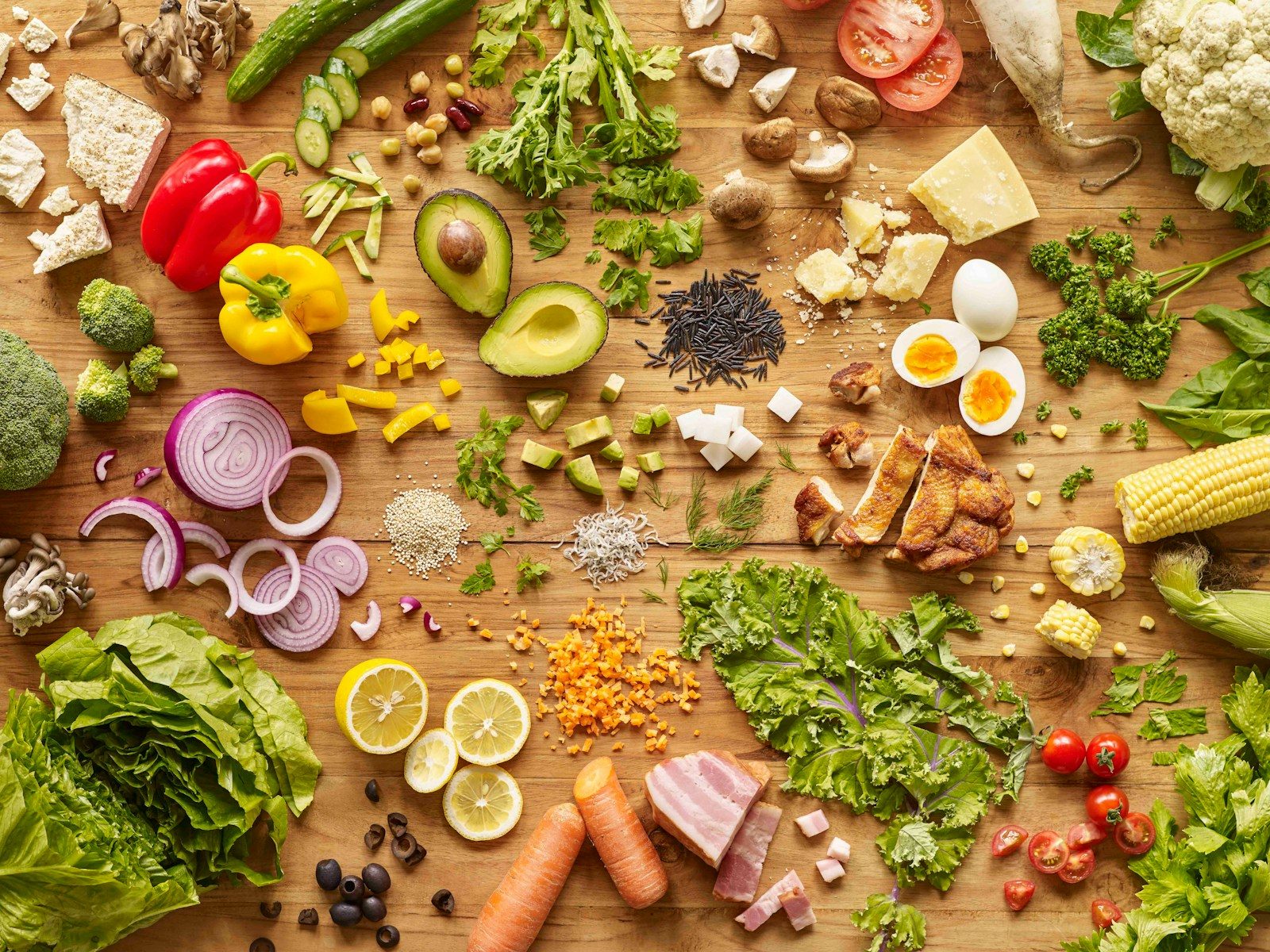
Ultra-processed foods are industrial formulations made mainly from refined ingredients, extracted substances, additives, and little intact food. The category often includes sugary drinks, packaged snacks, processed meats, instant noodles, many frozen meals, and some mass-produced baked goods. It does not simply mean that a food was cooked, canned, or frozen.
Research consistently links diets high in many ultra-processed products with obesity, type 2 diabetes, cardiovascular disease, and other poor outcomes. However, the category is broad, and not every item carries the same nutritional profile or risk. Understanding labels, ingredients, eating patterns, and the strength of the evidence is more useful than fearing all processing.
NOVA Food Classification System Chart

The most widely used system divides foods into four groups. The first contains unprocessed or minimally processed foods, such as fruit, vegetables, eggs, milk, grains, and fresh meat. The second includes cooking ingredients such as oils, sugar, and salt. The third covers processed foods made by combining those groups. The fourth contains ultra-processed formulations designed for convenience, long shelf life, strong flavor, or easy consumption. The system focuses on the purpose and formulation of processing, not processing alone.
Packaged Food Nutrition Ingredients Label
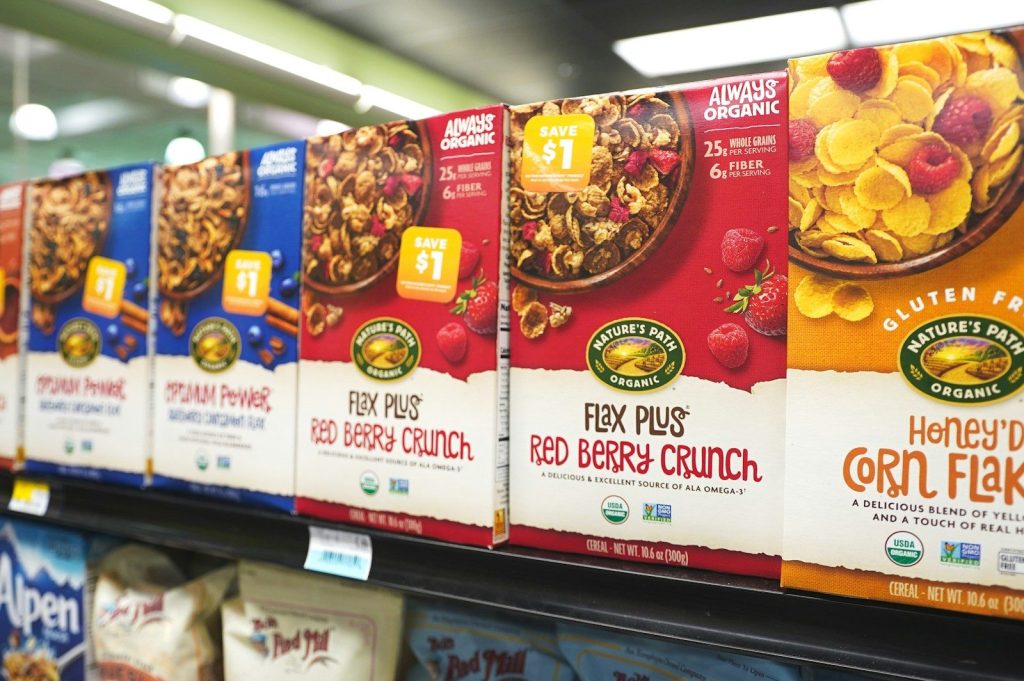
Common signs include long ingredient lists, flavorings, colorings, emulsifiers, sweeteners, modified starches, protein isolates, hydrogenated oils, and substances rarely used in home kitchens. A product can still be ultra-processed even when it contains added vitamins, fiber, or protein. At the same time, a long label alone does not prove a food is harmful. Its nutrient quality and role in the overall diet also matter. Reading both the ingredient list and nutrition panel gives a more complete picture.
Cardiovascular Health Clinical Study Data

Large observational studies have associated higher intake with greater risks of weight gain, diabetes, heart disease, and premature death. These studies can reveal patterns across many people, but they cannot prove that processing alone caused every outcome. People who eat more ultra-processed foods may also differ in income, sleep, activity, smoking, access to fresh food, and other factors that researchers cannot fully remove. Even so, repeated findings across countries make the associations difficult to dismiss.
Clinical Controlled Feeding Diet Trial

A tightly controlled feeding trial provided stronger evidence for weight gain. Participants were offered either ultra-processed or minimally processed diets matched for several nutrients. During the ultra-processed phase, they ate about 500 more calories per day on average, ate faster, and gained weight. The trial was small and short, but it showed that food structure and formulation can influence intake even when meals appear nutritionally similar. Participants could eat as much as they wanted, making the calorie difference especially important.
Ultra Processed High Calorie Snack Foods
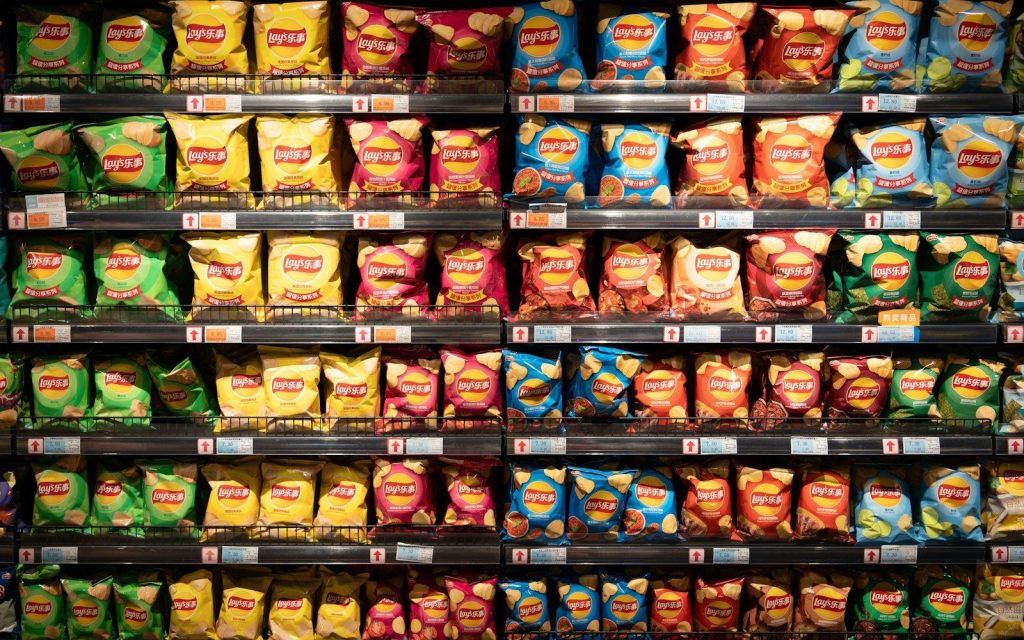
Several mechanisms may work together. Many products are energy-dense, soft, rapidly eaten, low in intact fiber, and engineered to be highly rewarding. Liquid calories and refined carbohydrates may produce weaker fullness signals than whole foods. High sodium, added sugars, and unhealthy fats can also raise risk. Researchers are still examining whether particular additives, packaging chemicals, or changes to the gut microbiome contribute independently. No single mechanism currently explains every product or every reported health association.
Whole Grain Bread Versus Sugary Soda

Not every ultra-processed food is nutritionally identical. Whole-grain packaged bread, fortified cereal, unsweetened yogurt, and some plant-based products can provide useful nutrients, affordability, or convenience. Sugary drinks, processed meats, candy, and many salty snacks show more consistent links with harm. This variation is one reason health agencies are still debating a uniform definition and how the category should guide labels or policy. Researchers increasingly argue that specific subgroups should be studied separately instead of treated as equivalent.
Fresh Whole Foods Balanced Diet Plate
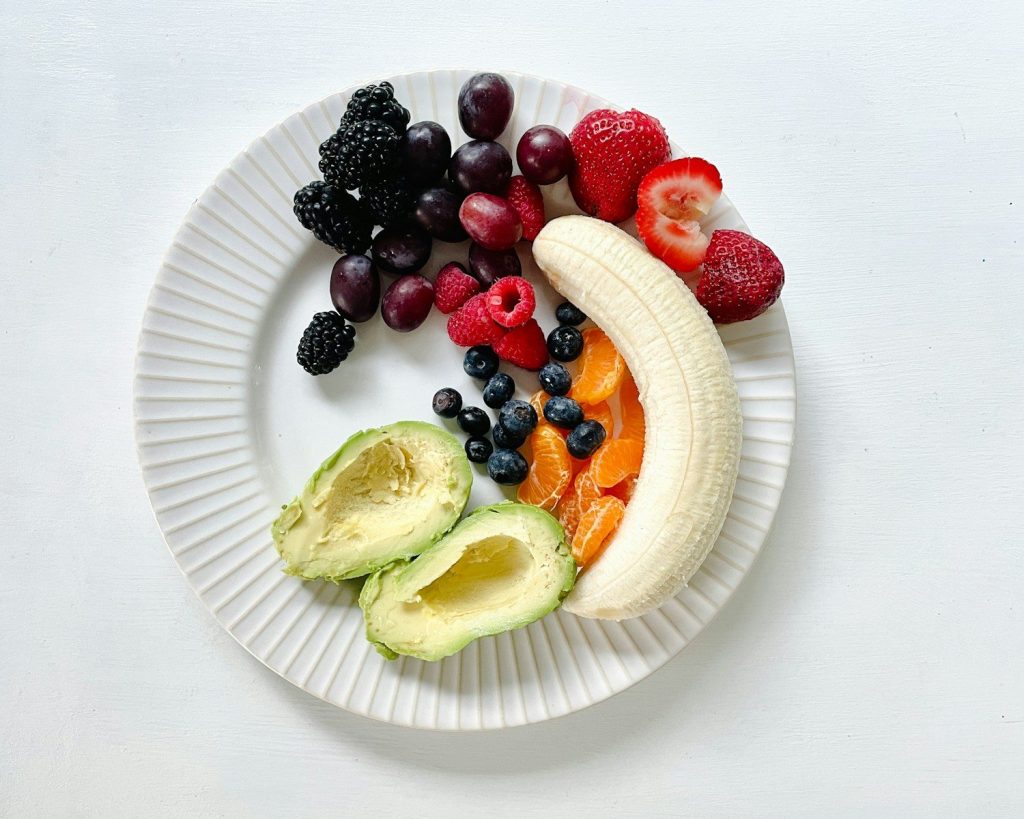
A practical approach is to make minimally processed foods the foundation of most meals without demanding perfection. Choose fruit, vegetables, beans, whole grains, nuts, eggs, fish, or other nutrient-rich staples more often. Compare added sugar, sodium, saturated fat, fiber, and serving size on packages. Convenience foods can still fit, but frequently replacing sugary drinks, processed meats, and snack foods offers a realistic place to begin. Small, repeated swaps are usually more sustainable than trying to eliminate every packaged product. This article is for informational purposes only.
Leave a Reply