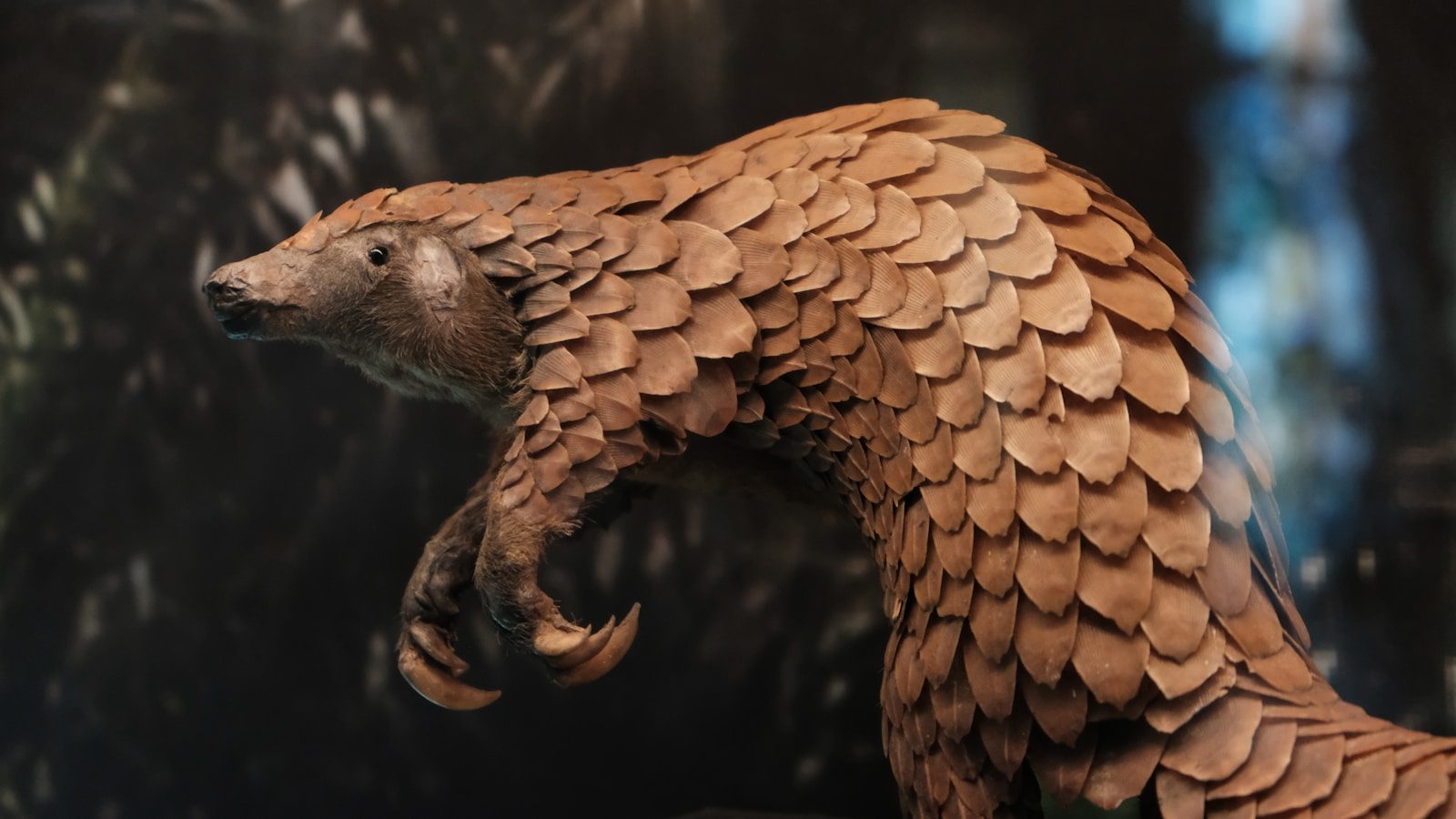
Most people know about illegal hunting threats facing elephants and rhinos. We assume large mammals represent the biggest wildlife poaching crisis.
But a small scaly mammal holds the unfortunate record for global illegal trade. Pangolins face unprecedented pressure from international wildlife trafficking networks.
Pangolin Scaly Mammal Defense
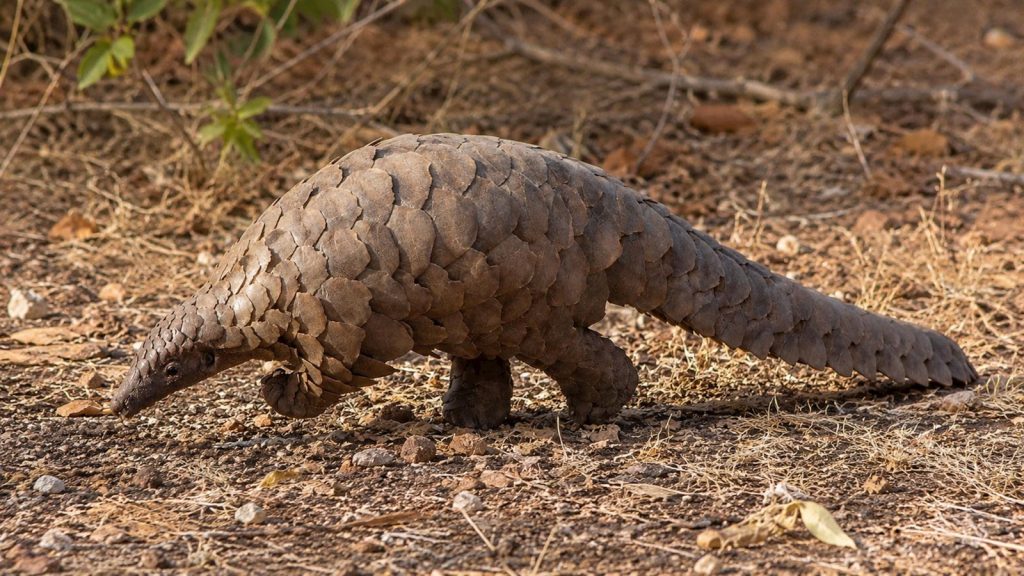
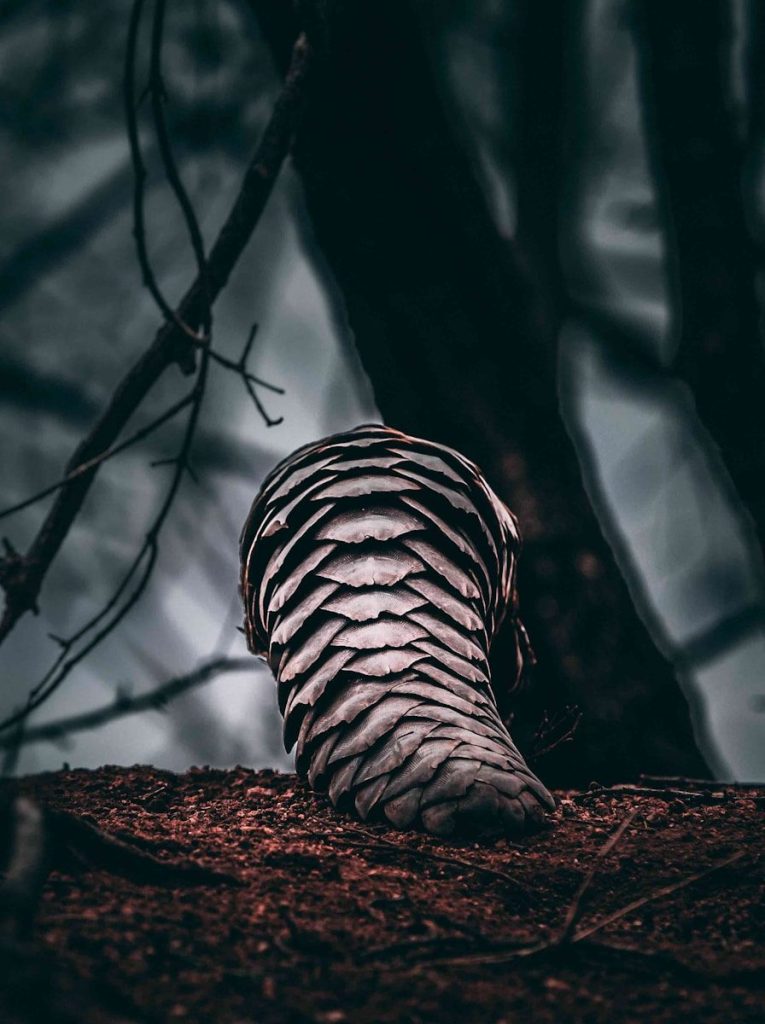
Pangolins are nocturnal mammals covered in protective keratin scales from head to tail. According to wildlife biologists at the IUCN, eight distinct species exist across Africa and Asia. Scales offer defense. When threatened, a pangolin rolls into a tight armor ball that predators cannot break. But that natural defense mechanism makes them easy targets for humans.
Illegal Pangolin Wildlife Poaching
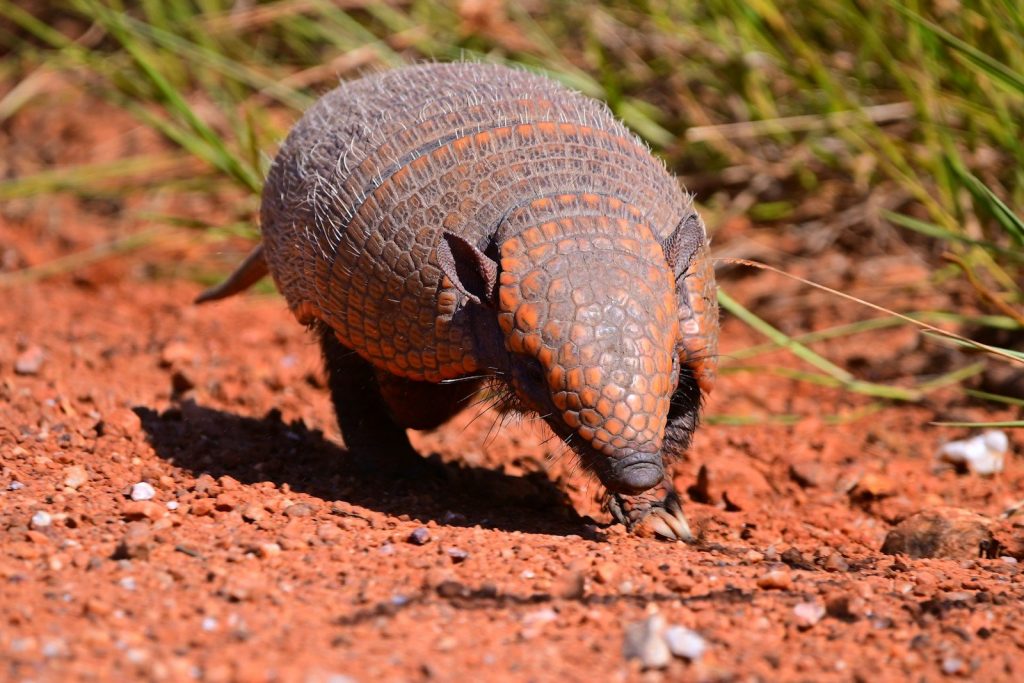
Unlawful poaching networks target pangolins primarily for their unique body armor and meat. According to conservation data from TRAFFIC, millions of pangolins were poached over the past decade. Demand is high. Misconceptions about health benefits drive illegal sales in international markets. And that demand has depleted wild populations rapidly.
Pangolin Keratin Scales Close Up
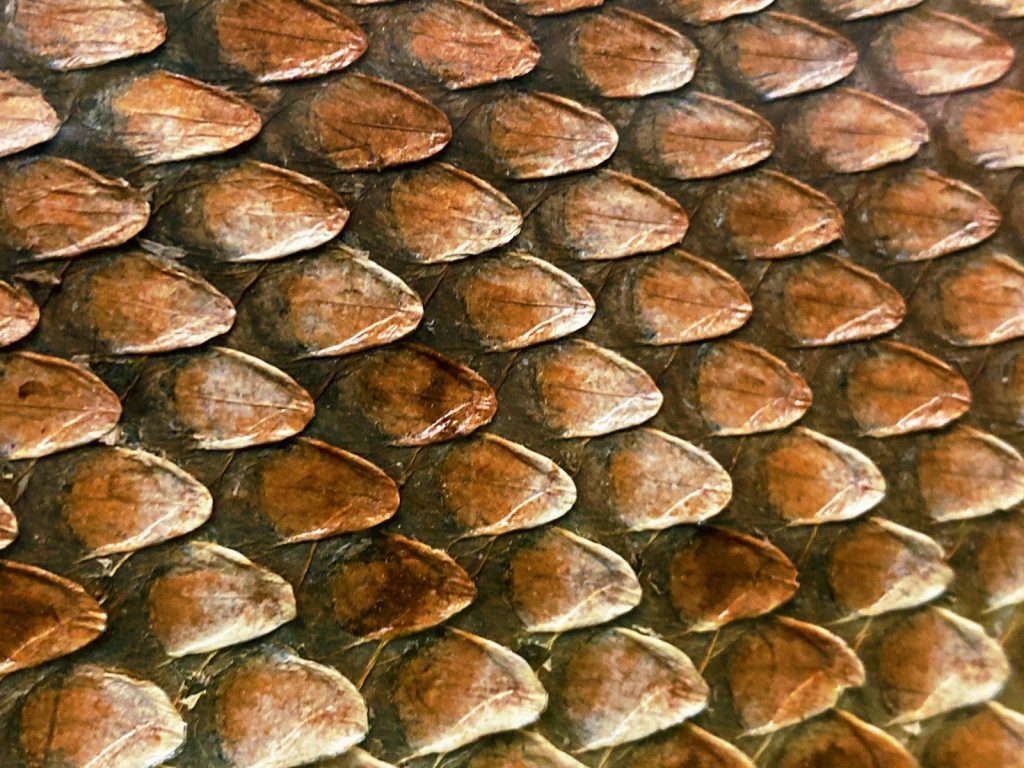
Chemical analyses show that pangolin scales consist entirely of ordinary keratin. According to research from the Zoological Society of London, scales have the same composition as human fingernails. Facts are clear. No scientific evidence supports claims of medicinal properties in these protective scales. Yet trade networks continue capturing thousands of animals every month.
Pangolin Mother And Baby Offspring
Pangolins’ reproduction happens slowly, with females usually raising only one offspring per year. According to wildlife researchers at Oxford University, slow breeding cycles make population recovery difficult. Survival remains tough. Loss of natural forest habitats further accelerates their decline across endemic regions. But dedicated conservationists are pushing back against illegal trade.
CITES Wildlife Protection Enforcement

Global trade authorities placed all eight pangolin species on the highest protection lists. According to CITES official guidelines, commercial international trade in wild pangolins is completely illegal. Laws are strict. Border enforcement teams regularly seize massive shipments at international ports. Yet black market smugglers constantly adapt their transport routes.
Forensic DNA Wildlife Smuggling Test

Scientists now use forensic DNA testing to locate illegal poaching hotspots across different continents. According to geneticists at the University of Washington, DNA analysis pinpointed major poaching origins in West Africa. Science targets crime. By identifying transit hubs, law enforcement can intercept illegal shipments before export. And modern detection dogs are helping officers inspect containers.
Pangolin Rescue Rehabilitation Center
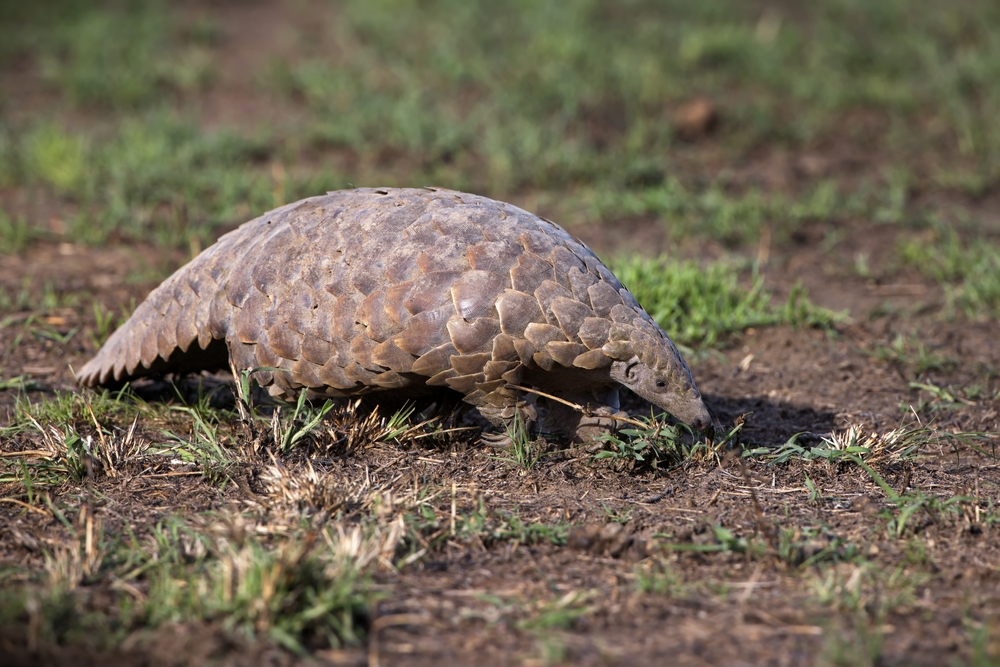
Specialized wildlife centers care for confiscated pangolins before returning them long-term to protected nature reserves. According to rehabilitation reports from the African Pangolin Working Group, surviving captive stress requires careful medical treatment. Care is crucial. Rescued animals receive specialized insect diets to rebuild physical health. But saving the species requires long-term public education.
Community Wildlife Anti Poaching Patrol

Raising global awareness about pangolins is essential for ending illegal black market demand permanently. According to conservation experts, community anti-poaching patrols offer the strongest protection for wild populations. Hope still exists. Preserving these unique scaly mammals ensures balance within forest ecosystems worldwide. This article is for informational purposes only.
Featured Image: Photo by Studio Crevettes on Unsplash
Leave a Reply