
Most people assume that the Moon has always been a cold and completely lifeless desert world. We picture a bone-dry satellite where nothing could ever survive the harsh solar radiation.
But scientific models show that the ancient lunar environment was far more hospitable billions of years ago. Recent radar data reveals sheltered underground caves that could have protected early microscopic organisms.
Moon Surface Volcanic Pit Cave
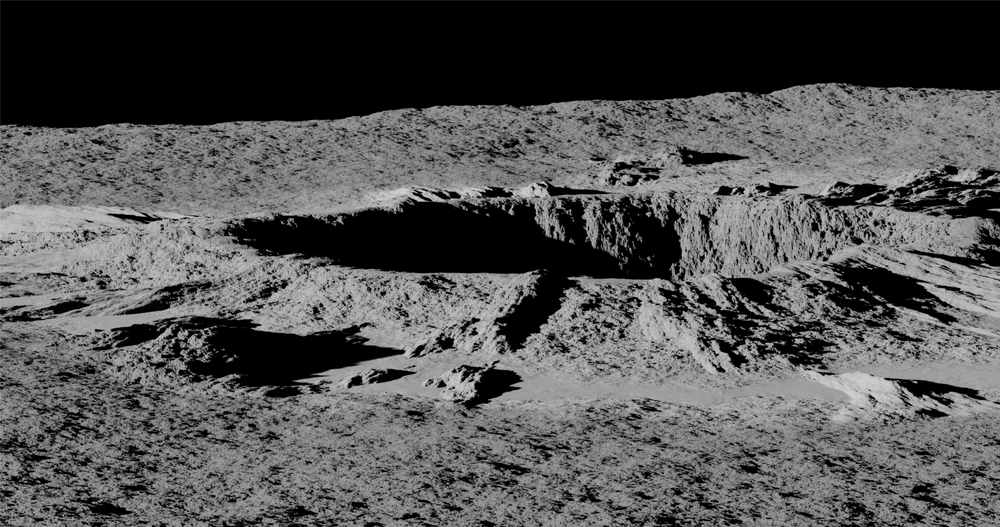
Orbital spacecraft have captured detailed images of steep volcanic pits scattered across lunar basalt plains. According to research from the University of Trento, radar data confirms an accessible cave extending from the Mare Tranquillitatis pit. Caves offer shelter. This underground conduit formed when ancient lava flows cooled and emptied long ago. But the environment inside these tubes is surprisingly stable.
Subterranean Lunar Lava Tube
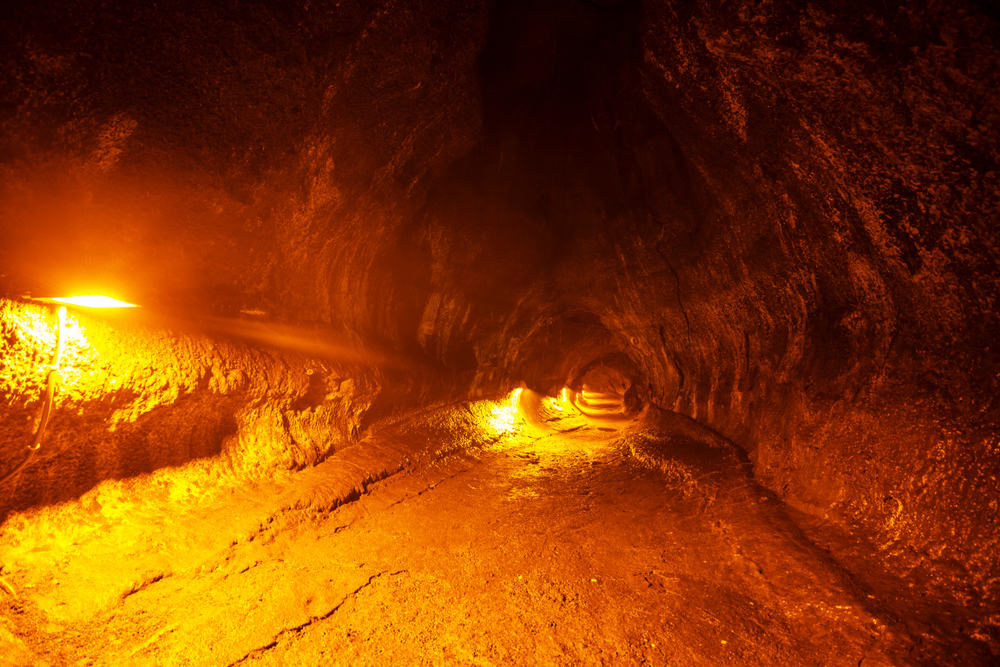
The surface of the Moon swings between extreme heat and freezing cold during its long days and nights. According to thermal measurements from NASA, deep lava tubes maintain a steady temperature near room temperature. Stability protects life. These sheltered caves also shield the interior from cosmic radiation and meteorite impacts. And this creates a unique environment worth investigating.
Ancient Moon Volcanic Eruption Ice
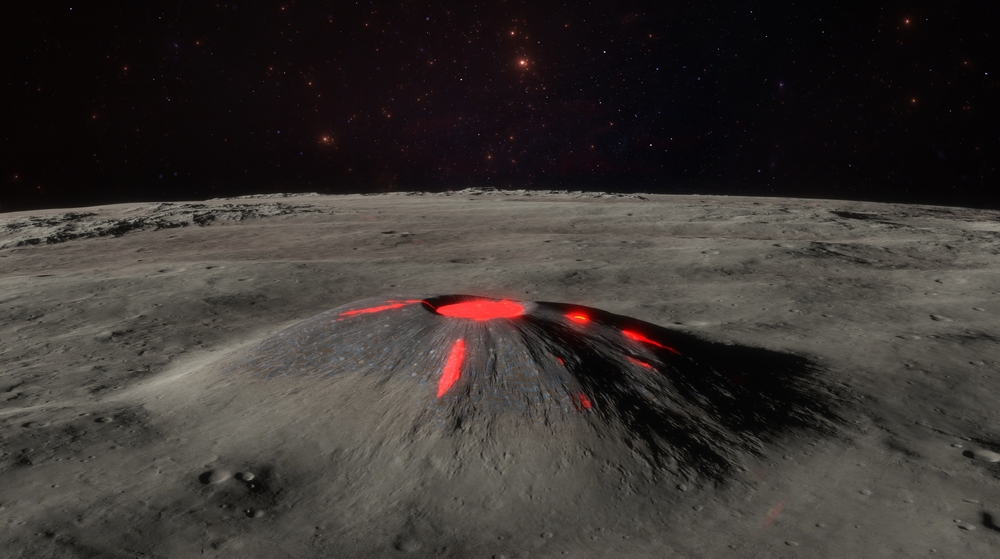
Billions of years ago, widespread volcanic eruptions released water vapor and gases into a temporary lunar atmosphere. According to geological models from the Lunar and Planetary Institute, ancient surface water ice existed in shaded basins. Water was present. Volcanic activity created conditions that were briefly capable of supporting simple chemistry. But could life have traveled there from Earth?
Microscopic Extremophile Bacteria Lab

Certain Earth bacteria survive extreme radiation and vacuum conditions inside specialized space testing chambers. According to biological experiments conducted by the German Aerospace Center, hardy microbes endure extreme environments remarkably well. Life is tough. Meteorite impacts on ancient Earth could theoretically have launched microbial material toward the Moon. Yet finding evidence of microbial transfer remains challenging.
Robotic Rover Exploring Lunar Cave
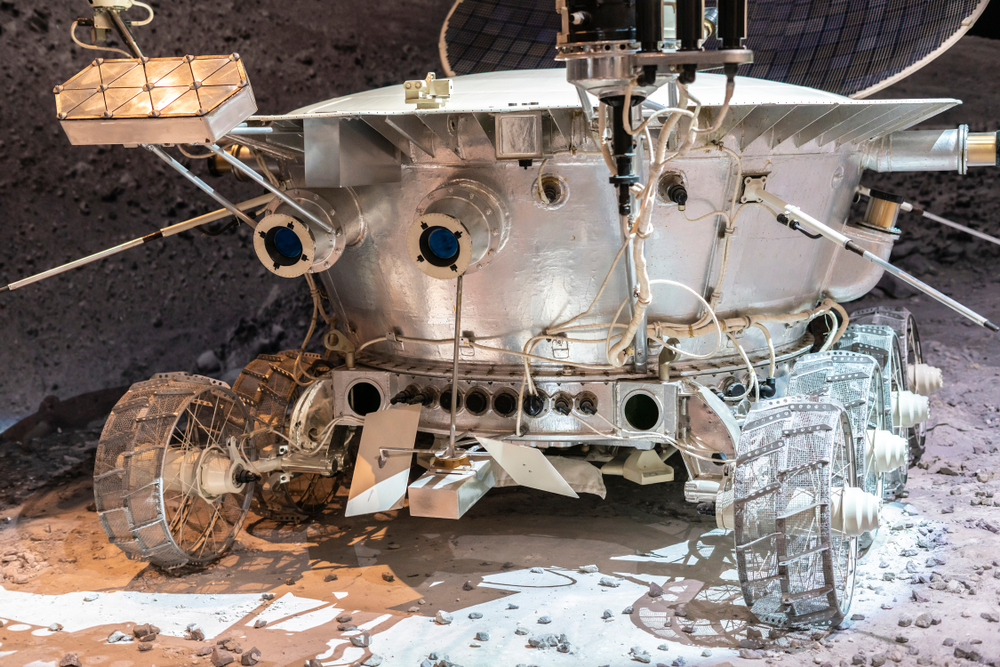
Space agencies are designing specialized climbing rovers to descend into lunar pits and explore cave floors. According to engineering reports from the European Space Agency, autonomous robots will map these subterranean spaces. Exploration takes planning. Robots will search for ice deposits and analyze undisturbed mineral samples. But the journey underground requires advanced navigation systems.
Futuristic Lunar Base Inside Cave
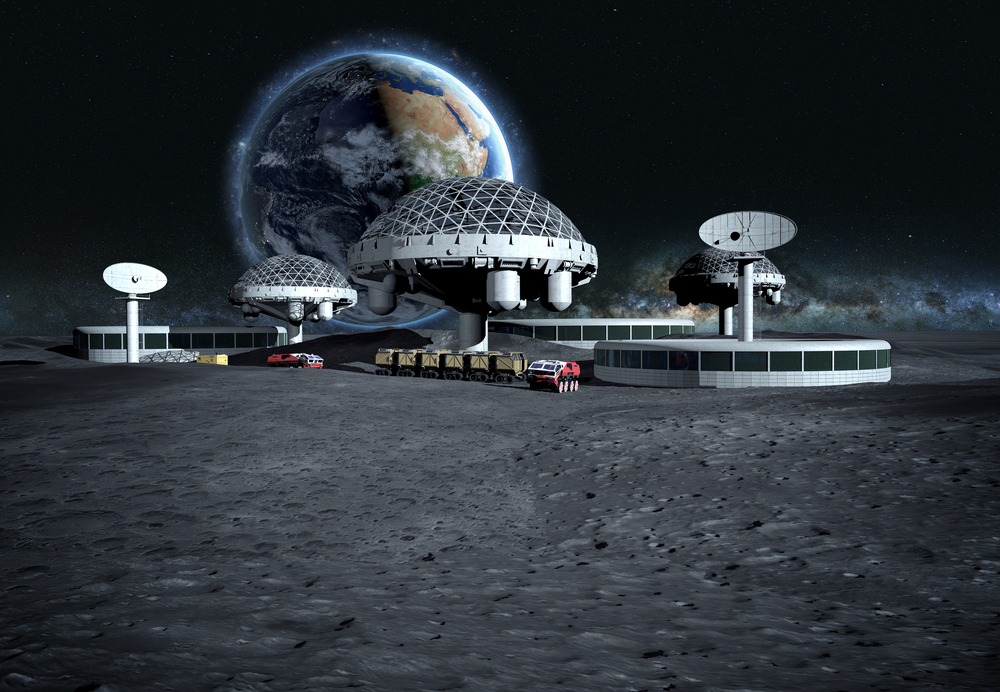
Beyond searching for biosignatures, these lava tubes provide natural protection for future astronaut base camps. According to lunar architecture studies, building inside caves eliminates the need for heavy radiation shielding. Safety comes naturally. Underground shelters make long-term human presence on the Moon much more feasible. But scientific exploration remains the main driving force.
Lunar Geology Surface Exploration
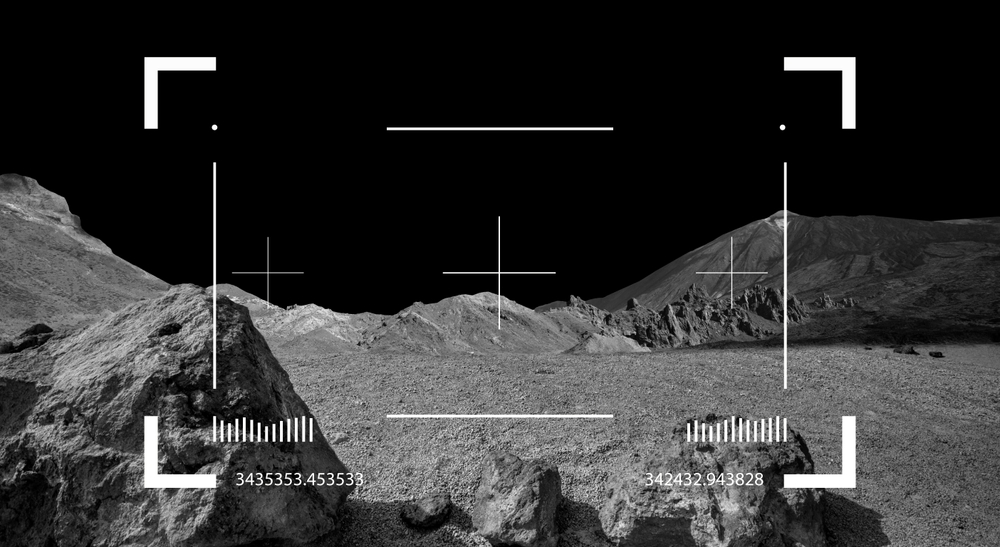
Investigating underground lunar caves will deepen our understanding of early planetary environments across the solar system. According to planetary scientists, analyzing trapped ice layers could reveal how volatile elements spread through space. Mysteries remain hidden. Future lunar missions will help answer whether life ever found a temporary home nearby. This article is for informational purposes only.
Featured Image: Photo by National Institute of Allergy and Infectious Diseases on Unsplash
Leave a Reply