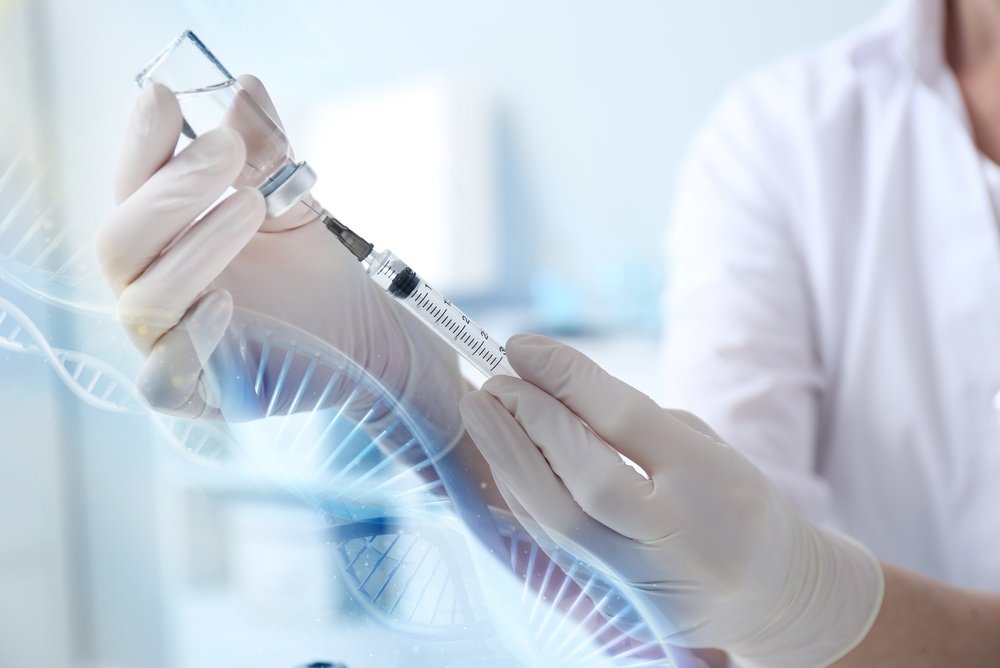
Most people believe that modern medical breakthroughs came from high tech laboratory equipment and massive computer supercomputers. We assume that conquering deadly diseases required centuries of complex modern chemistry.
But several of the greatest life-saving discoveries in human history actually began with simple accidents and accidental observations. These unexpected moments transformed healthcare forever and saved billions of lives.
Edward Jenner Used Cowpox to Create the First Vaccine
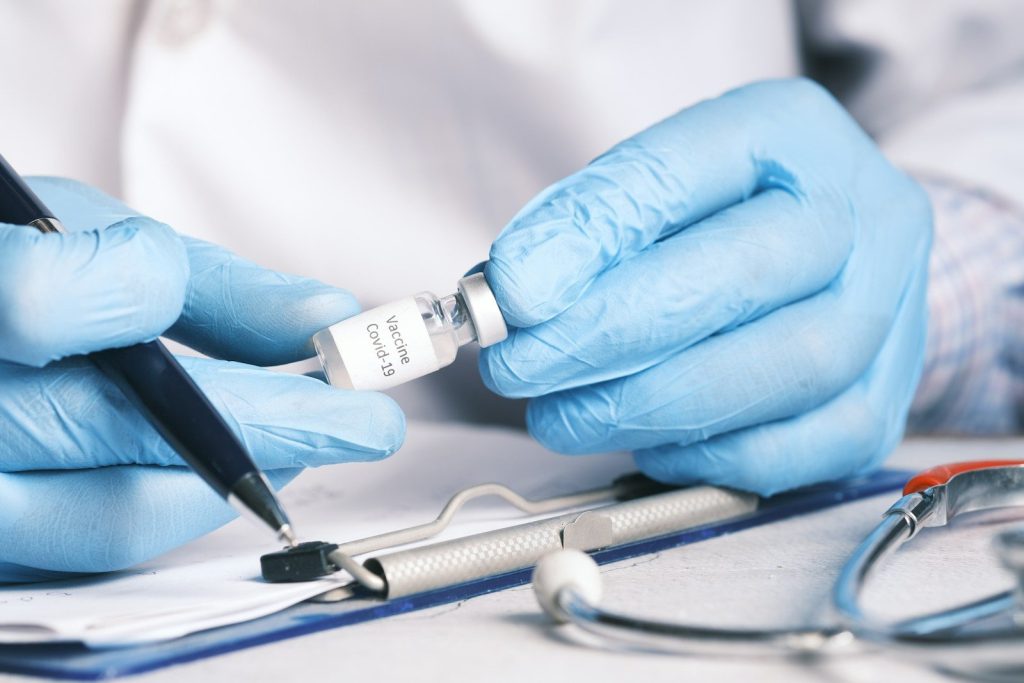
In the late eighteenth century, smallpox was one of the most feared killer diseases on Earth. Survival was rare. According to historical records from the Royal Society, Dr. Edward Jenner noticed that dairy workers who caught mild cowpox never contracted deadly smallpox. He tested his observation in 1796 by developing the world’s first vaccine. But understanding why vaccines worked took decades of further research.
Ether Anesthesia Made Painless Surgery Possible

Before the mid nineteenth century, surgery was a terrifying ordeal performed while patients remained fully conscious. Speed was everything. According to medical history archives at Massachusetts General Hospital, Dr. William Morton demonstrated the effective use of ether gas as an anesthetic in 1846. Patients slept peacefully through surgical procedures. Yet preventing post-surgery infections remained an unsolved crisis.
Germ Theory Transformed Hospital Hygiene and Infection Control
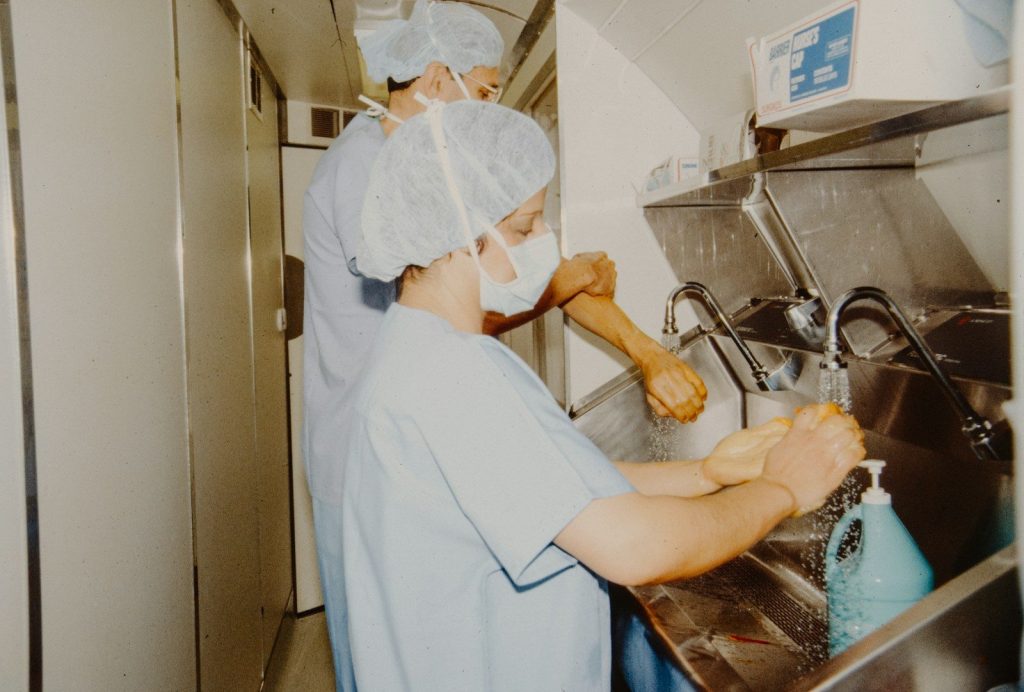
Surgeons in the nineteenth century routinely worked without washing hands or sterilizing tools between sick patients. Infections spread rapidly. According to scientific papers by Louis Pasteur and Robert Koch, microscopic bacteria were proven to cause infectious diseases and surgical decay. Germ theory transformed hospital cleanliness completely. But treating active internal bacterial infections still seemed impossible.
Alexander Fleming Discovered Penicillin Around a Moldy Dish
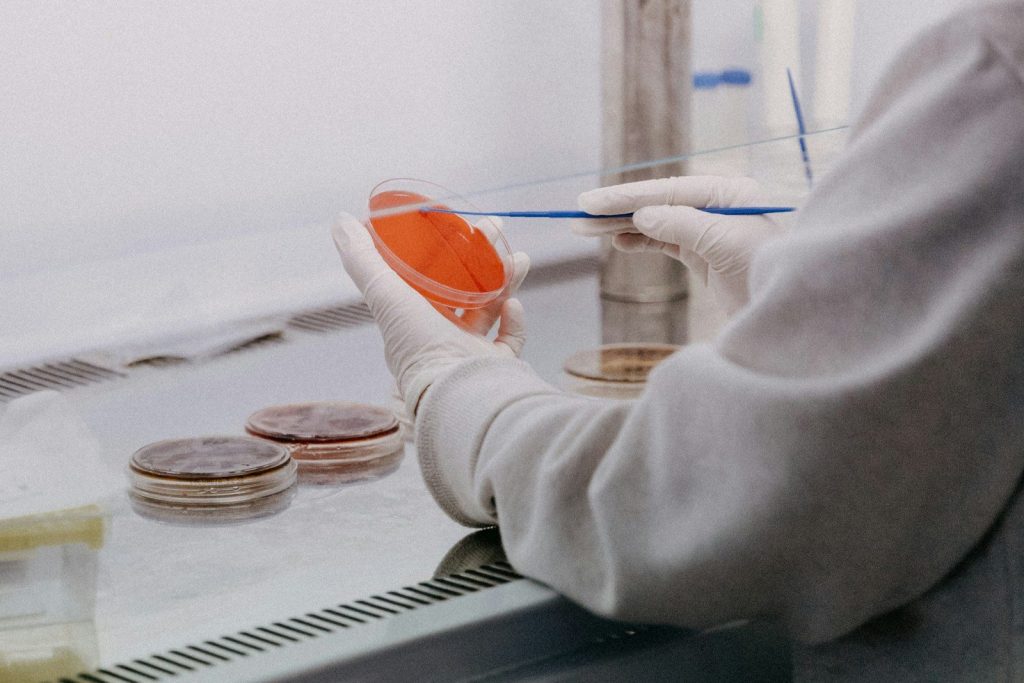
In 1928, Dr. Alexander Fleming returned to his messy laboratory after a short summer holiday. A petri dish was left open. According to archives from Imperial College London, Fleming noticed that a stray green mold had cleared a circle of bacteria on a culture plate. He identified the antibacterial substance as penicillin. Yet turning mold juice into usable medicine proved extremely difficult.
Florey and Chain Turned Penicillin Into a Mass-Produced Drug
Extracting stable penicillin in large quantities required years of dedicated biochemical work by Howard Florey and Ernst Chain. War created urgency. According to historical reports from the American Chemical Society, mass production of penicillin during World War Two saved millions of soldiers from fatal wound infections. Antibiotics changed human life expectancy forever. But medical scientists did not stop there.
The Human Genome Project Mapped Our Genetic Code
In the late twentieth century, molecular biologists shifted focus toward understanding the fundamental code of life inside human cells. DNA held all answers. According to research published by the National Human Genome Research Institute, scientists successfully sequenced the entire human genome in 2003. This landmark achievement unlocked personalized medicine and genetic therapies. But new medical frontiers continue emerging daily.
Accidental Discoveries Helped Shape Modern Medicine
From accidental mold in a petri dish to mapping human DNA, simple curiosity revolutionized how humanity fights illness and preserves life. These breakthrough moments doubled global human life expectancy over a single century. According to medical research institutions, understanding history helps us develop the next generation of life-saving treatments. This article is for informational purposes only.
Featured Image: Shutterstock
Leave a Reply