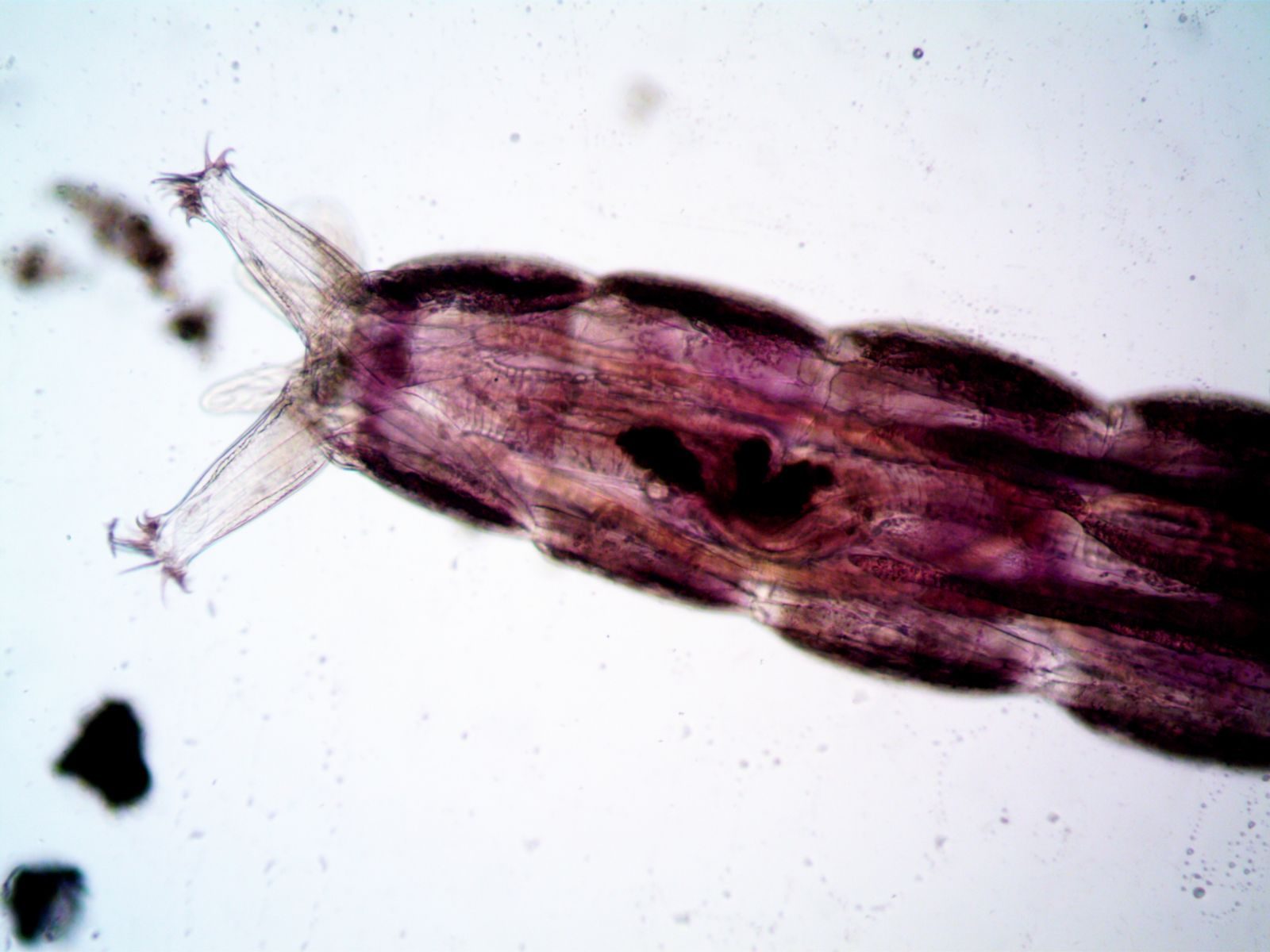
Most people assume that freezing biological cells for millennia destroys living organisms permanently. We believe ancient life buried deep under Arctic permafrost is gone forever.
But a microscopic animal has completely shattered these expectations by returning to active life. This resilient creature has survived frozen inside solid ice since the late Stone Age.
Siberian Permafrost Yields Life
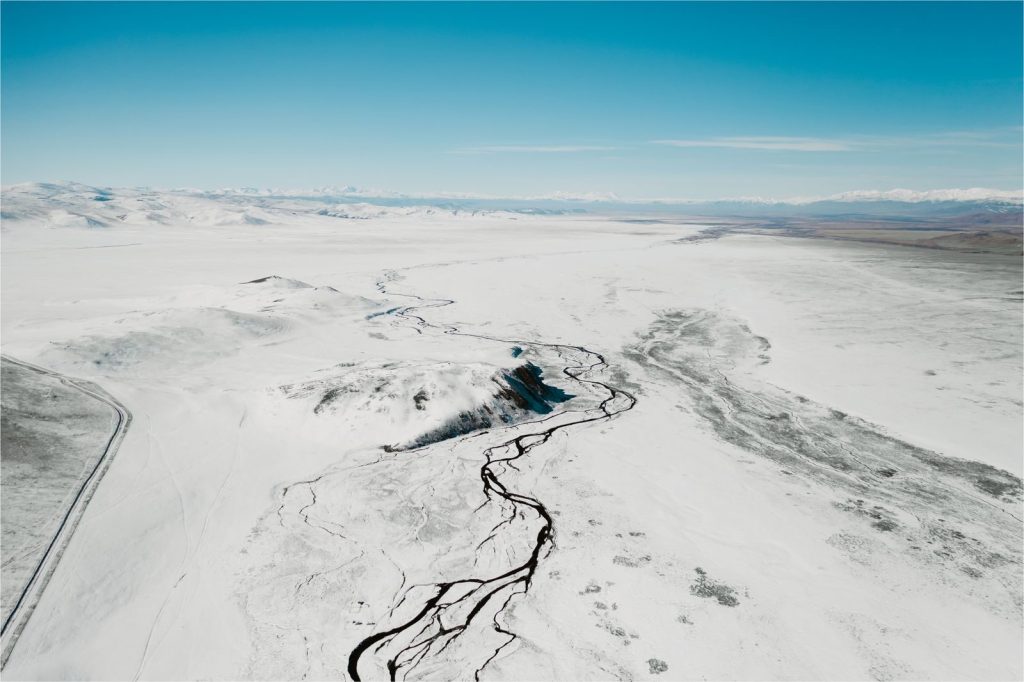
Soil samples retrieved from deep beneath the Siberian permafrost contained a surprising microscopic traveler. Biologists were drilling into frozen dirt near the Alazeya River to study ancient sediments. They were shocked. According to reports from the Soil Cryology Laboratory, researchers successfully revived a tiny invertebrate called a bdelloid rotifer. But this microscopic worm had been frozen for an almost unbelievable duration.
Sleeping Through Ice Ages

Carbon dating of the surrounding soil layers reveals the creature was frozen twenty-four thousand years ago. It slept while woolly mammoths still walked the frozen tundras. Time stood still. According to research published in Current Biology, this organism survived longer than any previously recorded rotifer. But understanding how its microscopic cells survived the freezing process remained a total mystery.
Shutting Down Vital Functions
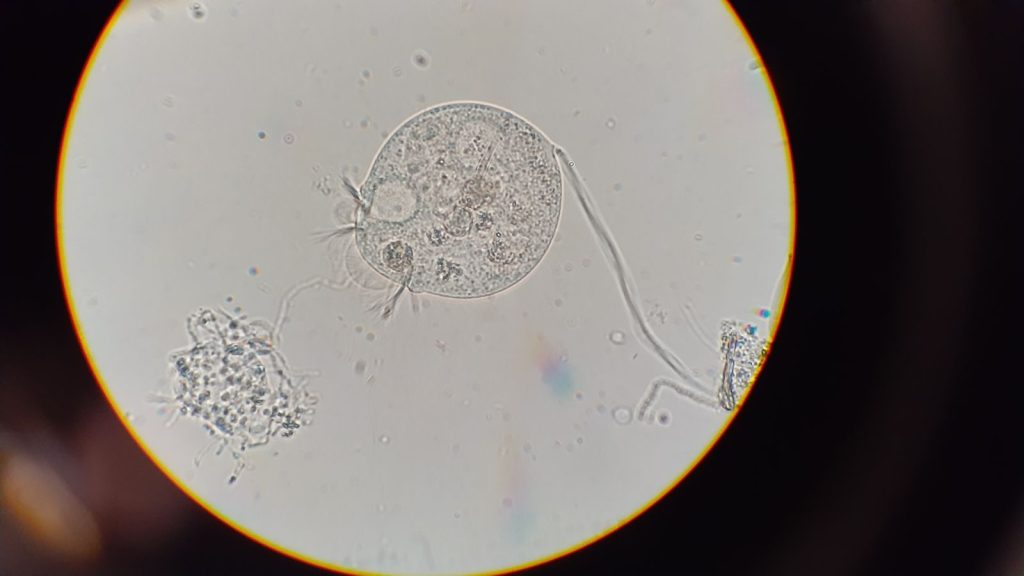
The rotifer survived by entering a state of complete metabolic suspension called cryptobiosis. Its microscopic body ceased all chemical activity and paused life processes entirely. Survival was absolute. According to studies from the Institute of Physicochemical and Biological Problems, the animal effectively paused its own biological clock. But waking up from this deep sleep required a highly delicate transition.
Warming Up Tiny Cells
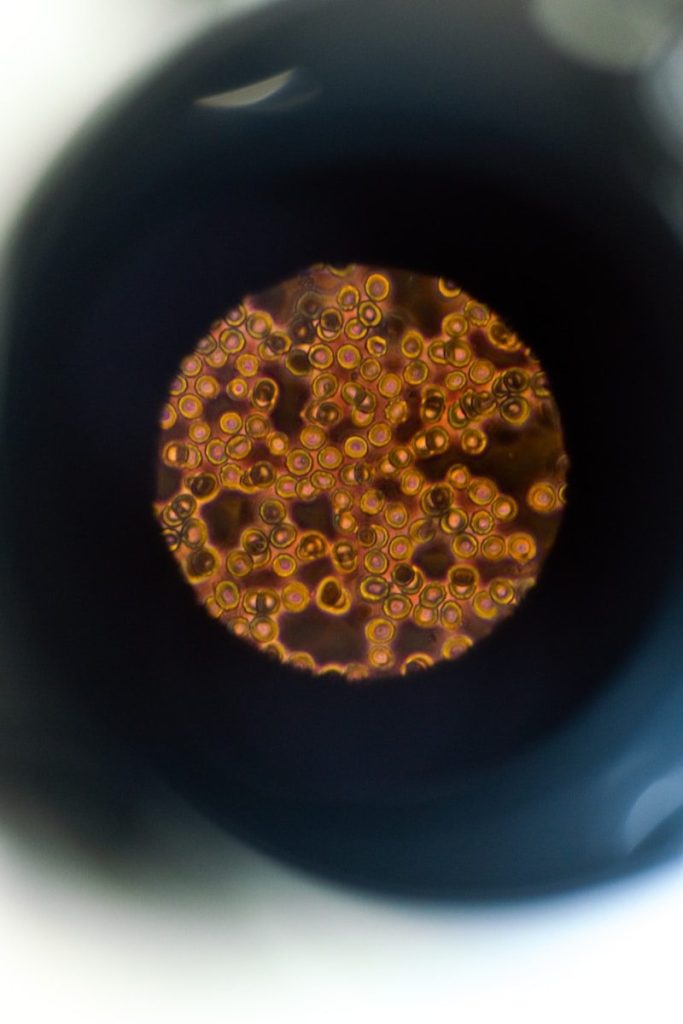
Scientists slowly thawed the frozen soil samples inside sterile laboratory dishes. Once the surrounding ice melted, the tiny organism began moving and feeding normally. Life returned instantly. According to observations from the research team, the rotifer even began reproducing through asexual cloning. But this remarkable survival capability has major implications for the future of cryobiology.
Protecting Fragile Human Tissues
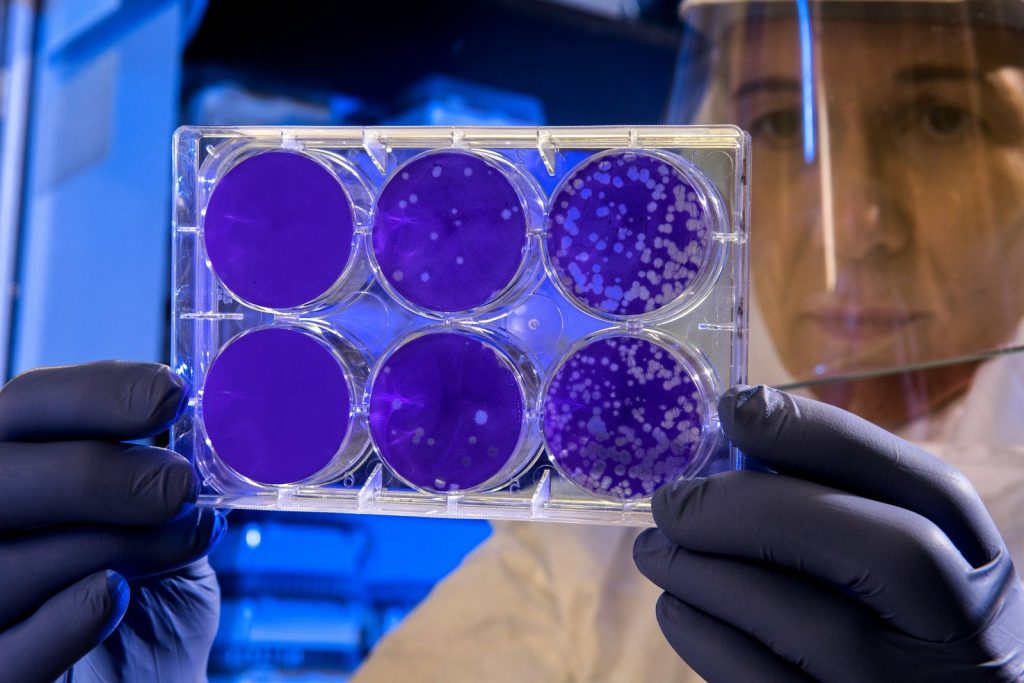
Mapping the genetic mechanisms of cryptobiosis could help doctors preserve human organs for longer periods. Freezing living cells without causing crystal damage remains a huge medical hurdle. Progress is slow. According to analysis from the Cryonics Institute, mimicking rotifer proteins could revolutionize how we store donor tissues. But this microscopic survivor is not the only ancient organism returning to life.
Waking Up Sleeping Viruses
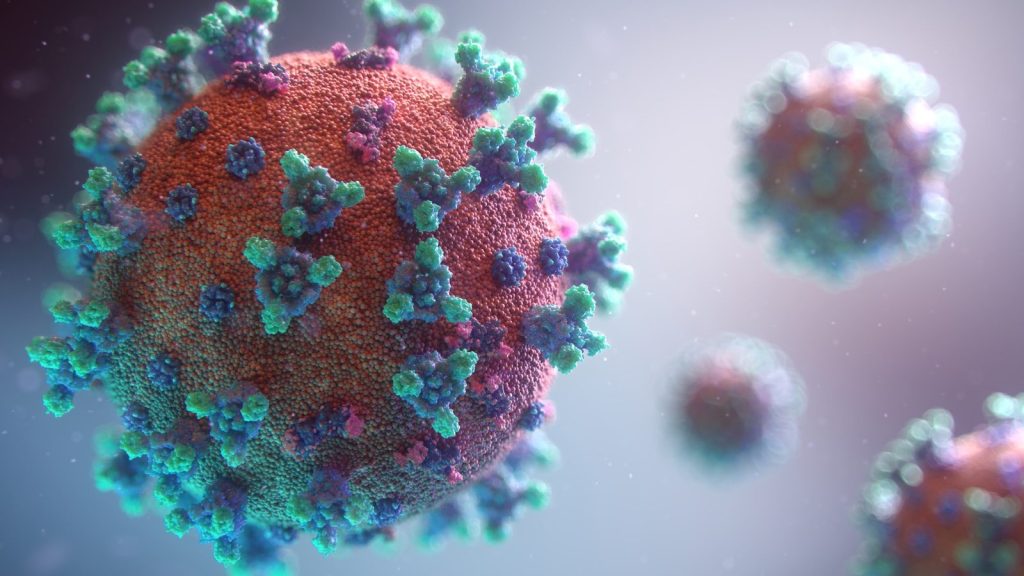
Reviving prehistoric life raises deep concerns about ancient pathogens locked inside melting northern permafrost. Dormant microbes could emerge as global temperatures continue to rise. Risks are real. According to studies from Aix-Marseille University, ancient viruses remain infectious even after thousands of years in ice. But tracking these frozen threats requires launching specialized Arctic sampling missions.
Decoding Extreme Bio Resilience
Studying these hardy survivors teaches biologists how life adapts to extreme cosmic environments. Organisms that withstand freezing temperatures might survive on icy moons like Europa. Adaptation is key. According to space biology reports from NASA, cryptobiosis highlights the extreme limits of planetary life. But this arctic discovery is only one piece of a much larger scientific puzzle.
Stretching Limits Of Life
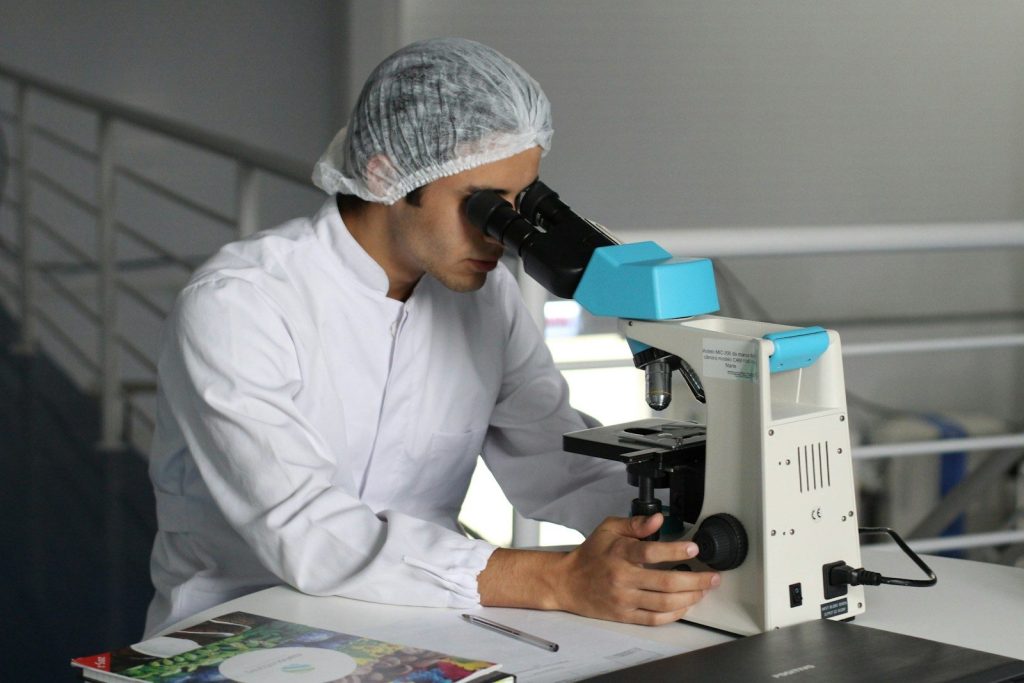
Reviving this ancient rotifer proves that biological survival can extend far across vast geological eras. Understanding these natural freezing mechanisms could unlock incredible new advancements in medical preservation. Nature always adapts. According to scientific consensus, continuing to study prehistoric organisms will reshape our boundaries of biological endurance. This article is for informational purposes only.
Leave a Reply