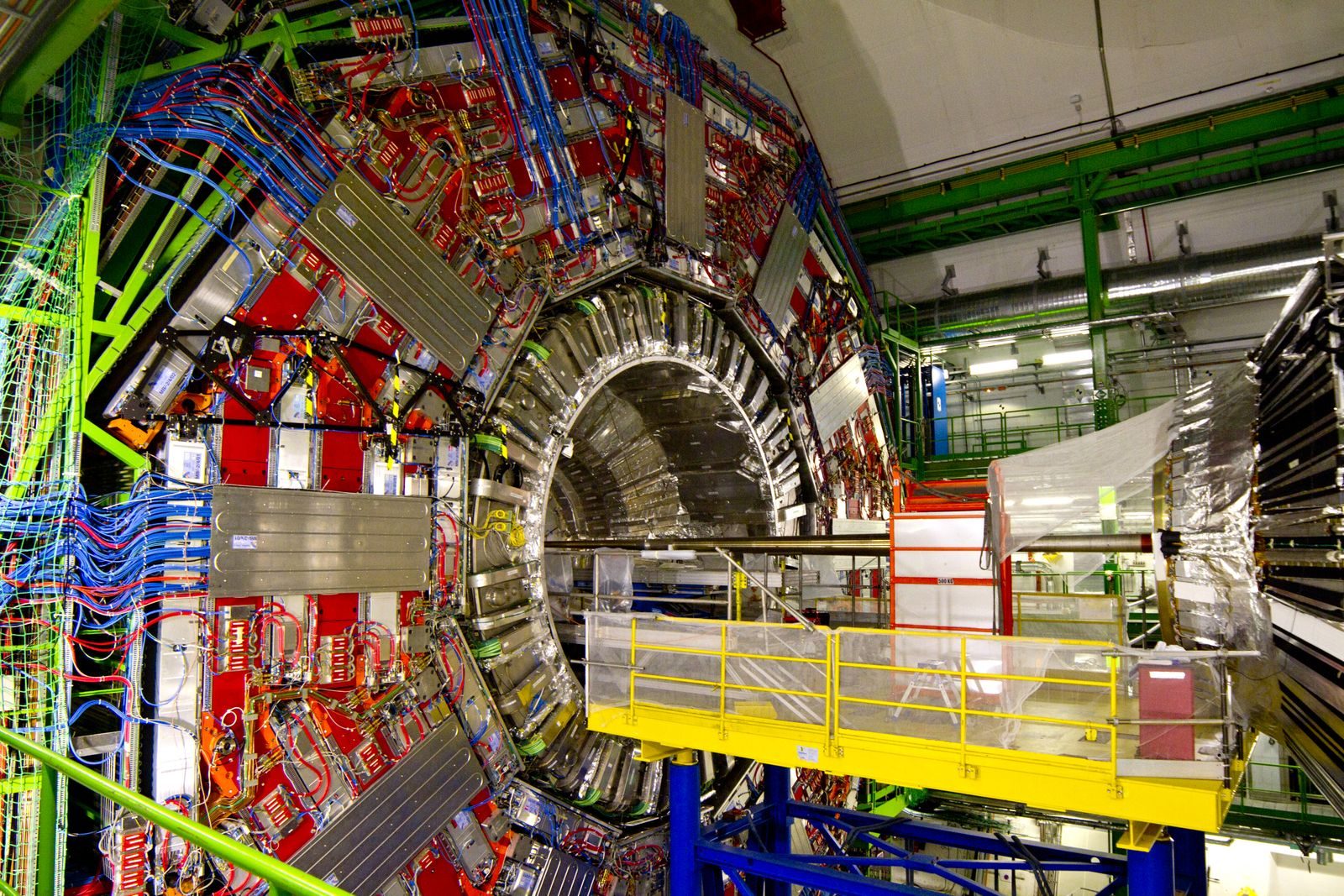
Most people assume that nuclear power reactors always require highly enriched uranium to produce electricity. We believe that radioactive waste is just a dangerous byproduct that we must bury underground forever.
But a revolutionary reactor design is completely changing how we view nuclear energy. This brilliant system runs on spent fuel and produces clean power without any traditional raw resources.
The Spent Fuel Crisis
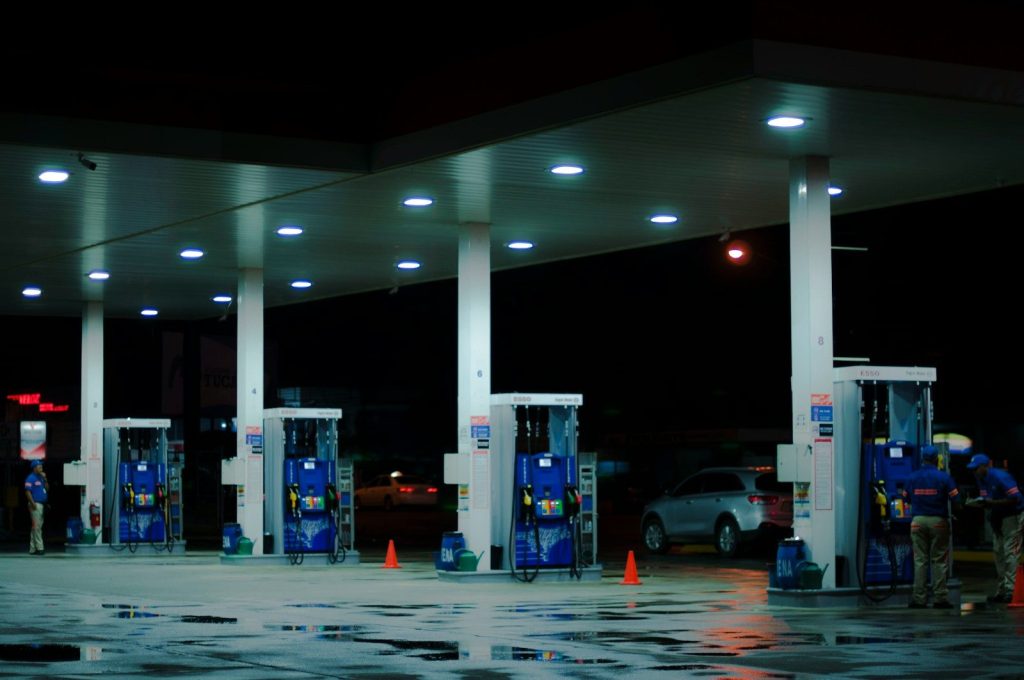
Across the globe, thousands of tons of highly radioactive nuclear waste sit in cooling pools near power stations. Storage is difficult. According to reports from the International Atomic Energy Agency, finding safe, permanent locations to bury this hazardous material remains a massive political challenge. But nuclear engineers have spent decades designing a machine that treats this waste as a valuable resource.
The Accelerator Driven System
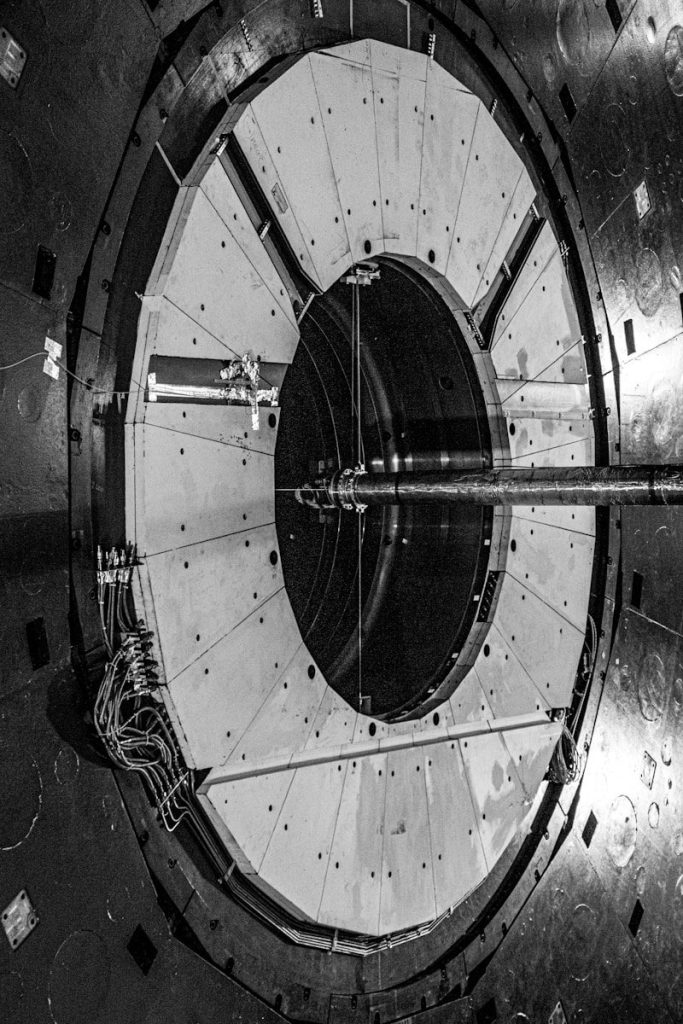
Traditional nuclear plants rely on a self-sustaining chain reaction that can spin out of control if left unchecked. Safety is key. According to technical reports from the European Organization for Nuclear Research, an accelerator-driven system uses an external particle beam to keep the reaction going. This means the reactor cannot melt down because it has no internal fuel to sustain itself. But building this beam requires extreme engineering.
Transmuting The Waste
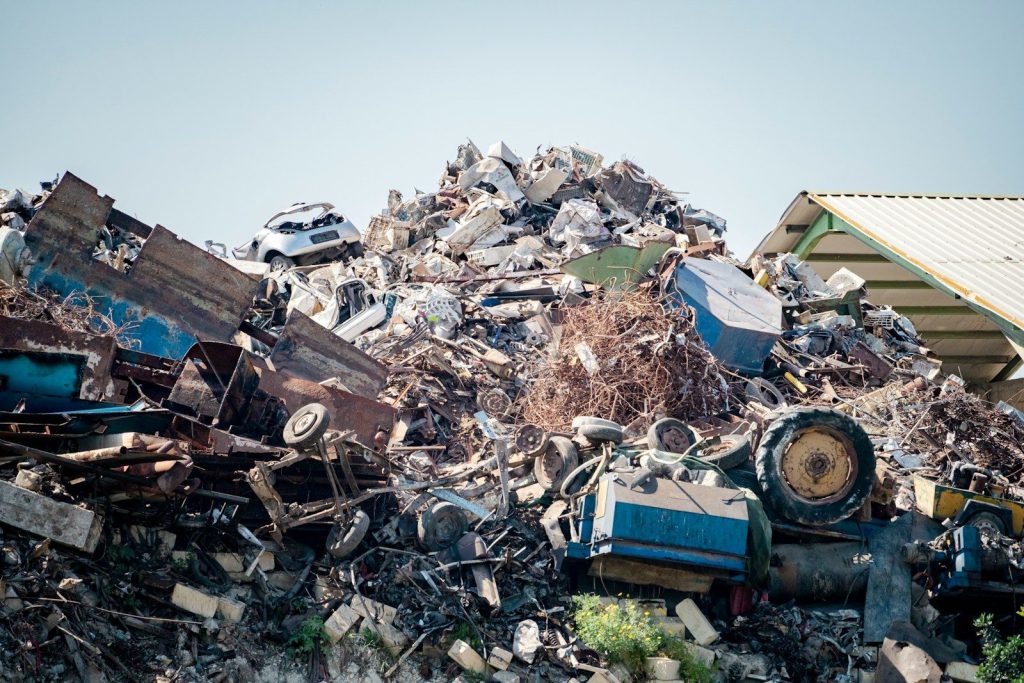
When the high-energy particle beam strikes the heavy elements inside the reactor, it splits them into much safer components. This is alchemy. According to studies by the World Nuclear Association, this process reduces the radioactive lifespan of the waste from hundreds of thousands of years down to just a few centuries. This dramatic reduction could solve the world’s nuclear storage problems forever. But this technology faces a high financial barrier.
The High Building Cost
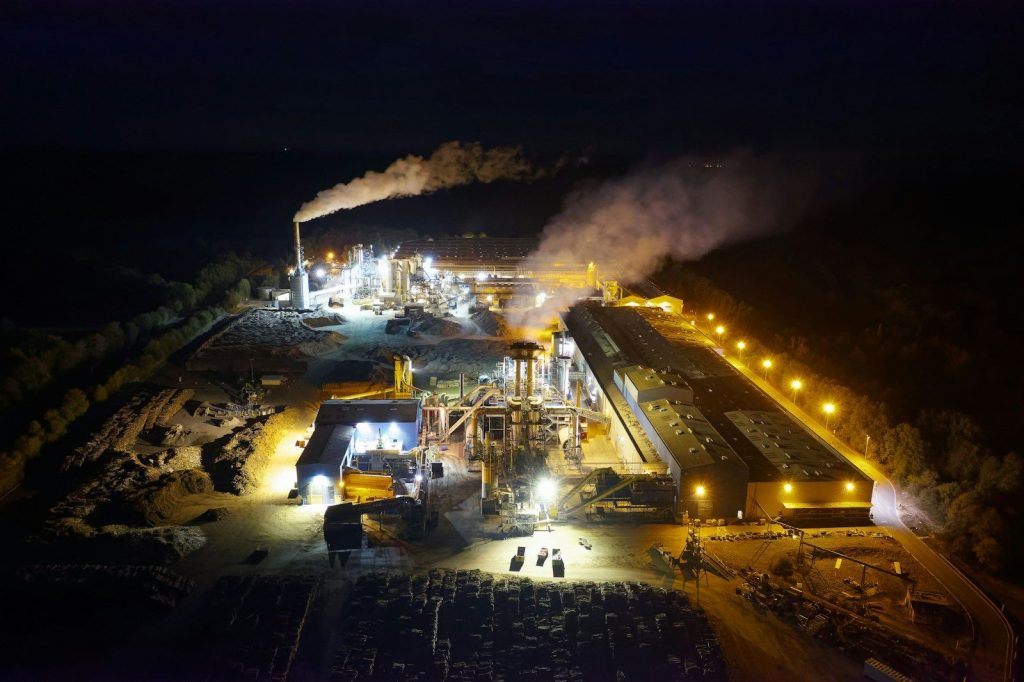
Building particle accelerators next to nuclear reactors is incredibly expensive and complex. Budget pressure is real. According to construction data from energy analysts, early prototype systems will require billions of dollars in government funding before they can supply electricity to the grid. This high cost has kept the technology in the planning phases for several years. But global climate goals are forcing nations to reconsider.
Pure Carbon-Free Power
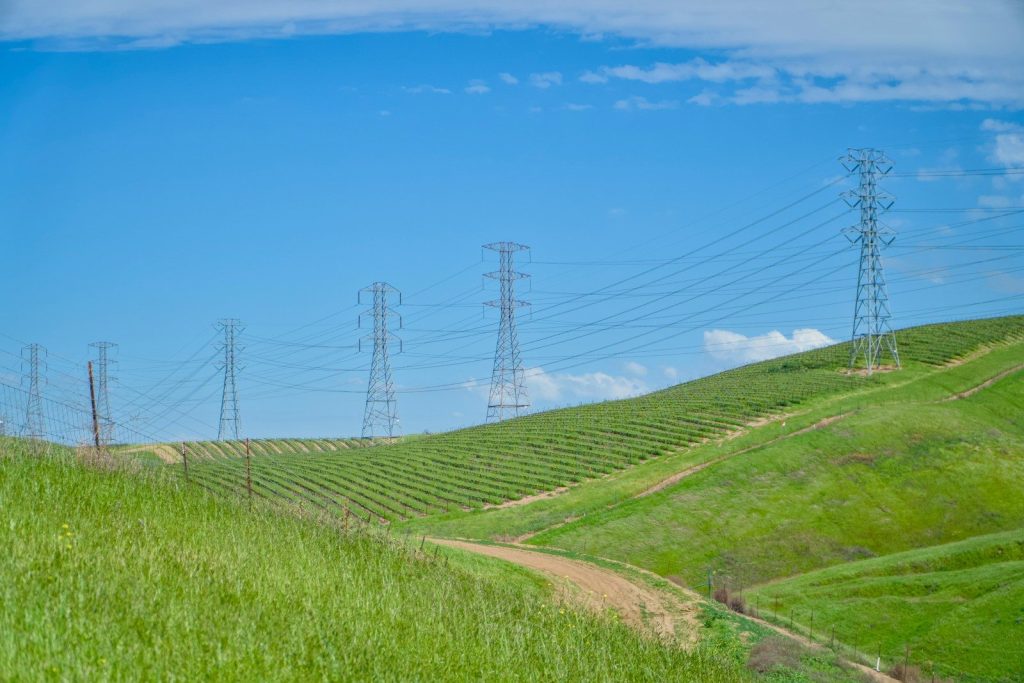
As countries struggle to phase out coal and gas, fuel-free fission offers a steady stream of carbon-free electricity. Power output is immense. According to reports from the Department of Energy, a single waste-burning facility could power millions of homes without emitting any greenhouse gases. This reliable output makes it a perfect partner for wind and solar power systems. But public fear of nuclear tech remains a major obstacle.
Overcoming Public Fear
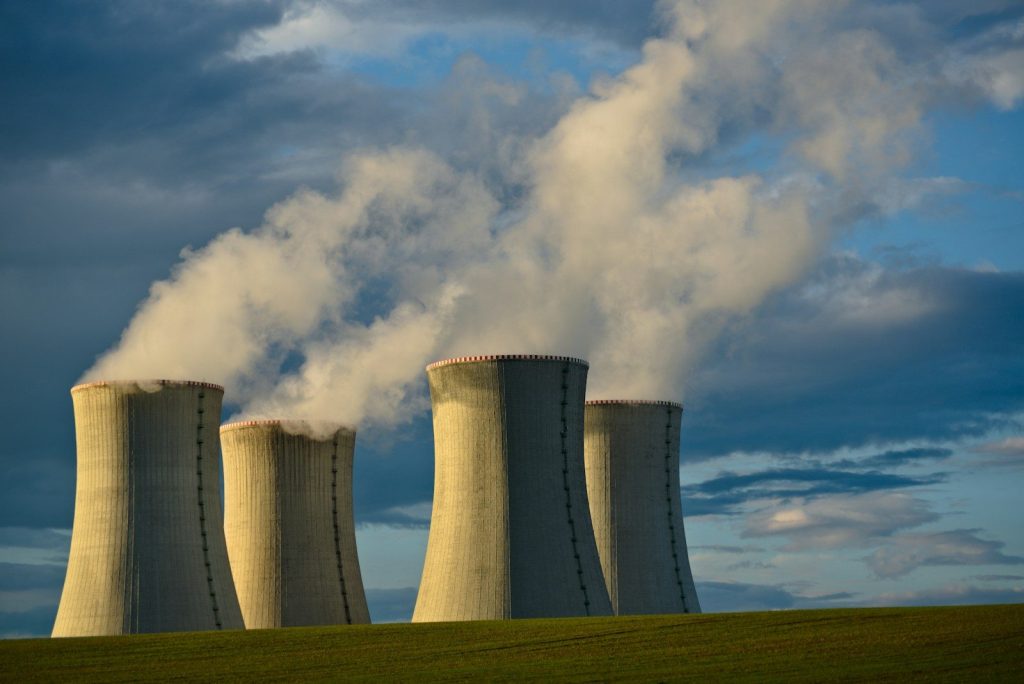
Many communities are highly resistant to any nuclear projects being built near their homes. Trust is thin. According to public opinion polls from the Pew Research Center, explaining that a reactor cannot physically melt down does not completely erase long-held safety concerns. Winning over local residents will require unprecedented transparency and long-term education campaigns. But a demonstration plant in Belgium could soon show the world how it works.
A Clean Energy Horizon
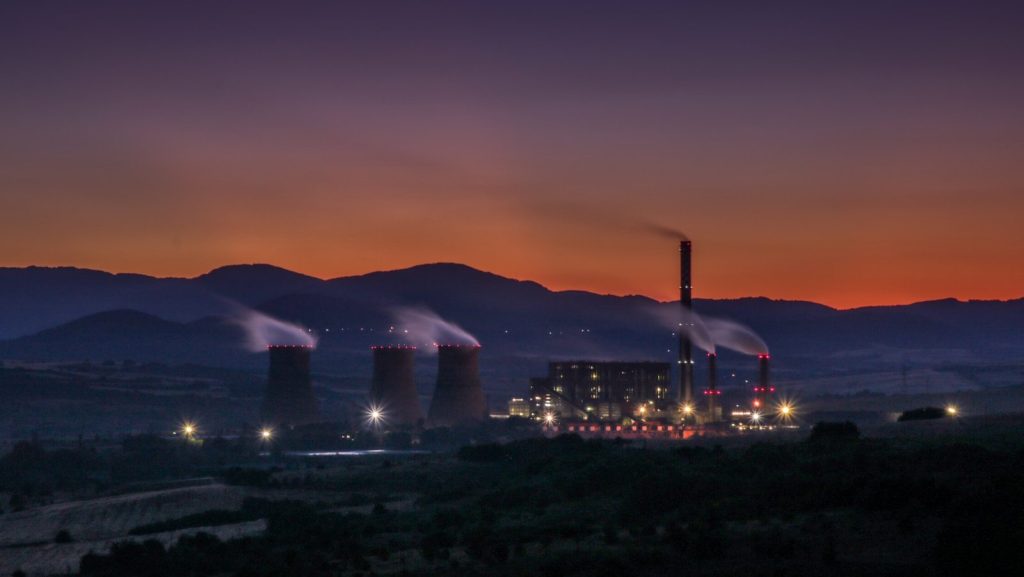
The transition to fuel-free fission could clean up our planet’s past energy mistakes while powering the future. Innovation is winning. According to global environmental forecasters, integrating these advanced systems will permanently change how we manage hazardous waste and generate green power. This quiet nuclear evolution is a critical step toward a sustainable world. This article is for informational purposes only.
Featured Image: Photo by Ramaz Bluashvili on Pexels
Leave a Reply